
 Nordhorn
 Florida
Overview
Trading an aircraft is a common way to move up (or down) in capability, say from a legacy Cessna/Piper single to a newer Cirrus, or from a piston twin to a turboprop, without first going "cash-out" on your current airframe. In practice, it's a valuation negotiation wrapped around real-world constraints: maintenance status, engine condition, avionics suite, damage history, and paperwork quality.
Unlike a simple sale, a trade is usually structured as two connected deals: (1) the buyer/dealer/broker acquires your aircraft at an agreed trade value, and (2) you acquire the replacement aircraft at an agreed purchase price. The gap between those numbers reflects risk, marketability, inspection findings, and the time value of inventory.
If you're planning to Trade a Plane, assume the process will hinge on documentation (complete logbooks, AD compliance, STC records), a defined inspection scope, and a clean closing path (escrow, title/registry filings).
Quick definition: Trading a plane is exchanging your current aircraft toward another aircraft, with both sides priced separately and finalized after inspection and paperwork review.

Looking to trade your aircraft?
Browse our current auctions to see what's available.
How Trade a Plane Works
Most trades follow a predictable flow, even if the venue differs (dealer inventory, brokered listing, marketplace, or auction). The key is separating "indicative numbers" from "binding numbers" that survive inspection and paperwork review.
- 1
Initial fit and valuation
You identify the target aircraft and provide details on your trade (airframe hours/cycles, engine times, avionics, paint/interior, damage history, location, and copies of logbooks).
- 2
Conditional trade offer
The counterparty issues an offer subject to records review, AD status, lien/title checks, and an inspection (often a pre-purchase inspection or limited-scope evaluation).
- 3
Records and compliance review
Logbooks are checked for continuity, major repairs/alterations (Form 337/STCs where applicable), recurring inspections, and compliance with applicable Airworthiness Directives.
- 4
Inspection and findings resolution
A pre-purchase inspection is performed at an agreed facility. Findings can trigger price adjustments, required corrective actions, or walk-away rights.
- 5
Deal documents and escrow
Purchase/trade agreements define price, deposits, inspection scope, acceptance criteria, and risk-of-loss. Escrow/title services coordinate funds, lien releases, and closing deliverables.
- 6
Closing, delivery, and filings
Funds are disbursed, possession changes hands, and registration/title steps are completed per the relevant authority (e.g., FAA registration for U.S.-registered aircraft).
What to look for first
- Logbook continuity (airframe/engine/prop) and clear AD compliance statements with supporting entries
- Engine status (time since major overhaul, trends, borescope/compression history) and recent maintenance quality
- Avionics baseline (ADS-B compliance, WAAS GPS, autopilot status) and any deferred squawks

Key Factors That Drive Value
Trade value is rarely just "book price." It's a risk-adjusted number shaped by how quickly the aircraft can be resold, how predictable its condition is, and how complete the paper trail is.
Airframe, Hours, Cycles
Airframe hours matter most in piston singles; cycles become more prominent in aircraft that do frequent short legs (and in many turbine contexts). A high-hour airframe can still command strong value if maintenance is disciplined, corrosion is controlled, and the aircraft has a clean, continuous record set. Conversely, low hours don't help if there are gaps in logbooks, unresolved damage history questions, or long periods of inactivity that raise corrosion and seal/leak concerns.
Engine & Maintenance Programs
Engines are valued on more than time since overhaul. Typical considerations include overhaul quality/traceability, oil analysis trends, borescope results, cylinder history, propeller calendar/overhaul status, and whether the aircraft has been operated regularly. For turbine aircraft, enrollment in engine/airframe programs can stabilize ownership costs and improve liquidity, but program transferability and arrears must be confirmed.
Avionics & Compliance
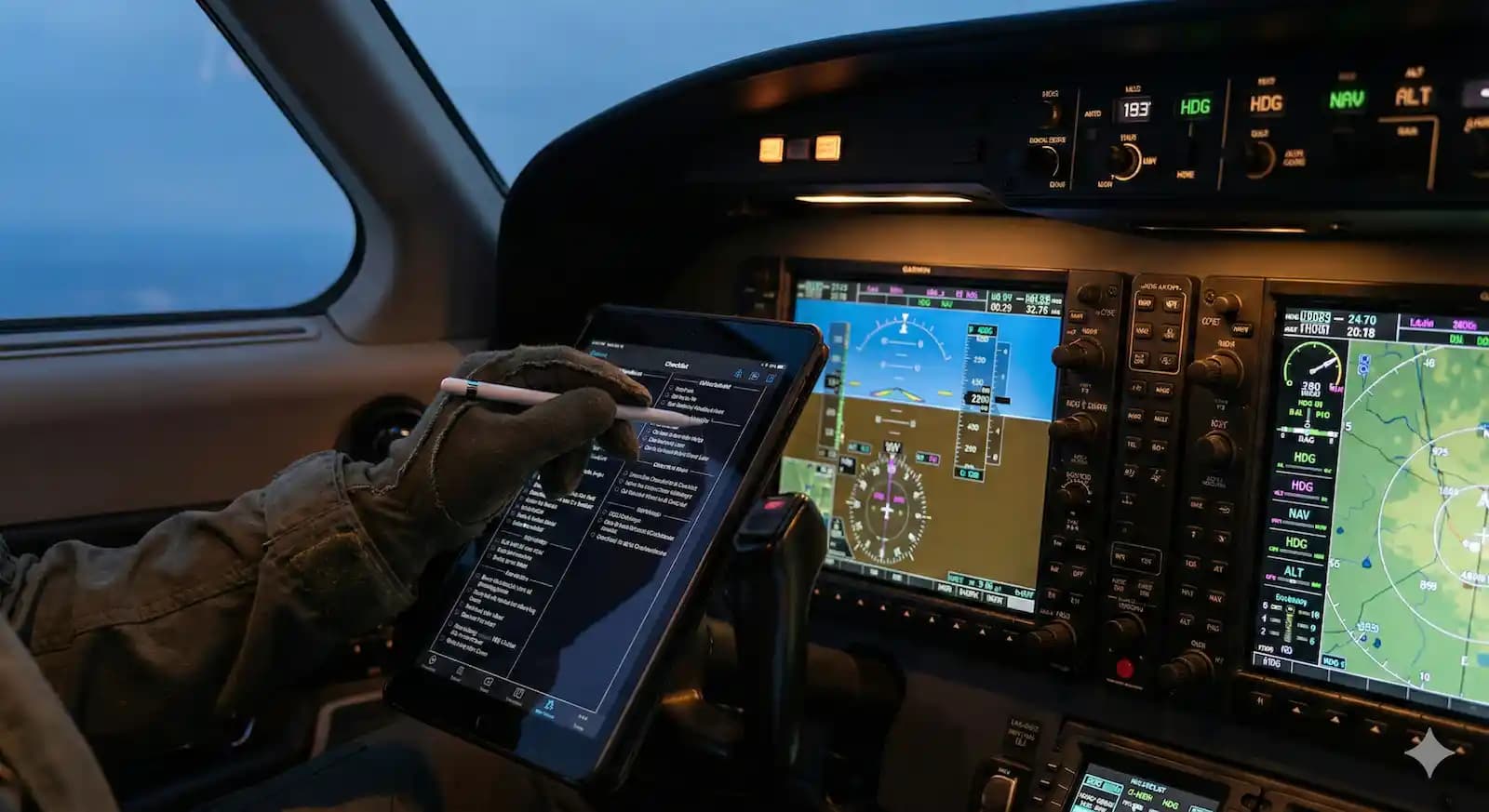
Modern avionics suites can materially change insurability and buyer demand. ADS-B compliance is often table stakes; WAAS GPS capability, an integrated autopilot, and documented installations (STCs/approved data) reduce friction at resale. Compliance and documentation matter: buyers typically pay more for upgrades that are properly recorded, configured, and supported with manuals, wiring diagrams, and recurring checks.
Want to see real aircraft values?
Explore verified listings with complete documentation and transparent pricing.
Process Checklist
A good trade outcome comes from controlling uncertainty: define acceptance criteria, verify records early, and keep the inspection scope aligned with aircraft type and mission.
BUYERPre-purchase Checklist
- 1Obtain scanned logbooks and a full equipment/avionics list; verify serial numbers and major components match the records.
- 2Run a title/lien search and confirm registration status; require lien releases where applicable.
- 3Define inspection scope in writing (systems, corrosion, borescope, avionics checks, test flight) and choose an experienced type-capable shop.
- 4Use escrow with clear closing deliverables (bill of sale, registration filings, keys, manuals, AD list, damage/repair disclosures).
SELLERReadiness Checklist
- 1Organize complete logbooks (airframe/engine/prop), AD compliance summaries, STC/337 paperwork, and recent maintenance releases.
- 2Pre-address known squawks and cosmetic issues that routinely spook inspections (leaks, intermittent avionics, deferred items).
- 3Document configuration and upgrades (avionics part numbers, STC documentation, weight & balance updates, equipment list).
Ready to list your aircraft?
Create your auction listing and reach qualified buyers with verified documentation.
Create Your AuctionCommon Pitfalls (and How to Avoid Them)
Trades go sideways when assumptions aren't written down or when records and inspection scope don't match the aircraft's reality.
Treating the trade value as "final" before records review
Make the offer explicitly subject to logbook and AD compliance verification.
Incomplete or missing logbooks
Gather all originals, request duplicates from shops where possible, and disclose gaps early with a realistic value adjustment.
Vague inspection scope ("standard prebuy")
Specify tasks, acceptance criteria, and who pays for discrepancy correction versus negotiation credits.
Ignoring calendar items (prop/hoses/ELT/transponder checks)
Build a time-limited component list and price the near-term obligations into the trade spread.
Undisclosed damage history surprises
Ask for documented repair details, approved data references, and post-repair flight/testing notes; don't rely on verbal assurances.
Skipping escrow/title coordination
Use escrow to manage deposits, lien releases, bill of sale, and registry filings in a controlled sequence.
Assuming avionics "works fine" without verification
Include an avionics functional check and configuration review (IFR certs where relevant) in the inspection.
Key Facts at a Glance
These are practical reference points; always verify for the specific aircraft.
| Key Fact | What It Means | Why It Matters |
|---|---|---|
| Trade value vs. retail price are separate numbers | Your aircraft is "bought" at one price and the replacement is "sold" at another | The spread captures risk, reconditioning, and marketability; negotiate both sides explicitly |
| Logbook completeness is a value multiplier | Continuous airframe/engine/prop records with clear maintenance entries | Missing records increase uncertainty and often reduce liquidity and insurability |
| AD compliance must be documented, not assumed | Evidence of applicable ADs complied with, including recurring AD tracking | Noncompliance can ground the aircraft and become an expensive closing delay |
| Inspection scope drives outcomes | A defined checklist and acceptance criteria | Prevents disputes over "normal wear" versus safety/airworthiness issues |
| Escrow and title/lien checks reduce closing risk | Controlled fund flow and verified ownership/lien status | Protects both parties from paperwork gaps, liens, and mis-sequenced delivery |
Sources
Used for: FAA registration concepts and ownership/registry context relevant to aircraft transfers.
Used for: Practical guidance on buying used aircraft and the role of pre-purchase inspections and records review.
Conclusion
A trade can be an efficient way to change aircraft without pausing operations, but the convenience only works if the paperwork and inspection process are tight. Price the deal as two linked transactions, and expect records quality, AD compliance, and inspection findings to move the final numbers.
Use a type-experienced shop for the pre-purchase inspection and define acceptance criteria before anyone turns a wrench. Close through escrow with a clean set of deliverables so funds and documents move in a controlled order.
If you want to compare trade scenarios objectively, list the aircraft you have and the aircraft you want in the same marketplace context to see real buyer demand and realistic spreads.
Ready to Browse Aircraft?
Explore our curated selection of aircraft listings with verified documentation and transparent auction terms.
Browse Available AircraftFrequently Asked Questions
What is Trade a Plane?
Trade a Plane is the process of exchanging your current aircraft toward another aircraft, usually by assigning a trade value to your aircraft and a purchase price to the replacement. It is commonly handled through dealers, brokers, marketplaces, or auction-style platforms with escrow and inspection contingencies. The final numbers typically depend on records quality, inspection results, and closing terms.
How does Trade a Plane affect aircraft value?
A trade typically produces a different outcome than a private-party sale because the counterparty prices in resale risk, reconditioning, and time-to-market. Airframe hours, cycles, logbook completeness, AD compliance, engine condition, and avionics suites are the biggest drivers. Strong documentation and predictable maintenance can narrow the spread and reduce renegotiation after inspection.
What documents should I verify for Trade a Plane?
Verify complete airframe/engine/prop logbooks, AD compliance records, maintenance releases, and documentation for major repairs/alterations (e.g., STCs and approved data where applicable). Confirm current equipment lists and weight & balance updates match the aircraft configuration. Also verify ownership, lien status, and bill of sale/transfer paperwork through escrow/title coordination.
Trade a Plane: broker, marketplace, or auction, which is better?
A broker can be effective when the aircraft is higher-value or specialized, because targeted marketing and deal management can reduce friction. A marketplace can broaden exposure and support faster price discovery, especially when listings are detailed and records are well organized. Auctions can accelerate timelines but may amplify price variability; they work best when the aircraft is clearly described, inspection terms are defined, and buyers can evaluate records efficiently. The best choice depends on urgency, aircraft type, and how clean the documentation is.
How long does the Trade a Plane process usually take?
A straightforward trade can close in a few weeks, but timelines depend on inspection scheduling, discrepancy resolution, lien releases, and registry/filing requirements. Aircraft location, shop availability, and the completeness of logbooks often determine whether the process is smooth or extended. Expect longer timelines when there are records gaps, complex avionics configurations, or unresolved maintenance findings.
Related Resources
About the Author

Phillipp Müller
CEO, CollectAirs
Long-time pilot and CEO of multiple scenic flight and aircraft sales platforms. Passionate about making aircraft transactions more transparent and accessible.
Connect on LinkedIn