
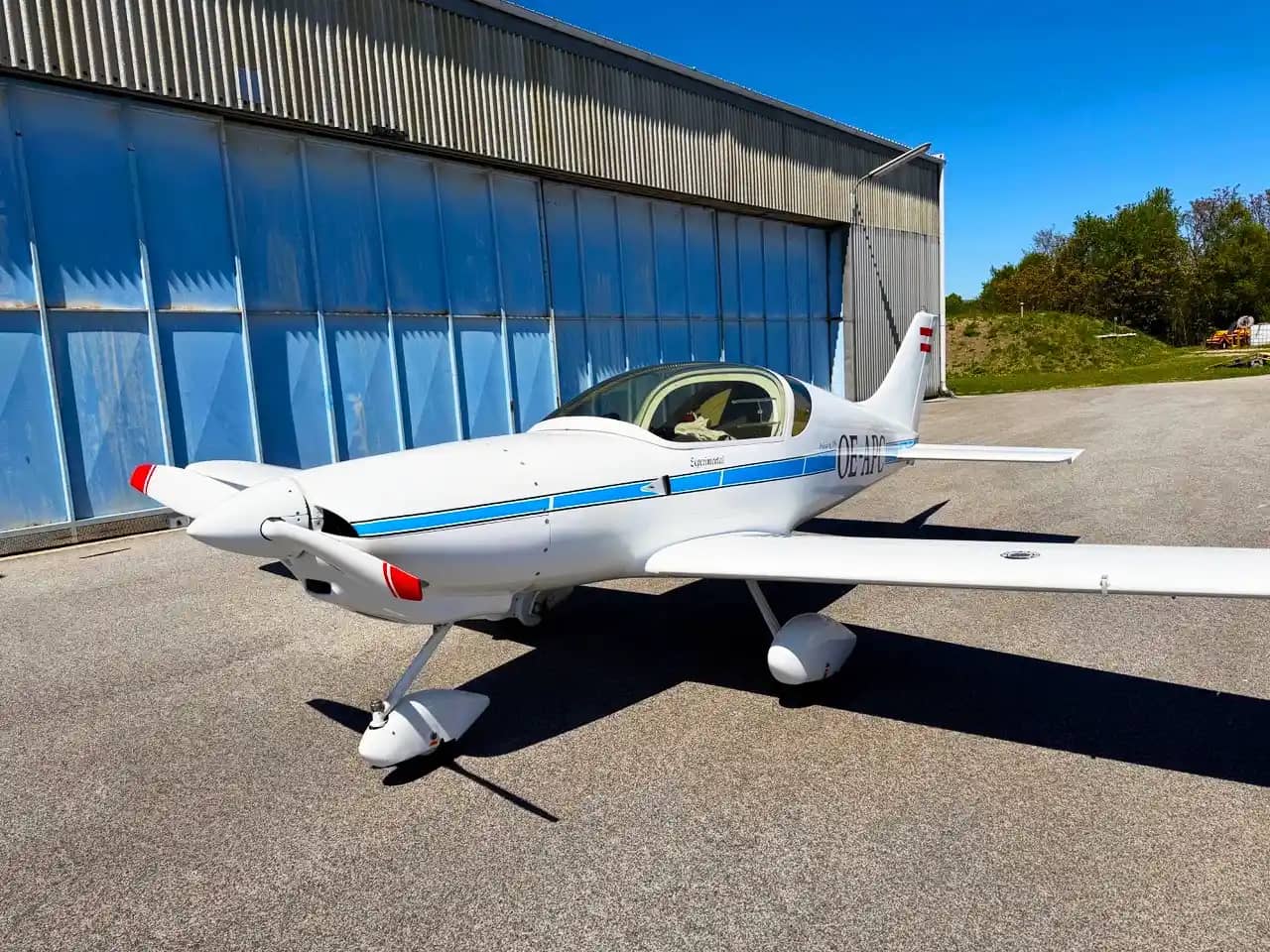
 Bad Vöslau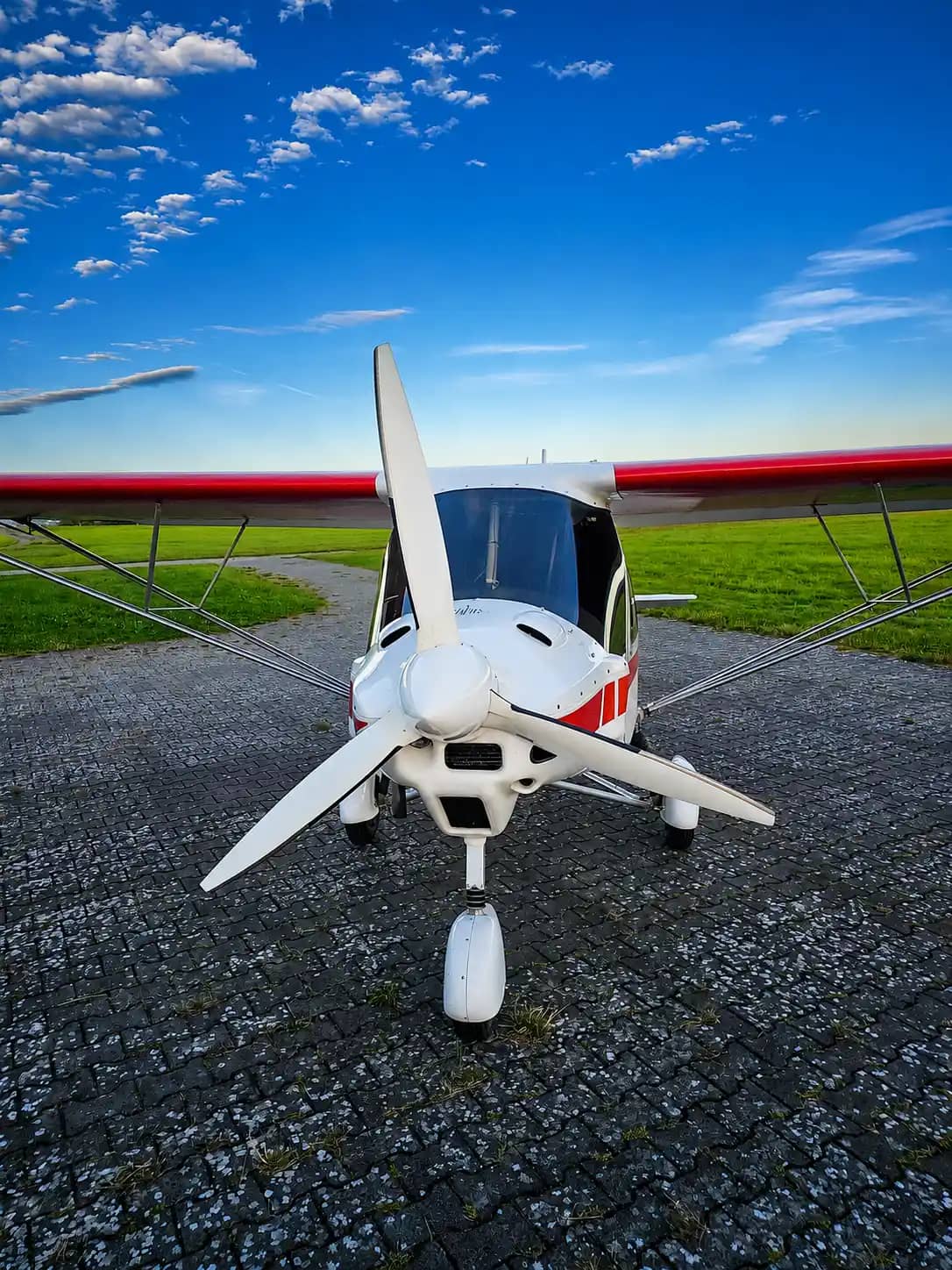
 Kirn
Kirn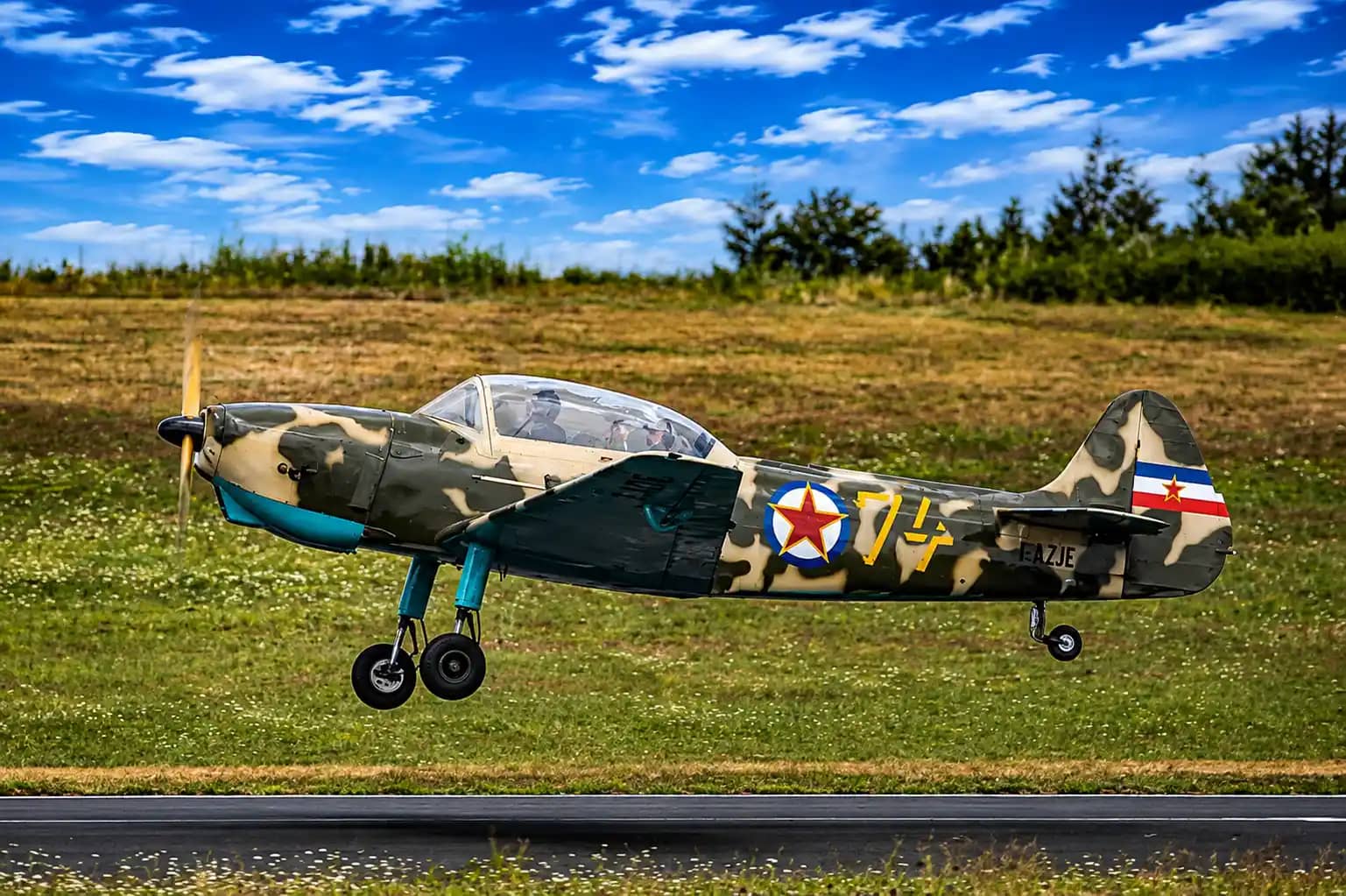
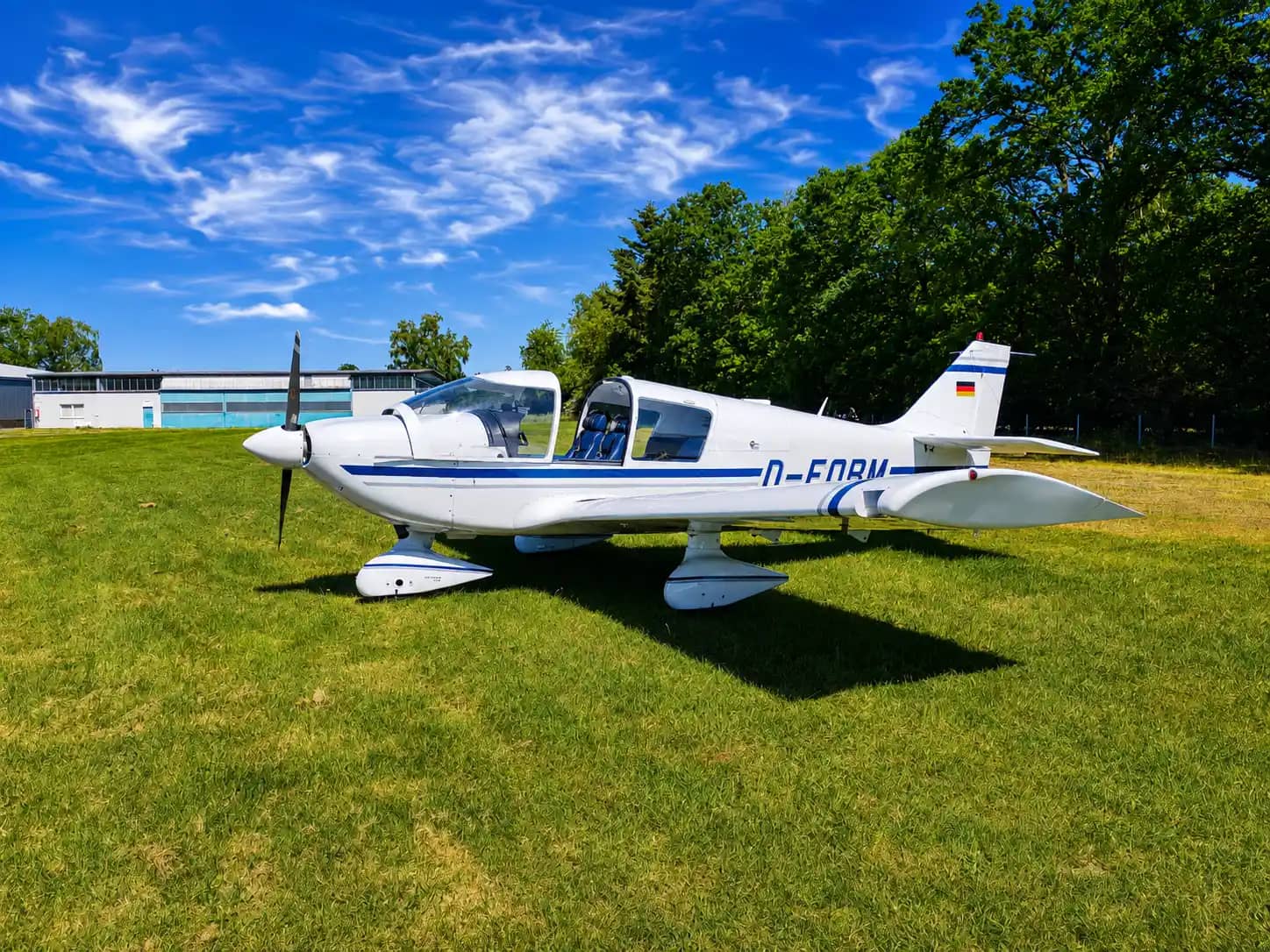
 Florida
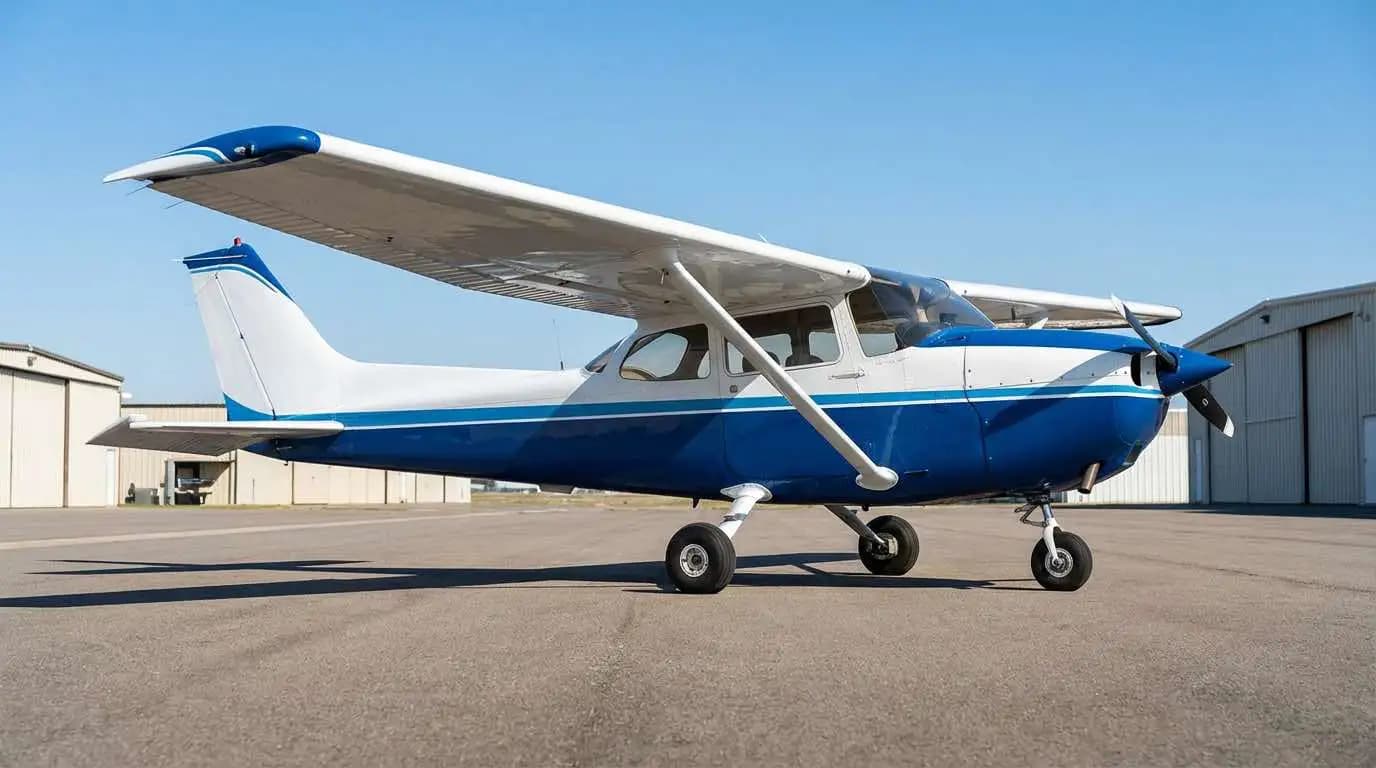
Why the Cessna 172 Remains the Standard
The Cessna 172 succeeds because it is forgiving, economical, and honest. It does not pretend to be fast or exotic. It is a reliable, straightforward platform that lets pilots focus on flying rather than fighting the aircraft. That simplicity, combined with Cessna's engineering discipline, is why the type has endured for seven decades without fundamental redesign.
For flight schools, the Cessna 172 is the default. Its docile handling characteristics, generous useful load capacity, and fuel efficiency make it ideal for training. For personal owners, the 172 offers affordable acquisition, low operating costs, and access to a vast community of mechanics, parts suppliers, and experienced operators. The global support network for the 172 is unmatched in general aviation.
The used market for the 172 is deep and competitive. Hundreds of aircraft are marketed every month. This liquidity means owners can buy with confidence: resale value is predictable and buyers for the aircraft are abundant.
Cessna 172 listings on CollectAirs
Browse verified Cessna 172 Skyhawk listings with full documentation and transparent auction terms.
History and Design of the Cessna 172
The Cessna 172 was certificated in 1956 as a derivative of the earlier Cessna 170. The primary distinguishing feature was the addition of a tricycle landing gear in place of the 170's tail-wheel configuration. This seemingly simple change proved transformative: the nosewheel made the aircraft far more forgiving on the ground and opened the market to a broader pilot population.
Model Variants and Evolution
The Cessna 172 has evolved through numerous variants, each incorporating incremental refinements:
- Models 172A–172M (1956–1969): Original production variants with O-300 engine (145 hp), fixed tricycle gear, conventional instruments
- Skyhawk 100/150 (1971–1977): Introduction of the Skyhawk name, O-320 engine (150 hp)
- Skyhawk 180 (1980s–1990s): O-360 180 hp engine, improved systems, modern panel options
- Skyhawk SP (1981–present): Turbocharged TSIO-360 (210 hp), higher altitude capability
- Modern Skyhawk (1997–present): JT-A diesel variants, Garmin glass cockpit compatibility, advanced avionics integration
Variant Selection Matters
Early 172 variants with O-300 engines and original systems are simpler and potentially more affordable, but lack the performance and reliability enhancements of later variants. Modern Skyhawks with glass cockpits command premium pricing. Choose a variant that aligns with your mission profile and budget.
Cessna 172 Performance and Mission Fit
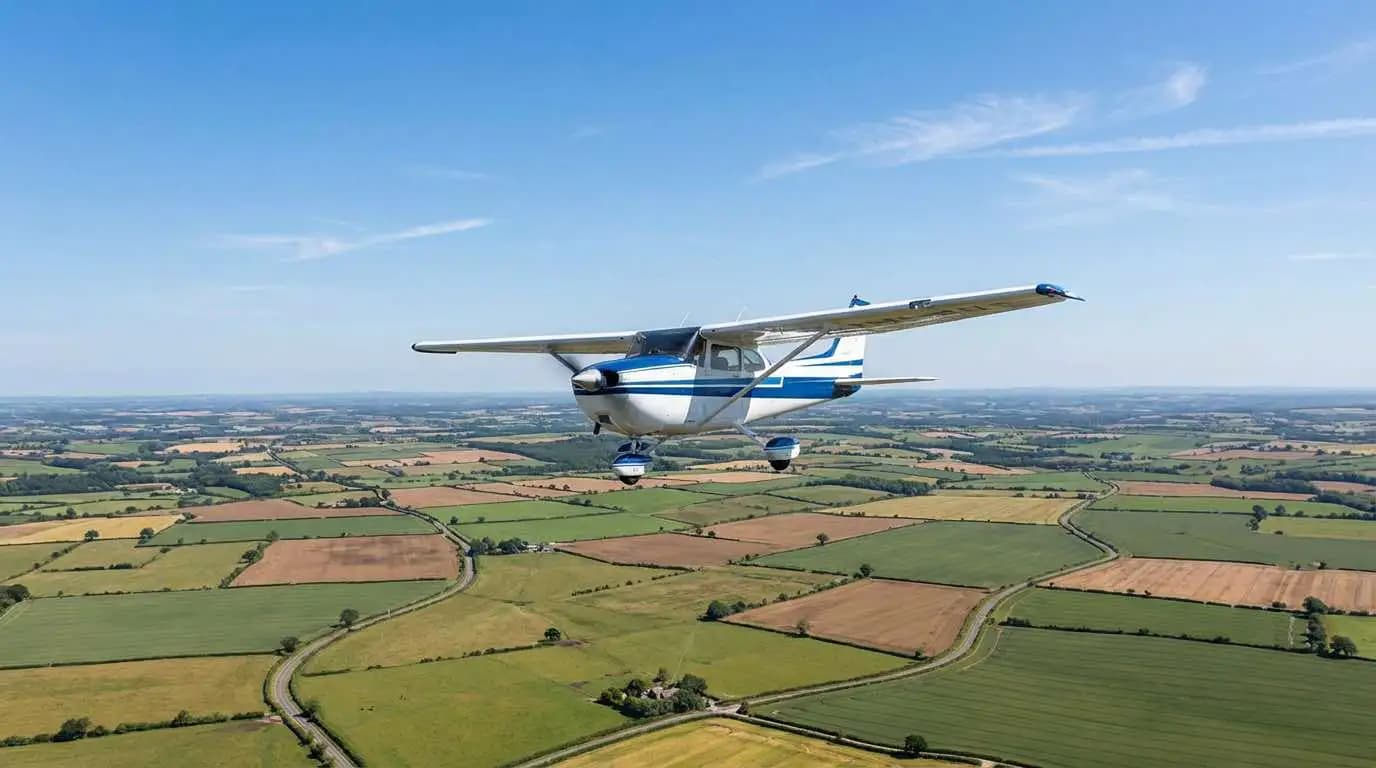
The Cessna 172 trades speed for economy and simplicity. Cruise speeds of 110–125 KTAS are moderate by modern standards, but fuel burn of 8–10 GPH makes the 172 one of the most economical aircraft to operate. For personal transportation, flight training, and regional missions, the 172's performance profile is well-matched to the mission.
110–125 KTAS Cruise
Moderate speed drives longer flight times but exceptional fuel economy and low stress on the airframe.
750–900 NM Range
Practical range for training, personal missions, and regional transportation with sensible fuel reserves.
8–10 GPH Cruise Burn
Exceptional economy translates to low operating cost per hour, major advantage for personal owners.
The 172 is not a high-performance aircraft. But for owner-operators who prioritize reliability, low cost, and ease of operation over speed, the 172's performance envelope is well-suited. The aircraft climbs deliberately, handles stalls benignly, and recovers predictably: characteristics that made it the preferred training aircraft for decades.
Engines and Operating Cost Reality
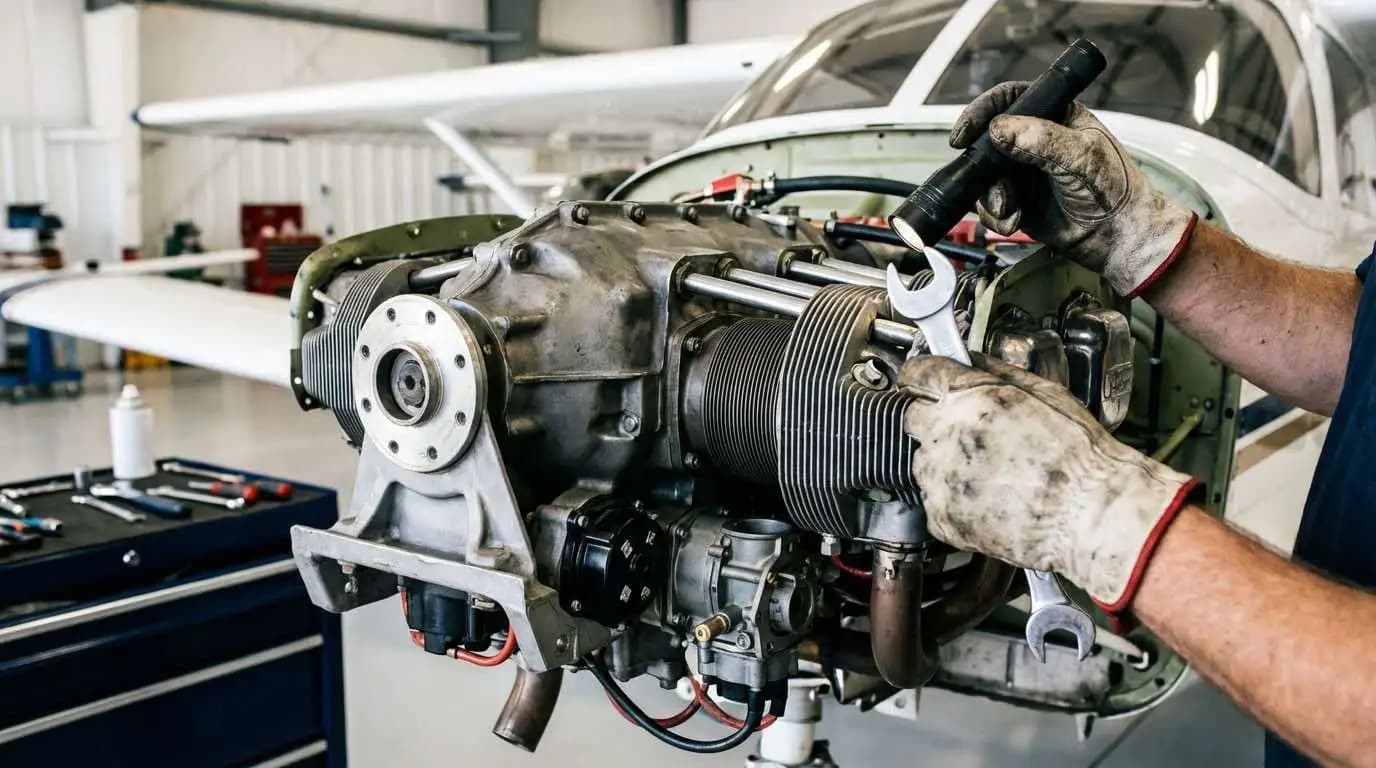
The Cessna 172 engine options span proven, widely-supported Lycoming piston engines. All are straightforward, reliable power plants that have been maintained by thousands of mechanics worldwide. Understanding engine program options and time-remaining-to-overhaul is essential to evaluating purchase value.
Engine Types by Era
- O-300: 145 hp, TBO 1,800 hours (early models)
- O-320: 150 hp, TBO 2,000 hours (most common)
- O-360: 180 hp, TBO 2,400 hours (180 Skyhawk)
- TSIO-360: 210 hp turbocharged, TBO 2,000 hours (SP)
Engine Program Considerations
- Engine overhaul cost range: $15,000–$30,000 depending on engine type
- Engine time remaining is critical, evaluate prospective overhaul cost exposure
- Oil analysis history reveals engine health: request all available records
- Many 172s operate well past TBO with careful condition monitoring
Cockpit, Avionics, and Cabin Configuration
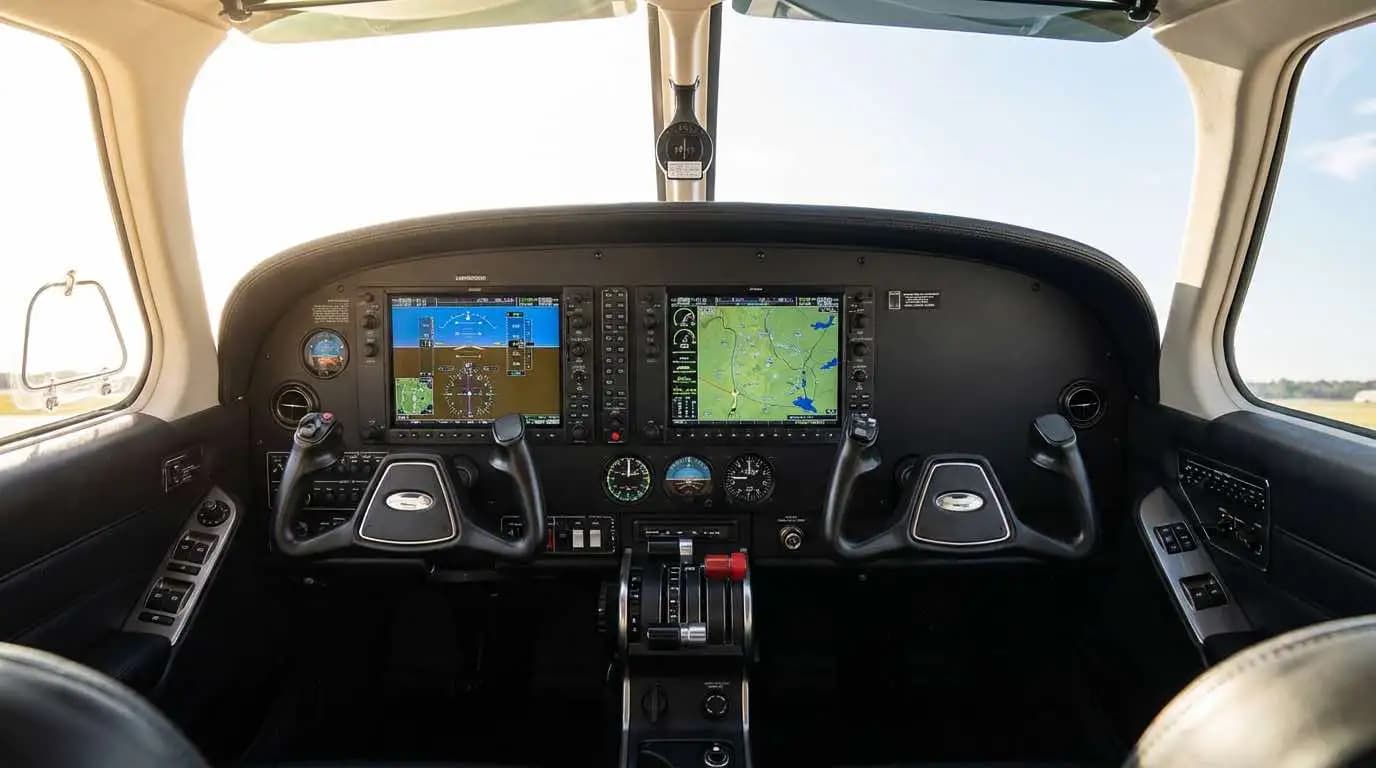
The Cessna 172 cockpit reflects its primary market: flight training and personal transportation. Modern variants support glass cockpit upgrades (Garmin G1000 NXi, GTN series), while older examples retain original round-gauge panels. Avionics compatibility and upgrade potential significantly impact used aircraft value and utility.
Traditional Steam-Gauge Panels
Older 172s with original Bendix/King or Collins panel layouts are functional but lack modern situational awareness and WAAS/LPV approach capability. Glass cockpit retrofits range from $100,000–$250,000+ depending on scope.
Glass Cockpit Retrofits
Many 1980s and 1990s 172s have been upgraded with Garmin GNS 530/430 or GTN 750/650 navigators, standalone glass panels (G600, G1000), and integrated autopilots. These upgrades substantially improve capability and resale value.
Modern Production Avionics
Current-production 172s are equipped with Garmin G1000 NXi or Avidyne glass cockpit suites integrated from the factory. This represents the current capability standard and commands premium used market pricing.
Cabin and Comfort
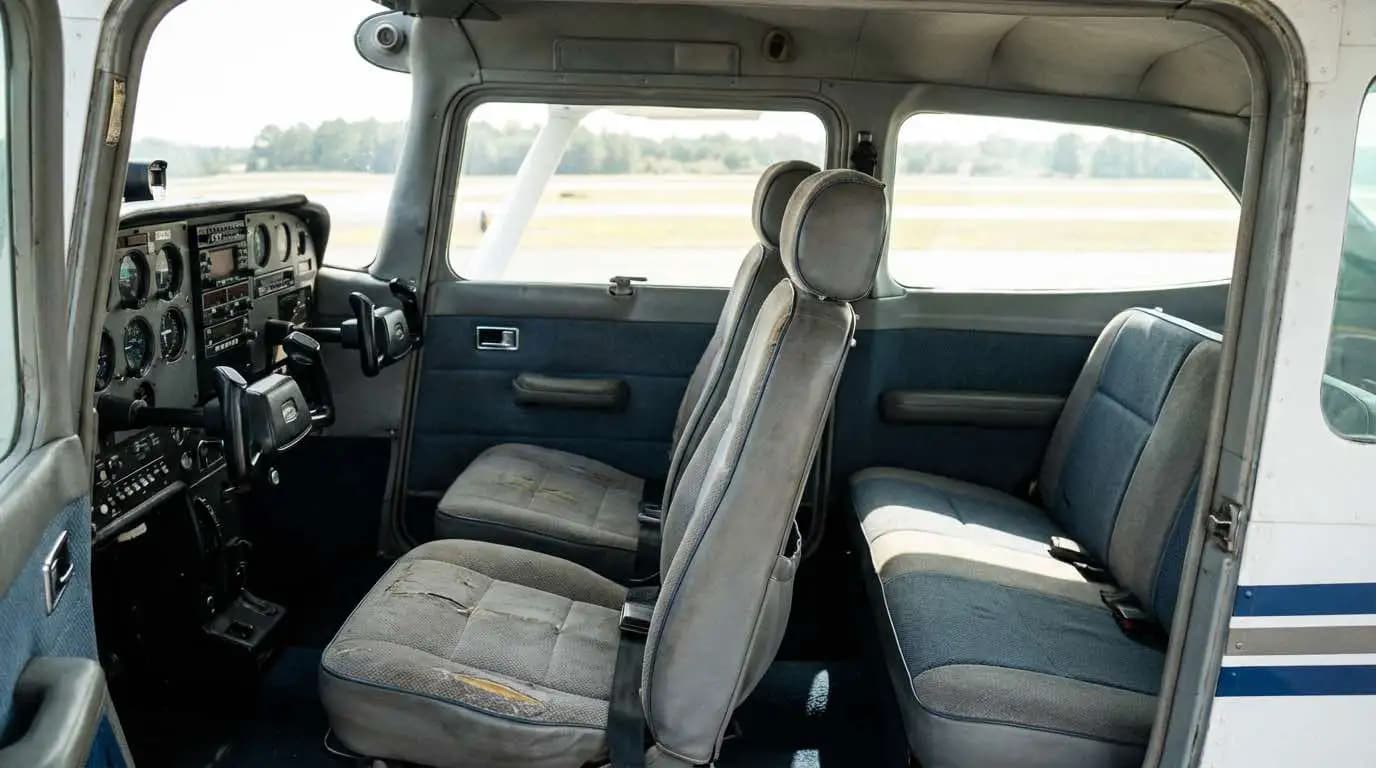
The 172 cabin is modest but functional for four adults. Bench seating forward and individual rear seats provide adequate comfort for training and personal flying. Cabin width limits comfort on longer legs compared to higher-wing aircraft.
Maintenance, AD Compliance, and Owner Expectations
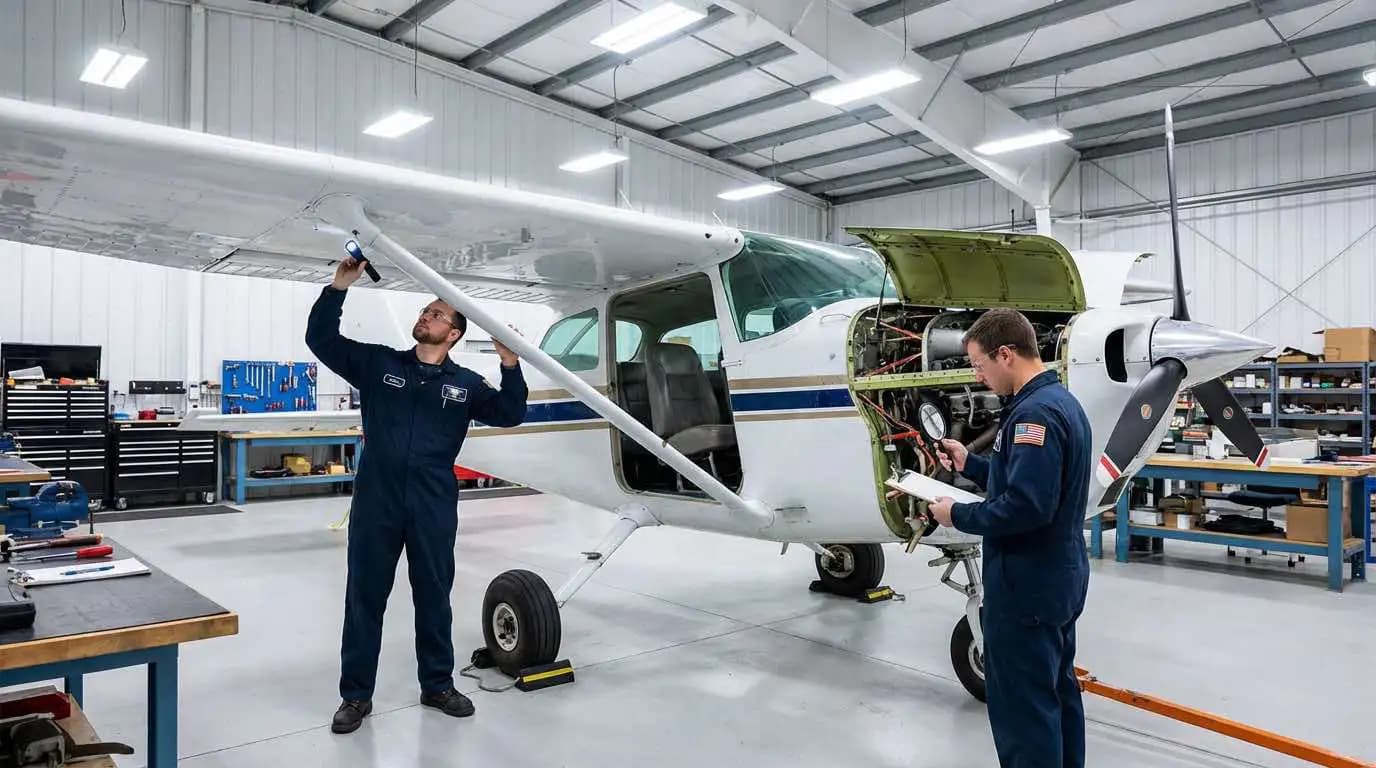
The Cessna 172 is a mature design with straightforward maintenance requirements. Annual inspections are routine. The global pilot and mechanic community has accumulated seven decades of operator knowledge. Finding experienced 172 maintenance support is extraordinarily easy, most general aviation shops are familiar with the type.
Corrosion and Structural Fatigue
High-time 172s accumulate corrosion in the fuselage belly, wing roots, and control surface hinges. Many mid-generation aircraft have also experienced fatigue cracking in aluminum wing structure, particularly around fastener holes. Careful visual inspection during pre-purchase is essential. Corrosion repair can be expensive if significant.
Airworthiness Directives
The Cessna 172 has accumulated ADs covering engine components, fuel system integrity, landing gear systems, and control surface wear. Many ADs are one-time action items; some are recurring inspections. Verify full AD compliance for both the airframe and engine during pre-purchase evaluation. Any undocumented or non-compliant AD items must be resolved before purchase.
Landing Gear System
The 172 fixed landing gear (not retractable) is a significant advantage for simplicity and reliability. However, nose gear shimmy dampers wear and require replacement. Brake condition, tire wear, and wheel bearing service are standard inspection items. Full gear system condition must be confirmed during pre-purchase inspection.
Buying a Cessna 172: Pre-Purchase Checklist
The 172 used market is deep and competitive. Due diligence is important, but the process is straightforward. Any competent general aviation shop can conduct a thorough pre-purchase inspection. Focus on logbook continuity, engine time-remaining, and structural condition.
Documentation & Records
- Confirm complete, unbroken logbooks (airframe, engine, propeller). Total time history must be clearly traceable.
- Engine time remaining to overhaul is critical, assess realistic overhaul cost exposure.
- Review full AD compliance list. Verify all ADs applicable to the aircraft and engine are current or properly documented as complied.
- Check for 337 forms and STCs documenting any modifications, repairs, or avionics installations.
- Verify clear title: use an aviation title service to confirm no liens or encumbrances.
Technical Inspection Priorities
- Compression test: all four cylinders must be within acceptable range and balanced.
- Oil analysis history: review past samples for metal content and condition trends.
- Propeller condition: blade damage, hub wear, prop governor response.
- Landing gear: brake condition, tire tread, wheel and axle wear, nose gear shimmy damper.
- Fuel system: tank condition (internal walls inspected or fuel analysis), fuel selector response, lines and fittings.
- Structural corrosion: fuselage belly, wing roots, control surface hinges, fastener holes for cracking.
- Avionics: functionality test of all systems, software currency, ADS-B Out compliance if required.
Transaction and Risk Control
- Use escrow for funds and document management to protect both buyer and seller.
- Make the purchase conditional on inspection findings with pre-agreed deal-breaker criteria.
- Verify insurance availability and cost before finalizing purchase, rates vary by pilot experience and mission profile.
- Establish maintenance relationship in your base airport region before taking delivery.
Market Snapshot and Pricing Drivers
The Cessna 172 used market is one of the most active in general aviation. Hundreds of aircraft are listed monthly across all price tiers. The depth of the market, combined with the aircraft's popularity, creates strong resale potential for buyers.
Logbook Quality
Complete, unbroken logbooks from original delivery command significant premium. Gaps or missing records suppress value substantially and raise buyer concerns about hidden maintenance issues.
Total Airframe Time
Time matters, but maintenance quality matters more. A well-maintained 5,000-hour 172 can be worth more than a neglected 2,000-hour example. Airframe hours are just one data point in the pricing equation.
Avionics Generation
Glass panel 172s command significant premium over steam-gauge examples. A $100,000 avionics upgrade can easily justify a $50,000–$100,000 price premium when the retrofit is professionally installed.
Engine Time Remaining
Low time to overhaul suppresses value (unless the overhaul is fresh). Aircraft with engines approaching TBO require buyers to budget for near-term overhaul, impacting purchase price.
Model Year vs. Condition
Don't assume newer is better. A 1995 172 with a recent overhaul, glass cockpit, and complete maintenance can outvalue a 2005 example with original round gauges and unknown maintenance history.
Cessna 172 Key Facts
| Specification | Typical Range / Value | Why It Matters |
|---|---|---|
| Engine Family | Lycoming O-300, O-320, O-360 (piston) | Proven, reliable engines with excellent logistical support and parts availability worldwide |
| Max Cruise Speed | ~120–145 KTAS (varies by model and configuration) | Moderate cruise speed; suited to personal and regional missions rather than speed-critical operations |
| Practical Range | ~750–900 NM with standard fuel | Sufficient for genuine cross-country missions with one or two fuel stops |
| Useful Load | ~1,000–1,200 lb (model dependent) | Determines realistic payload: pilot, passengers, fuel, and baggage combined |
| Fuel Capacity | ~40–53 gallons usable (variant dependent) | Drives endurance planning and full-fuel payload tradeoffs |
| Fuel Burn | ~8–10 GPH at cruise | Extremely economical direct operating cost relative to piston twins and jets |
| Engine TBO | 2,000–2,400 hours (depending on engine type) | Overhaul cost per hour is manageable; many owners operate well past TBO with careful monitoring |
| Seating Configuration | 4 seats (standard pilot + 3 passengers) | Intimate cabin limits mission flexibility but keeps operating costs low for personal ownership |
| Pressurization | Unpressurized (except Turbo models with upper cabin altitude capability) | Operating ceiling around 14,000–17,500 ft limits high-altitude cross-country operations |
| Market Asking Price | $40,000–$300,000+ (depends heavily on avionics and model year) | Massive used market with wide price range; avionics generation and logbook quality drive value |
Cessna 172 on CollectAirs
Browse our verified Cessna 172 Skyhawk listings with full documentation, transparent auction terms, and escrow-protected transactions.
Frequently Asked Questions About the Cessna 172
How much does a Cessna 172 cost?
Used Cessna 172 prices span an enormous range depending on model year, engine time, avionics, and overall condition. Older 1970s–1980s models with basic steam-gauge panels typically range from $40,000 to $90,000. Later models with glass cockpit upgrades (Garmin G1000 NXi or equivalent) command $130,000–$300,000+. Low-time airframes with modern avionics and complete maintenance records capture premium pricing.
What engines does the Cessna 172 use?
The Cessna 172 has been produced with several piston engines depending on the model year and variant. Early models used the O-300, later variants the O-320 (160 hp), and from the mid-1990s onward, the O-360 (180 hp). The Cessna 172 Skyhawk SP uses the turbocharged Continental TSIO-360 (210 hp). All are proven, widely supported engines with good parts availability.
Is the Cessna 172 a good first aircraft?
Yes. The Cessna 172 is widely regarded as one of the safest and most forgiving training aircraft ever built. Its docile handling, stable flight characteristics, and generous useful load make it ideal for private owners, instructors, and flight schools. The aircraft's simplicity combined with its vast community of experienced mechanics makes it an excellent choice for pilots stepping up to ownership.
What are the main maintenance concerns on a Cessna 172?
Primary concerns include engine time remaining to overhaul (TBO), exhaust system condition, landing gear wear, corrosion in the fuselage and wing surfaces, fuel system integrity, and avionics serviceability. Many Cessna 172s have accumulated significant airframe hours; careful evaluation of structural corrosion and maintenance continuity is essential.
How far can a Cessna 172 fly?
The Cessna 172 has a practical range of approximately 750–900 nautical miles at cruise, depending on model, fuel capacity, and power settings. With careful fuel planning and economy cruise, many operators achieve ranges in the 800+ NM category.
What should I look for when buying a used Cessna 172?
Prioritize logbooks (complete and unbroken), engine time remaining to overhaul, total airframe hours, AD compliance status, corrosion condition, landing gear integrity, and avionics suite. A thorough pre-purchase inspection by a 172-experienced shop is essential. Airframe hours, maintenance quality, and avionics generation are more important to pricing than model year.
Sources
Used for: certification reference, approved engine configurations, and performance specification framework.
Used for: current production specifications, avionics options, and dealer network information.
Used for: type-specific community knowledge, maintenance guidance, and operator resources.
Used for: engine specifications, TBO data, maintenance requirements, and overhaul program reference.
Related Resources
About the Author

Phillip Müller
CEO, CollectAirs
Long-time pilot and CEO of multiple scenic flight and aircraft sales websites. Passionate about making aircraft transactions more transparent and accessible.
Connect on LinkedIn