
 Florida
 Hildesheim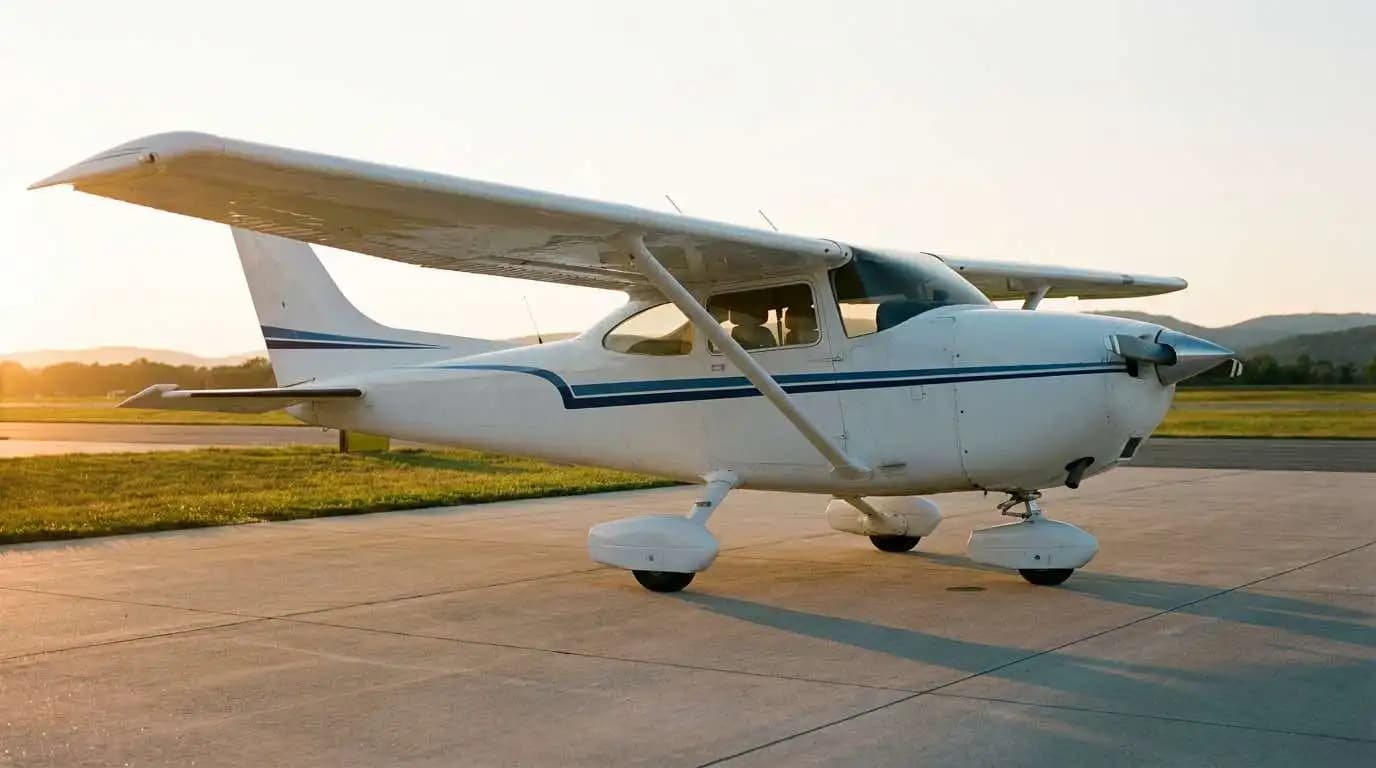
Why the Cessna 182 Still Makes Sense
The Cessna 182 sits in a sweet spot that is hard to replace with anything else in the piston single world. It carries more than many trainers and "entry" four-seaters, cruises fast enough to make real trips worthwhile, and keeps the forgiving, high-wing utility feel that owners appreciate for mixed-weather touring and uneven-field operations.
The keyword with the Cessna 182 is flexibility. It can be a family travel aircraft, an IFR platform (especially with modern avionics), a backcountry-leaning utility machine in the right configuration, or a dependable club aircraft that does not feel underpowered when loaded thoughtfully.
Looking for a Cessna 182?
Browse our current aircraft auctions with verified documentation and transparent terms.
Cessna 182 Models and Variants That Matter
"Cessna 182" covers a long production history and several meaningful subtypes, so it helps to translate the badge into practical differences.
Legacy 182s (1950s–mid-1980s)
Huge variety in avionics and interiors depending on upgrades. Many have been modernized extensively, but condition and logbooks vary widely. Type certification and approved configurations are governed by the FAA Type Certificate Data Sheet (TCDS) for the series.
Restart-Era and Modern 182s (late 1990s onward)
Generally more standardized equipment and interiors, with later aircraft increasingly tied to integrated avionics packages. Many late-model examples use 88 gallons usable fuel in typical configurations.
Turbocharged Variants
Often chosen for high-elevation airports and higher-altitude cruise efficiency, but they introduce additional heat management considerations and, typically, higher maintenance complexity.

A Note on "Typical" Numbers
Because the 182 spans decades, you will see big swings in empty weight, useful load, avionics capability, and even how well the aircraft meets book performance. Treat performance claims as configuration-dependent, and verify against the POH/AFM for the exact serial number and equipment list.
Performance and Real-World Mission Fit
Manufacturer-published specifications for the current Skylane family commonly cite up to 145 KTAS and up to 915 nm range, with the usual caveat that performance depends on power setting, altitude, temperature, and configuration.
145 KTAS Max Cruise
Published max cruise for the current Skylane. Many aircraft cruise lower depending on configuration and power setting.
915 nm Max Range
Supports real cross-country trips, especially with conservative power settings and thoughtful fuel reserves.
~1,110 lb Useful Load
Keeps the 182 in the "two adults, two kids, bags, and full fuel" conversation more often than lighter singles.
In operational terms, the Cessna 182's appeal is that it remains comfortable in the "two adults, two kids, bags, and full fuel" conversation more often than lighter four-seat singles. The trade is that to realize that utility, you must manage loading carefully, especially with modern avionics, soundproofing, and interior upgrades that can erode useful load over time.
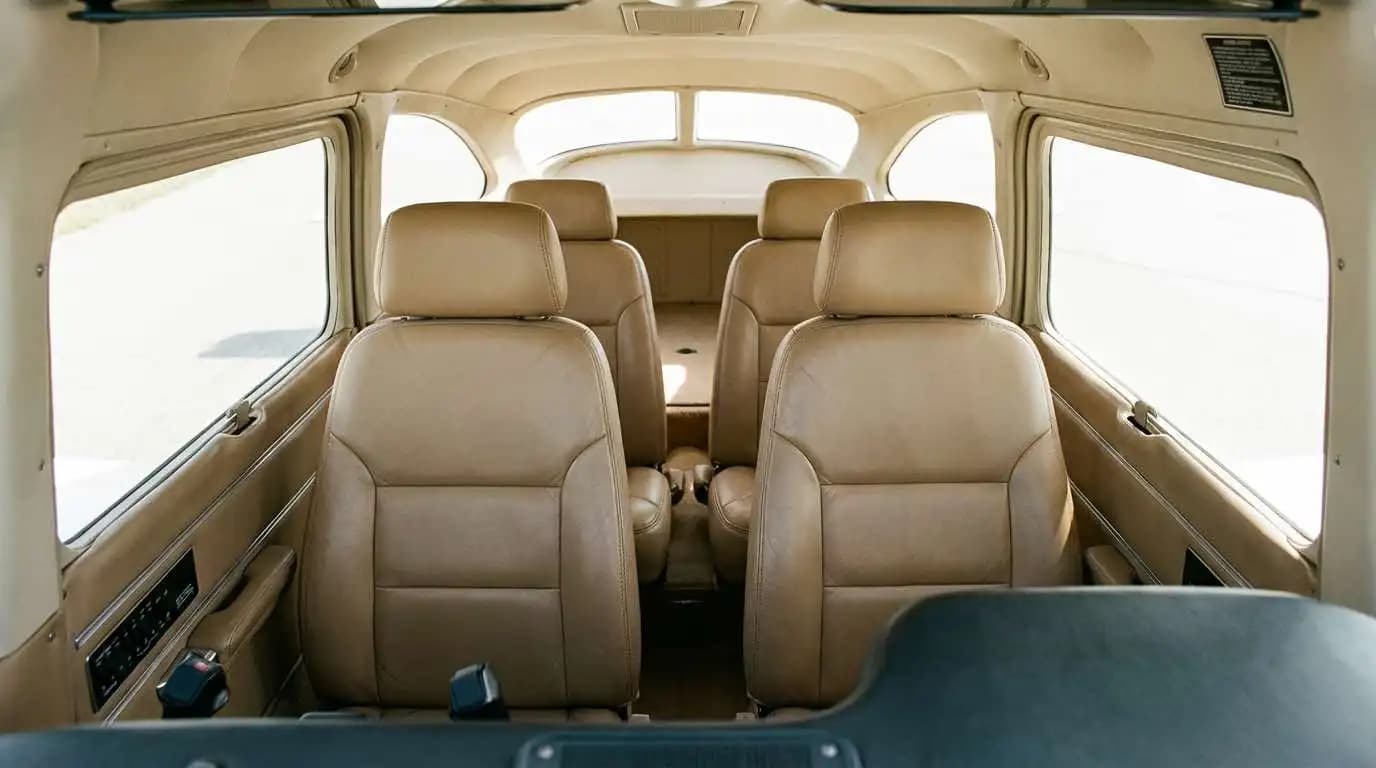
Cabin, Loading, and Practical Payload
Most buyers fall in love with a Cessna 182 on the ramp and learn to love it in the weight-and-balance sheet.
Useful Load & Full-Fuel Payload
- Modern published figures: roughly 1,110 lb useful load
- Your target aircraft's equipment list matters more than the brochure
- Avionics and interior upgrades can erode useful load substantially
Fuel & CG Behavior
- Many later models: 88 gallons usable
- Verify exact capacity via the POH/AFM and fuel system config
- Aft loading can catch owners by surprise with aggressive baggage
Avionics and Common Upgrade Paths
From a capability standpoint, avionics are often the single biggest driver of "what the airplane feels like." The avionics suite in a Cessna 182 can range from a basic six-pack to a fully integrated glass panel, and this choice has major implications for IFR utility, resale, and pilot workload.
Integrated Glass (factory packages on later aircraft)
Strong IFR utility and resale appeal. These panels provide excellent situational awareness and are increasingly expected by buyers in the upper price tiers.
Upgraded Legacy Panels
Often excellent value if done neatly with proper documentation. A well-executed retrofit with modern GPS, a good autopilot, and ADS-B Out can make an older 182 genuinely capable.
Autopilot Matters
Two-axis (and better) autopilots can change fatigue and dispatch decisions significantly for IFR touring. A capable autopilot is one of the most impactful upgrades on any 182.
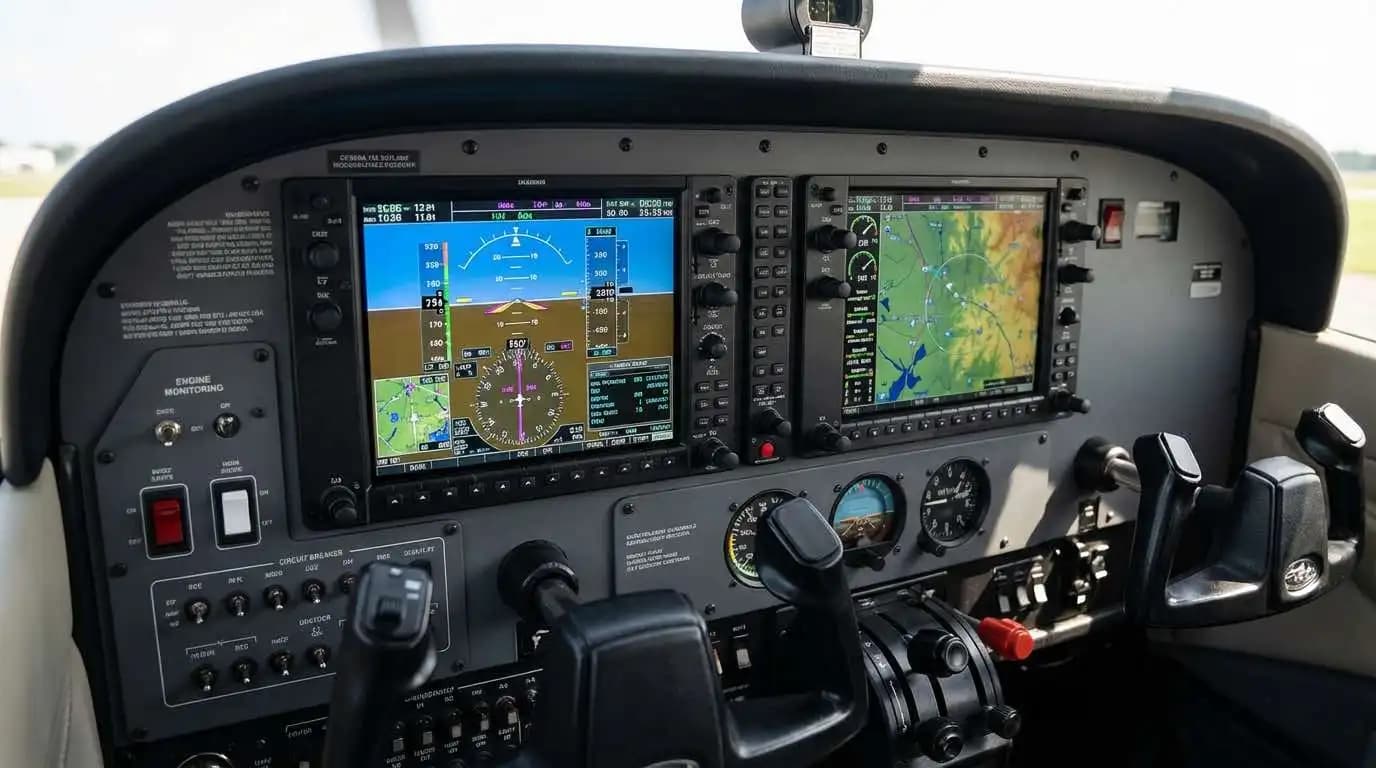
Buyer note: When comparing aircraft, treat "IFR capable" as a documentation question: confirm the installation approvals, current checks, database practices, and whether the equipment matches the mission you actually fly.
Maintenance, AD Compliance, and Ownership Reality
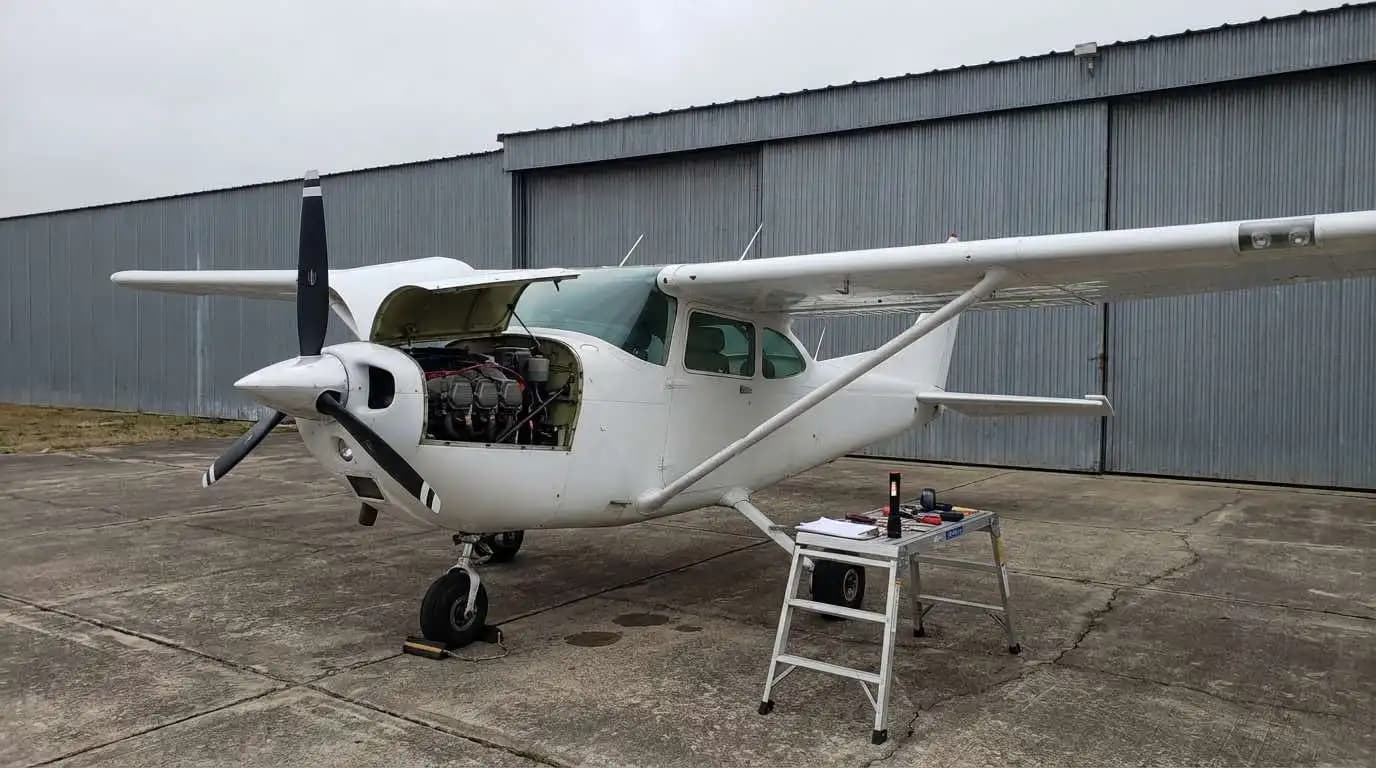
A Cessna 182 can be predictable to own, but only if you buy one that has been maintained predictably.
AD Compliance Is Not Optional
A practical example: the FAA issued AD actions addressing seat rail wear and seat security to reduce the risk of seat slippage, which can become critical during takeoff or go-around phases. For buyers, this translates into a simple rule: do not accept vague assurances. Ask for the AD status list, confirm recurring items are tracked, and ensure the maintenance entries are clear and complete.
Logbooks
Look for continuity, major repair documentation, and a clean history of inspections and compliance. Missing logs can materially reduce value and increase risk.
Corrosion
Especially if the aircraft lived near salt air, spent time outside, or shows signs of poor drainage or neglected cleaning. Corrosion can be hidden in spar caps, belly areas, and around battery boxes.
Engine & Prop History
Time since overhaul is only one variable. Also assess trend data (compression history, oil analysis if available), operating habits, and any participation in engine programs (where applicable).
Rigging & Wear Items
A tired 182 can still "look nice," but rigging, aging hoses, landing gear components, and deferred interior disassembly often hide the real bill.

Buying a Cessna 182: A Pre-Purchase Checklist
If you want one section to save you from buyer's remorse, it is this.
Documentation & Records
- Verify airframe hours and cycles (where tracked) and cross-check against inspection history.
- Confirm complete logbooks (airframe, engine, prop) and consistent entries for major work.
- Request a current AD compliance report and verify recurring AD sign-offs are up to date.
- Review STCs and major mods: avionics suites, engine upgrades, gross weight increases, speed mods, and utility/backcountry kits.
Technical Inspection Priorities
- Choose a shop experienced with 182s for the pre-purchase inspection (not just a generic annual-style look-over).
- Corrosion-prone areas and any previous structural repairs.
- Fuel system condition and evidence of leaks or improper sealing.
- Control system wear and rigging quality.
- Seat rails, seat locks, and related hardware (tie it back to AD requirements).
Deal Process & Risk Control
- Use escrow for funds handling and document exchange.
- Make the offer conditional on inspection findings, with clear language on what constitutes a deal-breaker.
- If you plan to insure and fly IFR, discuss training and avionics specifics early; insurers can care about both.
Market Snapshot and Pricing Drivers
The Cessna 182 market is broad because the airplane is broad. Current online listings commonly show asking prices spanning roughly $104,000 to $799,000, reflecting everything from older aircraft with basic panels to late-model, high-spec examples.
Panel Quality & Autopilot Capability
Modern glass or well-integrated retrofit panels with capable autopilots command significant premiums over six-pack-equipped aircraft.
Engine / Prop Status & Maintenance Culture
Low-time engines with documented overhaul history and consistent oil analysis are valued higher than high-time or poorly documented powerplants.
Corrosion History & Storage Environment
Always-hangared aircraft with no corrosion history hold value far better than aircraft exposed to coastal or outdoor environments.
Damage History
Clean, no-damage-history airframes are worth more—but verify the claim against records. Well-repaired and documented damage is acceptable; undisclosed damage is not.
Total Airframe Time
Matters relative to comparable listings. A well-maintained higher-time aircraft can be a better buy than a neglected lower-time one.
Cessna 182 Key Facts
| Category | Typical Range / Value | Why It Matters |
|---|---|---|
| Max Cruise Speed (current Skylane published) | Up to 145 KTAS | Sets realistic cross-country planning expectations |
| Max Range (current Skylane published) | Up to 915 nm | Useful for mission fit, especially with reserves and winds considered |
| Useful Load (current Skylane published) | About 1,110 lb | Determines how often you can carry people, bags, and fuel together |
| Usable Fuel (example late-model POH reference) | 88.0 U.S. gallons usable | Drives endurance planning and full-fuel payload math |
| Certification Basis / Approved Configs | Controlled by FAA TCDS for 182 series | Ensures you evaluate legal engines, props, weights, and limitations |
| Example Safety-Critical AD Area | Seat rail wear / seat security (AD 2011-10-09) | Directly tied to controllability risk during critical flight phases |
| Market Asking Price Range | $104,000–$799,000 | Reflects everything from older basic panels to late-model high-spec examples |
Explore Available Aircraft
Browse our curated aircraft auctions with verified documentation, logbook verification, and escrow-protected transactions.
Browse Available AircraftFrequently Asked Questions About the Cessna 182
Is the Cessna 182 a good IFR aircraft?
Yes, when equipped and maintained appropriately. The airframe is stable, and many examples have capable avionics and autopilots. The deciding factors are the installed avionics suite, autopilot functionality, and maintenance quality, not the nameplate.
What is a realistic cruise speed for a Cessna 182?
It depends on model, rigging, wheel fairings, power setting, and altitude. The current manufacturer-published figure is up to 145 KTAS for the Skylane, but many aircraft will cruise lower depending on configuration and how conservatively you run the engine.
How much fuel does a Cessna 182 hold?
Many later-model configurations are commonly documented with 88 gallons usable. Verify for the exact aircraft via its POH/AFM and equipment configuration.
What should I look for when buying a used Cessna 182?
Prioritize logbooks, AD compliance, corrosion condition, engine/prop history, and avionics documentation. A thorough pre-purchase inspection by a 182-experienced shop is worth more than chasing a "good deal" on cosmetics.
Are there any AD items buyers should pay special attention to?
Always review the aircraft’s AD list, but pay close attention to any items affecting control and occupant security. For example, the FAA has issued AD requirements addressing seat rail wear and seat slippage risk.
Sources
Used for: current Skylane published performance and utility figures (cruise speed, range, useful load, takeoff data).
Used for: fuel capacity/usable fuel reference for a late-model 182S configuration.
Used for: certification reference for the 182 series and approved configuration framework.
Used for: seat rail/seat security AD rationale and compliance importance.
Related Resources
About the Author

Phillip Müller
CEO, CollectAirs
Long-time pilot and CEO of multiple scenic flight and aircraft sales websites. Passionate about making aircraft transactions more transparent and accessible.
Connect on LinkedIn