
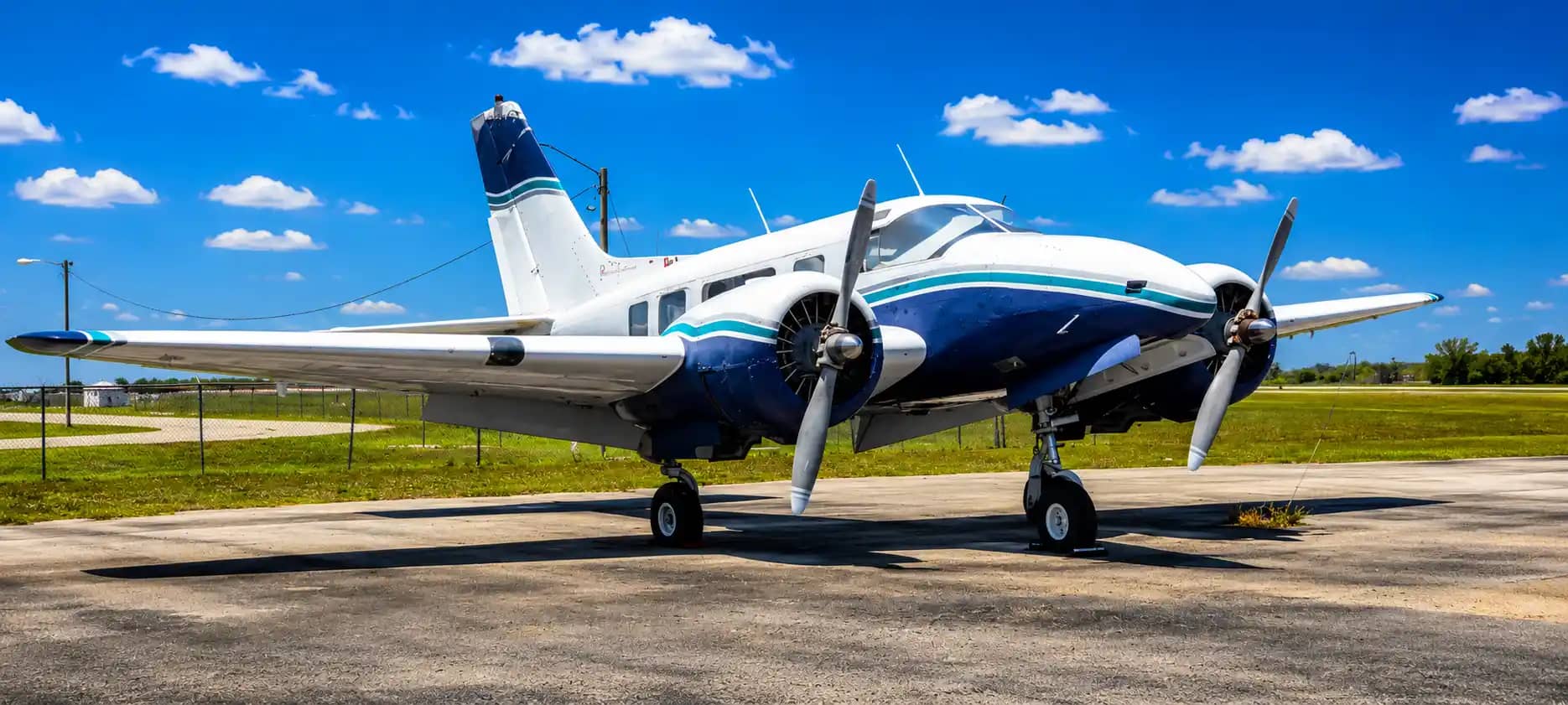
 Florida
 Hildesheim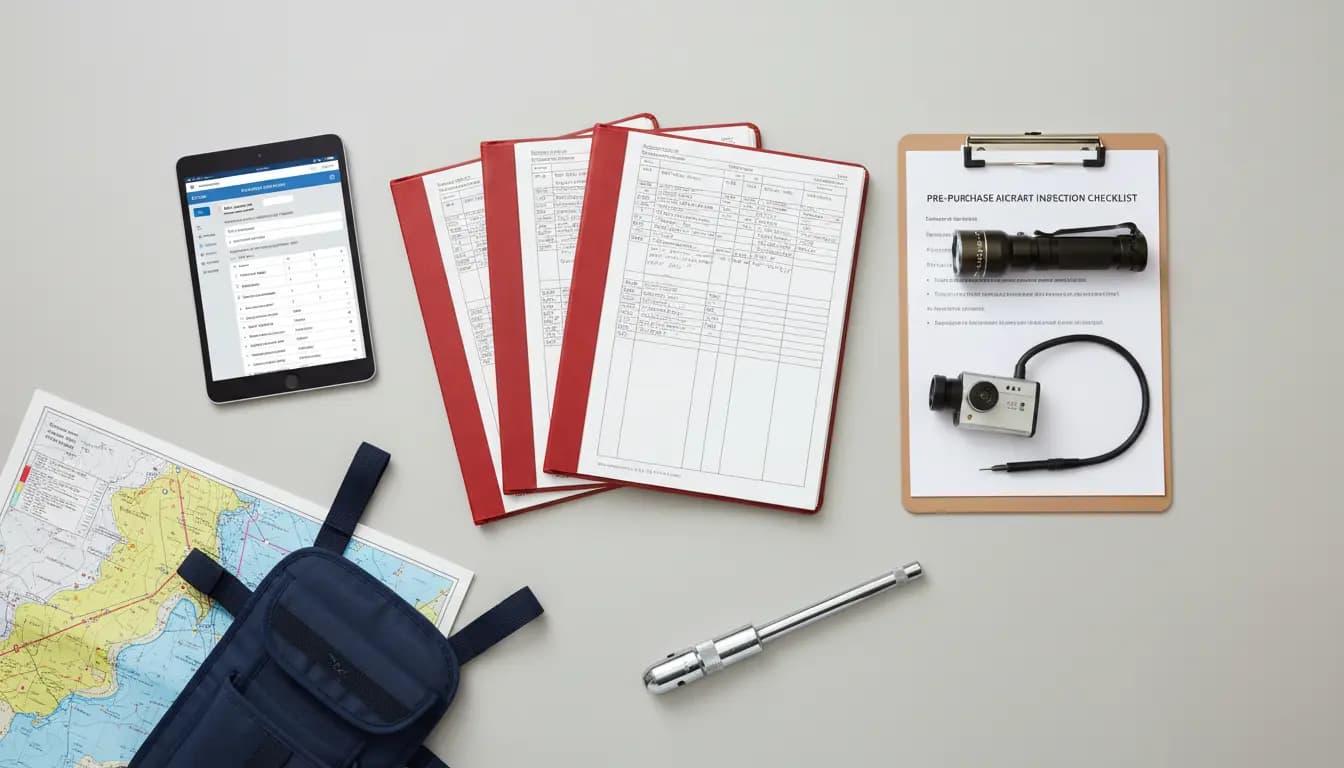
Why People Buy Used Planes
The used market exists because airplanes are long-lived assets. A well-kept airframe with disciplined maintenance and complete logbooks can provide years of reliable service, often at a fraction of the cost of a new aircraft.
The tradeoff is that your inspection and paperwork diligence becomes part of the "product." Guidance aimed at owners consistently emphasizes using trusted maintenance expertise and verifying records early, before emotions and deposits take over.
Ready to start your search?
Browse our current aircraft auctions to see what's available.
Define the Mission Before You Shop
Before comparing listings, define what the airplane must do:
Mission Requirements
- Typical trip length and passenger load (people, bags, fuel reserves)
- Runway environment (short grass strips vs paved 1,200 m, high/hot performance)
- IFR vs VFR expectations and your training timeline
- Utilization (50 hours/year vs 200): low utilization changes maintenance strategy and corrosion risk
Support & Logistics
- Maintenance support near your home base: type familiarity matters
- Hangar availability and climate considerations
- Insurance requirements for the type and your experience level
Common Mistake
This mission-first step prevents the most common used-plane mistake: buying a beautiful aircraft that does the wrong job expensively.
Where Used Planes Are Listed
Most used planes are sold through a mix of channels. No listing source replaces a proper inspection and documentation review.
👤 Owner-to-owner listings
Often the best 'story,' sometimes the weakest paperwork packaging
🏢 Dealers / brokers
Often smoother process; still do your own diligence
✈️ Type clubs and owner groups
Valuable for tribal knowledge on known issues and fair pricing
Even reputable sellers can be unaware of looming maintenance events. Always verify independently.
How to Evaluate a Used Plane
Start with the big three: engine, airframe, and avionics.
Engine
Consider time since major overhaul and operating history (regular flying is often kinder than long inactivity). Look for oil analysis trends (if available), borescope findings (during prebuy), and evidence of disciplined maintenance.
Airframe
Corrosion risk, prior repairs, and damage history are often more important than total hours alone. Airframe hours and cycles should "make sense" relative to logbook entries.
Avionics
Value depends on capability you will use (IFR GPS approvals, autopilot reliability, ADS-B configuration). A "new panel" can hide expensive integration issues if documentation is weak.
Quick "Listing Sanity" Checklist
- Photos of logbooks, data plates, and compliance summaries
- A clear statement of damage history (yes/no and details)
- Recent annual/100-hour paperwork and squawk list
- A realistic explanation for any gaps in records
If the seller cannot provide baseline documentation early, assume higher risk and price accordingly, or walk.
Records That Actually Matter: Logbooks, ADs, and Modifications
For used planes, logbooks are the story of the aircraft. AOPA's buyer guidance and checklists consistently place paperwork review at the front of the process, including verifying airworthiness documents, registration, and logbook completeness.
Key Items to Verify
- Complete airframe, engine, and prop logbooks (missing books reduce value and increase risk)
- Airworthiness Directive (AD) compliance history and current status
- Major repairs and alterations documentation (STCs, Form 337s where applicable, equipment list updates)
- Weight and balance with current equipment list
- Evidence of recurring issues: repeated entries for the same system, chronic magneto problems, recurring leaks, or deferred defects
Complex Aircraft Warning
If you're buying a complex aircraft (retractable gear, turbocharging, pressurization), documentation quality becomes even more decisive because troubleshooting and "catch-up maintenance" can be costly.
The Pre-Purchase Inspection: Scope, Expectations, and Red Flags
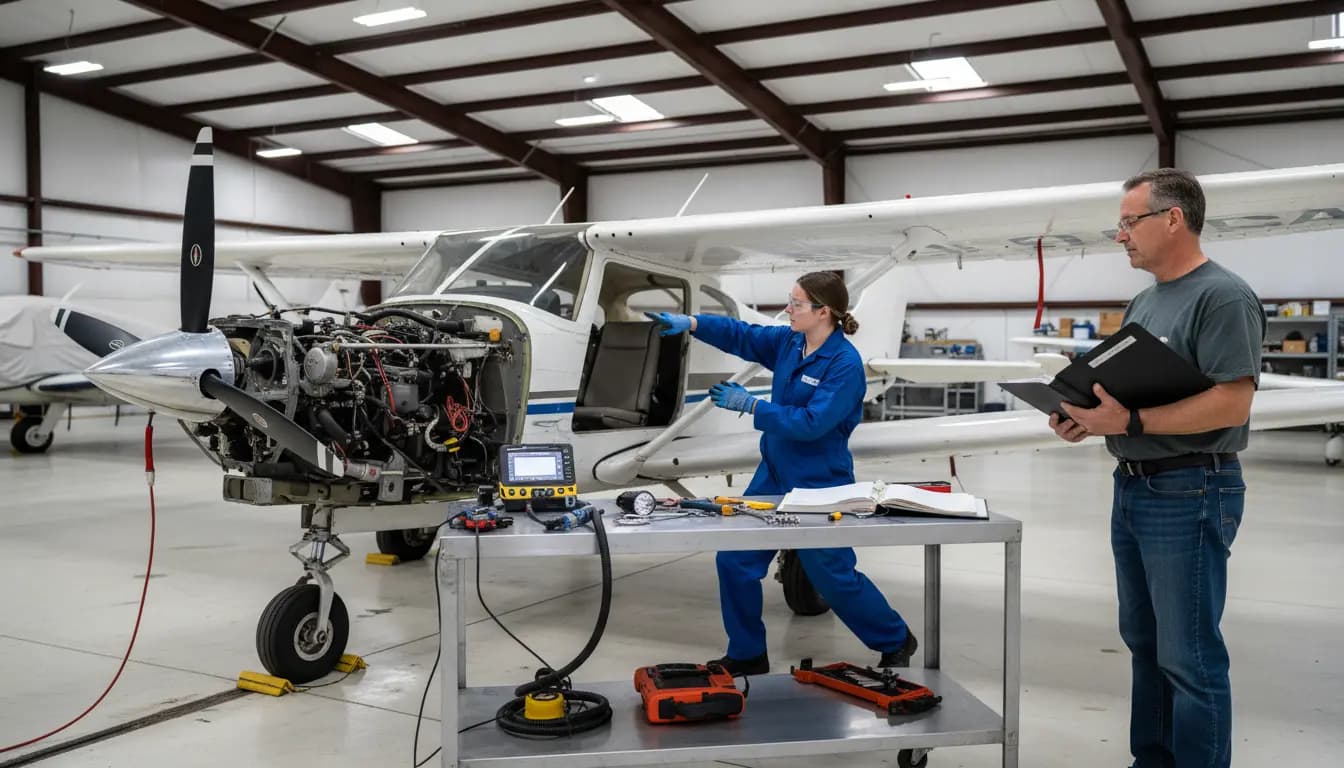
A pre-purchase inspection (prebuy) is how you convert a listing into a risk-managed decision. AOPA recommends a thorough inspection by a mechanic you trust and notes that a prebuy typically includes engine health checks such as differential compression, plus other inspections needed to determine condition.
What a Good Prebuy Usually Includes
- Records review first (before turning wrenches)
- Airframe inspection targeted at known corrosion and fatigue points for the type
- Engine evaluation (compression check, often borescope, leak checks, review of trend data)
- Avionics and autopilot function checks appropriate to your mission
- Test flight (often with specific profiles and acceptance criteria)
Red Flags That Justify Stopping the Deal
- Unexplained logbook gaps or inconsistent times
- Evidence of unrecorded structural repair or suspicious paintwork without documentation
- AD compliance that is vague, incomplete, or "we'll look later"
- Seller resists an independent mechanic or tries to limit inspection access
Registration and Paperwork Checks
In the U.S., the FAA provides online aircraft registration inquiry tools that allow you to look up registration information and related details. Use this early to confirm that the aircraft exists as described and to cross-check serial numbers and identifiers.
Treat your diligence as three separate threads:
- 1Identity: Airframe/engine/prop serial numbers match documents and data plates.
- 2Airworthiness paperwork: Certificates, operating limitations/placards, and maintenance records are in order.
- 3Ownership and encumbrances: Understand the document trail and any liens before funds change hands (often handled via escrow in higher-value transactions).
Important nuance: registration inquiry is helpful, but it is not the same as a complete title and lien picture. FAA Aircraft Registry →
Ownership Costs to Budget For
Used planes frequently require "normalization" spending after purchase. Budget conservatively for:
Prebuy findings
You may negotiate these, but they still exist.
First annual surprises
Especially if the aircraft has been under-maintained.
Consumables
Tires, brakes, hoses, batteries.
Databases & subscriptions
Navigation databases, charting, connectivity.
Hangar vs tie-down
Corrosion and weather exposure are ownership multipliers.
Insurance
Type, hull value, pilot experience, and training plan can move premiums substantially.
A practical approach is to keep a "first-year reserve" for catch-up items so you do not compromise dispatch decisions.
Negotiation and Closing: Practical Steps
A clean used-aircraft transaction usually follows this rhythm:
- 1
Written offer with contingencies
Records review, prebuy findings, title/ownership verification.
- 2
Deposit handling
Structured so it is refundable under defined conditions.
- 3
Prebuy at a shop you choose
Ideally type-experienced, independent.
- 4
Findings summary
Categorize as airworthiness, safety, and cosmetic.
- 5
Renegotiate
Based on findings: price adjustment, seller repairs, or walk-away.
- 6
Closing package
Bills of sale, registration documents, logbooks, and any STC/alteration paperwork.
If you plan to operate IFR, do not treat "it powers on" as avionics validation. Ask for demonstration and documentation that matches how you will actually fly.
Safety Perspective: Maintenance and Preflight Discipline
Used planes are not inherently less safe, but they demand disciplined ownership. The NTSB has emphasized enhanced pilot attention after maintenance events and the importance of thorough inspections as part of risk management. FAA safety material similarly encourages pilots to scrutinize areas that have had maintenance performed.
Your Best Safety Investments
- A maintenance shop that knows the type
- A culture of writing up defects promptly
- An owner-pilot mindset that treats unusual smells, vibrations, and instrument behavior as "no-go until explained"
Facts Table
| Category | Typical Range / Value | Why It Matters |
|---|---|---|
| Pre-purchase inspection (prebuy) | Scope varies by aircraft, shop, and mission | It is your main tool to confirm true condition before purchase and to quantify negotiation items. |
| Engine health checks | Differential compression is commonly included | Provides an initial snapshot of cylinder sealing and prompts deeper evaluation if results are concerning. |
| Logbooks | Ideally complete airframe + engine + prop history | Missing or inconsistent records increase risk, complicate resale, and can hide AD or repair history. |
| AD compliance | Must be traceable and current | ADs are mandatory; unclear compliance is a serious risk and often a deal-breaker. |
| FAA registration inquiry | Public database lookup available | Useful for identity cross-checks and registration info, but not a complete substitute for ownership/lien diligence. |
| Post-maintenance preflight mindset | "Advanced preflight" recommended | Reduces risk after maintenance by focusing attention on serviced areas and known risk points. |
Frequently Asked Questions
What should I look for first when shopping for used planes?
Start with records: complete logbooks, AD compliance evidence, and clear documentation of major repairs or modifications. Then evaluate the engine, corrosion risk, and avionics suitability for your mission.
Are used planes safe to buy?
Yes, used planes can be safe and reliable when maintenance is consistent and documentation is strong. Risk rises when records are incomplete, AD compliance is unclear, or post-maintenance checks are casual.
Is a pre-purchase inspection required for a used plane?
It is not "required" in the way an annual inspection is, but most serious buyer guidance strongly recommends it. A thorough prebuy by a mechanic you trust is a core step in managing risk.
What does a pre-purchase inspection typically include?
It commonly includes records review, a detailed airframe inspection, and engine checks such as differential compression, plus type-specific focus areas and avionics function checks aligned to your mission.
How do I verify a plane's registration?
In the U.S., you can use the FAA's aircraft registration inquiry tools to look up registration information. Use it to cross-check identifiers and basic details early in the process.
What paperwork should come with the aircraft at delivery?
At minimum: the airworthiness certificate, current registration, operating limitations/placards as applicable, weight and balance with equipment list, and complete airframe/engine/prop logbooks with AD compliance evidence.
Ready to Browse Used Planes?
Explore our curated selection of aircraft listings with verified documentation and transparent auction terms.
Browse Available AircraftRelated Resources
Sources
Used for: buyer process overview and prebuy emphasis.
Used for: official registration inquiry entry point.
Used for: safety emphasis on advanced preflight after maintenance.
Used for: documentation and checklist items (logbooks, ADs, required documents).
Used for: owner guidance and pre-purchase inspection concepts.
Used for: FAA safety guidance on enhanced preflight attention after maintenance.
Used for: FAA registry services context.
Used for: registry inquiry explanation and context.
About the Author

Phillip Müller
CEO, CollectAirs
Long-time pilot and CEO of multiple scenic flight and aircraft sales platforms. Passionate about making aircraft transactions more transparent and accessible.
Connect on LinkedIn