
 Florida
 Hildesheim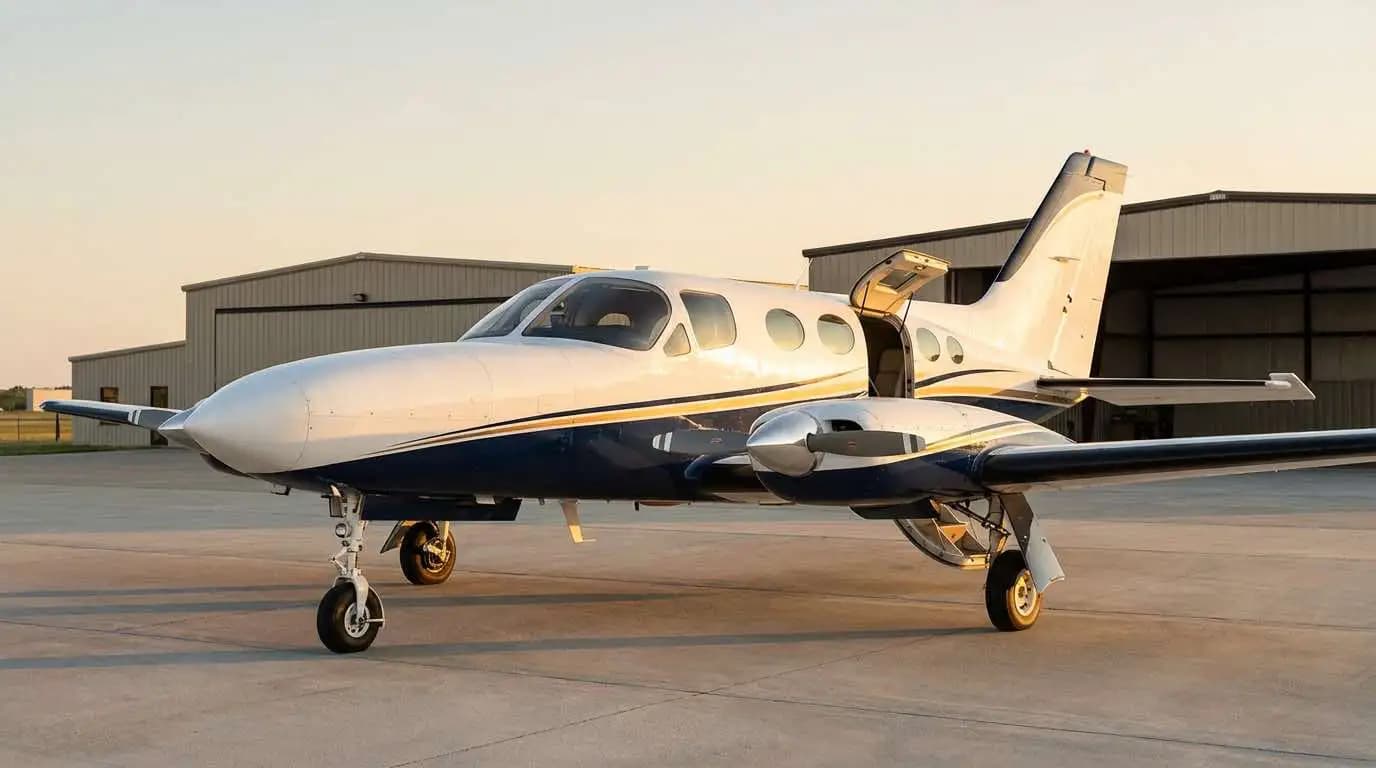
Why the Cessna 414 Still Makes Sense
The Cessna 414 sits in a niche that is surprisingly hard to replace. It offers pressurization, twin-engine redundancy, genuine all-weather capability, and seating for up to six\u2014at an acquisition cost that is a fraction of what a comparable turboprop commands on the used market.
For owner-operators who need to fly above weather, carry a reasonable passenger load, and maintain schedule reliability without the operating costs of a turbine, the Cessna 414 remains one of the most compelling options available. It is not a compromise aircraft\u2014it is a purpose-built pressurized twin that was designed to do exactly this mission.
The trade-off is maintenance complexity. A pressurized piston twin demands disciplined upkeep, and the 414's age means that corrosion management, AD compliance, and systems condition are the factors that separate a good aircraft from an expensive lesson.
Cessna 414 Currently Listed on CollectAirs
View our verified Cessna 414 auction listing with full documentation and transparent terms.
Cessna 414 Models and Variants
The Cessna 414 was produced from 1970 to 1985 in two primary variants. Understanding the differences is essential for buyers because they affect fuel system maintenance, cabin comfort, and market value.
Cessna 414 (1970\u20131978)
The original 414 featured bladder fuel cells in the wings, a shorter nose, and the earlier cabin layout. These aircraft are functional and capable, but the bladder fuel system adds maintenance cost and inspection complexity. Many have been well-upgraded with modern avionics, but the fuel system remains a distinguishing factor.
Cessna 414A Chancellor (1978\u20131985)
The 414A introduced the bonded wet wing (integral fuel tanks), a longer nose section for improved baggage and avionics access, and a refined cabin. The wet wing eliminated the maintenance burden of bladder fuel cells and is generally considered a significant improvement. The 414A commands higher prices and broader buyer interest.

414 vs. 414A: The Practical Difference
If budget allows, the 414A is generally the better buy. The wet wing alone removes a significant recurring maintenance item and inspection concern. However, a well-maintained original 414 with upgraded avionics and fresh engines can still be an excellent aircraft\u2014just budget accordingly for fuel system upkeep.
Performance and Real-World Mission Fit
The Cessna 414 was designed as a step-up from unpressurized twins like the 310 and 340, offering the altitude capability and cabin comfort that business travel demands. The twin turbocharged Continental TSIO-520 engines produce 310 hp each, giving the aircraft strong climb performance and comfortable high-altitude cruise.
~230 KTAS Cruise
At altitude, the 414A delivers cruise speeds competitive with entry-level turboprops at a fraction of the operating cost.
30,800 ft Ceiling
Pressurization allows comfortable cruise above most weather, with a cabin altitude near sea level at typical flight levels.
~1,500 nm Range
Published max range supports medium-distance business travel. Practical IFR range with reserves: 1,000–1,200 nm.
In practical terms, the Cessna 414 excels at 800\u20131,000 nm trips with four to six occupants and baggage. It is a genuine business travel aircraft\u2014not a stretched trainer or an optimistic single-engine platform. The trade is fuel burn: 34\u201340 GPH at cruise means operating costs that demand honest budgeting and consistent utilization to justify.
Cabin, Pressurization, and Passenger Experience
The pressurized cabin is what separates the Cessna 414 from lower-tier twins. With a 5.0 psi differential, the aircraft maintains a sea-level cabin up to approximately 11,000 feet of pressure altitude at typical cruise flight levels.
Cabin Layout
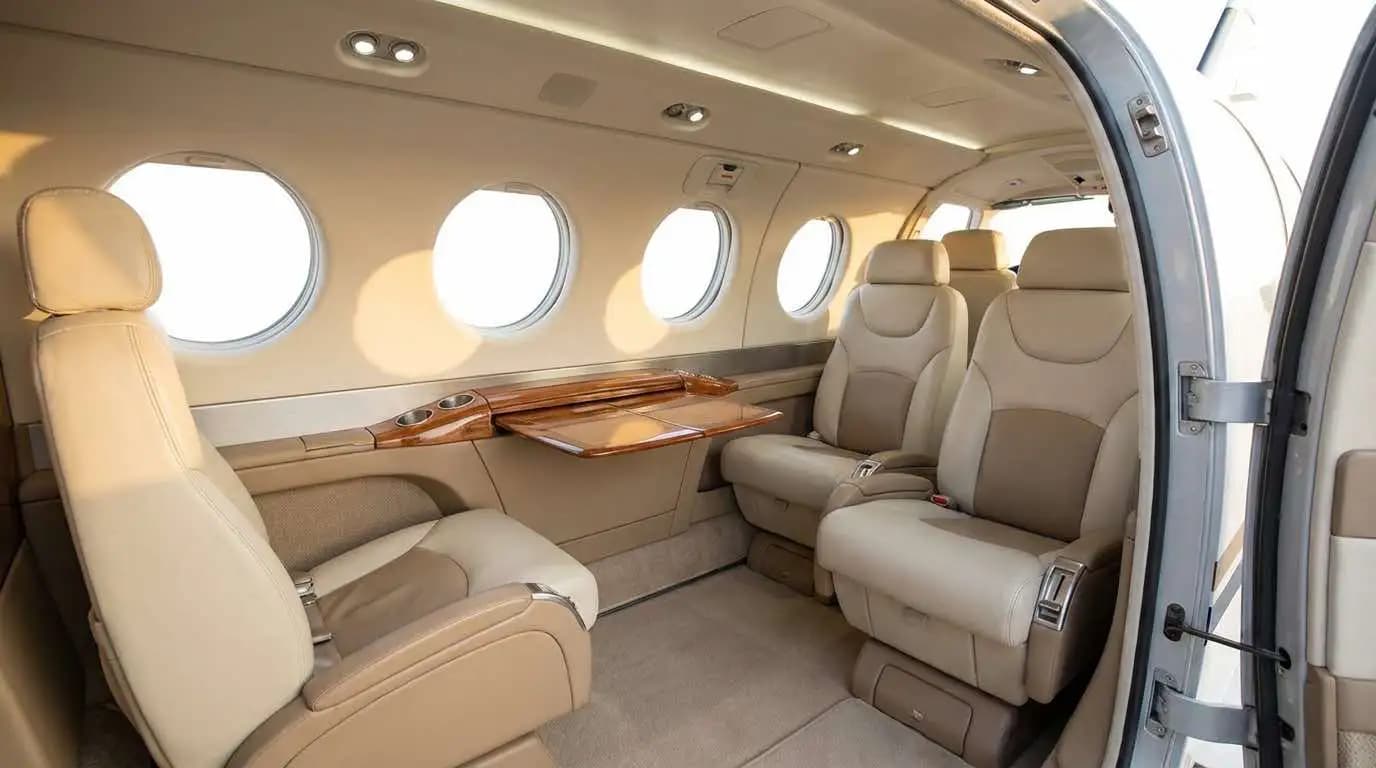
- Seating for up to six in a club-style arrangement
- Airstair door for professional boarding experience
- Nose baggage and rear baggage compartments
- 414A: improved cabin dimensions and longer nose section
Pressurization System
- 5.0 psi differential pressurization
- Cabin seals, outflow valve, and controller must be in good condition
- Cabin leak rate testing is a key pre-purchase inspection item
- Windshield condition affects both pressurization and structural integrity
Avionics and Common Upgrade Paths
The avionics suite is often the single biggest differentiator between Cessna 414 examples at different price points. Given the aircraft's IFR mission, avionics quality directly affects utility, safety, and resale value.
Integrated Glass Panels
Top-tier examples feature Garmin G600/G500 or Avidyne displays with integrated GPS, weather radar overlay, and synthetic vision. These aircraft command significant premiums but offer modern situational awareness.
Capable Retrofit Panels
Many 414s have well-executed retrofits combining Garmin GTN navigators, a modern autopilot, ADS-B Out, and weather datalink. A thoughtful retrofit can make a 414 genuinely capable for hard IFR.
Autopilot Matters
For a pressurized twin flown in IMC, a capable two-axis (or better) autopilot with altitude hold and approach coupling is not a luxury—it is a practical necessity for single-pilot operations.
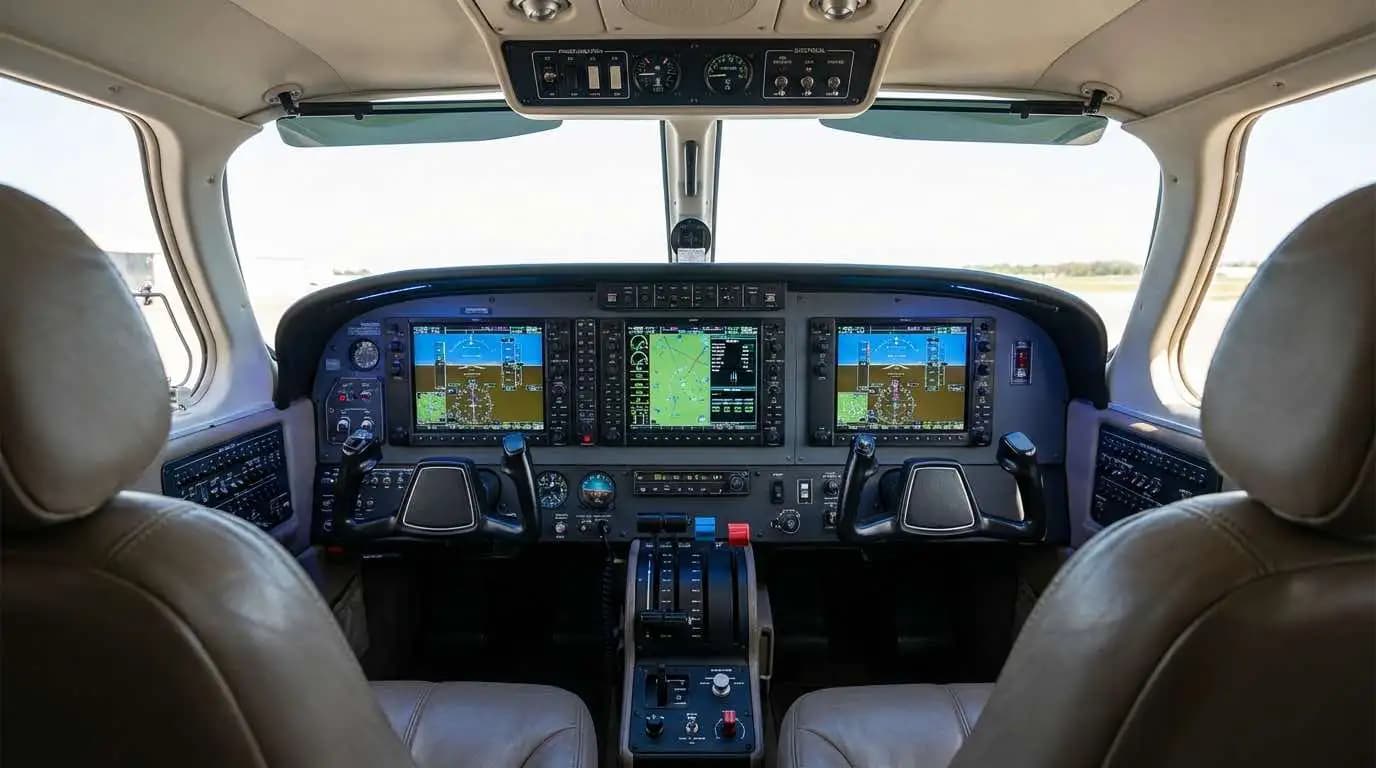
Buyer note: When comparing aircraft, treat "IFR equipped" as a documentation question. Confirm installation approvals, current inspection status, database subscriptions, and whether the avionics suite actually matches the IFR mission you plan to fly.
Maintenance, AD Compliance, and Ownership Reality
A Cessna 414 can be predictable to own\u2014but only if you buy one that has been maintained predictably. The aircraft's age and system complexity mean that deferred maintenance compounds quickly and expensively.
Wing Spar ADs Are Non-Negotiable
The FAA has issued Airworthiness Directives addressing spar cap and carry-through structure inspection requirements on 400-series Cessna twins. These ADs are among the most significant items affecting continued airworthiness and resale value. Verify full compliance, review inspection records, and understand any recurring requirements before purchasing.
Pressurization System
A pressurized cabin that does not hold pressure is an expensive problem. Cabin seals degrade over time, outflow valves require servicing, and controllers can develop issues. Cabin leak rate testing during the pre-purchase inspection is essential. Budget for seal replacement if the aircraft has not had recent pressurization maintenance.
Engines and Propellers
Two turbocharged Continental TSIO-520-NB engines mean double the maintenance, double the overhaul reserve, and double the parts cost. Engine program enrollment provides cost predictability. Propeller condition, governor function, and de-ice boot condition on props are additional inspection items. Oil analysis trends and compression history should be reviewed thoroughly.
Corrosion Management
Age is the enemy of aluminum airframes, especially pressurized ones. Wing spars, belly skins, windshield surrounds, battery box areas, and landing gear wells are all corrosion-prone zones. A thorough corrosion inspection is mandatory during any pre-purchase evaluation. Aircraft with documented corrosion prevention programs are worth the premium.
De-Icing and Known-Ice Equipment
Most 414s are equipped for flight into known icing conditions with pneumatic de-ice boots, heated props, and heated windshield panels. Verify that all de-icing systems are functional and that the boots are in serviceable condition. Deferred de-ice maintenance on an aircraft designed for all-weather operations is a red flag.
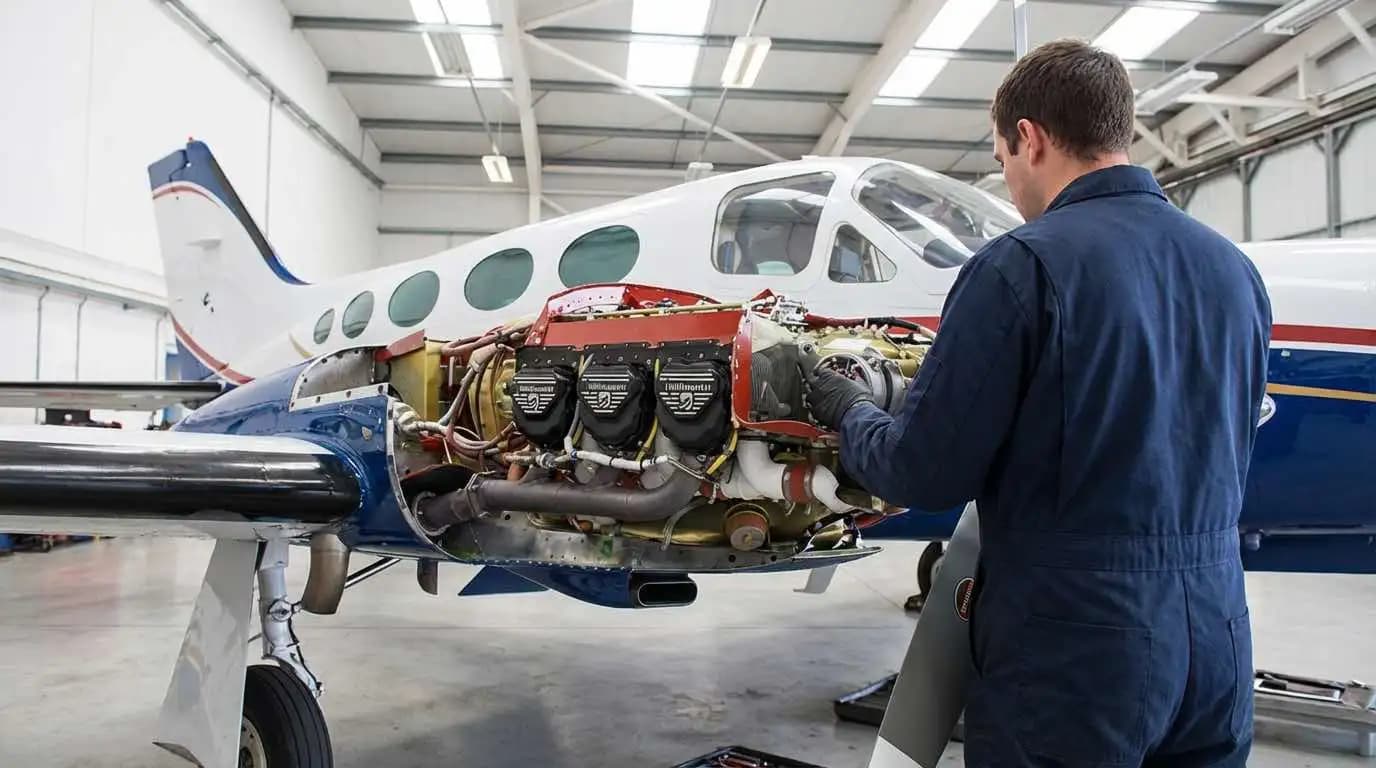
Buying a Cessna 414: Pre-Purchase Checklist
A pressurized piston twin demands more due diligence than a simple single. Here is what to verify before committing to a Cessna 414 purchase.
Documentation & Records
- Verify complete airframe, engine, and propeller logbooks with no unexplained gaps.
- Confirm current AD compliance status—especially wing spar ADs and recurring items.
- Review all STCs, major modifications, and avionics installation approvals.
- Check title and lien status through the FAA Aircraft Registry or escrow service.
Technical Inspection Priorities
- Choose a shop experienced with pressurized 400-series Cessna twins—not a generic annual inspector.
- Cabin pressurization leak rate test and system function check.
- Wing spar and carry-through structure inspection per applicable ADs.
- Corrosion inspection: spar caps, belly, windshield surround, battery box, gear wells.
- Both engines: compression, oil analysis trends, turbocharger condition, exhaust system.
- Landing gear: hydraulic system, actuators, gear doors, emergency extension.
- De-icing systems: boots, heated props, windshield heat, fluid system if equipped.
Deal Process & Risk Control
- Use escrow for all funds handling and document exchange.
- Make the purchase conditional on inspection findings with clear deal-breaker thresholds.
- Confirm insurance availability and pricing—multi-engine pressurized aircraft require specific underwriting.
- Budget for first-year items: any deferred maintenance, avionics updates, and annual inspection costs.
Market Snapshot and Pricing Drivers
The Cessna 414 market spans a wide range because the aircraft spans a wide range of conditions. Current asking prices typically run $150,000 to $500,000, with the 414A Chancellor commanding premiums over the original 414.
Engine Time and Program Status
Fresh engines with documented overhauls or engine program enrollment add $50,000–$100,000+ to asking price versus mid-time or run-out engines.
Avionics Suite Quality
Modern glass or well-integrated GTN-based panels command significant premiums. Autopilot capability is especially valued for IFR utility.
Pressurization System Condition
A cabin that holds pressure cleanly and passes leak rate testing is worth more than cosmetics. Deferred pressurization maintenance is expensive to rectify.
Wing Spar AD Compliance
Clean spar inspections and full AD compliance are mandatory. Any ambiguity in spar AD status is a significant negotiation point or deal-breaker.
414 vs. 414A Premium
The 414A Chancellor typically commands $30,000–$80,000 more than a comparable-condition original 414 due to the wet wing and cabin improvements.
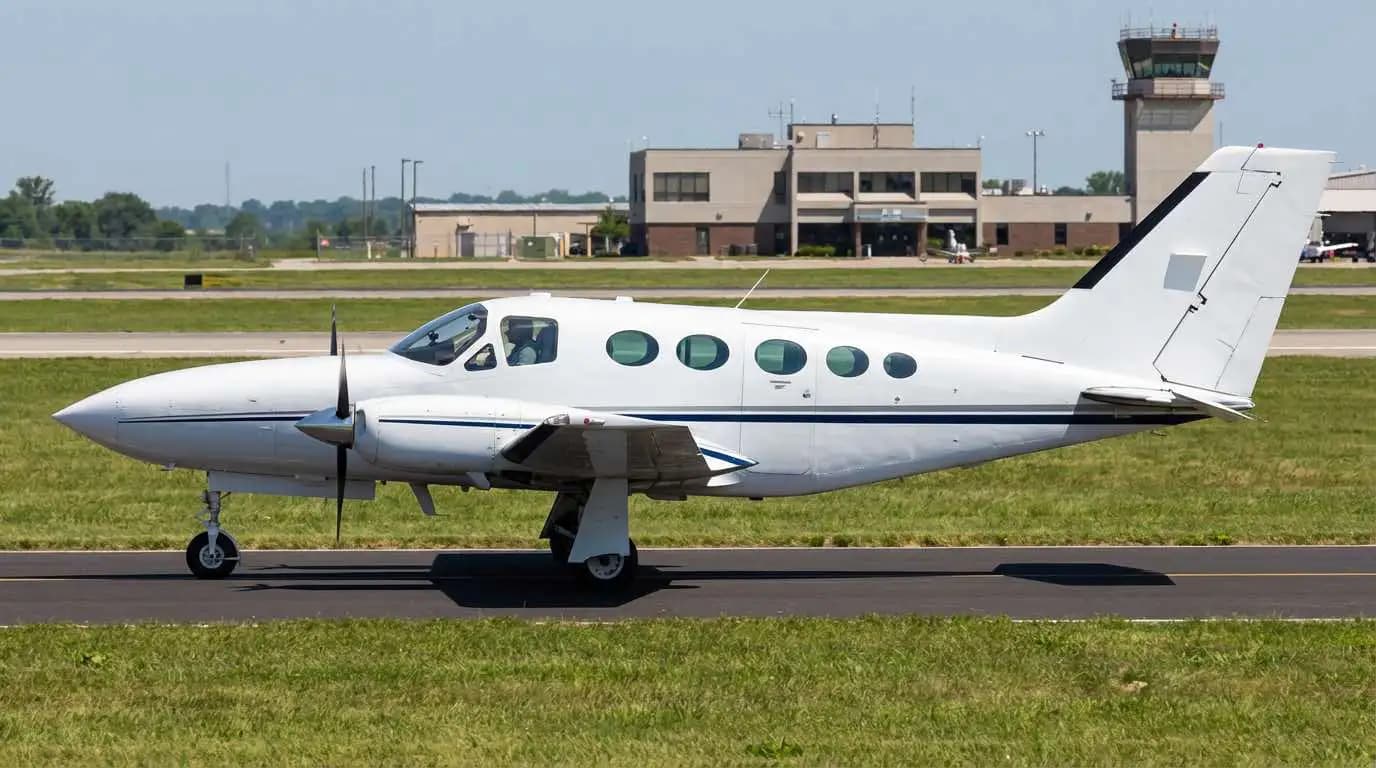
Cessna 414 Key Facts
| Category | Typical Range / Value | Why It Matters |
|---|---|---|
| Engines | Two Continental TSIO-520-NB, 310 hp each | Turbocharged twins provide high-altitude performance and single-engine capability |
| Max Cruise Speed | ~230 KTAS (414A at altitude) | Competitive with light turboprops at lower acquisition cost |
| Max Range | ~1,500 nm (414A, optimal conditions) | Practical IFR range of 1,000–1,200 nm covers most regional business trips |
| Service Ceiling | 30,800 ft | Pressurization allows comfortable flight above most weather |
| Cabin Pressurization | 5.0 psi differential | Maintains sea-level cabin to ~11,000 ft at typical cruise altitudes |
| Useful Load | ~2,050 lb (varies by configuration) | Supports 4–6 passengers with baggage and reasonable fuel loads |
| Fuel Capacity (414A) | 213 gallons usable (wet wing) | Integral wet wing on the 414A improved fuel capacity and eliminated bladder maintenance |
| Fuel Burn | 34–40 GPH (cruise, both engines) | Significant operating cost; drives trip-cost calculations at current avgas prices |
| Market Asking Price | $150,000–$500,000 | Wide range reflects engine time, avionics, pressurization condition, and total airframe hours |
Explore Available Aircraft
Browse our curated aircraft auctions with verified documentation, logbook verification, and escrow-protected transactions. We currently have a Cessna 414 listed.
Frequently Asked Questions About the Cessna 414
What is the difference between the Cessna 414 and 414A?
The Cessna 414A Chancellor introduced a bonded wet wing replacing the original bladder fuel cells, a longer nose section, improved cabin layout, and refined systems. The 414A is generally considered the more desirable variant due to its improved fuel system design and cabin refinements, though both share the same basic airframe and engine combination.
How much does a Cessna 414 cost to buy?
Used Cessna 414 and 414A prices typically range from $150,000 to $500,000 depending on total time, engine status, avionics suite, pressurization system condition, and overall maintenance history. Well-equipped 414A Chancellors with fresh engines and modern avionics sit at the top of the range.
Is the Cessna 414 a good IFR platform?
Yes. The Cessna 414 was designed as an all-weather pressurized twin for business and personal travel. With cabin pressurization, de-icing systems, and twin-engine redundancy, it is a capable IFR platform when properly equipped and maintained. Avionics quality and autopilot capability are the key variables between individual aircraft.
What are the main maintenance concerns on a Cessna 414?
The primary areas are pressurization system integrity (seals, outflow valve, controller), corrosion inspection (especially in the wing spar areas and around the windshield), engine and propeller condition, landing gear and hydraulic system, and de-icing equipment. The 414's age means AD compliance lists are extensive and must be meticulously tracked.
How far can a Cessna 414 fly?
The Cessna 414A Chancellor has a published maximum range of approximately 1,500 nm under favorable conditions. Practical IFR range with reserves is typically 1,000–1,200 nm depending on altitude, power setting, payload, and winds. This makes it a legitimate medium-range business travel platform.
What should I inspect before buying a Cessna 414?
Prioritize a pre-purchase inspection by a shop experienced with pressurized Cessna twins. Key areas include wing spar condition and AD compliance, pressurization system health, engine and propeller time and condition, corrosion inspection, avionics functionality, landing gear system, and complete logbook verification. Use escrow for all transactions.
Sources
Used for: certification reference, approved configurations, and specification framework for the Cessna 414/414A series.
Used for: Airworthiness Directive reference, including wing spar inspection requirements.
Related Resources
About the Author

Phillip Müller
CEO, CollectAirs
Long-time pilot and CEO of multiple scenic flight and aircraft sales websites. Passionate about making aircraft transactions more transparent and accessible.
Connect on LinkedIn