
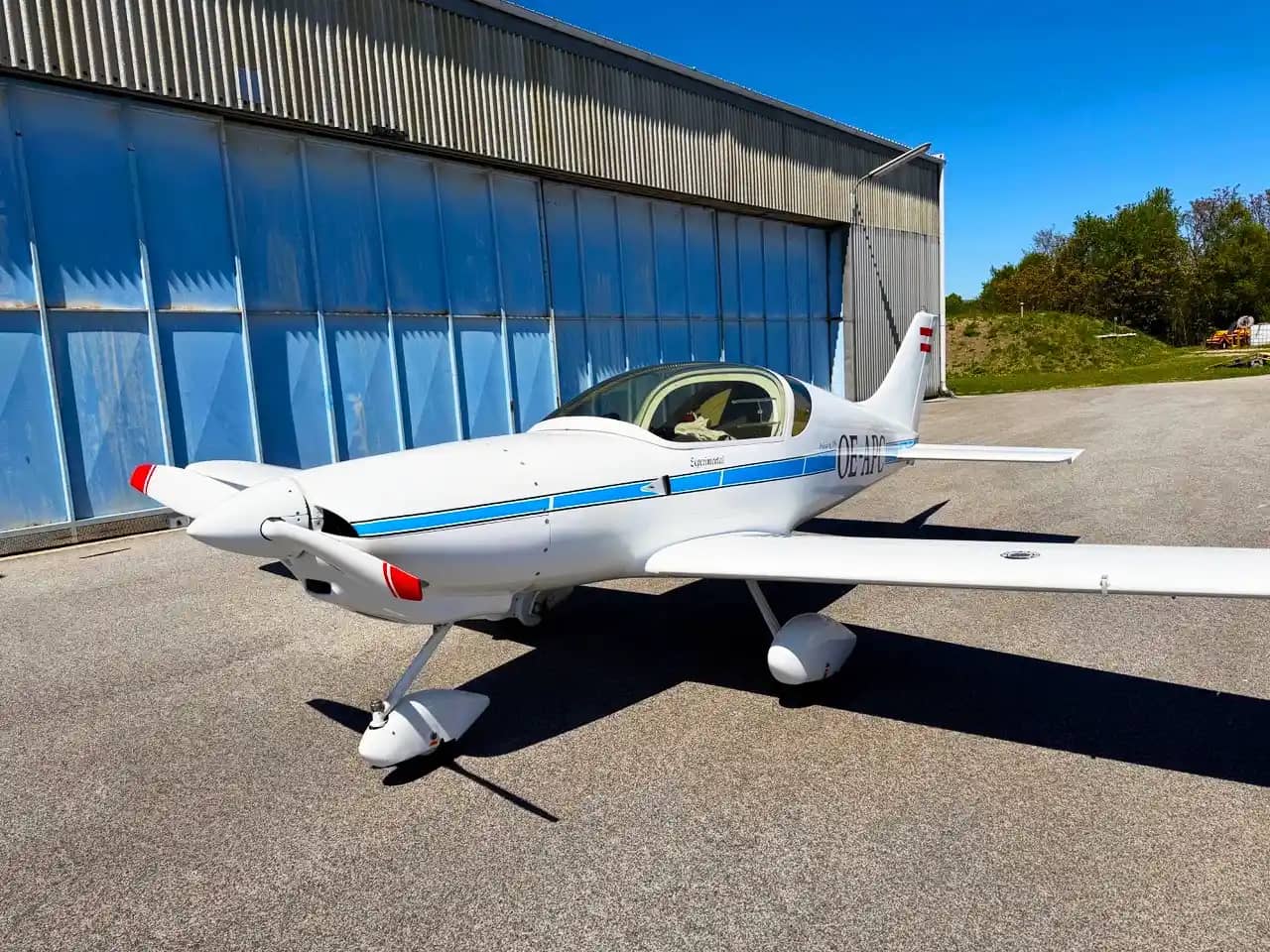
 Bad Vöslau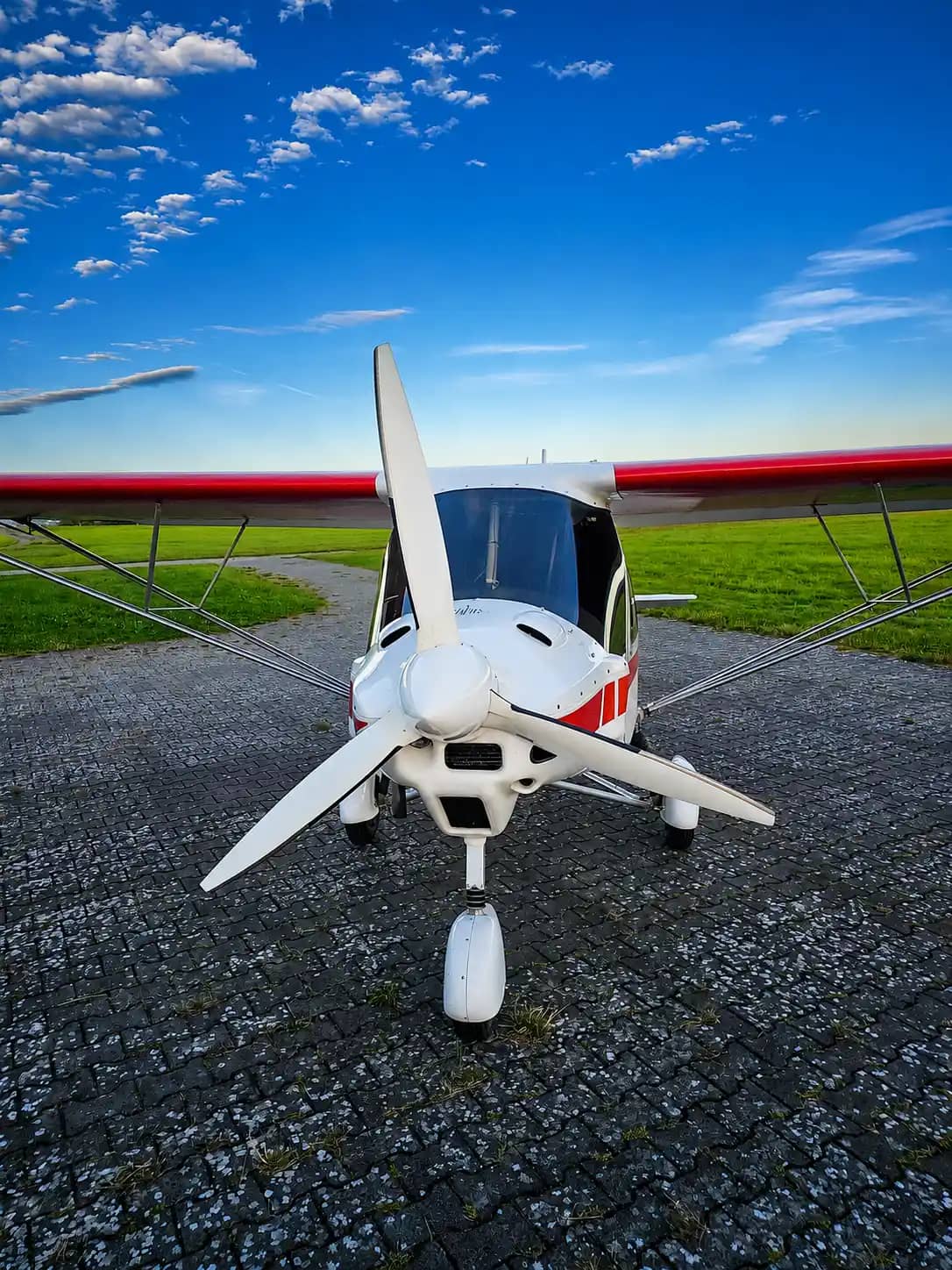
 Kirn
Kirn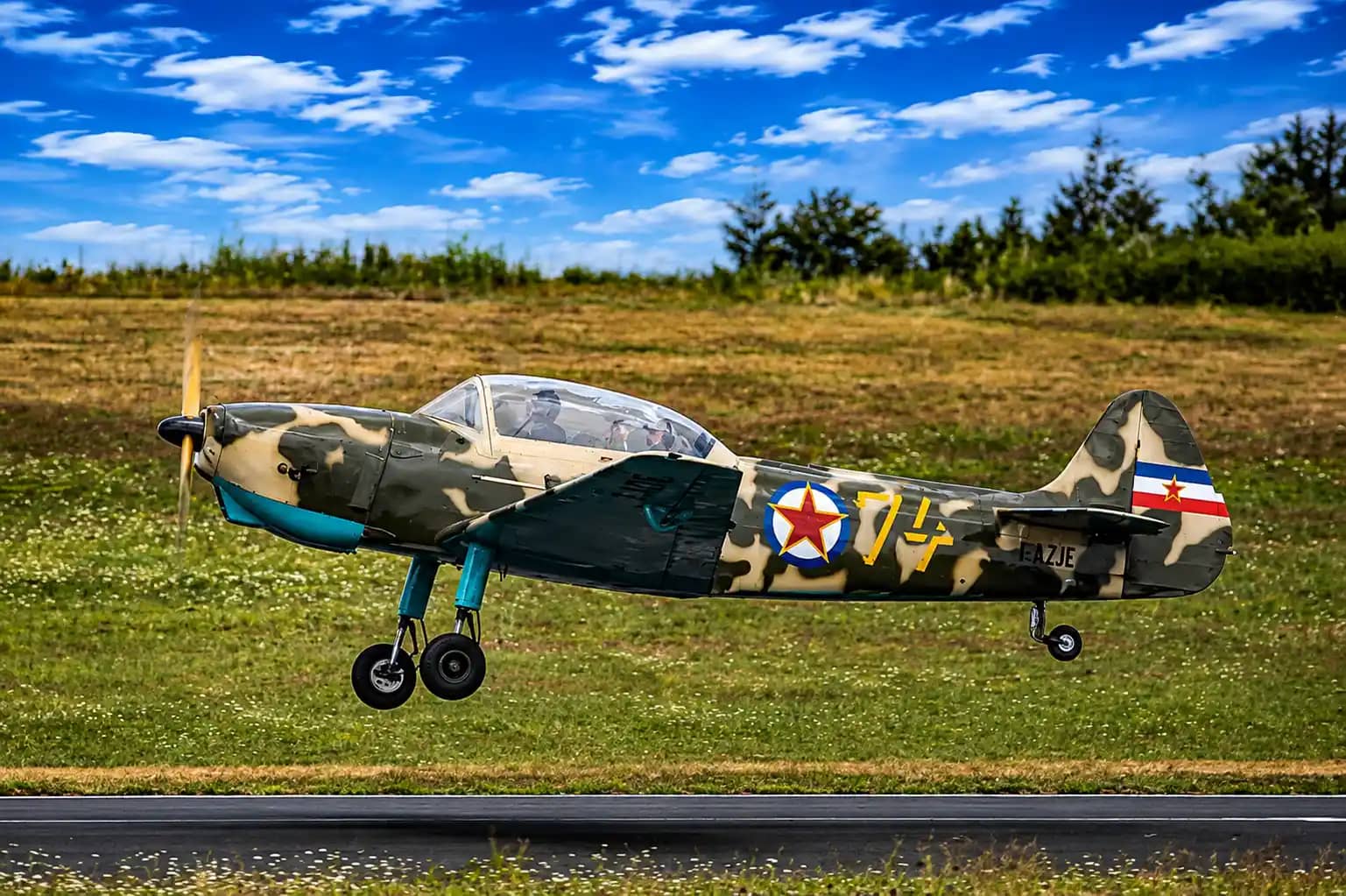
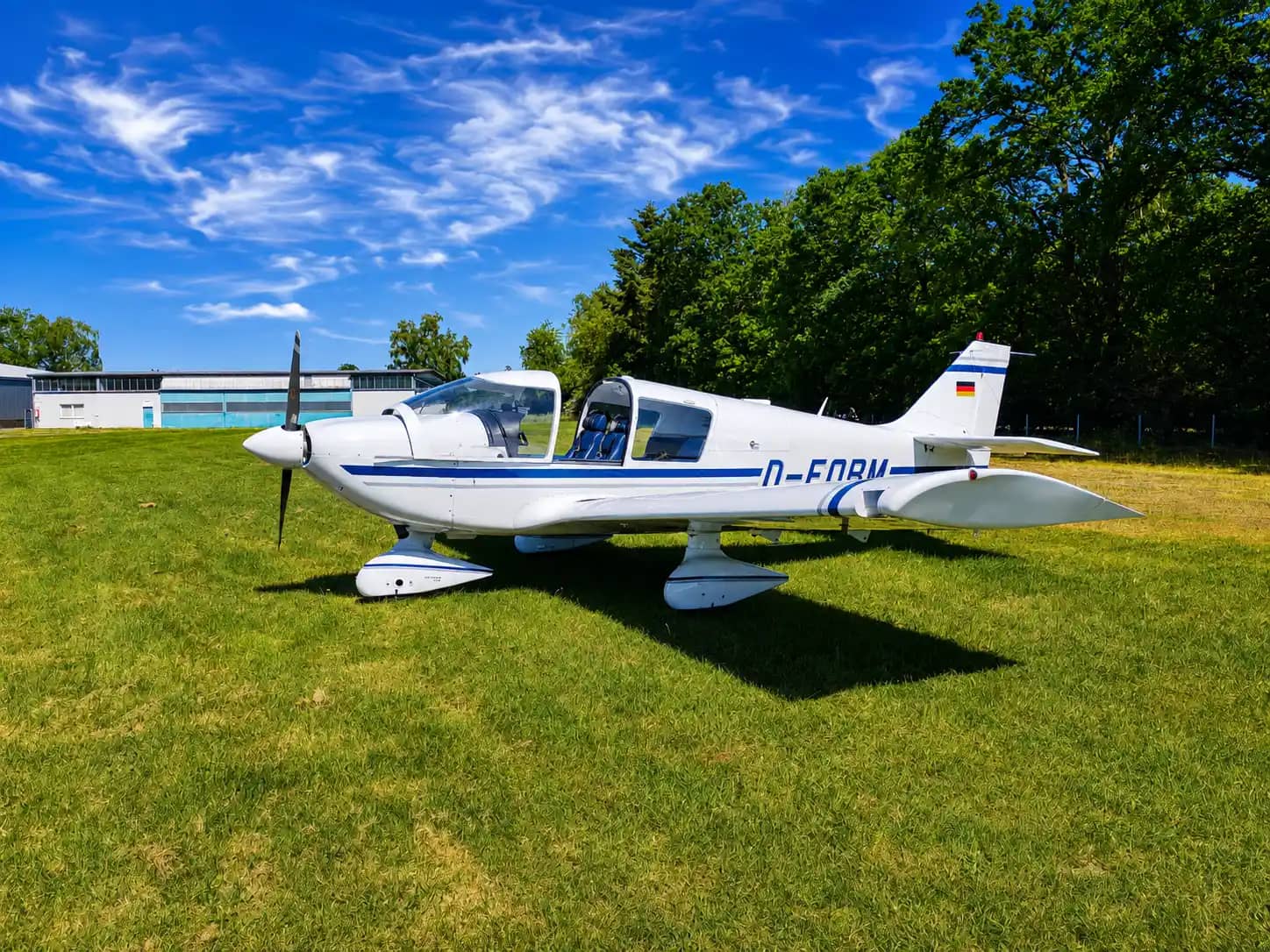
 Florida
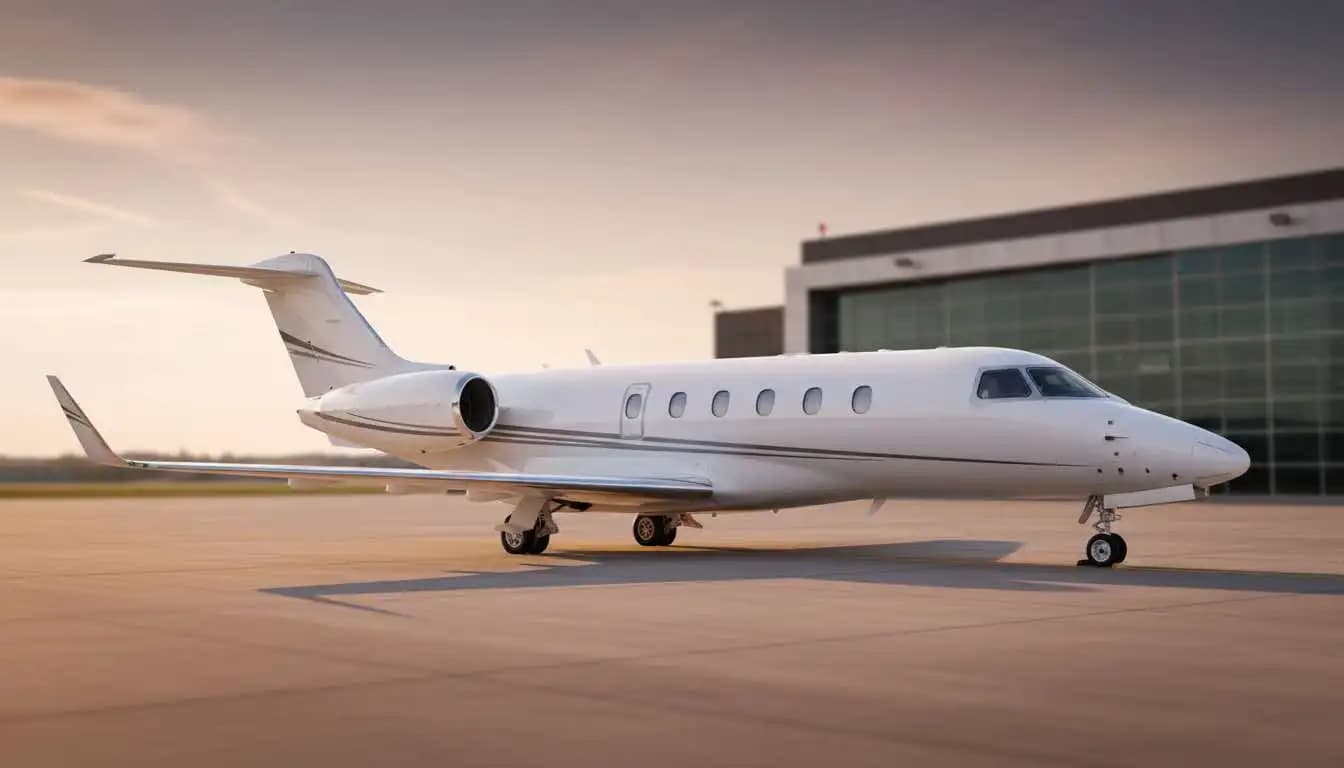
Cessna Citation Longitude: Aircraft Overview
The Cessna Citation Longitude is Textron Aviation's entry into the super-midsize business jet segment. Powered by two Honeywell HTF7700L turbofan engines and certified under FAR Part 25, the Longitude was designed from the outset for transcontinental missions with a focus on cabin comfort, low noise, and modern systems integration.
First deliveries began in late 2019. The aircraft seats up to 12 passengers in a flat-floor, stand-up cabin with a full lavatory and a dedicated baggage compartment accessible in flight. Textron positioned the Cessna Citation Longitude as a step up from the Citation Latitude, targeting operators who need coast-to-coast range without moving into heavy-iron operating costs.
For buyers evaluating this aircraft, the key question is not whether the Longitude is capable\u2014it is\u2014but whether a specific airframe's maintenance history, engine program enrollment, and total time support the asking price. That distinction separates informed acquisition from expensive surprises.
Looking for a Citation Longitude?
Browse our current aircraft auctions with verified documentation and transparent terms.
Performance and Range of the Citation Longitude
The Citation Longitude's performance envelope places it firmly in the super-midsize category, competing with aircraft like the Bombardier Challenger 350 and the Embraer Praetor 600. Here are the numbers that matter for mission planning.
3,500 nm Range
NBAA IFR reserves with 4 passengers. Enables nonstop coast-to-coast and select transatlantic routings with a fuel stop.
Mach 0.84 Cruise
High-speed cruise delivers competitive block times against larger-cabin jets on most domestic and international routes.
FL450 Ceiling
Operating above most commercial traffic and weather results in smoother rides and more fuel-efficient flight profiles.
Transatlantic Planning Note
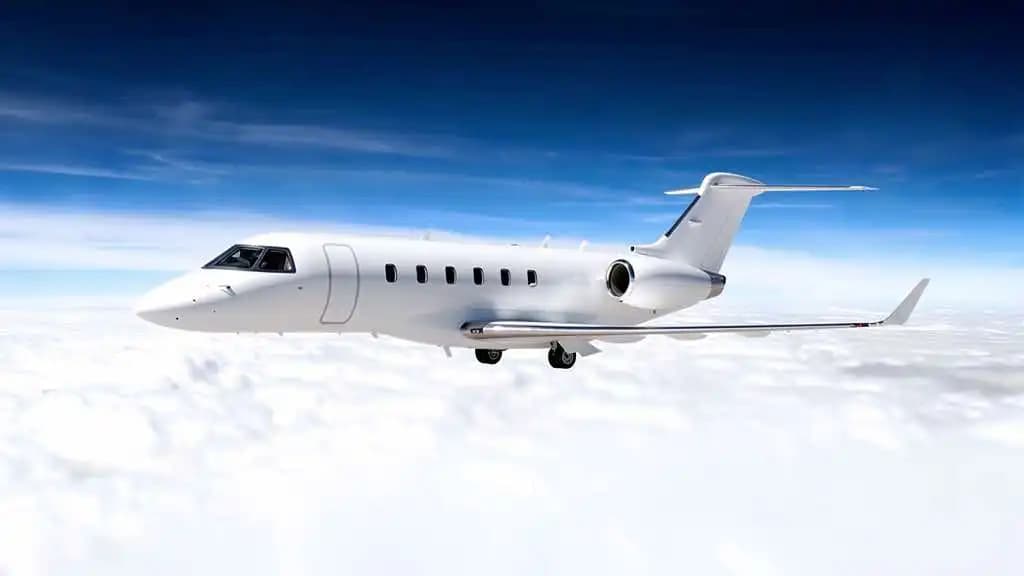
While the Cessna Citation Longitude can technically fly certain transatlantic routes, most operators plan at least one fuel stop (Reykjavik, Keflavik, or Santa Maria). Direct crossings require favorable winds, reduced payload, and careful fuel planning. Treat published max range as a planning ceiling, not an operating assumption.
Avionics Suite and Cockpit Technology
The Citation Longitude features the Garmin G5000 integrated flight deck, one of the most capable glass cockpit installations in the super-midsize segment. This avionics suite is a significant differentiator for both pilot workload management and long-term supportability.
Core Avionics Features
- Three 14-inch high-resolution touchscreen displays with split-screen capability for flexible information layout.
- Synthetic vision technology (SVT) providing terrain awareness and runway environment visualization on approach.
- Integrated autothrottle system reducing pilot workload during climb, cruise, descent, and approach phases.
- WAAS/LPV approach capability enabling precision-like approaches to airports without traditional ILS equipment.
- ADS-B Out compliance, TCAS II, Enhanced Ground Proximity Warning System (EGPWS), and weather radar integration.
- Datalink weather and CPDLC (Controller-Pilot Data Link Communications) for oceanic and high-altitude operations.
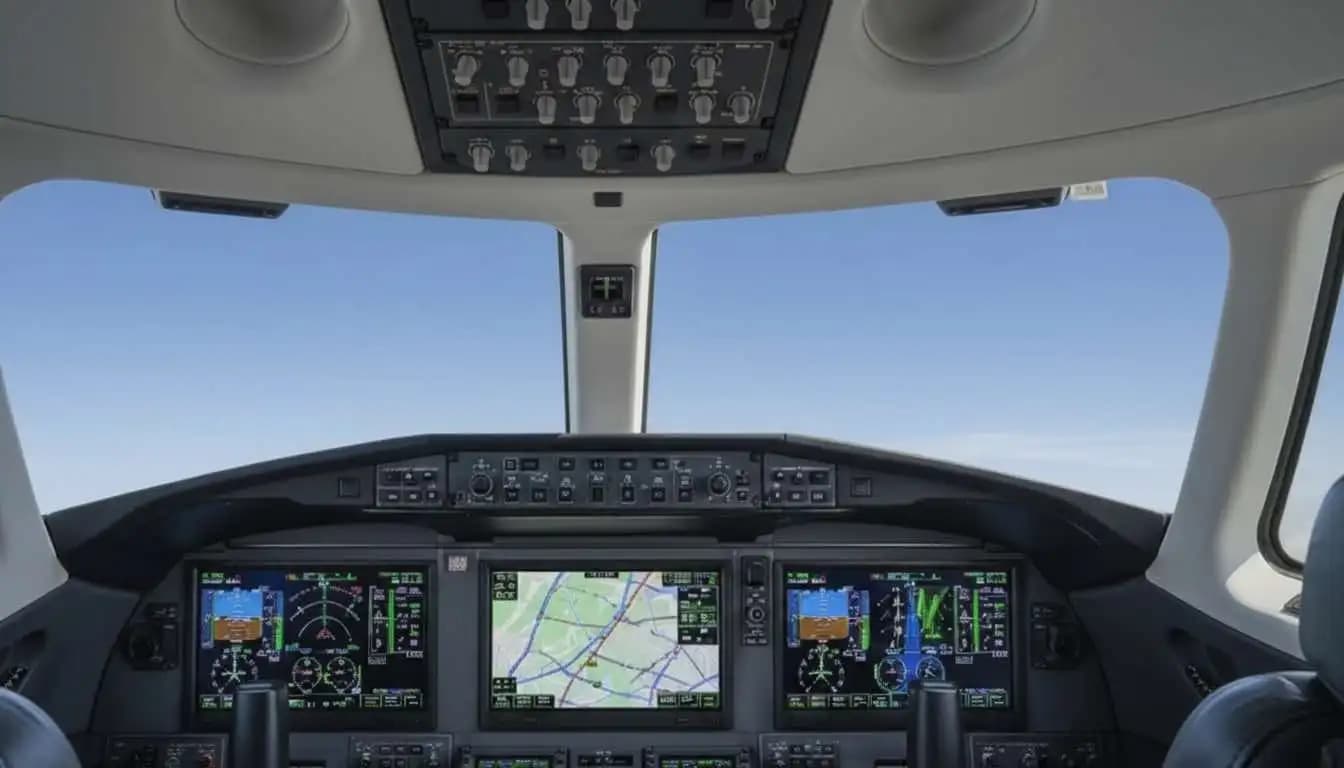
Buyer note: On pre-owned Longitudes, verify that avionics software is current, navigation databases are up to date, and all Garmin service bulletins have been addressed. Outdated software can affect dispatch legality and functionality.
Cabin Layout and Passenger Comfort
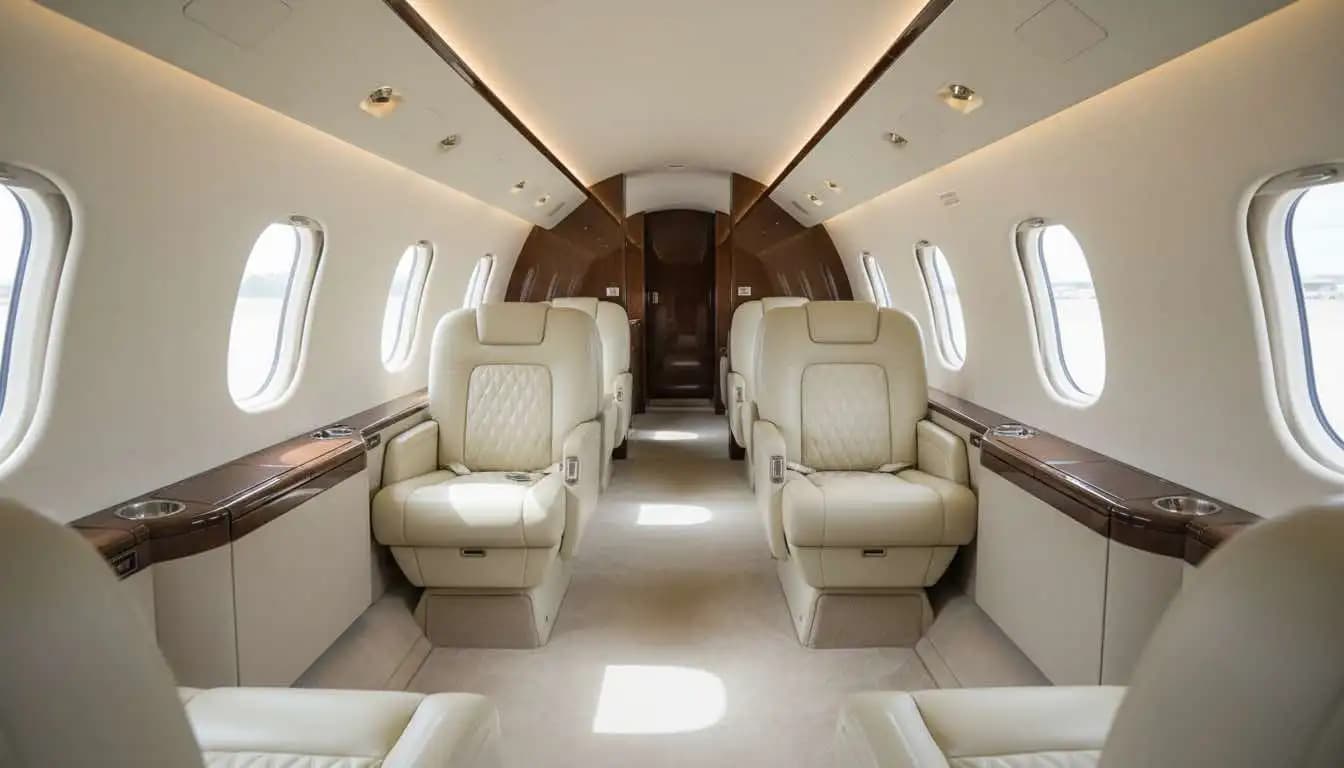
One of the Citation Longitude's strongest selling points is its cabin. Textron designed it with a flat floor, stand-up headroom of 6 feet, and what they claim is the quietest cabin in its class\u2014a feature that holds up well in practice.
Cabin Dimensions
- Length: 25 ft (7.6 m) usable
- Width: 6 ft 5 in (1.96 m)
- Height: 6 ft 0 in (1.83 m) stand-up
- Baggage: 112 cu ft (accessible in flight)
Comfort Features
- Flat floor throughout the cabin
- Full enclosed lavatory with external servicing
- Cabin altitude of 5,950 ft at FL450
- Optional galley and cabin management system
Cessna Citation Longitude Ownership and Operating Costs
Understanding the true cost of owning a Cessna Citation Longitude requires looking beyond the acquisition price. Operating costs vary significantly based on utilization, engine program enrollment, crew arrangements, and where the aircraft is based and maintained.
Acquisition Cost
New: approximately $28\u201330 million. Pre-owned: $18\u201326 million depending on total airframe hours, engine time since hot section or overhaul, avionics configuration, interior condition, and maintenance program enrollment. Early serial numbers with higher time trade at the lower end.
Variable Costs (per flight hour)
Fuel burn averages 215\u2013230 gallons per hour at typical cruise settings. Combined with engine reserves, maintenance program contributions, and landing/handling fees, variable costs typically fall between $3,200 and $4,000 per flight hour.
Fixed Annual Costs
Crew salaries (two pilots), hangar, insurance, management fees, recurrent training, and subscriptions (databases, Wi-Fi, tracking) can total $600,000\u2013$900,000 per year. Owner-flown operations eliminate crew costs but still carry training and insurance overhead.
Engine Program (TAP Blue)
Enrollment in Textron's TAP Blue engine maintenance program covers scheduled and unscheduled engine events for a per-hour fee. Aircraft without engine program coverage face significantly higher acquisition risk and lower resale value.
Aircraft not enrolled in an engine maintenance program at the time of sale can carry six- or seven-figure buy-in costs to restore coverage. Verify enrollment status and transferability before making an offer.
Cessna Citation Longitude Key Specifications
| Specification | Typical Range | Why It Matters |
|---|---|---|
| Engines | 2x Honeywell HTF7700L turbofans | Proven powerplant with strong dispatch reliability and broad MRO support network |
| Maximum Range | 3,500 nm (NBAA IFR, 4 pax) | Enables coast-to-coast nonstop and select transatlantic routings |
| Maximum Cruise Speed | Mach 0.84 (483 ktas) | Competitive block times against larger cabin-class jets on most routes |
| Ceiling | FL450 (45,000 ft) | Overflies most weather and commercial traffic for smoother, more efficient flights |
| Cabin Length (usable) | 25 ft (7.6 m) | Flat-floor, stand-up cabin with enough length for productive work or rest |
| Maximum Passengers | Up to 12 (typical config: 8–9) | Practical seating depends on configuration, baggage, and fuel load trade-offs |
| New List Price | $28–30 million | Pre-owned values depend heavily on total time, engine status, and maintenance posture |
| Variable Cost per Hour | $3,200–$4,000 | Fuel burn, engine program reserves, and scheduled maintenance drive hourly costs |
| Takeoff Distance | 4,810 ft (SL, ISA, MTOW) | Reasonable field performance for a super-midsize, but density altitude matters |
| Avionics | Garmin G5000 (3 touchscreens) | Modern integrated flight deck with autothrottle, synthetic vision, and WAAS/LPV |
Pre-Purchase Checklist for a Cessna Citation Longitude
Whether you are considering a new or pre-owned Citation Longitude, a disciplined evaluation process protects against hidden costs. These are the items experienced buyers verify before signing a purchase agreement.
Logbook Verification
- Complete and continuous airframe, engine, and APU logbooks with no unexplained gaps in time or entries.
- Clear record of all scheduled and unscheduled maintenance events, including component replacements and repair details.
- Verify total airframe hours and cycles match across all documentation sources (logbooks, tracking software, engine program records).
Engine Program & Powerplant Status
- Confirm active TAP Blue enrollment and whether coverage transfers to the new owner without buy-in costs.
- Review hot section inspection (HSI) and overhaul intervals against current engine time and calendar limits.
- Obtain engine trend monitoring data—ITT margins, fuel flow trends, oil consumption patterns, and vibration history.
AD & Service Bulletin Compliance
- Verify all applicable Airworthiness Directives (ADs) are complied with and properly documented with method of compliance.
- Review service bulletin compliance—especially mandatory and alert SBs from both Textron and Honeywell.
- Check for any open or deferred items that could affect airworthiness, dispatch, or insurance coverage.
Damage History & Title
- Request full damage history disclosure. Cross-reference with FAA accident/incident database and insurance records.
- Run an independent title and lien search to confirm clean ownership chain and no unresolved encumbrances.
- Confirm the aircraft’s registration, serial number, and data plate match all documentation consistently.
Pre-Purchase Inspection
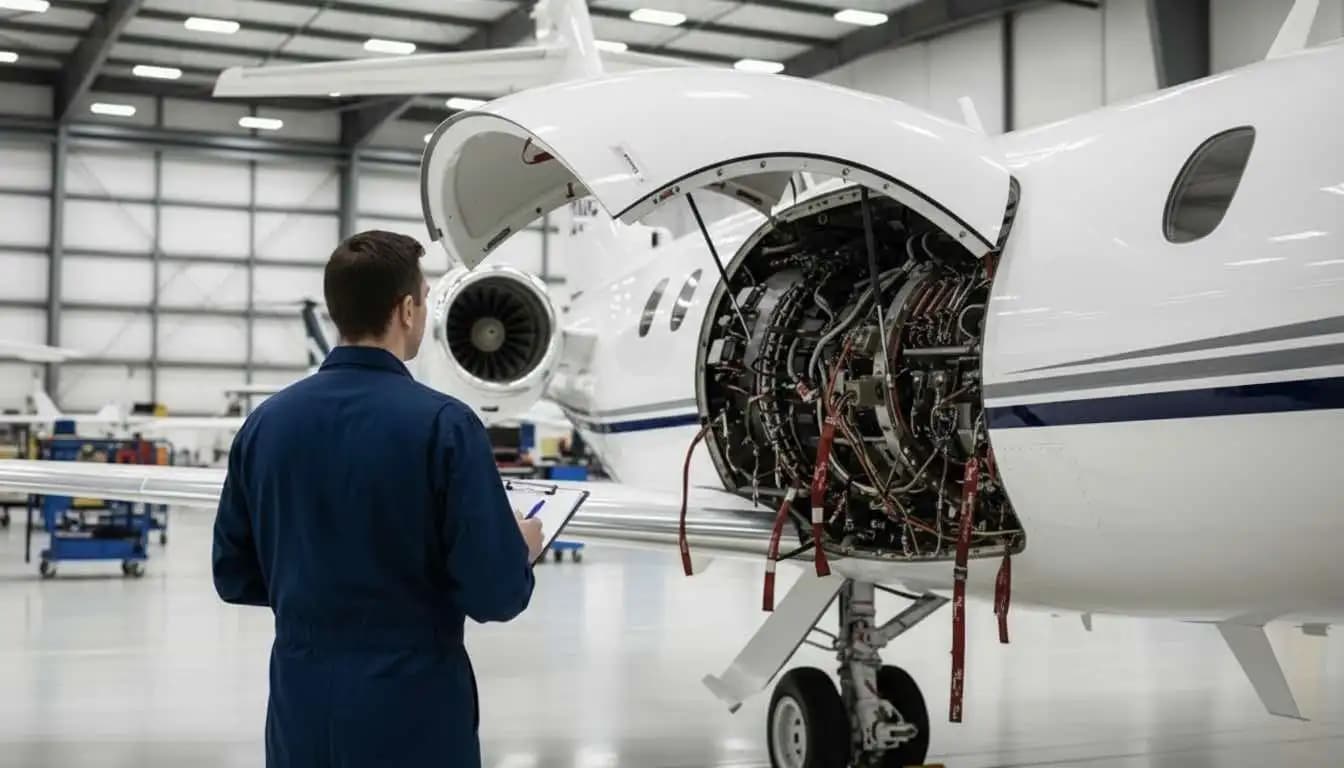
- Conduct the inspection at a Textron-authorized service center with Citation Longitude type experience.
- Scope should include airframe structural inspection, engine borescope, landing gear, pressurization system, and avionics functional checks.
- Define escrow terms, remedies for significant findings, and delivery conditions in the purchase agreement before inspection begins.
Market Position and Competitive Landscape
The Cessna Citation Longitude competes directly with the Bombardier Challenger 350 and the Embraer Praetor 600 in the super-midsize segment. Each aircraft has distinct strengths.
vs. Bombardier Challenger 350
The Challenger 350 offers a wider cabin cross-section and a longer production history with a deeper pre-owned market. The Longitude counters with lower cabin noise, the Garmin G5000 avionics platform, and generally lower variable operating costs.
vs. Embraer Praetor 600
The Praetor 600 offers slightly longer range and Fly-By-Wire flight controls. The Longitude provides comparable cabin volume at a lower acquisition price and benefits from Textron’s extensive service center network in North America.
vs. Gulfstream G280
The G280 delivers excellent range and field performance. The Longitude offers a newer cabin design and lower acquisition cost, while the G280 benefits from Gulfstream’s brand premium and resale track record.
Resale Considerations
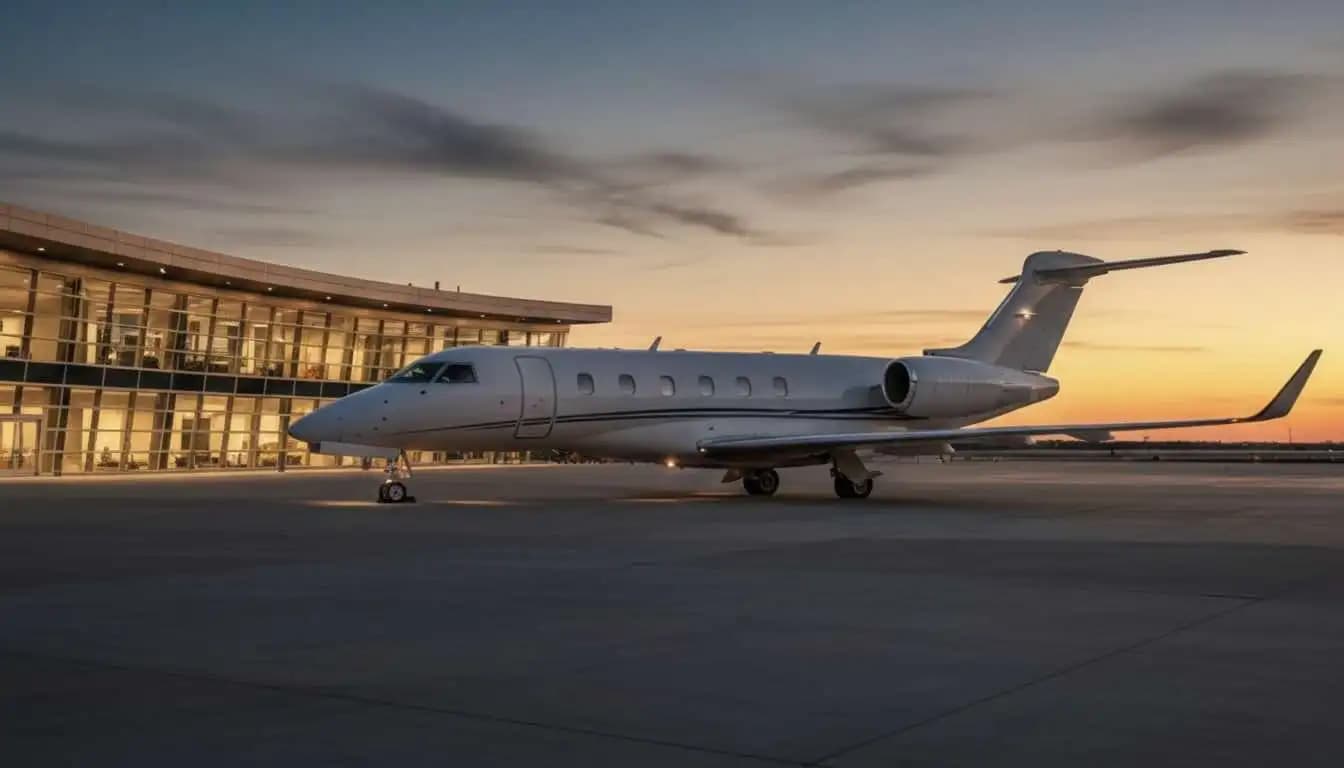
As a relatively new type (first deliveries in 2019), the Cessna Citation Longitude's pre-owned market is still maturing. Residual values will depend heavily on fleet utilization patterns, engine program enrollment rates, and Textron's continued production and support commitment. Buyers should factor depreciation trajectory into their total ownership analysis.
Explore Available Aircraft
Browse our curated aircraft auctions with verified documentation, logbook verification, and escrow-protected transactions.
Browse Available AircraftFrequently Asked Questions About the Cessna Citation Longitude
How much does a Cessna Citation Longitude cost?
A new Cessna Citation Longitude lists around $28–30 million. Pre-owned examples typically trade between $18–26 million depending on total time, engine program enrollment, avionics configuration, and maintenance status. The real acquisition cost also includes inspection, escrow, transition training, and any deferred maintenance catch-up.
Can a Cessna Citation Longitude fly across the Atlantic?
Yes, the Cessna Citation Longitude can fly certain transatlantic routes. With a maximum range of approximately 3,500 nautical miles, it can connect the U.S. East Coast to Western Europe with a fuel stop in Iceland, Greenland, or the Azores. Direct crossings are possible on shorter North Atlantic routing under favorable wind conditions, but most operators plan at least one technical stop for safety margins.
How much does a Cessna Citation Longitude cost per hour?
Typical variable operating costs for the Cessna Citation Longitude run between $3,200 and $4,000 per flight hour, covering fuel, maintenance reserves, engine program contributions, and landing fees. Fully burdened hourly costs—including crew, insurance, hangar, management, and depreciation—can reach $5,500–$7,500 per hour depending on utilization and operating model.
What avionics does the Cessna Citation Longitude use?
The Citation Longitude is equipped with the Garmin G5000 integrated flight deck, featuring three high-resolution touchscreen displays, synthetic vision, WAAS/LPV approach capability, ADS-B Out, TCAS II, and autothrottle integration. This avionics suite provides excellent situational awareness and supports single-pilot operations, though most operators fly with two crew.
How does the Citation Longitude compare to the Bombardier Challenger 350?
Both are super-midsize jets with similar range. The Longitude offers a newer design, lower cabin noise levels, and Garmin G5000 avionics. The Challenger 350 provides a wider cabin cross-section, a longer production track record, and a larger pre-owned market. Operating costs are comparable. The best choice depends on mission profile, cabin requirements, and total ownership economics.
What should I check before buying a pre-owned Citation Longitude?
Prioritize complete logbook verification, engine program enrollment status (TAP Blue or equivalent), AD and service bulletin compliance, damage history, avionics software currency, interior condition, and landing gear inspection status. A pre-purchase inspection by a Textron-authorized service center is strongly recommended.
Related Resources
About the Author

Phillip Müller
CEO, CollectAirs
Long-time pilot and CEO of multiple scenic flight and aircraft sales websites. Passionate about making aircraft transactions more transparent and accessible.
Connect on LinkedIn