
 Nordhorn
 Florida
What the Cheapest Private Plane to Buy Actually Looks Like
When people search for the cheapest private plane to buy, they usually mean one of three things: the lowest sticker price on any flyable aircraft, the most affordable four-seat airplane for personal travel, or the least expensive way into jet ownership. Each of those questions leads to a very different aircraft and a very different cost structure.
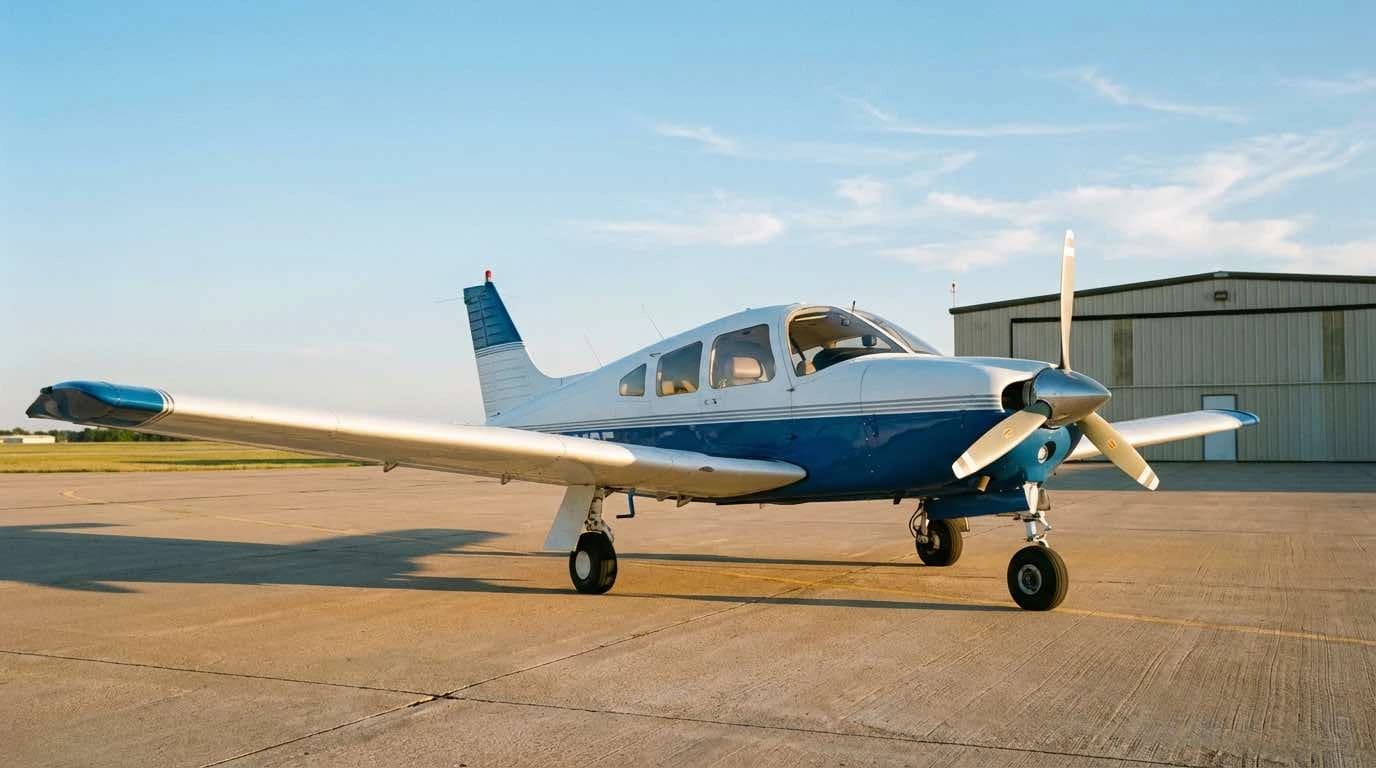
At the bottom of the market, proven two-seat trainers like the Cessna 150 or Piper Tomahawk can be purchased for $20,000–$40,000. Move up to a practical four-seat piston single and you are looking at $50,000–$180,000 for aircraft like the Cessna 172, Piper Cherokee, or Mooney M20. Step into turbine territory and the cheapest private jets, Eclipse 500/550, Cessna Citation Mustang, typically start around $1–1.5 million used.
The critical distinction is that acquisition cost and ownership cost are not the same thing. A $40,000 airplane with a run-out engine, corroded airframe, and outdated avionics can easily cost more in the first year than a $90,000 aircraft that was well-maintained with mid-time engine and modern panel.
Looking for affordable aircraft?
Browse our current aircraft auctions with verified documentation and transparent terms.
Budget Private Planes Under $100,000
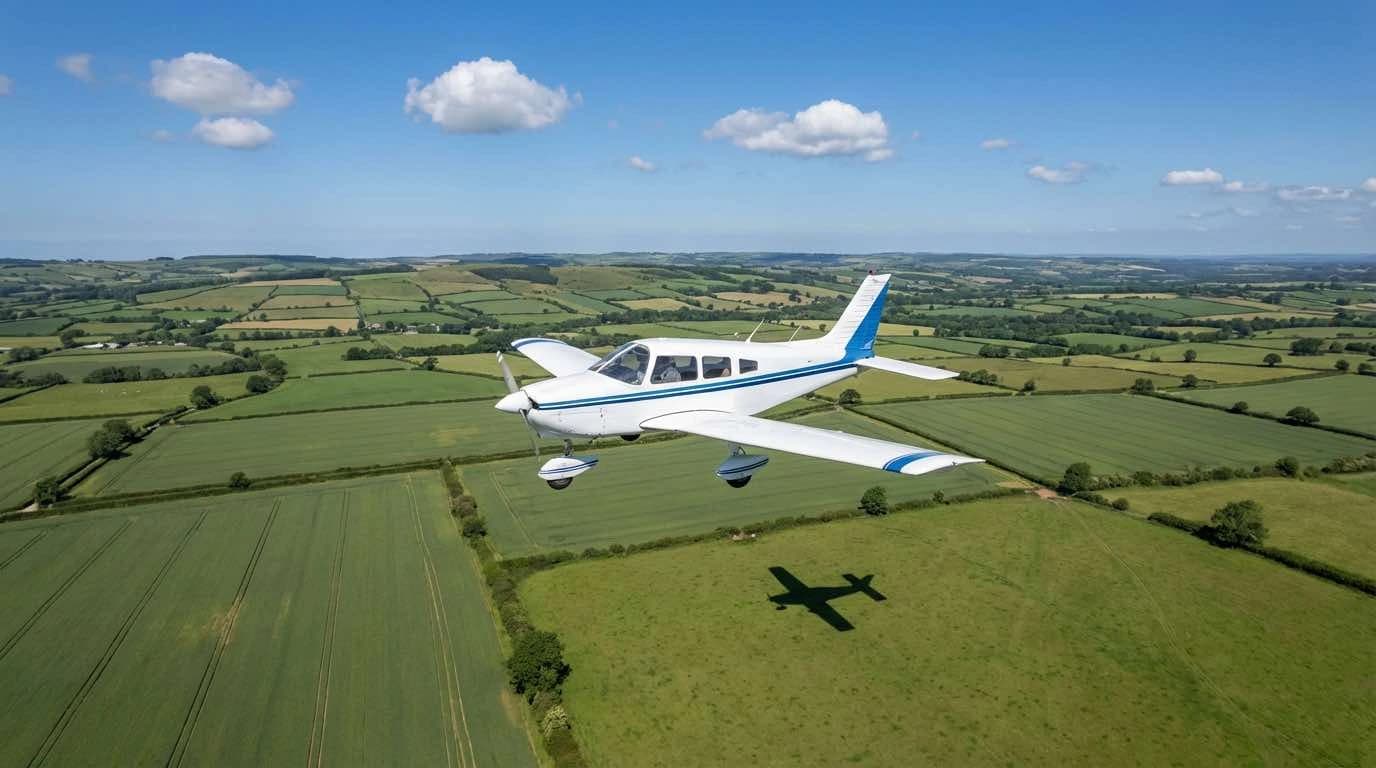
For most first-time buyers, the realistic path to private aircraft ownership runs through the used piston single market. These aircraft are well-understood, parts are widely available, and mechanics know them inside out.
Cessna 150/152 ($20,000–$45,000)
The entry point into aircraft ownership. Two seats, modest performance, and low operating costs make these ideal for building time and learning ownership. Limited to pilot and one passenger with light baggage.
Cessna 172 Skyhawk ($50,000–$180,000)
The world's most produced aircraft for good reason. Four seats, forgiving handling, and an enormous support ecosystem. Earlier models sit comfortably under $100,000; later models with modern avionics push higher.
Piper Cherokee / Warrior ($40,000–$120,000)
Low-wing alternative with stable handling and typically lower insurance premiums than comparable Cessnas. The PA-28 family is deep, from the 140 to the Warrior and Archer, offering a range of performance and price points.
Mooney M20 Series ($60,000–$150,000)
Faster than a Cherokee or Skyhawk at the cost of a tighter cabin and more demanding landing technique. Excellent cross-country efficiency for pilots who value speed per dollar.
The "Cheap Airplane" Trap
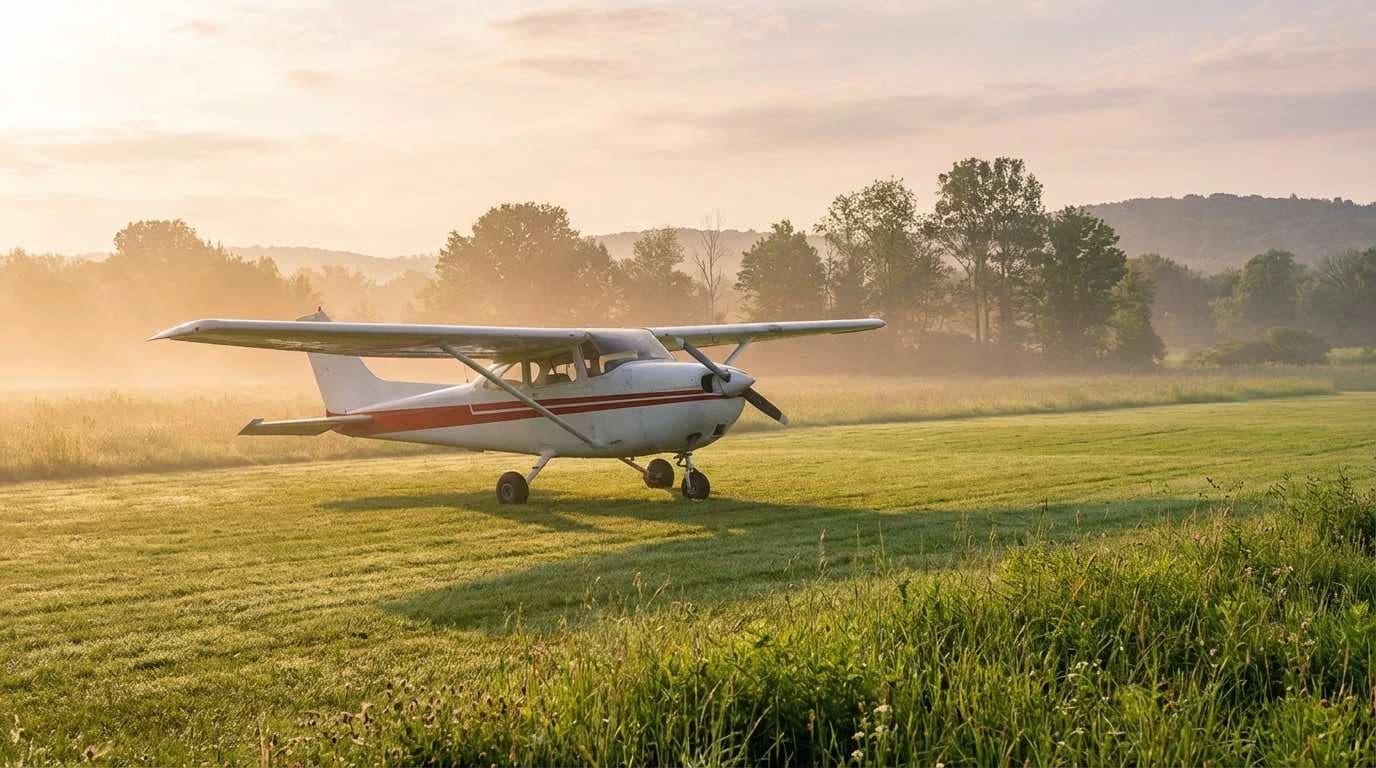
The lowest asking price often hides the highest first-year cost. A run-out engine alone can cost $25,000–$40,000 to overhaul on a four-cylinder Lycoming. Always factor engine time remaining, upcoming AD compliance, and avionics condition into your real acquisition budget.
Entry-Level Private Jets: The Cheapest Turbine Options
If your search for the cheapest private plane to buy extends to jet aircraft, the very light jet (VLJ) and personal jet categories have created genuine entry points that did not exist twenty years ago. These aircraft are designed for owner-pilots and single-pilot operations, with lower operating costs than traditional business jets.
Eclipse 500/550
Twin-engine VLJ designed for single-pilot ops. Among the lowest acquisition costs in the jet category. Evaluate the support network and parts pipeline carefully.
Cessna Citation Mustang
Backed by the Cessna support network. Comfortable cabin for four, proven systems, and realistic single-pilot IFR capability.
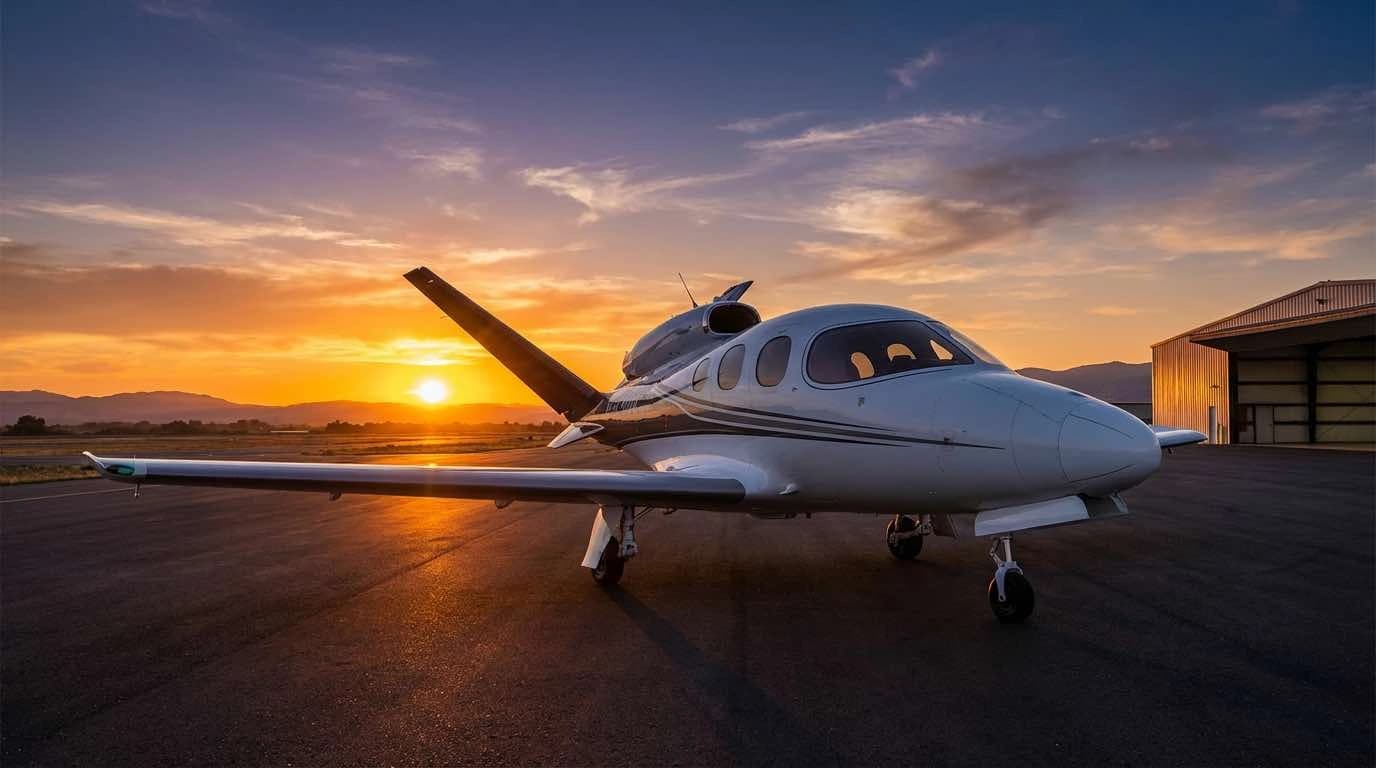
Cirrus Vision Jet SF50
Single-engine personal jet with whole-aircraft parachute. Modern avionics, but limited cabin volume and range compared to twin-engine alternatives.
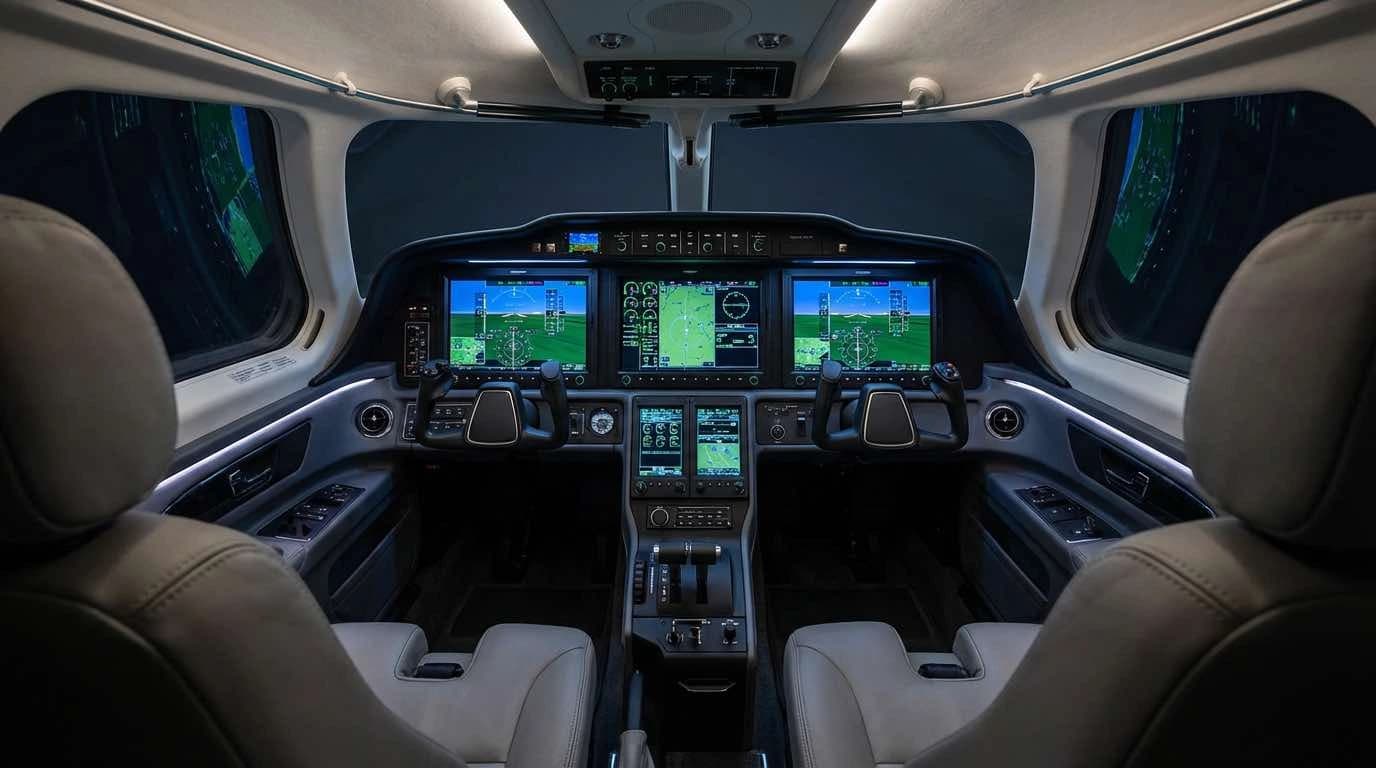
HondaJet HA-420
Over-the-wing engine mount design with class-leading cabin space and performance. Higher acquisition cost but strong manufacturer support.
Buyer note: Jet acquisition price is often 20–30% of total five-year ownership cost. Engine programs, scheduled maintenance events, and insurance premiums for turbine aircraft are meaningfully higher than piston singles. Budget the full picture before committing.
Is a 20-Year-Old Private Jet Safe?
This is one of the most common questions from buyers exploring the cheapest private plane to buy in the jet category. The short answer: age alone does not determine airworthiness. Many jets fly safely well past 20, 30, or even 40 years, provided they are maintained to standard.
Logbook Completeness
Continuous, legible maintenance records from new (or as far back as traceable) are the foundation. Gaps in logbooks are a red flag regardless of aircraft age.
AD Compliance
Every applicable Airworthiness Directive must be current. On older jets, the AD list can be extensive. Verify each item against the aircraft's compliance records.
Engine Program Enrollment
Engines on programs like those offered by engine manufacturers provide predictable costs and documented maintenance standards. Non-enrolled engines on older jets carry more financial risk.
Corrosion History
Older airframes that spent time in humid or coastal environments need careful inspection. Well-documented corrosion prevention and treatment history matters more than zero-corrosion claims.
Avionics Currency
Mandates like ADS-B Out are already in effect. Older jets may need significant avionics investment to remain compliant and insurable for the missions you intend to fly.
The Real Risk Factor
The aircraft that cause problems are not the old ones. They are the neglected ones. A meticulously maintained 25-year-old Citation is a safer and smarter buy than a 10-year-old jet with deferred maintenance, missing logbook pages, and lapsed engine program enrollment.
True Cost of Owning the Cheapest Private Plane
Buyers focused on finding the cheapest private plane to buy often underestimate the ongoing costs that dwarf the purchase price over time. Honest budgeting is what separates successful aircraft owners from those who sell at a loss within two years.
Piston Single (Annual Estimate)
- Insurance: $1,500–$4,000/year
- Hangar: $3,000–$12,000/year
- Annual inspection: $1,500–$4,000
- Engine reserve: $15–$25/hour flown
- Fuel: $40–$80/hour (8–12 GPH at current avgas prices)
Entry-Level Jet (Annual Estimate)
- Insurance: $15,000–$40,000/year
- Hangar: $12,000–$36,000/year
- Scheduled maintenance: $50,000–$150,000/year
- Engine program: $100–$300/hour flown
- Fuel: $400–$800/hour (60–120 GPH Jet-A)
Buyer Checklist for Budget Aircraft
Whether you are buying a $30,000 trainer or a $2 million jet, the fundamentals of a sound aircraft purchase do not change. Here is what to verify before signing anything.
Documentation & Records
- Verify complete airframe, engine, and propeller logbooks with no unexplained gaps.
- Confirm current AD compliance status and review the full AD list for the type.
- Check title and lien status through the FAA Aircraft Registry or an escrow service.
- Review all STCs, field approvals, and major modification documentation.
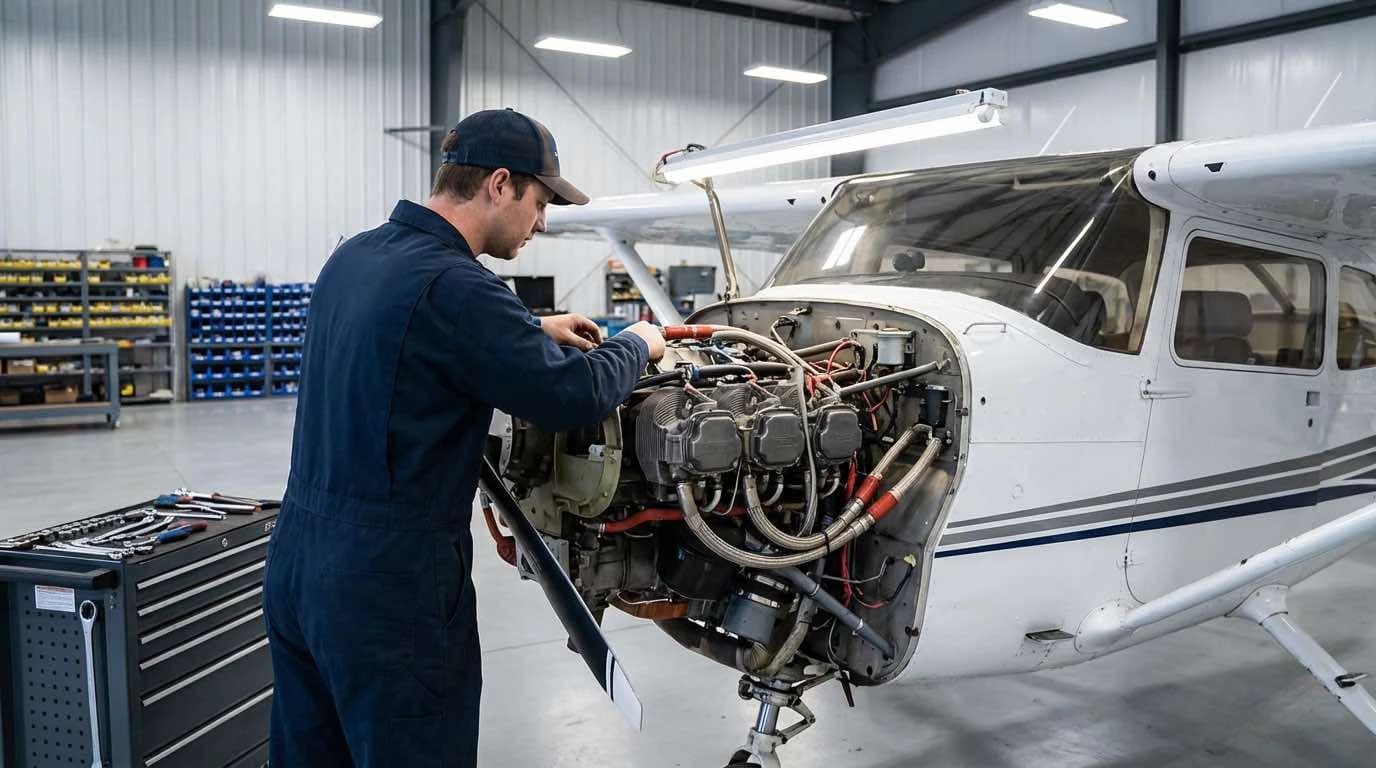
Pre-Purchase Inspection
- Use a shop experienced with the specific make and model, not just a generic annual inspector.
- Inspect for corrosion in known-prone areas: spar caps, belly skins, battery boxes, and wheel wells.
- Evaluate engine compression, oil analysis history, and time since major overhaul.
- Test all avionics, autopilot functions, and verify ADS-B Out compliance.
- Assess landing gear, brakes, tires, and control surface rigging.
Transaction & Risk Control
- Use escrow for all funds handling and document exchange.
- Make the purchase conditional on inspection findings with clear deal-breaker thresholds.
- Confirm insurance availability and pricing before closing, some types are harder to insure for low-time pilots.
Market Snapshot and Pricing Drivers
The market for the cheapest private plane to buy is broad and active. Pricing varies dramatically based on a handful of factors that consistently drive value up or down across all categories.
Engine Time Remaining
The single biggest price driver on piston singles. A freshly overhauled engine can add $25,000–$40,000 to the asking price versus a run-out engine.
Avionics Suite & Panel Quality
Modern glass panels or well-integrated retrofits command significant premiums. An older aircraft with a Garmin G500/GTN stack is worth substantially more than the same airframe with a basic six-pack.
Airframe Hours & Maintenance Culture
Total time matters, but maintenance quality matters more. A well-documented 5,000-hour airframe can be a better buy than a poorly maintained 2,000-hour example.
Damage History
Clean-history aircraft command premiums. Repaired damage is acceptable if well-documented; undisclosed damage is a deal-breaker.
Paint, Interior & Cosmetics
Cosmetics affect perceived value but are the easiest (if expensive) items to change. Do not overpay for fresh paint on a mechanically questionable aircraft.
Cheapest Private Planes: Key Facts
| Aircraft / Category | Typical Price Range | Why It Matters |
|---|---|---|
| Cessna 150/152 (Two-Seat Trainer) | $20,000–$45,000 | Lowest acquisition cost, but limited to two occupants and light payloads |
| Cessna 172 Skyhawk (Four-Seat Piston) | $50,000–$180,000 | Most popular general aviation aircraft; broad parts and mechanic availability |
| Piper Cherokee / Warrior (Four-Seat Piston) | $40,000–$120,000 | Solid low-wing alternative with predictable handling and lower insurance |
| Cirrus SR20 (Four-Seat Composite) | $120,000–$350,000 | Modern avionics and airframe parachute system; higher parts cost |
| Eclipse 500/550 (Very Light Jet) | $1.0M–$1.8M | Among the cheapest private jets; evaluate engine program and support network |
| Cessna Citation Mustang (Entry Jet) | $1.5M–$2.5M | Strong Cessna support network; realistic single-pilot jet entry point |
| Cirrus Vision Jet SF50 (Personal Jet) | $2.0M–$3.5M | Newest entry-level jet with whole-aircraft parachute; limited cabin and range |
| Typical Annual Operating Cost (Piston Single) | $15,000–$30,000 | Insurance, hangar, fuel, maintenance, and reserves add up quickly |
Find Your Aircraft
Browse our curated aircraft auctions with verified documentation, logbook verification, and escrow-protected transactions. Every listing includes the details serious buyers need.
Browse Available AircraftFrequently Asked Questions About the Cheapest Private Planes
How much is the cheapest private plane?
The cheapest private planes start in the $25,000–$50,000 range for older two-seat piston singles like the Cessna 150 or Piper Tomahawk. Practical four-seat aircraft such as the Cessna 172 or Piper Cherokee commonly list between $50,000 and $120,000 depending on age, engine time, and avionics. Entry-level private jets start around $1–2 million on the used market.
What is the cheapest plane you can buy?
Two-seat trainers like the Cessna 150 or Piper PA-28-140 can be found for $20,000–$40,000 in flyable condition. However, cheap acquisition cost does not mean cheap ownership. Budget for a pre-purchase inspection, engine reserves, insurance, hangar fees, and annual maintenance before committing.
Is a 20-year-old private jet safe?
Age alone does not determine safety. A 20-year-old jet with complete logbooks, current AD compliance, enrolled engine programs, and a clean corrosion history can be perfectly airworthy. The risk factors are deferred maintenance, incomplete records, and operators who cut corners, not calendar age.
Can you fly privately cheaply?
Relative to commercial alternatives for certain missions, yes. A well-managed piston single can cost $100–$200 per hour to operate. But "cheaply" depends on your baseline. The real savings in private flying come from honest budgeting, disciplined maintenance, and choosing an aircraft that matches your actual mission, not the most impressive one on the ramp.
What is the cheapest private jet you can buy?
On the used market, the Eclipse 500/550 and Cessna Citation Mustang commonly appear as the lowest-priced turbine options, with asking prices typically starting around $1–1.5 million. The Cirrus Vision Jet is another entry-level option in the $2–3 million range. Operating costs, parts availability, and maintenance support matter as much as the purchase price.
What should I inspect before buying a cheap private plane?
Prioritize a thorough pre-purchase inspection by a shop experienced with the type. Key areas include logbook completeness, AD compliance status, engine and propeller time and condition, corrosion inspection, avionics functionality, and airframe damage history. Escrow handling and clear title verification are also essential before closing.
Sources
Used for: general ownership cost framework and budgeting guidance for piston and turbine aircraft.
Used for: title verification, registration status, and Airworthiness Directive compliance reference.
Related Resources
About the Author

Phillip Müller
CEO, CollectAirs
Long-time pilot and CEO of multiple scenic flight and aircraft sales websites. Passionate about making aircraft transactions more transparent and accessible.
Connect on LinkedIn