
 Florida
 Hildesheim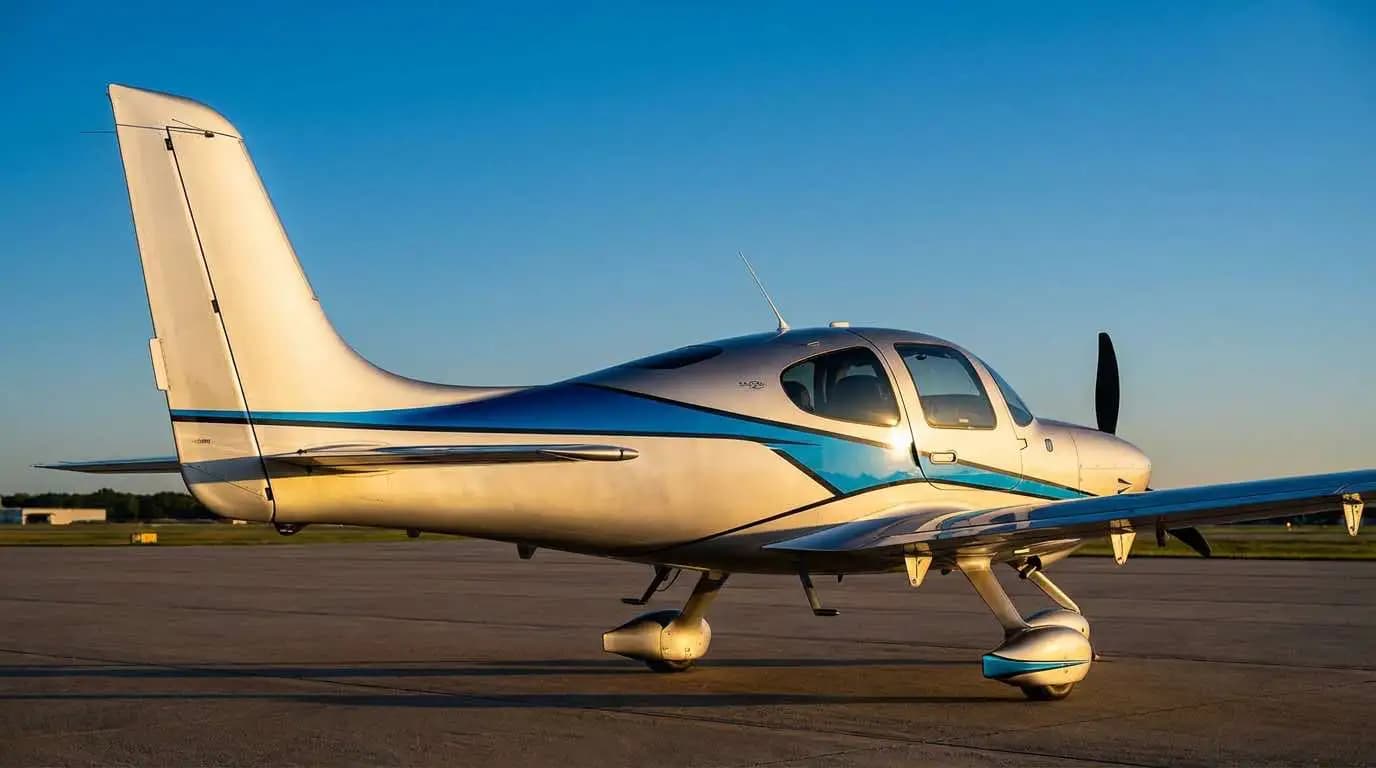
Why the Cirrus SR20 Commands Industry Leadership
The Cirrus SR20 has established itself as the default single-engine platform for flight schools, commercial operators, and serious owner-pilots. This position is earned, not through marketing, but through documented safety performance, modern avionics integration, and operational efficiency that exceeds comparable aircraft.
The CAPS parachute system alone differentiates SR20 ownership. Six hundred documented lives saved by CAPS deployment represent a safety margin unavailable on any competing single-engine platform. This is not theoretical. It is documented accident survivability.
The composite airframe provides inherent corrosion resistance, excellent strength-to-weight ratio, and operational longevity. Combined with factory-standard G1000 avionics and modern training infrastructure, the SR20 offers comprehensive safety and performance integration.
Cirrus SR20 listings on CollectAirs
Browse verified Cirrus SR20 listings with full documentation and transparent auction terms.
History, Design Innovation, and Market Evolution
The Cirrus SR20 first flew in 1999 and entered service in 2000. The aircraft represents a clean-sheet design rather than a modification of existing platforms. Cirrus leadership made deliberate decisions: composite construction, integrated glass cockpit from inception, and the innovative CAPS parachute system. These foundational choices distinguish the SR20 from competitors built on 1960s–1980s designs with avionics retrofits.
Evolution and Market Dominance
The SR20 has been continuously refined since introduction. Key evolutionary milestones:
- 1999–2010 (Early Models): Introduction of composite aircraft to mainstream market; initial CAPS integrations; G1000 as optional avionics
- 2010–2015 (G1000 Standard): Factory-integrated G1000 avionics become standard; improved fuel efficiency; enhanced interior ergonomics
- 2015–Present (Modern Era): Introduction of Garmin G1000 NXi (next-generation) avionics; synthetic vision integration; advanced flight management systems; improved engine diagnostics
Avionics Importance for Used Aircraft
Avionics generation is a critical value factor. Aircraft with original G1000 (2000s) vs. modern G1000 NXi (2020s+) represent vastly different capability and training requirements. Prospective buyers should prioritize newest avionics generation within budget constraints.
Performance Specifications and Cross-Country Capability
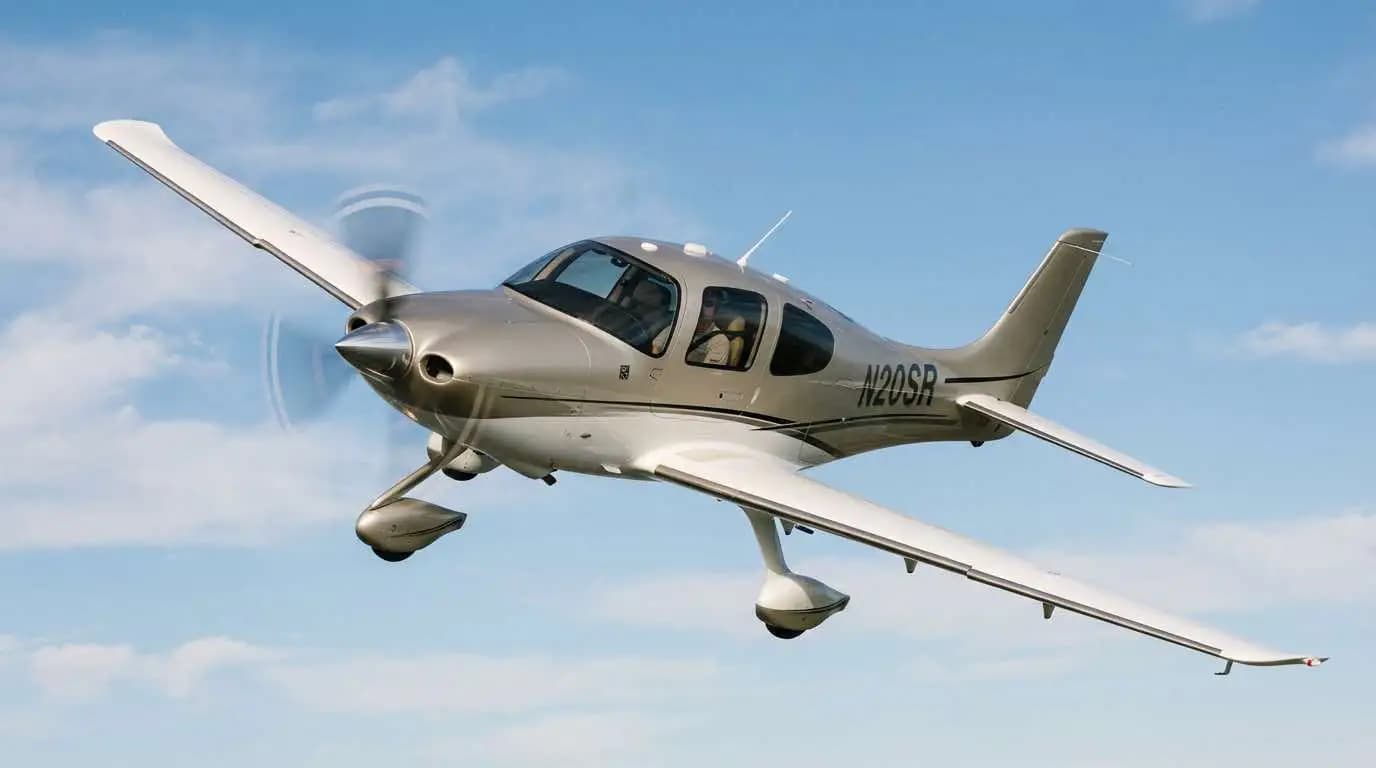
The Cirrus SR20 delivers genuine cross-country performance. With modern glass avionics, 200-horsepower engine, and efficient composite construction, the SR20 cruises at 140–160 knots true airspeed while consuming under 10 gallons per hour. This combination enables 750–900 nautical mile range: genuine cross-country capability.
140–160 KTAS Cruise
Efficient cruise speed balances time-to-destination with fuel economy and operational simplicity.
750–900 NM Range
Genuine cross-country range supports regional operations and true personal transportation missions.
~9–10 GPH Cruise Burn
Efficient fuel consumption combined with 48-gallon capacity emphasizes cost-effective distance capability.
The SR20 is certified for a 4-person capacity (pilot + 3 passengers), though realistic useful load typically allows 2 passengers plus fuel and baggage on cross-country missions. Modern ballistic parachute (CAPS) deployment ensures survivability in catastrophic scenarios: a capability no competing single-engine platform offers.
Engine, Maintenance Requirements, and Operational Reality
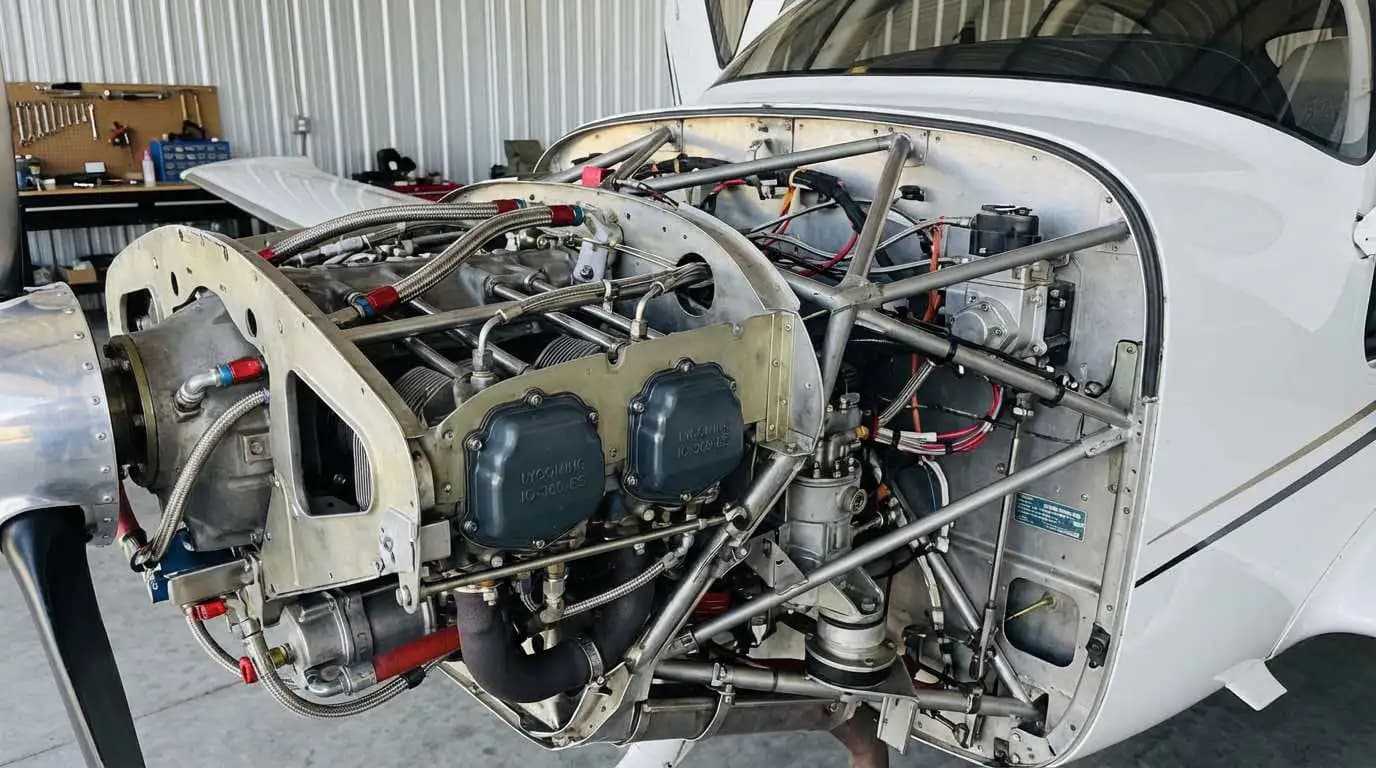
The Cirrus SR20 is powered by a Lycoming IO-360-ES engine, a proven, naturally aspirated four-cylinder piston engine rated at 200 horsepower. This engine family has decades of operational history. However, SR20 ownership involves complexity beyond traditional aircraft maintenance: composite repair expertise, avionics systems integration, and CAPS-specific service requirements.
Engine Specifications
- Lycoming IO-360-ES: 200 hp, naturally aspirated, fuel-injected
- TBO: 2,000 hours (many operate well past TBO)
- Fuel type: 100LL avgas required
- Engine diagnostics: Factory engine monitoring systems integrated with G1000
Maintenance Costs
- Annual inspection: $3,000–$8,000 (composite expertise required)
- Engine overhaul: $23,000–$35,000 (specialized labor)
- CAPS system inspection: $500–$1,500 annually
- Composite repair (damage): $2,000–$25,000+ depending on severity
Avionics Integration and Modern Glass Cockpit
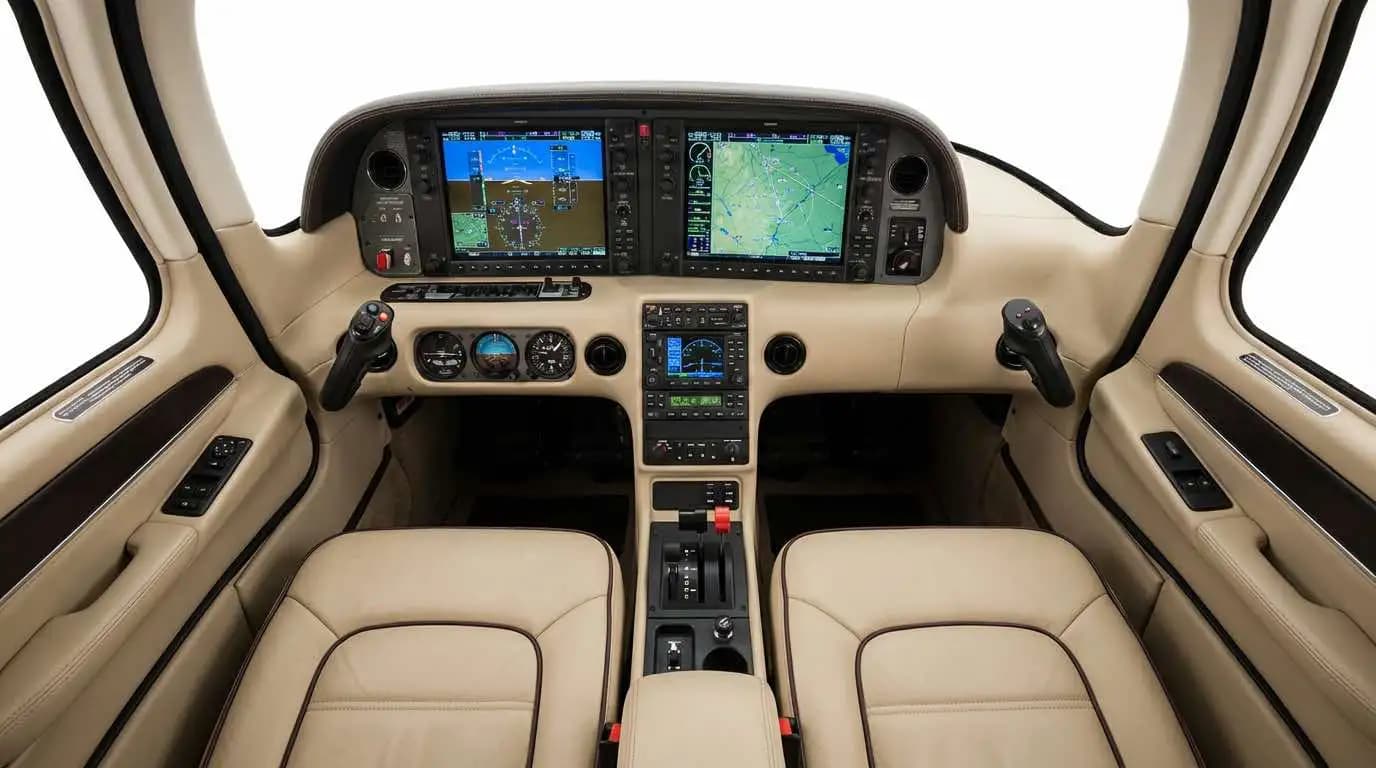
The Cirrus SR20 has been factory-equipped with Garmin G1000 integrated avionics from the beginning of the type. This is not a retrofit, the aircraft was designed around modern glass cockpit capability. Newer models feature the G1000 NXi (next-generation) with synthetic vision, advanced flight management, and tablet integration.
G1000 Classic (2000–2015 aircraft)
Factory integrated glass avionics with primary flight display, moving map, and engine monitoring. Still capable but older architecture; newer aircraft are preferable.
G1000 NXi (2015+ aircraft)
Next-generation avionics with synthetic vision technology, integrated flight planning, and wireless connectivity to tablets. Superior capability and operator interface.
Engine Monitoring Integration
G1000 displays real-time engine parameters, fuel flow, cylinder head temperature, manifold pressure, enabling precise power management and fuel optimization.
Training and Currency Requirements
Modern glass cockpits require comprehensive training. Expect 20–40 hours of structured instruction on G1000 systems, emergency procedures, and automation management.
Safety Features: The Cirrus Airframe Parachute System (CAPS)
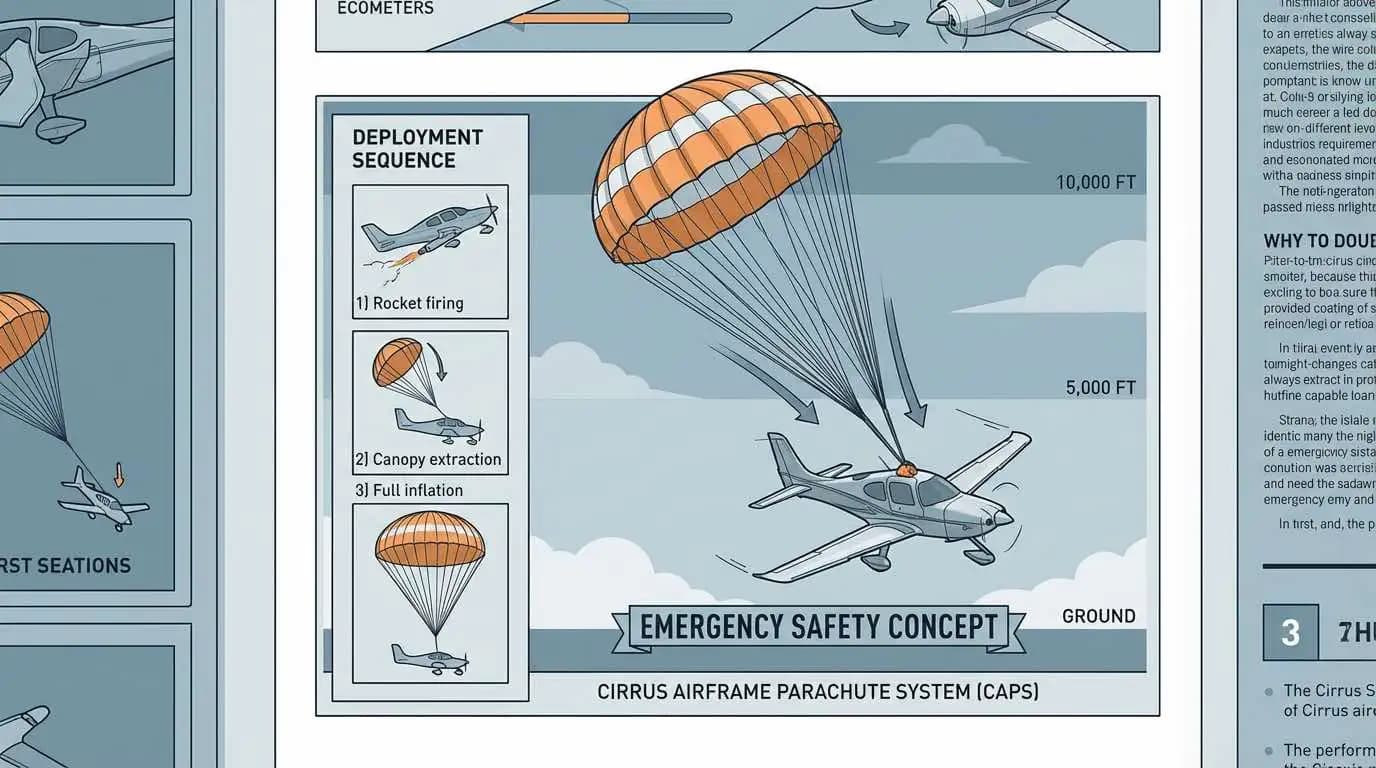
The Cirrus Airframe Parachute System (CAPS) is the defining innovation of Cirrus aircraft. Deployed during unrecoverable emergencies (structural failure, catastrophic engine loss, uncontrollable flight), CAPS deploys a parachute that lowers the entire aircraft to the ground at approximately 17 feet per second. This capability has been credited with saving approximately 600 lives since introduction.
CAPS System Reality
CAPS is an extraordinary capability unavailable on any competing single-engine aircraft. It is not intended for normal operations or ordinary emergencies. It is a last-resort system for truly unrecoverable situations. Annual inspection is mandatory. Deployment and repack cost approximately $15,000–$20,000.
CAPS Operational Requirements
- Annual inspection of parachute container, deployment mechanism, and firing system required before flight operations
- Deployment training in normal operations and emergency procedures required for all pilot
- Minimum altitude awareness for CAPS deployment (system requires approximately 1,000 feet AGL minimum for effective parachute deployment)
- Regular maintenance of shoulder harness systems and flight restraint equipment supporting safe parachute deployment
Ownership Costs and True Operating Expense Analysis
Cirrus SR20 ownership is more expensive than simpler single-engine aircraft due to composite maintenance requirements, advanced avionics systems, and CAPS-specific service needs. Realistic annual operating costs (excluding fuel) range from $8,000 to $15,000 for active recreational flying.
Acquisition Cost
$350,000–$550,000 depending on year, condition, and avionics configuration. Newer aircraft with modern G1000 NXi command premiums.
Hangar and Fixed Costs
$3,000–$8,000 annually depending on location and facility. Composite aircraft benefit from environmental protection.
Maintenance and Inspections
$3,000–$8,000 annually for routine maintenance plus periodic inspections. Composite expertise adds cost.
Engine Reserve (per hour flown)
$10–$15 per flight hour represents engine overhaul cost allocation. For 100-hour annual flying: $1,000–$1,500 reserve.
Avionics and Systems Support
$1,000–$3,000 annually for Garmin G1000 database updates, software support, and occasional avionics troubleshooting.
Fuel Cost
~10 GPH cruise burn; 48-gallon capacity. 100 hours annual flying = 1,000 gallons/year. At $6/gallon = $6,000 annual fuel cost.
Buying a Cirrus SR20: Comprehensive Pre-Purchase Checklist
Due diligence on a Cirrus SR20 purchase requires evaluation of avionics generation, composite airframe condition, engine status, CAPS system service history, and maintenance documentation. The process is more complex than simpler aircraft due to composite construction and systems integration.
Documentation and Records Priority
- Complete logbooks from original delivery with no gaps in maintenance records or flight history
- Avionics maintenance logs including G1000 updates, software versions, and any system replacements or repairs
- Engine time remaining to TBO and complete engine maintenance history including oil analysis results
- CAPS system annual inspection certificates, deployment training records, and any maintenance or repairs
- Full AD compliance documentation verified for both airframe and Lycoming IO-360 engine
- Clear title free of liens or encumbrances confirmed via aviation title service (FAA Aircraft Registry)
- Original manufacturer technical documentation and type certificate data sheet reference
Technical Inspection Priorities
- Composite airframe condition assessment: crazing, delamination, stress fractures, water intrusion across fuselage, wings, and control surfaces
- Engine compression, oil analysis trends, borescope inspection if possible to assess cylinder health
- G1000 avionics system functionality: primary flight display, moving map, engine monitoring, autopilot operation
- CAPS system visual inspection: parachute container condition, firing mechanism, deployment handle function
- Structural inspection by Cirrus-qualified technician: composite repair history, epoxy integrity, stress crack monitoring
- Avionics generation verification: G1000 Classic vs. NXi, software version, component replacement history
- Control systems: cable tension, rudder pedal alignment, trim system function across full range
Transaction and Risk Management
- Use escrow service for funds and document transfer throughout transaction to protect both buyer and seller interests
- Make purchase conditional on satisfactory pre-purchase inspection with qualified Cirrus service center approval
- Budget for avionics training: minimum 20–40 hours structured instruction on G1000 systems, emergency procedures, and type-rating if applicable
- Verify insurance availability for SR20 operation and confirm any pilot experience/endorsement requirements
Market Snapshot and Pricing Drivers
The Cirrus SR20 used market is active and values-driven. Aircraft hold value well due to strong demand from flight schools, professional operators, and personal aviators. Pricing is sensitive to avionics generation and maintenance history.
Avionics Generation
Modern G1000 NXi aircraft command 15–25% premium over older G1000 Classic models. Synthetic vision and wireless connectivity are significant value factors.
Engine Time Remaining
Low time to overhaul significantly suppresses value. Aircraft with fresh engines or recent overhauls command substantial premiums.
Logbook Completeness
Complete, unbroken logbooks from original delivery are essential and command value premiums. Gaps or missing records raise serious buyer concerns.
Total Airframe Hours
Time alone is less important than condition. A well-maintained 3,000-hour aircraft with comprehensive records outvalues a 1,500-hour example with spotty maintenance.
CAPS Service History
Current CAPS annual inspection and documented deployment training are expectations. Aircraft past CAPS inspection require immediate service ($500–$1,500).
Composite Repair History
Any documented composite damage or repair history requires detailed technical evaluation. Extensive repair history suppresses value due to structural concerns.
Cirrus SR20 Key Facts
| Specification | Typical Range / Value | Why It Matters |
|---|---|---|
| Engine | Lycoming IO-360-ES, 200 hp | Modern, proven piston engine with strong support network and extensive parts availability |
| Cruise Speed | ~140–160 mph TAS at lean power | Solid cross-country speed balances performance with fuel economy and engine management |
| Practical Range | ~750–900 NM at cruise power | Excellent range enables true cross-country flying without frequent fuel stops |
| Useful Load | ~900–1,000 lbs (configuration dependent) | Generous payload capacity supports pilot, passengers, baggage, and fuel simultaneously |
| Fuel Capacity | 48 gallons total (usable capacity varies) | Adequate fuel supply for extended cross-country operations and reserve requirements |
| Fuel Burn | ~9–10 GPH at cruise | Efficient fuel consumption reduces operating costs and extends range |
| Engine TBO | 2,000 hours | Standard overhaul interval; overhaul costs are substantial ($23,000–$35,000) |
| Seating | 4–5 seats (typically 4 actual) | Practical cross-country capacity supports pilot, passengers, and cargo operations |
| Construction | Composite (glass fiber and carbon fiber) airframe | Composite strength and weight advantages; requires specialized repair expertise |
| Market Asking Price | $350,000–$550,000 | Driven by year, total time, engine status, avionics condition, and maintenance history |
Cirrus SR20 on CollectAirs
Browse our verified Cirrus SR20 listings with full documentation and transparent auction terms. CollectAirs connects serious aviators, flight schools, and professional operators with thoroughly vetted modern composite aircraft.
Frequently Asked Questions About the Cirrus SR20
How much does a Cirrus SR20 cost?
Used Cirrus SR20 prices range from $350,000 to $550,000 depending on year, airframe hours, engine time, avionics, and condition. Recent models with modern avionics command premiums. Aircraft needing avionics upgrades or engine overhauls trade lower.
What makes the Cirrus SR20 special?
Two key features: continuous composite construction and the Cirrus Airframe Parachute System (CAPS). CAPS provides whole-aircraft emergency parachute capability credited with saving approximately 600 lives. Combined with G1000 avionics, this defines modern aviation safety.
What engine powers the Cirrus SR20?
The Lycoming IO-360-ES engine produces 200 horsepower with a 2,000-hour TBO. Engine overhauls cost $23,000–$35,000. Manufacturer engine programs help manage overhaul costs for active operators.
Is the Cirrus SR20 difficult to maintain?
SR20 maintenance requires experienced technicians familiar with composite repair and advanced avionics. Annual inspections cost $3,000–$8,000. CAPS system inspection adds specialized costs. Composite damage can be costly to repair.
What is CAPS and why does it matter?
CAPS is the whole-aircraft emergency parachute system, a defining safety feature. Annual inspection and deployment testing are required. CAPS activation costs approximately $15,000–$20,000 for parachute replacement and system re-certification.
Should I buy a Cirrus SR20 instead of other single-engine aircraft?
The SR20 excels if safety and advanced avionics are priorities. If lower acquisition cost or simpler maintenance are primary concerns, certified single-engine alternatives may be preferable. SR20 is excellent for cross-country and commercial training operations.
Sources
Used for: certification reference, approved engine configurations, and type certification performance framework.
Used for: CAPS system specifications, aircraft history, avionics integration standards, and maintenance guidance.
Used for: engine specifications, TBO data, maintenance requirements, and operation standards.
Used for: avionics system specifications, training requirements, and integration standards for SR20 platform.
Related Resources
About the Author

Phillip Müller
CEO, CollectAirs
Long-time pilot and CEO of multiple scenic flight and aircraft sales websites. Passionate about making aircraft transactions more transparent and accessible.
Connect on LinkedIn