
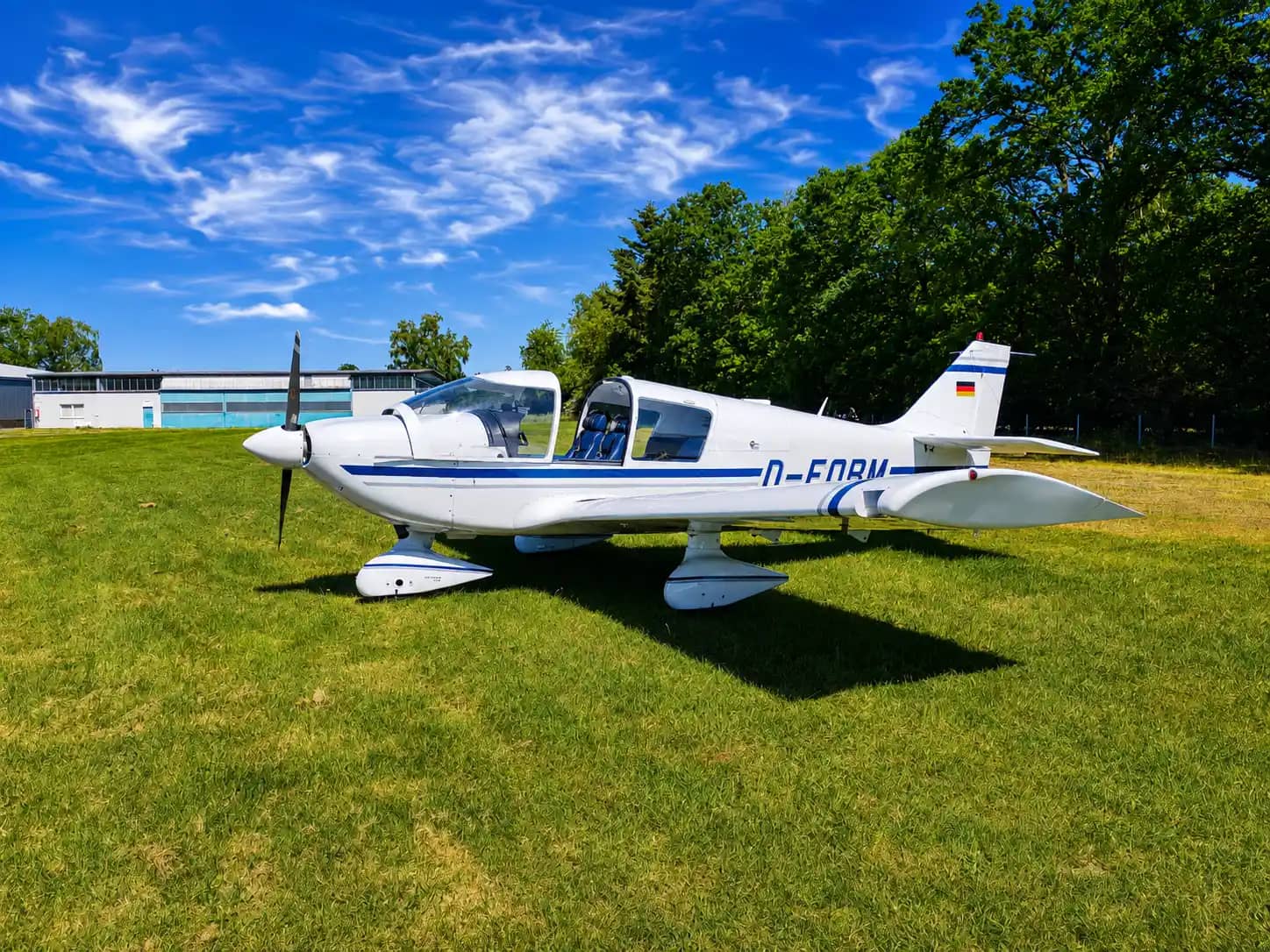
 Nordhorn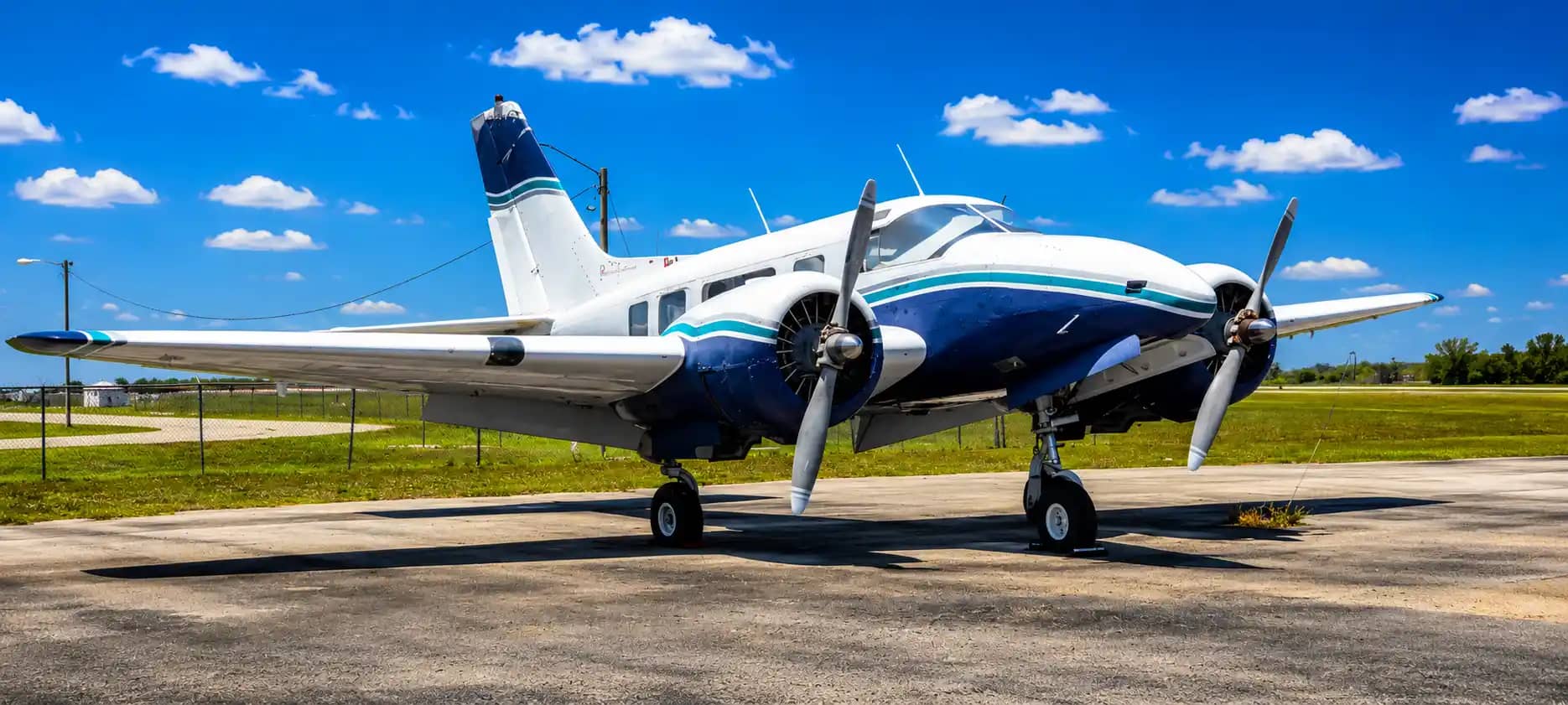
 Florida
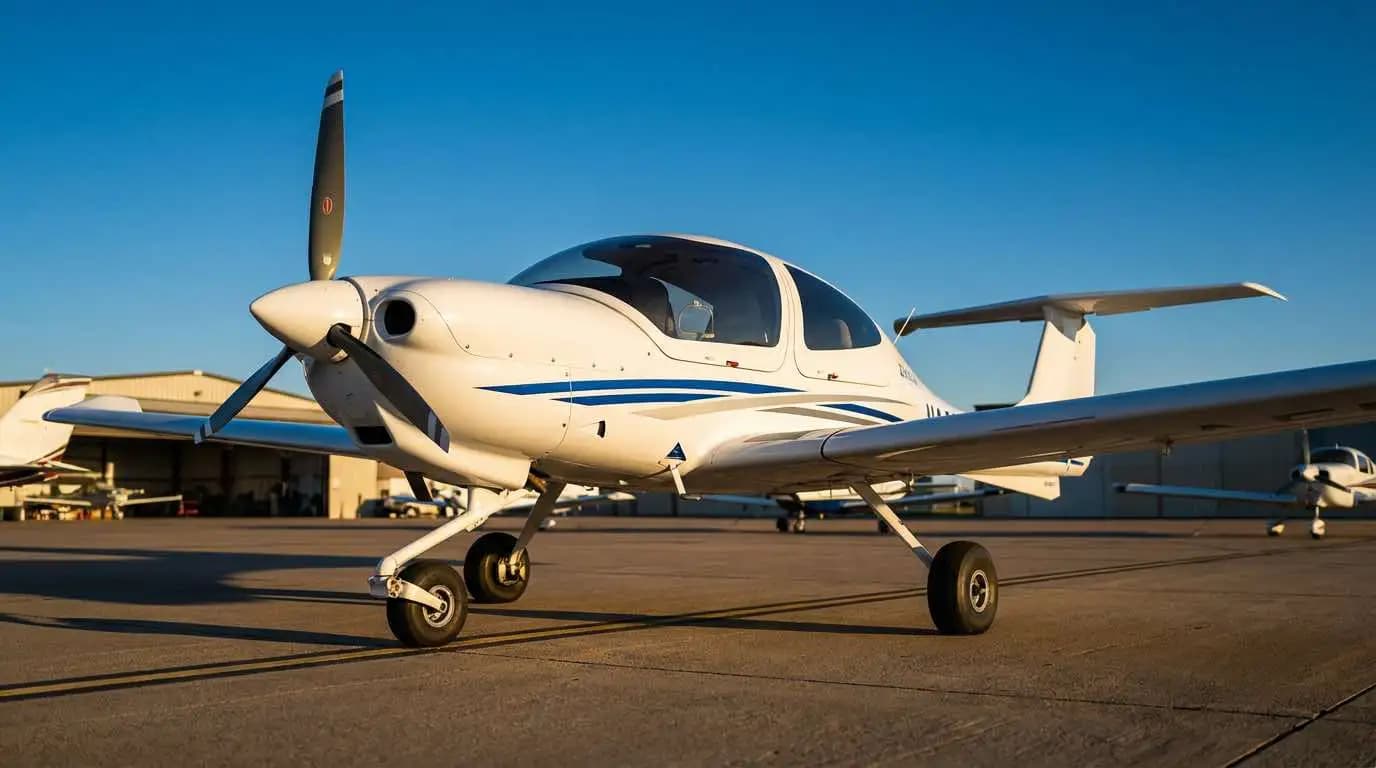
Why the Diamond DA40 Dominates the Training and Cross-Country Market
The Diamond DA40 is arguably the most successful modern single-engine aircraft design. Its market dominance reflects fundamental design decisions: retractable landing gear for improved aerodynamics, composite construction for durability, proven piston engines, and four-seat utility. These choices create an aircraft that excels across multiple missions.
Flight schools prefer the DA40 because it teaches retractable gear management without the cost premium of twin-engine aircraft. Professional operators value its operating economics, reliability, and range. Personal aviators appreciate its modern systems integration and cross-country capability.
The used DA40 market is active and stable. Demand consistently exceeds supply for well-maintained examples. Aircraft hold value well. The market is sophisticated: buyers evaluate engine type, avionics generation, maintenance completeness, and overall condition.
Diamond DA40 listings on CollectAirs
Browse verified Diamond DA40 listings with full documentation and transparent auction terms.
History, Design Evolution, and Market Success
The Diamond DA40 first flew in 1992 and entered service in 1993. Austrian manufacturer Diamond Aircraft created a clean-sheet design optimized for modern flight training and personal aviation. Key decisions shaped the type: retractable gear, composite fuselage, all-metal wings, and multiple engine options. These choices positioned the DA40 as a modernization alternative to older certified trainers and personal aircraft.
Evolution and Production Milestones
The DA40 has been continuously refined and improved since introduction:
- 1993–2005 (Classic DA40): Introduction with Continental IO-360; composite construction; establishes trainer market dominance
- 2005–2010 (DA40 XLS): Extended fuselage, improved interior, increased useful load; diesel engine introduction
- 2011–Present (DA40 Modern): Streamlined avionics integration, improved efficiency, diesel engine refinement, modern glass cockpit standards
Engine Type Is Critical for Used Aircraft Evaluation
Engine choice defines operating costs and mission capability. Continental/Lycoming gas engines offer lower acquisition cost but higher fuel consumption. Austro diesel engines command higher acquisition price but offer superior range, fuel economy, and lower per-hour operating costs. Evaluate your mission before choosing between engine types.
Performance Specifications and Cross-Country Capability
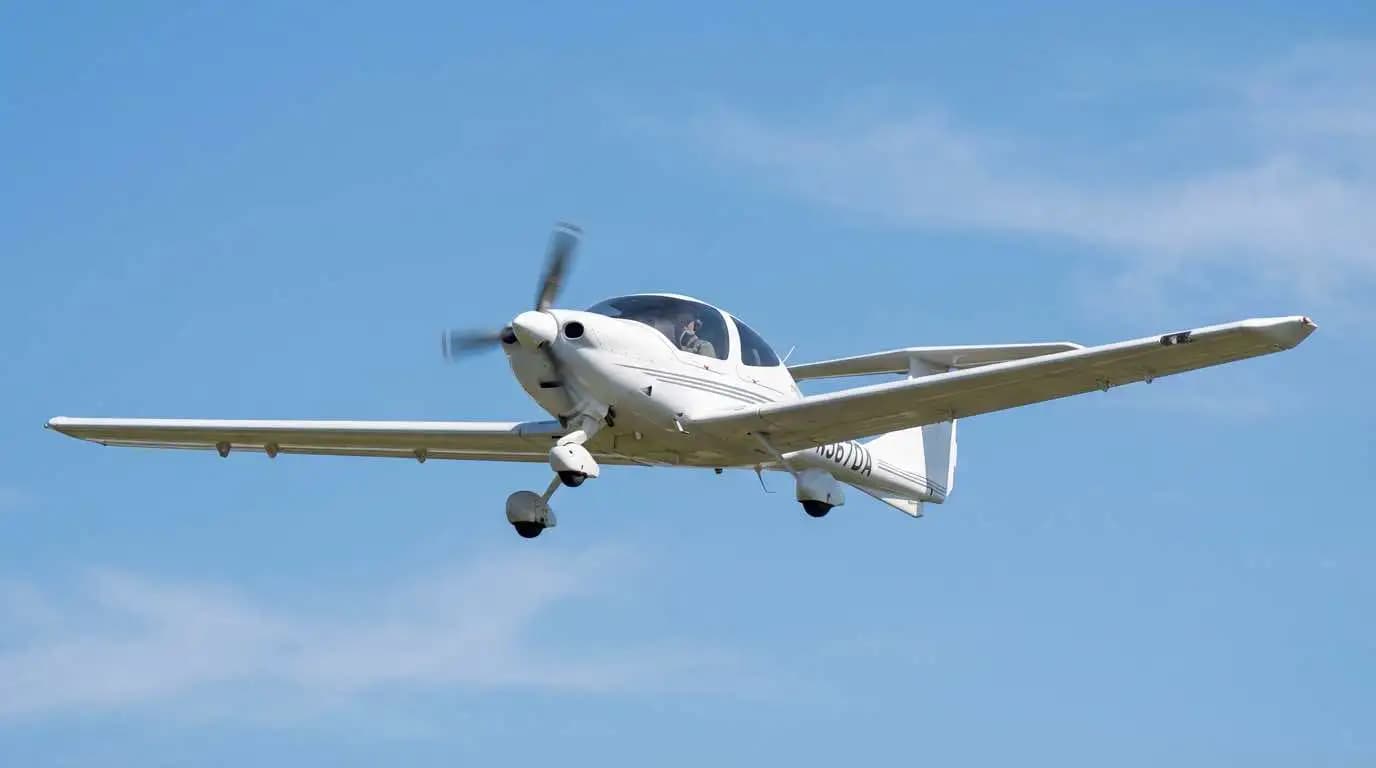
The Diamond DA40 delivers genuine cross-country performance. With modern engines, retractable landing gear, and efficient design, the DA40 cruises at 140–160 knots true airspeed. Range varies by engine type: gas engines offer 600–700 NM, while diesel engines exceed 900 NM on a single tank. Fuel consumption is exceptional: 7–8 GPH on diesel, 9–11 GPH on gas.
140–160 KTAS Cruise
Efficient cruise speed balances time-to-destination with fuel economy and engine reliability.
600–900 NM Range
Excellent range enables cross-country operations; diesel engines exceed 900 NM.
7–11 GPH Fuel Burn
Exceptional fuel economy with diesel engines; gas engines balance cost with efficiency.
The DA40 is certified for 4-seat capacity. Practical useful load typically supports pilot and 3 passengers plus fuel and baggage on cross-country missions. Retractable gear provides aerodynamic benefit compared to fixed-gear competitors, resulting in superior speed and efficiency.
Engine Options, Maintenance Requirements, and Operating Economics
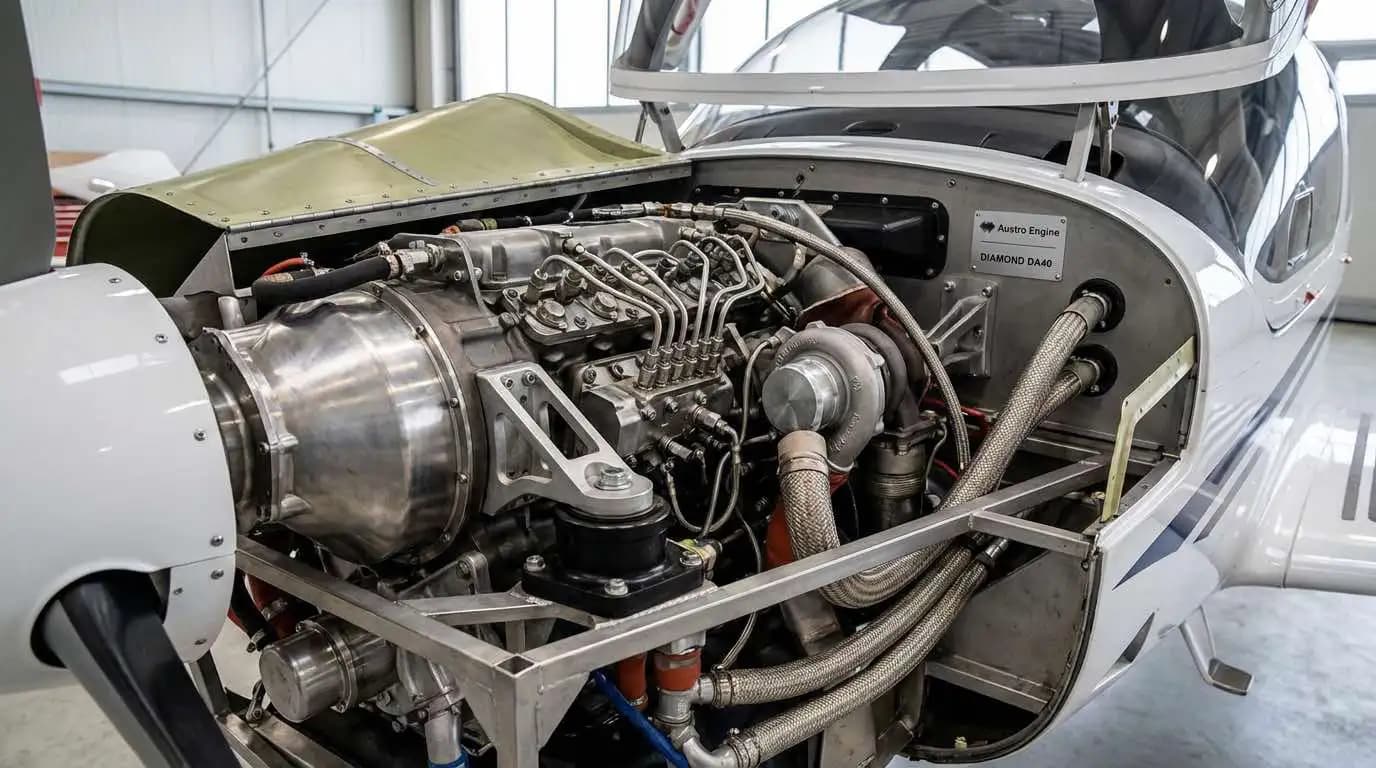
The Diamond DA40 offers multiple engine configurations. Early aircraft use Continental IO-360 or Lycoming IO-360 engines producing 180 horsepower. Modern DA40s can be equipped with Austro diesel engines producing 155–170 horsepower. Diesel engines are more expensive to overhaul but offer exceptional fuel economy and range.
Engine Specifications
- Gas Options: Continental IO-360 or Lycoming IO-360 (180 hp)
- Diesel Options: Austro AE300 and AE330 (155–170 hp)
- TBO: 2,000 hours (gas), 2,500 hours (diesel)
- Fuel type: 100LL avgas (gas), Jet-A (diesel)
Maintenance Costs
- Annual inspection: $2,500–$6,000
- Gas engine overhaul: $18,000–$28,000
- Diesel engine overhaul: $22,000–$35,000
- Retractable gear inspection: $500–$2,000 annually
Avionics Systems and Glass Cockpit Integration
The Diamond DA40 has evolved from basic steam gauge instruments to modern glass cockpit capability. Older DA40s shipped with traditional panel layouts; modern DA40s are factory-equipped with Garmin G1000 NXi integrated avionics. This evolution creates a wide spectrum of avionics configurations in the used market.
Classic DA40 (1993–2010)
Traditional 6-pack instrumentation; optional glass panel retrofits. Training-focused; simple systems. Avionics mods vary by individual aircraft.
DA40 with Retrofit Glass
Added glass cockpit via STCs; varies by shop and retrofit scope. Cross-check avionics configuration during pre-purchase inspection.
Modern DA40 (2010+)
Factory-integrated G1000/G1000 NXi avionics as standard. Synthetic vision, integrated flight planning, wireless database updates. Superior capability.
Training Implications
Glass cockpit proficiency requires 15–30 hours of structured training. Expect additional budget for initial systems training regardless of pilot experience.
Retractable Landing Gear: Complexity, Maintenance, and Risk Management
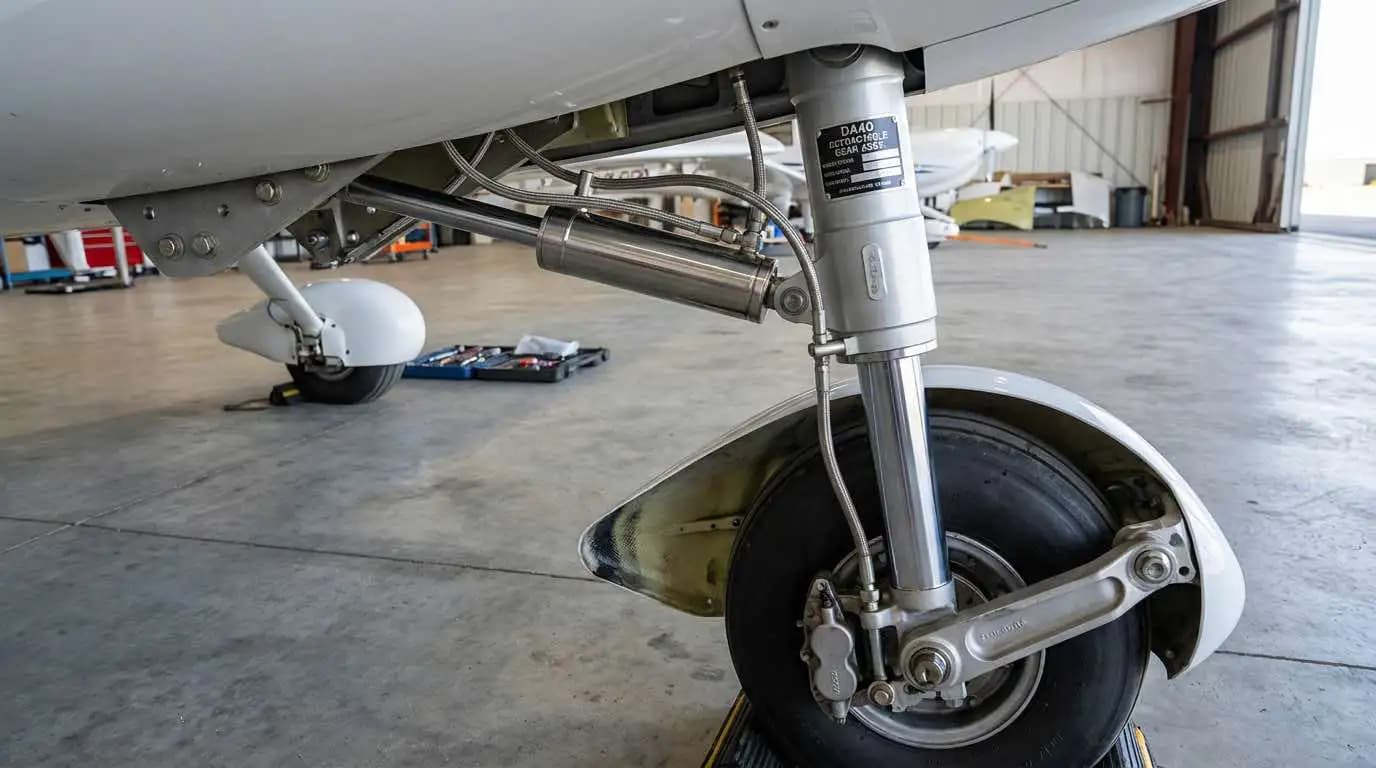
The Diamond DA40 retractable landing gear system is reliable and proven. However, retracting gear introduces complexity and operational discipline not found on fixed-gear aircraft. Proper operation, maintenance compliance, and pilot proficiency are essential.
Retractable Gear Operational Reality
Retractable gear requires deliberate pilot action and careful procedural discipline. Undercart landing (gear-up landing) is a known and reported risk. Proper training, checklist discipline, and alert awareness prevent gear-related accidents. Many operators use gear-down indicators and landing gear warning systems to prevent errors.
Retractable Gear Maintenance Requirements
- Annual inspection of retractable mechanism, hydraulic systems, actuators, and gear position indicators
- Regular functional testing of gear extension and retraction cycle throughout service interval
- Hydraulic fluid analysis and replacement per manufacturer maintenance schedule
- Inspection of wheel fairings, gear doors, and actuator attachment points for structural integrity
- Verification of landing gear warning system functionality, audible alert on gear-up landing approach
Ownership Costs and True Operating Expense Analysis
Diamond DA40 ownership involves moderate complexity due to retractable gear and modern systems integration. However, overall ownership costs are competitive with similar single-engine aircraft. Realistic annual operating costs (excluding fuel) range from $6,000 to $12,000 for active recreational flying.
Acquisition Cost
$250,000–$450,000 depending on year, condition, engine type (gas vs. diesel), and avionics generation.
Hangar and Fixed Costs
$2,500–$7,000 annually depending on location and facility. Modern aircraft benefit from environmental protection.
Maintenance and Inspections
$2,500–$6,000 annually for routine maintenance and annual inspections including retractable gear systems.
Engine Reserve (per hour flown)
$9–$14 per flight hour represents engine overhaul cost allocation. For 100-hour annual flying: $900–$1,400 reserve.
Avionics and Systems Support
$500–$2,000 annually for glass cockpit updates, software support, and occasional avionics maintenance.
Fuel Cost (Diesel Example)
~8 GPH cruise burn; 48-gallon capacity. 100 hours annual flying = 800 gallons/year. At $5/gallon = $4,000 fuel cost.
Buying a Diamond DA40: Comprehensive Pre-Purchase Checklist
Due diligence on a Diamond DA40 purchase requires evaluation of engine type, retractable gear condition, maintenance history, avionics generation, and overall systems integrity. The process is straightforward but requires attention to details unique to retractable-gear aircraft.
Documentation and Records Priority
- Complete logbooks from original delivery with no gaps in maintenance records or flight history
- Engine maintenance history including overhaul records, time remaining to next overhaul, and oil analysis trending
- Retractable gear maintenance documentation including annual inspections, hydraulic service history, and any repairs
- Avionics maintenance logs including all updates, modifications, software versions, and equipment replacements
- Full AD compliance documentation verified for both airframe and engine platforms
- Clear title free of liens or encumbrances confirmed via aviation title service (FAA Aircraft Registry)
- Complete STC documentation for any modifications or aftermarket installations
Technical Inspection Priorities
- Engine condition: compression test, borescope inspection if possible, oil analysis history trending
- Retractable gear functional inspection: smooth extension and retraction cycle, actuator condition, hydraulic system integrity
- Landing gear warning system functionality: ensure audible alert operates correctly on approach
- Avionics system functionality across all glass cockpit displays, autopilot operation, and system integration
- Structural inspection: composite fuselage assessed for corrosion, delamination, or stress damage
- Control systems: cable tension, rudder pedal alignment, trim system function across full range
- Fuel system: tank condition, selector operation, lines and fittings for leaks or deterioration
Transaction and Risk Management
- Use escrow service for funds and document transfer throughout transaction to protect both parties
- Make purchase conditional on satisfactory pre-purchase inspection by qualified technician familiar with DA40 type
- Budget for retractable gear transition training: expect 5–10 hours dual instruction with experienced DA40 pilot
- Verify insurance availability for retractable-gear aircraft and confirm any pilot endorsement or experience requirements
Market Snapshot and Pricing Drivers
The Diamond DA40 used market is active and values-driven. Aircraft consistently trade above comparable fixed-gear alternatives due to retractable gear benefit and modern design. Pricing is sensitive to engine type, avionics generation, and maintenance completeness.
Engine Type
Diesel engines command 15–25% premium over gas engines due to superior range and fuel economy. Calculate operating costs across ownership lifetime.
Avionics Generation
Modern glass cockpit (G1000 NXi) aircraft command 10–20% premium over steam gauge or older retrofit panels. Avionics training costs are significant.
Engine Time Remaining
Low time to overhaul significantly suppresses value. Aircraft with fresh engines or recent overhauls command premium pricing.
Logbook Completeness
Complete, unbroken logbooks from original delivery command value premiums. Gaps or missing records raise buyer concerns.
Total Airframe Hours
Time alone is less important than condition. A well-maintained 4,000-hour aircraft with comprehensive records outvalues a 2,000-hour example with spotty documentation.
Retractable Gear Service History
Current retractable gear annual inspection and documented maintenance are expectations. Aircraft past inspection require immediate compliance.
Diamond DA40 Key Facts
| Specification | Typical Range / Value | Why It Matters |
|---|---|---|
| Engine Options | Continental IO-360, Lycoming IO-360, or Austro diesel | Engine choice significantly impacts operating costs, range, and acquisition price |
| Cruise Speed | ~140–160 mph TAS at lean power | Solid cross-country speed balances performance with fuel economy and reliability |
| Practical Range | ~600–900 NM (diesel offers superior range) | Excellent range enables true cross-country operations and reduced fuel stop frequency |
| Useful Load | ~850–950 lbs (configuration dependent) | Good payload capacity supports 4 occupants plus fuel and baggage simultaneously |
| Fuel Capacity | 44–53 gallons depending on configuration | Adequate fuel supply for extended cross-country operations with reserves |
| Fuel Burn | ~7–11 GPH depending on engine and power setting | Diesel engines offer exceptional fuel economy; gas engines balance cost with efficiency |
| Landing Gear | Retractable tricycle configuration | Retractable gear improves aerodynamic efficiency; adds maintenance complexity |
| Seating | 4 seats (pilot + 3 passengers) | Practical cross-country capacity for families and small groups |
| Construction | Composite/aluminum hybrid construction | Modern materials balance strength, weight, and corrosion resistance |
| Market Asking Price | $250,000–$450,000 | Driven by year, total time, engine type, avionics, and maintenance completeness |
Diamond DA40 on CollectAirs
Browse our verified Diamond DA40 listings with full documentation and transparent auction terms. CollectAirs connects flight schools, professional operators, and personal aviators with thoroughly vetted modern retractable aircraft.
Frequently Asked Questions About the Diamond DA40
How much does a Diamond DA40 cost?
Used prices range from $250,000 to $450,000 depending on year, airframe hours, engine type, avionics, and condition. Modern models with diesel engines and glass cockpits command premiums. Aircraft needing avionics upgrades or engine overhauls trade lower.
What engine powers the Diamond DA40?
Multiple engine options: Continental IO-360 (180 hp gas), Lycoming IO-360 alternatives, and Austro diesel engines (155–170 hp). Diesel offers superior efficiency and range; gas engines provide lower acquisition cost. Both are proven and reliable.
Is the Diamond DA40 reliable?
Yes. The DA40 is one of the most reliable single-engine aircraft in production. Modern design, continuous refinement, robust construction, and real-world operational data support excellent reliability. Maintenance is straightforward for modern aircraft.
What makes the Diamond DA40 special?
Modern composite/aluminum construction, retractable landing gear, proven fuel-efficient engines, excellent visibility, glass cockpit compatibility, and 4-seat comfort make it ideal for cross-country and commercial training operations.
How much does it cost to maintain a Diamond DA40?
Annual inspections: $2,500–$6,000. Engine overhauls: gas $18,000–$28,000, diesel $22,000–$35,000. Retractable gear maintenance: $500–$2,000 annually. Proper maintenance and AD compliance are essential.
Should I choose a diesel or gas Diamond DA40?
Diesel: superior range (900+ NM), fuel economy, lower operating costs, ideal for serious cross-country operations. Gas: lower acquisition cost, simpler maintenance, better for personal flying. Evaluate mission profile and budget.
Sources
Used for: certification reference, approved engine configurations, and type certification performance specifications.
Used for: aircraft history, current production specifications, maintenance guidance, and technical bulletins.
Used for: engine specifications, TBO data, overhaul procedures, and maintenance requirements.
Used for: diesel engine specifications, maintenance procedures, and fuel efficiency performance data.
Related Resources
About the Author

Phillip Müller
CEO, CollectAirs
Long-time pilot and CEO of multiple scenic flight and aircraft sales websites. Passionate about making aircraft transactions more transparent and accessible.
Connect on LinkedIn