
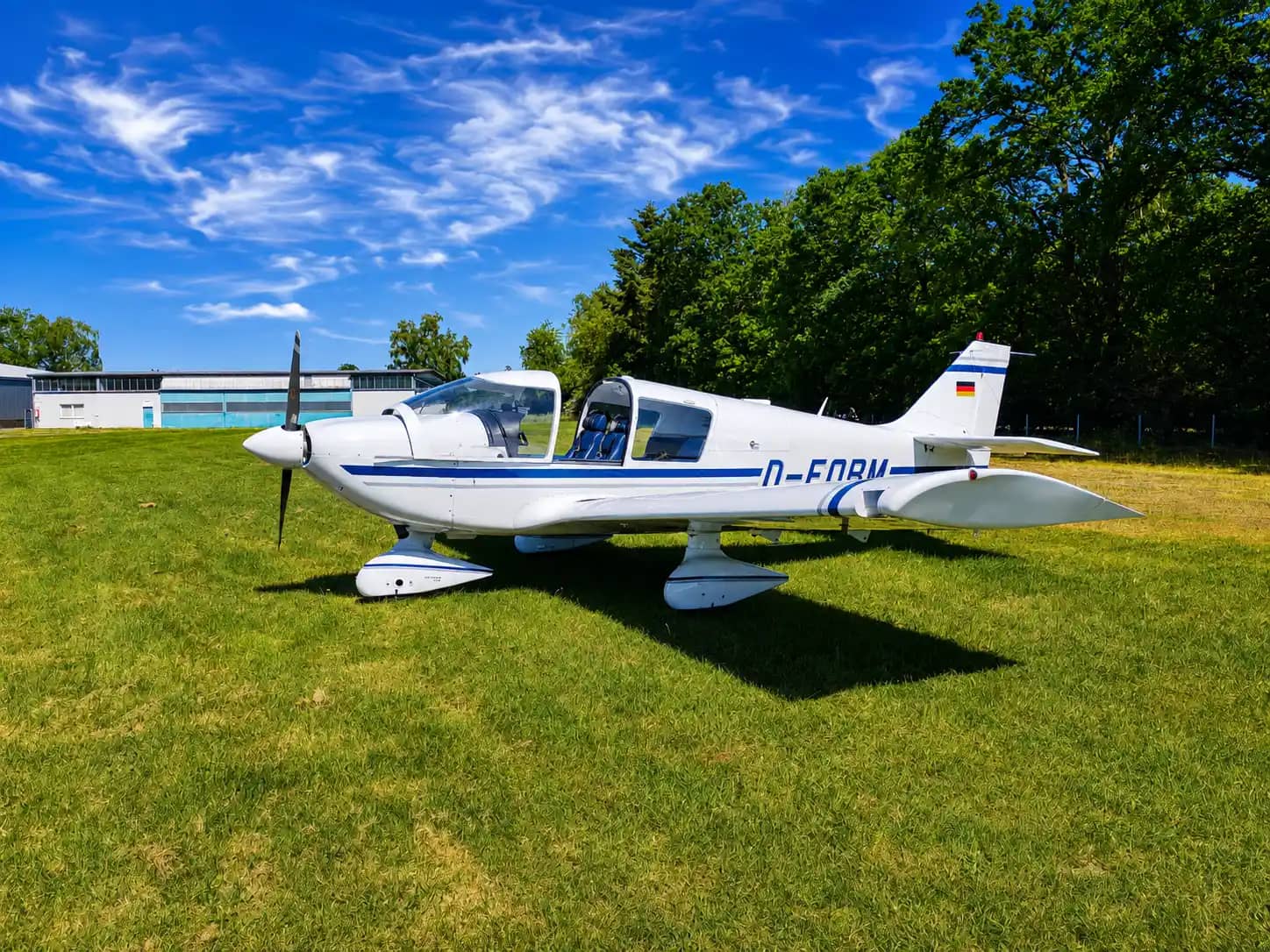
 Nordhorn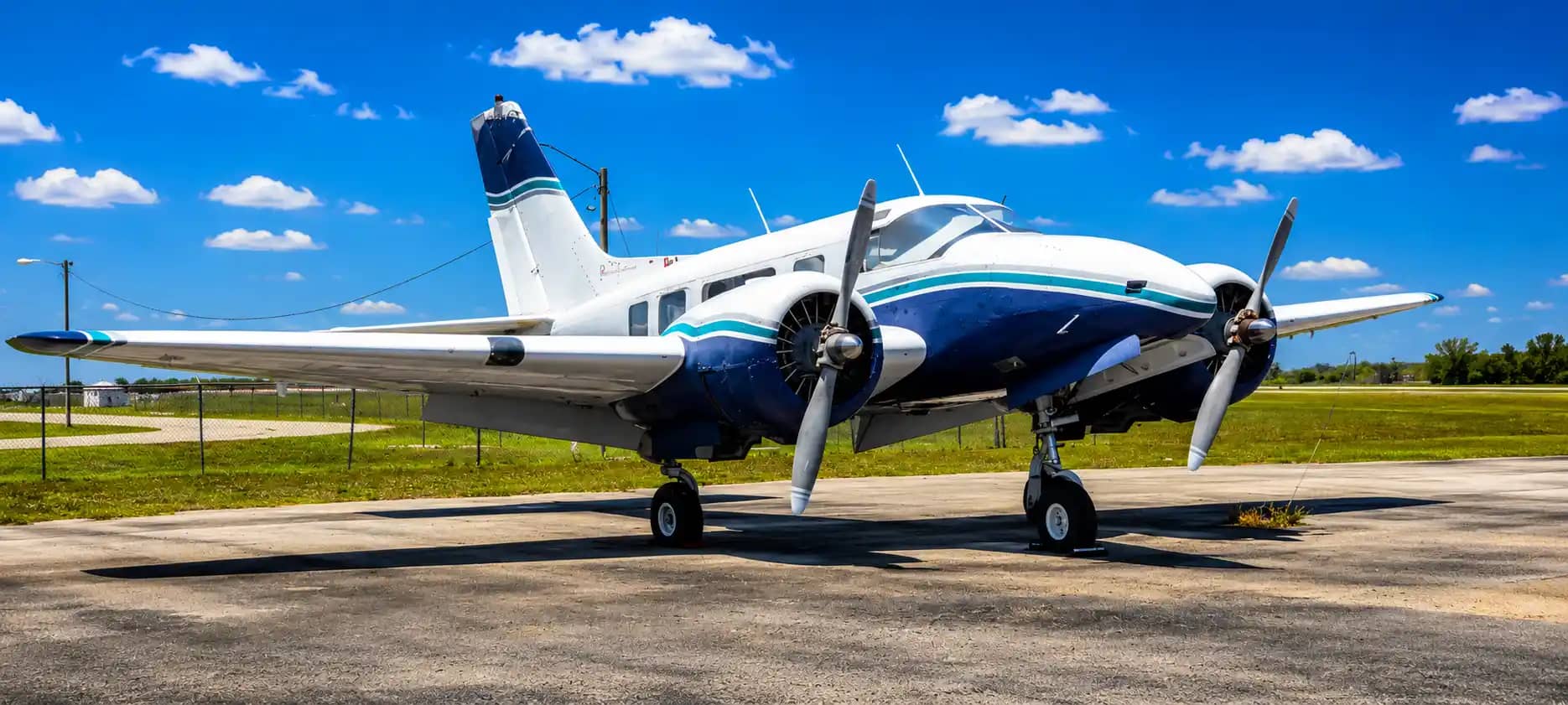
 Florida
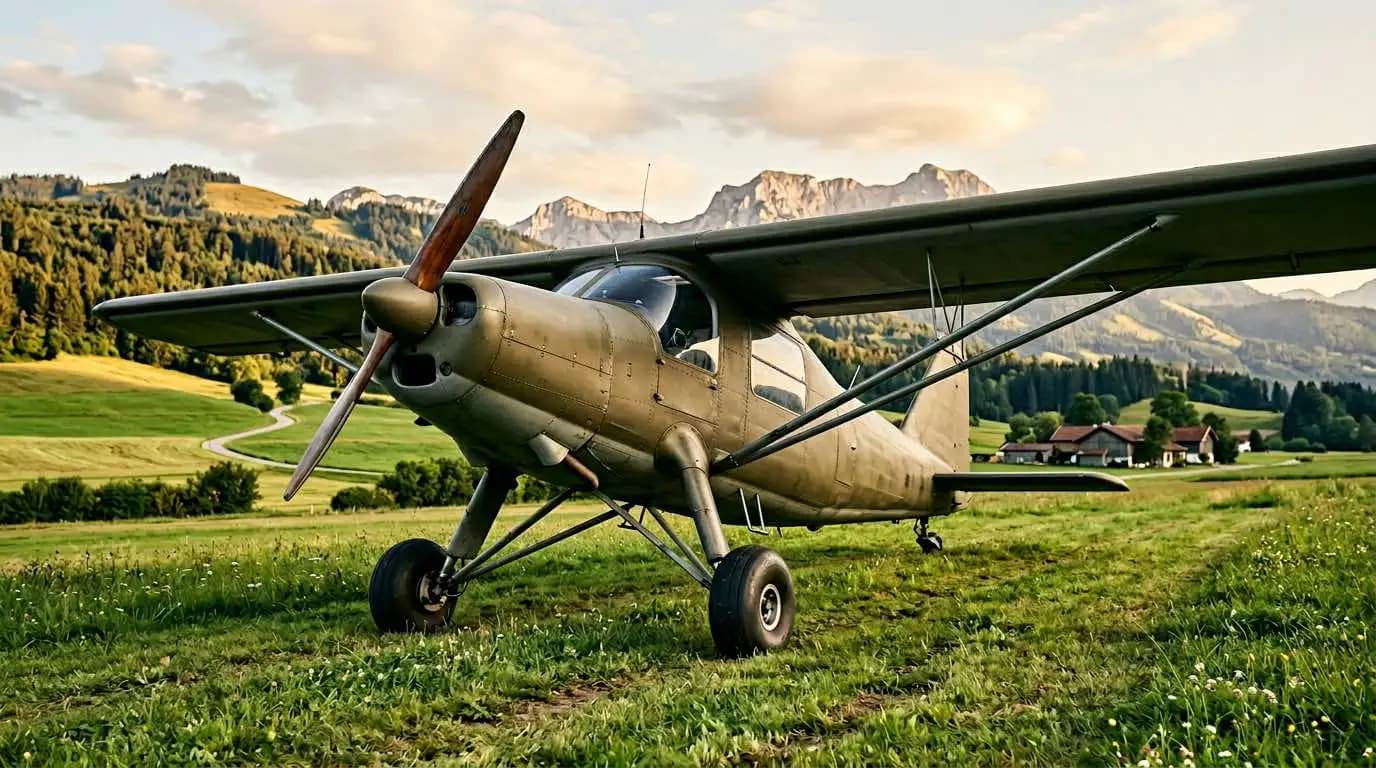
Why the Dornier Do 27 Remains Relevant
The Dornier Do 27 was the first aircraft produced in Germany after World War II, making it historically significant beyond its considerable technical merits. Designed for military liaison, reconnaissance, and utility transport in conditions where runway infrastructure was minimal or nonexistent, it was built to get in and out of places other aircraft could not reach.
Today, the Dornier Do 27 attracts pilots who value genuine STOL capability, classic German engineering, and the kind of flying experience that modern aircraft have largely abandoned. The combination of automatic leading-edge slats, large flaps, a powerful geared engine, and rugged fixed gear creates an aircraft that is uniquely capable in the bush, on grass, and in mountain valleys.
Collector interest has grown steadily as the surviving fleet shrinks and the aircraft\u2019s historical significance becomes more appreciated. Well-maintained examples with complete provenance documentation are increasingly difficult to find.
Dornier Do 27 currently listed on CollectAirs
View our verified 1957 Dornier Do 27 B-1 listing with full documentation and transparent auction terms.
History and Design of the Dornier Do 27
The Do 27 story begins with Claude Dornier Jr., who designed the prototype (originally the Do 25) in Spain in the early 1950s, as German aircraft manufacturing was still restricted by Allied occupation rules. When restrictions lifted, production moved to Dornier-Werke in Friedrichshafen, Germany, and the aircraft was redesignated the Do 27.
Design Philosophy
The Do 27 was designed from scratch as a STOL utility aircraft. Every element serves that mission: the high-wing configuration provides ground clearance and passenger cabin visibility; the full-span automatic leading-edge slats delay stall to remarkably low speeds; the large slotted flaps enable steep, controlled approaches; the fixed tailwheel landing gear is built for rough surfaces; and the geared engine drives a large propeller for maximum low-speed thrust.
Production and Variants
Production spanned from 1955 to 1965 with several sub-variants:
- Do 27 A/B \u2014 Military variants for the German Luftwaffe and Heeresflieger (Army Aviation)
- Do 27 H/Q \u2014 Civilian variants with different interior configurations
- CASA C-127 \u2014 Spanish-built under license for the Spanish Air Force
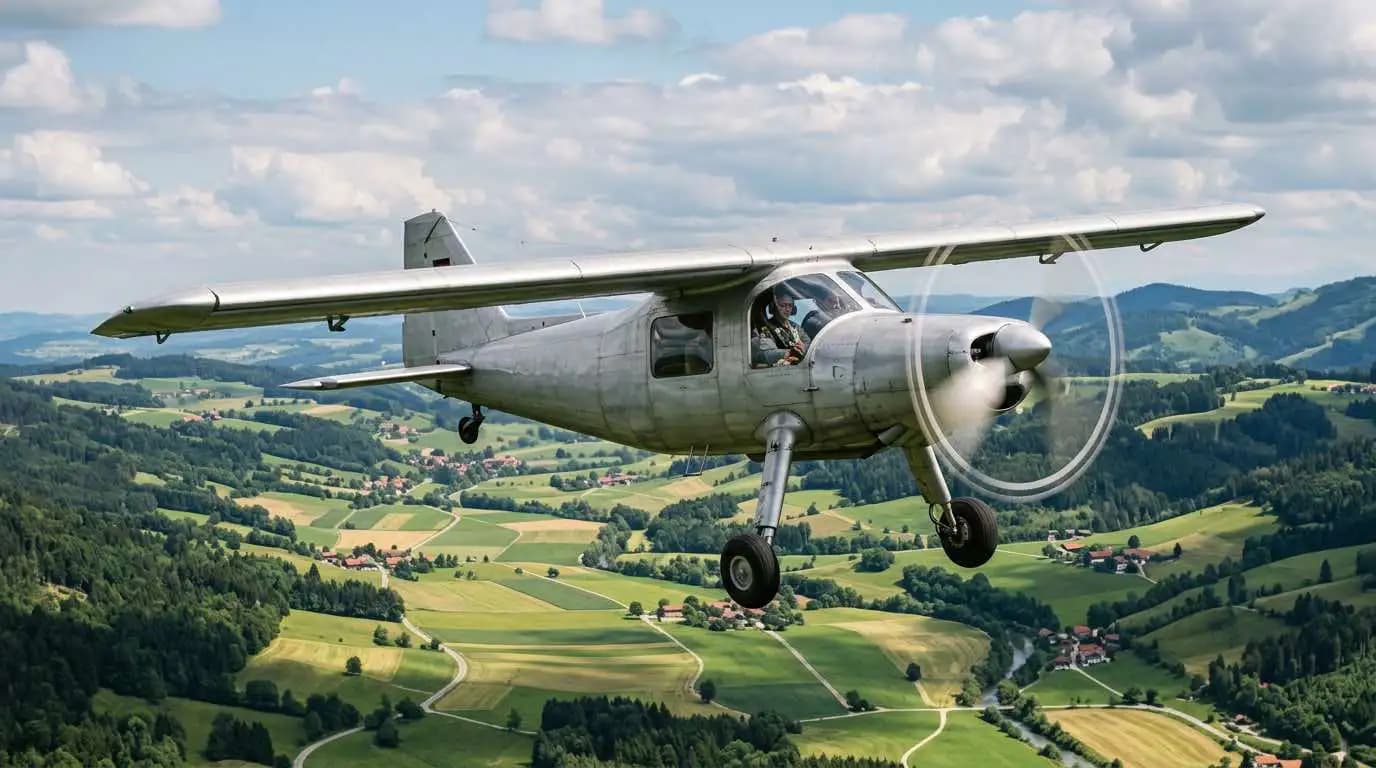
Military vs. Civilian Provenance
Most Do 27s on the market are ex-military. Military-origin aircraft may have different logbook documentation standards, metric-system instrumentation, and modification histories. Verify the conversion from military to civilian registration was properly executed, and that all documentation has been translated and reconciled where necessary. EASA or national aviation authority certification status varies by country.
Dornier Do 27 STOL Performance and Flying Characteristics
The Dornier Do 27 was designed to operate from strips that would be inaccessible to conventional aircraft. Its STOL capability is not an afterthought or a modification\u2014it is the fundamental design intent, and every element of the airframe works together to deliver it.
~42 kt Stall
Full-span automatic slats and large flaps deliver an exceptionally low stall speed for safe, controlled low-speed operations.
~575 ft Over 50 ft
Genuine STOL takeoff performance. The Do 27 can operate from grass strips, mountain valleys, and remote airstrips.
Automatic Slats
Full-span leading-edge slats deploy automatically at low speeds with no pilot input—a passive safety system.
In cruise, the Do 27 is stable and comfortable at 115\u2013125 KTAS. It is not a fast aircraft, but speed was never the point. The high-wing configuration provides excellent visibility for passengers and pilot alike, and the fixed gear eliminates a system that would add complexity and failure modes in the rough-field environment the aircraft was designed for.
Buyer note: The Do 27 is a tailwheel aircraft with significant rudder authority and responsive ground handling. Tailwheel experience is required. The automatic slats create a subtle pitch change when they deploy or retract\u2014pilots transitioning to the type should practice slow flight to become familiar with the slat behavior.
The Lycoming GO-480: Engine of the Dornier Do 27
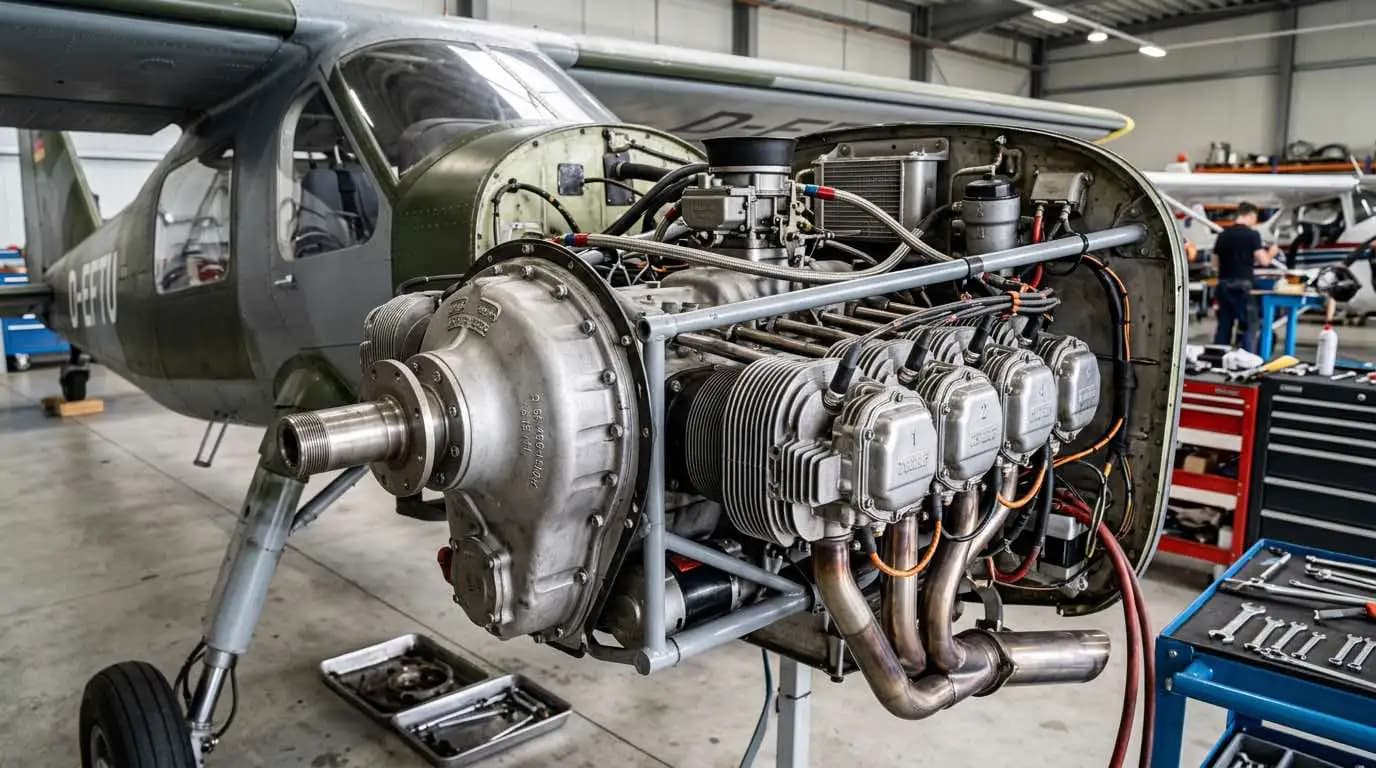
The Lycoming GO-480-B1A6 is a six-cylinder, geared, horizontally-opposed engine producing 270 horsepower. The "G" designation indicates a geared reduction drive between the crankshaft and the propeller, allowing a larger, slower-turning propeller that produces more thrust at low airspeeds\u2014exactly what a STOL aircraft needs.
Engine Characteristics
- 270 hp from six geared cylinders
- Geared reduction drive for larger, slower-turning propeller
- Fuel burn: ~14\u201317 GPH depending on power setting
- TBO: ~1,200 hours (Lycoming recommended)
Buyer Considerations
- Gearbox condition is the most critical engine inspection item
- Oil analysis history is especially important on geared engines
- Overhaul costs: $35,000\u2013$55,000+ at specialist shops
- Parts availability manageable but requires planning with specialist suppliers
Cockpit and Cabin
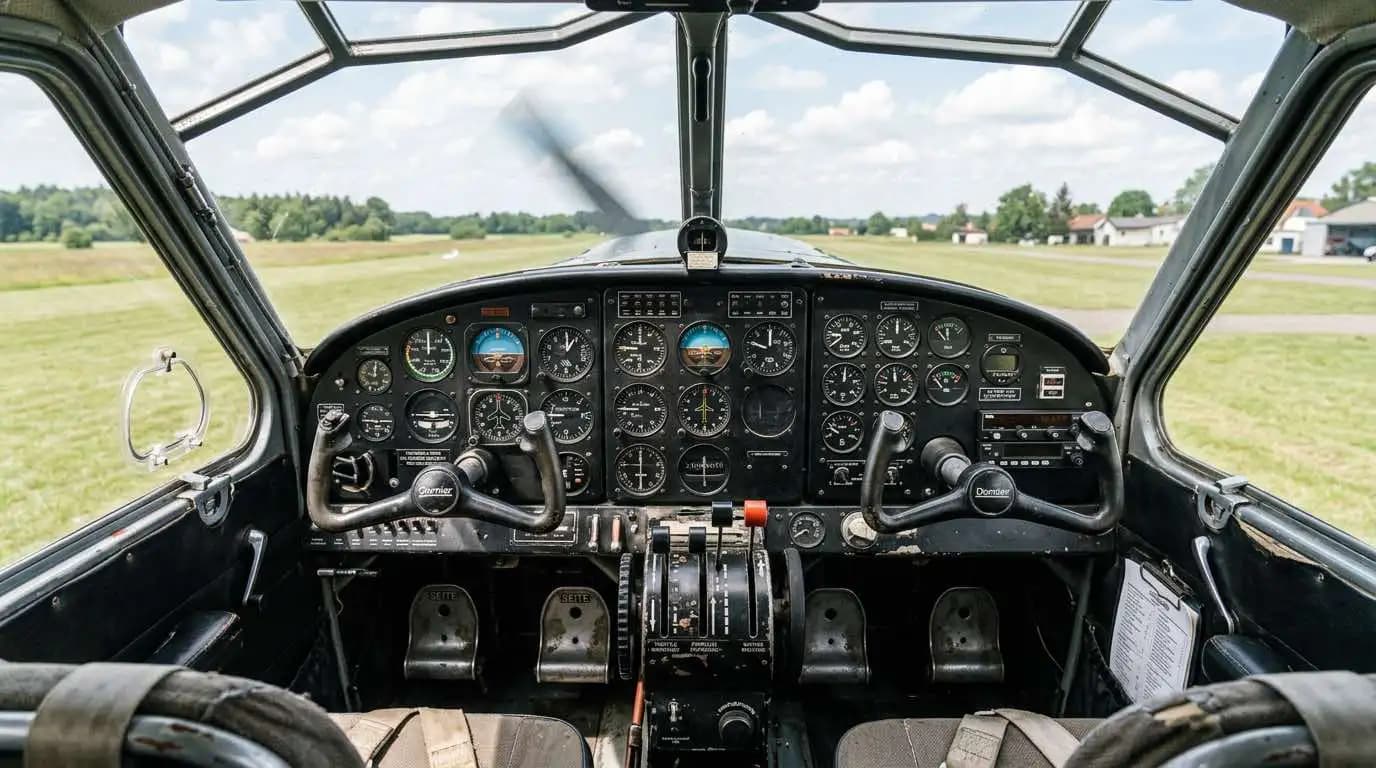
The Dornier Do 27 cockpit was designed for military utility operations\u2014function over form, with excellent visibility and a layout that supports the aircraft's STOL mission. The cabin behind the pilot seats is spacious and versatile.
Flight Deck
Two side-by-side pilot seats with excellent forward and lateral visibility through large greenhouse-style windows. The high seating position relative to the nose provides better forward visibility than many tailwheel aircraft. The original instrumentation is metric-standard European, though many civilian examples have been converted to FAA-standard instruments.
Cabin Configuration
The rear cabin accommodates up to four passengers on bench-style or individual seats, or can be configured for cargo. The large rear doors (some variants have doors on both sides) allow easy loading of bulky equipment or stretchers—reflecting the aircraft's military utility heritage.
Visibility
The high-wing configuration and extensive glazing provide panoramic visibility for all occupants. This is a significant advantage for bush operations, aerial observation, and scenic flying—uses for which the Do 27 is exceptionally well suited.
Maintenance, AD Compliance, and Ownership Reality
Owning a Dornier Do 27 requires a realistic understanding of maintaining a 60+ year-old all-metal aircraft with a geared engine and European documentation heritage. The aircraft rewards attentive ownership but demands type-specific maintenance knowledge.
Corrosion Is the Defining Structural Concern
The all-metal Dornier construction is durable but susceptible to corrosion as the fleet ages. Critical inspection areas include the wing root and spar attachment areas, lower fuselage skins (especially around the belly and wheel well areas), control surface hinge brackets, and any areas where moisture can accumulate. Corrosion in structural primary areas can be expensive to repair and may not always be economically viable. A thorough corrosion survey is the single most important element of any Do 27 pre-purchase inspection.
AD Compliance and Documentation
The Do 27 has ADs issued by both EASA (European) and the original German LBA authority. If the aircraft is FAA-registered, applicable FAA ADs must also be satisfied. Reconciling European and FAA documentation can be complex on aircraft that have crossed between regulatory jurisdictions. Verify all ADs are current and properly documented for the applicable regulatory authority.
Slats and Flight Controls
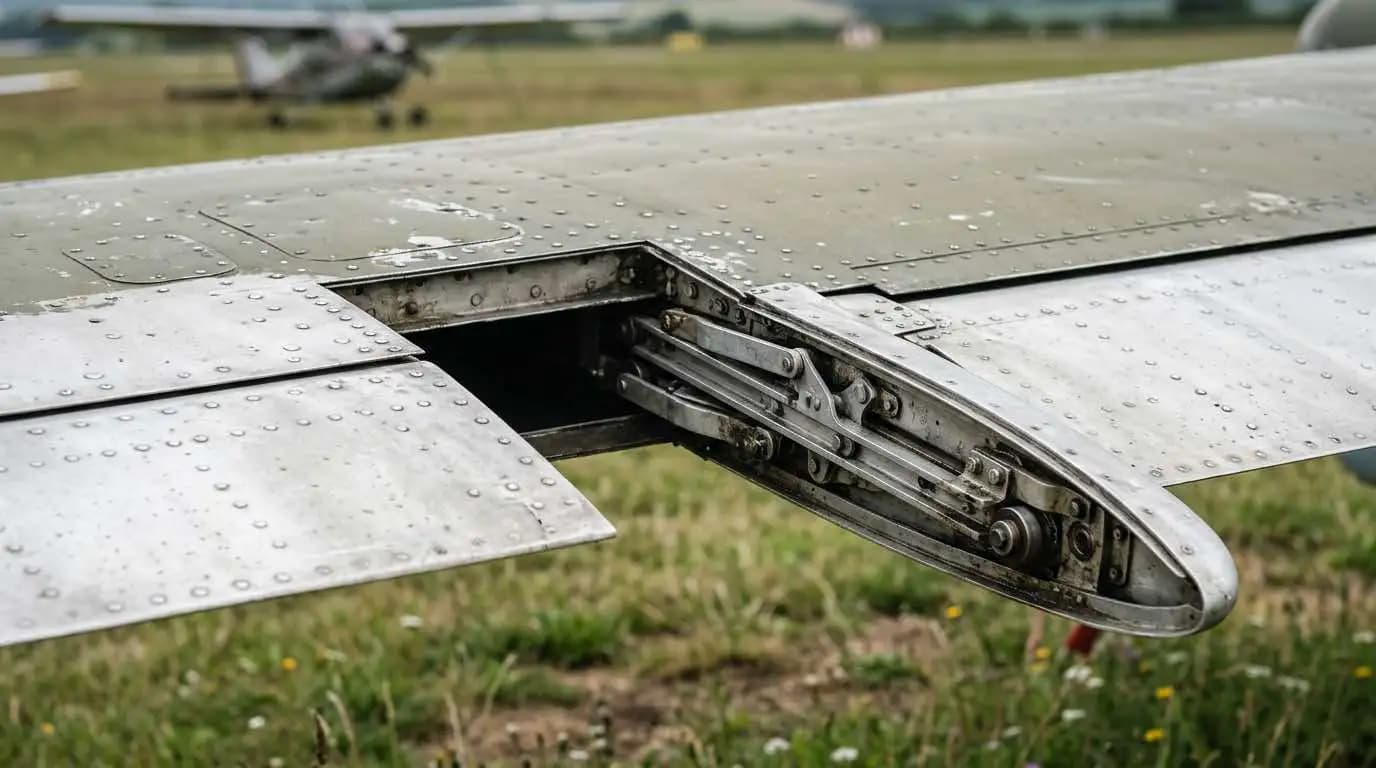
The automatic leading-edge slats are a defining feature of the Do 27 and a critical inspection item. Slat tracks, rollers, and detent mechanisms must function smoothly and symmetrically. Control surface cables, bellcranks, and pulleys should be inspected for wear and proper rigging. The large flap system\u2014mechanical in most variants\u2014requires verification of track condition and deployment symmetry.
Parts and Support Network
The Dornier Do 27 community is active, primarily in Europe, with type clubs in Germany, Switzerland, and other countries. Parts are available through specialist suppliers, though lead times for structural components and engine-specific items should be anticipated. Establishing relationships with European Do 27 specialists before purchase is advisable, especially if the aircraft will be based outside Europe.
Buying a Dornier Do 27: Pre-Purchase Checklist
The Dornier Do 27 is a specialist aircraft that demands specialist evaluation. Type-specific knowledge, European documentation familiarity, and geared engine experience are all essential for a proper pre-purchase assessment.
Documentation & Records
- Confirm complete airframe, engine, and propeller logbooks. European logbook formats may differ from FAA standards.
- Verify registration and airworthiness certificate status under the applicable authority (EASA, FAA, or national).
- Review full AD compliance for both EASA/LBA and FAA requirements if applicable.
- For ex-military examples: verify the military-to-civilian conversion documentation is complete and accepted by the current authority.
- Check title, lien status, and export/import documentation if the aircraft has crossed jurisdictions.
Technical Inspection Priorities
- Choose an inspector experienced with Dornier Do 27 aircraft and geared Lycoming engines.
- Thorough corrosion survey: wing root, spar attachments, lower fuselage, control surface hinges, belly area.
- Engine evaluation: compression, oil analysis, gearbox condition, accessory drives, prop governor.
- Slat system: track condition, roller wear, symmetry of deployment and retraction, detent mechanisms.
- Flight controls: cable tension, pulley condition, bellcrank wear, flap track and deployment.
- Landing gear: spring gear condition, tailwheel assembly, tire and brake condition.
Deal Process & Risk Control
- Use escrow for funds handling and document exchange, especially on cross-border transactions.
- Make the purchase conditional on inspection findings with clear deal-breaker thresholds for corrosion.
- Confirm insurance availability—the Do 27 is a specialty type and not all underwriters will cover it.
- Budget for tailwheel transition training and Do 27-specific type familiarization.
- If importing: verify export/import airworthiness requirements and any modification needs for the destination regulatory authority.
Market Snapshot and Pricing Drivers
The Dornier Do 27 market is niche but increasingly active as collector interest grows and the surviving fleet shrinks. Current asking prices typically span $80,000 to $250,000.
Engine Time and Overhaul Quality
A fresh geared Lycoming overhaul by a reputable shop adds $35,000–$55,000+ in value. Mid-time engines need gearbox evaluation. Run-out engines represent a significant discount and a near-term obligation.
Corrosion History
A clean corrosion history with documented structural inspections adds substantial value. Any findings near the wing spar or primary structure can dramatically reduce value or disqualify an aircraft.
Provenance and Documentation
Complete logbooks with traceable history from new command premium pricing. Military provenance with full service documentation adds collector interest. Gaps in records reduce value significantly.
Avionics and Interior
Modern avionics upgrades (GPS, ADS-B, transponder, radio) add practical value. Interior condition reflects overall care and affects buyer first impressions.
Regulatory Status
Aircraft on EASA, FAA, or well-recognized national registers are easier to insure, maintain, and resell than those on smaller registries. The regulatory status affects the practical ownership experience.

Dornier Do 27 Key Facts
| Specification | Typical Range / Value | Why It Matters |
|---|---|---|
| Engine | Lycoming GO-480-B1A6, 270 hp | Geared six-cylinder provides low-speed thrust critical for STOL performance |
| Max Speed | ~141 KTAS | Moderate cruise; the Do 27 prioritizes short-field and low-speed capability over speed |
| Cruise Speed | ~115–125 KTAS | Practical for regional flying; plan for shorter legs and fuel stops on longer trips |
| Stall Speed (Full Flap) | ~42 knots | Exceptionally low stall speed enabled by automatic leading-edge slats and large flaps |
| Seating | 1 pilot + 5 passengers (6 total) | Spacious utility cabin can be configured for passengers, cargo, or mixed use |
| Takeoff Distance (50 ft obstacle) | ~575 ft | Genuine STOL capability for grass strips and short runways |
| Range | ~540–700 NM (configuration dependent) | Adequate for regional utility operations with standard fuel |
| Fuel Burn | ~14–17 GPH | Moderate for the power output; manageable operating cost per hour |
| Empty Weight | ~2,400–2,600 lb (variant dependent) | All-metal construction provides durability with reasonable useful load |
| Structure | All-metal monocoque (Dornier construction) | Durable German engineering but requires corrosion monitoring on aging airframes |
| Market Asking Price (Used) | $80,000–$250,000 | Driven by engine time, corrosion condition, provenance, avionics, and logbook completeness |
Dornier Do 27 on CollectAirs
We currently have a rare 1957 Dornier Do 27 B-1 listed with verified documentation, detailed photos, and transparent auction terms. Browse our aircraft auctions with escrow-protected transactions.
Frequently Asked Questions About the Dornier Do 27
How much does a Dornier Do 27 cost?
Used Dornier Do 27 prices typically range from $80,000 to $250,000 depending on total airframe time, engine status, corrosion condition, avionics, interior state, and logbook completeness. Military-provenance examples with documented service history and low total time command premium pricing. Aircraft needing engine overhauls or structural corrosion work trade at the lower end of the range.
What engine does the Dornier Do 27 use?
The Dornier Do 27 is powered by the Lycoming GO-480-B1A6, a six-cylinder, geared, horizontally-opposed engine producing 270 horsepower. The geared reduction drive allows the use of a larger, slower-turning propeller for improved STOL performance and low-speed thrust. TBO is typically 1,200 hours. Some examples have been re-engined with other Lycoming variants under STCs.
Is the Dornier Do 27 hard to fly?
The Dornier Do 27 is a tailwheel aircraft with predictable but demanding ground handling characteristics. In the air, it is stable, docile, and excellent at low-speed operations thanks to its full-span leading-edge slats and large flaps. Forward visibility over the nose is better than many tailwheel types due to the high seating position. Tailwheel experience is required, and transition training with a Do 27-experienced instructor is recommended.
What are the main maintenance concerns on a Dornier Do 27?
The primary concerns are corrosion in the all-metal structure (particularly around the wing root, lower fuselage skins, and control surface hinge points), geared Lycoming engine health (gearbox condition, accessory drive, prop governor integration), landing gear condition (fixed gear but with spring and attachment wear), and AD compliance. Parts availability from European suppliers is generally manageable but requires planning.
How many Dornier Do 27 aircraft were built?
Approximately 628 Dornier Do 27 aircraft were produced between 1955 and 1965 at Dornier’s facilities in Germany and under license by CASA in Spain (as the CASA C-127). The majority served with the German Luftwaffe and other military operators. A smaller number were delivered to civilian customers. Today, the surviving fleet is concentrated primarily in Europe with a small number operating worldwide.
What makes the Dornier Do 27 special for STOL operations?
The Dornier Do 27 was designed from the outset as a STOL utility aircraft. Its key features include full-span automatic leading-edge slats that deploy at low speeds to delay stall, large slotted flaps for steep approaches, a powerful geared engine driving a large-diameter propeller for low-speed thrust, fixed landing gear designed for rough and unimproved surfaces, and a high-wing configuration providing excellent ground clearance and visibility.
Sources
Used for: certification reference, approved configurations, and specification framework for the Do 27 series.
Used for: type club resources, technical documentation, parts networking, and community knowledge base.
Used for: engine specifications, TBO guidance, service bulletins, and maintenance references.
Used for: historical reference on Dornier aircraft production, Do 27 development history, and heritage context.
Related Resources
About the Author

Phillip Müller
CEO, CollectAirs
Long-time pilot and CEO of multiple scenic flight and aircraft sales websites. Passionate about making aircraft transactions more transparent and accessible.
Connect on LinkedIn