
Why the Piper J3 Cub Endures
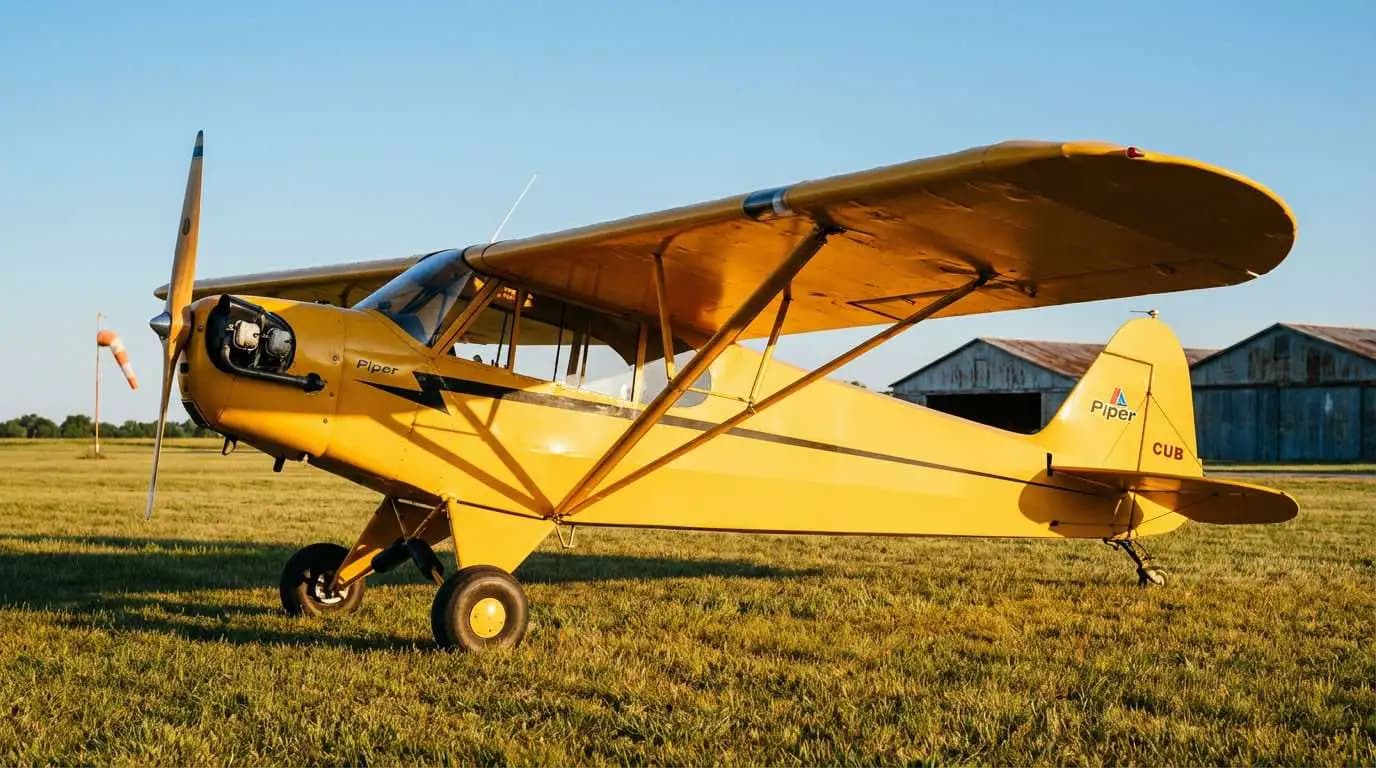
The Piper J3 Cub succeeds because it answers a fundamental question: what is the simplest, most affordable aircraft capable of operating from a grass strip? The answer, after eight decades, remains unchanged. The Cub is honest. It makes no pretense to speed, complexity, or luxury. What it offers is access to tailwheel flying, bush operations, and the essentials of aircraft handling in a package that is affordable, simple, and enduring.
For bush pilots in remote regions, recreational tailwheel flyers, and flying enthusiasts who value simplicity and reliability over performance, the Piper J3 Cub remains unmatched. The operating costs are minimal. The community of Cub operators is passionate and welcoming. Maintenance support is straightforward.
The used Cub market is active and stable. Aircraft hold value well. Supply is adequate, and buyers for a well-maintained Cub are always available.
Piper J3 Cub listings on CollectAirs
Browse verified Piper Cub listings with full documentation and transparent auction terms.
History and Design of the Piper J3 Cub
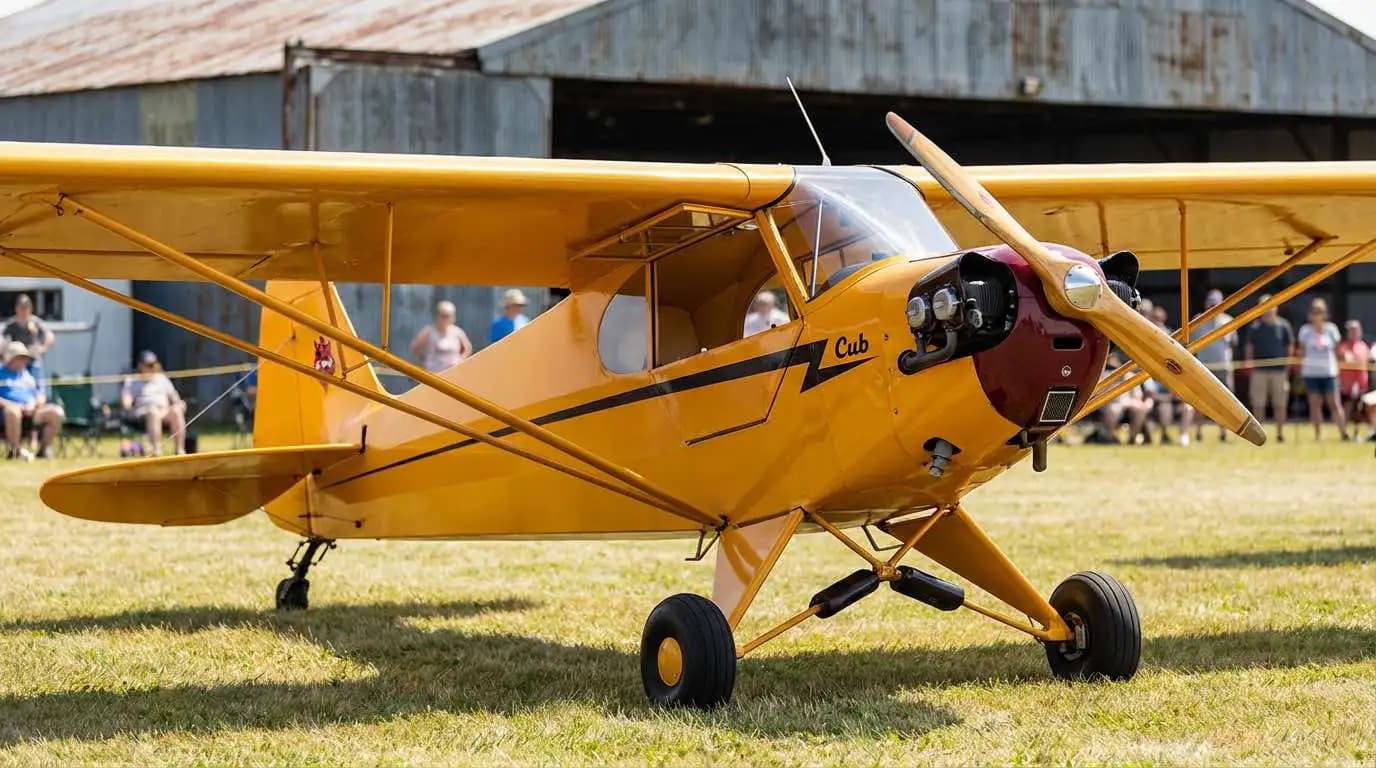
William T. Piper developed the Cub in the 1930s as an affordable trainer and personal aircraft. The prototype flew in 1930. The design was refined and improved through the 1930s, with the iconic J-3 configuration introduced in 1938. The Cub was simple by design: fabric fuselage, steel tube frame, fixed tailwheel gear, and a small piston engine. This simplicity was intentional and became the aircraft's defining strength.
Model Variants and Production
The Piper J3 Cub has been produced in several configurations and military variants across its long production history:
- J-2 and J-3 (1938–1947): Original civilian variants with Continental A-40 and later O-200, fixed landing gear, fabric fuselage
- L-4 Grasshopper (1942–1945): Military variant; used extensively by U.S. Army for liaison, observation, and evacuation missions
- Post-War Production (1946–1947): PA-11 with improved engine options and systems refinements
- Modern SuperCub (2002–present): Upgraded variant with modern avionics, improved engines, and production by Icon Aircraft partnership
Original vs. Modern Variants
Original fabric-covered J-3 Cubs are the classic configuration. Modern SuperCub variants are built to current standards with improved engines and avionics compatibility. Choose a variant that matches your mission and budget, original Cubs are simpler but require fabric awareness; modern variants offer improved capability.
Piper J3 Cub Performance and Bush Flying Capability
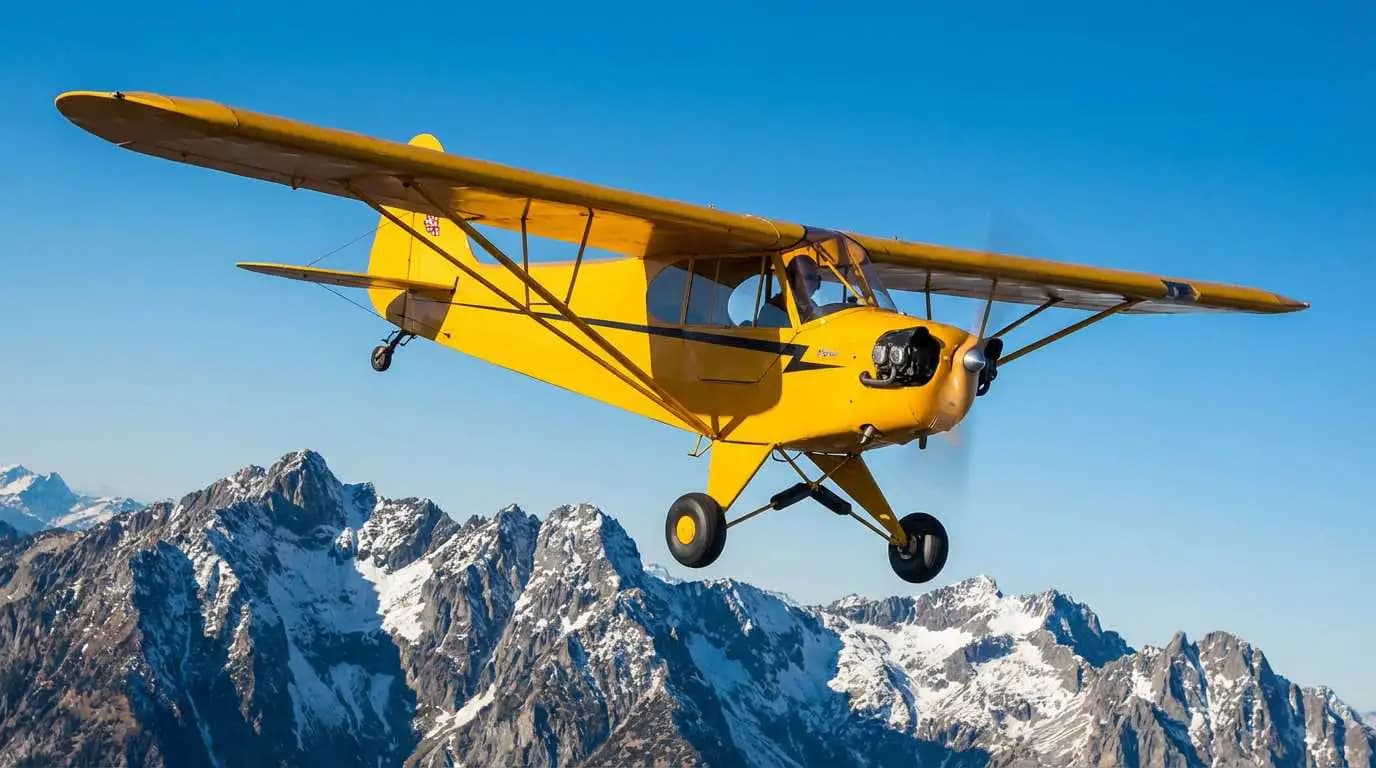
The Piper J3 Cub is not fast, but that is entirely the point. Slow flight with benign handling characteristics and the ability to operate from unprepared surfaces define its mission. For bush operations, short-field flying, and recreational tailwheel work, the Cub's performance profile is ideal.
65–75 KTAS Cruise
Slow cruise speeds enable extended flight time and access to marginal airstrips beyond the capability of faster aircraft.
150–300 NM Range
Modest range is suited to regional bush missions and recreational day flying rather than cross-country operations.
3–4 GPH Cruise Burn
Exceptional fuel economy combined with small tank capacity emphasizes short-range, low-cost recreational flying.
The Cub's defining strength is short-field capability. Takeoff distance is often under 300 feet on grass. Landing distance is similarly brief. The low wing loading and modest weight enable operations from grass strips, mountain meadows, and unprepared terrain. This capability explains why the Cub remains the aircraft of choice for bush flying in remote regions.
Engine and Operating Cost Reality
The Piper J3 Cub is powered by a single Continental O-200-A engine rated at 65 horsepower. This is one of the simplest, most proven air-cooled piston engines in aviation. Maintenance is straightforward, parts availability is excellent, and operating costs are minimal.
Engine Specifications
- Continental O-200-A: 65 hp, air-cooled, naturally aspirated
- TBO: 2,000 hours (many operate well past TBO)
- Fuel type: 80/87 octane avgas
- Simplicity: No complex systems, minimal instrumentation requirements
Maintenance Costs
- Annual inspection: $1,000–$3,000 depending on condition
- Engine overhaul: $8,000–$15,000 depending on condition found
- Fabric re-cover: $8,000–$20,000 depending on extent and shop rates
- Fuel cost: $150–$250 per year for recreational flying
Cockpit, Systems, and Simplicity
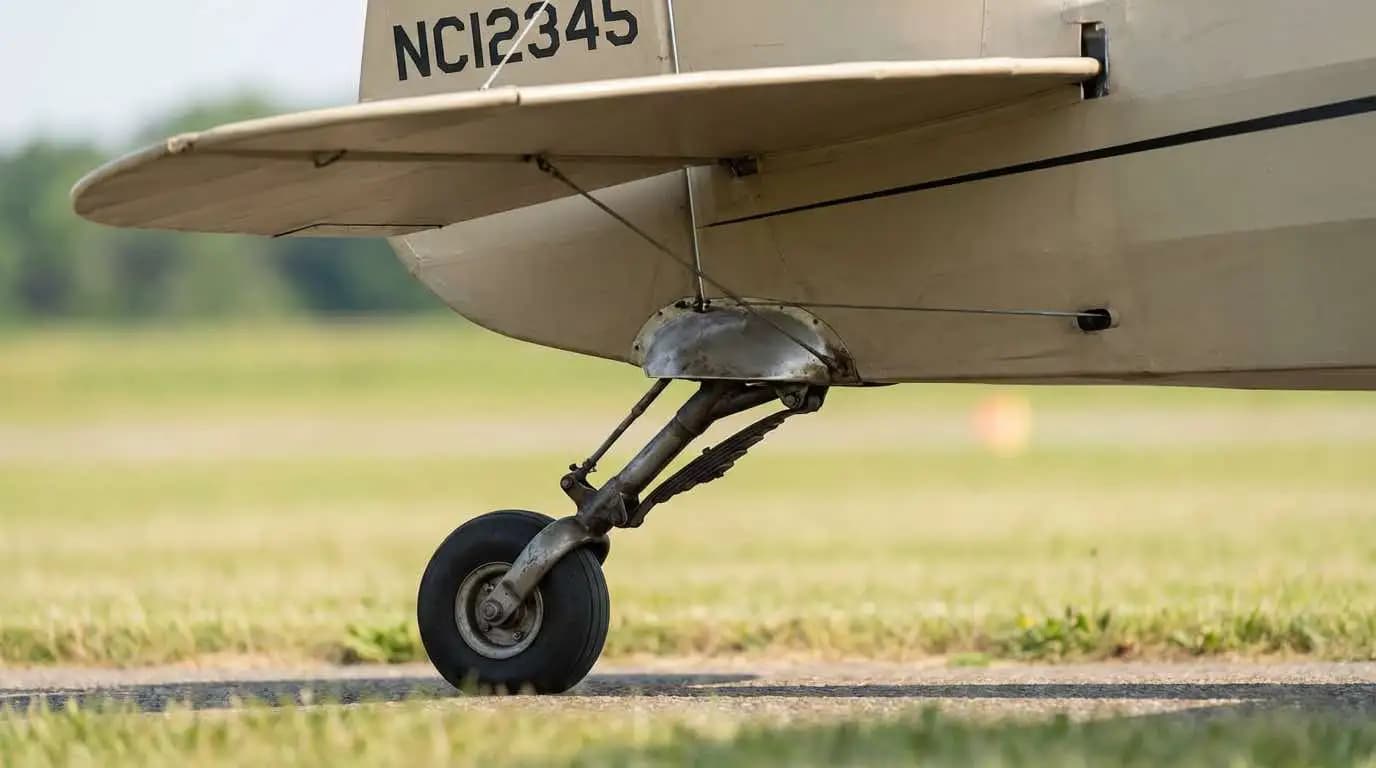
The Piper J3 Cub cockpit exemplifies simplicity. The original design required minimal instrumentation and zero complex systems. Modern Cubs can be equipped with basic avionics, but many operators deliberately maintain the original spartan configuration.
Minimal Instrumentation
Original Cubs require only airspeed, altitude, and heading information. Many examples in service operate with fabric-covered fuselage and basic round gauges, perfect for low-altitude bush flying.
No Electrical System
Early Cubs had no electrical system, depending on magnetos for ignition and hand-priming for starts. This simplicity made the Cub incredibly reliable in remote areas with no ground support infrastructure.
Modern Avionics Options
Contemporary Cubs can accommodate basic GPS navigators and portable glass panels without modification. However, many traditional operators prefer the original sparse panel for authentic flying.
Cabin Environment
The tandem, open-air cockpit offers exceptional visibility and an intimate connection to flying. Cabin noise is substantial; headsets are mandatory. In-flight ventilation is direct airflow, no air conditioning.
Maintenance, AD Compliance, and Fabric Care
The Piper J3 Cub maintenance profile is straightforward for mechanics experienced with light piston aircraft. The primary consideration, and primary cost, is fabric condition and integrity.
Fabric Condition: The Defining Factor
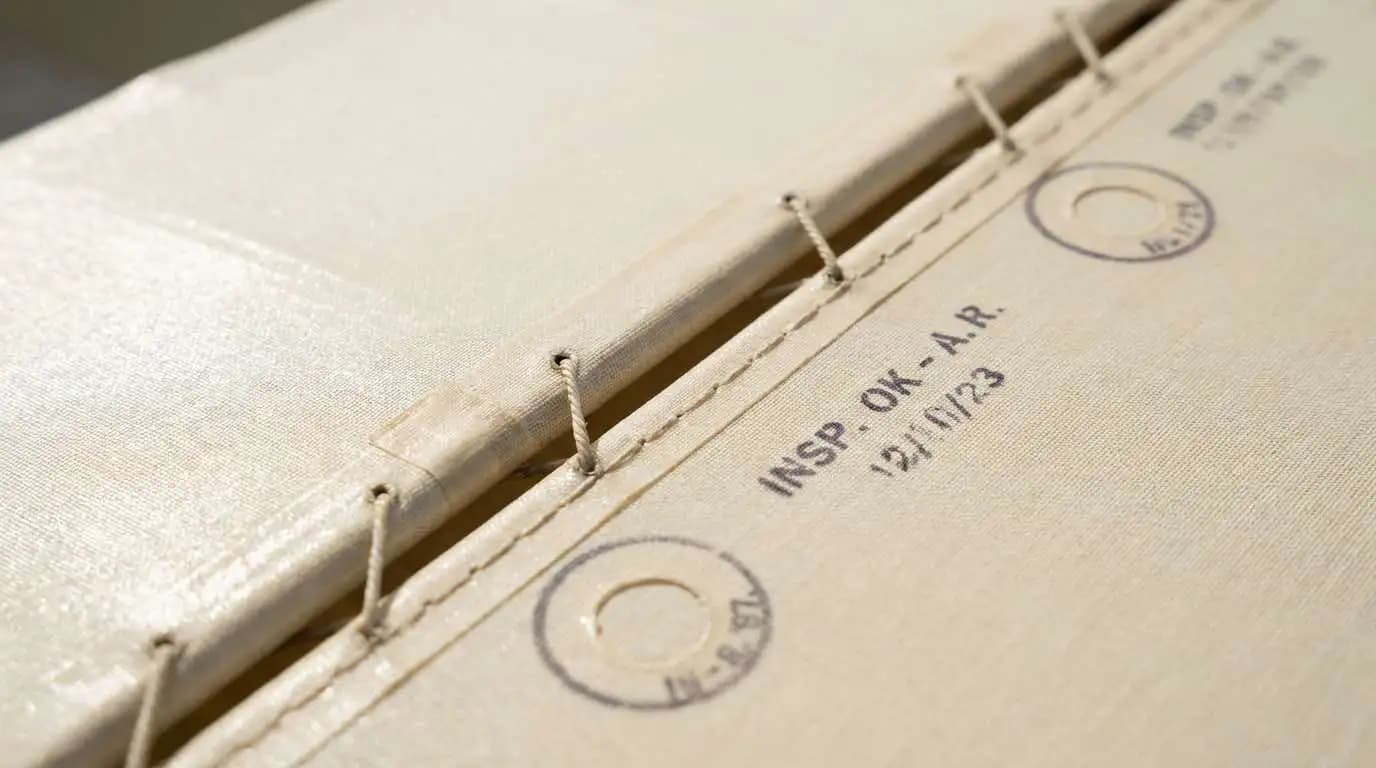
The Cub's fabric fuselage and control surfaces require periodic re-covering. Original fabric deteriorates over 15–20 years depending on exposure, UV damage, environmental storage, and care. A fabric re-cover is a substantial undertaking: $8,000 to $20,000 depending on restoration scope and shop rates. Prospective buyers must evaluate fabric age and condition carefully. Fresh fabric is a significant value factor and a major selling point.
Airworthiness Directives
The Piper J3 Cub has accumulated ADs over its long production history. Many are one-time compliance items; others are recurring inspections. Review full AD compliance for the airframe and engine. Verify all ADs are documented and current. Undocumented or non-compliant ADs must be resolved before purchase.
Control Cables and Flight Surfaces
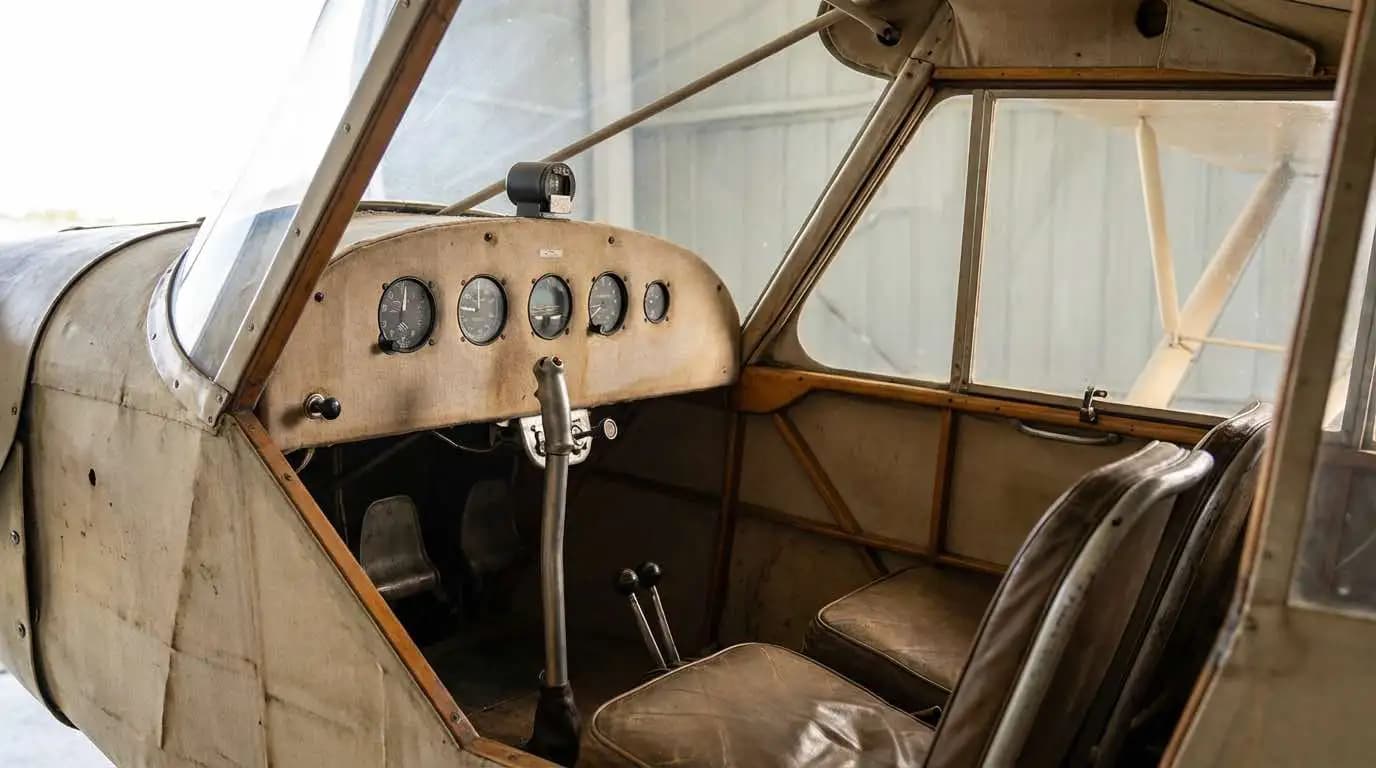
Control cable tension, pulley condition, and clevis pin security are critical inspection items on any fabric aircraft. Deterioration in control linkage can be invisible until failure. A thorough pre-purchase inspection must include complete control system rigging verification and cable condition assessment across all control surfaces.
Buying a Piper J3 Cub: Pre-Purchase Checklist
Due diligence on a Cub purchase centers on fabric age, engine condition, logbook completeness, and tailwheel handling characteristics. The process is straightforward but requires evaluation of factors unique to fabric aircraft.
Documentation & Records
- Complete logbooks from original delivery, including airframe, engine, and propeller records without gaps.
- Engine time remaining to overhaul and complete maintenance history of the O-200.
- Fabric re-cover documentation: date of last re-cover and condition assessment since then.
- Full AD compliance list verified for both airframe and engine.
- Clear title free of liens or encumbrances confirmed via aviation title service.
Technical Inspection Priorities
- Fabric condition: visual and tactile assessment across fuselage, wings, control surfaces, and empennage. Determine age and remaining useful life.
- Engine compression, oil analysis history, borescope inspection if possible.
- Control cable tension, pulley condition, attachment security across all flight control systems.
- Fuel system integrity: tank condition, fuel selector response, lines and fittings for leaks.
- Landing gear: tailwheel condition, axle straightness, wheel bearings, brake pads.
- Corrosion inspection: aluminum tube frame for surface corrosion or structural damage.
Transaction and Risk Control
- Use escrow for funds and document transfer to protect both buyer and seller.
- Make purchase conditional on inspection findings with pre-agreed fabric condition thresholds.
- Verify insurance availability for tailwheel operation: requirements include tailwheel endorsement and experience.
- Budget for tailwheel transition training: 10–20 hours with experienced Cub or tailwheel instructor before solo flying.
Market Snapshot and Pricing Drivers
The Piper J3 Cub used market is active and stable. Cubs are consistently available for purchase, and demand from bush pilots and recreational tailwheel flyers maintains steady pricing.
Fabric Age and Condition
A fresh fabric re-cover is a major value asset. Aircraft with original fabric nearing end-of-life command lower prices. Calculate re-cover cost against asking price to assess true value.
Engine Time Remaining
Low time to overhaul suppresses value. Aircraft with fresh overhauls or mid-time engines with strong maintenance history command premium pricing.
Logbook Completeness
Complete, unbroken logbooks from original delivery are a substantial value premium. Gaps or missing records raise buyer concerns and suppress price.
Total Airframe Hours
Time alone is less important than condition. A well-maintained 5,000-hour Cub can be worth more than a neglected 2,000-hour example.
Restoration Quality
Professionally restored Cubs with cosmetic refurbishment, new fabric, and painted restoration command significant premiums. Buyer perception of condition is a major value driver.
Piper J3 Cub Key Facts
| Specification | Typical Range / Value | Why It Matters |
|---|---|---|
| Engine | Continental O-200-A, 65 hp | Simple, proven engine with excellent support network and straightforward maintenance |
| Max Speed | ~85 mph cruising speed | Slow, forgiving flight characteristics suitable for bush flying and tailwheel operations |
| Practical Range | ~150–300 NM at cruise | Short-range aircraft optimized for grass field flying rather than long cross-country missions |
| Useful Load | ~280–350 lb (configuration dependent) | Light aircraft limits total payload; weight and balance planning is critical |
| Fuel Capacity | 12 gallons usable (wing tanks) | Small fuel capacity requires conservative mission planning and fuel discipline |
| Fuel Burn | ~3–4 GPH at cruise | Exceptional economy makes Cub operations extremely affordable |
| Engine TBO | 2,000 hours | Overhaul cost per hour is manageable with consistent maintenance |
| Seating | 2 seats (tandem configuration) | Intimate cockpit limits to pilot + one passenger; training and personal flying focus |
| Construction | Fabric-covered steel tube with fabric fuselage | Fabric requires periodic re-covering; lightweight construction limits payload |
| Market Asking Price | $25,000–$65,000 | Driven by condition, total time, fabric age, engine status, and restoration quality |
Piper J3 Cub on CollectAirs
Browse our verified Piper Cub listings with full documentation and transparent auction terms. CollectAirs connects serious bush pilots and tailwheel enthusiasts with thoroughly vetted aircraft.
Frequently Asked Questions About the Piper J3 Cub
How much does a Piper J3 Cub cost?
Used Piper J3 Cub prices typically range from $25,000 to $65,000 depending on condition, total airframe hours, engine time remaining to overhaul, fabric age, and overall restoration quality. Pristine, recently restored examples with fresh engines and new fabric command the upper end.
What engine does the Piper J3 Cub use?
The Piper J3 Cub is powered by a single Continental O-200-A engine producing 65 horsepower. This is a simple, reliable, air-cooled piston engine with a TBO of 2,000 hours. Engine overhaul costs range from $8,000 to $15,000.
Is the Piper J3 Cub hard to fly?
The Cub is honest and forgiving if you respect it. The primary learning curve is tailwheel operation. The Cub's slow speed, benign stall characteristics, and predictable handling make it enjoyable for trained tailwheel pilots. Expect 10–20 hours of dual instruction.
What are the main maintenance concerns on a Piper J3 Cub?
Fabric condition is the defining maintenance concern. The Cub's fabric-covered fuselage requires periodic re-covering, typically every 15–20 years. Engine health, landing gear fairings, flight control cable tension, and fuel system integrity are standard inspection items.
How far can a Piper J3 Cub fly?
The Piper J3 Cub has a practical range of approximately 150–300 nautical miles depending on wind, weight, and power settings. The aircraft cruises at 65–75 knots and carries only 12 gallons of usable fuel.
Why do pilots love the Piper J3 Cub?
The Cub is beloved for its simplicity, forgiving character, ability to operate from unimproved grass strips, and the pure joy of flying a light, honest tailwheel aircraft. It excels at bush flying capability at an affordable cost.
Sources
Used for: certification reference, approved engine configurations, and performance specification framework.
Used for: community knowledge, maintenance guidance, and operator resources for bush and recreational flying.
Used for: engine specifications, TBO data, maintenance requirements, and overhaul program reference.
Related Resources
About the Author

Phillip Müller
CEO, CollectAirs
Long-time pilot and CEO of multiple scenic flight and aircraft sales websites. Passionate about making aircraft transactions more transparent and accessible.
Connect on LinkedIn