 Bad Vöslau
 Kirn
Kirn
 Florida
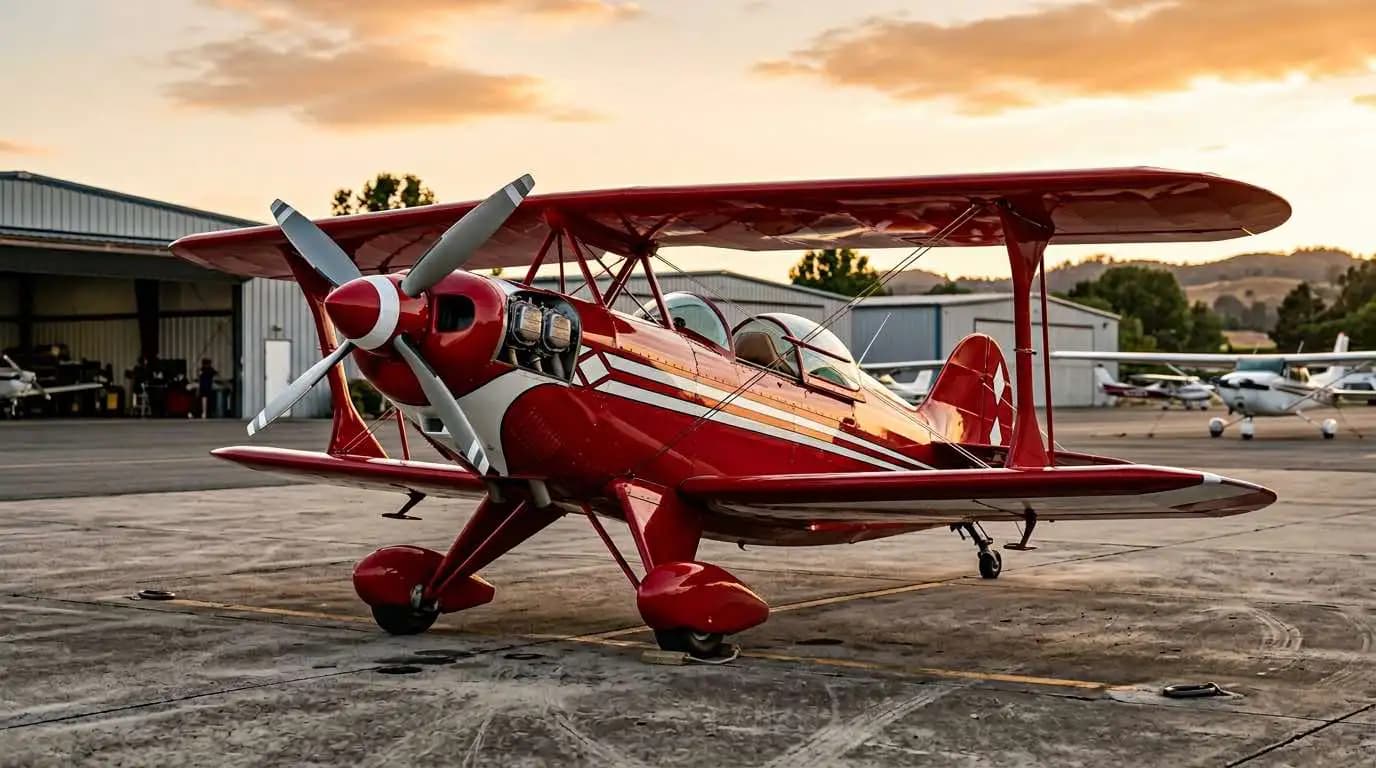
Why the Pitts S-2B Still Commands Respect
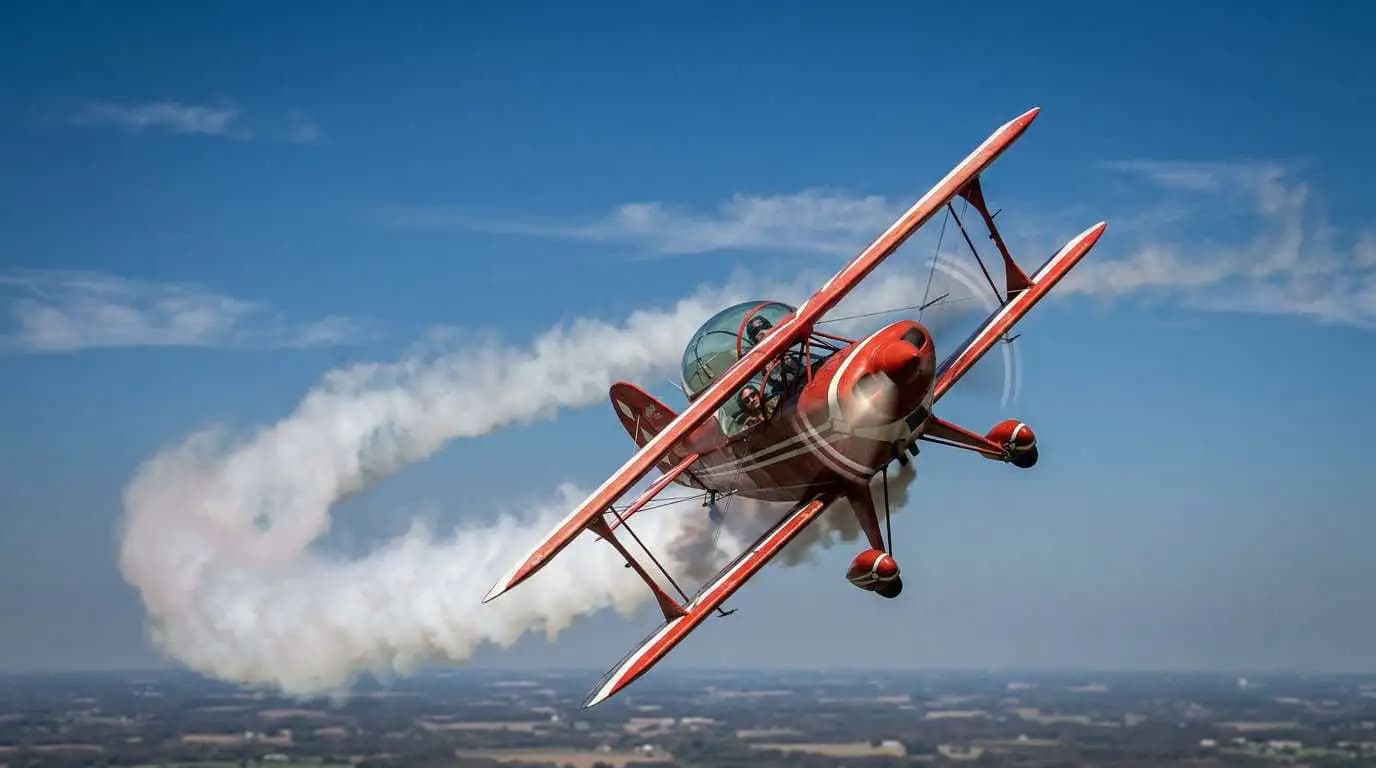
The Pitts S-2B occupies a unique place in aerobatic aviation. It is one of the few aircraft that can genuinely say it defined a discipline. From the late 1960s through the 1980s, Pitts Specials dominated aerobatic competition at every level. The S-2B, with its 260-hp Lycoming and two-seat tandem configuration, became the standard for serious aerobatic training and competitive flying.
Today, while purpose-built monoplanes like the Extra and Edge have taken over the top tiers of Unlimited competition, the Pitts S-2B remains deeply respected for its honest handling, its ability to teach real stick-and-rudder skills, and its accessibility to owner-pilots who want genuine aerobatic capability without the cost of a carbon-fiber monoplane.
Flying a Pitts is not about comfort or automation. It is about the most direct connection between pilot and aircraft that exists in certificated aviation. That is why the type holds its value and its following.
Pitts S-2B currently listed on CollectAirs
View our verified Aviat Pitts S-2B auction listing with full documentation and transparent terms.
History and Design of the Pitts S-2B
Curtis Pitts designed the original single-seat Pitts Special (S-1) in the late 1940s, creating what would become the most influential aerobatic aircraft design in history. The two-seat S-2 followed, and the Pitts S-2B represents the factory-production evolution with the more powerful 260-hp Lycoming AEIO-540 engine.
S-2A vs. S-2B: The Engine Upgrade
The S-2A used a 200-hp Lycoming AEIO-360, while the S-2B stepped up to the 260-hp AEIO-540. This 30% power increase transformed the aircraft's vertical performance, snap capability, and energy management in complex figures. The S-2B became the definitive two-seat Pitts for competition and serious aerobatic training.
Construction Philosophy
The Pitts airframe is a welded 4130 chromoly steel tube fuselage with wooden wing spars, aluminum ribs, and fabric covering. This construction is proven, repairable, and inspectable\u2014but it demands type-specific knowledge. Factory-built S-2Bs (by Christen Industries, later Aviat Aircraft) carry Standard category type certificates. Amateur-built examples exist under Experimental certificates with different maintenance and operating rules.
Factory vs. Amateur-Built
Factory-built S-2Bs (serial-numbered by Christen/Aviat) carry Standard category airworthiness certificates and follow standard maintenance rules. Amateur-built Pitts Specials under Experimental certificates may have different build quality, documentation standards, and operating limitations. Know which you are buying and verify the certificate type before committing.
Pitts S-2B Performance and Aerobatic Capability
The Pitts S-2B delivers a power-to-weight ratio that makes vertical aerobatics genuinely effortless. With 260 hp pulling roughly 1,625 pounds at gross weight, the aircraft accelerates quickly, climbs aggressively, and sustains energy through complex figure sequences that would leave lesser aircraft wallowing.
+6g / −3g Limits
Certified aerobatic stress limits support competition through Advanced category and beyond with the right pilot.
~176 KTAS Max
Fast for a biplane. Energy management in vertical figures benefits directly from this speed capability.
Exceptional Roll Rate
Aileron authority is immediate and powerful. Snap rolls, hesitation rolls, and point rolls are among the Pitts' signature strengths.
In the aerobatic box, the Pitts S-2B excels at figures that demand crisp control inputs and aggressive energy management. Loops, Cuban eights, hammerheads, snap rolls, and vertical rolls are all within its comfortable envelope. The biplane configuration provides drag that helps control speed in the down lines, and the symmetrical airfoil wings give predictable inverted behavior.
Buyer note: The Pitts rewards precision and punishes sloppy technique. Transition training with a qualified Pitts instructor is not optional\u2014it is essential. Budget for 10\u201320 hours of dual instruction before solo aerobatics, and more before competition entry.
The Lycoming AEIO-540: Heart of the Pitts S-2B
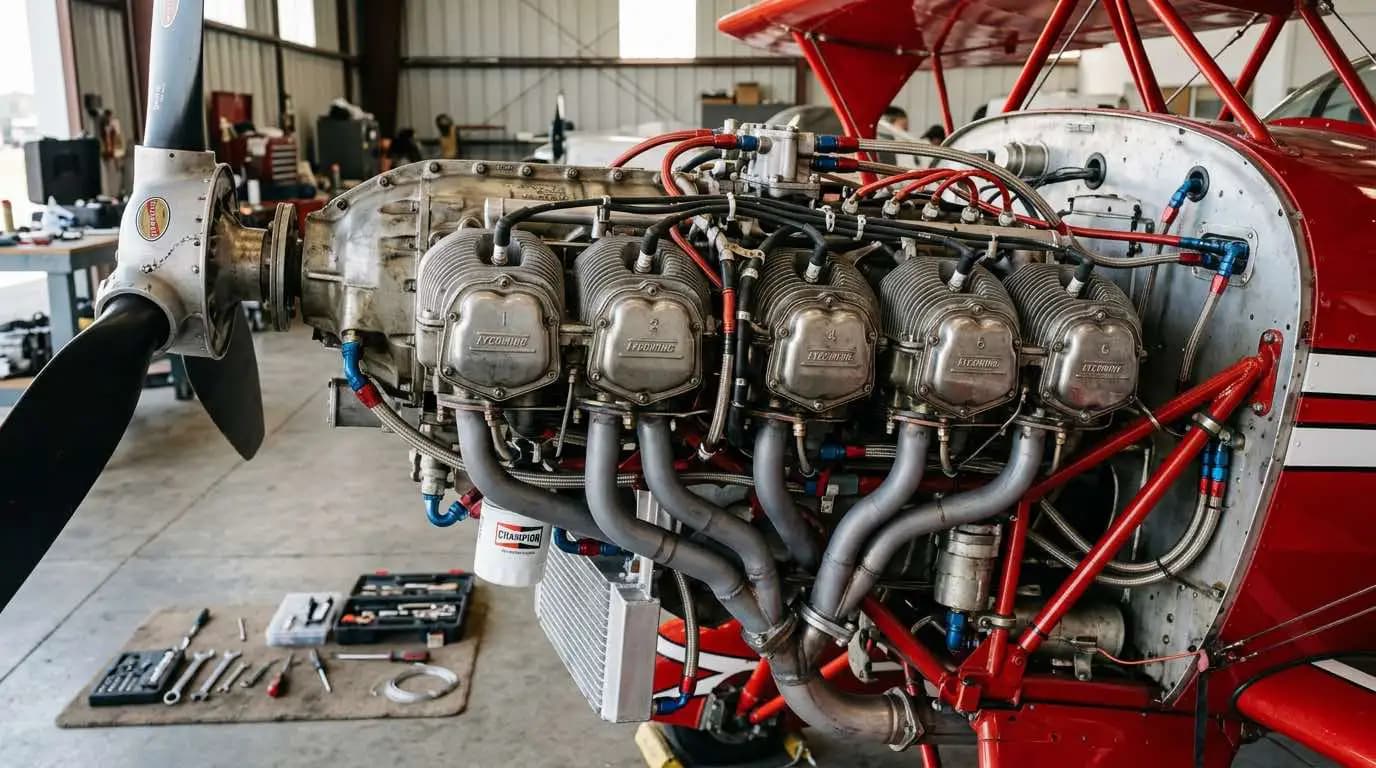
The Lycoming AEIO-540-D4A5 is a six-cylinder, fuel-injected, horizontally-opposed engine rated at 260 hp. The "AE" designation means it is configured for aerobatic flight with inverted fuel and oil systems that allow sustained negative-g operation without fuel starvation or oil pressure loss.
Engine Characteristics
- 260 hp from six fuel-injected cylinders
- Inverted fuel and oil systems for sustained aerobatic flight
- Fuel burn: 13\u201315 GPH depending on power setting
- TBO: 2,000 hours (Lycoming recommended)
Buyer Considerations
- Aerobatic use stresses engines differently than cruise flying
- Oil analysis history is especially important on aerobatic engines
- Inverted oil system components (header tank, check valves) need inspection
- Engine reserves: budget $20\u2013$30 per flight hour for overhaul fund
Cockpit and Instruments
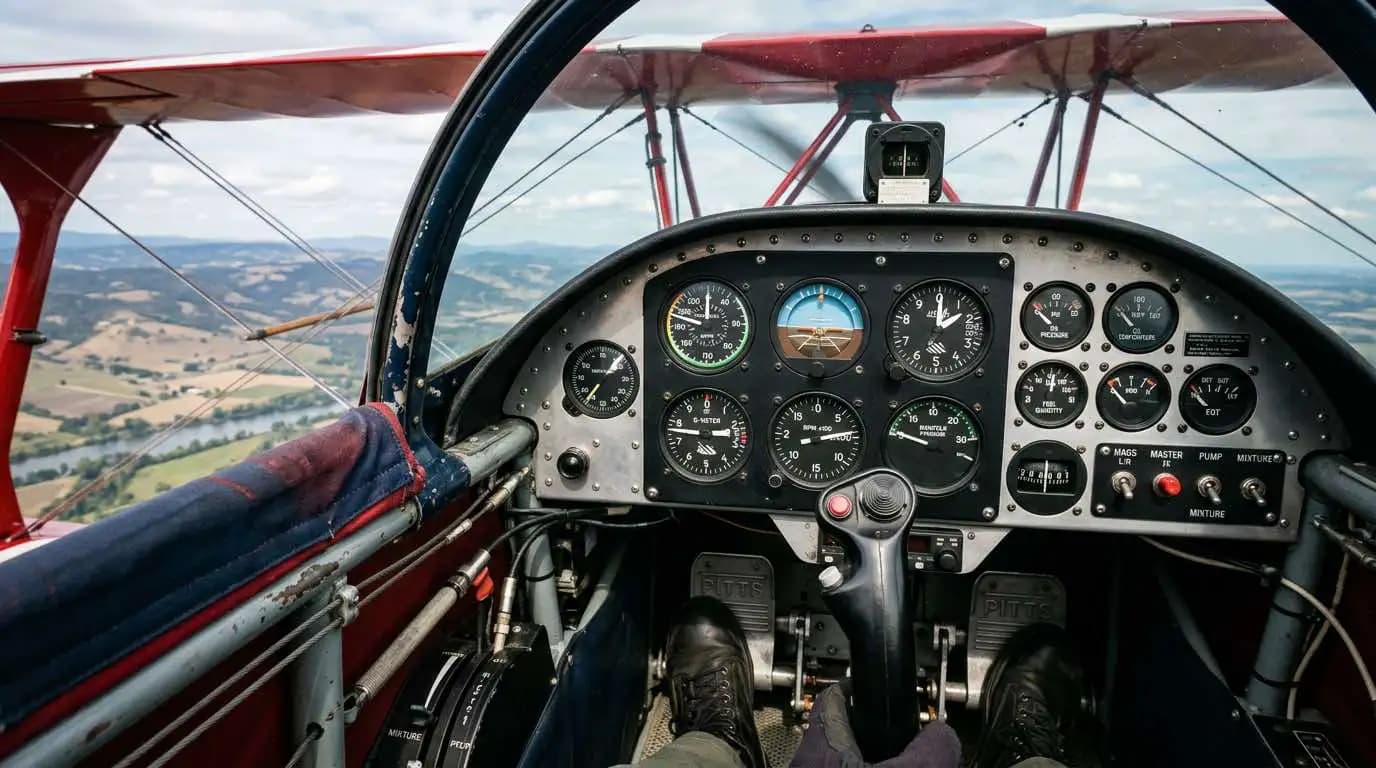
The Pitts S-2B cockpit is minimalist by design. There is no glass panel, no autopilot, and no GPS in a standard configuration. What you get is a stick, rudder pedals, throttle, and the instruments that matter for aerobatic flight. The open cockpit delivers unfiltered sensory feedback that is central to the Pitts experience.
Tandem Open Cockpits
Front seat for the student or passenger, rear seat for the PIC. Both cockpits have full dual controls, basic flight instruments, and engine gauges. Open-cockpit flying requires helmet, goggles, and appropriate clothing.
Aerobatic Instrumentation
A standard Pitts panel typically includes airspeed, altimeter, g-meter, slip/skid ball, tachometer, oil pressure, oil temperature, and fuel pressure. Some owners add an inverted fuel system gauge and a small GPS for navigation.
Forward Visibility
Limited on the ground due to the high nose attitude in three-point stance. S-turns during taxi are standard practice. In flight, visibility is excellent in all attitudes—especially during aerobatics where the open cockpit provides superb spatial orientation.
Maintenance, AD Compliance, and Ownership Reality
Owning a Pitts S-2B requires a maintenance mindset that differs from touring aircraft. The fabric-and-tube construction, aerobatic stress profile, and inverted flight systems all demand type-specific knowledge and inspection discipline.
Fabric Condition Is the Defining Structural Item
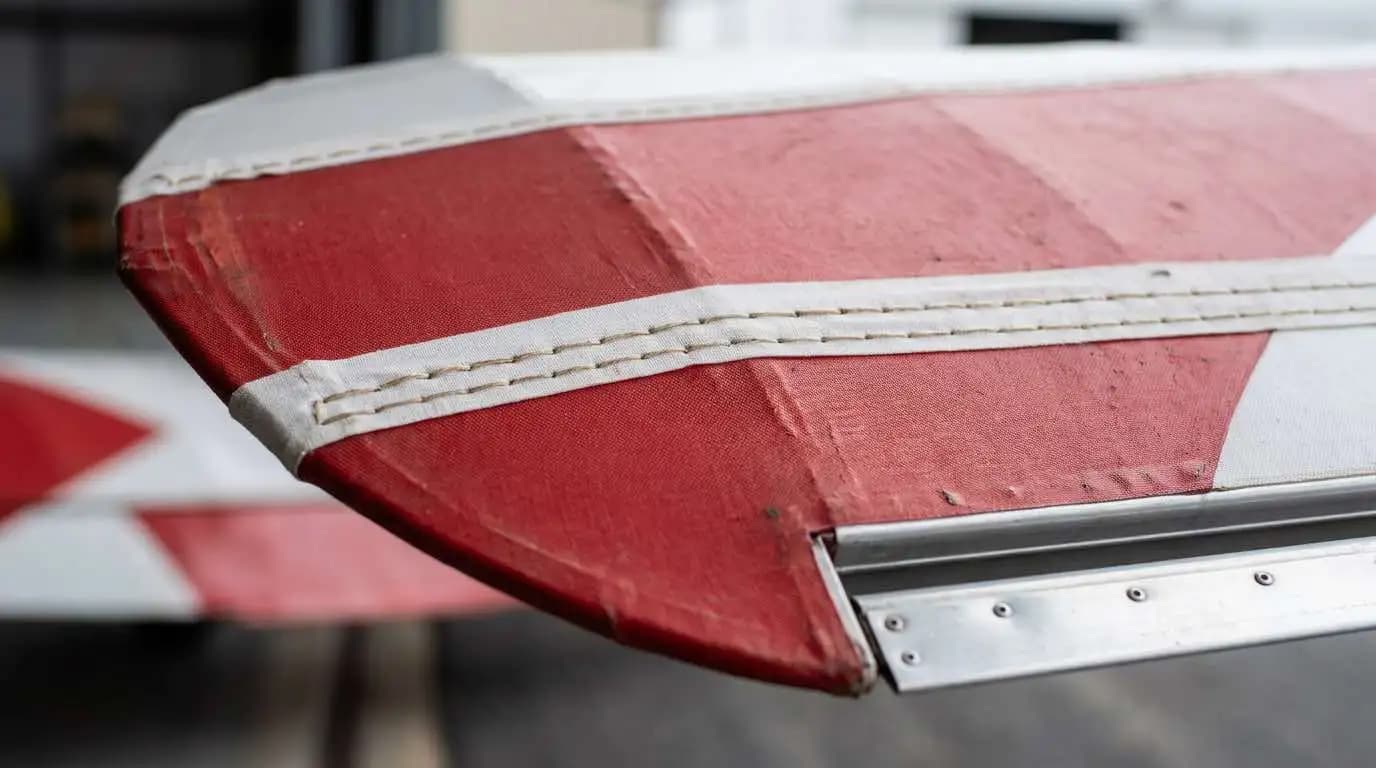
Fabric covering degrades with UV exposure, age, and handling. Punch testing reveals fabric strength, but visual inspection for wear, tears, loose attachment, and paint condition is equally important. A full fabric recovery can cost $15,000\u2013$30,000+ depending on the shop and scope. Factor fabric age and condition heavily into any purchase evaluation.
Steel Tube Structure
The 4130 chromoly steel tube fuselage is strong and inspectable, but corrosion can develop at welded joints, around the lower longerons, near the landing gear attach points, and anywhere moisture can accumulate. Internal tube corrosion may not be visible without removing fabric panels. A borescope or targeted fabric removal during PPI is standard practice.
Wing Wires and Rigging
The biplane wing bracing uses flying and landing wires that must be properly tensioned and free of corrosion, kinks, or fatigue. Wire tension affects handling, structural integrity, and wing alignment. This is a specialized inspection item that requires Pitts-specific experience.
AD Compliance
Factory-built S-2Bs under Standard category certificates are subject to FAA Airworthiness Directives. Review the complete AD list for the airframe and the Lycoming AEIO-540 engine. Pay particular attention to any recurring ADs affecting control systems, wing attach hardware, and engine components. Experimental-category Pitts aircraft have different regulatory requirements.
Buying a Pitts S-2B: Pre-Purchase Checklist
The Pitts S-2B rewards careful due diligence more than most aircraft. Type-specific inspection knowledge is not optional\u2014it is what separates a rewarding purchase from a money pit.
Documentation & Records
- Verify airworthiness certificate type: Standard (factory-built) vs. Experimental (amateur-built).
- Confirm complete airframe, engine, and propeller logbooks with no unexplained gaps.
- Review AD compliance status for both airframe and Lycoming AEIO-540 engine.
- Check title and lien status; verify the aircraft is free of encumbrances.
- Review any competition history—heavily competed aircraft may have higher stress cycles.
Technical Inspection Priorities
- Choose an inspector experienced with Pitts Specials and fabric-and-tube construction.
- Fabric punch test all surfaces; assess UV condition, attachment, and paint quality.
- Inspect steel tube fuselage for corrosion, especially lower longerons and gear attach points.
- Check wing wire tension, condition, and alignment on both upper and lower wings.
- Engine: compression, oil analysis history, inverted system components, accessory condition.
- Landing gear alignment, spring condition, and tailwheel assembly.
Deal Process & Risk Control
- Use escrow for funds handling and document exchange.
- Make the purchase conditional on inspection findings with clear deal-breaker thresholds.
- Confirm insurance availability—aerobatic coverage requires specialist underwriters and can be expensive for low-time Pitts pilots.
- Budget for transition training: 10–20 hours of dual instruction before solo aerobatics.
Market Snapshot and Pricing Drivers
The Pitts S-2B market is specialized but active, with consistent demand from aerobatic pilots, formation groups, and experienced tailwheel enthusiasts. Current asking prices typically span $80,000 to $250,000.
Engine Time and Overhaul Quality
A fresh overhaul by a reputable Lycoming shop can add $30,000–$50,000 to asking price versus a mid-time or run-out engine. Aerobatic engines accumulate stress faster than cruise engines.
Fabric Condition and Age
Recent fabric work with quality materials and finish commands a premium. Aircraft needing fabric recovery face $15,000–$30,000+ in near-term costs that buyers will discount from any offer.
Factory vs. Amateur-Built
Factory-built S-2Bs (Christen/Aviat) with Standard certificates generally command higher prices than Experimental-category homebuilts due to broader insurance and operational flexibility.
Modifications and Equipment
Smoke systems, competition-spec harnesses, inverted fuel system upgrades, and modern radios/transponders add practical value for the target buyer.
Competition History
A well-documented competition aircraft flown by known pilots can carry a premium. Conversely, heavily competed aircraft may have accumulated more stress cycles than a low-time touring example.
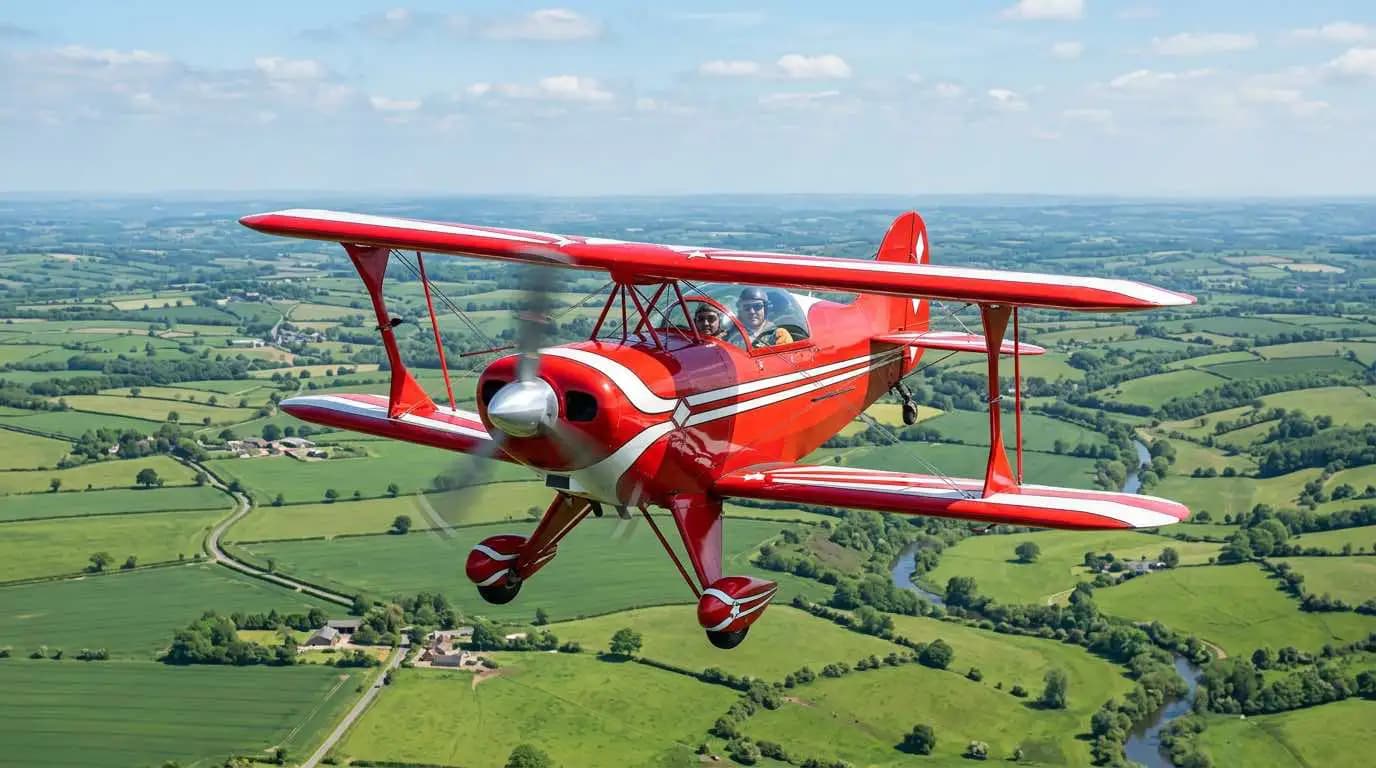
Pitts S-2B Key Facts
| Specification | Typical Range / Value | Why It Matters |
|---|---|---|
| Engine | Lycoming AEIO-540-D4A5, 260 hp | Six-cylinder aerobatic-rated engine with inverted fuel and oil capability |
| Max Speed | ~176 KTAS | Fast for a biplane; relevant for energy management in vertical figures |
| Cruise Speed | ~140–150 KTAS | Practical for ferry flights and transit between aerobatic sessions |
| G-Limits (Aerobatic) | +6g / −3g | Supports competition-level aerobatics through Advanced category |
| Seating | Two seats, tandem open cockpits | Front seat for instruction, rear seat for PIC; both with full controls |
| Fuel Capacity | ~29 gallons usable | Limits endurance; plan for short legs and frequent fuel stops on cross-country |
| Fuel Burn | 13–15 GPH | Moderate for 260 hp; endurance roughly 1.5–2 hours with reserves |
| Empty Weight | ~1,100 lb (varies by build) | Light airframe contributes to excellent power-to-weight ratio |
| Structure | Steel tube fuselage, fabric covered | Fabric condition and tube corrosion are primary inspection items |
| Market Asking Price (Used) | $80,000–$250,000 | Driven by engine time, fabric condition, builder quality, and modifications |
Pitts S-2B on CollectAirs
We currently have an immaculate Aviat Pitts S-2B listed with verified documentation, detailed photos, and transparent auction terms. Browse our aircraft auctions with escrow-protected transactions.
Frequently Asked Questions About the Pitts S-2B
Is the Pitts S-2B hard to fly?
The Pitts S-2B is honest but demanding. It has light, responsive controls, limited forward visibility on the ground, and a narrow gear track that requires discipline during takeoff and landing. Most pilots transition successfully with qualified dual instruction in the front seat. Aerobatic handling is outstanding once you are comfortable with the basics.
How much does a Pitts S-2B cost?
Used Pitts S-2B prices typically range from $80,000 to $250,000 depending on total time, engine status, fabric condition, modifications, and overall maintenance history. Factory-built examples with fresh engines and recent fabric work sit at the top of the range; higher-time aircraft or those needing fabric recovery can be found at the lower end.
What engine does the Pitts S-2B use?
The Pitts S-2B is powered by the Lycoming AEIO-540-D4A5, a six-cylinder, fuel-injected, aerobatic-rated engine producing 260 horsepower. The ‘AE’ prefix indicates it is equipped for aerobatic (inverted) flight with the appropriate oil and fuel system modifications. TBO is typically 2,000 hours.
What are the main maintenance concerns on a Pitts S-2B?
The primary areas are fabric condition (UV degradation, tears, attachment integrity), steel tube fuselage corrosion (especially around the lower longerons and landing gear attach points), wing wire tension and condition, engine health including inverted oil system components, and landing gear alignment. A pre-purchase inspection by a Pitts-experienced shop is essential.
Can you compete in aerobatic contests with a Pitts S-2B?
Yes. The Pitts S-2B is competitive through Advanced category in IAC (International Aerobatic Club) competition and can be flown at the Unlimited level with the right pilot, though purpose-built monoplanes now dominate at that tier. For Sportsman through Advanced, the S-2B remains a proven and respected platform.
How much does it cost to operate a Pitts S-2B annually?
Typical annual operating costs for an active Pitts S-2B range from $15,000 to $35,000 depending on flight hours, hangar location, insurance, and maintenance posture. Fuel burn is approximately 13–15 gallons per hour. Insurance for aerobatic operations can be significantly higher than standard touring aircraft, especially for lower-time Pitts pilots.
Sources
Used for: manufacturer reference on Pitts S-2B specifications, history, and current production status.
Used for: certification reference, approved configurations, and specification framework for the S-2B series.
Used for: competition category reference and aerobatic community context for the Pitts S-2B.
Related Resources
About the Author

Phillip Müller
CEO, CollectAirs
Long-time pilot and CEO of multiple scenic flight and aircraft sales websites. Passionate about making aircraft transactions more transparent and accessible.
Connect on LinkedIn