
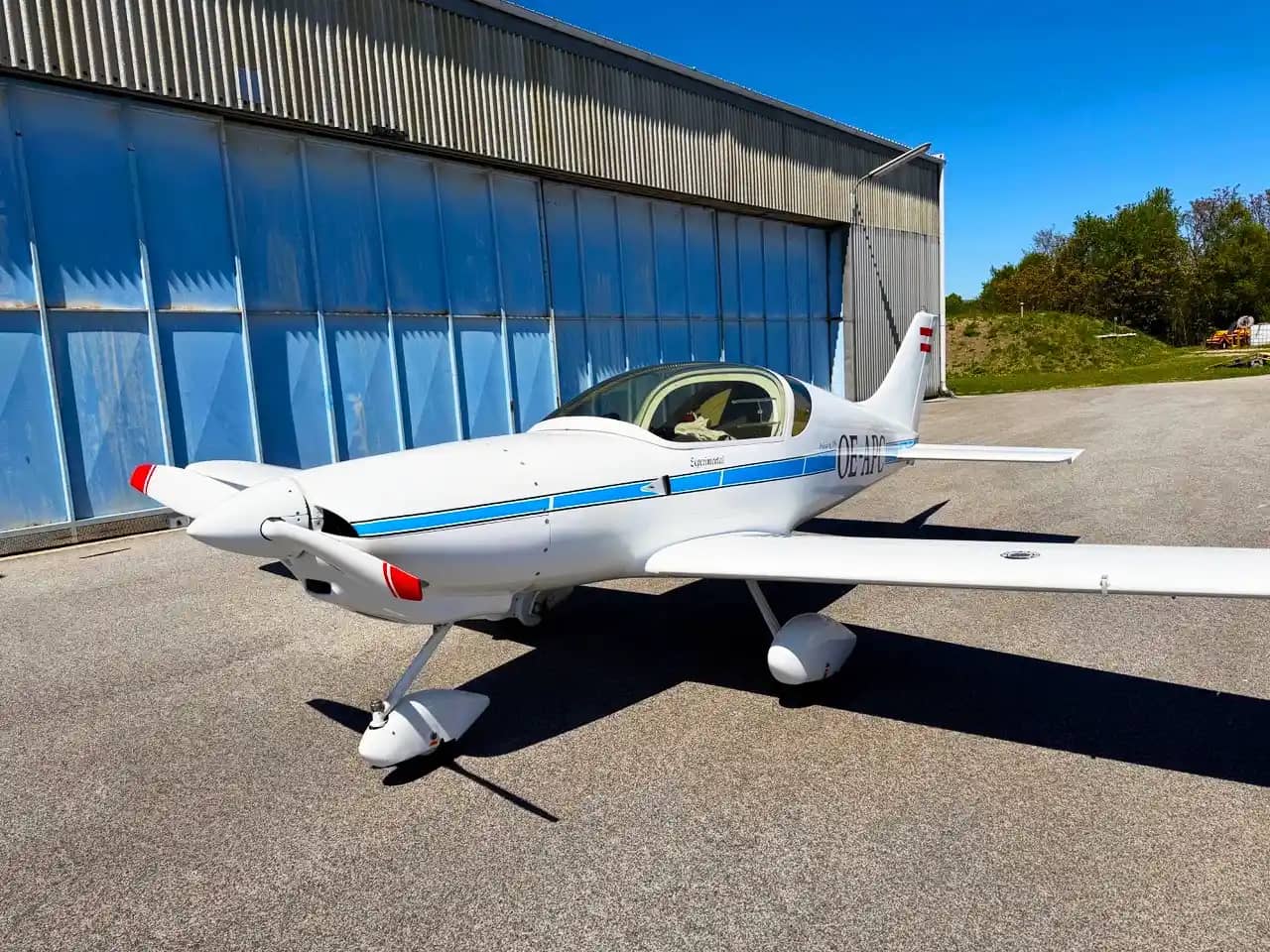
 Bad Vöslau
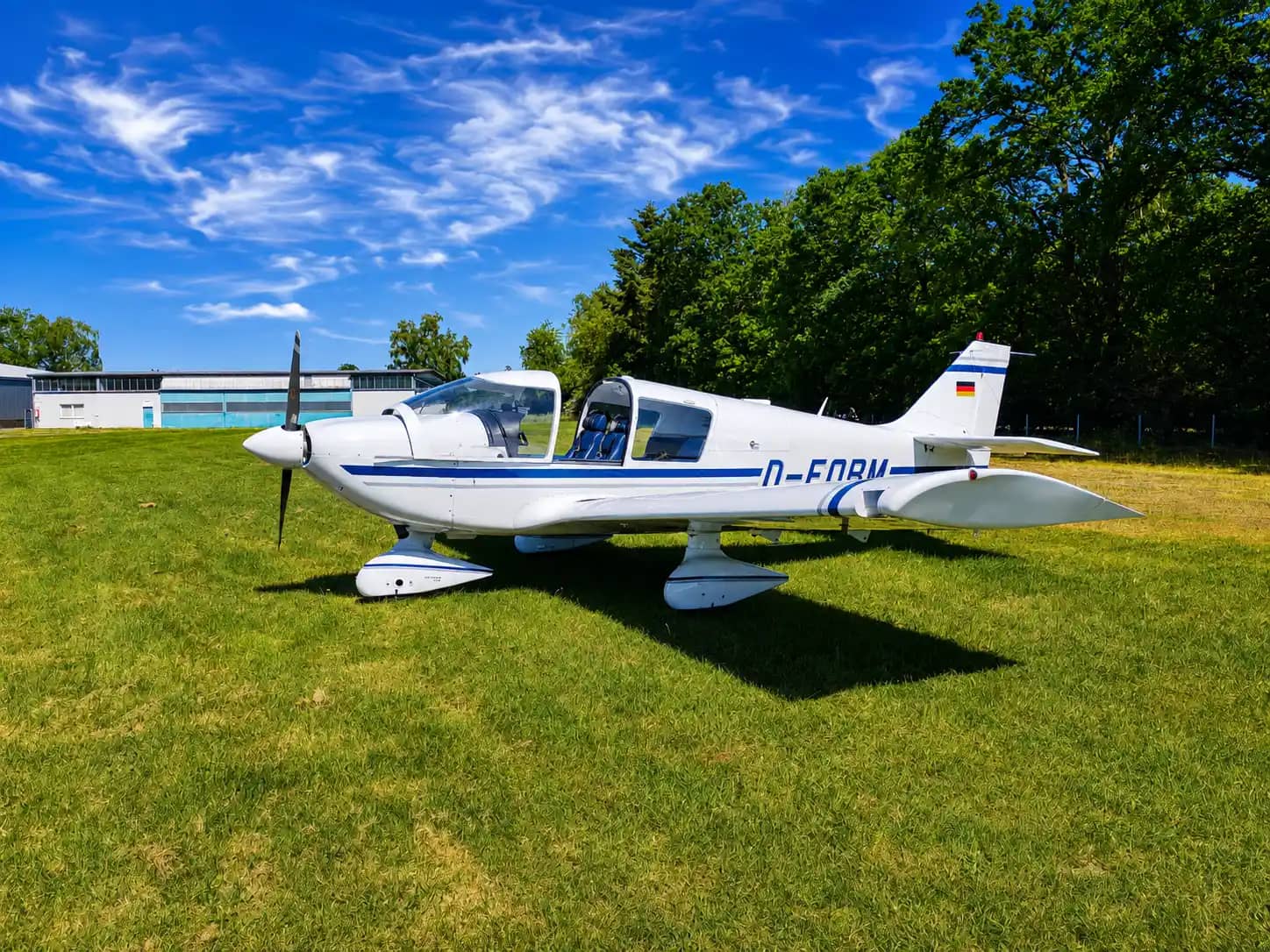
 Kirn
Kirn
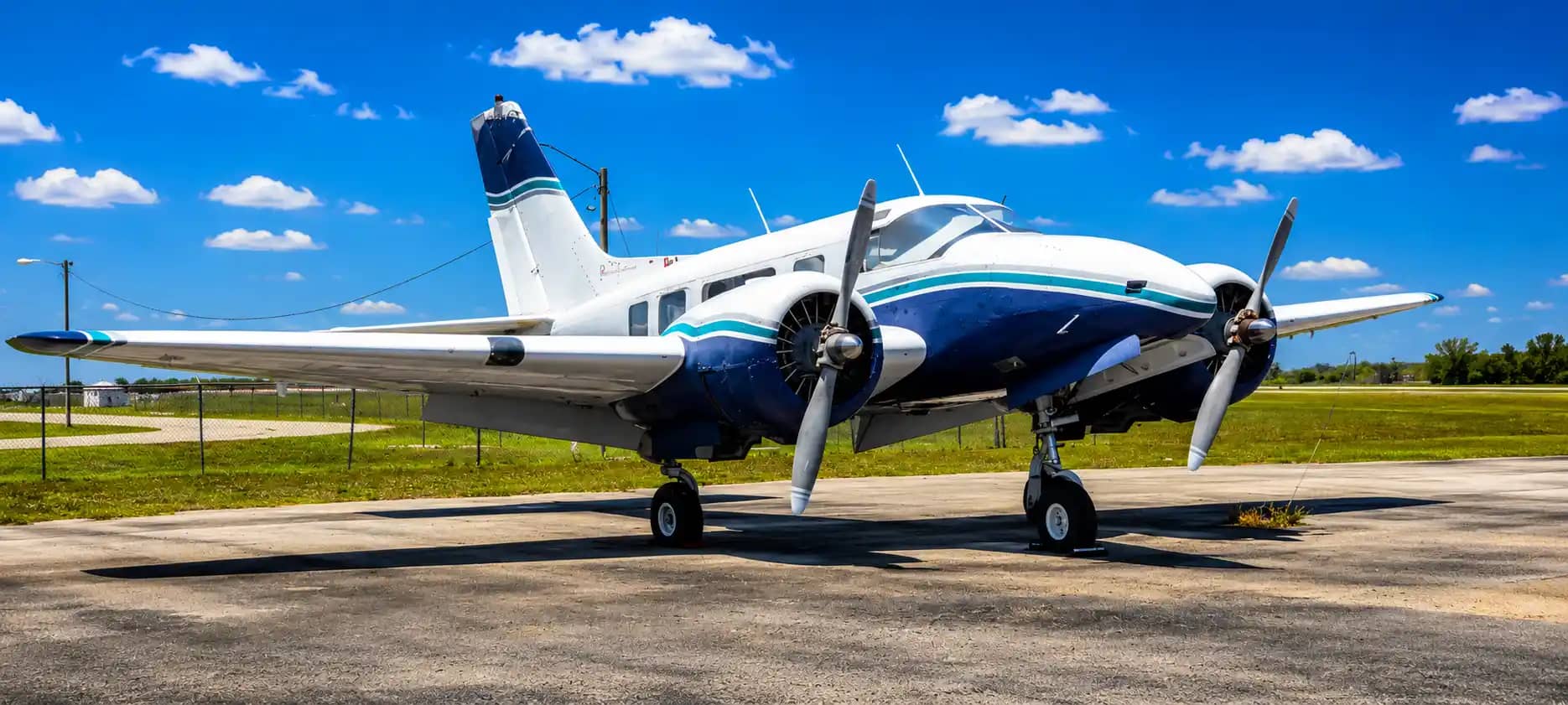
 Florida

What Are Repo Aircraft Auctions?
Repo aircraft auctions are sales events where repossessed aircraft, planes seized by banks, lenders, or government agencies, are offered to buyers, typically at prices below standard market value. When an aircraft owner defaults on a loan, violates lease terms, or fails to satisfy a lien, the secured party recovers the asset and liquidates it to recoup outstanding debt.
These repossessed aircraft auctions can happen through dedicated aviation auction platforms, bank-managed disposition programs, government surplus channels (GSA, U.S. Marshals Service), or through conventional listing sites once the lender takes formal title. The aircraft involved range from piston singles and turboprops to light jets and multi-engine aircraft.
What makes repo auctions different from standard sales is the seller's motivation: lenders want to liquidate an asset efficiently, not maximize its retail value. That creates opportunity, but also concentrates risk, because the aircraft has often been through a period of financial distress, deferred maintenance, and uncertain storage.
Looking for aircraft auctions?
Browse our current aircraft auctions with verified documentation and transparent terms.
Why Aircraft Get Repossessed
Understanding the path to repossession helps you evaluate what you're buying. Not every repo aircraft is a neglected wreck, but the circumstances that led to seizure often leave traces in the maintenance record.
Loan Default
The most common cause. Monthly payments stop, the lender exercises its security interest, and the aircraft is recovered for liquidation.
Lease Violation
Operating lessees breach terms, missed payments, unauthorized modifications, or failure to maintain insurance, triggering repossession clauses.
Government Seizure
Federal or state agencies seize aircraft for regulatory violations, customs infractions, or asset forfeiture proceedings.

The Maintenance Gap Problem
Aircraft in financial distress typically experience a period where maintenance spending drops before repossession. Annual inspections may be deferred, ADs may go unaddressed, engine programs may lapse, and the aircraft may sit unused for months or years. This gap is where most of the "hidden cost" lives.
How Repossessed Aircraft Auctions Work
The auction process for repossessed aircraft varies significantly by platform and seller type. Here's what the typical lifecycle looks like:
- 1
Asset recovery and evaluation
The lender takes possession, arranges for the aircraft to be stored (ideally hangared), and commissions a basic condition assessment or appraisal.
- 2
Title and lien research
The seller (or their agent) works to establish clear title. Unresolved junior liens, tax claims, or mechanic's liens may need to be addressed before or during the auction.
- 3
Listing and marketing
The aircraft is listed on an auction platform, remarketing site, or through a broker. Descriptions vary, some include detailed specs, logs summaries, and photos; others are minimal.
- 4
Preview and inspection period
Some auctions allow buyer access for inspection. Others offer only photos and a basic description. Clarify this before committing time or travel.
- 5
Bidding and closing
Bidding may be live, timed online, or sealed-bid. Payment terms are typically cash or certified funds with short closing windows. Buyer's premium (5–12%) is common.
"As-is, where-is" is the default. Most repo auctions offer no warranty, no return policy, and limited or no recourse after closing. Your due diligence is the only protection you have.
What to Inspect on a Repossessed Aircraft Before You Bid
Repossessed aircraft demand more scrutiny than a standard used aircraft purchase, not less. The intersection of financial distress, maintenance deferral, and uncertain storage creates risks that don't always show up in auction photos.
Logbooks & AD Compliance
- Verify all airframe, engine, and propeller logbooks are present and continuous, gaps are common with repo aircraft.
- Confirm AD compliance status. Non-compliance means the aircraft is not airworthy until each AD is properly addressed.
- Check for recurring squawks, deferred maintenance items, and whether the last annual/100-hour inspection was completed or just started.
Engine & Powerplant
- Engine time since overhaul (SMOH) and calendar time since last operation, extended inactivity corrodes cylinder walls and degrades seals.
- Oil analysis history (if available). Look for trends, not single snapshots.
- Propeller status: time since overhaul, any prop strike history, and AD compliance on the propeller and governor.
Airframe & Storage Condition
- How and where was the aircraft stored after repossession? Outdoor tie-down in coastal or humid environments accelerates corrosion dramatically.
- Inspect fuel tanks, fuel lines, and fuel system components, stale fuel degrades seals and contaminates systems.
- Look for flat spots on tires, brake degradation, and control surface condition from extended ground exposure.
Title & Lien Verification
- Run a title search through the FAA Aircraft Registry and an independent title service (AOPA, AIC, or equivalent).
- Confirm the seller has legal authority to convey clear title, not all repo sales resolve all encumbrances automatically.
- Verify there are no mechanic's liens, tax liens, or junior security interests that could follow the aircraft to you.
Avionics & Electrical
- Avionics batteries may be dead or damaged from extended discharge. Budget for replacements if the aircraft sat unpowered for months.
- Verify database currency for GPS navigators, transponder compliance (ADS-B Out), and ELT battery/registration status.

True Cost of Buying at Repo Aircraft Auctions
The auction price is just the opening line item. Experienced buyers at repossessed aircraft auctions always build a total acquisition budget that accounts for everything required to return the aircraft to safe, legal, and operational status.
Deferred Maintenance Catch-Up
Skipped annuals, lapsed engine programs, expired calendar-life components, and undone ADs can cost $10,000–$80,000+ depending on aircraft type and the severity of deferral.
Storage Damage Remediation
Corrosion treatment, fuel system decontamination, tire/brake replacement, seal replacement, and battery renewal. Aircraft stored outdoors in humid environments face the highest exposure.
Transaction Costs
Buyer's premium (5–12%), title search and escrow fees, ferry/relocation costs, insurance activation, and state sales or use tax where applicable.
Return-to-Service Inspection
An aircraft that has been sitting idle will likely need meaningful work before it can legally fly. This is separate from the pre-purchase inspection and can include an annual inspection, return-to-service signoff, and resolution of any open discrepancies.
The Real Math
A repossessed aircraft listed at 25% below market value that needs $40,000 in catch-up maintenance, a $3,500 buyer's premium, and $6,000 in ferry and transaction costs may end up costing more than a well-maintained aircraft bought through a conventional sale. Run the total numbers before you bid.
Key Facts: Repossessed Aircraft Auctions at a Glance
| Specification | Typical Range | Why It Matters |
|---|---|---|
| Typical Discount vs. Market Value | 10–35% below retail | Discounts often reflect deferred maintenance costs, not pure savings |
| Airframe Total Time | Varies widely (500–15,000+ hrs) | High-time airframes may need costly inspections, corrosion remediation, or SB compliance |
| Engine Time Since Overhaul | 0–2,000+ hrs SMOH/SFOH | Calendar limits and idle time often matter more than hours on repo aircraft |
| AD Compliance Status | Current to significantly behind | Non-compliance means the aircraft is not legally airworthy until resolved |
| Logbook Continuity | Complete to partially missing | Gaps destroy resale value and make compliance verification difficult |
| Storage Duration Before Sale | 1 month to 3+ years | Extended inactivity increases corrosion risk, seal degradation, and fuel system contamination |
| Title / Lien Status | Clear to multiple encumbrances | Unresolved liens can follow the aircraft, not the previous owner |
Common Pitfalls at Repo Aircraft Auctions
Bidding without inspection access
If you can't inspect or at minimum review logbooks before bidding, you're speculating, not buying. Factor this risk into your maximum bid or walk away.
Ignoring calendar-based limits
Hours don't tell the whole story. Engine rubber, hoses, prop seals, and avionics batteries all have calendar life limits that keep running even when the aircraft sits idle.
Assuming 'bank-owned' means clear title
The repossessing lender's interest may be senior, but junior liens, mechanic's liens, and tax claims can survive the sale. Always run an independent title search.
Underestimating ferry costs
A repo aircraft that isn't airworthy can't fly to your maintenance base. Disassembly, trucking, and reassembly can cost as much as a cheap overhaul.
Emotional bidding on visible upgrades
Upgraded avionics and fresh paint can mask corroded structure, tired engines, and incomplete compliance. The airframe under the surface is what matters.
Repo Aircraft Auction Buyer Checklist
Before you submit a bid at any repossessed aircraft auction, verify every item on this list. Skipping a step doesn't save time. It transfers risk to you.
Pre-Bid Due Diligence
- Run an independent title and lien search (FAA Registry + title service).
- Confirm auction terms: buyer's premium, payment timeline, as-is conditions, and dispute resolution.
- Request logbook summaries, AD compliance lists, and any available condition reports from the seller.
- Arrange an independent pre-purchase inspection, or confirm inspection access before bidding.
- Build a total acquisition budget: auction price + premium + maintenance catch-up + ferry + insurance + tax.
- Establish a firm maximum bid based on total cost, not headline price.
- Verify the aircraft's airworthiness certificate status with the local FSDO if unclear.

Find Aircraft With Verified Documentation
Browse our curated aircraft auctions with transparent terms, logbook verification, and escrow-protected transactions, whether repossessed or owner-direct.
Browse Available AircraftFrequently Asked Questions About Repo Aircraft Auctions
Are repossessed aircraft auctions a good way to buy a plane?
They can be, but only if you treat them like any other aircraft purchase: verify logbooks, confirm AD compliance, arrange an independent pre-purchase inspection, and budget realistically for deferred maintenance. The discount you see in the headline price often gets consumed by catch-up work.
Why do aircraft get repossessed?
Most aircraft repossessions result from loan defaults, lease non-payments, or lien enforcement. Less commonly, aircraft are seized by government agencies for regulatory violations. The reason for repossession doesn't automatically tell you about the aircraft's mechanical condition.
Can I inspect a repossessed aircraft before bidding at auction?
It depends on the auction format. Some allow scheduled previews and limited inspections; others sell strictly 'as-is, where-is' with no access until after purchase. Always confirm inspection terms before committing funds or travel.
What are the biggest risks of buying a repo aircraft?
Deferred maintenance is the primary risk. Aircraft that went through financial distress often have skipped inspections, expired engine calendar limits, lapsed AD compliance, or corroded components from improper storage. Title issues, unresolved liens, incomplete bill-of-sale chains, are another significant concern.
Do repo aircraft auctions offer financing?
Most repo auctions require cash or certified funds at closing. Some auction platforms partner with aviation lenders, but approval timelines may not align with auction deadlines. Arrange financing pre-approval before you bid.
How do I find repossessed aircraft auctions?
Sources include aviation auction platforms, bank asset disposition departments, government surplus sales (GSA, U.S. Marshals), and specialized aircraft remarketing firms. Some aircraft also appear on standard listing sites after the lender takes possession and lists the asset conventionally.
Related Resources
About the Author

Phillip Müller
CEO, CollectAirs
Long-time pilot and CEO of multiple scenic flight and aircraft sales websites. Passionate about making aircraft transactions more transparent and accessible.
Connect on LinkedIn