
 Nordhorn
 Florida
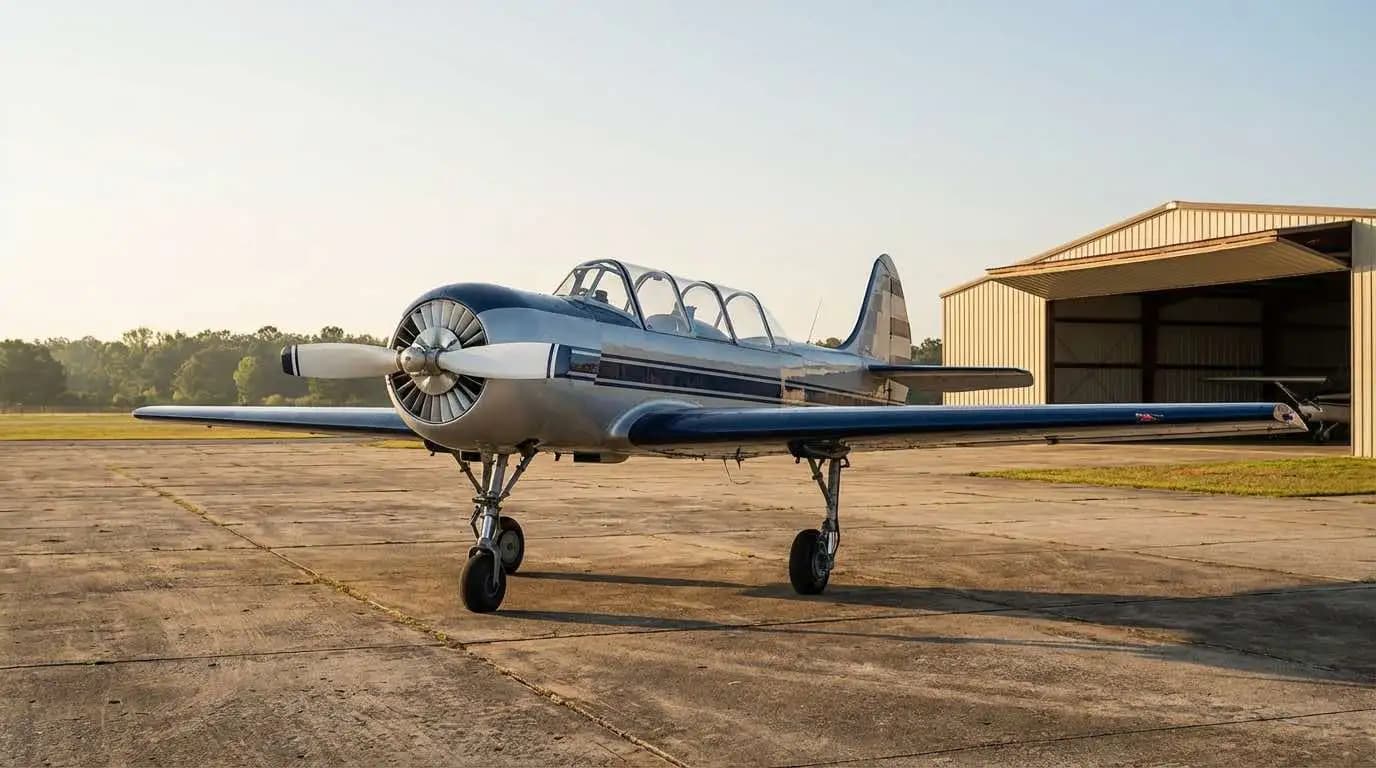
Why the Yak 52 Still Attracts Serious Pilots
The Yak 52 occupies a unique position in the warbird and aerobatic market. It delivers genuine military trainer handling, the visceral experience of a nine-cylinder radial, and aerobatic capability that satisfies both recreational and competition pilots\u2014all at an acquisition price well below most Western aerobatic types with comparable performance.
Where a Pitts Special rewards finesse and a CJ-6 offers similar Eastern Bloc appeal, the Yak 52 stands out for its combination of tricycle gear stability, tandem dual controls for instruction, and a power-to-weight ratio that makes advanced aerobatics genuinely enjoyable rather than just survivable.
It is also one of the few warbird types where a well-informed buyer can find a well-maintained example without the six- or seven-figure price tags that define most former military aircraft markets.
Yak 52 Currently Listed on CollectAirs
View our verified Yak-52 auction listing with full documentation and transparent terms.
History and Design of the Yak 52
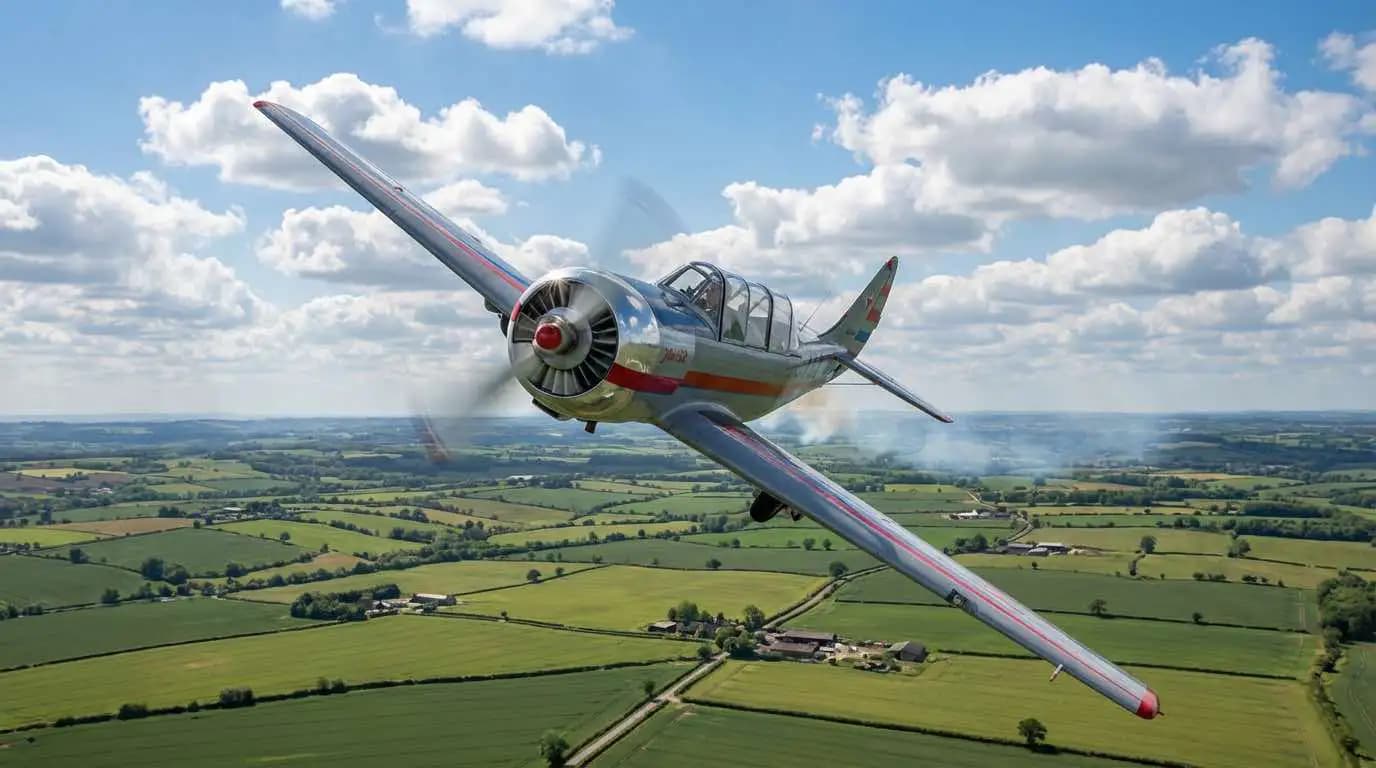
The Yakovlev Design Bureau developed the Yak 52 in the mid-1970s as a replacement for the Yak-18 series in the Soviet military pilot training pipeline. Production was primarily carried out by Aerostar in Bac\u0103u, Romania, with aircraft delivered to air forces across the Soviet sphere of influence.
Design Philosophy
The design brief called for an aircraft that could introduce ab-initio cadets to military flying while also serving as an aerobatic proficiency trainer. The result is a robust all-metal airframe with a semi-monocoque fuselage, retractable tricycle landing gear (unusual for a trainer of its era), and tandem seating with full dual controls in both cockpits. The Vedeneyev M-14P radial engine gave it a power margin that makes basic and intermediate aerobatics straightforward.
Production and Variants
Over 1,800 Yak-52s were produced, primarily at the Aerostar factory. Later production variants included the Yak-52W with increased fuel capacity and the Yak-52TD with a tail-dragger configuration. The vast majority of civilian examples on the Western market are standard tricycle-gear Yak-52s from 1979\u20131990s production runs.
A Note on Documentation
Because the Yak 52 originated in the Soviet military system, early logbooks and maintenance records may be in Russian or Romanian. Many civilian examples have been transitioned to Western registration with English-language documentation, but verify the completeness and traceability of the record chain before committing to a purchase.
Yak 52 Performance and Aerobatic Capability
The Yak 52 delivers performance that puts it firmly in the "serious aerobatic trainer" category. With 360 horsepower pulling roughly 2,800 pounds through the air, the power-to-weight ratio supports confident aerobatic maneuvering and respectable cross-country speeds.
~170 KTAS Max
Respectable top speed for a radial-powered trainer. Cruise typically settles at 130–140 KTAS for economical touring.
+7g / −5g Limits
Genuine aerobatic stress limits allow the full spectrum of basic and intermediate competition figures.
~300 nm Range
Standard fuel capacity limits legs. Some Yak-52W variants carry additional fuel for extended range.
In the aerobatic box, the Yak 52 excels at energy management. The radial engine delivers smooth, predictable power application, and the aircraft responds well to coordinated control inputs through loops, rolls, hammerheads, Cuban eights, and spin entries. It is heavy enough to maintain energy through vertical maneuvers but light enough on the controls that extended aerobatic sessions are not exhausting.
Buyer note: Performance figures vary by individual aircraft depending on engine condition, propeller type, weight, and altitude. Treat published numbers as starting points and verify against the specific aircraft's POH and actual operating experience.
The M-14P Radial Engine: Heart of the Yak 52
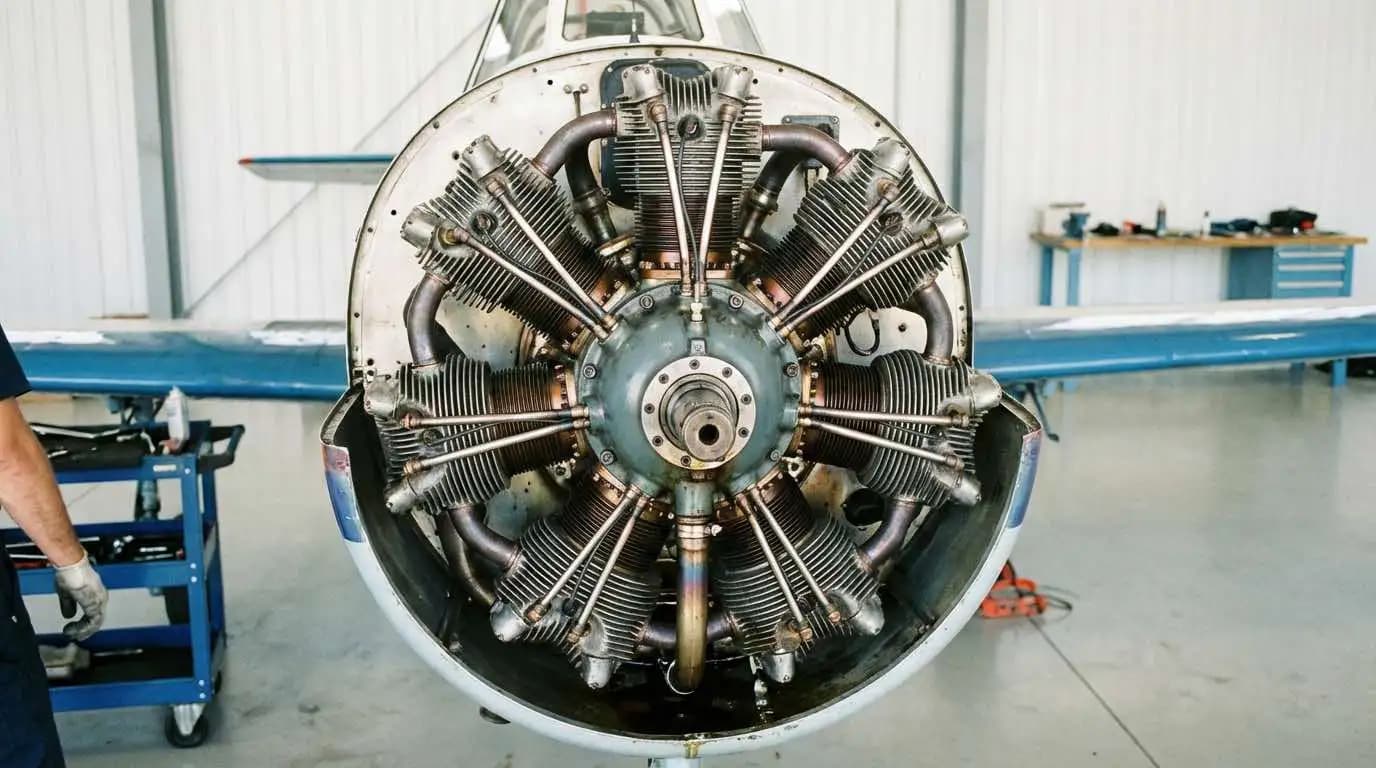
Everything about the Yak 52 ownership experience revolves around the Vedeneyev M-14P. This nine-cylinder, air-cooled radial produces 360 horsepower and defines the aircraft's sound, handling, maintenance rhythm, and operating cost structure.
Engine Characteristics
- 360 hp from nine air-cooled cylinders
- Runs on 100LL avgas
- Fuel burn: 18\u201322 GPH depending on power setting
- TBO varies by overhaul standard; typically 750\u20131,000 hours
Buyer Considerations
- Overhaul shop selection is critical\u2014not all facilities are M-14P qualified
- Parts sourcing can take longer than Lycoming/Continental equivalents
- Oil system health and cylinder condition are primary inspection targets
- Engine reserves should be budgeted at $20\u2013$30 per flight hour
Cockpit and Avionics
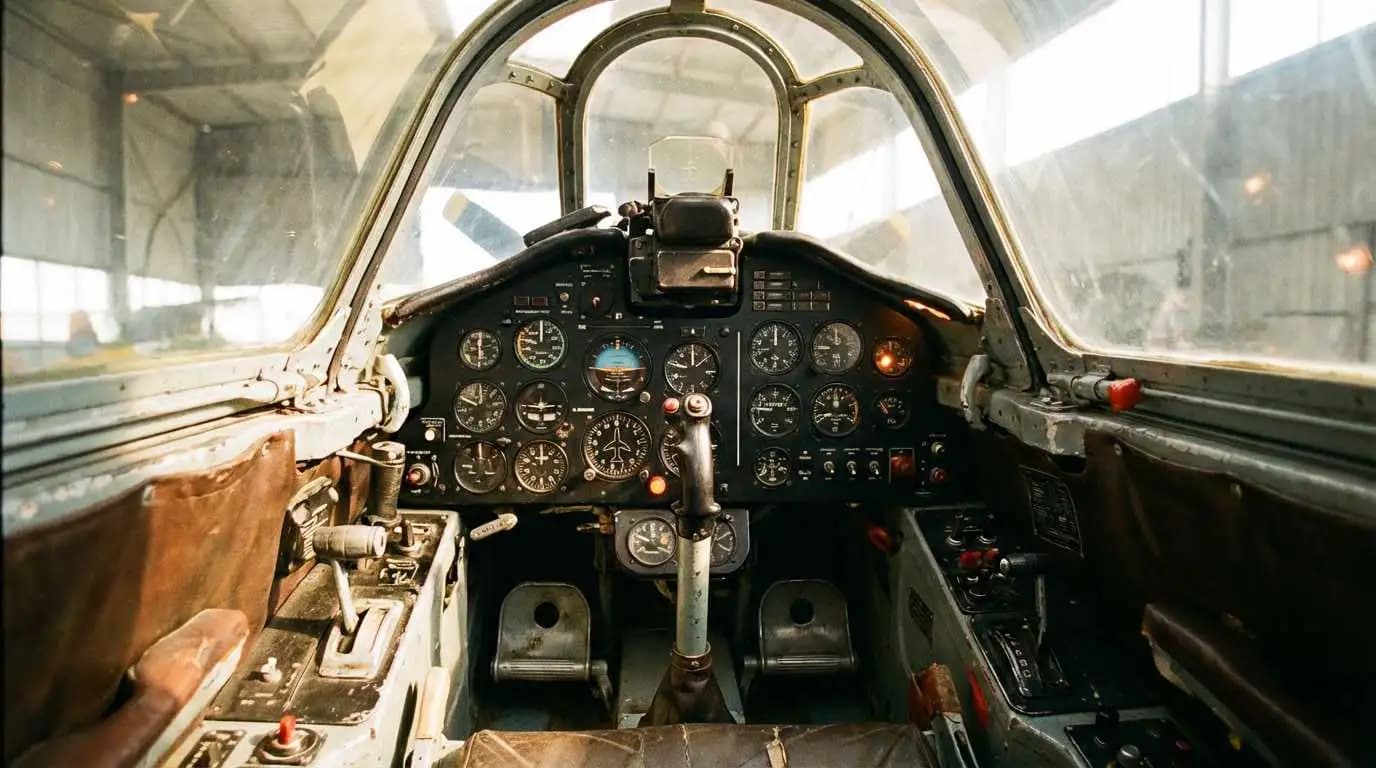
The Yak 52 cockpit is laid out in tandem configuration with the student (or passenger) in front and the instructor (or pilot-in-command) in the rear. Both cockpits have full dual controls. The original Soviet instrumentation is functional but basic by modern standards.
Original Soviet Instruments
Metric-calibrated gauges, basic VFR instrumentation. Functional and reliable, but unfamiliar to pilots trained on Western panels. Many owners retain them for authenticity.
Western Avionics Retrofits
Common upgrades include a Garmin GTX transponder, handheld or panel-mount GPS, and modern com radios. ADS-B Out compliance is increasingly required and should be verified.
Canopy and Visibility
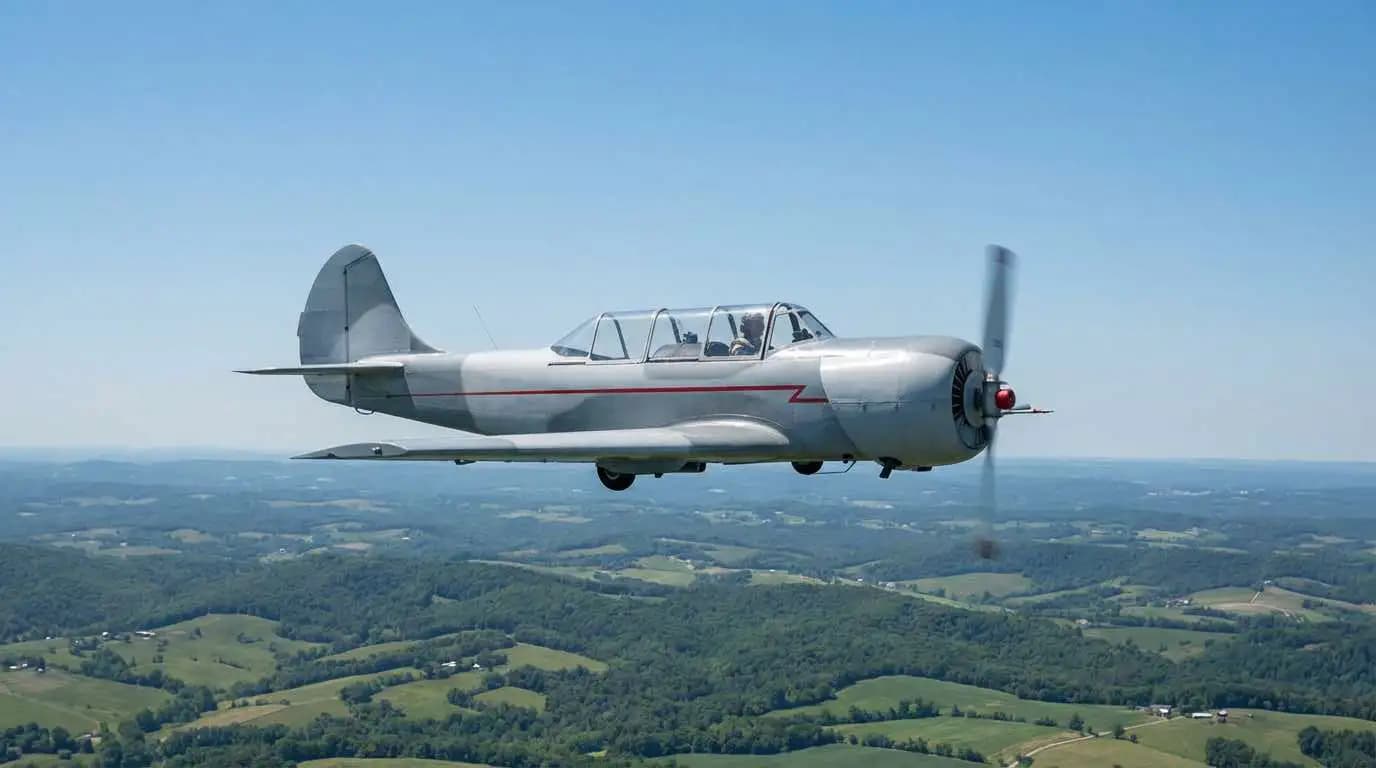
The tandem bubble canopy provides excellent visibility in all directions—a genuine advantage for aerobatic awareness and formation flying.
Maintenance, AD Compliance, and Ownership Reality
Owning a Yak 52 is rewarding, but it requires a different maintenance mindset than a standard Western piston single. Parts sourcing, type-specific expertise, and honest corrosion management are the pillars of successful Yak ownership.
Corrosion Is the Primary Structural Concern
Many Yak-52s spent years in Eastern European open storage before entering the civilian market. Corrosion in spar areas, control surfaces, belly skins, and around fasteners is the most common structural finding during pre-purchase inspections. Aircraft with documented corrosion treatment and proactive prevention programs are worth significantly more than those without.
Engine and Propeller
The M-14P requires shops with specific radial engine expertise. Oil analysis, cylinder compression trends, magneto condition, and accessory serviceability are standard inspection items. The variable-pitch propeller system adds another layer of maintenance complexity. Verify that the engine logbook tracks TBO progression clearly and that overhaul was performed by a reputable facility.
Landing Gear System
The hydraulic retractable tricycle gear is one of the Yak 52's distinctive features but also a maintenance attention point. Hydraulic seals, actuator condition, gear door alignment, and emergency extension functionality should all be verified. Gear-related squawks are among the most common findings.
AD Compliance and Registration
AD compliance requirements depend on the country of registration. Aircraft on Western registries (FAA, EASA, etc.) will have specific AD lists that must be tracked. Verify the aircraft's current compliance status and ensure all recurring items are documented. The transition from military to civilian registration should be fully traceable in the records.
Buying a Yak 52: Pre-Purchase Checklist
The Yak 52 rewards careful due diligence more than most aircraft. Type-specific knowledge is not optional\u2014it is what separates a rewarding purchase from an expensive project.
Documentation & Records
- Verify complete airframe, engine, and propeller logbooks with traceable history from military to civilian registration.
- Confirm AD compliance status for the current country of registration.
- Review the military-to-civilian transition documentation for completeness.
- Check title and lien status; verify the aircraft is free of encumbrances.
Technical Inspection Priorities
- Choose an inspector experienced with the Yak-52 and M-14P radial engine specifically.
- Corrosion inspection of spar areas, belly skins, control surfaces, and around fasteners.
- Engine cylinder condition, oil system integrity, magneto timing, and accessory serviceability.
- Landing gear hydraulic system: seals, actuators, gear doors, and emergency extension.
- Propeller condition, pitch mechanism, and governor operation.
- Canopy condition, seals, and locking mechanisms.
Deal Process & Risk Control
- Use escrow for funds handling and document exchange.
- Make the purchase conditional on inspection findings with clear deal-breaker thresholds.
- Confirm insurance availability—aerobatic coverage on a warbird type may require specialist underwriters.
- If importing internationally, budget for customs, ferry costs, and registration transfer.
Market Snapshot and Pricing Drivers
The Yak 52 market is active among warbird enthusiasts, formation flying groups, and aerobatic pilots. Current asking prices typically span $50,000 to $200,000, with condition and documentation quality as the primary differentiators.
Engine Time and Overhaul Quality
A fresh, well-documented overhaul by a reputable M-14P shop can add $30,000–$50,000 to the asking price versus a mid-time or run-out engine.
Corrosion History and Treatment
Aircraft with documented corrosion prevention programs and clean spar inspections command premiums. Unknown or untreated corrosion depresses value significantly.
Avionics Upgrades
Western avionics retrofits (GPS, transponder, ADS-B Out, modern com radios) add practical value and broaden the buyer pool.
Paint and Cosmetics
Military-style paint schemes in good condition add appeal. Cosmetics are secondary to mechanical condition but affect first impressions and marketability.
Logbook Completeness
A fully traceable history from factory through military service to civilian registration is the gold standard. Gaps reduce confidence and value.
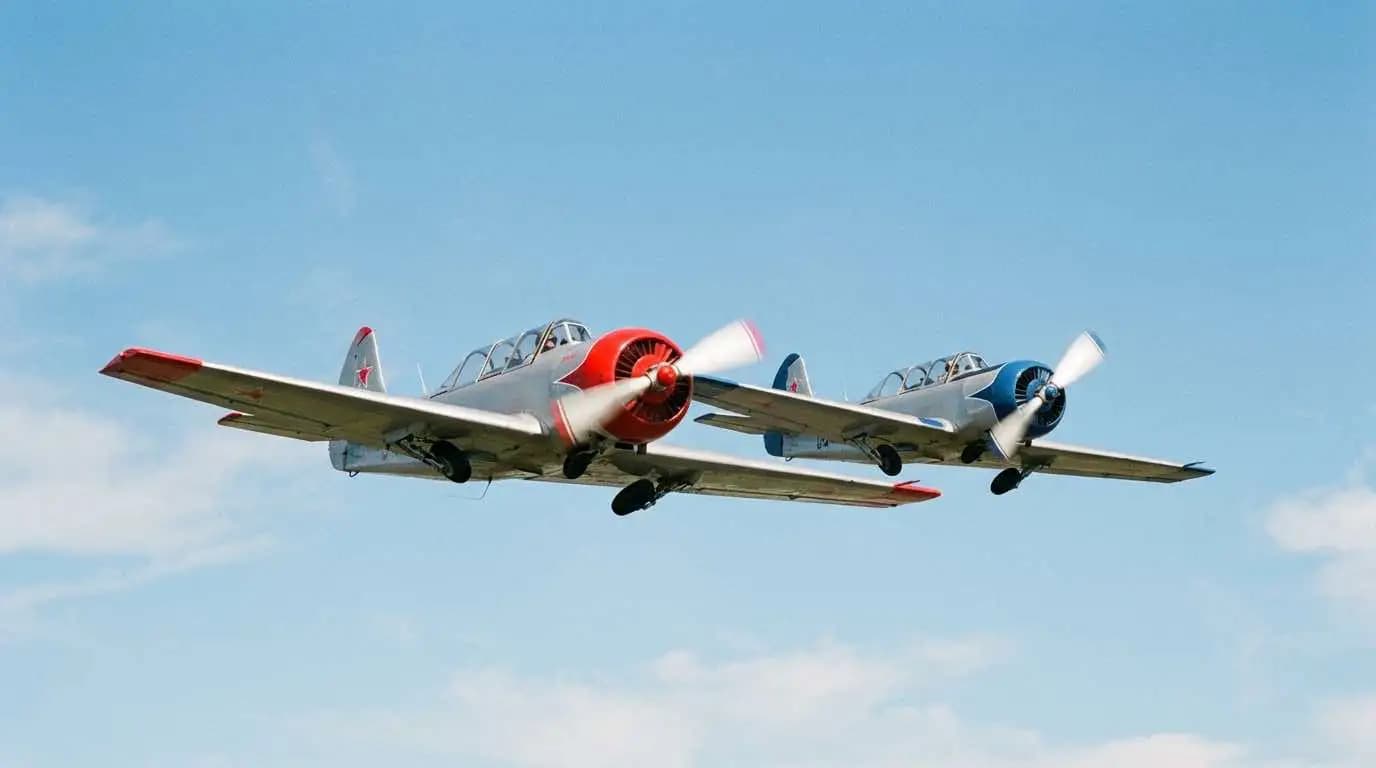
Yak 52 Key Facts
| Specification | Typical Range / Value | Why It Matters |
|---|---|---|
| Engine | Vedeneyev M-14P, 360 hp radial | Nine-cylinder radial defines the type's character and maintenance profile |
| Max Speed | ~170 KTAS (varies by configuration) | Faster than many piston singles; relevant for cross-country and formation ops |
| Cruise Speed | ~130–140 KTAS | Practical for touring and ferry flights between aerobatic sessions |
| Range | ~300 nm (standard fuel) | Short legs require fuel stop planning on longer trips |
| Fuel Burn | 18–22 GPH (100LL) | Higher than typical four-seat pistons; factor into operating budget |
| G-Limits (Aerobatic) | +7g / −5g | Genuine aerobatic capability for training and competition |
| Seating | Two seats, tandem configuration | Front and rear cockpits with dual controls; ideal for instruction |
| Landing Gear | Retractable tricycle | Hydraulic retraction system requires inspection discipline |
| Market Asking Price (Used) | $50,000–$200,000 | Driven by engine time, corrosion, avionics, and overall condition |
Explore Available Aircraft
Browse our curated aircraft auctions with verified documentation, logbook verification, and escrow-protected transactions. We currently have a Yak-52 listed.
Frequently Asked Questions About the Yak 52
Is the Yak 52 hard to fly?
The Yak 52 has honest handling characteristics and was designed as a primary military trainer, so it is fundamentally forgiving. That said, it has a radial engine with different power management demands, a retractable gear system that requires discipline, and aerobatic capability that rewards proper training. Most pilots transition comfortably with a qualified type-experienced instructor.
How much does a Yak 52 cost to buy?
Used Yak 52 prices typically range from $50,000 to $200,000 depending on total time, engine status, avionics upgrades, corrosion condition, and cosmetics. Well-maintained examples with fresh engines and modern avionics sit at the higher end; project-condition aircraft with deferred maintenance can appear much cheaper but often carry significant hidden costs.
What engine does the Yak 52 use?
The Yak 52 is powered by the Vedeneyev M-14P, a nine-cylinder air-cooled radial engine producing 360 horsepower. It runs on 100LL avgas and is known for its reliability when properly maintained. Engine TBO, parts sourcing, and overhaul shop selection are key considerations for buyers.
What are the main maintenance concerns on a Yak 52?
The primary areas to watch are corrosion (especially on aircraft with Eastern European storage history), radial engine-specific maintenance including cylinder condition and oil system health, landing gear retraction mechanism wear, and parts sourcing for airframe and engine components. A pre-purchase inspection by a shop experienced with the type is essential.
Can you fly aerobatics in a Yak 52?
Yes. The Yak 52 was designed from the outset as a military aerobatic trainer with stress limits commonly cited at +7g/−5g. It handles loops, rolls, hammerheads, spins, and basic competition figures well. Aerobatic flight requires appropriate training, parachutes, and adherence to altitude and airspace rules.
How much does it cost to operate a Yak 52 annually?
Typical annual operating costs for an active Yak 52 range from $15,000 to $35,000 depending on flight hours, hangar location, insurance, and maintenance posture. Fuel burn runs approximately 18–22 gallons per hour. Insurance for aerobatic operations may be higher than standard touring aircraft. Engine reserves should be budgeted at $20–$30 per flight hour.
Sources
Used for: type certification reference, approved configurations, and specification framework for the Yak-52 series.
Used for: general ownership cost framework and regulatory guidance for ex-military aircraft operations.
Related Resources
About the Author

Phillip Müller
CEO, CollectAirs
Long-time pilot and CEO of multiple scenic flight and aircraft sales websites. Passionate about making aircraft transactions more transparent and accessible.
Connect on LinkedIn