
 Florida
$60,000.00
Highest bid
1
Total Bids
Free to browse, register and bid.
Reach a person the way that suits you, on WhatsApp, on a call, or with a question we pass straight to the seller.
Online support 24/7
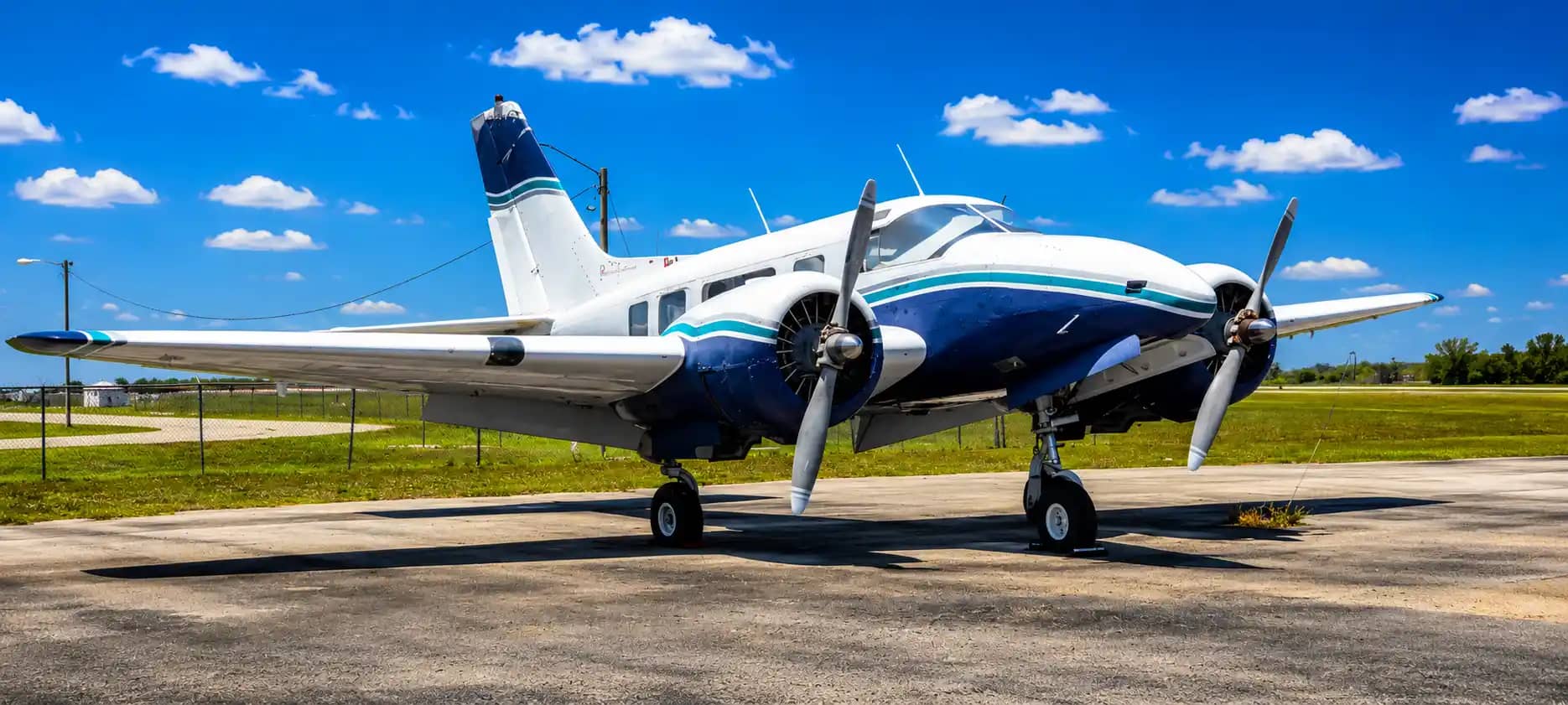
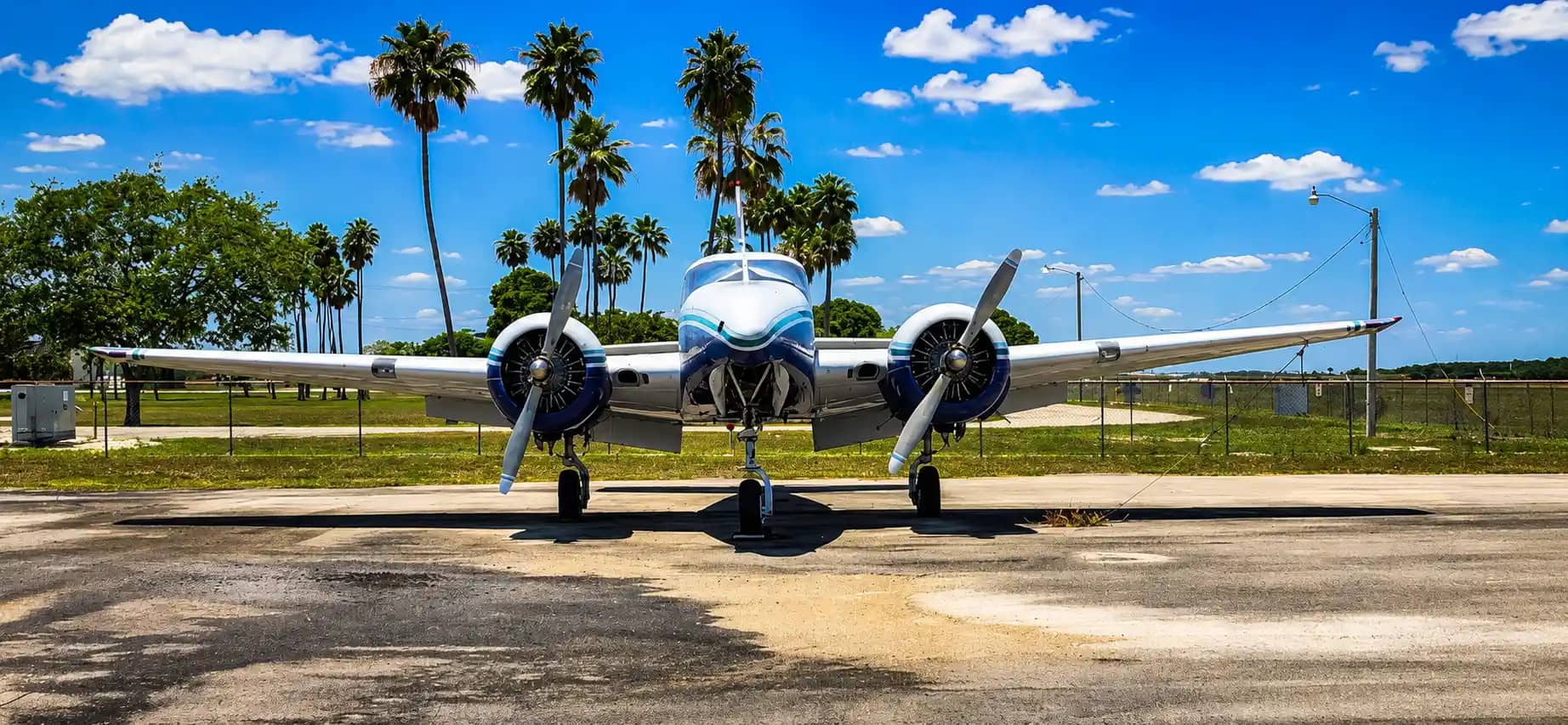
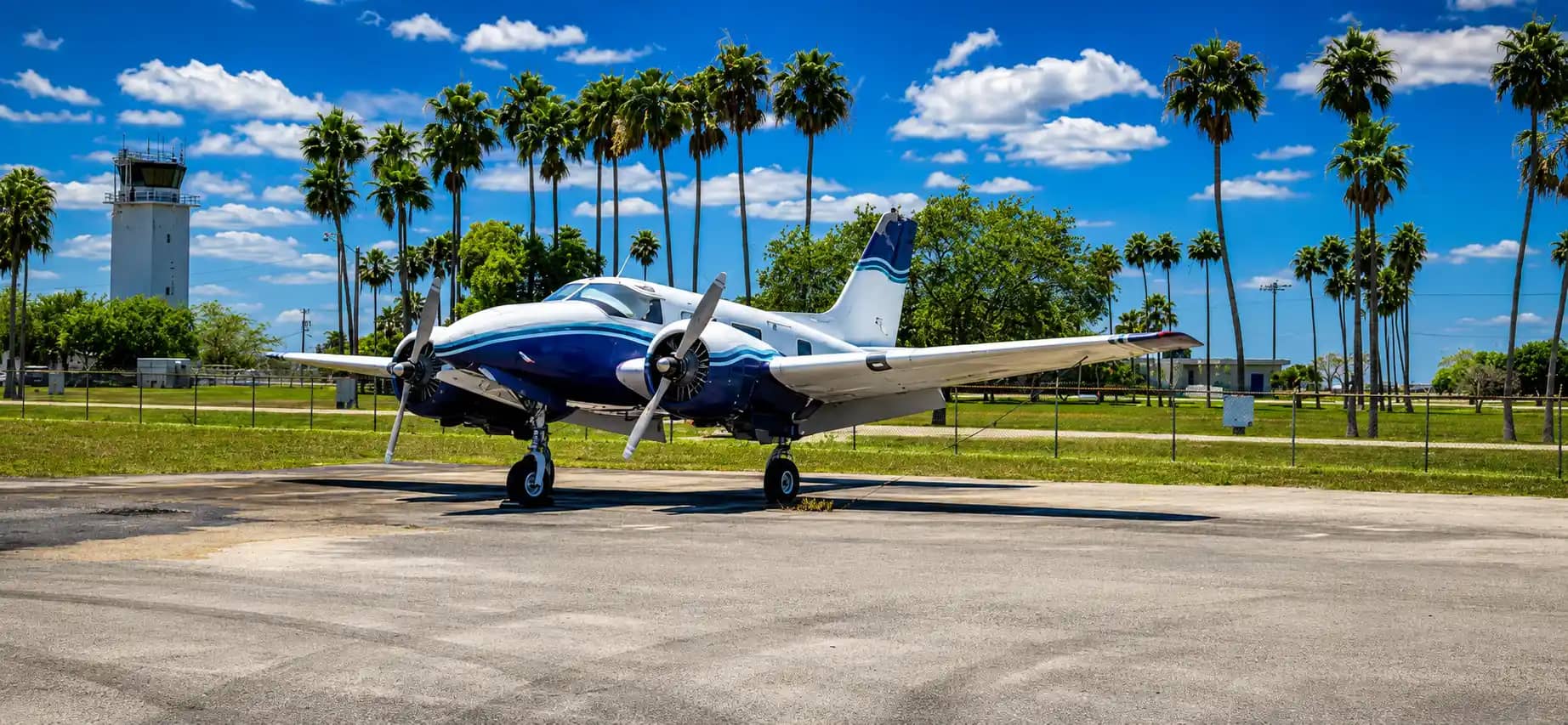
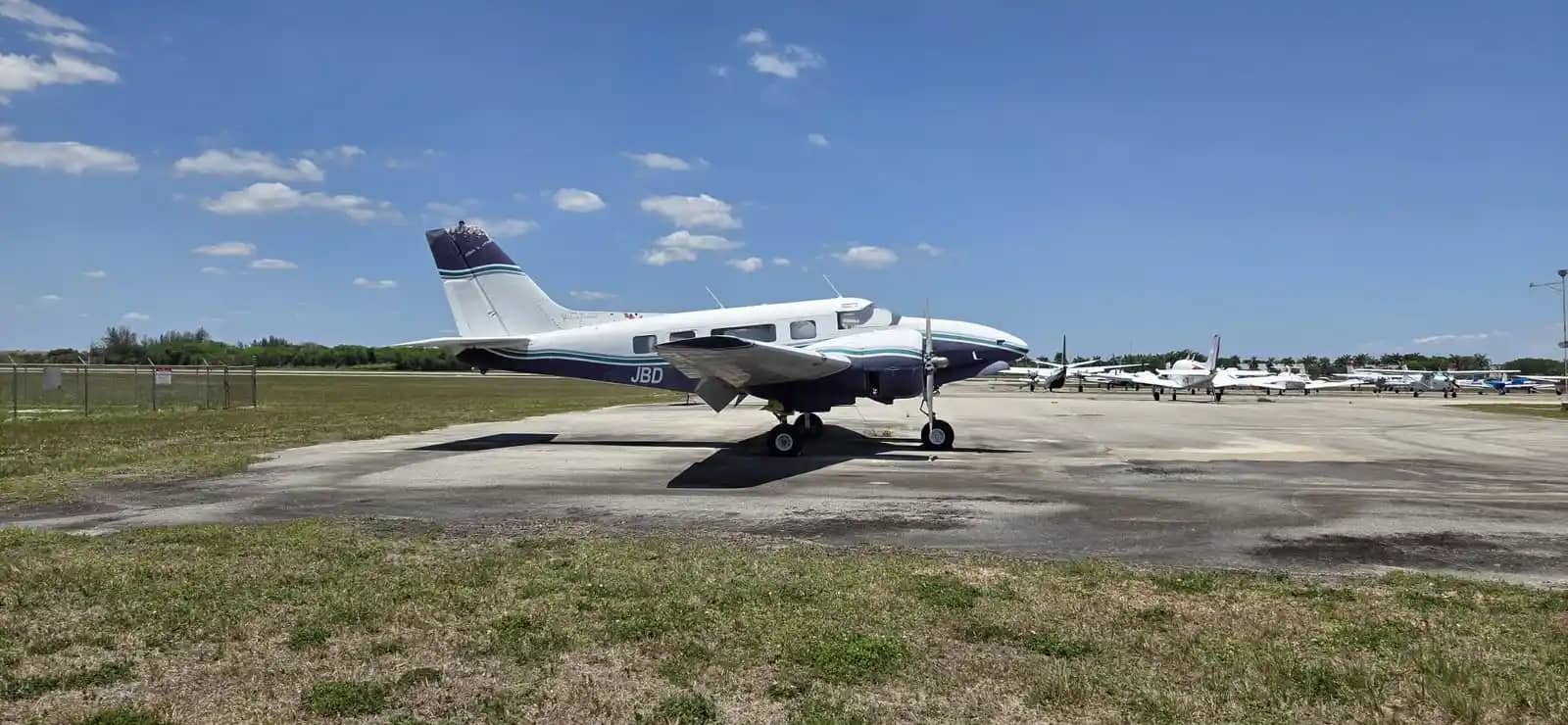
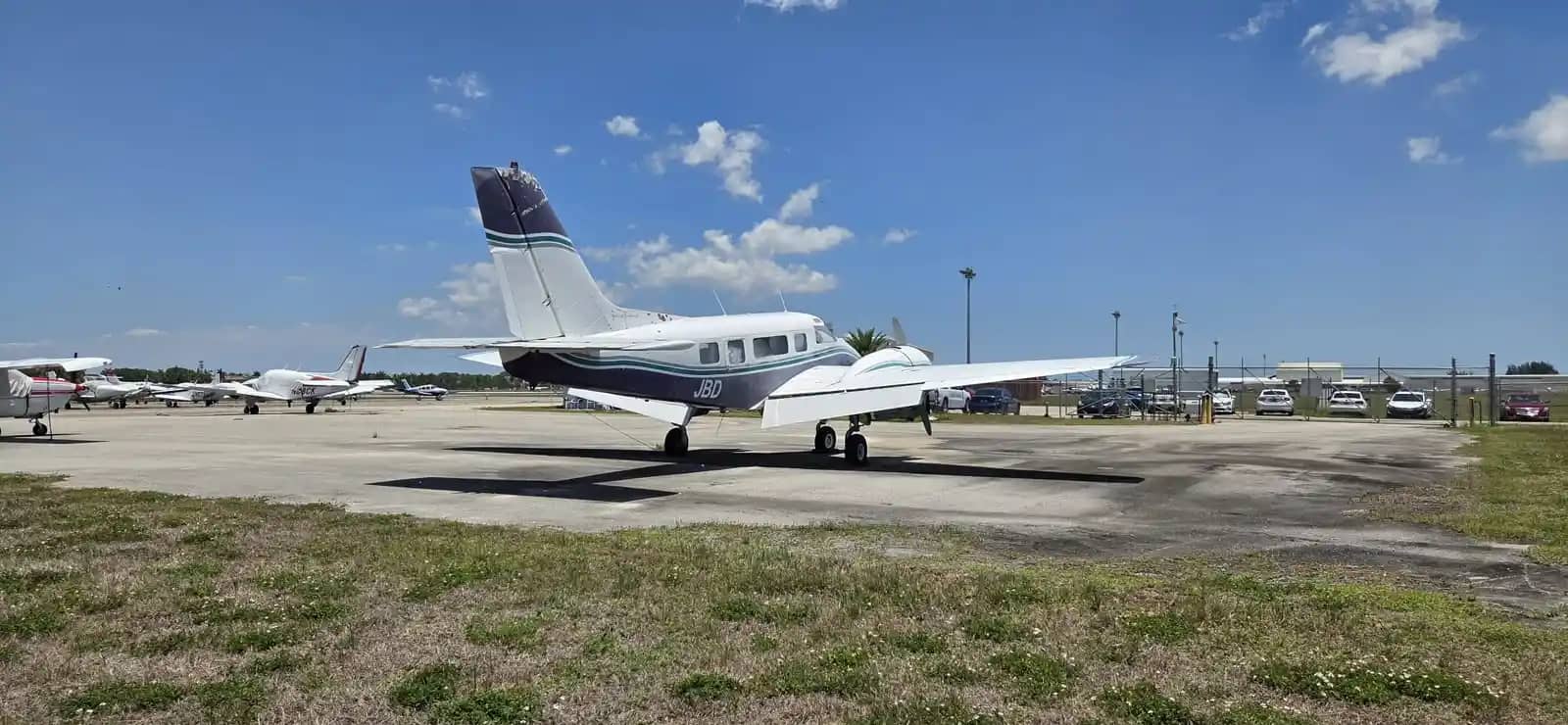
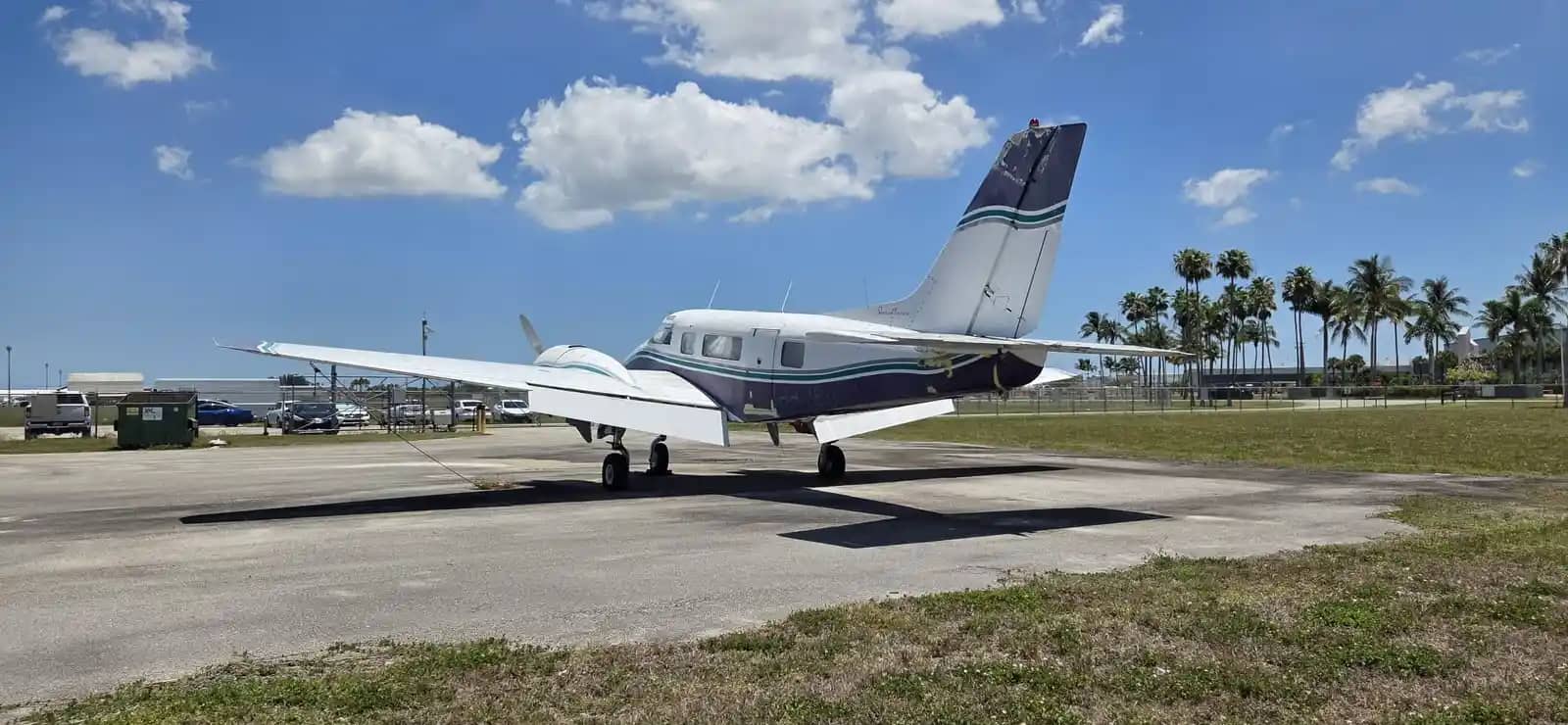
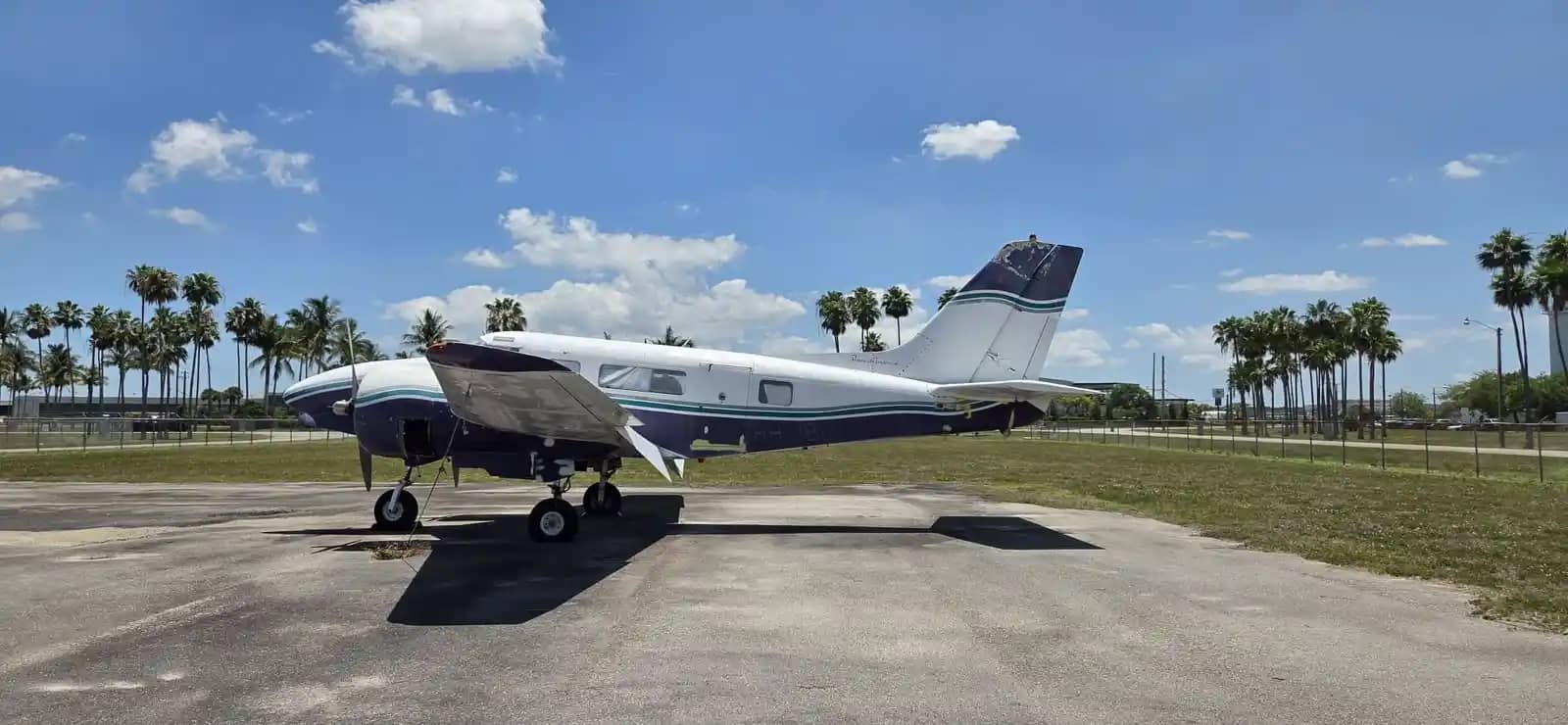
Twin tailfins, twin radials, and a cabin big enough to matter — the Beechcraft D18S looks exactly like what it was built to be: a serious, all-metal executive twin for buyers who'd outgrown single-engine airplanes. Pilots and collectors alike still know it simply as the Twin Beech.
The Beechcraft D18S belongs to the broader Beechcraft Model 18 family, an aircraft line that first flew in January 1937 and went on to become one of the longest continuously produced aircraft designs in history, with production running into the late 1960s. The D18S itself arrived in 1946 as one of the definitive postwar civilian variants, built for the corporate, feeder-airline, and light-cargo customers who needed genuine twin-engine reliability.
Quick Facts: Beechcraft D18S
Spec | Detail |
|---|---|
Aircraft | Beechcraft D18S ("Twin Beech") |
Type | Twin-engine, all-metal, low-wing cabin monoplane, taildragger |
Engines | 2x Pratt & Whitney R-985 Wasp Junior — 450 hp each (900 hp total) |
Seating | Pilot + co-pilot, up to 6–8 passengers |
Landing Gear | Retractable main gear, fixed tailwheel |
Construction | All-metal, semi-monocoque airframe |
Year | 1965 |
Where Beechcraft's prewar Staggerwing biplanes leaned on fabric-covered, steel-tube construction, the Beechcraft D18S was built as a modern, all-metal twin — a genuine leap in structural approach and reflective of where general aviation manufacturing was heading after WWII. Paired with two 450-hp radial engines, it gave postwar operators real twin-engine redundancy and load-carrying capability in a package still simple enough for a single pilot to manage.
For collectors and pilots searching for a taildragger twin with genuine post-war corporate-aviation pedigree, the Beechcraft D18S remains one of the most recognizable classic aircraft in general aviation history — an all-metal design whose twin-tail silhouette is instantly identifiable on any ramp.
The Beechcraft D18S earned its reputation the honest way: two proven radial engines, straightforward systems, and enough structure to keep working long after lighter contemporaries had been retired.
Engines: Two Pratt & Whitney R-985 Wasp Junior radials, 450 hp each for 900 hp combined
Max speed: approx. 230 mph
Cruise speed: approx. 200 mph
Range: approx. 900–1,200 miles, depending on fuel and payload
Landing gear: Retractable main gear tucking into the engine nacelles, with a fixed tailwheel
Seating: Pilot + co-pilot, with cabin capacity for 6–8 passengers depending on interior configuration
Feature | Beechcraft D18S | Cessna T-50 Bobcat (contemporary-era twin)* |
|---|---|---|
Construction | All-metal, semi-monocoque | Wood-and-fabric wings over a steel-tube/plywood fuselage |
Engine power | 2 x 450 hp (900 hp total) | 2 x 245 hp (approx. 490 hp total) |
Cruise speed | approx. 200 mph | approx. 175 mph |
Landing gear | Retractable | Retractable |
Primary role | Corporate/executive and light-cargo transport | Multi-engine military trainer |
*Representative of a similarly sized contemporary twin; figures vary by specific model and engine fit.
Honest ownership note: As with any post-war twin-radial classic, prospective Beechcraft D18S owners should plan around dual radial-engine maintenance, and factor in the benefits of the type's strong, long-established type-club and parts-support network. A thorough pre-purchase inspection by a mechanic experienced with Twin Beech airframes is essential before any acquisition.
Few aircraft from the era wear their purposeful, businesslike confidence quite like the Beechcraft D18S. It doesn't need a fancy paint scheme to look serious — the twin tailfins and twin radial nacelles do that on their own.
Exterior highlights:
All-metal, riveted aluminum airframe — a clean break from tube-and-fabric construction
Distinctive twin vertical tailfins, one of the most recognizable silhouettes in classic aircraft history
Twin radial engine nacelles housing the Wasp Junior powerplants
Retractable main gear paired with a fixed tailwheel, in genuine taildragger fashion
A airframe robust enough that many examples remained in commercial and corporate service for decades
Cockpit highlights:
Side-by-side dual controls for pilot and co-pilot
Cabin capacity for 6–8 passengers, generous by the standards of prewar and early postwar general aviation twins
Analog, period-correct instrumentation reflecting its 1940s design roots
Control feel that reflects genuine transport-category heritage rather than a scaled-up trainer
A cabin substantial enough that many Beechcraft D18S airframes went on to serve corporate flight departments and feeder airlines for years after delivery
Step up into a well-kept Beechcraft D18S and it's obvious why so many stayed in active commercial and corporate service long after "modern" replacements arrived.
The Beechcraft D18S suits a buyer who wants genuine twin-engine, taildragger history — not a modern light twin with a vintage paint job.
Multi-engine-rated pilots with taildragger experience, or a solid plan to gain it
Vintage and warbird-adjacent collectors drawn to one of the longest-produced aircraft designs in aviation history
Corporate and business-aviation history enthusiasts interested in the postwar twin that helped define executive flying
Fly-in and airshow participants who want an unmistakable twin-tailed classic aircraft on the ramp
Owners planning static display or museum-quality restoration, given the type's strong documentation and parts community
Good fit if… | Worth a second thought if… |
|---|---|
You hold a multi-engine rating and taildragger experience (or a clear transition plan) | You're a single-engine-only pilot with no multi-engine time |
You want genuine post-war twin-engine, general aviation history | You need a simple, low-maintenance daily flyer |
You value cabin capacity and corporate-transport pedigree | You're not prepared to budget for dual radial-engine upkeep |
You're buying into a well-supported, long-lived type-club community | You want the lowest possible acquisition and running cost |
Few twins carry as much genuine classic aircraft history in one airframe as a well-sorted Beechcraft D18S — a design that outlasted most of its rivals for a very good reason.
Full description, specifications and every photograph. Prices and closing times are a snapshot, check this page before you bid.
Common questions about bidding on CollectAirs. Learn how auctions work or visit our About page.
Create a free CollectAirs account, complete your profile, and click Place Bid while the auction is live. You can review bid history and confirm your amount before submitting.
A reserve is the minimum price the seller will accept. If bidding does not reach the reserve before the auction ends, the aircraft is not sold.
A Pre-Buy Inspection is an independent expert review of the aircraft before you commit. It helps verify condition and documentation so you can bid with more confidence.
Yes. CollectAirs supports buyer diligence through verified documentation and Pre-Buy Inspection options. Contact details and next steps are available on our About page.
CollectAirs stays with you through inspection, payment and transfer of title. For everything after, a vetted specialist.
Every provider is an independent, certified company, we make the introduction and stay involved until the aircraft is home. Terms and pricing are agreed directly with the provider you choose.
List it for free and reach qualified buyers worldwide.
Florida$60,000.00
Highest bid
1
Total Bids
Free to browse, register and bid.
Reach a person the way that suits you, on WhatsApp, on a call, or with a question we pass straight to the seller.
Online support 24/7
Seller Q&A
Ask the seller anything
Get answers before you bid
No questions yet
Be the first to ask the seller a question!