


 Carcedo de Bureba
Coming soon, not yet consigned
Own a Cessna too? List it free, you only pay when it sells.
Free to browse, register and bid.
Reach a person the way that suits you, on WhatsApp, on a call, or with a question we pass straight to the seller.
Online support 24/7
Long before the Cessna 172 became the best-selling airplane in history, there was the Cessna Airmaster — a strut-braced, high-wing cabin monoplane that quietly out-flew and out-efficiencied nearly everything else in the sky during the mid-1930s. It's an easy aircraft to overlook today, and an entirely unfair one to.
Cessna Aircraft Company was fighting for its survival when the Cessna Airmaster arrived. The original Cessna company had folded during the early Depression, and it was young engineer Dwane Wallace — later the company's longtime president — who helped refine the Airmaster line into one of the most efficient light aircraft of its era. The result was a genuine business success story built on a genuinely well-engineered airplane.
Quick Facts: Cessna Airmaster
Spec | Detail |
|---|---|
Aircraft | Cessna Airmaster C-165 |
Type | Single-engine, high-wing cabin monoplane, taildragger |
Engine | Warner Scarab 165 hp |
Cruise Speed | approx. 140 mph |
Seating | Pilot + 3 passengers (4 total) |
Landing Gear | Fixed conventional (tailwheel) gear |
Airframe | Welded steel-tube fuselage, wood-and-fabric wings |
Efficiency, mostly. The Cessna Airmaster C-165 was engineered to do more with less horsepower than most of its contemporaries, and it proved it by repeatedly winning efficiency-focused air competitions against larger, more powerful rivals. For a company trying to survive the Great Depression, an airplane that could out-perform bigger, thirstier competitors on a fraction of the fuel was exactly the reputation Cessna needed.
For collectors and pilots searching for a taildragger with genuine Depression-era engineering pedigree, the Cessna Airmaster remains one of the most historically important classic aircraft in general aviation — a tube-and-fabric design whose efficiency-first philosophy quietly shaped the single-engine Cessnas that followed it for decades.
The Cessna Airmaster C-165 was built around getting genuine performance out of a modest, reliable radial engine — a philosophy that still resonates with pilots today.
Engine: 165 hp
Cruise speed: approx. 140 mph
Construction: Welded steel-tube fuselage covered in fabric, with wood-structured, fabric-covered wings — classic tube-and-fabric golden-age engineering
Wing configuration: Strut-braced high wing, favoring visibility and short-field manners over outright cabin size
Landing gear: Fixed conventional (tailwheel) gear, often fitted with streamlined wheel pants
Seating capacity: Pilot plus three passengers
Feature | Cessna Airmaster | Typical Contemporary High-Wing Cabin Monoplane* |
|---|---|---|
Engine power | 165 hp | 225–290 hp, depending on model |
Efficiency reputation | Multiple national efficiency trophy wins | Generally not marketed on efficiency |
Market focus | Economical, efficient touring aircraft | Larger executive/cabin transport |
Cruise speed | approx. 140 mph on modest horsepower | Often similar or only modestly faster, despite far more power |
*Representative of period rivals such as the Stinson Reliant series; specific figures vary by model and engine fitted.
Honest ownership note: As with any surviving golden age radial-engine airframe, prospective owners of a Cessna Airmaster should budget for the realities of vintage radial maintenance and expect parts sourcing to lean on the type-club and warbird restoration community. A pre-purchase inspection from a mechanic experienced with Warner Scarab-powered aircraft is strongly recommended before any acquisition.
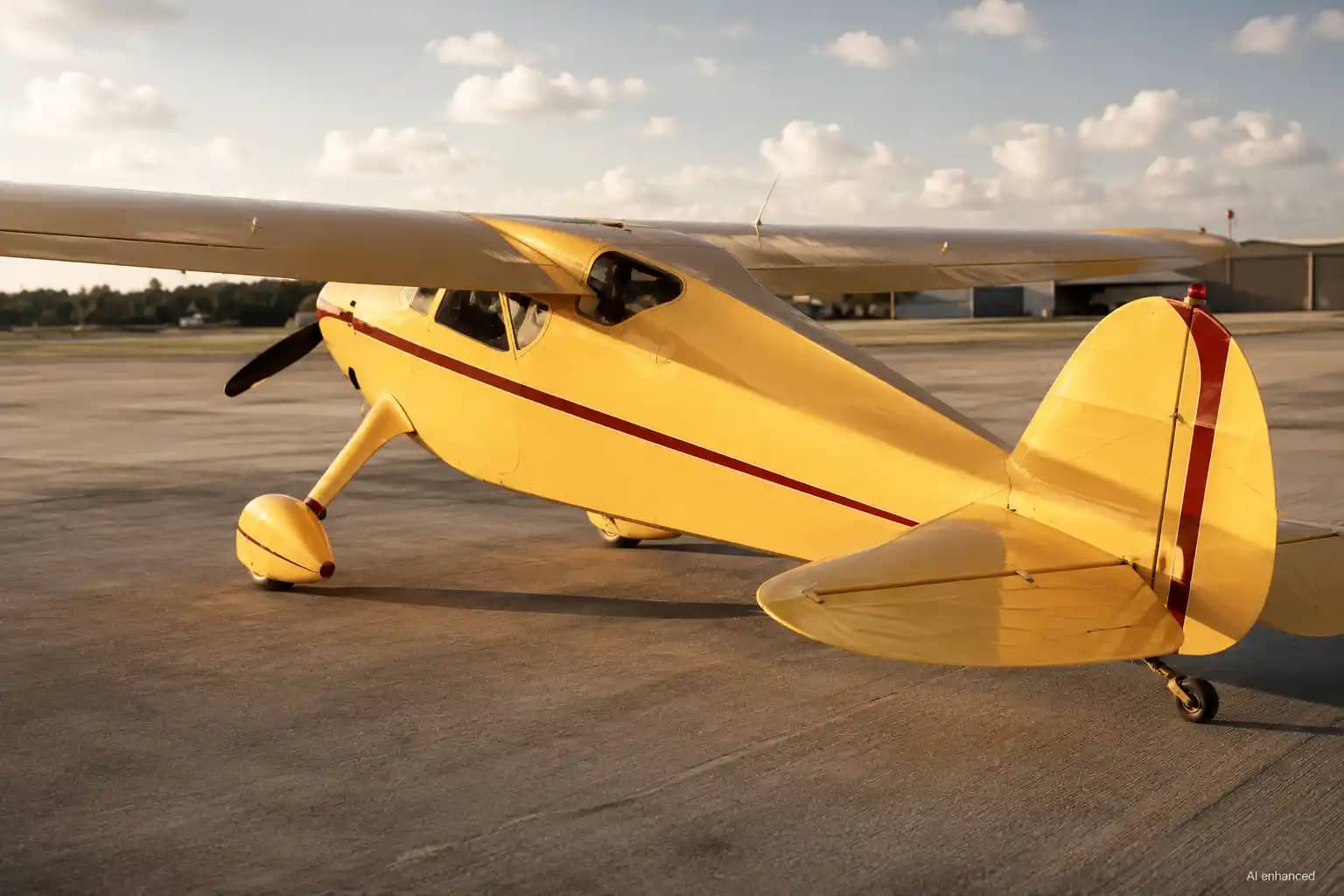
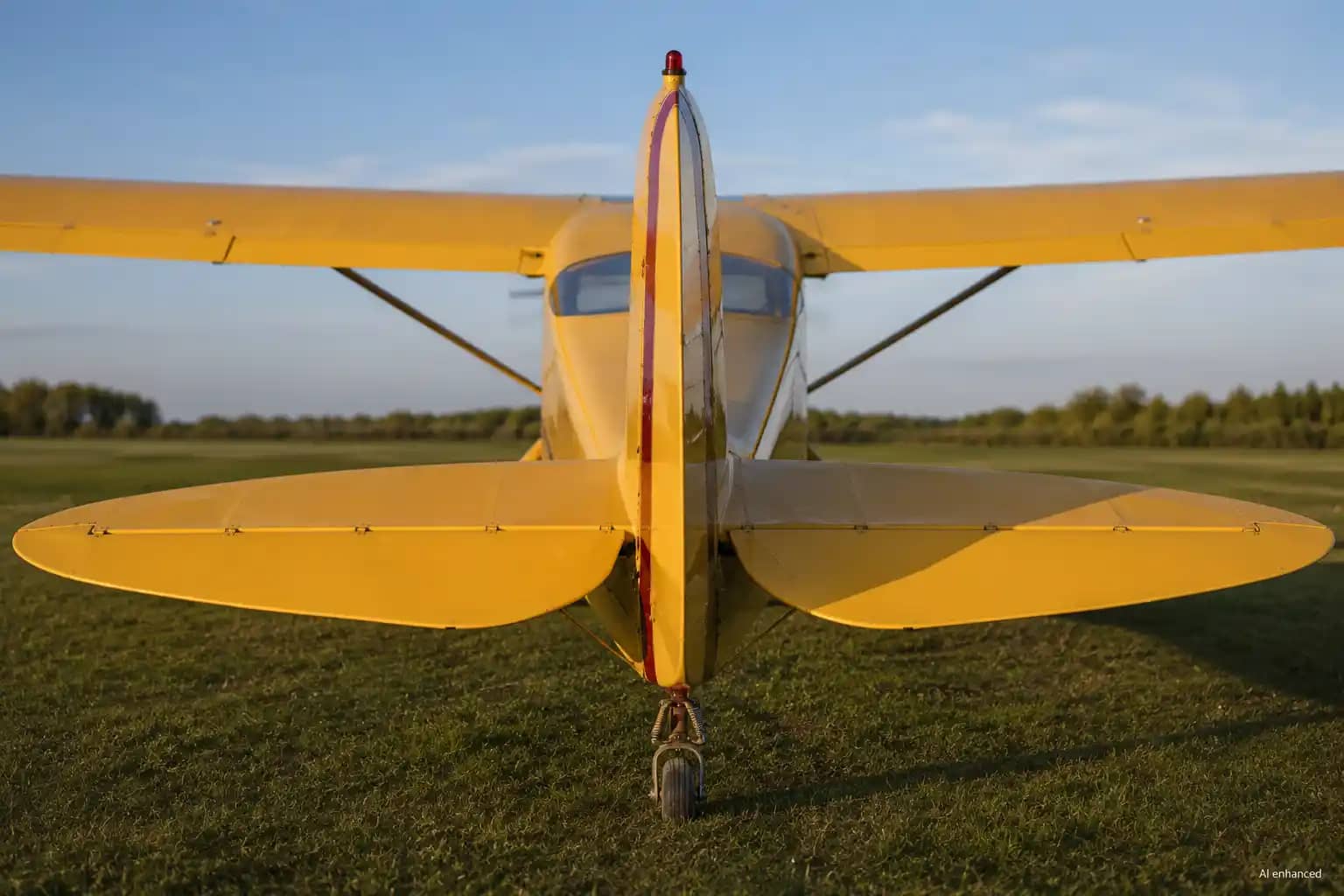
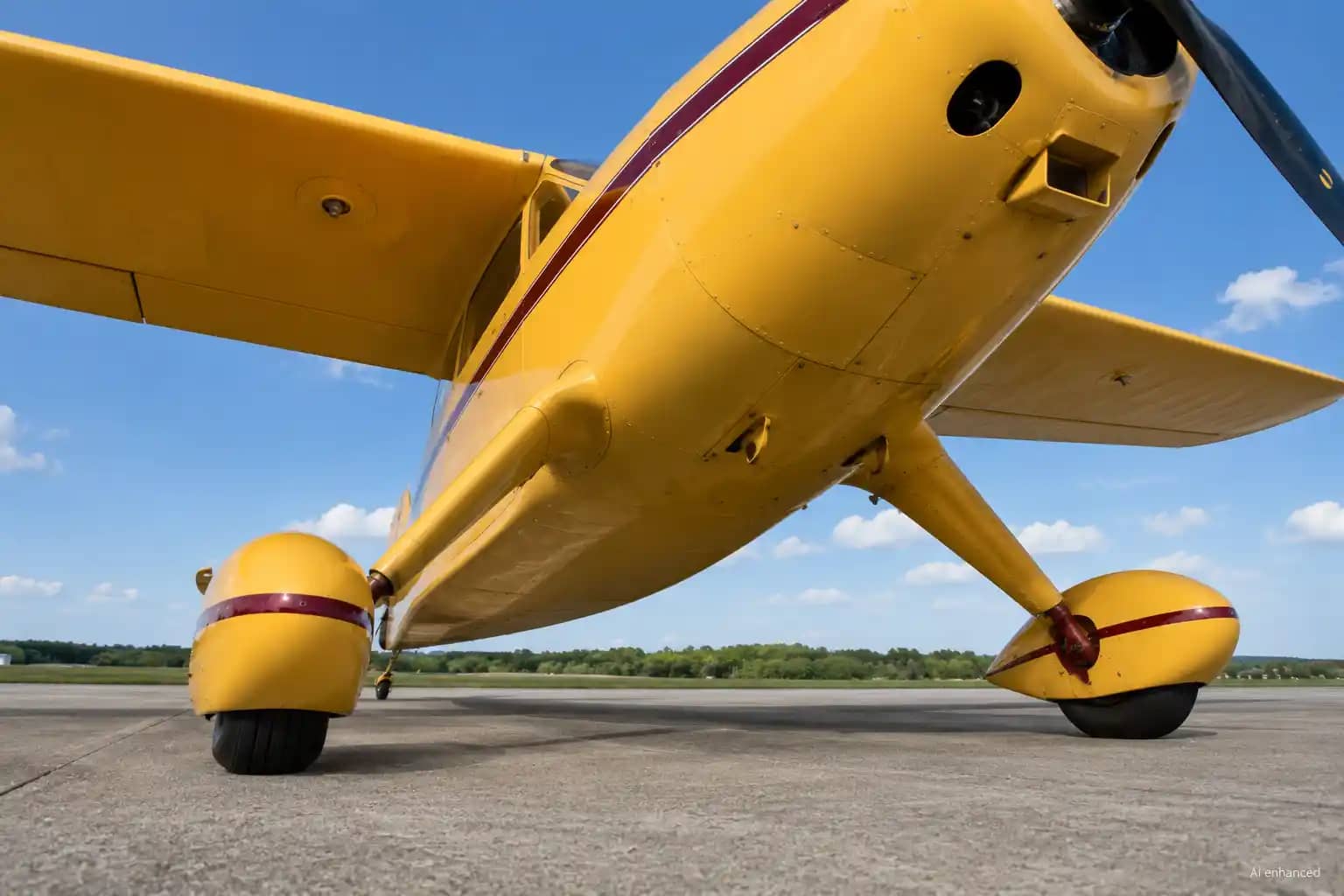
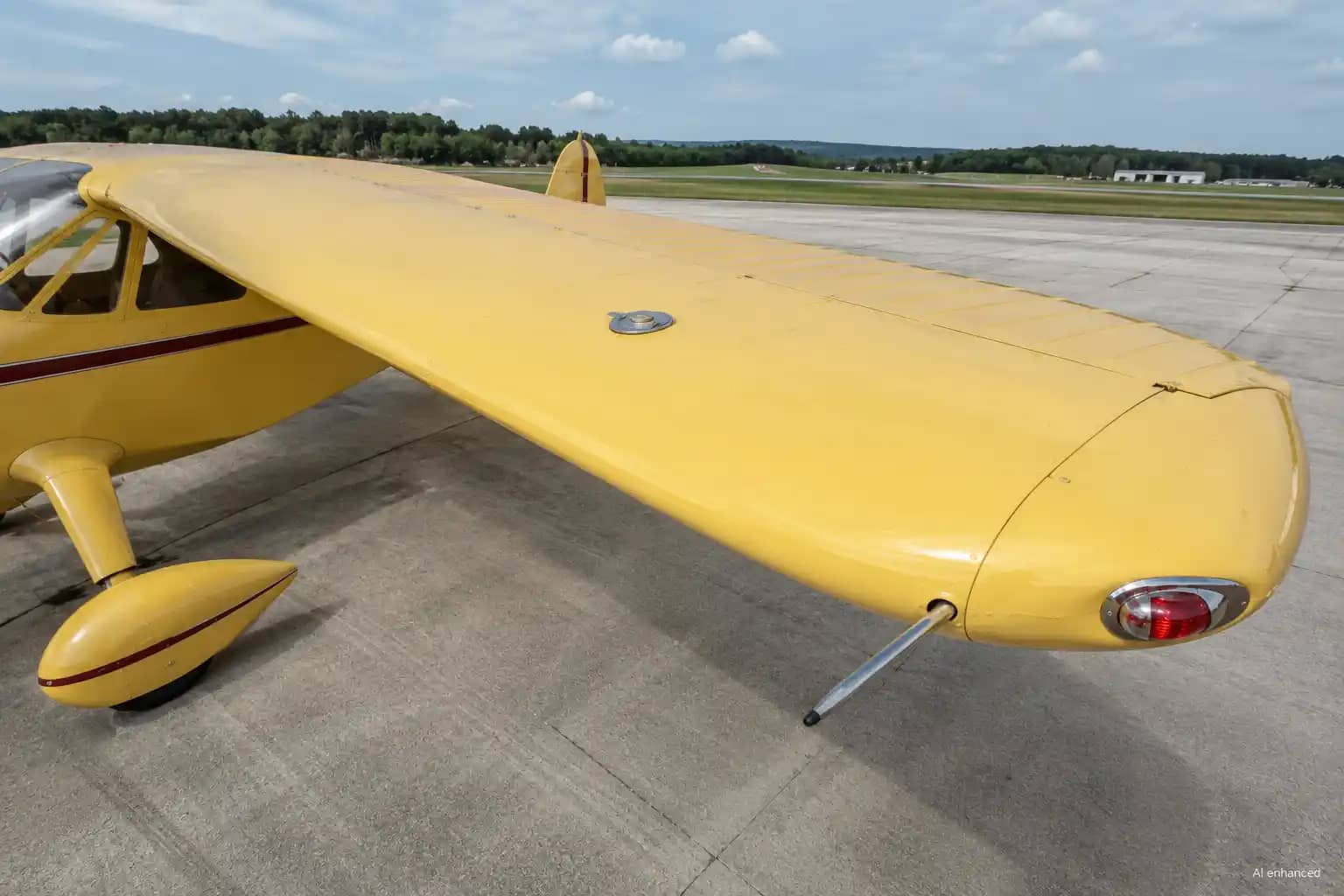
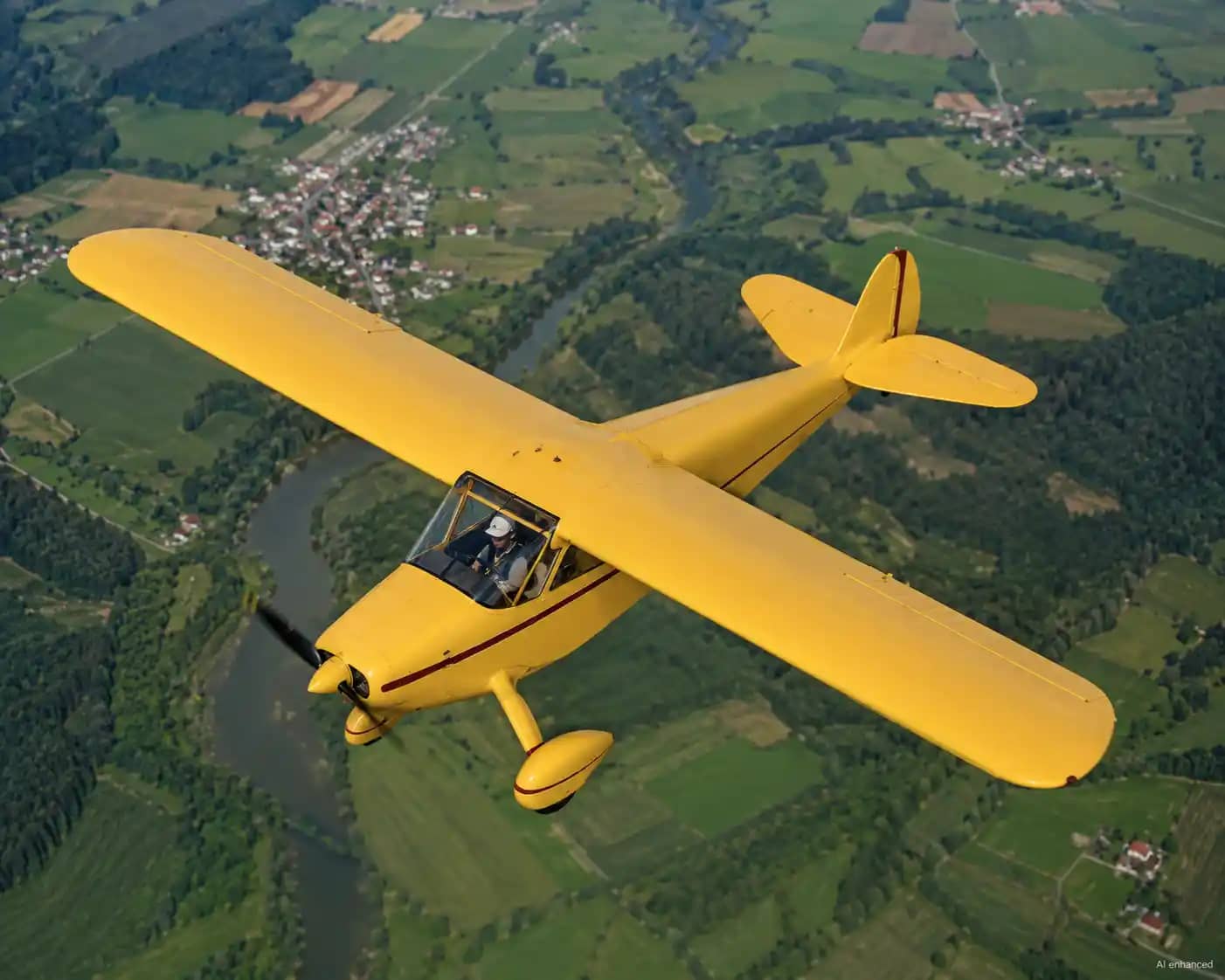
The Cessna C-165 Airmaster has a look that's unmistakably 1930s — trim, purposeful, and just a little bit rakish for an airplane built to survive the Depression on fuel efficiency alone.
Exterior highlights:
Strut-braced high-wing monoplane silhouette, distinct from the biplanes that dominated the same era
Fabric-covered fuselage and wings over a steel-tube and wood structure — genuine tube-and-fabric construction
Streamlined wheel pants over the fixed taildragger gear, a signature styling touch of the line
Clean, tightly cowled Warner radial engine installation
Period-correct two-tone paint schemes typical of classic aircraft from the golden age of general aviation
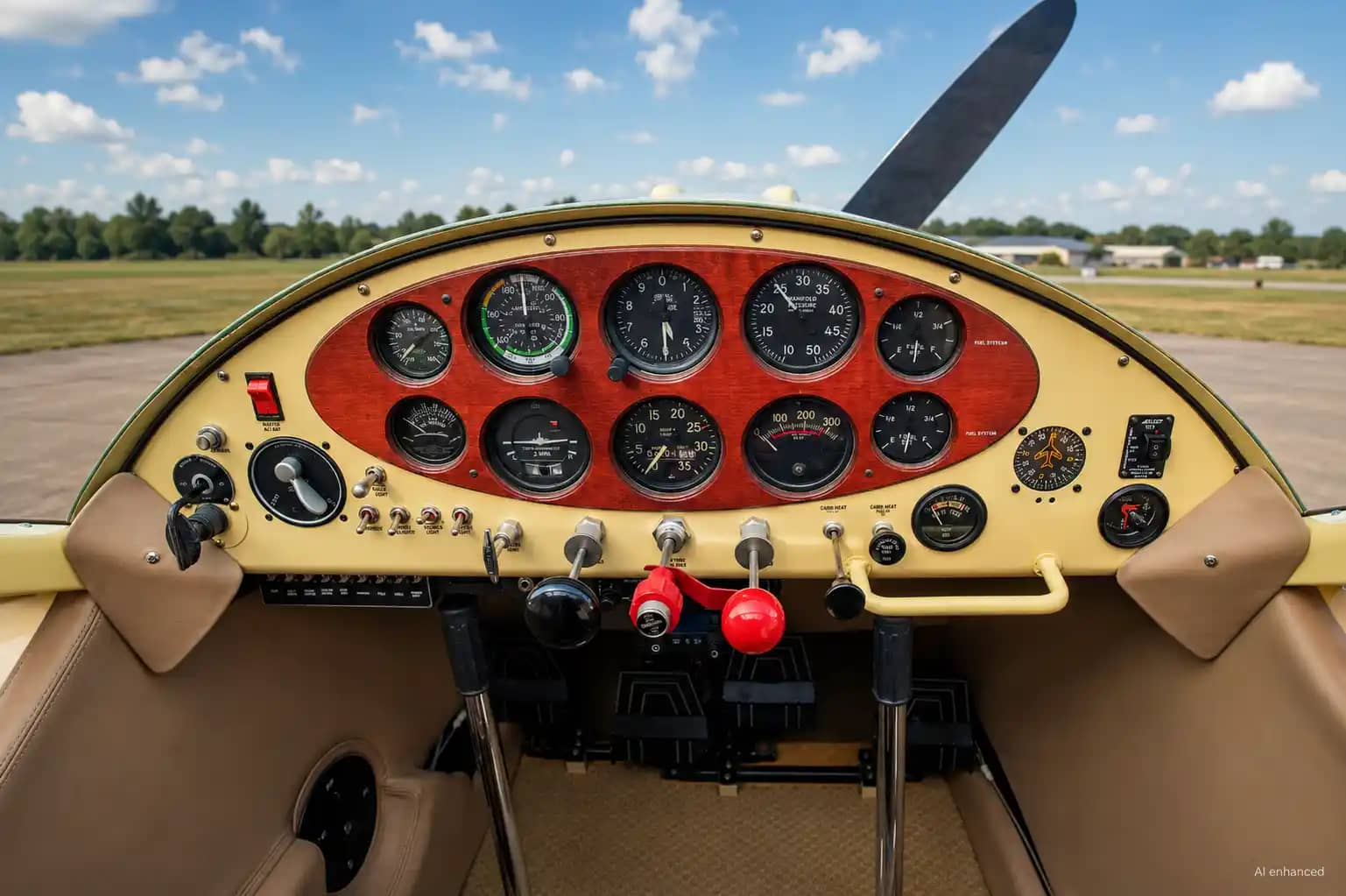
Cockpit highlights:
Four-seat cabin — pilot plus three passengers — laid out for genuine cross-country touring rather than pure training duty
Dual controls suited to the airplane's role as both a personal and a light-business transport
Analog, period-style instrumentation reflecting mid-1930s cabin-aircraft design
A cabin that trades size for efficiency and honest, functional simplicity — exactly what made it a survivor of its era
Stand next to a well-kept Cessna Airmaster and it's easy to see why it won so many efficiency contests: nothing about the airframe looks wasted.
The Cessna Airmaster C-165 rewards buyers who care as much about engineering history as they do about flying character — this is a classic aircraft built around doing more with less, not around raw horsepower.
Experienced taildragger pilots comfortable with fixed conventional gear and vintage radial-engine operation
Vintage and Depression-era aircraft collectors drawn to a genuinely significant chapter of Cessna's company history
Efficiency- and economy-minded enthusiasts who appreciate an airplane engineered to outperform bigger, thirstier rivals
Fly-in and airshow participants looking for a distinctive, lesser-seen general aviation classic
Aviation history buffs interested in the aircraft that helped keep Cessna Aircraft Company in business through the Great Depression
Good fit if… | Worth a second thought if… |
|---|---|
You appreciate efficiency-focused, Depression-era engineering | You want maximum cabin size or four-seat load capacity |
You have taildragger and radial-engine experience (or a solid transition plan) | You're a low-time pilot with no tailwheel time |
You value a rare, historically significant classic aircraft | You need a simple, low-maintenance daily flyer |
You're buying for the long-term collector and type-club community | You want the lowest possible acquisition and running cost |
For the right owner, a Cessna Airmaster C-165 isn't just a well-preserved antique — it's a working reminder of the engineering discipline that helped one of general aviation's biggest names survive its hardest years.
Full description, specifications and every photograph. Prices and closing times are a snapshot, check this page before you bid.
Common questions about bidding on CollectAirs. Learn how auctions work or visit our About page.
Create a free CollectAirs account, complete your profile, and click Place Bid while the auction is live. You can review bid history and confirm your amount before submitting.
A reserve is the minimum price the seller will accept. If bidding does not reach the reserve before the auction ends, the aircraft is not sold.
A Pre-Buy Inspection is an independent expert review of the aircraft before you commit. It helps verify condition and documentation so you can bid with more confidence.
Yes. CollectAirs supports buyer diligence through verified documentation and Pre-Buy Inspection options. Contact details and next steps are available on our About page.
CollectAirs stays with you through inspection, payment and transfer of title. For everything after, a vetted specialist.
Every provider is an independent, certified company, we make the introduction and stay involved until the aircraft is home. Terms and pricing are agreed directly with the provider you choose.
List it for free and reach qualified buyers worldwide.
Carcedo de BurebaComing soon, not yet consigned
Own a Cessna too? List it free, you only pay when it sells.
Free to browse, register and bid.
Reach a person the way that suits you, on WhatsApp, on a call, or with a question we pass straight to the seller.
Online support 24/7
Seller Q&A
Ask the seller anything
Get answers before you bid
No questions yet
Be the first to ask the seller a question!