
 Minnewaukan
Coming soon, not yet consigned
Own a McDonnell too? List it free, you only pay when it sells.
An independent inspector checks it for you. Quote first, nothing booked until you approve.

Fatima
Here for this aircraft
OnlineThinking of bidding? I'm here to help
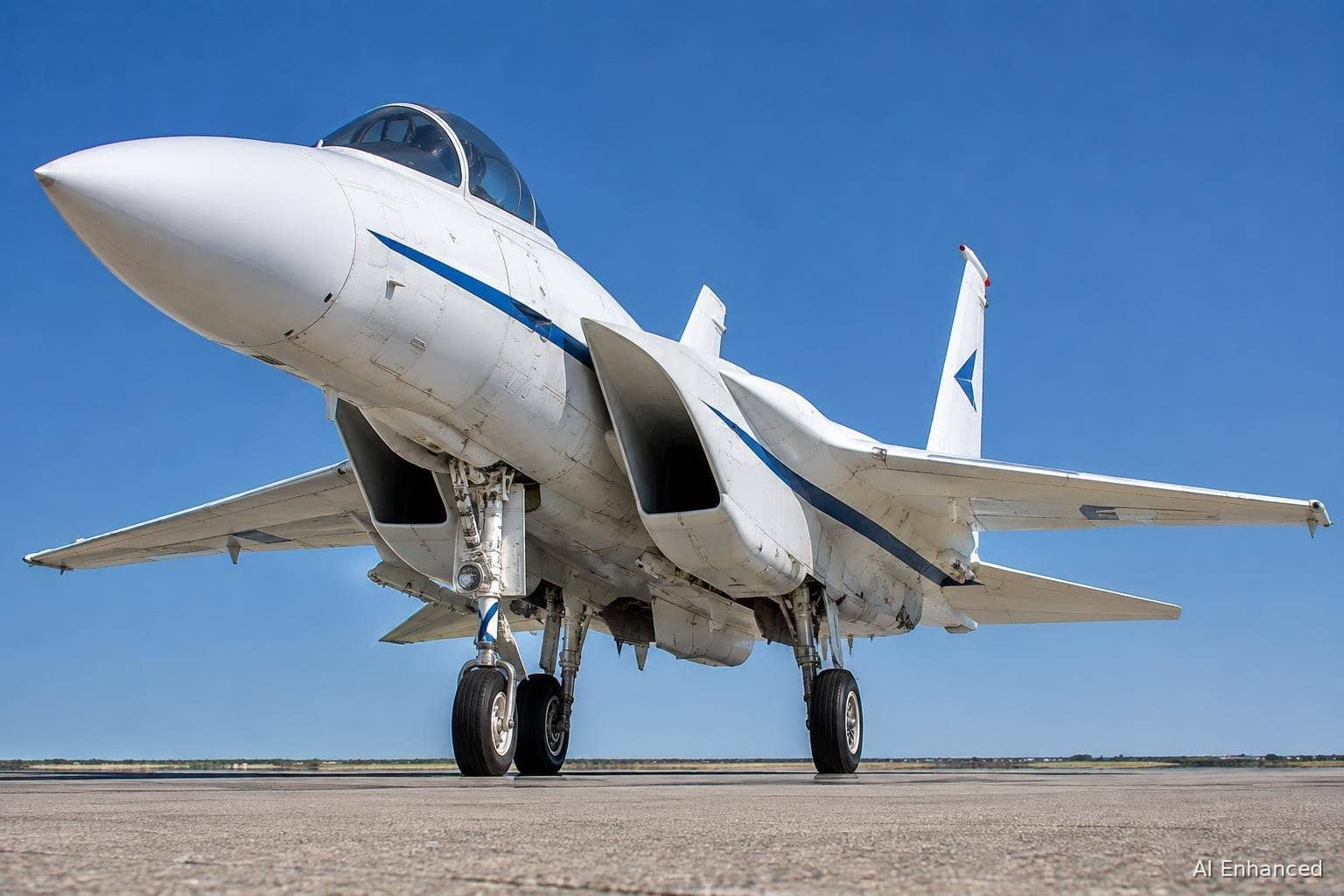
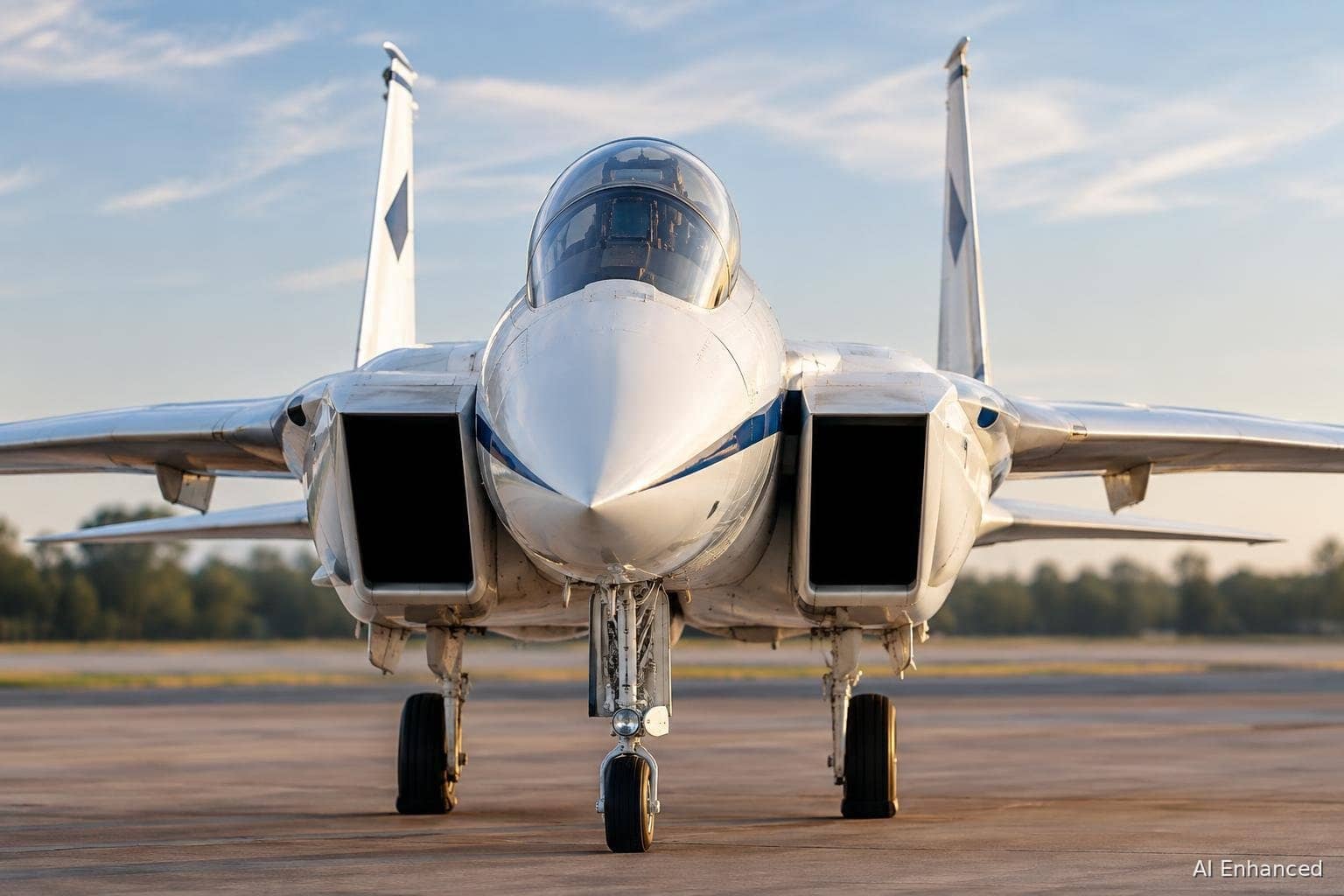
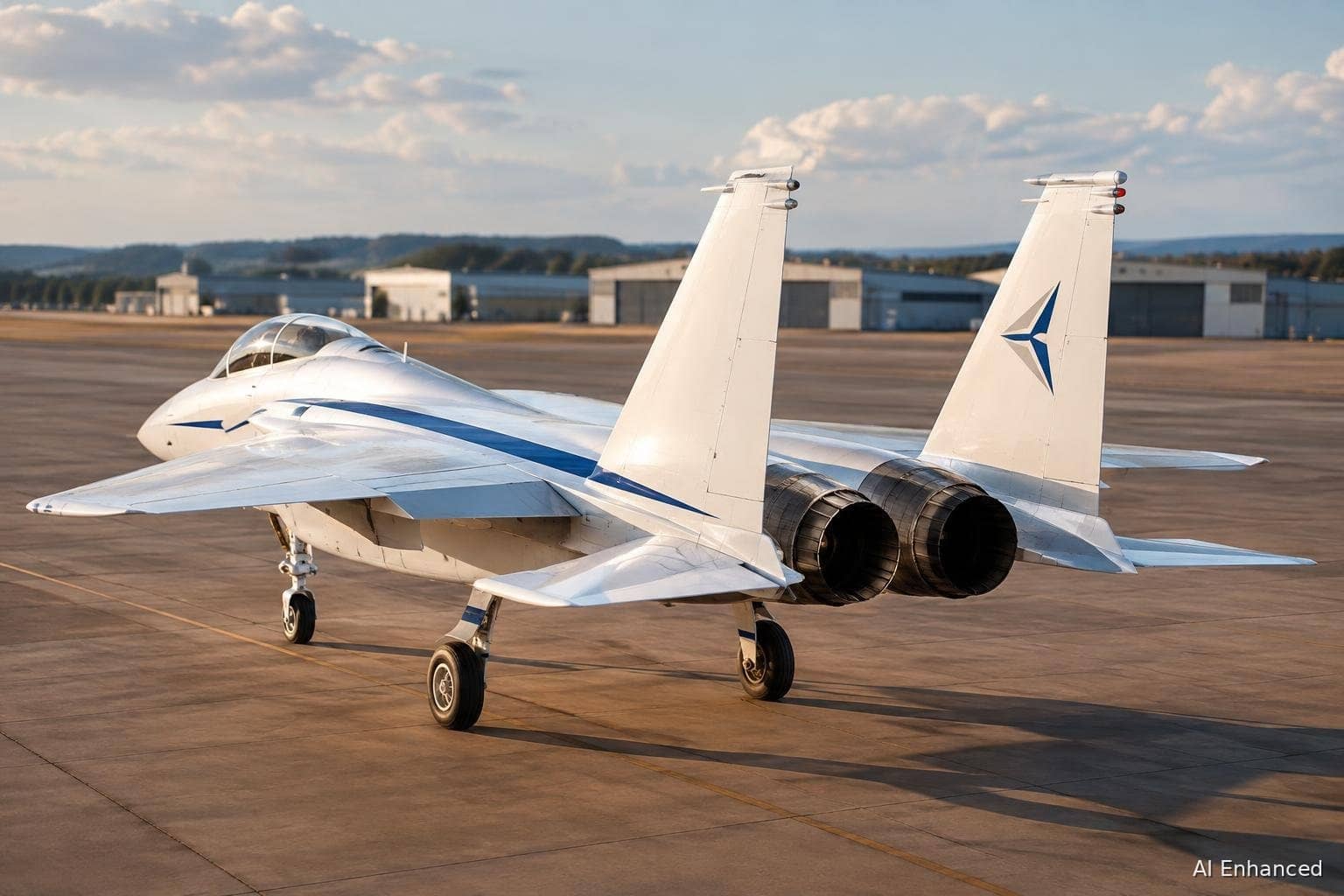
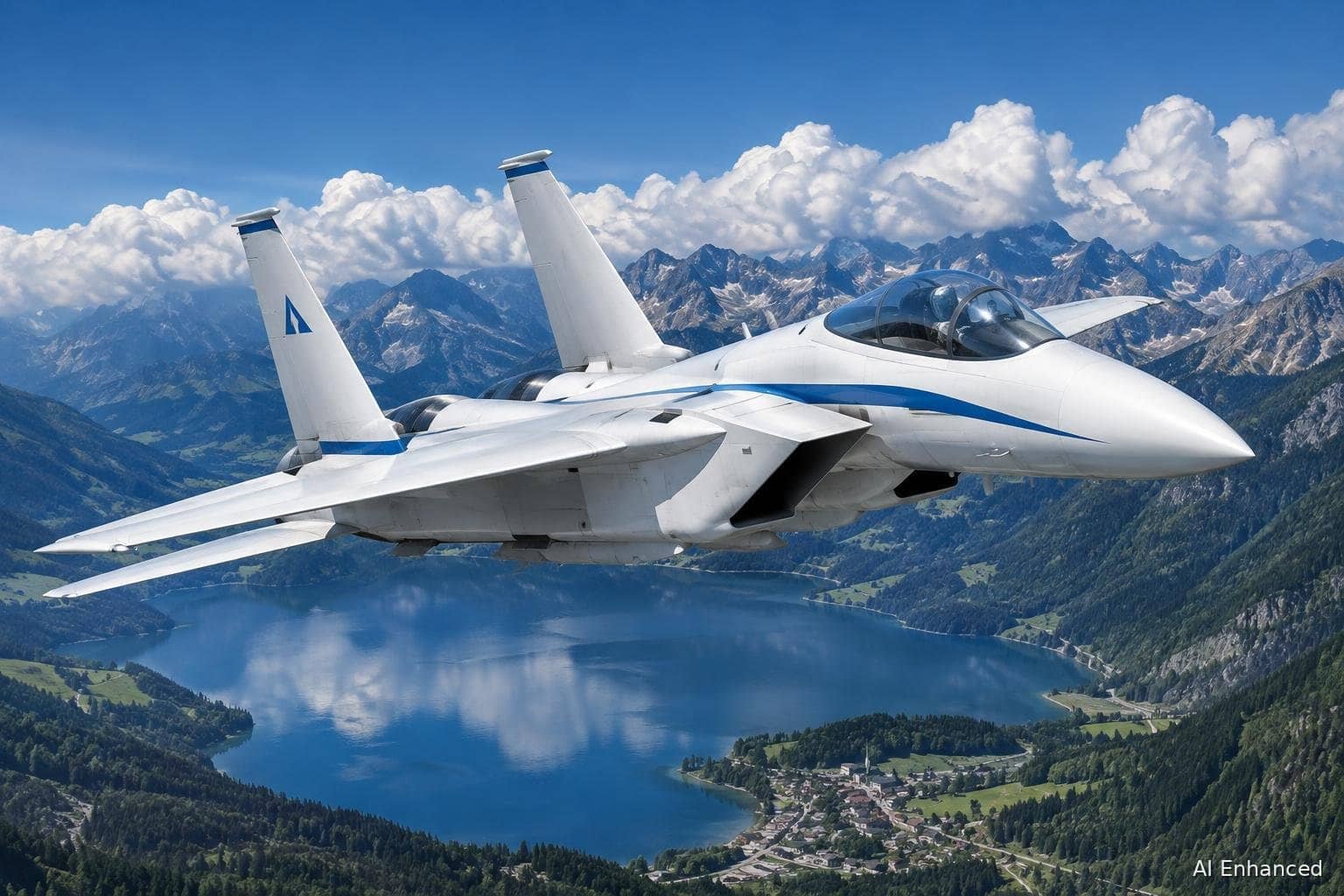
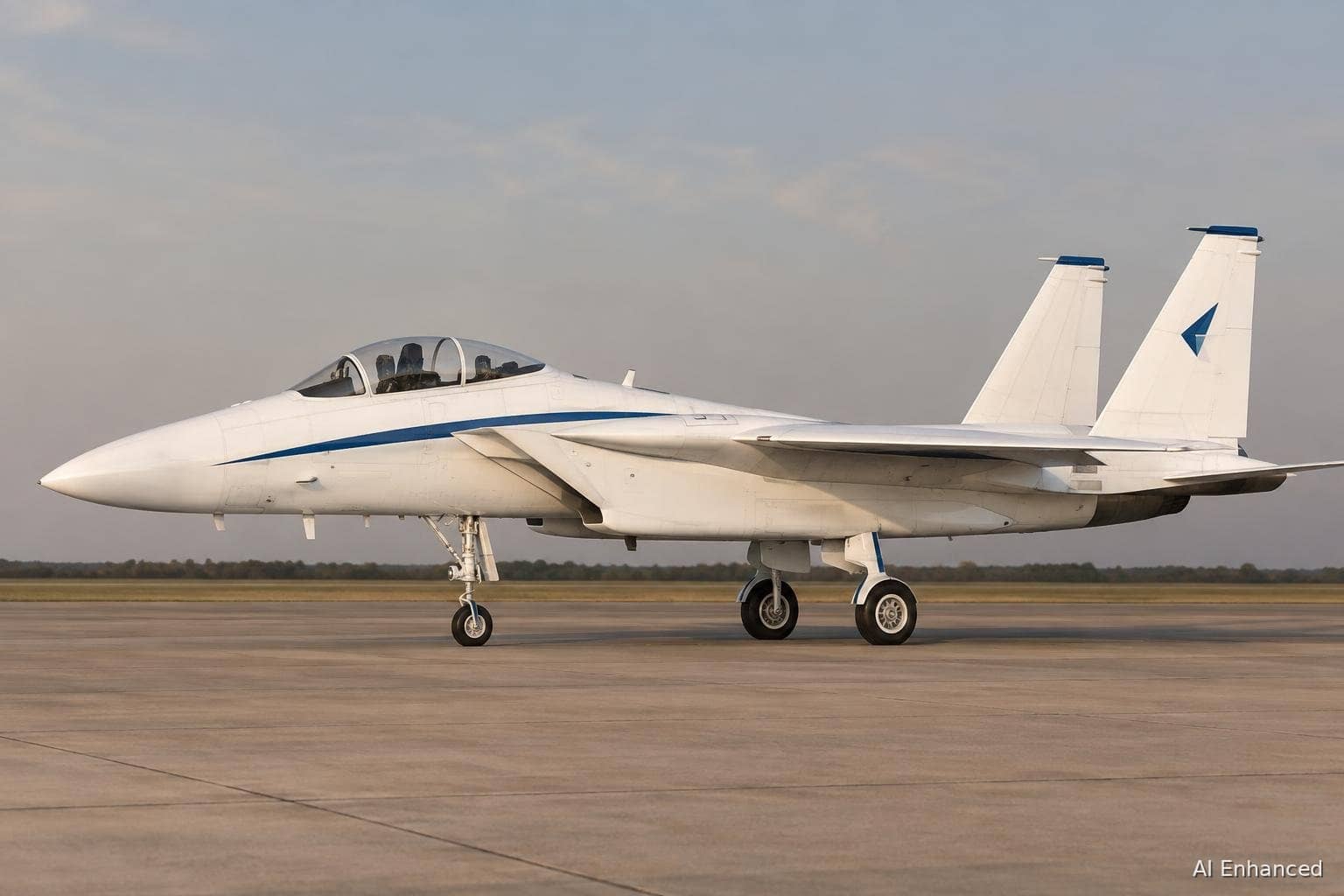
Ask me on WhatsApp (opens in a new tab)The McDonnell Douglas F-15 Eagle was the Cold War air-superiority fighter built around an unusually direct proposition: carry a serious radar and missile load, retain the energy to fight hard, and give a single pilot the information needed to use it. Its lasting reputation rests less on delicacy than on excess thrust, low wing loading and a design that made acceleration part of the tactical equation. In the classic single-seat F-15A and F-15C form, it is remembered as the large American land-based fighter that could climb, turn and keep working at altitude without the complication of variable-geometry wings or a second crewmember.
The programme grew from the U.S. Air Force FX competition, shaped by the air-combat lessons of Vietnam and the need for a dedicated fighter able to establish air superiority. McDonnell Aircraft was selected for the next competition phase in 1967, won the Advanced Tactical Fighter contract in December 1969, and flew the first Eagle in July 1972. The original A/B models entered service in the mid-1970s; the C/D series followed in 1979 with more internal fuel, provision for conformal fuel tanks and a higher maximum take-off weight. The result was not a light fighter in the minimalist sense, but a purpose-built interceptor and air-combat platform with the range and systems depth its mission demanded.
| Spec | Detail |
|---|---|
| Type designation | McDonnell Douglas F-15 Eagle; principally F-15A/C single-seat air-superiority variants |
| Configuration | Twin-engine, single-seat, all-weather tactical fighter |
| Engine and power | Two Pratt & Whitney F100-series afterburning turbofan engines; 23,450 lb thrust each quoted for F-15C/D models |
| Cruise speed | Not published as a single representative figure for the Eagle family |
| Seating | One in F-15A/C; two in F-15B/D |
| Landing gear | Retractable tricycle landing gear |
| Airframe construction | Metal stressed-skin airframe; wing-spar areas include titanium structure and skins |
The Eagle’s essential trick was to combine a large fighter’s fuel, radar and missile capacity with the thrust response normally associated with a much smaller aeroplane. The two afterburning F100 turbofans gave the design a thrust-to-weight relationship that allowed vertical acceleration under the right conditions, while the broad wing kept wing loading low enough to support hard turning without immediately trading away all its airspeed. That combination matters because air combat is often an argument about energy: who can climb, accelerate, reposition or recover speed after a turn. The F-15 was designed to keep making that argument.
Its cockpit philosophy was equally important. The Eagle concentrated radar, navigation, identification, electronic-warfare and weapons information around a head-up display and hands-on-throttle-and-stick controls. Rather than making the pilot manage a collection of unrelated boxes, the system was intended to shorten the chain from detection to engagement. Later C-model Eagles gained more fuel and increasingly capable avionics, but the airframe’s character remained consistent: a high-altitude, high-energy fighter whose size was there to serve sensors, fuel and weapons rather than cabin comfort. Comfort was never invited to the briefing.
| Feature | F-15 Eagle | Grumman F-14A Tomcat |
|---|---|---|
| Primary design role | Land-based all-weather air-superiority fighter | Carrier-based fleet-defence and air-superiority fighter |
| Crew | One in F-15A/C | Two: pilot and radar intercept officer |
| Wing arrangement | Fixed swept wing | Variable-sweep wing |
| Powerplant | Two F100-series afterburning turbofans | Two Pratt & Whitney TF30 afterburning turbofans in F-14A form |
| Quoted maximum speed | 1,875 mph, Mach 2 class | 1,544 mph |
| Operating environment | Conventional land bases | Aircraft carriers and shore bases |
The comparison uses the F-14A Tomcat as a representative contemporary rival; figures and equipment vary materially by production block, engine fit and operator modification.
Honest ownership note: An F-15 is not a conventional private-aircraft proposition. Its military systems, controlled technical data, demilitarisation requirements, export restrictions, specialist ground equipment and turbine support place it in an entirely different category from civilian warbirds. Any acquisition discussion needs legal and regulatory advice before engineering enthusiasm takes over. A pre-purchase inspection should be led by personnel with direct Eagle or comparable fast-jet structural experience, with particular attention to wing-spar inspection access, titanium skin and spar condition, engine records and configuration, flight-control integrity, hydraulic and environmental systems, corrosion, and the status of every removed or controlled subsystem. Parts traceability, specialist tooling and approved technical support are not details to solve later; they are the project.
| Good fit if… | Worth a second thought if… |
|---|---|
| You are equipped for institutional-level compliance, engineering oversight and long-term preservation. | You expect ordinary general-aviation maintenance access, predictable parts supply or simple operating approvals. |
| You want a landmark air-superiority design with a clear Cold War technical story. | You want a practical route to routine private flying; this is a military fighter programme, not a weekend aircraft. |
| You can assess the exact variant and demilitarised configuration before committing. | You are relying on family-wide specifications to describe a particular aircraft’s systems or capability. |
The F-15 Eagle remains compelling because its design priorities are so legible. Everything visible—the twin engines, generous intakes, broad wing, tall fins and elevated cockpit—serves the same intent: find the threat, arrive with energy, and retain options. As an object of aviation history, it is one of the clearest expressions of the air-superiority fighter idea. As an ownership undertaking, it asks for the same seriousness that created it.
Common questions about bidding on CollectAirs. Learn how auctions work or visit our About page.
Create a free CollectAirs account, complete your profile, and click Place Bid while the auction is live. You can review bid history and confirm your amount before submitting.
A reserve is the minimum price the seller will accept. If bidding does not reach the reserve before the auction ends, the aircraft is not sold.
A Pre-Buy Inspection is an independent expert review of the aircraft before you commit. It helps verify condition and documentation so you can bid with more confidence.
Yes. CollectAirs supports buyer diligence through verified documentation and Pre-Buy Inspection options. Contact details and next steps are available on our About page.
CollectAirs stays with you through inspection, payment and transfer of title. For everything after, a vetted specialist.
Every provider is an independent, certified company, we make the introduction and stay involved until the aircraft is home. Terms and pricing are agreed directly with the provider you choose.
List it for free and reach qualified buyers worldwide.
Full description, specifications and every photograph. Prices and closing times are a snapshot, check this page before you bid.
MinnewaukanComing soon, not yet consigned
Own a McDonnell too? List it free, you only pay when it sells.
An independent inspector checks it for you. Quote first, nothing booked until you approve.
Fatima
Here for this aircraft
OnlineThinking of bidding? I'm here to help
Ask me on WhatsApp (opens in a new tab)
Questions
No questions yet
Be the first to ask the seller a question!