
 Boston
Coming soon, not yet consigned
Own a Lockheed Martin too? List it free, you only pay when it sells.
An independent inspector checks it for you. Quote first, nothing booked until you approve.

Fatima
Here for this aircraft
OnlineThinking of bidding? I'm here to help
Ask me on WhatsApp (opens in a new tab)Collector’s note: This fighter jet has been featured on CollectAirs as a special showcase piece to spark interest and celebrate the fascination of aviation history. It is not presented as a standard active sales listing. For verified aircraft opportunities, please browse our available listings or contact the CollectAirs team.
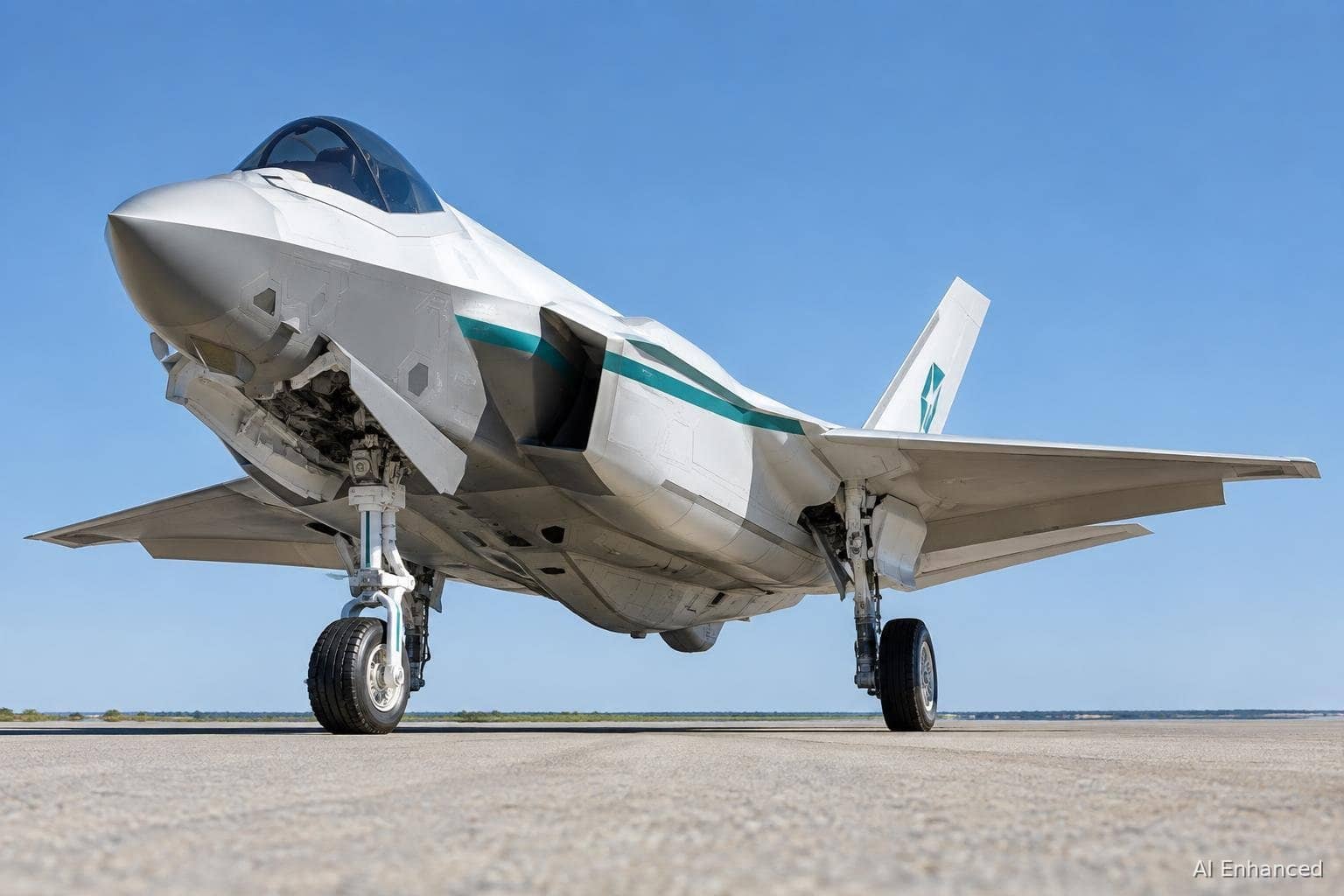
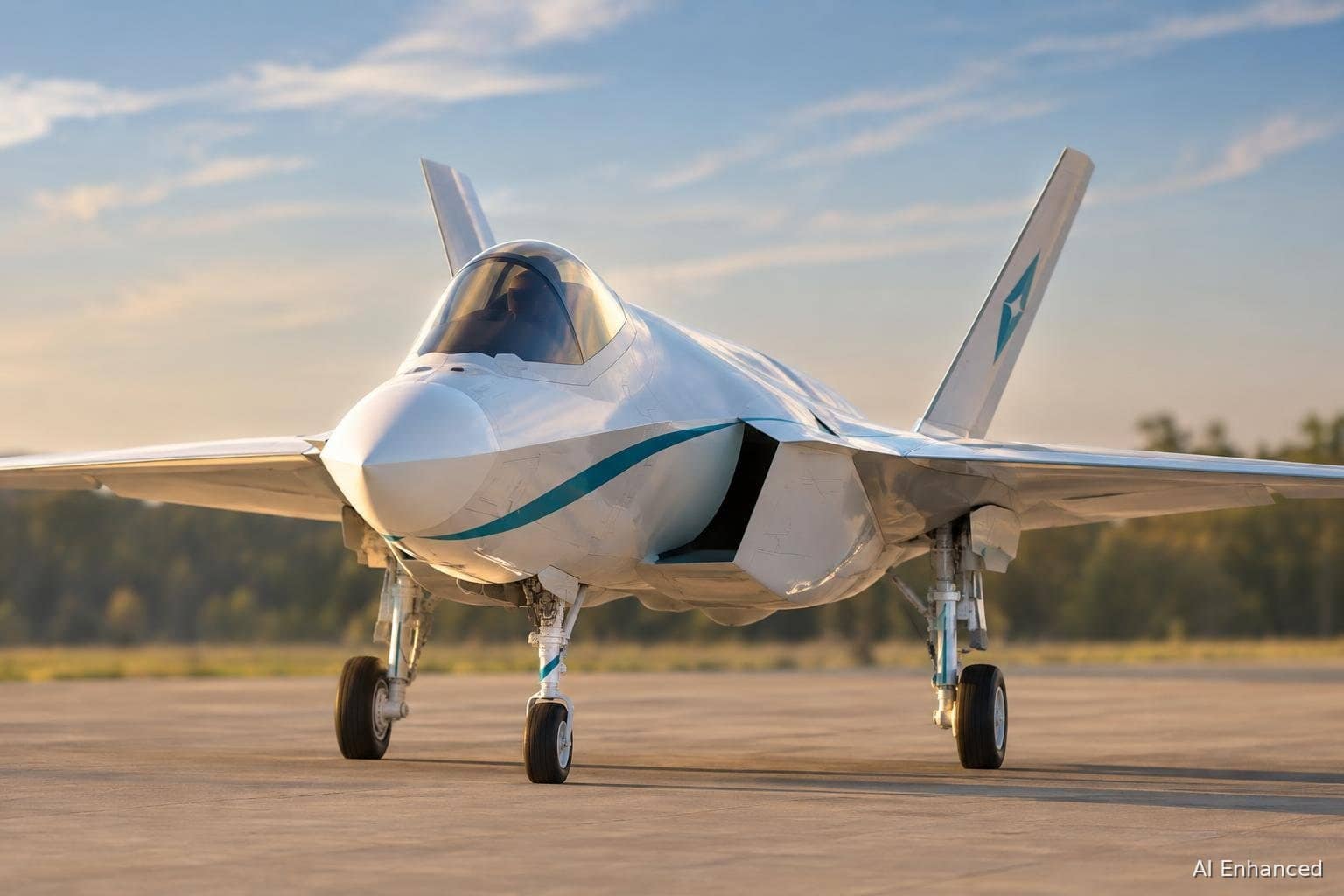
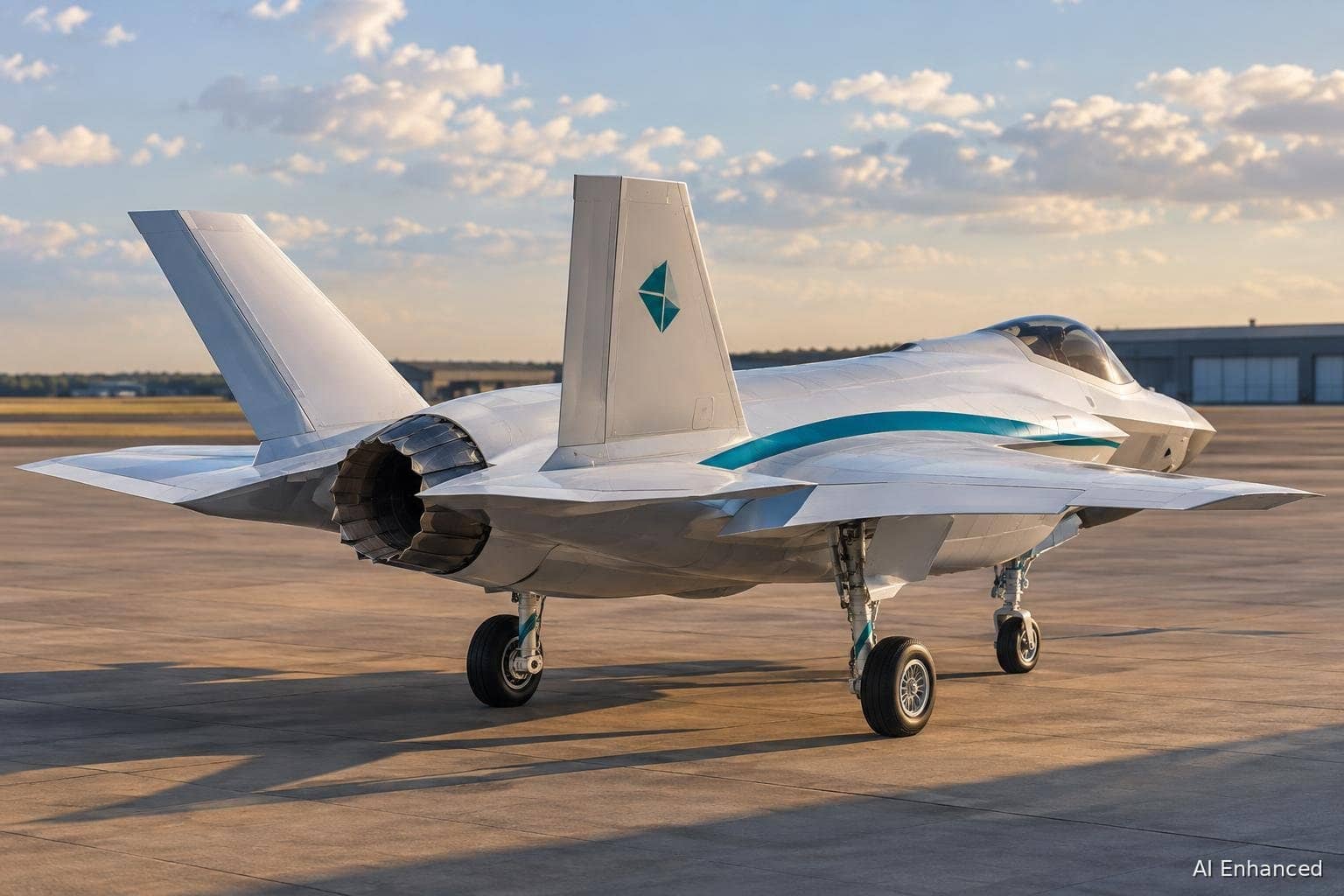
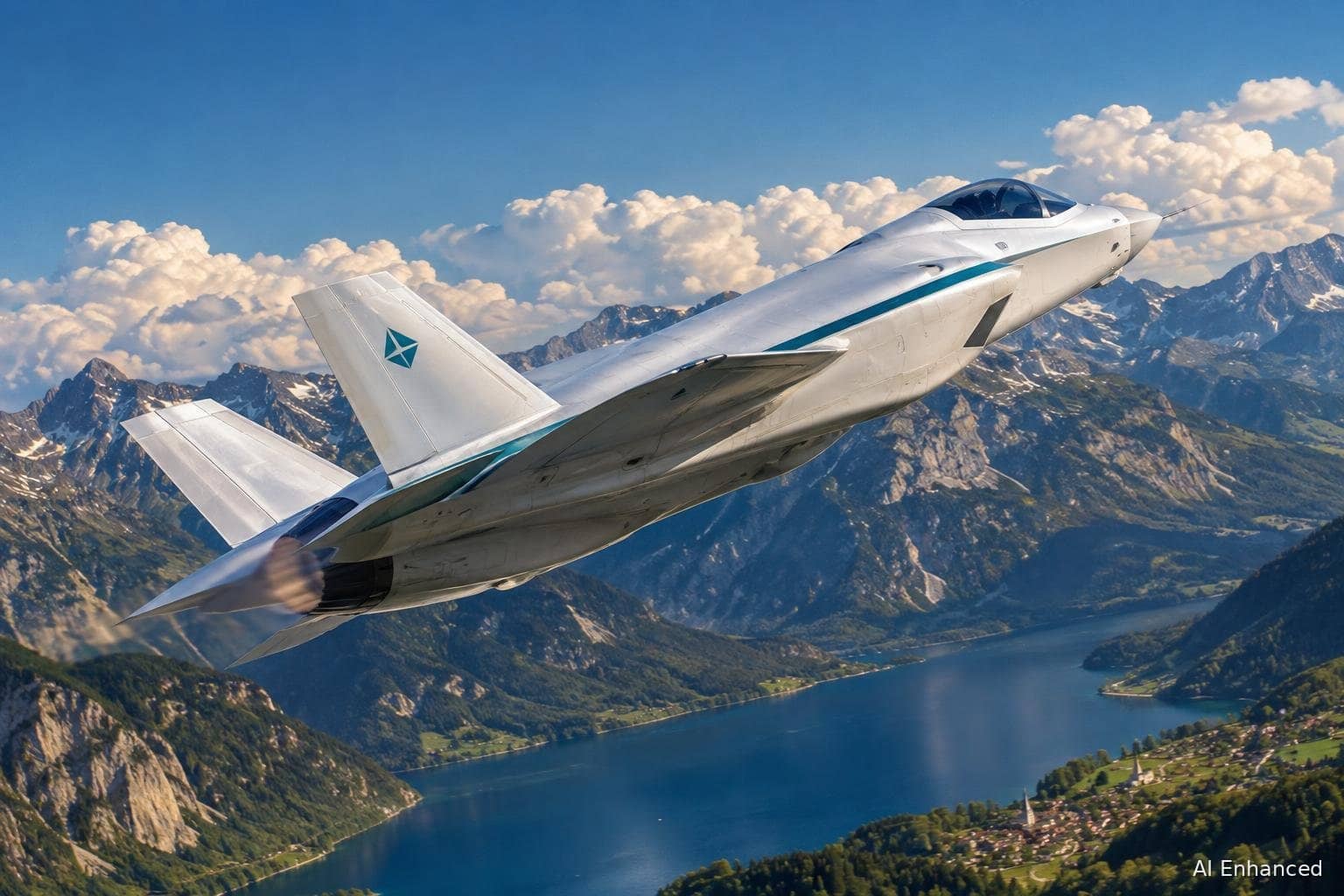
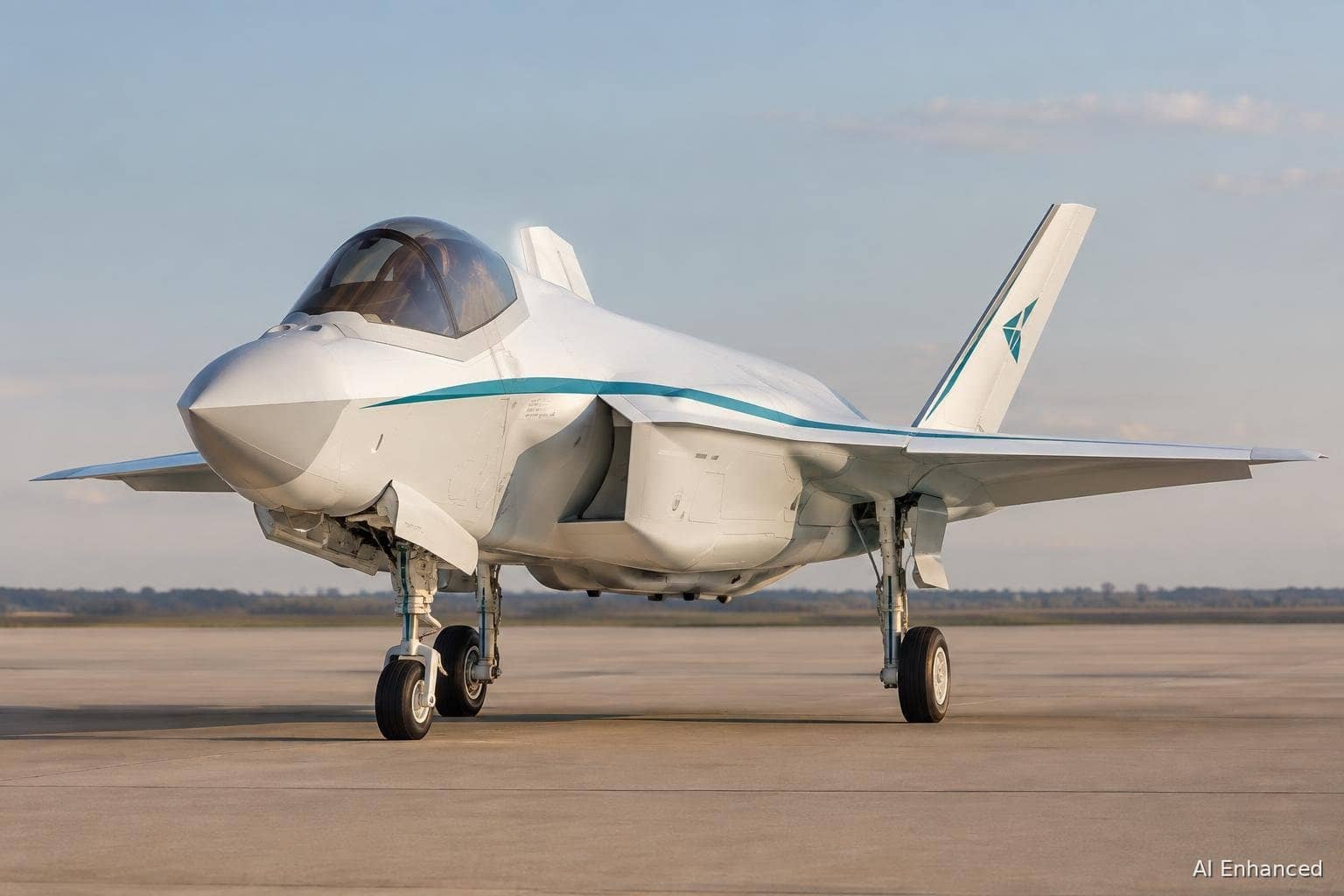
The F-35 Lightning II is the fighter that made sensor fusion, low observability and commonality across three services the central proposition rather than an optional upgrade. It is remembered less for raw top-speed theatrics than for bringing a pilot a fused tactical picture from radar, electro-optical sensors and offboard networks in a single-seat, single-engine airframe. In its conventional F-35A form it replaced the familiar idea of a lightweight multirole fighter with something closer to a flying mission system.
Built from the Joint Strike Fighter programme, the Lightning II had to satisfy three distinctly awkward customers: conventional-runway air forces, short-takeoff and vertical-landing forces, and carrier aviation. The result was the F-35A, F-35B and F-35C family. Sharing a common avionics architecture while differing in basing and airframe details was the programme’s great ambition; making that shared architecture work across all three was the hard part. The A became the conventional-runway version, the B incorporated shaft-driven lift-fan STOVL machinery, and the C gained the larger wing and carrier-oriented configuration.
| Spec | Detail |
|---|---|
| Type designation | F-35A, F-35B and F-35C Lightning II |
| Configuration | Single-seat, single-engine, fifth-generation multirole fighter family |
| Engine and power | Pratt & Whitney F135 afterburning turbofan; approx. 40,000 lb maximum thrust |
| Maximum speed | Mach 1.6, approx. 1,200 mph |
| Seating | One pilot |
| Landing gear | Retractable tricycle landing gear; configuration differs by variant |
| Airframe construction | Aluminium, titanium and carbon-composite structure |
The defining feature is not simply stealth shaping; it is the way the aircraft gathers and presents information. The Distributed Aperture System gives all-round infrared coverage for warning and day/night viewing, while the internally mounted Electro-Optical Targeting System supports detection and targeting. Rather than asking the pilot to manage a collection of separate displays and sensors, the F-35’s design philosophy is to combine them into one tactical picture. The helmet-mounted display is central to that approach, placing flight, targeting and sensor information on the visor rather than relying on a conventional head-up display.
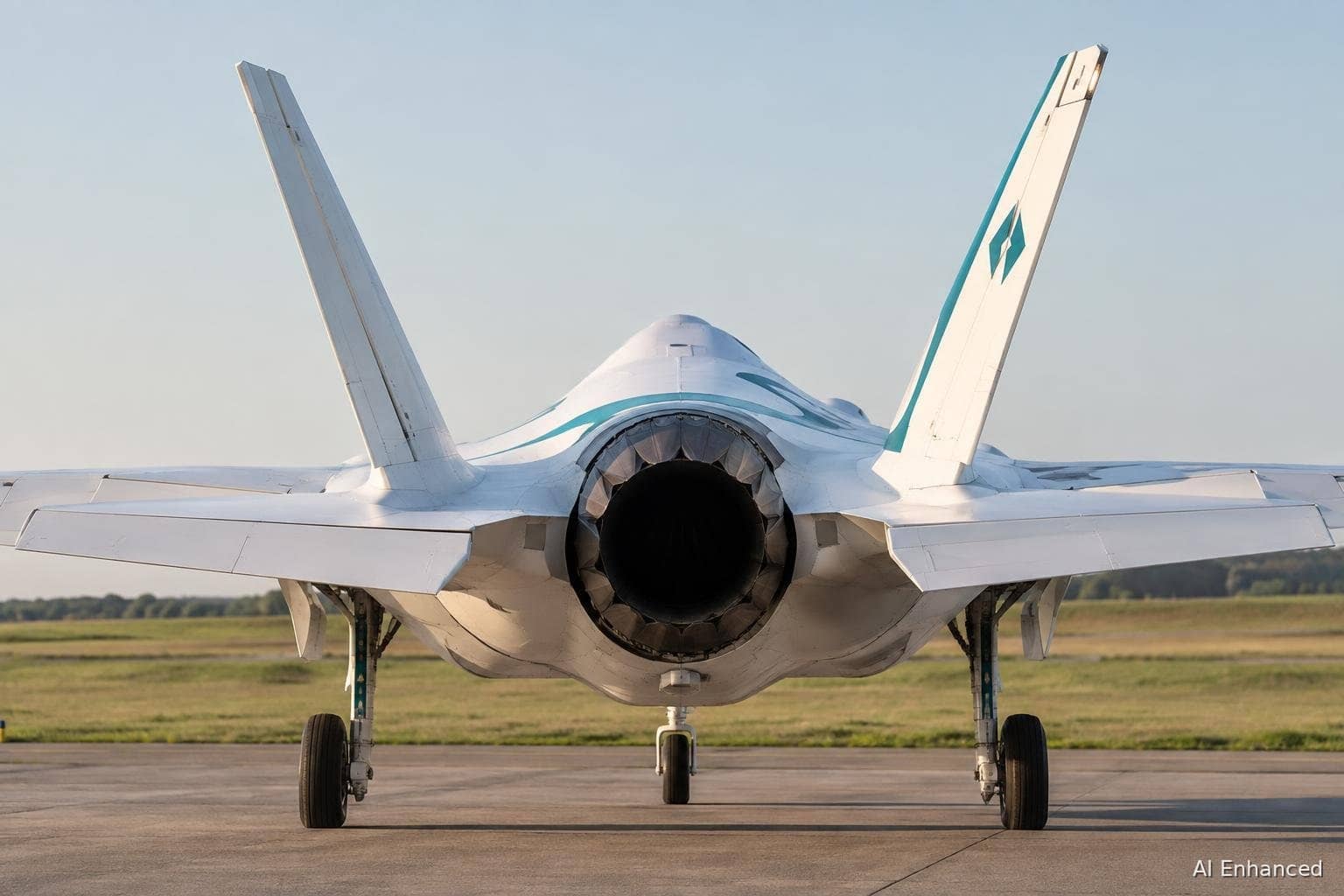
That changes the cockpit workload. The Lightning II is still a supersonic fighter with a large, hot afterburning turbofan behind the pilot, but its value lies in reducing the need to look down, cross-check several instruments or mentally reconcile competing sensor returns. It is an aircraft designed for pilot decision-making and networked employment, not simply for making a dramatic pass at an airshow. The trade-off is a profoundly software-dependent machine whose capability, support and configuration are inseparable from the wider programme.
| Feature | F-35 Lightning II | F-22 Raptor |
|---|---|---|
| Primary concept | Multirole strike and fighter family with three basing variants | Air-dominance fighter with secondary air-to-ground capability |
| Engines | One F135 afterburning turbofan | Two F119 afterburning turbofans with thrust-vectoring nozzles |
| Maximum speed | Mach 1.6 | Mach 2 class, with supercruise capability |
| Carrier or STOVL option | Yes, through the F-35B and F-35C variants | No |
| Core cockpit emphasis | Sensor fusion, electro-optical coverage and helmet presentation | Air-dominance performance, stealth and integrated avionics |
The rival shown is the Lockheed Martin F-22 Raptor. Figures and capabilities vary by F-35 variant, production standard, operating authority and engine installation.
Honest ownership note: This is not a conventional second-hand civilian aircraft proposition. Any legitimate transfer, operation, technical-data access, support arrangement or cross-border movement would be subject to government approval, export-control obligations and programme-level security restrictions. Even within authorised military use, sustainment depends on specialist facilities, controlled software and data systems, trained F-35 maintainers, approved supply channels and engine support. A serious technical review would need authorised access to the propulsion installation, low-observable surfaces, thermal-management and cooling systems, canopy, landing gear, mission-system interfaces and corrosion-control condition. Parts availability and depot capacity have been persistent programme concerns, so an ordinary warbird mechanic, however talented, is not an adequate answer.
| Good fit if… | Worth a second thought if… |
|---|---|
| You need a single-pilot multirole platform built around fused sensors and interoperable mission systems. | You want a privately supportable aircraft, open technical documentation or independent parts sourcing. |
| Your operating concept genuinely requires the A, B or C variant’s specific basing role. | You are choosing the type chiefly for maximum speed, simple field maintenance or civilian operating economics. |
| You can sustain controlled software, secure data, specialist tooling and approved maintenance processes. | You cannot support a tightly governed logistics chain or the administrative burden of defence-trade compliance. |
The F-35 Lightning II is best understood as a combat-aircraft system rather than merely an airframe: a single-seat fighter whose most consequential features sit in its sensors, software, support ecosystem and three-variant design. For the properly authorised operator, that integration is the point. For anyone seeking uncomplicated ownership, it is also the answer.
Common questions about bidding on CollectAirs. Learn how auctions work or visit our About page.
Create a free CollectAirs account, complete your profile, and click Place Bid while the auction is live. You can review bid history and confirm your amount before submitting.
A reserve is the minimum price the seller will accept. If bidding does not reach the reserve before the auction ends, the aircraft is not sold.
A Pre-Buy Inspection is an independent expert review of the aircraft before you commit. It helps verify condition and documentation so you can bid with more confidence.
Yes. CollectAirs supports buyer diligence through verified documentation and Pre-Buy Inspection options. Contact details and next steps are available on our About page.
CollectAirs stays with you through inspection, payment and transfer of title. For everything after, a vetted specialist.
Every provider is an independent, certified company, we make the introduction and stay involved until the aircraft is home. Terms and pricing are agreed directly with the provider you choose.
List it for free and reach qualified buyers worldwide.
Full description, specifications and every photograph. Prices and closing times are a snapshot, check this page before you bid.
BostonComing soon, not yet consigned
Own a Lockheed Martin too? List it free, you only pay when it sells.
An independent inspector checks it for you. Quote first, nothing booked until you approve.
Fatima
Here for this aircraft
OnlineThinking of bidding? I'm here to help
Ask me on WhatsApp (opens in a new tab)
Questions
No questions yet
Be the first to ask the seller a question!