
 Berlin
Coming soon, not yet consigned
Own a McDonnell too? List it free, you only pay when it sells.
Free to browse, register and bid.
Reach a person the way that suits you, on WhatsApp, on a call, or with a question we pass straight to the seller.
Online support 24/7
Collector’s note: This fighter jet has been featured on CollectAirs as a special showcase piece to spark interest and celebrate the fascination of aviation history. It is not presented as a standard active sales listing. For verified aircraft opportunities, please browse our available listings or contact the CollectAirs team.
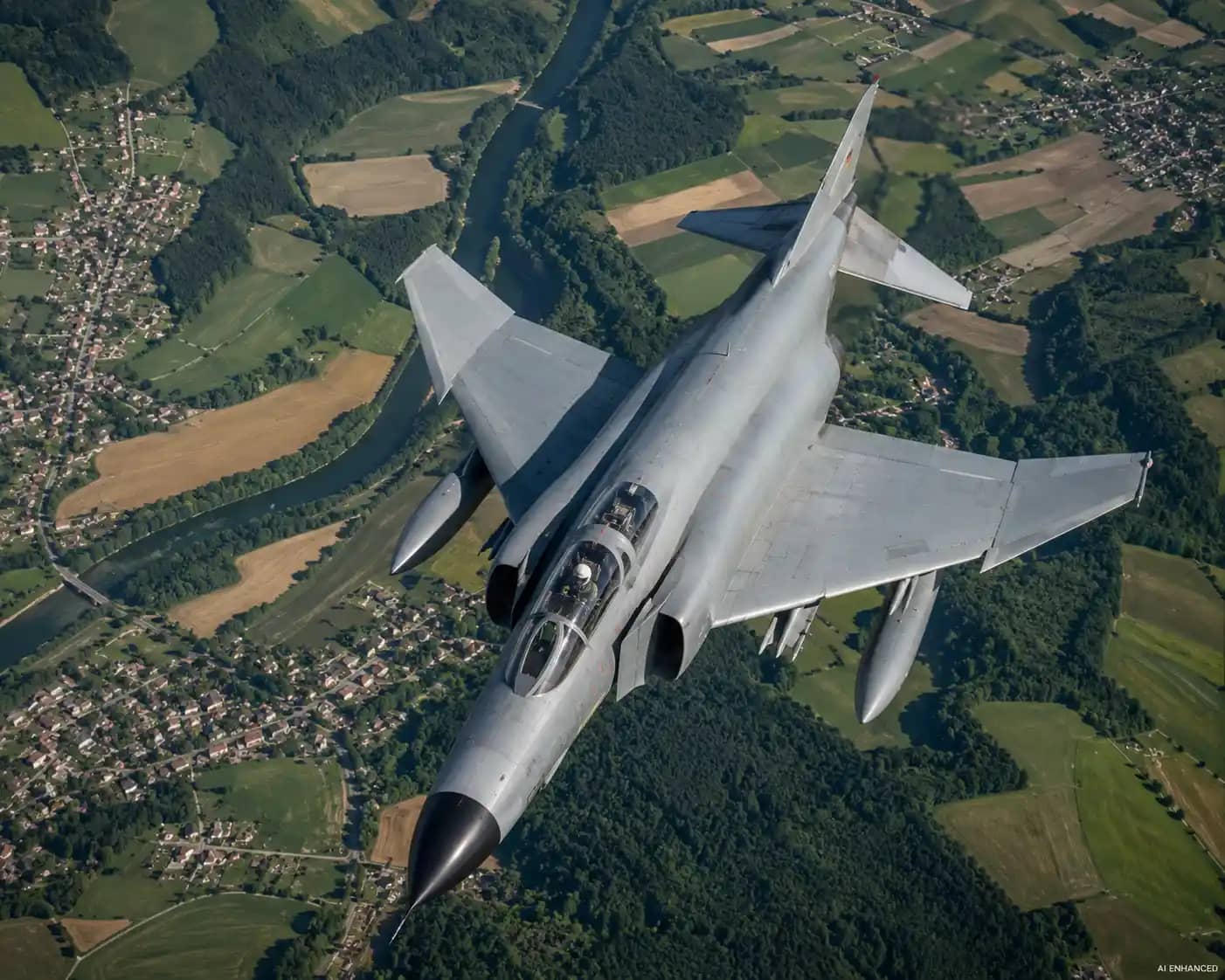
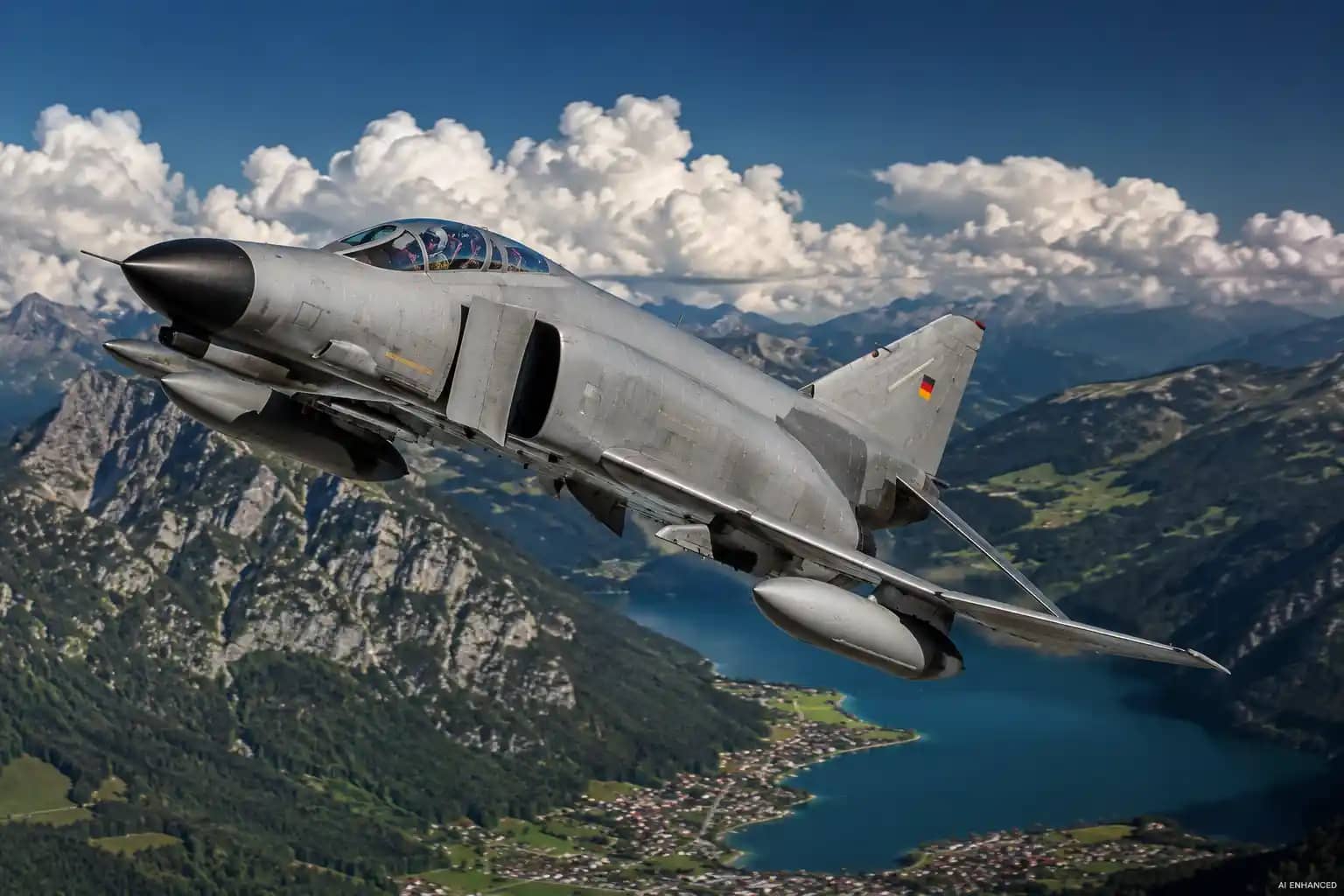
The McDonnell Douglas F-4E Phantom II is one of the most legendary jet fighters of the Cold War era — a two-seat, twin-engine, all-weather fighter-bomber with a reputation built on power, speed, endurance, and unmistakable presence.
Developed from the wider Phantom II family, the McDonnell Douglas F-4E Phantom II became especially significant because it introduced a built-in 20 mm M61A1 Vulcan cannon and improved General Electric J79-GE-17 engines. For collectors, aviation museums, defense-history institutions, and serious aircraft enthusiasts, it represents the thunderous peak of analog supersonic aviation.
For buyers searching for a classic military jet, Cold War fighter aircraft, supersonic collector aircraft, two-seat jet fighter, warbird jet, or museum-grade aviation artifact, the McDonnell Douglas F-4E Phantom II is one of the most recognizable names in aviation history.
Quick Facts | Details |
|---|---|
Aircraft type | Two-seat twin-engine supersonic fighter-bomber |
Manufacturer | McDonnell Douglas |
Model focus | F-4E specification |
Crew | 2: pilot and weapons systems officer / rear cockpit operator |
Engines | 2 × General Electric J79-GE-17 turbojets |
Thrust | Approx. 17,900 lbf each with afterburner |
Maximum speed | Approx. Mach 2.2 / 1,470–1,485 mph |
Signature feature | Internal 20 mm M61A1 Vulcan cannon |
Collector appeal | Cold War icon, Vietnam-era history, massive ramp presence, museum-grade significance |
Key Takeaway: The McDonnell Douglas F-4E Phantom II is not a casual aircraft purchase — it is a historic supersonic monument in aircraft form. For the right buyer, it offers extraordinary provenance, visual drama, and a direct connection to one of the most important fighter programs of the 20th century.
The McDonnell Douglas F-4E Phantom II is powered by two General Electric J79-GE-17 afterburning turbojet engines, each producing approximately 17,900 lbf of thrust with afterburner. This twin-J79 configuration gives the aircraft the raw acceleration, climb performance, and unmistakable sound that made the Phantom famous around the world.
The McDonnell Douglas F-4E Phantom II was built as a serious combat aircraft, but for CollectAirs buyers its value is primarily historical, collectible, institutional, and display-focused. Any civilian sale, restoration, ferry, import, or display use would require careful legal, export-control, demilitarization, documentation, and airworthiness review.
Technical highlights include:
Powerplant: 2 × General Electric J79-GE-17 afterburning turbojet engines
Crew: 2
Maximum speed: Approx. Mach 2.2
Range: commonly referenced around 1,400 nautical miles ferry range or up to 1,885 miles, depending on mission profile and fuel configuration
Historical role: Fighter-bomber, interceptor, strike aircraft, air-superiority platform, and demonstration aircraft
What makes the McDonnell Douglas F-4E Phantom II technically special? It combines enormous thrust, two-crew mission design, high-speed performance, and a rugged combat airframe with one of the most recognizable profiles in military aviation.
Buyer Perspective | Strengths | Considerations |
|---|---|---|
Historical importance | Exceptional Cold War and Vietnam-era significance | Requires careful provenance and service-history verification |
Performance identity | Mach 2-class supersonic fighter heritage | Civilian operation is highly specialized and may be impractical or restricted |
Collectability | Global recognition and museum-level appeal | Documentation, demilitarization status, and legal compliance are critical |
Display value | Massive ramp presence and iconic silhouette | Storage, transport, and maintenance planning require serious infrastructure |
Technical appeal | Twin J79 engines and analog fighter systems | Complex systems demand specialist knowledge |
For buyers asking, “Is the McDonnell Douglas F-4E Phantom II a practical private aircraft?” the honest answer is no for most owners. It is best understood as a historically important collector jet, museum centerpiece, restoration candidate, or institutional display aircraft rather than a conventional private aircraft.
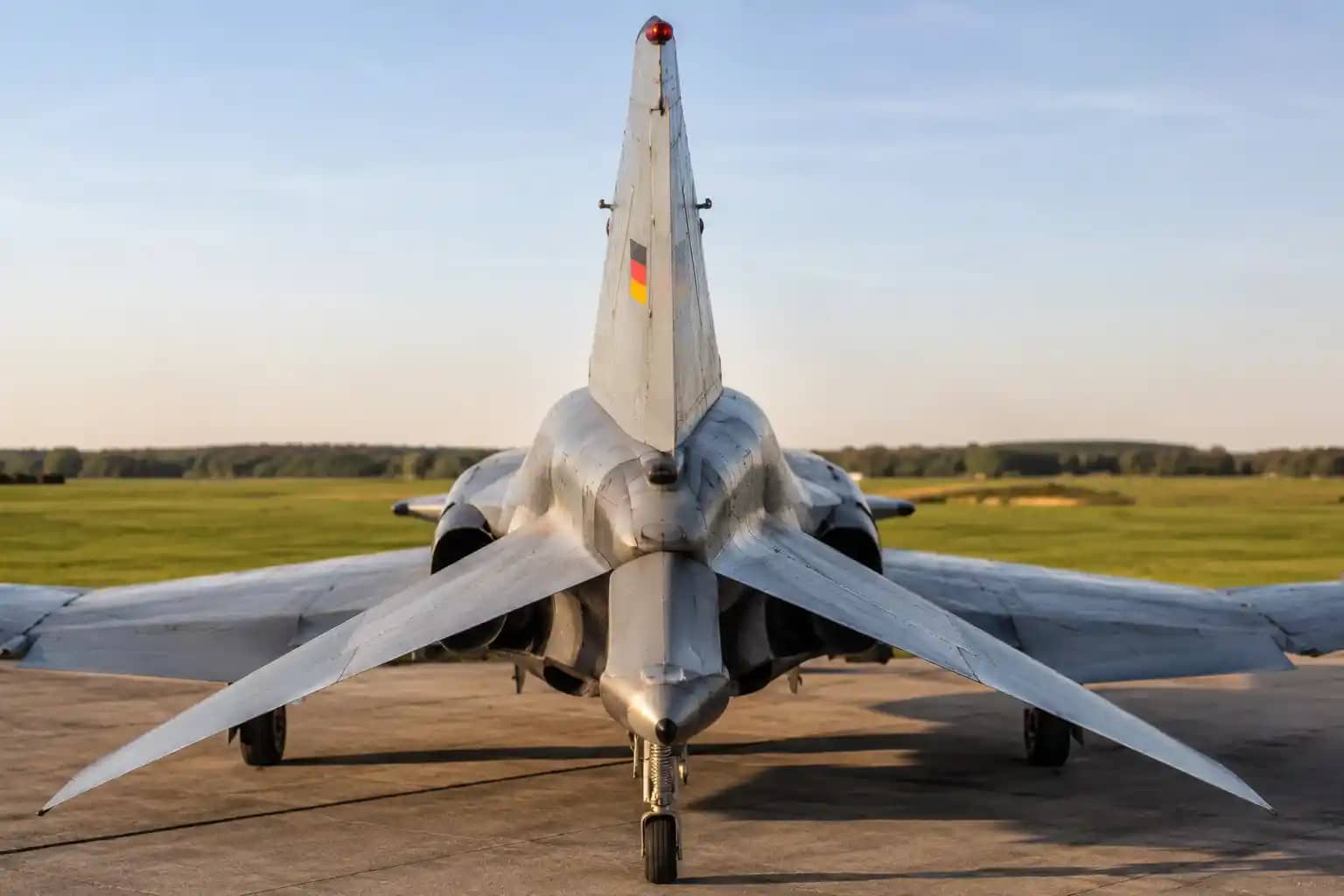
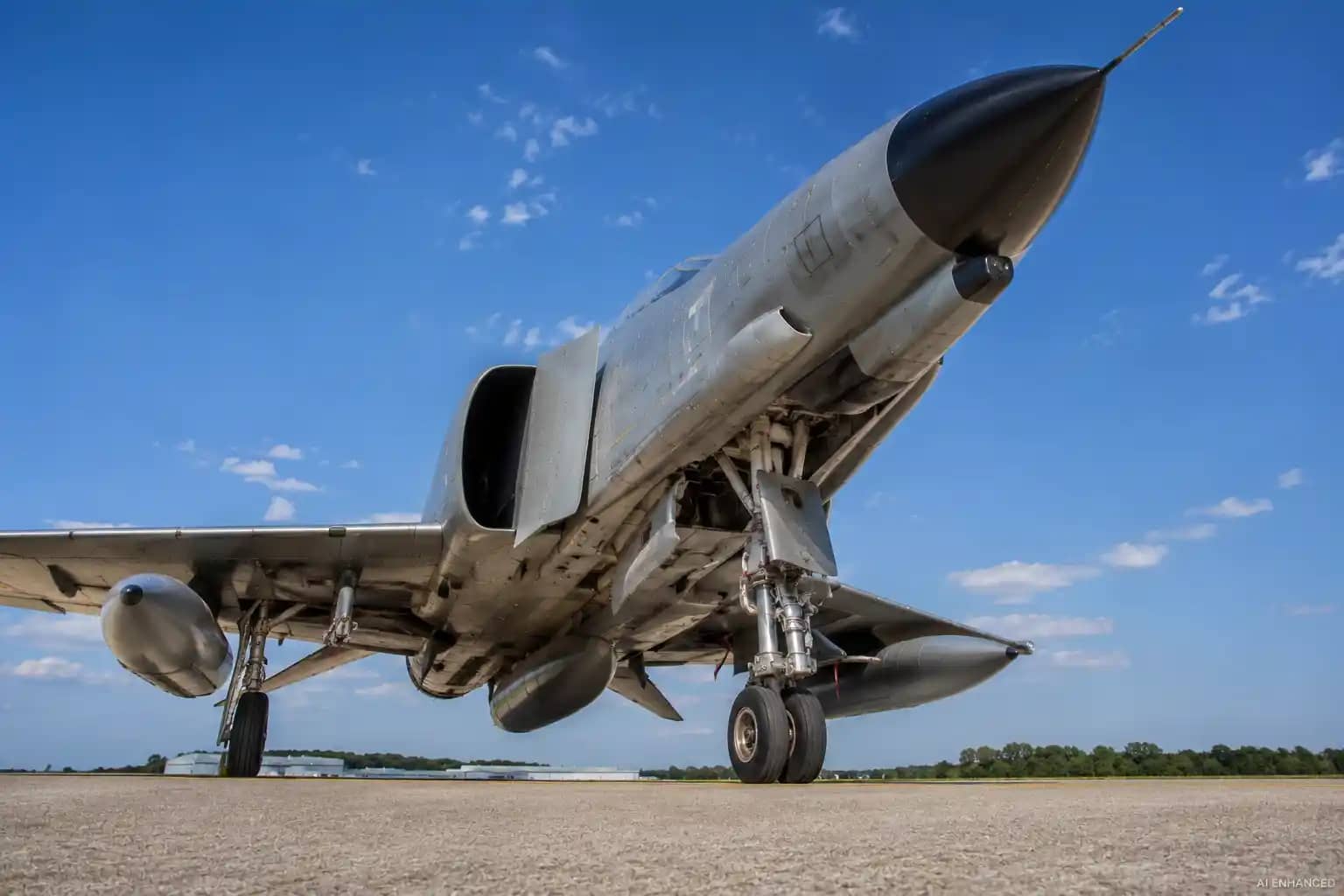
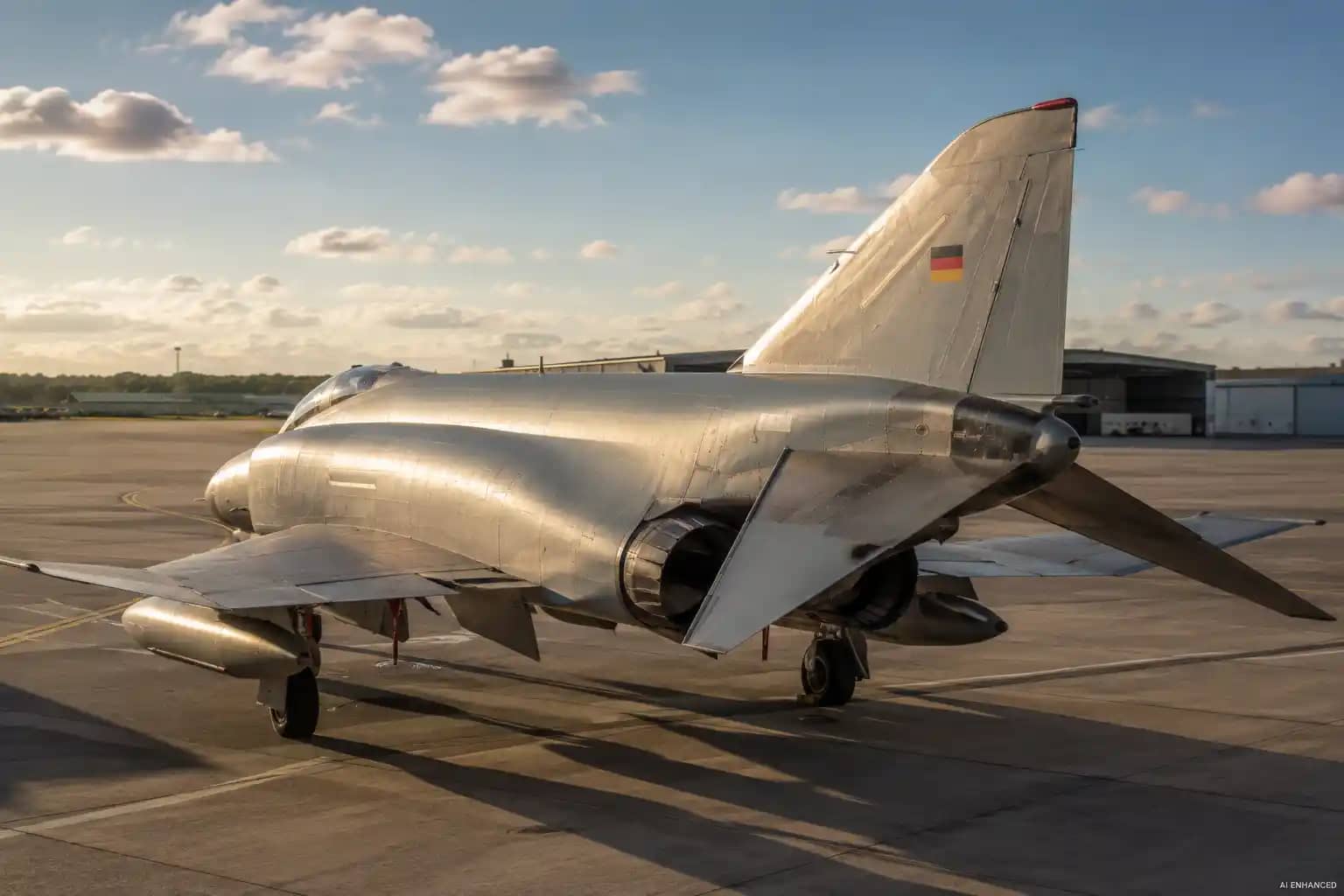
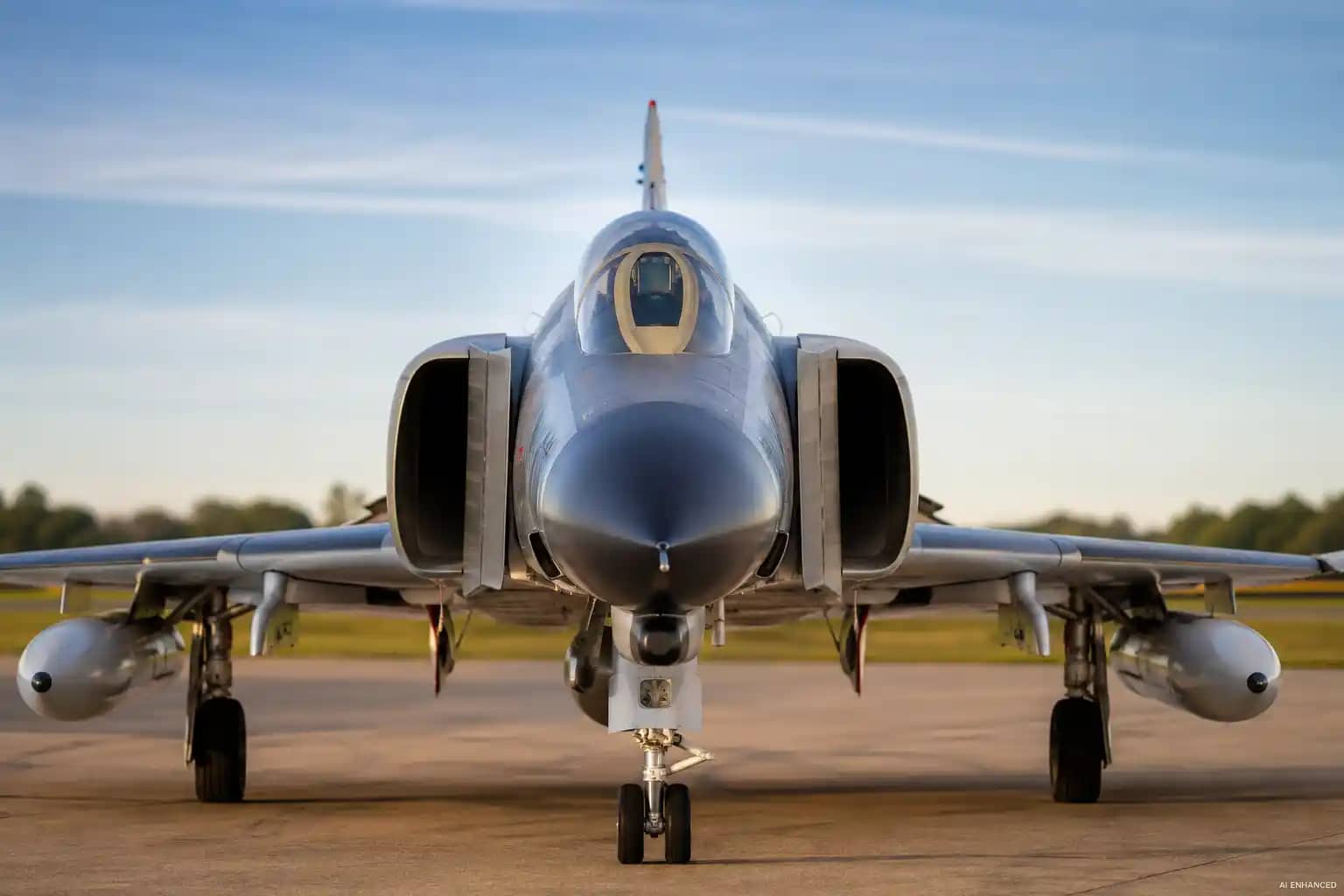
The McDonnell Douglas F-4E Phantom II has one of the most commanding shapes in jet aviation. Its large intakes, swept wings, elevated rear cockpit, broad fuselage, and aggressive nose profile create the unmistakable look of Cold War power projected through aluminum, titanium, smoke, and noise.
Visually, the McDonnell Douglas F-4E Phantom II is not elegant in a delicate sense — it is purposeful, muscular, and unforgettable. The aircraft’s scale alone makes it a centerpiece for any aviation museum, private collection, historic hangar, restoration facility, or static display.
Exterior highlights include:
Twin-engine supersonic fighter layout
Large side-mounted air intakes
Swept-wing design with classic Phantom proportions
Two-seat tandem cockpit
Long nose profile associated with radar and fire-control systems
Internal gun fairing under the nose, a defining F-4E feature
Heavy-duty landing gear and robust military airframe structure
Exceptional display value for museums, air parks, aviation events, and collector facilities
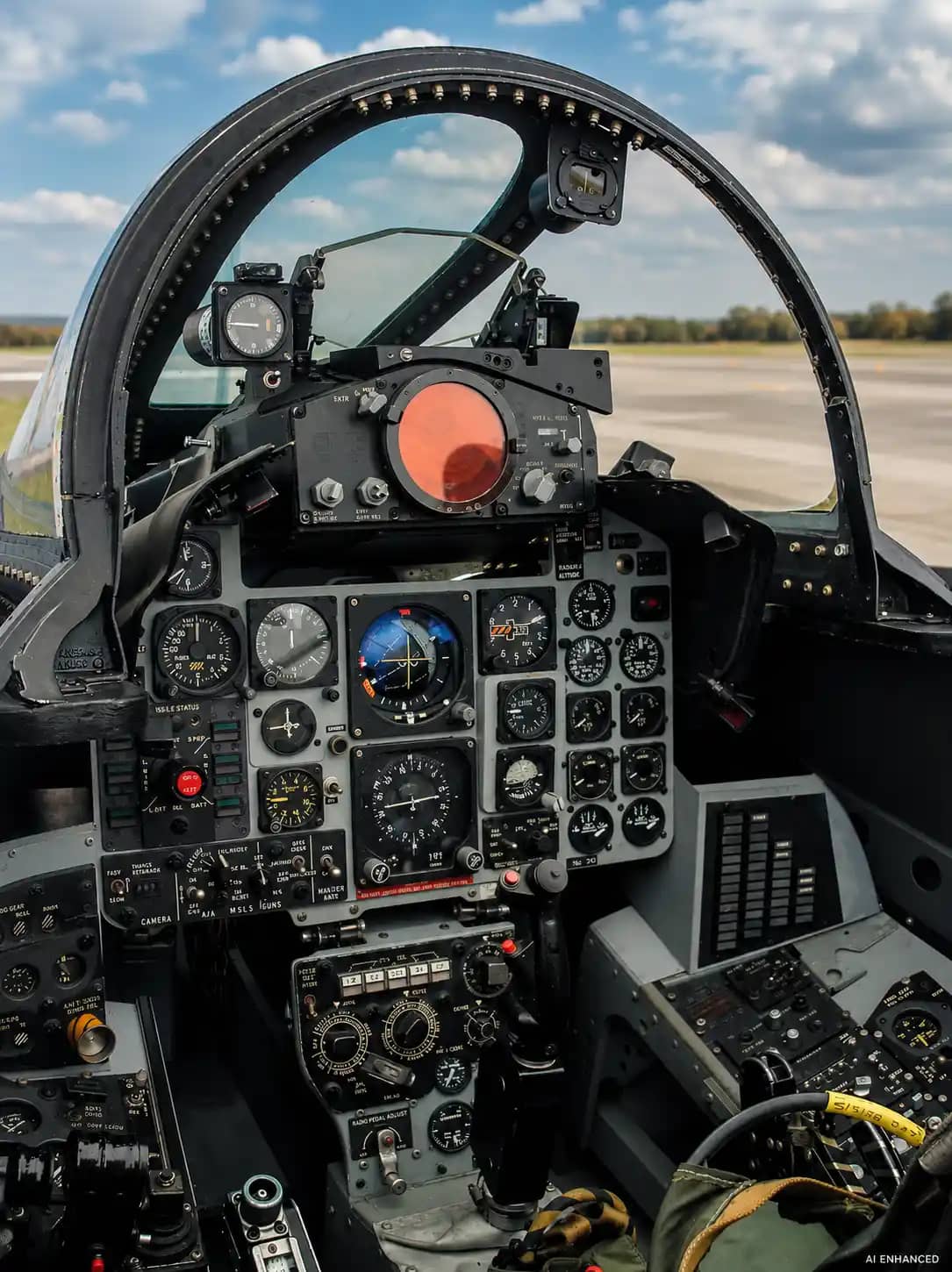
The cockpit of the McDonnell Douglas F-4E Phantom II reflects its era: analog, dense, mission-focused, and built for a two-person crew. The forward cockpit was designed around the pilot’s flight and weapons-management workload, while the rear cockpit supported radar, navigation, and mission systems.
Cockpit highlights include:
Two-seat tandem crew layout
Pilot forward cockpit
Rear cockpit for weapons systems / radar operation
Analog military instrumentation
High workload, mission-driven cockpit design
Historically significant Cold War avionics environment
Strong educational value for museums and aviation-history exhibits
The McDonnell Douglas F-4E Phantom II is perfect for buyers who are not simply looking for an aircraft, but for a historically significant aviation asset. It is best suited to collectors, museums, aviation foundations, restoration organizations, military-history institutions, and serious enthusiasts with the infrastructure to handle a large supersonic fighter.
Who is the McDonnell Douglas F-4E Phantom II best suited for? It is best suited for a buyer who values Cold War aviation history, museum-grade provenance, supersonic fighter design, and iconic military aircraft presence more than private flying practicality.
The McDonnell Douglas F-4E Phantom II is ideal for:
Aviation museums seeking a major Cold War fighter exhibit
Military-history collections focused on Vietnam-era and late-20th-century aviation
Private collectors with hangar space and specialist aircraft support
Restoration organizations preserving historically significant jet aircraft
Air park and static display operators
Film, media, and exhibition projects requiring an instantly recognizable fighter aircraft
Aviation foundations building educational programs around jet-age technology
Collectors of rare military aircraft seeking a high-impact centerpiece
The McDonnell Douglas F-4E Phantom II is not ideal for buyers seeking a low-maintenance aircraft, easy ferry logistics, or regular private flying. Its value lies in heritage, scale, engineering drama, and historical gravity.
Buyer Type | Fit Level | Why It Works |
|---|---|---|
Aviation museum | Excellent | Major educational and historical centerpiece |
Military aircraft collector | Excellent | Globally recognized Cold War fighter icon |
Private owner-pilot | Low | Operation, compliance, support, and cost are highly specialized |
Restoration organization | Strong | Significant preservation value if documentation is complete |
Static display operator | Excellent | Enormous visual impact and public recognition |
Film or media project | Strong | Instantly identifiable military jet profile |
General aviation buyer | Low | Not comparable to standard private aircraft ownership |
Potential buyer profile:
You want a museum-grade supersonic fighter aircraft
You value Cold War and Vietnam-era aviation history
You understand the importance of demilitarization status and legal documentation
You have access to specialist maintenance, storage, transport, or display infrastructure
You care about airframe provenance, service records, serial number history, and restoration quality
You want an aircraft that creates instant emotional impact before anyone even reads the placard
In short, the McDonnell Douglas F-4E Phantom II is the perfect airplane for a buyer who sees aviation history on a grand scale. It is loud even when silent, powerful even when parked, and unforgettable from every angle — a true collector aircraft for those who understand what the Phantom represents.
Full description, specifications and every photograph. Prices and closing times are a snapshot, check this page before you bid.
Common questions about bidding on CollectAirs. Learn how auctions work or visit our About page.
Create a free CollectAirs account, complete your profile, and click Place Bid while the auction is live. You can review bid history and confirm your amount before submitting.
A reserve is the minimum price the seller will accept. If bidding does not reach the reserve before the auction ends, the aircraft is not sold.
A Pre-Buy Inspection is an independent expert review of the aircraft before you commit. It helps verify condition and documentation so you can bid with more confidence.
Yes. CollectAirs supports buyer diligence through verified documentation and Pre-Buy Inspection options. Contact details and next steps are available on our About page.
CollectAirs stays with you through inspection, payment and transfer of title. For everything after, a vetted specialist.
Every provider is an independent, certified company, we make the introduction and stay involved until the aircraft is home. Terms and pricing are agreed directly with the provider you choose.
List it for free and reach qualified buyers worldwide.
BerlinComing soon, not yet consigned
Own a McDonnell too? List it free, you only pay when it sells.
Free to browse, register and bid.
Reach a person the way that suits you, on WhatsApp, on a call, or with a question we pass straight to the seller.
Online support 24/7
Seller Q&A
Ask the seller anything
Get answers before you bid
No questions yet
Be the first to ask the seller a question!