

 Stuttgart
Sign up and get verified early. It can take time, and your bid only counts once you're verified.
Coming soon, not yet consigned
Own a Aeropilot too? List it free, you only pay when it sells.
An independent inspector checks it for you. Quote first, nothing booked until you approve.


Fatima & Sam
Here for this aircraft
OnlineThinking of bidding? We're here to help
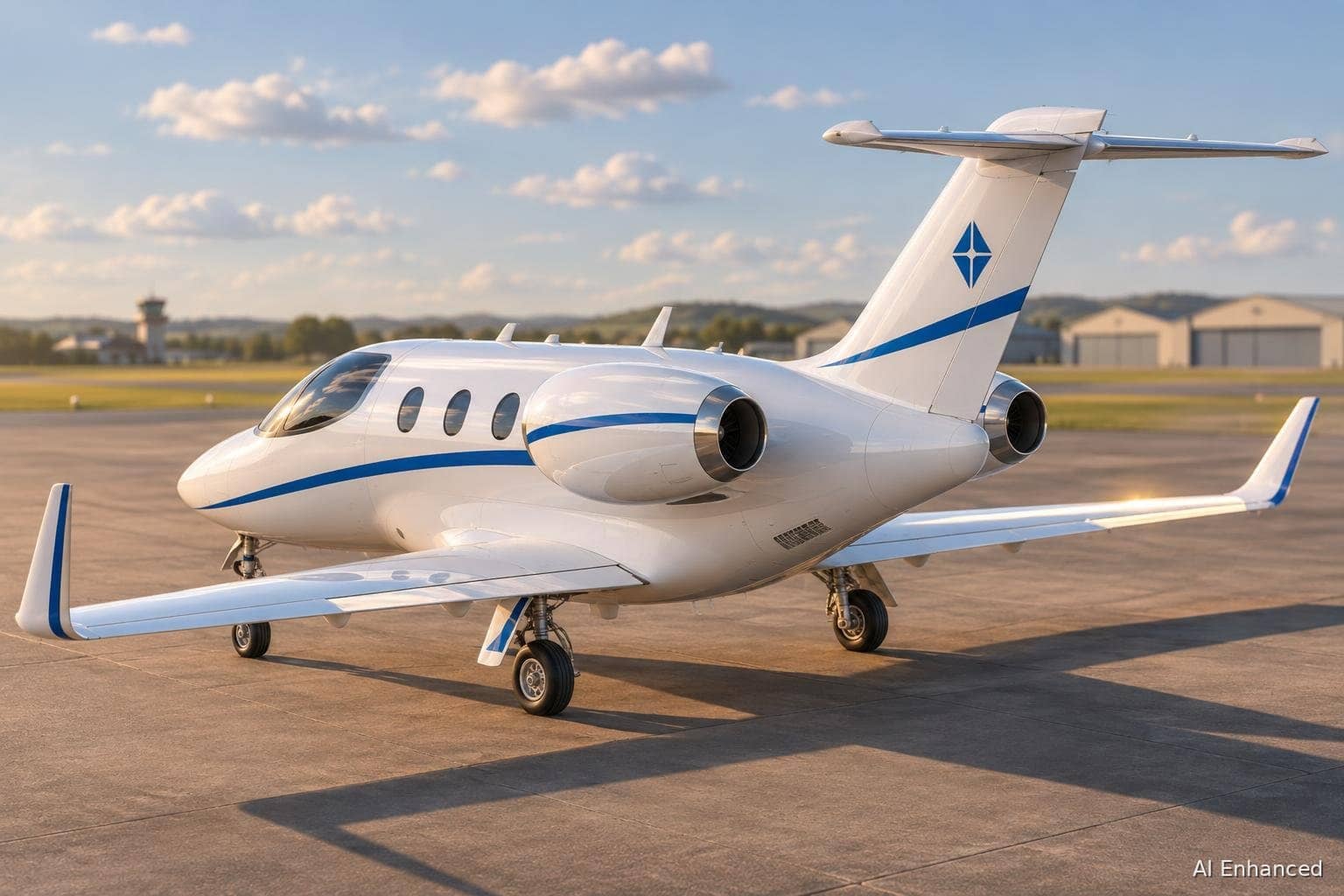
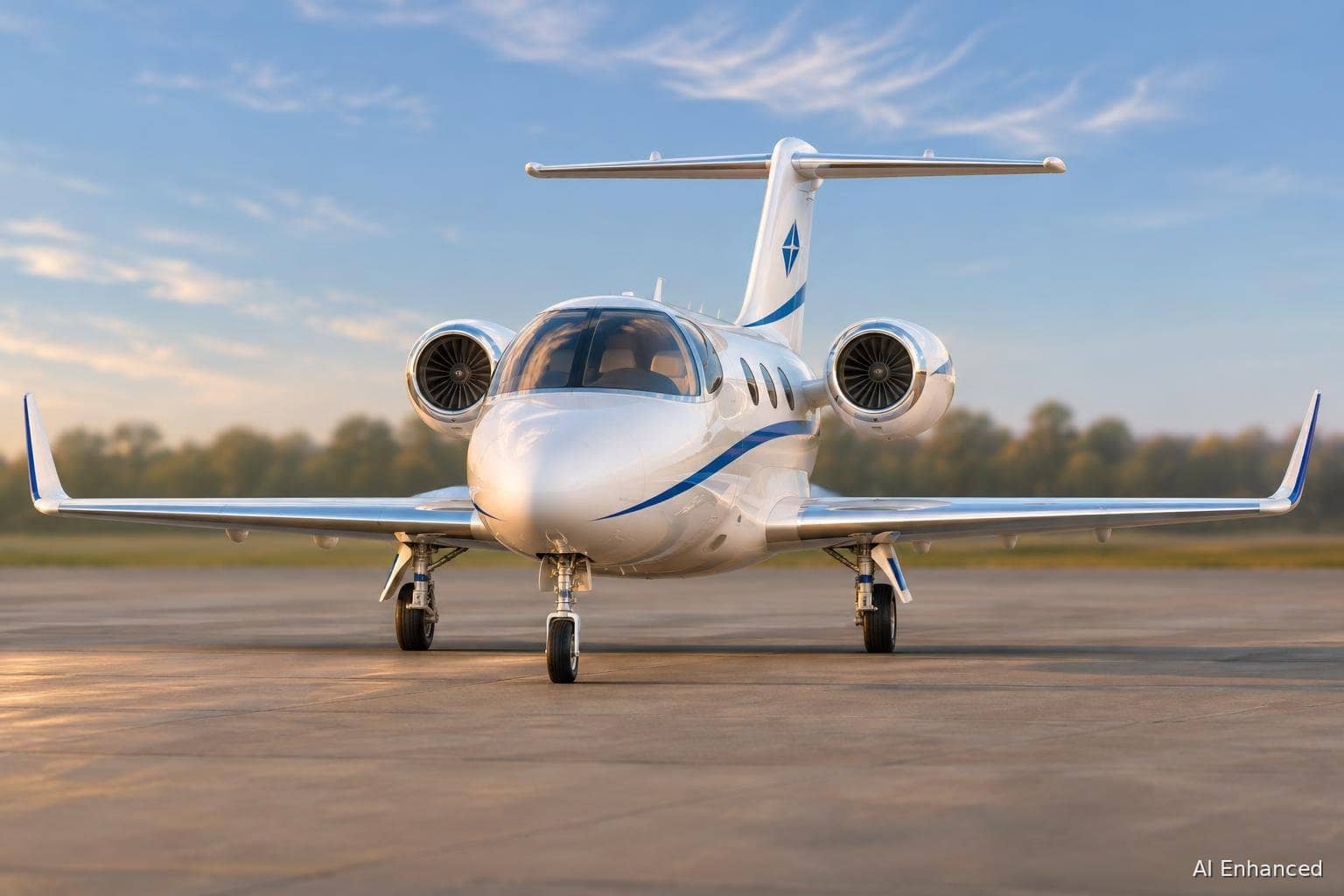
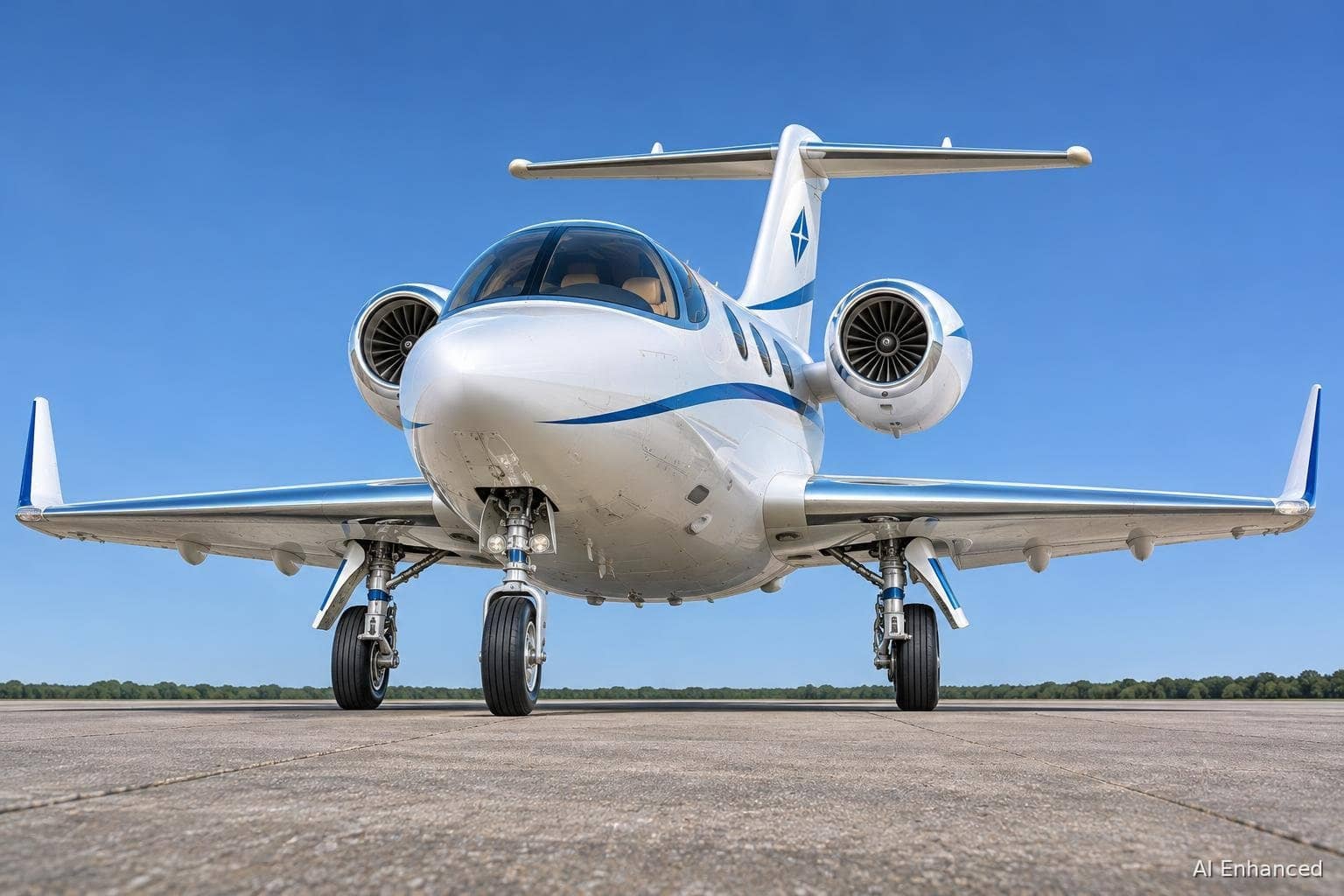
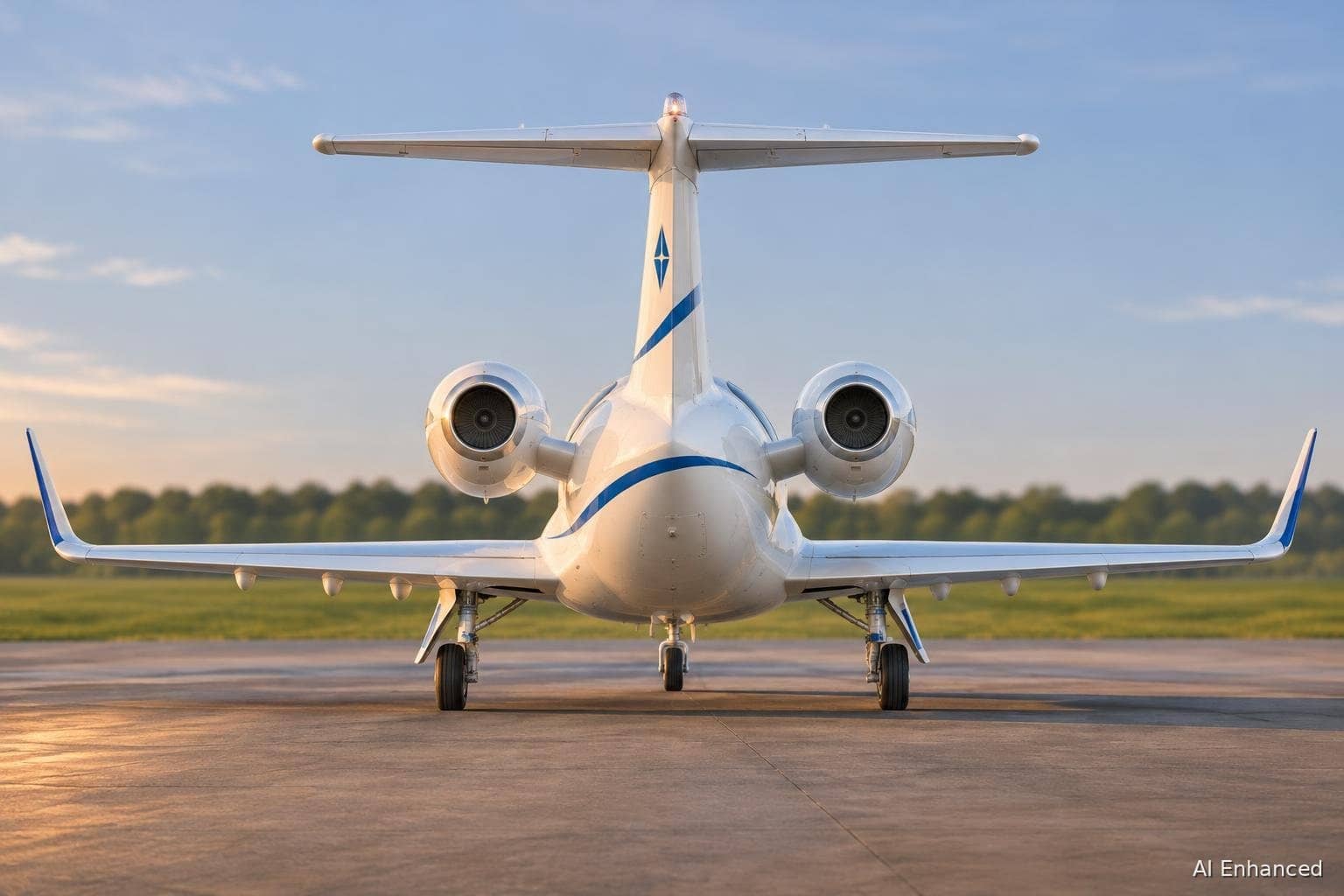
Ask us on WhatsApp (opens in a new tab)The HondaJet HA-420 is a pressurized, single-pilot light jet with two turbofans on pylons above the wings. That layout keeps the engine mounts out of the aft fuselage, leaving room for a private lavatory and a separate baggage hold. Honda lists the original model at 422 knots true airspeed at FL300. The cabin is the reason to bring your passengers along when you go to look at one.
Putting nacelles over a wing can make high-speed drag worse if they sit in the wrong place. Honda’s design team found a position where the airflow around the nacelles and over the wing reduced wave drag instead. The rounded nose and the smooth aluminum wing were also shaped to encourage natural laminar flow. Those are deliberate choices about how to get speed and cabin space out of a small jet, and they explain why the HondaJet looks the way it does.
Performance, thrust and seating figures below are Honda’s published figures for the original HondaJet.
| Specification | Original HondaJet HA-420 |
|---|---|
| Configuration | Pressurized low-wing twinjet with overwing engine pylons and a T-tail |
| Engines and thrust | Two GE Honda HF120 turbofans, 2,050 lbf each, uninstalled and derated |
| Maximum cruise speed | 422 KTAS at FL300 |
| Published range | 1,223 nm with four occupants and NBAA IFR reserves |
| Typical seating | One pilot and five passengers, or two pilots and four passengers |
| Landing gear | Retractable tricycle gear |
| Construction | Carbon-fiber composite fuselage and aluminum wing |
The Garmin G3000 puts three large displays across the panel and two touchscreen controllers on the pedestal. The flight controls themselves are mechanically linked, and on the ground the rudder pedals command nosewheel steering electronically. If you’re stepping up to the HondaJet, use the simulator to get comfortable changing a clearance while keeping track of what the autopilot is doing. That’s a better test of how the cockpit suits you than entering a route while parked. FlightSafety provides type-specific simulator training.
Runway performance deserves more attention than the cruise number. The FAA’s HondaJet runway-excursion guidance singles out approach speed control, crosswind limits and the use of performance data for the actual runway condition. If the mission depends on a short strip, run the numbers for the conditions in which you expect to use it, including a wet runway when applicable. Use the approved flight manual and applicable supplements for the configuration you’re considering. A dry-runway brochure figure won’t tell you if the trip still works when the weather turns.
Four seats face each other in the main cabin, with a private lavatory aft. At just under five feet high, it’s a cabin you stoop to move through. Sit in the club seats with the people who usually go along, and try the forward side-facing seat if that layout is on your shortlist. A seat shown on the floor plan isn’t necessarily the seat someone will want for every leg. Also decide whether the right cockpit seat will normally carry a second pilot; that changes how many passengers you can take.
Most of the baggage space is in the aft hold, with a smaller compartment in the nose. Both load from outside. Bring the bags you actually travel with, especially if they’re long or rigid, and check the openings as well as the space inside. Then run the trip again with the bags and passengers included in the load. Honda’s published range for the original jet assumes four occupants, so don’t use it as the planning figure for every seat occupied.
HA-420 covers the original HondaJet and the Elite family. It also covers original jets eligible for Honda’s APMG upgrades. Honda lists the same maximum cruise speed for the original and the Elite II, but a longer range for the Elite II. The APMG package changed runway performance and added Garmin functions; APMG S adds a higher maximum takeoff weight and changes to steering augmentation. Compare the approved weights, runway data and avionics functions rather than assuming the badge tells you what’s available.
Build the running budget around fuel for your routes, simulator recurrent training, scheduled inspections and support for both HF120s. Honda offers airframe support and parts through its service network, and GE Honda offers separate engine maintenance plans. Have the providers confirm what transfers, what each plan covers and what you’ll still pay for yourself. Ask the shop you’d actually use how it handles parts orders and an aircraft-on-ground call. A support network matters most when you need to get the jet back into service.
For the prebuy, use a HondaJet specialist who works for you. Ask for a review of applicable airworthiness directives and service bulletins, including which flap-system requirements apply, and have the shop check the composite fuselage, landing gear, brakes and avionics configuration. Get an estimate for the next scheduled inspection and any work outside the support plans. The HondaJet Owners & Pilots Association is a useful place to talk through training and day-to-day operation. Ask members which shop they call first and what they do when it can’t take the jet.
Common questions about bidding on CollectAirs. Learn how auctions work or visit our About page.
Create a free CollectAirs account, complete your profile, and click Place Bid while the auction is live. You can review bid history and confirm your amount before submitting.
A reserve is the minimum price the seller will accept. If bidding does not reach the reserve before the auction ends, the aircraft is not sold.
A Pre-Buy Inspection is an independent expert review of the aircraft before you commit. It helps verify condition and documentation so you can bid with more confidence.
Yes. CollectAirs supports buyer diligence through verified documentation and Pre-Buy Inspection options. Contact details and next steps are available on our About page.
CollectAirs stays with you through inspection, payment and transfer of title. For everything after, a vetted specialist.
Every provider is an independent, certified company, we make the introduction and stay involved until the aircraft is home. Terms and pricing are agreed directly with the provider you choose.
List it for free and reach qualified buyers worldwide.
Full description, specifications and every photograph. Prices and closing times are a snapshot, check this page before you bid.
StuttgartSign up and get verified early. It can take time, and your bid only counts once you're verified.
Coming soon, not yet consigned
Own a Aeropilot too? List it free, you only pay when it sells.
An independent inspector checks it for you. Quote first, nothing booked until you approve.
Fatima & Sam
Here for this aircraft
OnlineThinking of bidding? We're here to help
Ask us on WhatsApp (opens in a new tab)
Questions
No questions yet
Be the first to ask the seller a question!