
Coming soon, not yet consigned
Own a ICP too? List it free, you only pay when it sells.
Reach a person the way that suits you, on WhatsApp, on a call, or with a question we pass straight to the seller.
Online support 24/7
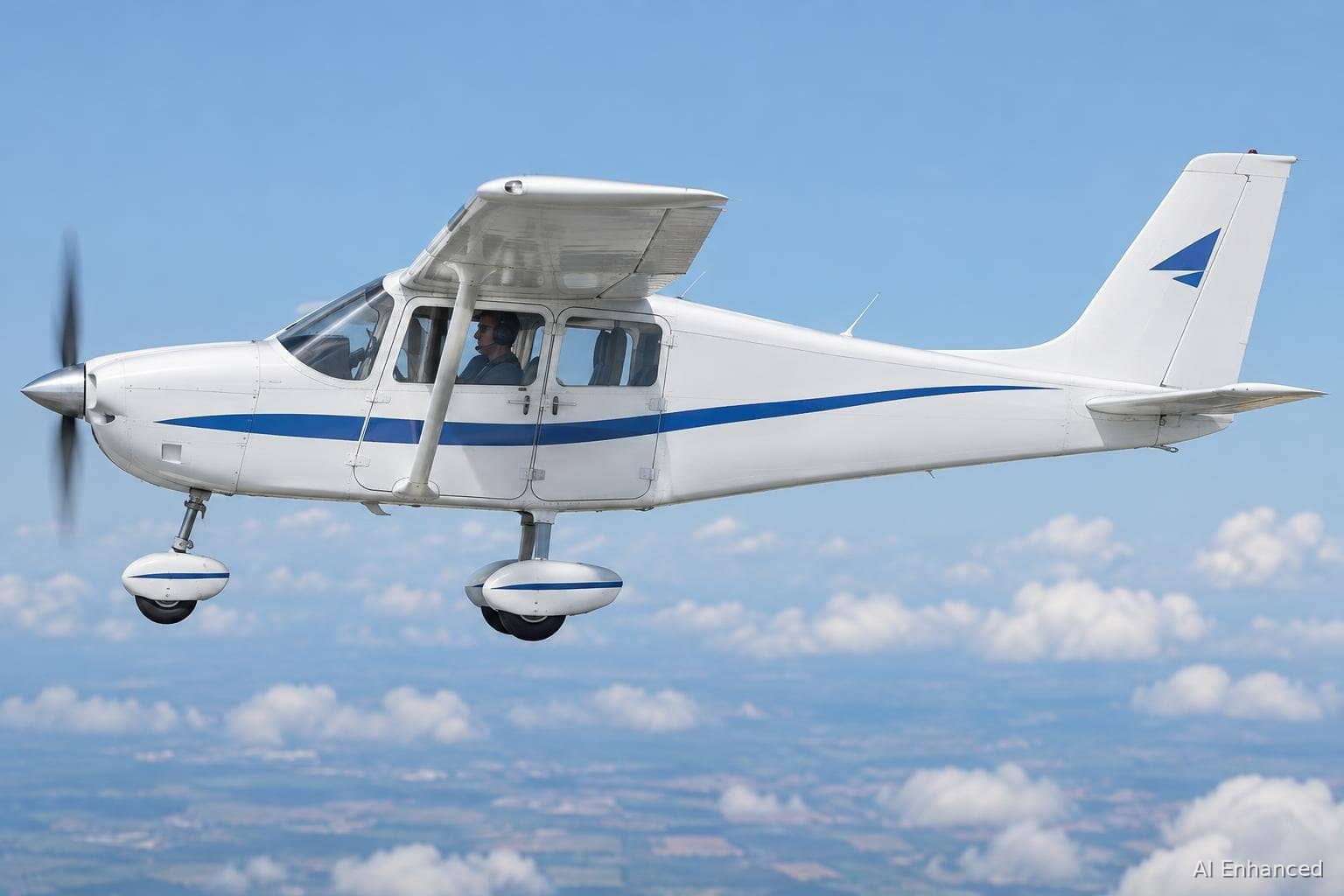
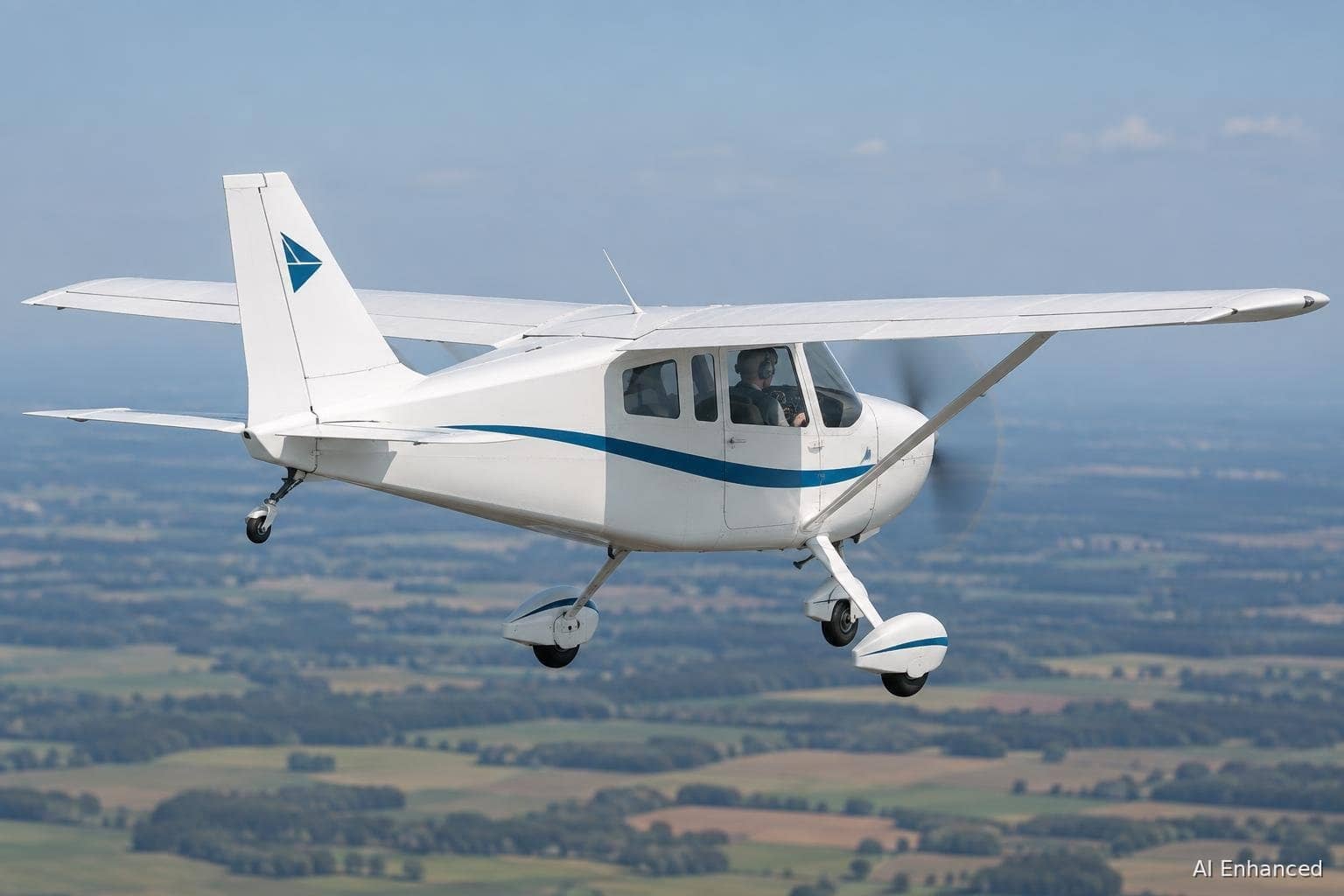
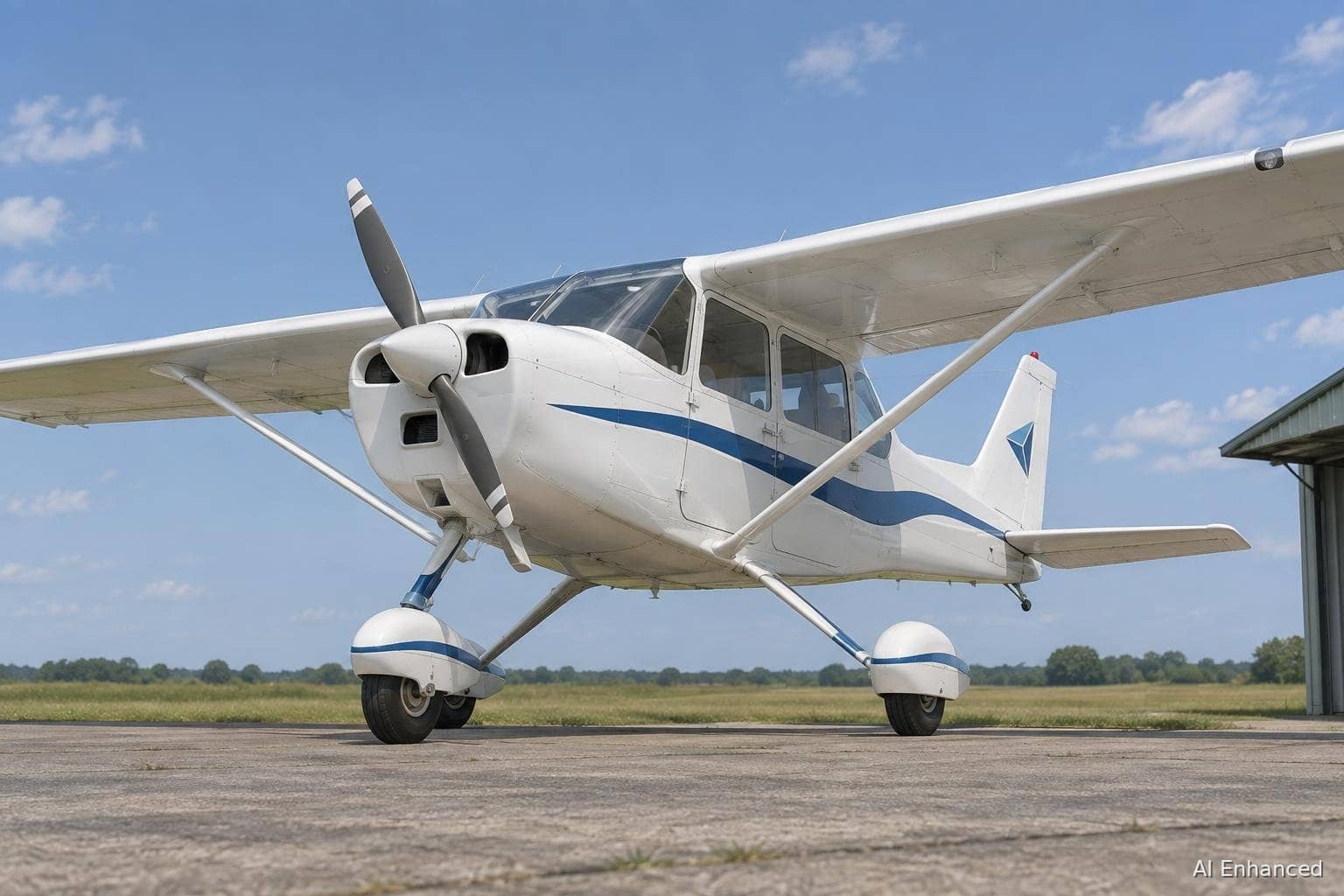
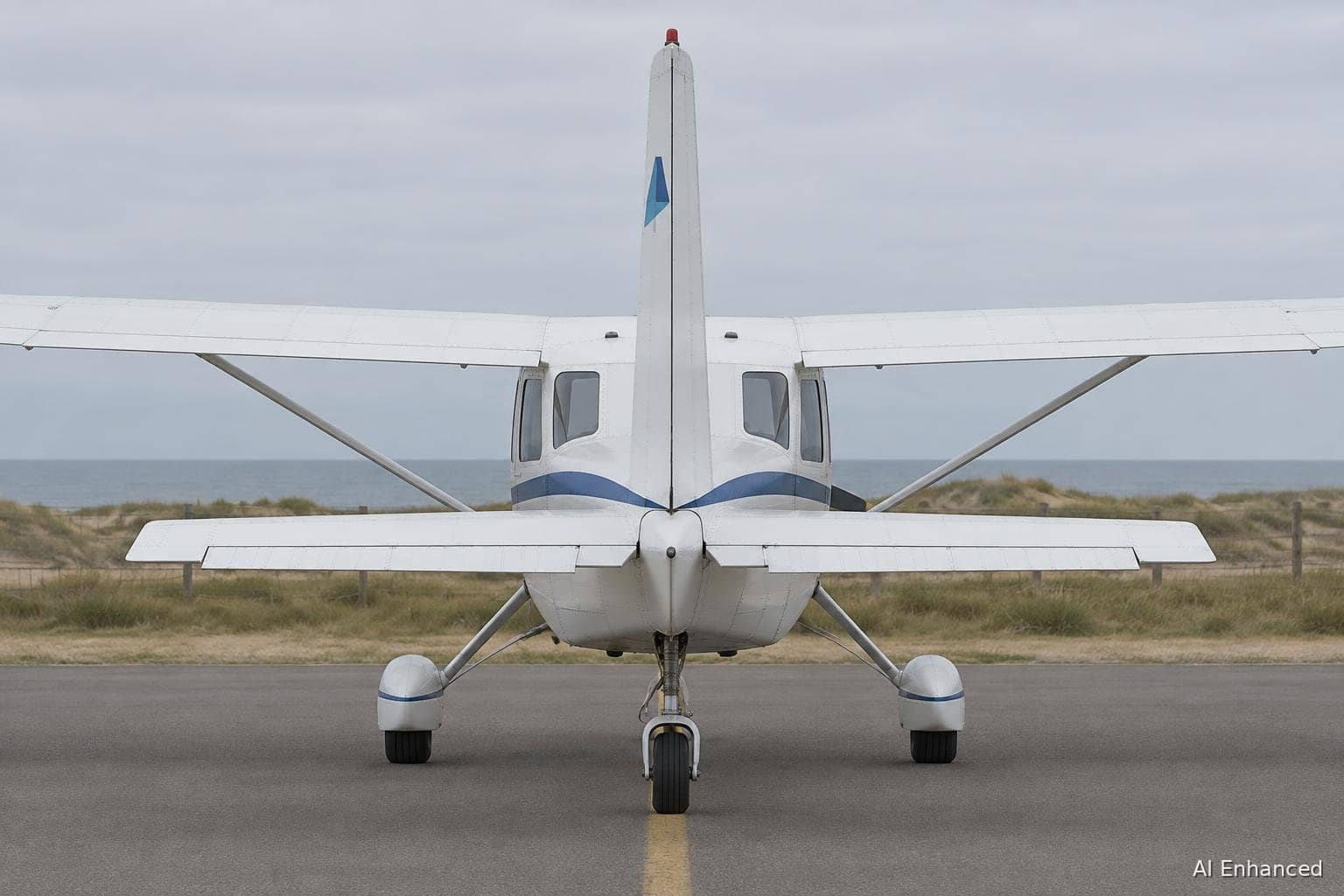
The ICP Savannah is the Italian answer to a question many light-aircraft pilots eventually ask: can a machine be genuinely happy on a short, imperfect strip without becoming a purely local-flight toy? The Savannah family built its reputation around that overlap. Its high-lift wing, external struts and Junkers flaperons make low-speed work the central theme, while later VG, XL and S developments worked to retain useful cross-country pace. It is not a slick composite traveller, nor does it pretend to be; the appeal is practical access, a wide view and a remarkably direct link between pilot, airfield and landscape.
ICP developed the Savannah as a versatile, all-metal ultralight platform rather than a single fixed recipe. Over time the line appeared with different cabins, wing treatments, engines and undercarriages, including tricycle, tailwheel and float-oriented arrangements. The Savannah S, introduced in 2010, revised the rear fuselage and cabin environment while retaining the basic high-lift wing concept. That continuity matters: the aircraft was designed to make short-field capability usable by ordinary sport pilots, not merely to produce impressive figures for a brochure.
| Spec | Detail |
|---|---|
| Type designation | ICP Savannah family; Savannah S is a later development |
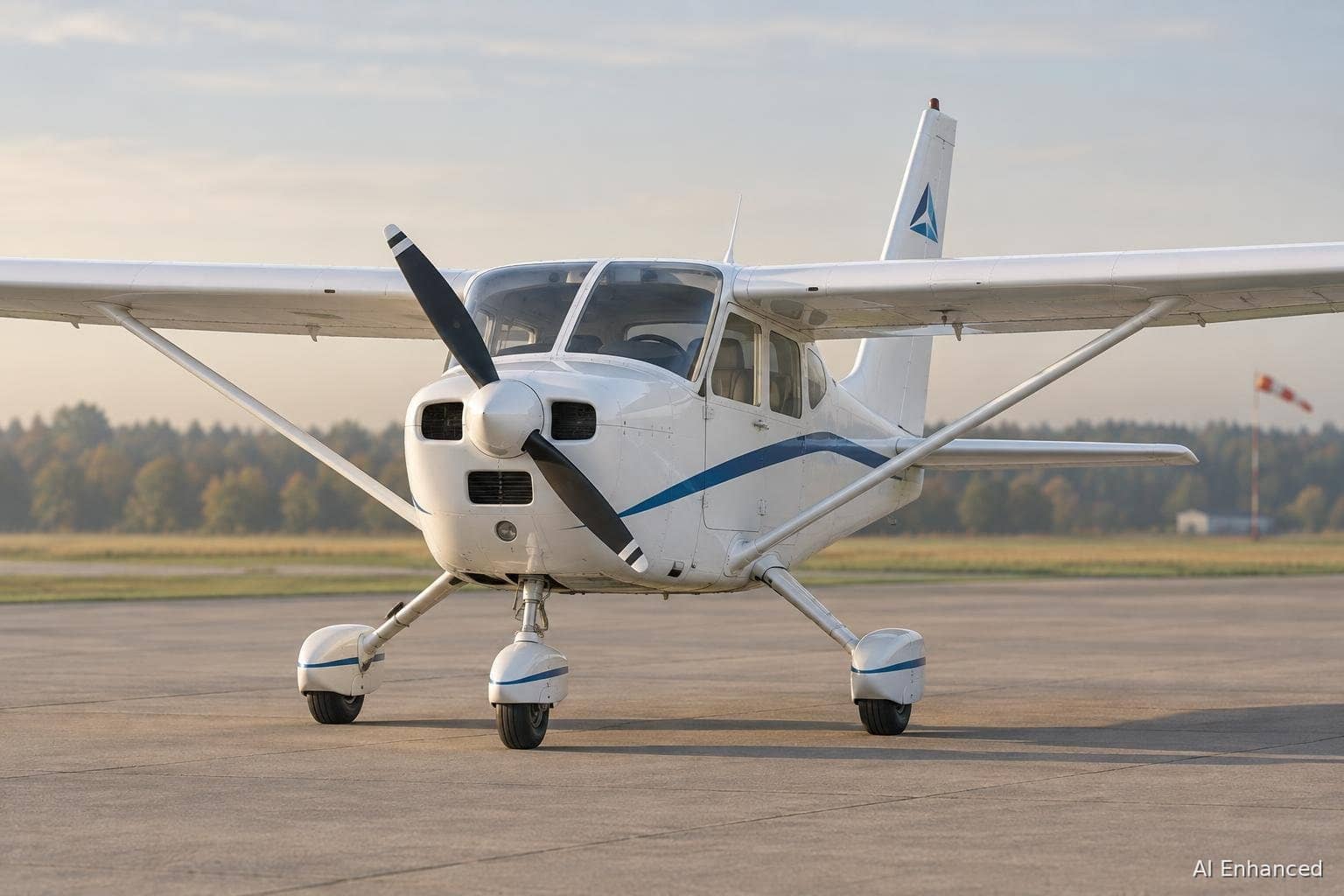
| Configuration | Two-seat, side-by-side, strut-braced high-wing ultralight |
| Engine and power | Rotax 912 UL, 80 hp, or Rotax 912 ULS, 100 hp on Savannah S |
| Cruise speed | 179 km/h / approx. 96 kt with Rotax 912S on Savannah S |
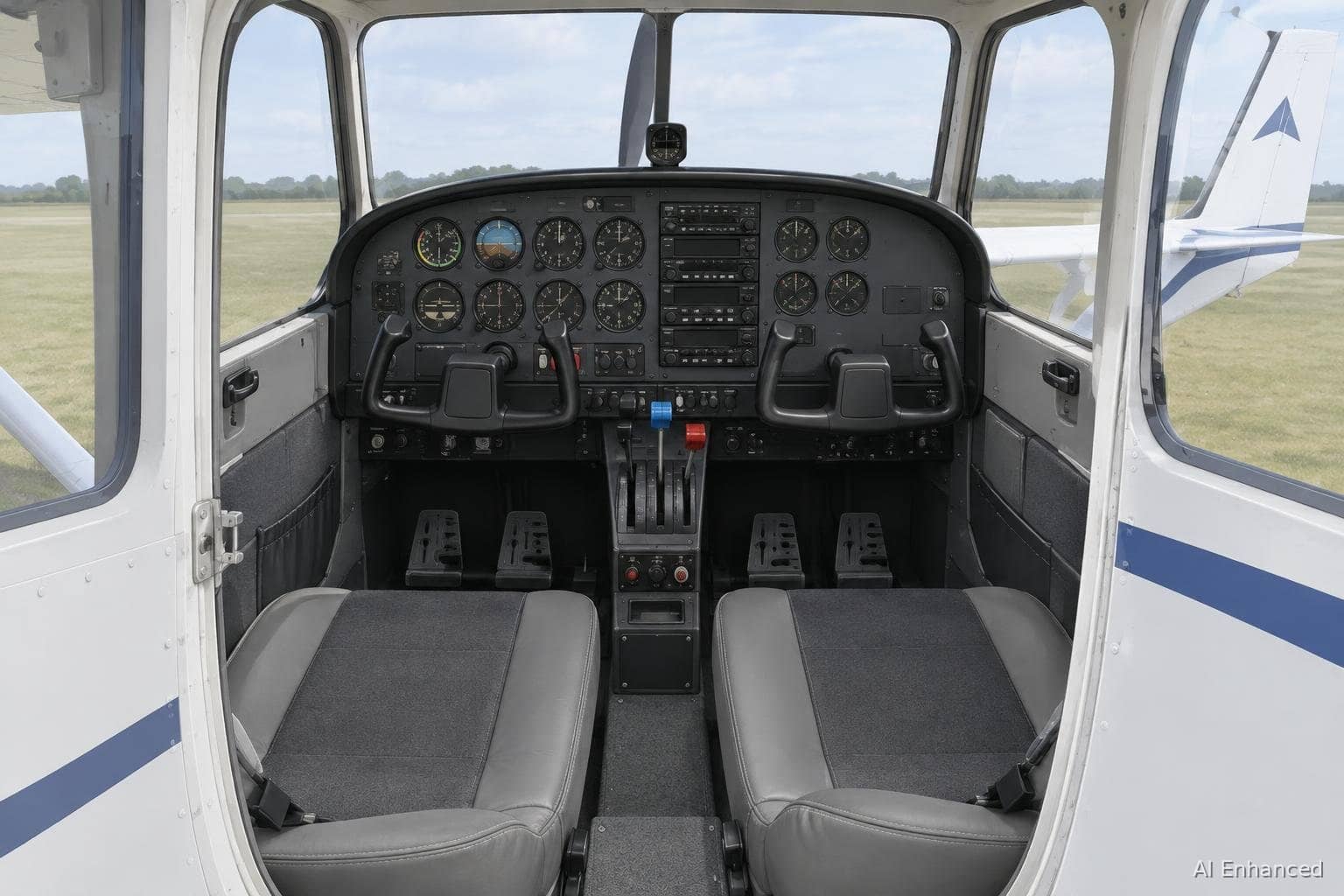
| Seating | Two, side by side |
| Landing gear | Fixed tricycle gear on the standard Savannah S; tailwheel and float-capable Savannah configurations exist |
| Airframe construction | All-metal structure with load-bearing panels |
The Savannah’s personality begins at the wing. It uses a modified NACA 65-018 high-lift section and full-span Junkers-type flaperons: surfaces mounted below and aft of the wing’s trailing edge that combine aileron and flap functions. That arrangement preserves roll response at the lower end of the speed range better than the usual compromise of asking a conventional aileron to work beside a deeply deflected flap. On VG-equipped Savannahs, vortex generators ahead of the wing help energise the boundary layer and preserve control authority nearer the stall.
In practical terms, it is an aeroplane that rewards accurate speed control and deliberate energy management rather than brute force. The broad wing and generous flap effect allow steep, controlled approaches, but the same features mean a pilot should resist treating it like a fast, clean touring machine. It is happiest when flown as a utility-minded light aeroplane: keep the approach stabilised, use the flaperons intelligently and let the low-speed design do its job. The fixed gear and exposed struts create drag, naturally, but they also make the Savannah’s priorities perfectly clear before the wheels leave the ground.
| Feature | ICP Savannah S | Zenith STOL CH 750 |
|---|---|---|
| Primary character | Short-field ultralight with practical touring ambition | Utility-focused light sport and kit aircraft |
| Wing control system | Modified high-lift wing with Junkers flaperons | High wing with fixed leading-edge slats and flaperons |
| Typical cruise speed | 179 km/h / approx. 96 kt with Rotax 912S | 100 mph / approx. 87 kt in published factory comparison data |
| Cabin layout | Two seats side by side; Savannah S cabin width 1.18 m | Two seats side by side; published cabin width 42 in |
| Airframe approach | All-metal stressed-panel structure | All-metal kit aircraft construction |
Comparison rival: Zenith STOL CH 750. Published figures vary by model, certification category, engine, propeller, weight and installed equipment; compare the actual aircraft documentation before drawing purchasing conclusions.
Honest ownership note: A Savannah should be bought on paperwork, workmanship and condition rather than on the romance of a short take-off roll. The family spans several versions and engine fits, so establish exactly which Savannah variant, wing treatment, landing gear and national approval basis are involved. A pre-purchase inspection should pay particular attention to the wing-strut and jury-strut attachments, flaperon hinges and control runs, riveted skins and load-bearing panels, vortex generators where fitted, fuel-tank cups and vents, brake plumbing, nosegear steering and the engine installation. The Rotax installation brings the advantage of a very familiar light-aircraft engine family, but maintenance must follow both the airframe and engine documentation. A mechanic experienced with Rotax installations and a knowledgeable Savannah or ICP owners’ network are worth more than an optimistic advert.
| Good fit if… | Worth a second thought if… |
|---|---|
| You want a side-by-side, high-wing aircraft designed around short-field operation and clear outward visibility. | You primarily need high cruise speed, long paved-runway touring efficiency or a quiet, heavily insulated cabin. |
| You enjoy flying accurately at lower speeds and are willing to learn the flaperon system properly. | You prefer a conventional touring aeroplane with fewer variant-specific differences to research. |
| You can use a Rotax-capable maintenance provider and verify the aircraft’s precise Savannah sub-variant. | You are unwilling to inspect kit-build quality, modification records, control rigging and national operating limitations closely. |
The ICP Savannah makes sense because it is honest about its mission. It turns useful lift, fixed gear and a straightforward metal structure into an aircraft that can make modest airfields feel accessible rather than restrictive. Choose the exact variant carefully, inspect the build and systems with discipline, and the Savannah remains one of the more characterful ways to combine low-speed utility with two-seat recreational flying.
Full description, specifications and every photograph. Prices and closing times are a snapshot, check this page before you bid.
Common questions about bidding on CollectAirs. Learn how auctions work or visit our About page.
Create a free CollectAirs account, complete your profile, and click Place Bid while the auction is live. You can review bid history and confirm your amount before submitting.
A reserve is the minimum price the seller will accept. If bidding does not reach the reserve before the auction ends, the aircraft is not sold.
A Pre-Buy Inspection is an independent expert review of the aircraft before you commit. It helps verify condition and documentation so you can bid with more confidence.
Yes. CollectAirs supports buyer diligence through verified documentation and Pre-Buy Inspection options. Contact details and next steps are available on our About page.
CollectAirs stays with you through inspection, payment and transfer of title. For everything after, a vetted specialist.
Every provider is an independent, certified company, we make the introduction and stay involved until the aircraft is home. Terms and pricing are agreed directly with the provider you choose.
List it for free and reach qualified buyers worldwide.
Coming soon, not yet consigned
Own a ICP too? List it free, you only pay when it sells.
Reach a person the way that suits you, on WhatsApp, on a call, or with a question we pass straight to the seller.
Online support 24/7
Seller Q&A
Ask the seller anything
Get answers before you bid
No questions yet
Be the first to ask the seller a question!