

 East Los Angeles
Coming soon, not yet consigned
Own a Lockheed Martin too? List it free, you only pay when it sells.
An independent inspector checks it for you. Quote first, nothing booked until you approve.

Fatima
Here for this aircraft
OnlineThinking of bidding? I'm here to help
Ask me on WhatsApp (opens in a new tab)Collector’s note: This fighter jet has been featured on CollectAirs as a special showcase piece to spark interest and celebrate the fascination of aviation history. It is not presented as a standard active sales listing. For verified aircraft opportunities, please browse our available listings or contact the CollectAirs team.
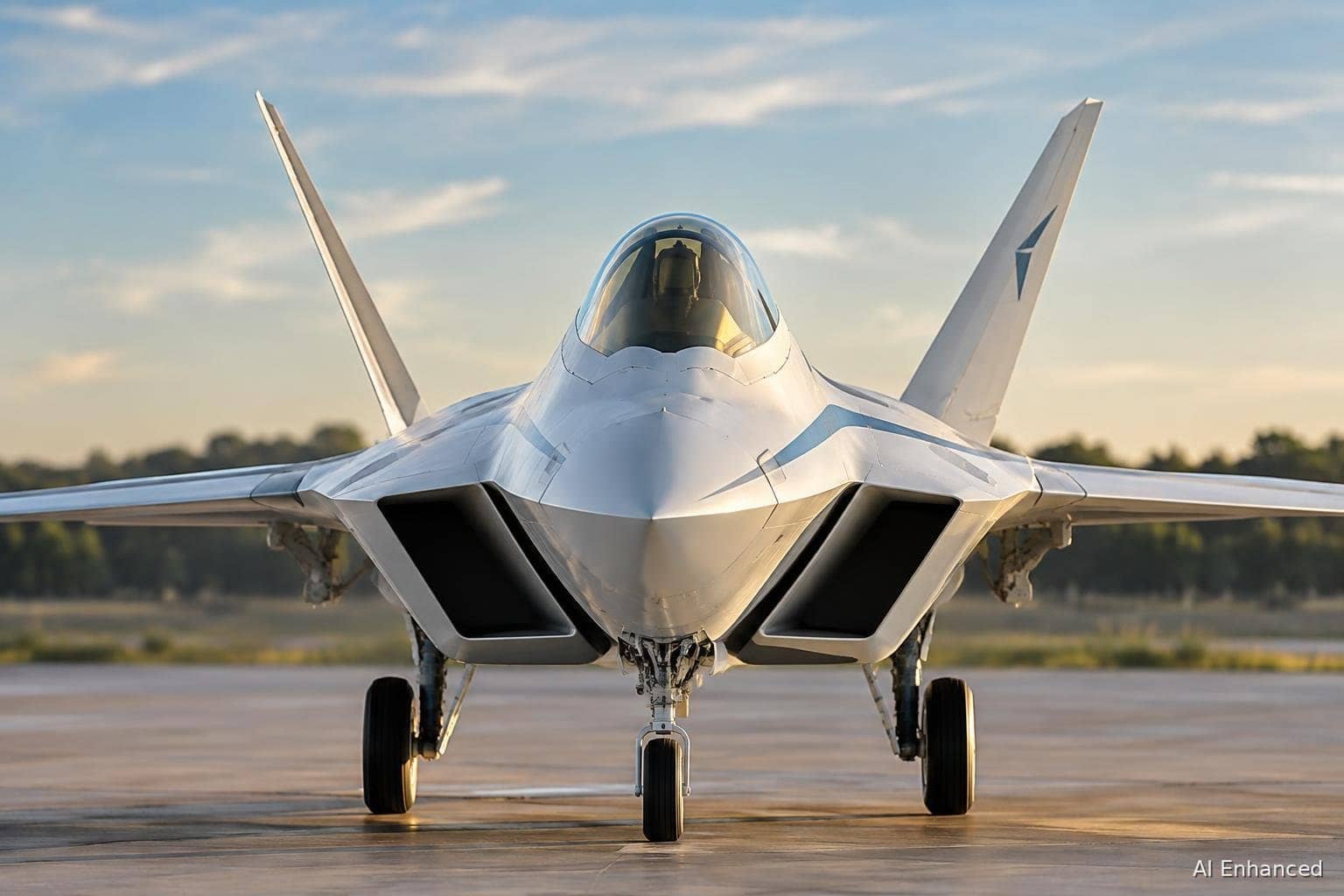
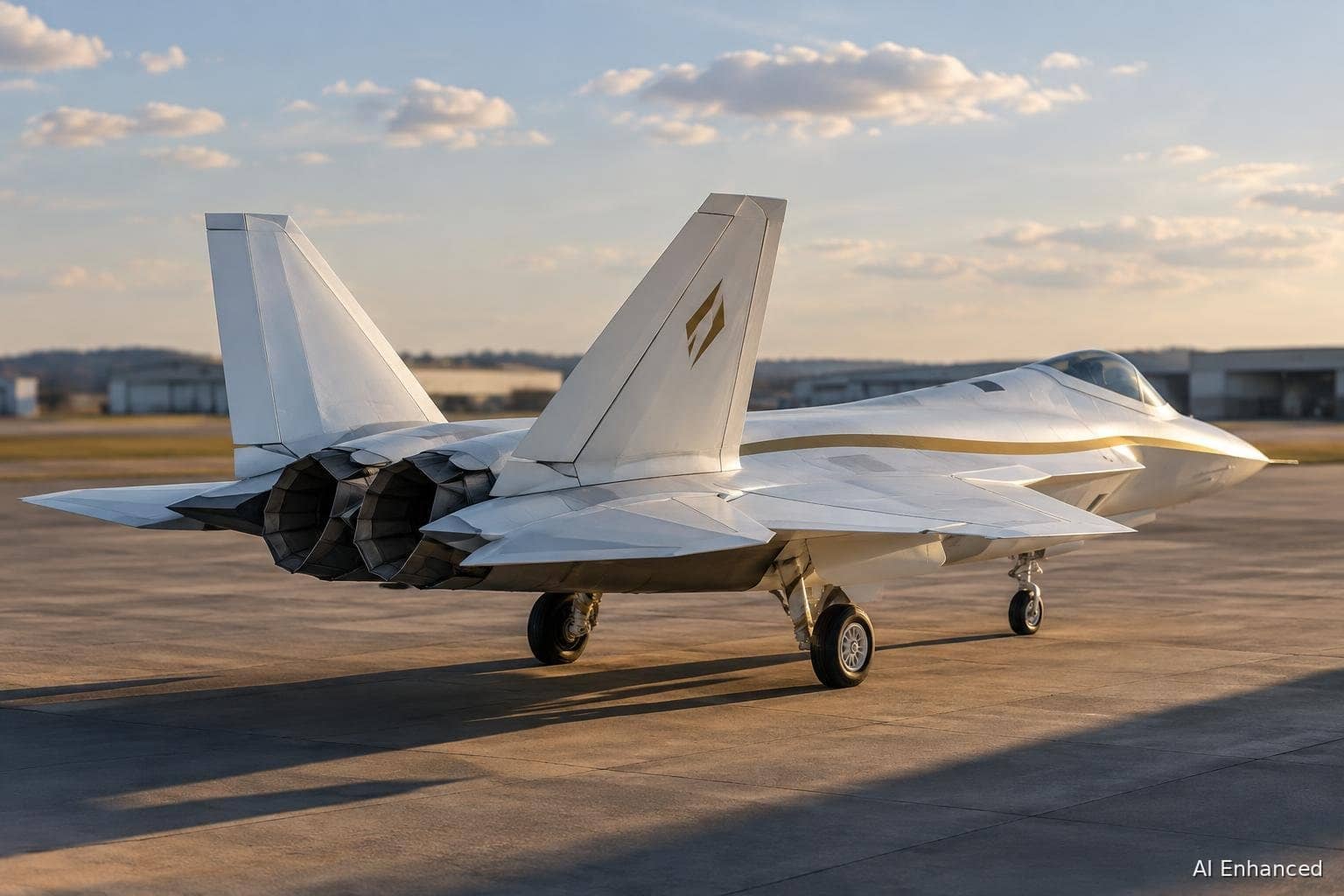
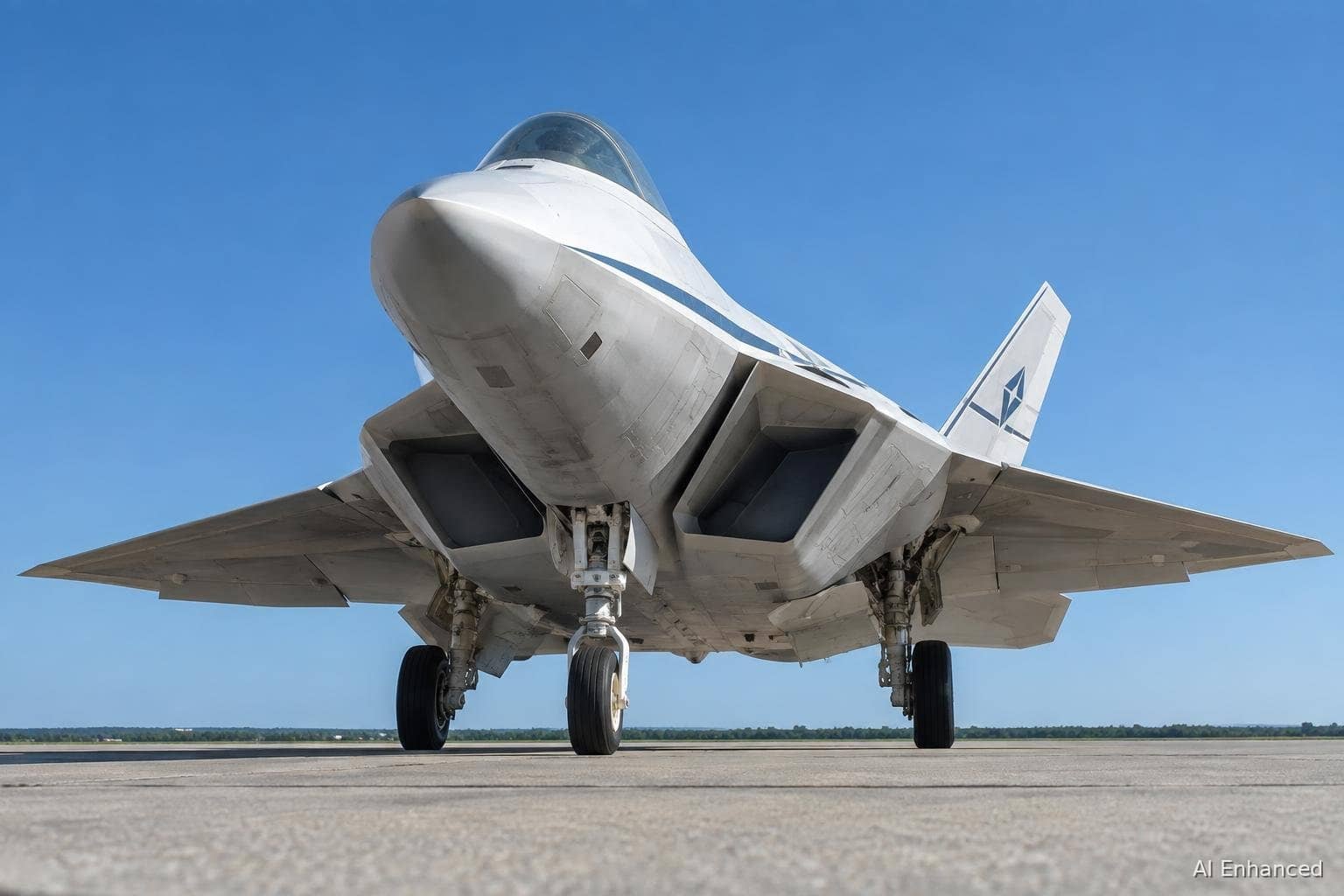
The F-22 Raptor is the fighter that made the word supercruise part of everyday aviation shorthand. Conceived at the end of the Cold War but delivered into a very different one, it combined sustained supersonic flight without afterburner, low observability, thrust vectoring and sensor fusion in a single-seat air-dominance platform. Plenty of fighters are quick; the Raptor’s distinction was to remain difficult to detect while moving fast, manoeuvring hard and presenting one pilot with an unusually coherent tactical picture.
Lockheed Martin and Boeing developed the Raptor from the Advanced Tactical Fighter programme, which sought a successor to the F-15 for contested airspace. The Lockheed-led YF-22 won the competition in 1991, the first production-standard Raptor emerged later in the decade, and operational service began in December 2005. Production ended in 2012, leaving a small, highly specialised fleet. It was built to prove that stealth need not mean a compromised dogfighter, and that raw engine thrust could be turned into range, acceleration and control authority rather than simply noise and fuel burn.
| Spec | Detail |
|---|---|
| Type designation | F-22A Raptor |
| Configuration | Single-seat, twin-engine, low-observable air-dominance fighter |
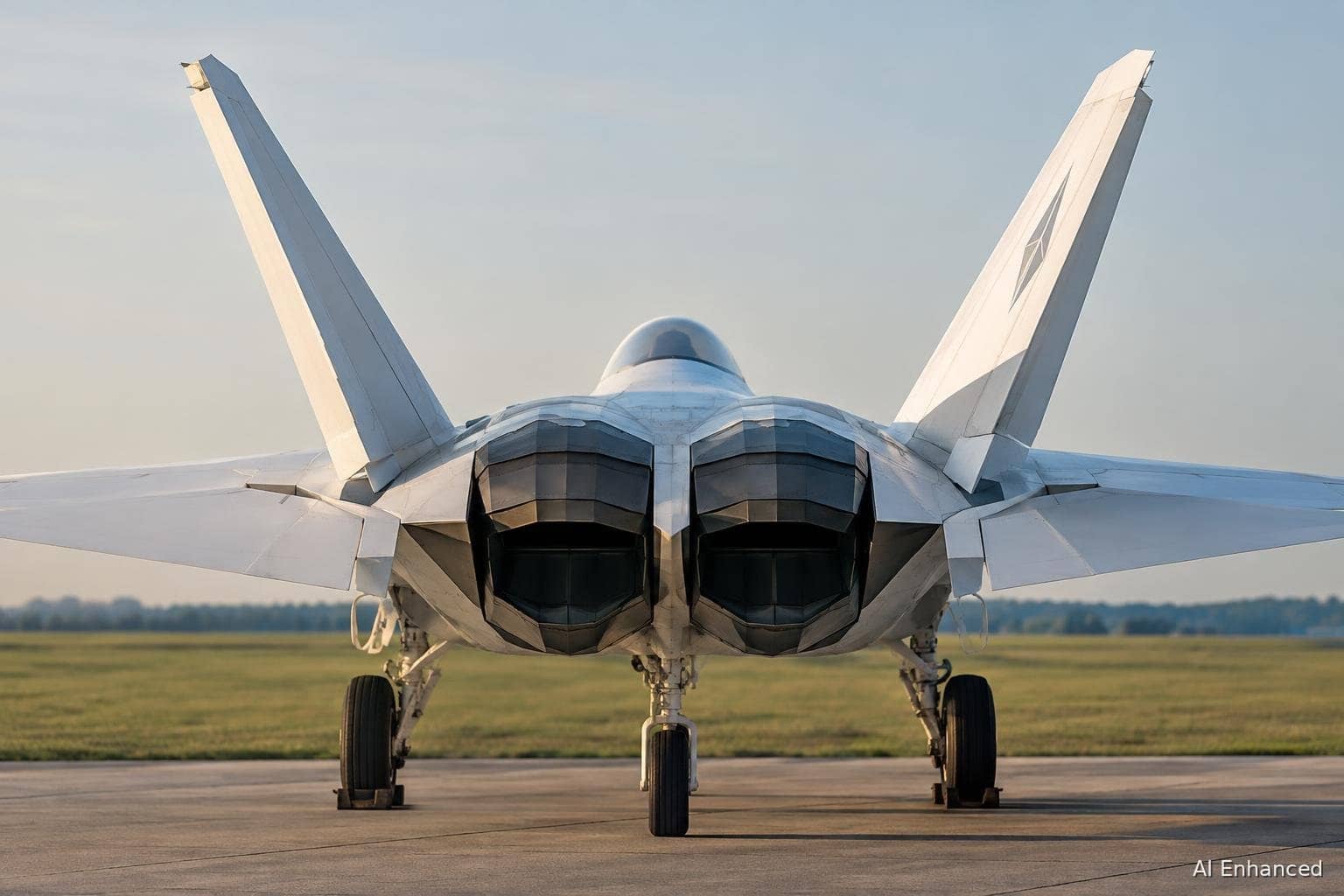
| Engine and power | Two Pratt & Whitney F119-PW-100 afterburning turbofans, 35,000 lb thrust class each |
| Cruise speed | Supersonic supercruise, greater than Mach 1.5 without afterburner |
| Seating | One pilot |
| Landing gear | Retractable tricycle undercarriage |
| Airframe construction | Low-observable structure using advanced materials and specialised surface treatments |
The Raptor was not merely designed around a radar, an engine or a stealth coating; its value lies in the way those elements work together. Its sensor suite and integrated avionics were intended to reduce the pilot’s workload by combining surveillance, identification, navigation and weapons information. In practical terms, the pilot works from a fused tactical picture rather than a collection of separate instruments demanding separate interpretation. That was a serious step beyond the traditional arrangement of radar scope, warning receivers and mission displays competing for attention.
The aerodynamic answer is equally purposeful. Two powerful F119s drive rectangular two-dimensional thrust-vectoring nozzles, which deflect in pitch and supplement the conventional control surfaces at high angle of attack. Broad wing-root blending, clipped trapezoidal wings and widely spaced canted fins are not styling exercises: they serve lift, control, internal volume and radar-signature management together. The result is an aeroplane designed to arrive at the important part of a mission with energy in hand. It is not a machine built around leisurely touring manners; it is a tightly integrated weapons system whose engineering priorities are speed, signature control and combat geometry.
| Feature | F-22 Raptor | F-15C Eagle |
|---|---|---|
| Primary design emphasis | Low-observable air dominance with integrated sensors | Conventional air-superiority fighter with external stores |
| Crew | One | One |
| Powerplant | Two F119-PW-100 turbofans with thrust vectoring | Two F100-series afterburning turbofans |
| Supersonic operation | Greater than Mach 1.5 in supercruise | Mach 2 class maximum-speed fighter |
| Weapons carriage | Primarily internal bays for low-observable missions | External pylons and an internal cannon |
| Airframe character | Blended, faceted low-observable planform | Large conventional wing-and-fuselage fighter layout |
Comparison rival: McDonnell Douglas F-15C Eagle. Figures and capability vary by model, upgrade standard, mission configuration and engine fitted.
Honest ownership note: The F-22 is not a realistic civilian ownership proposition. It is a tightly controlled U.S. military weapons system with classified low-observable, propulsion, software and avionics elements, rather than a surplus fast jet supported by an ordinary restoration market. Even a demilitarised example would demand formal government approvals, specialist facilities, controlled technical data, bespoke ground equipment and engineers familiar with military low-observable repair practice. A pre-purchase inspection, were one ever legally relevant, would need to establish demilitarisation status, custody of controlled components, structural condition around heat-affected and high-load areas, canopy and ejection-seat status, engine preservation, software configuration and the legal standing of every supplied part. The useful support network is military, manufacturer and government-led—not a conventional type club.
| Good fit if… | Worth a second thought if… |
|---|---|
| You want a landmark case study in integrated fighter design and accept museum-level legal, technical and preservation demands. | You expect normal private registration, routine civilian maintenance, readily available spares or practical flight operations. |
| You value the Raptor as an artefact of advanced aerospace engineering. | You want the accessible ownership experience associated with civilian ex-military trainers or older surplus jets. |
The F-22 Raptor remains compelling because its engineering is so concentrated: engines, shaping, controls, sensors and internal carriage all pull in the same direction. It is an extraordinary study in what happens when a fighter programme refuses to treat speed, agility and survivability as separate subjects. For anyone considering the type in a collection or institutional context, the fascination is genuine—but so are the limits.
Common questions about bidding on CollectAirs. Learn how auctions work or visit our About page.
Create a free CollectAirs account, complete your profile, and click Place Bid while the auction is live. You can review bid history and confirm your amount before submitting.
A reserve is the minimum price the seller will accept. If bidding does not reach the reserve before the auction ends, the aircraft is not sold.
A Pre-Buy Inspection is an independent expert review of the aircraft before you commit. It helps verify condition and documentation so you can bid with more confidence.
Yes. CollectAirs supports buyer diligence through verified documentation and Pre-Buy Inspection options. Contact details and next steps are available on our About page.
CollectAirs stays with you through inspection, payment and transfer of title. For everything after, a vetted specialist.
Every provider is an independent, certified company, we make the introduction and stay involved until the aircraft is home. Terms and pricing are agreed directly with the provider you choose.
List it for free and reach qualified buyers worldwide.
Full description, specifications and every photograph. Prices and closing times are a snapshot, check this page before you bid.
East Los AngelesComing soon, not yet consigned
Own a Lockheed Martin too? List it free, you only pay when it sells.
An independent inspector checks it for you. Quote first, nothing booked until you approve.
Fatima
Here for this aircraft
OnlineThinking of bidding? I'm here to help
Ask me on WhatsApp (opens in a new tab)
Questions
No questions yet
Be the first to ask the seller a question!