
 Valencia
Coming soon, not yet consigned
Own a Partenavia Vulcanair too? List it free, you only pay when it sells.
An independent inspector checks it for you. Quote first, nothing booked until you approve.

Fatima
Here for this aircraft
OnlineThinking of bidding? I'm here to help
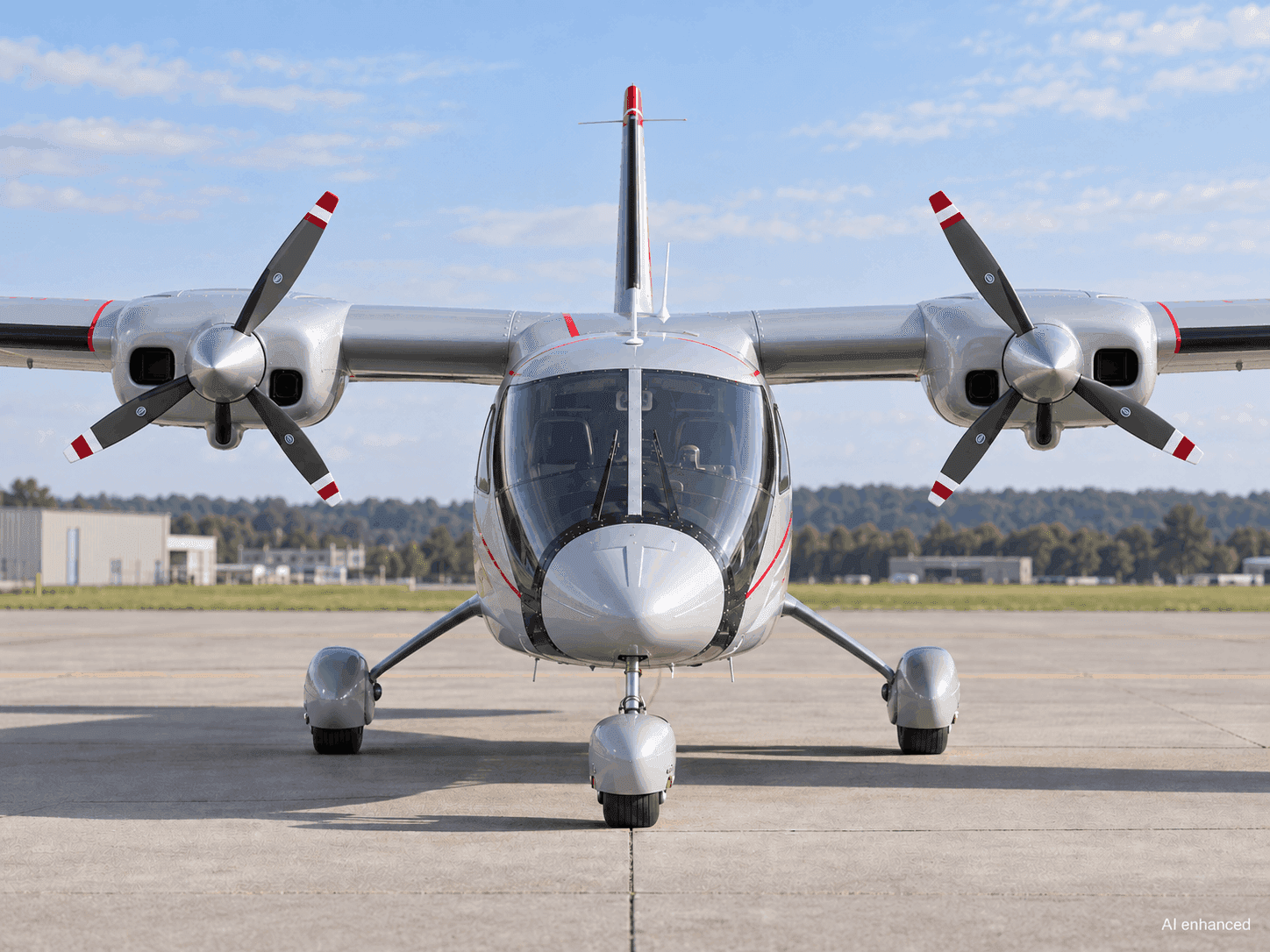
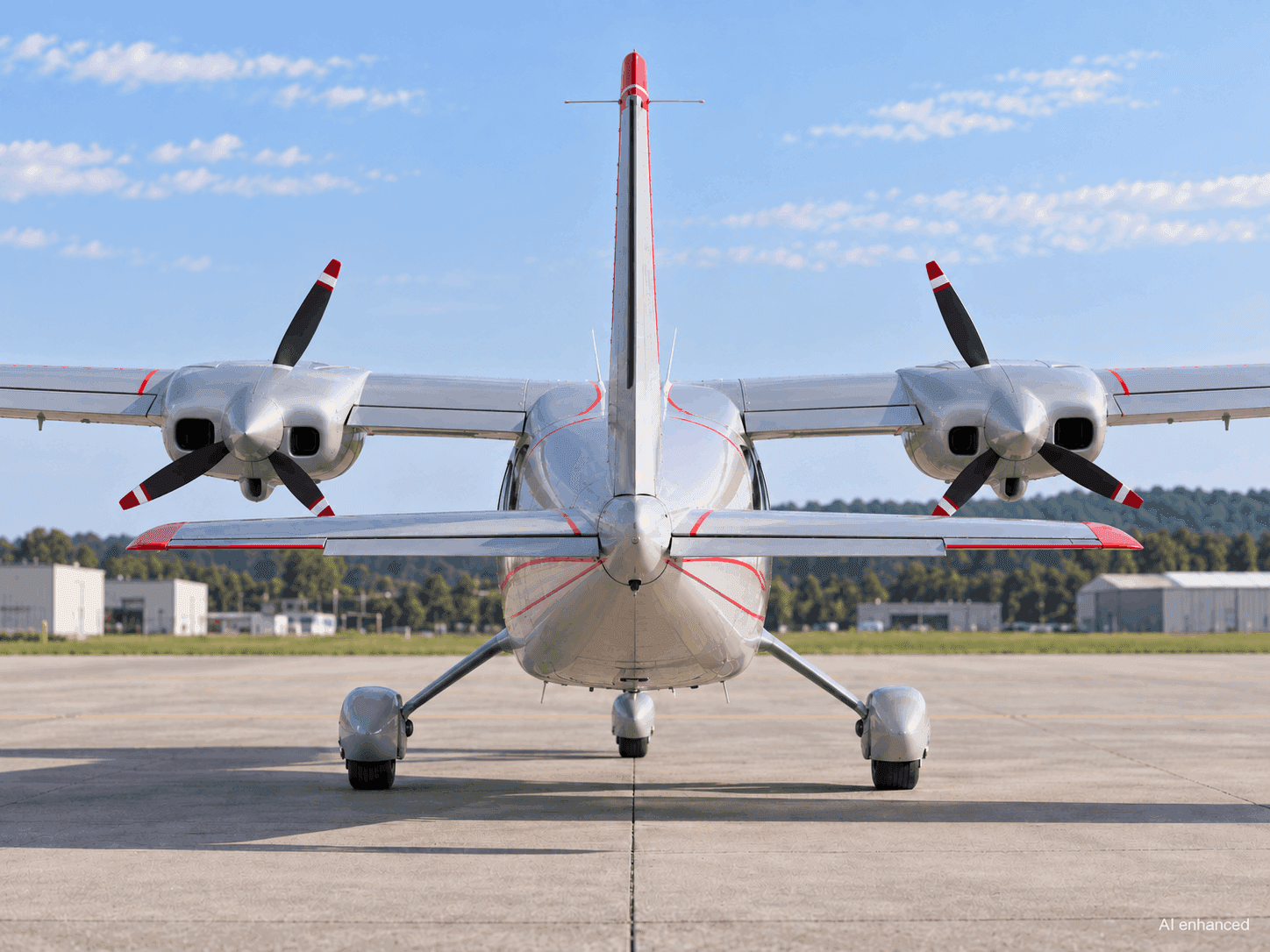
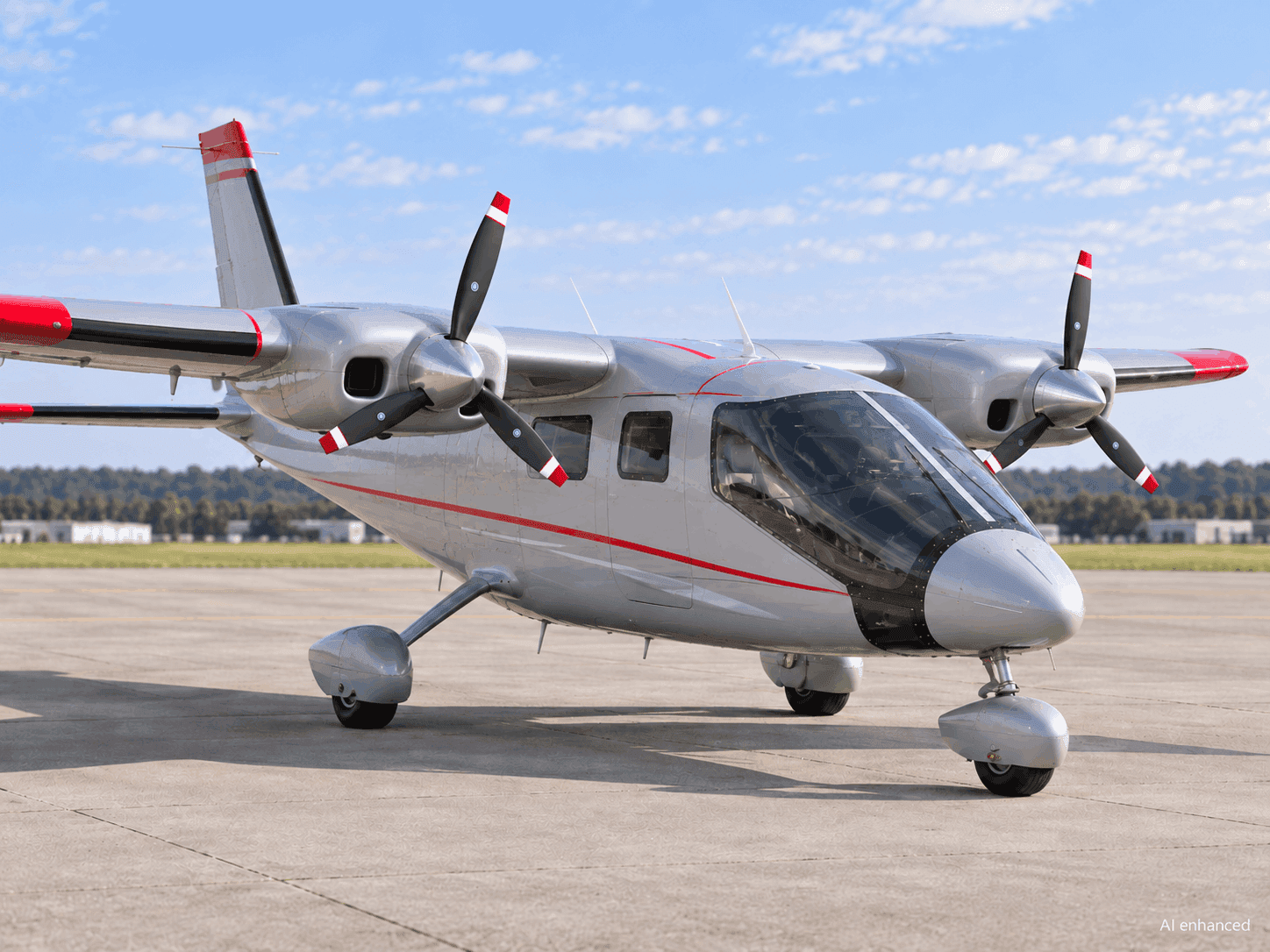
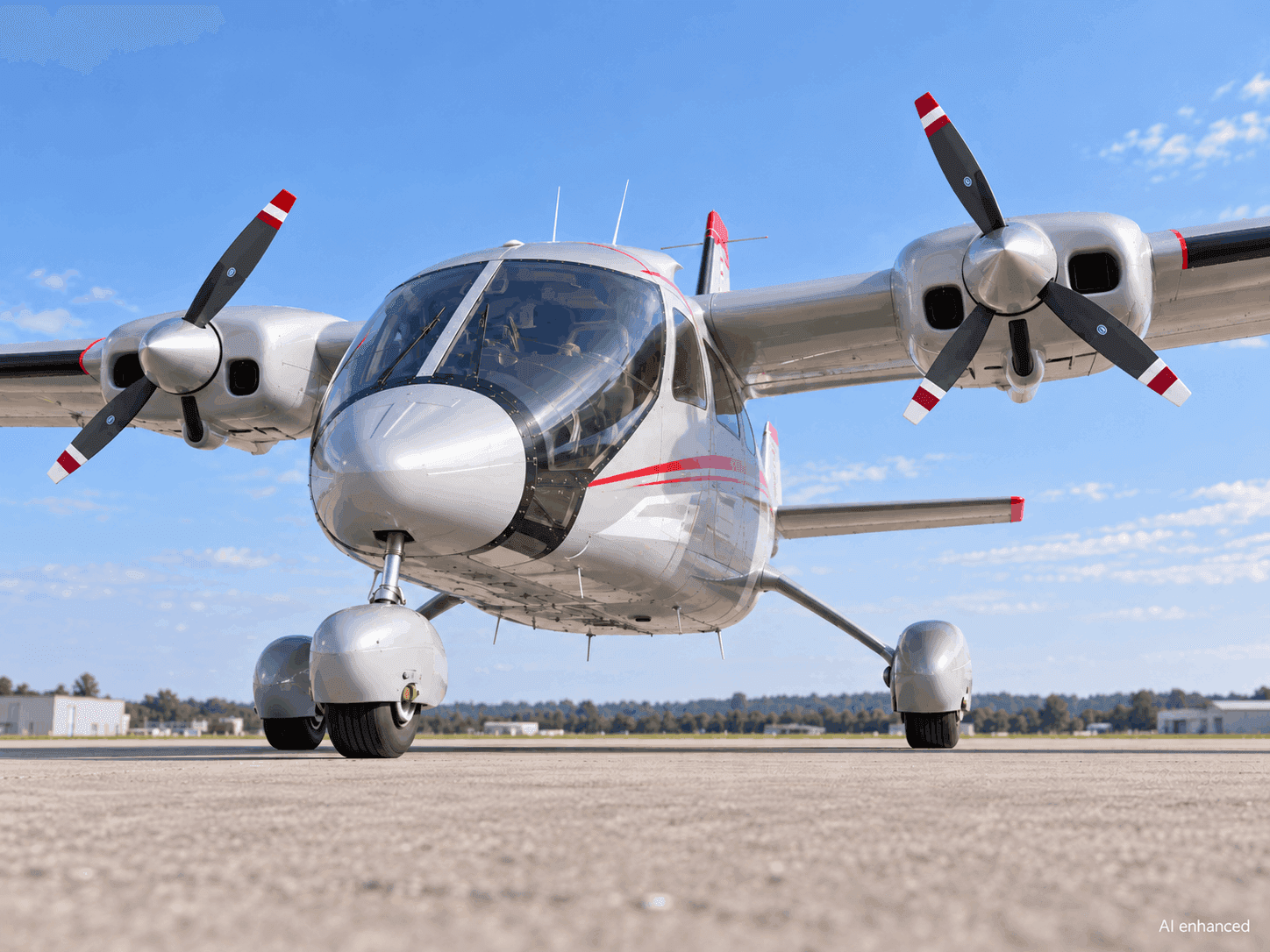
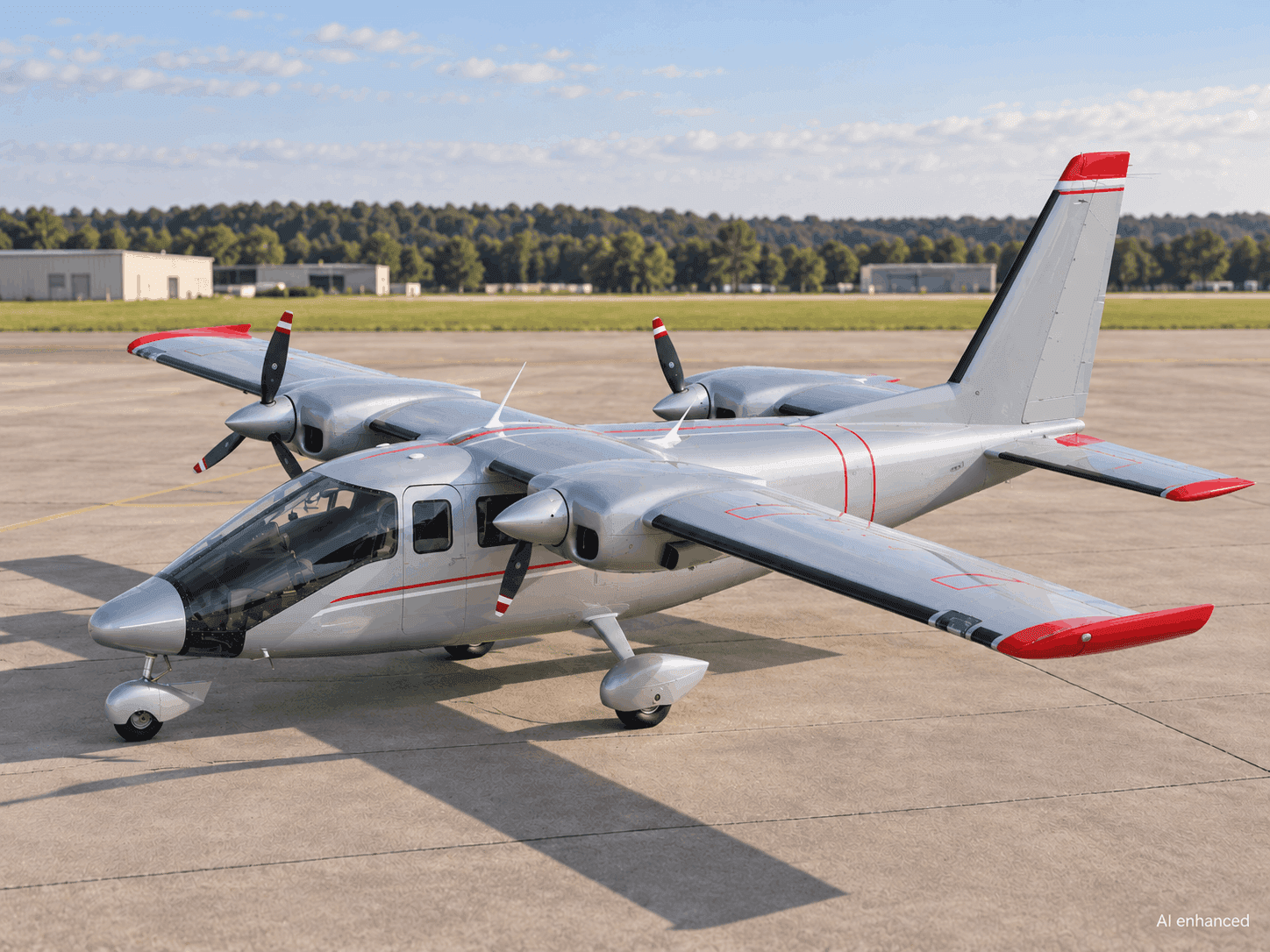
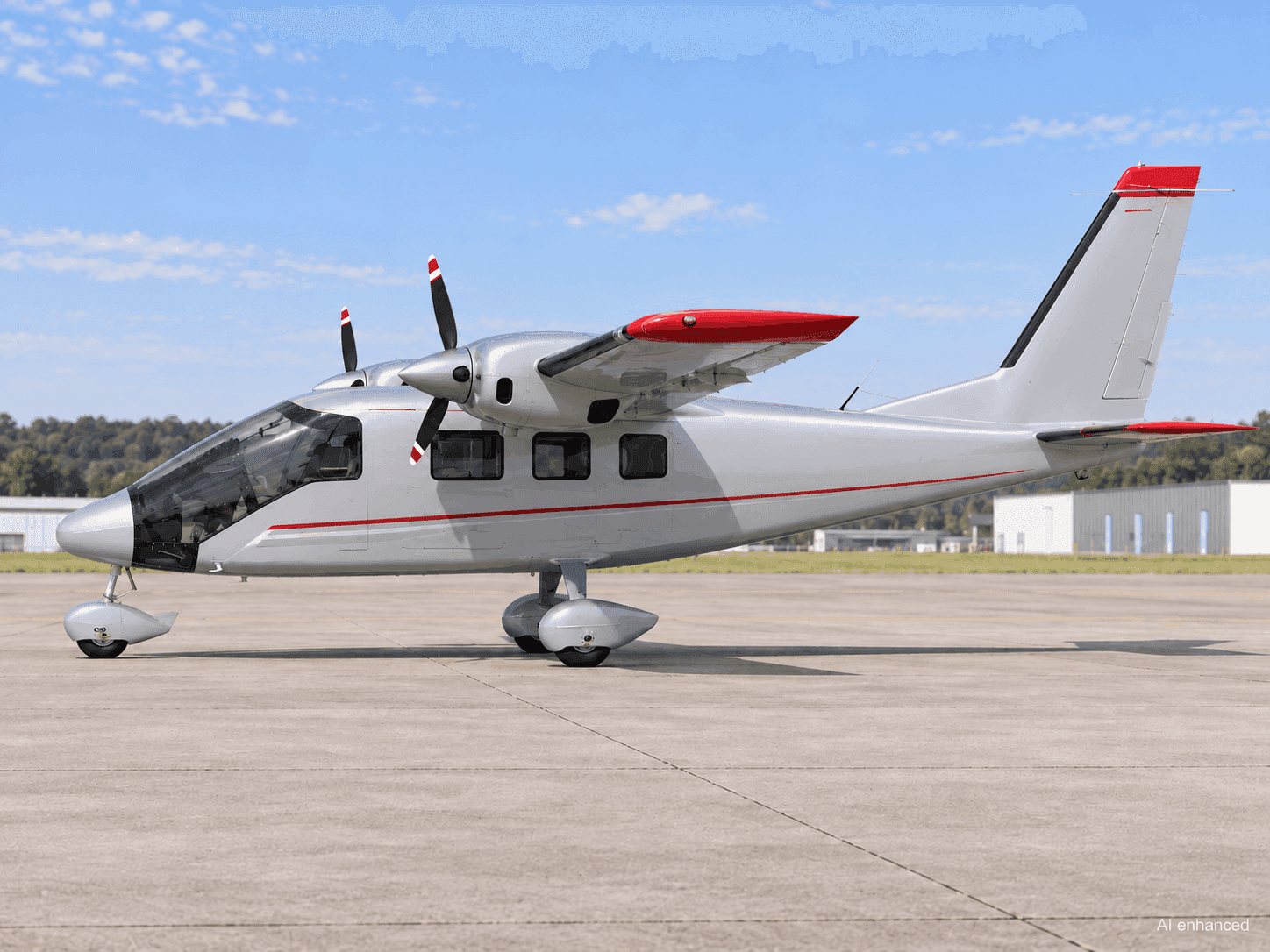
Ask me on WhatsApp (opens in a new tab)The Partenavia P.68TC, later carried forward under Vulcanair stewardship, is one of those light twins that looks deceptively straightforward until the mission becomes demanding. Its fixed undercarriage and high wing put it visually closer to a utility aeroplane than a conventional executive twin, yet the turbocharged P.68TC was aimed squarely at operators who wanted cabin space, good field manners and meaningful altitude capability without the mechanical complexity of retractable gear. It is remembered for combining a remarkably usable cabin with the visibility and loading practicality normally associated with singles.
Partenavia developed the P.68 family in Italy as a practical light transport and training platform, then evolved the C-TC variant around turbocharged Lycoming power. The programme had to show that a fixed-gear twin could still be credible beside retractable rivals such as the Piper Seneca. Its answer was not to chase sleekness at every cost, but to offer a stable, accessible aeroplane with a high wing, wide doors, a large baggage area and stronger performance when density altitude starts spoiling everybody else's day.
| Spec | Detail |
|---|---|
| Type designation | Partenavia P.68C-TC / Vulcanair P.68TC |
| Configuration | Twin-engine, high-wing piston monoplane |
| Engine and power | Two turbocharged Lycoming 360-series engines, rated at 210 hp each |
| Cruise speed | Approx. 180 KTAS at altitude, depending on power setting and installation |
| Seating | Six to seven seats, depending on approved cabin configuration |
| Landing gear | Fixed tricycle gear with spring-steel main legs |
| Airframe construction | Conventional metal structure with composite/fibreglass fairings and selected components |
The central idea is simplicity used intelligently. A retractable-gear twin may look cleaner on the ramp, but its landing gear brings motors, hydraulics or electro-mechanical systems, inspections and a further source of expensive surprises. The P.68TC trades some ultimate speed for fixed gear that is always where the pilot expects it to be. That sounds unromantic until an owner is paying invoices.
The high wing is the other defining choice. It keeps the propellers and engine intakes well above loose surfaces, gives passengers an unusually open downward view, and leaves the cabin floor largely free of a wing spar intrusion. There is a trade-off: fuel checks and upper-wing inspection require a ladder, while the wing span sits behind the pilot's normal forward peripheral vision during tight ramp manoeuvring. In flight, though, the layout gives the P.68TC a distinctly airy utility character rather than the more enclosed feel of many low-wing twins.
Turbocharging gives the type its reason for being. The benefit is not magical sea-level performance; it is the ability to retain useful power as altitude and temperature rise. That matters for mountain routes, hot summer departures and higher cruise levels. The penalty is that turbocharged piston engines demand disciplined engine management. Manifold pressure, temperatures and mixture technique are not places for guesswork, and a casual throttle hand can turn an economical twin into an expensive tutor.
| Feature | P.68TC | Piper PA-34-200T Seneca II |
|---|---|---|
| Wing and cabin layout | High wing, large-window utility layout and clear cabin floor | Low wing, more conventional executive-twin layout |
| Landing gear | Fixed tricycle gear | Retractable tricycle gear |
| Powerplant concept | Two 210 hp turbocharged Lycoming 360-series engines | Two turbocharged Continental TSIO-360-series engines |
| Mission emphasis | Visibility, loading access, field utility and altitude performance | Cleaner cross-country profile with retractable-gear complexity |
| Ramp character | Workmanlike and unusually accessible for a cabin-class piston twin | More familiar to pilots coming from mainstream American light twins |
The comparison is with the Piper PA-34-200T Seneca II; performance, payload and equipment figures vary by model, approved engine installation and individual aircraft configuration.
Honest ownership note: The P.68TC is not an obscure orphan in the sense of having no technical lineage: Vulcanair continues to maintain a support and technical-documentation system for the P.68 family. But it remains a comparatively uncommon European twin in the United States, so parts sourcing, paperwork interpretation and shop familiarity deserve attention before purchase. A proper pre-purchase inspection should concentrate on the turbocharging and induction systems, engine-condition evidence, propeller and governor condition, corrosion in the wing-box and nacelle areas, stabilator control hardware, flap and aileron hinges, fuel-system integrity, landing-gear attachment structure and compliance with all applicable service information. Use a mechanic comfortable with turbocharged Lycomings and multi-engine Partenavia/Vulcanair documentation; a knowledgeable type owner group is nearly as valuable as a good parts catalogue.
| Good fit if… | Worth a second thought if… |
|---|---|
| You prioritise utility, cabin access and altitude capability over headline cruise speed. | You expect retractable-twin cruise performance while accepting fixed-gear drag. |
| You will use the high wing, large doors and baggage volume for real transport work. | You need a nearby maintenance shop already fluent in the P.68 family. |
| You are prepared to learn and maintain disciplined turbocharged-engine operating habits. | You want the simplest possible piston-engine ownership experience. |
| You appreciate a light twin that remains practical on less polished airfields. | You routinely need to fill every seat, fill every tank and carry substantial baggage simultaneously. |
The P.68TC is a thoughtful answer to a question many light twins avoid: what if useful access, honest field capability and a genuinely practical cabin matter as much as cruise speed? It will reward an owner who understands the turbocharged operating discipline and buys on condition, documentation and support rather than novelty. For the right mission, its fixed gear is not an apology; it is the point.
Common questions about bidding on CollectAirs. Learn how auctions work or visit our About page.
Create a free CollectAirs account, complete your profile, and click Place Bid while the auction is live. You can review bid history and confirm your amount before submitting.
A reserve is the minimum price the seller will accept. If bidding does not reach the reserve before the auction ends, the aircraft is not sold.
A Pre-Buy Inspection is an independent expert review of the aircraft before you commit. It helps verify condition and documentation so you can bid with more confidence.
Yes. CollectAirs supports buyer diligence through verified documentation and Pre-Buy Inspection options. Contact details and next steps are available on our About page.
CollectAirs stays with you through inspection, payment and transfer of title. For everything after, a vetted specialist.
Every provider is an independent, certified company, we make the introduction and stay involved until the aircraft is home. Terms and pricing are agreed directly with the provider you choose.
List it for free and reach qualified buyers worldwide.
Full description, specifications and every photograph. Prices and closing times are a snapshot, check this page before you bid.
ValenciaComing soon, not yet consigned
Own a Partenavia Vulcanair too? List it free, you only pay when it sells.
An independent inspector checks it for you. Quote first, nothing booked until you approve.
Fatima
Here for this aircraft
OnlineThinking of bidding? I'm here to help
Ask me on WhatsApp (opens in a new tab)
Questions
No questions yet
Be the first to ask the seller a question!