
 Munich
Sign up and get verified early. It can take time, and your bid only counts once you're verified.
Coming soon, not yet consigned
Own a Piper too? List it free, you only pay when it sells.
An independent inspector checks it for you. Quote first, nothing booked until you approve.


Fatima & Sam
Here for this aircraft
OnlineThinking of bidding? We're here to help
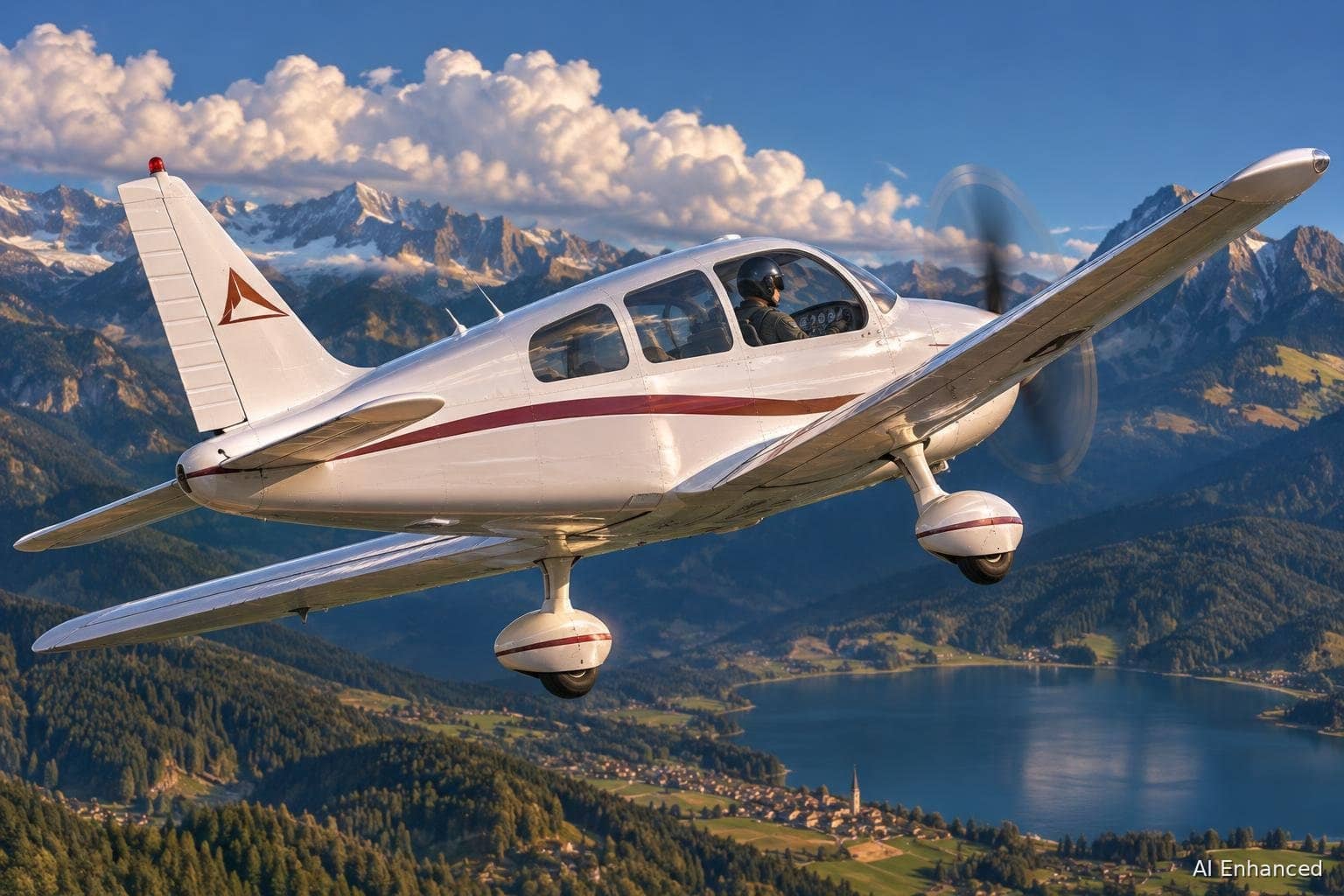
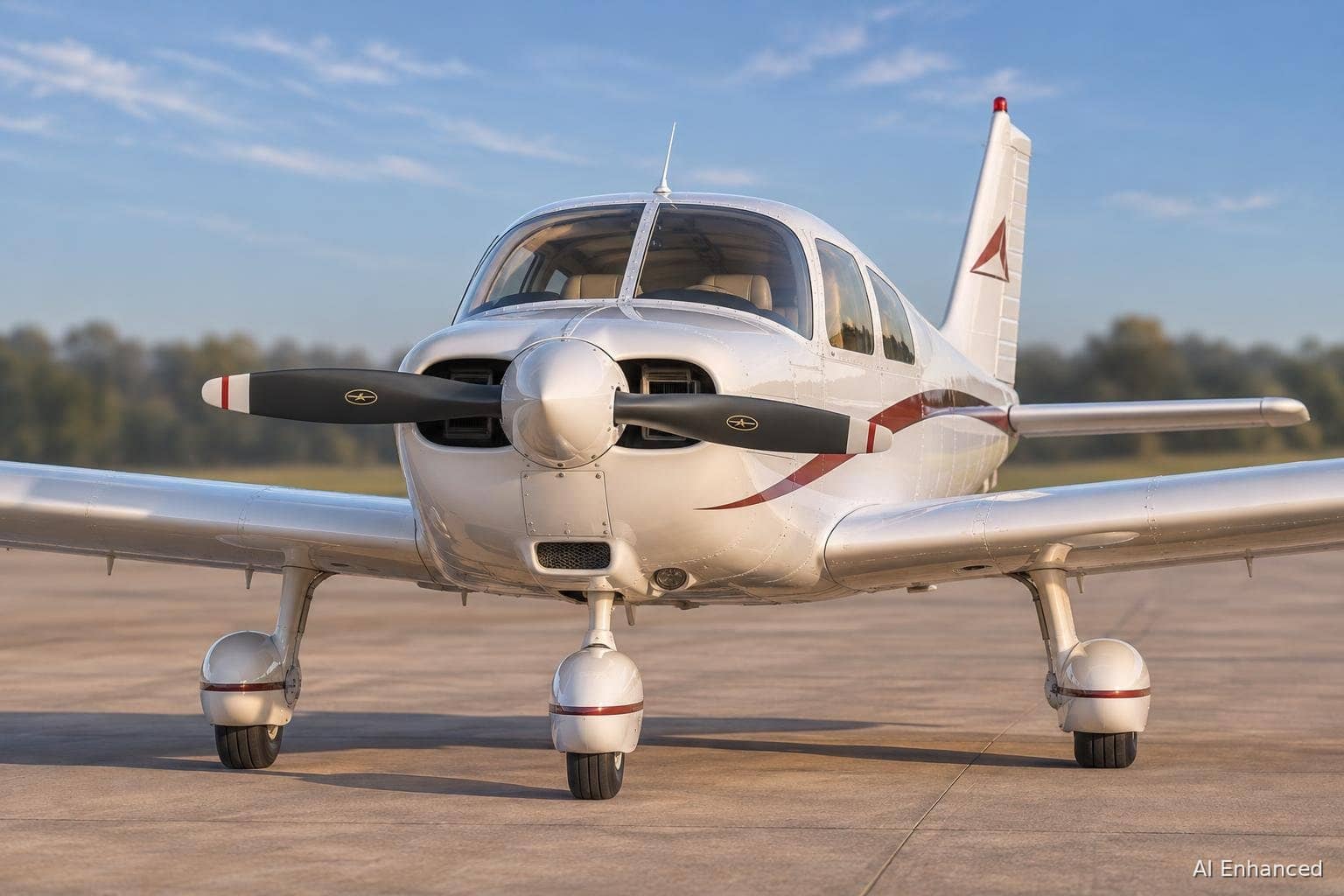
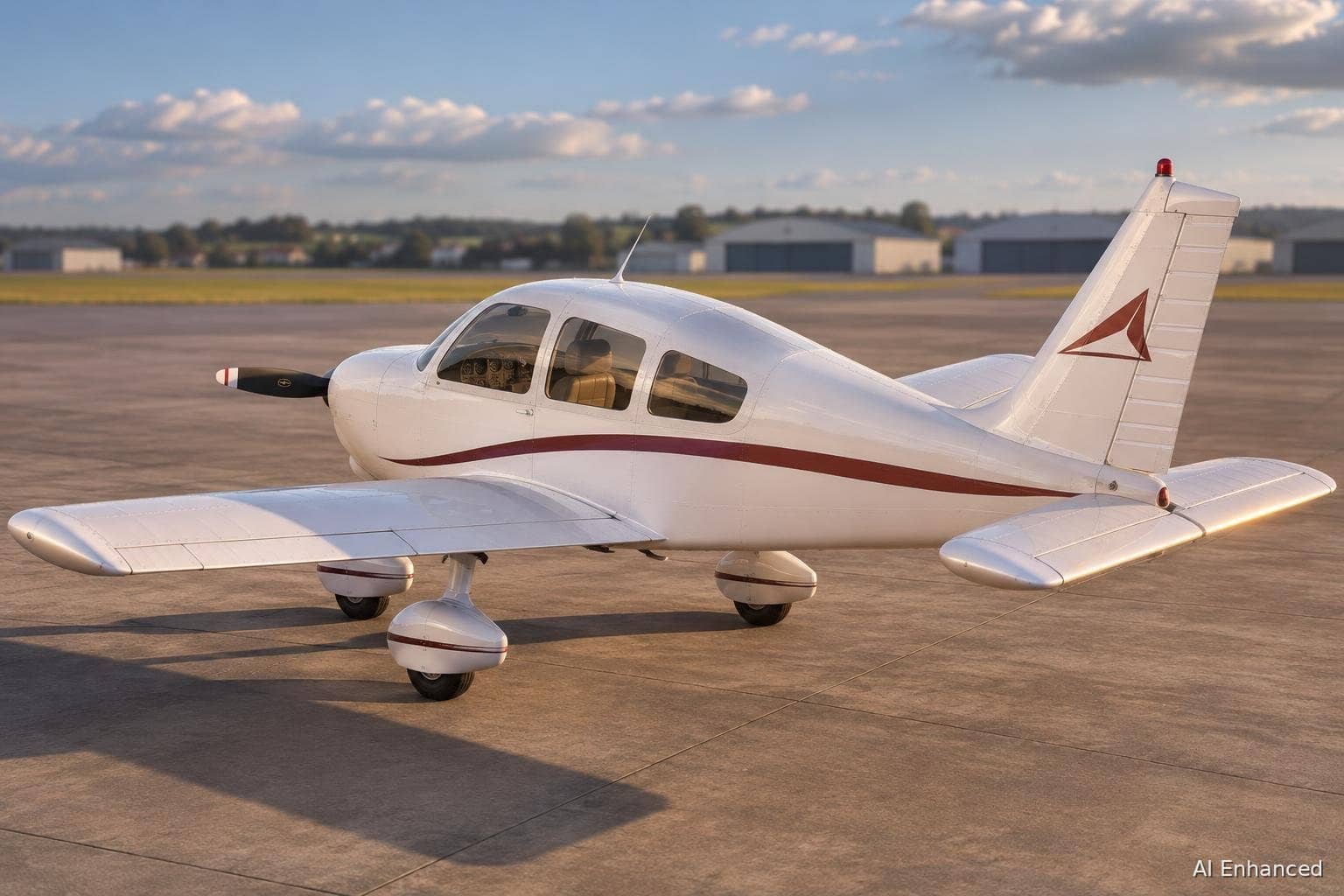
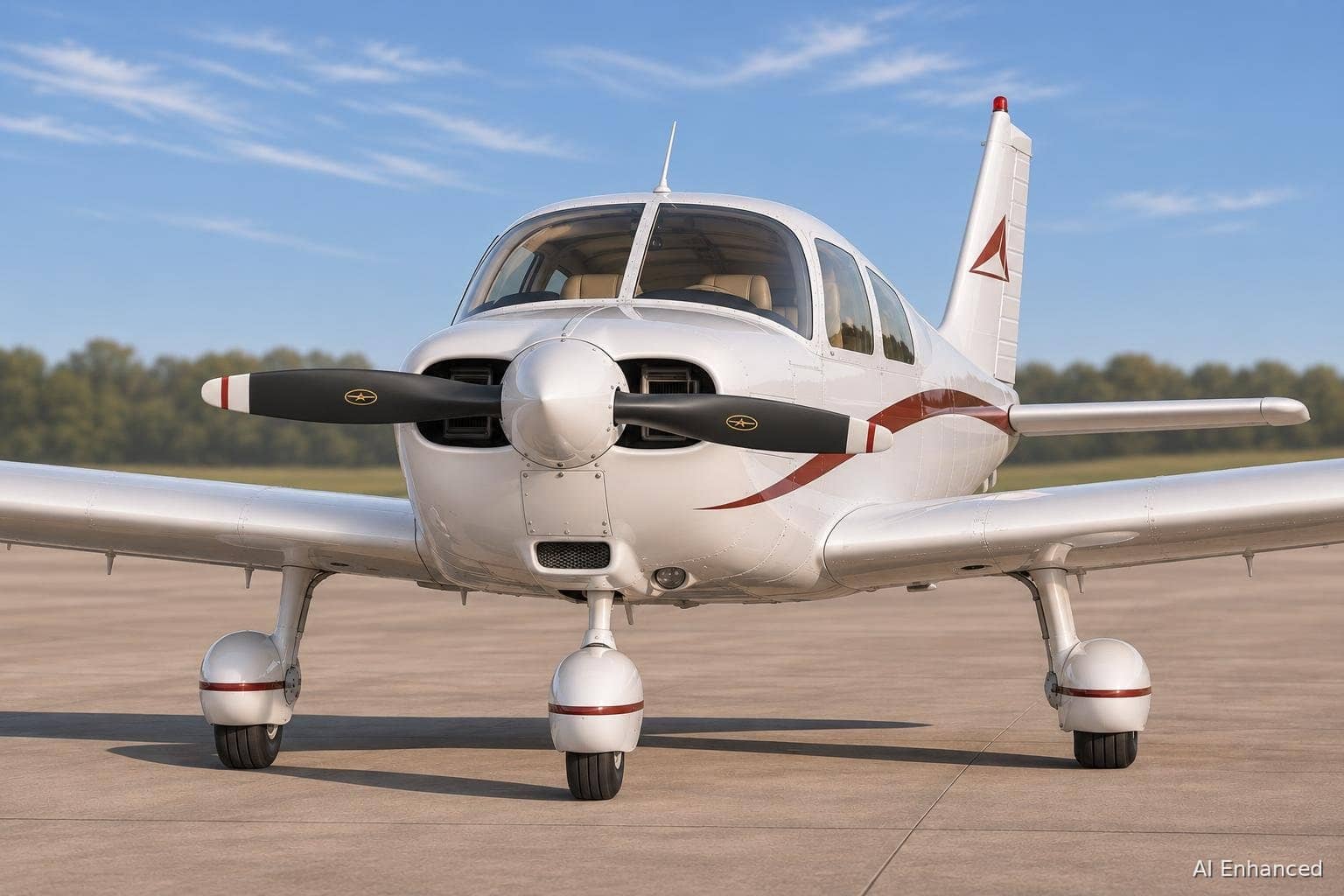
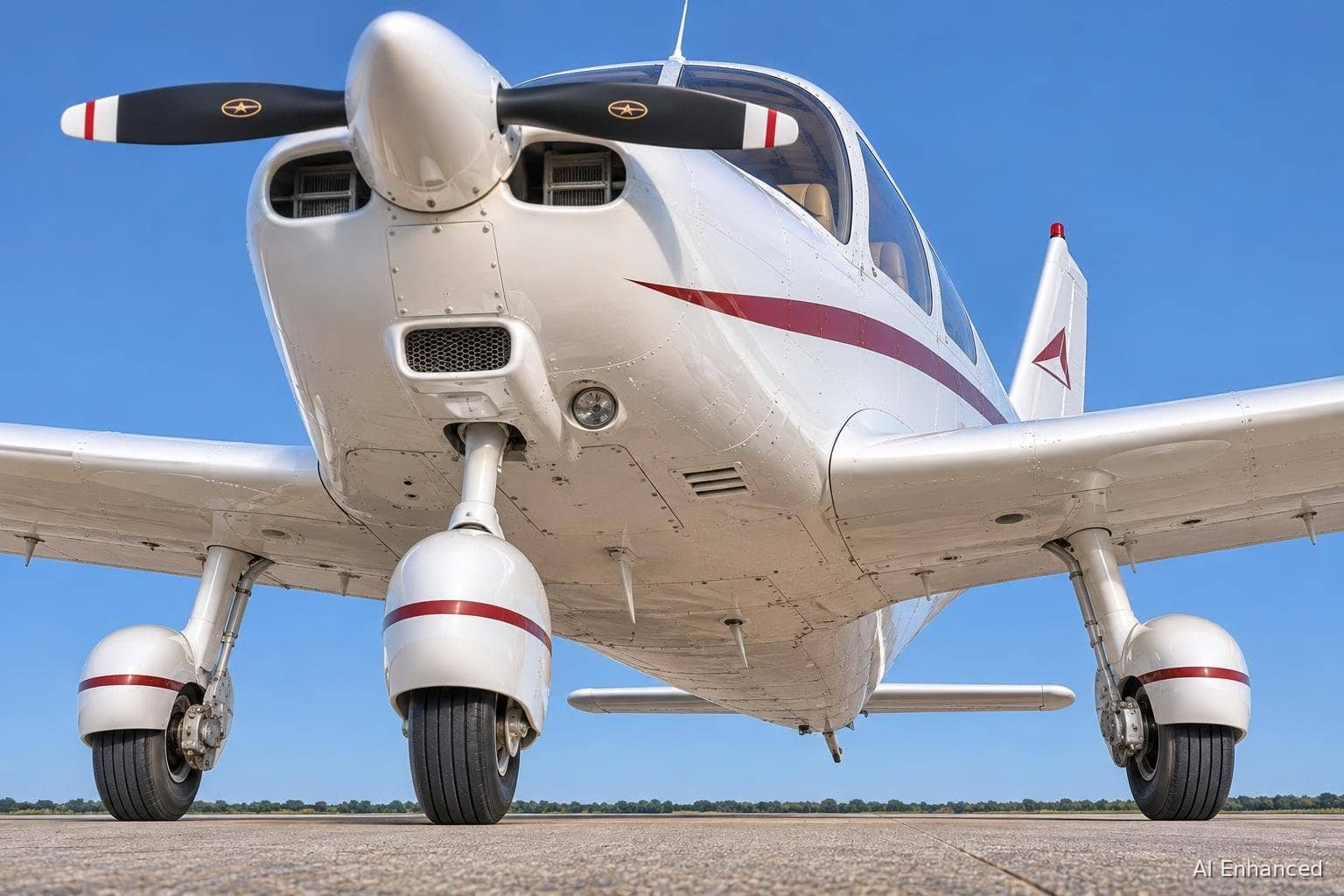
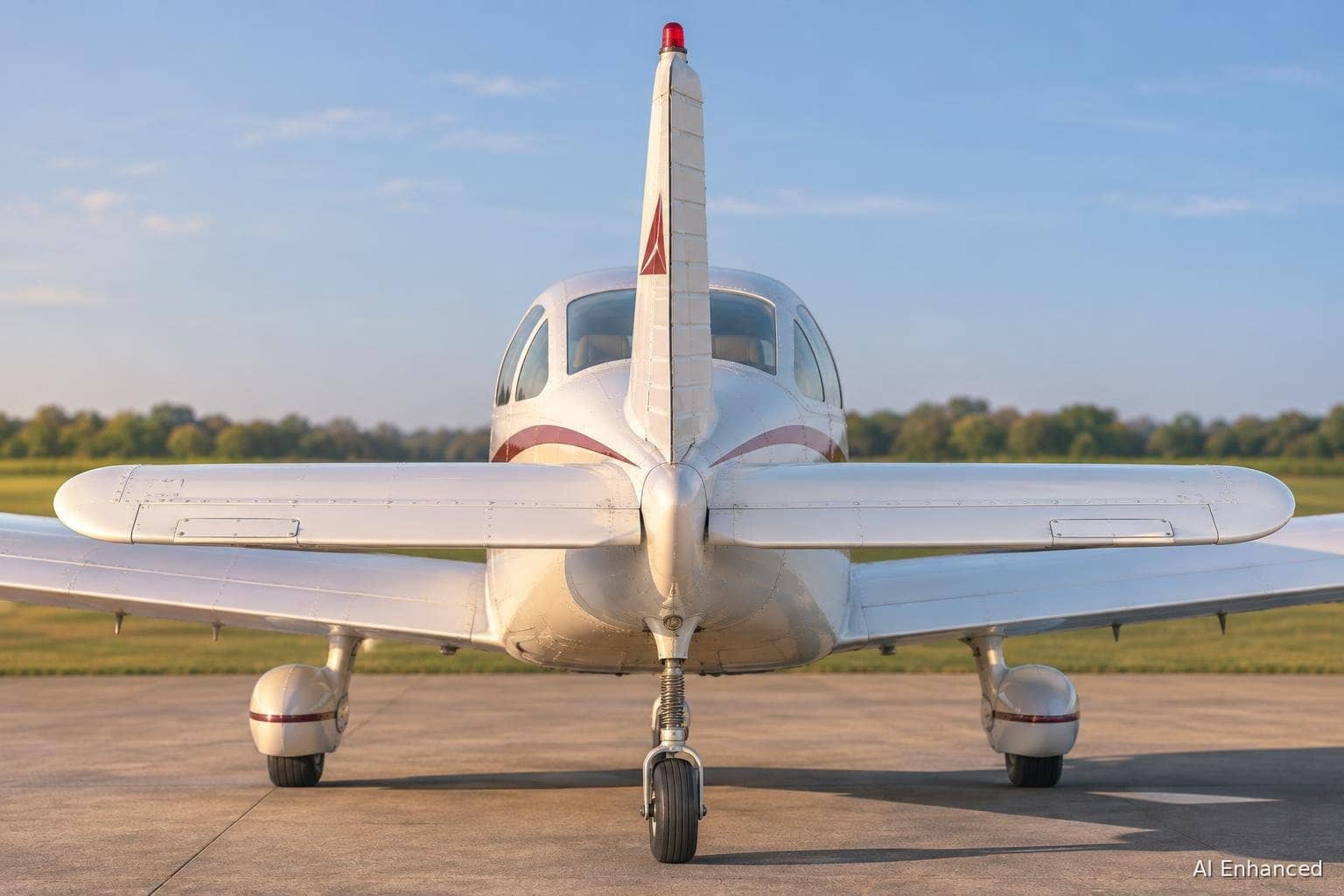
Ask us on WhatsApp (opens in a new tab)The Piper PA-28-180 Cherokee 180 is a four-seat, low-wing single with a 180 hp Lycoming, a fixed-pitch propeller and fixed tricycle gear. The reason to look at it over a Cherokee 150 or 160 is what the extra power buys you on a trip with passengers and bags. Piper's handbooks show a bigger difference in standard useful load than in cruise speed. In other words, the 180 makes more sense as a step up in carrying ability than as a way to knock a lot of time off the same trip.
The Cherokee has a manual flap lever and an all-moving horizontal tail, which Piper calls a stabilator. The flaps come out in notches, so there's no electric motor to wait for and you can tell by the lever position what you've selected. On the ground the rudder pedals steer the nosewheel. Some Cherokees have toe brakes, but Piper also supplied a handbrake arrangement, so that's one detail to get straight before the first taxi if you're coming from another single.
Fuel management is another habit to learn on the checkout. The selector draws from one wing tank at a time; it doesn't have a Both position to leave it in for the trip. Get familiar with the selector and the electric boost pump. If you're used to thinking in knots, check the airspeed markings against the handbook as well. Piper published the older Cherokee's approach and cruise speeds in miles per hour, and a familiar-looking number can mean something quite different in knots.
Everyone boards over the right wing and through the same cabin door. The aft passengers go in first, and it's worth having the people who'll actually travel with you try getting in and out. Once seated, there's no spar hump across the floor ahead of the rear seats: Piper put the wing carry-through beneath the aft seating. The baggage compartment has an outside door, so bags don't have to go the same way as the passengers.
The useful test is to run the weight and balance for the trip you fly most often. Start with the planned fuel, including reserve, then add the people and bags and check where the center of gravity lands. Piper's handbook figures change with the equipment assumed, and the baggage compartment has its own weight limit. Four seats and room behind them don't settle the loading question. The 180 is easier to make a case for when you normally take two or three people and luggage than when the mission depends on filling every seat and both tanks.
Do the same exercise for the runway you expect to use on a hot day. Piper's charts separate ground roll from the distance to clear an obstacle. If there's something beyond the departure end, the ground-roll number alone doesn't tell you what you need to know. That's where I'd spend time with the handbook before deciding that the extra horsepower solves a short-field problem.
| Specification | Type details |
|---|---|
| Configuration | Single-engine cantilever low-wing monoplane |
| Engine and power | Carbureted Lycoming O-360, 180 hp |
| Propeller | Fixed-pitch Sensenich in standard configuration |
| Cruise speed | Approx. 140 mph true airspeed at 75% power near 7,000 ft, depending on variant and configuration |
| Seating | Four, including the pilot |
| Landing gear | Fixed tricycle gear with a steerable nosewheel |
| Construction | Aluminum alloy airframe |
For a running-cost budget, Piper's Cherokee C handbook gives approx. 10 US gal per hour at 75% power. Use that as a starting point for fuel, then account separately for insurance, storage, the annual inspection and a reserve for engine work. The fixed gear and fixed-pitch propeller mean there's no retraction system or propeller governor to maintain in the standard configuration. There are still air-oil struts, brakes and a nosewheel shimmy damper, and the annual inspection fee doesn't cover everything the shop may find.
For a prebuy, I'd use an independent mechanic who works on PA-28s regularly. Put the wing-root structure high on the list. The FAA has addressed corrosion on the main spars in areas that aren't easily visible, and Piper has issued separate guidance on corrosion at the forward spar attachment fittings. Ask the mechanic to explain which directives and service bulletins apply, what access is needed to see the areas of concern, and what the inspection will actually cover. Leave room in the scope for the exhaust and cabin-heat shrouds, the gear and brakes, and play at the control-surface hinges.
Piper provides parts catalogs and service publications, and the Piper Flyer Association offers help locating parts. That's useful when the shop has identified a specific fitting or assembly and you need to know how soon it can be sourced. If the prebuy turns up something beyond ordinary wear, ask the shop to check parts availability and estimate labor before you decide how to proceed.
Common questions about bidding on CollectAirs. Learn how auctions work or visit our About page.
Create a free CollectAirs account, complete your profile, and click Place Bid while the auction is live. You can review bid history and confirm your amount before submitting.
A reserve is the minimum price the seller will accept. If bidding does not reach the reserve before the auction ends, the aircraft is not sold.
A Pre-Buy Inspection is an independent expert review of the aircraft before you commit. It helps verify condition and documentation so you can bid with more confidence.
Yes. CollectAirs supports buyer diligence through verified documentation and Pre-Buy Inspection options. Contact details and next steps are available on our About page.
CollectAirs stays with you through inspection, payment and transfer of title. For everything after, a vetted specialist.
Every provider is an independent, certified company, we make the introduction and stay involved until the aircraft is home. Terms and pricing are agreed directly with the provider you choose.
List it for free and reach qualified buyers worldwide.
Full description, specifications and every photograph. Prices and closing times are a snapshot, check this page before you bid.
MunichSign up and get verified early. It can take time, and your bid only counts once you're verified.
Coming soon, not yet consigned
Own a Piper too? List it free, you only pay when it sells.
An independent inspector checks it for you. Quote first, nothing booked until you approve.
Fatima & Sam
Here for this aircraft
OnlineThinking of bidding? We're here to help
Ask us on WhatsApp (opens in a new tab)
Questions
No questions yet
Be the first to ask the seller a question!