
 Florida
 Hildesheim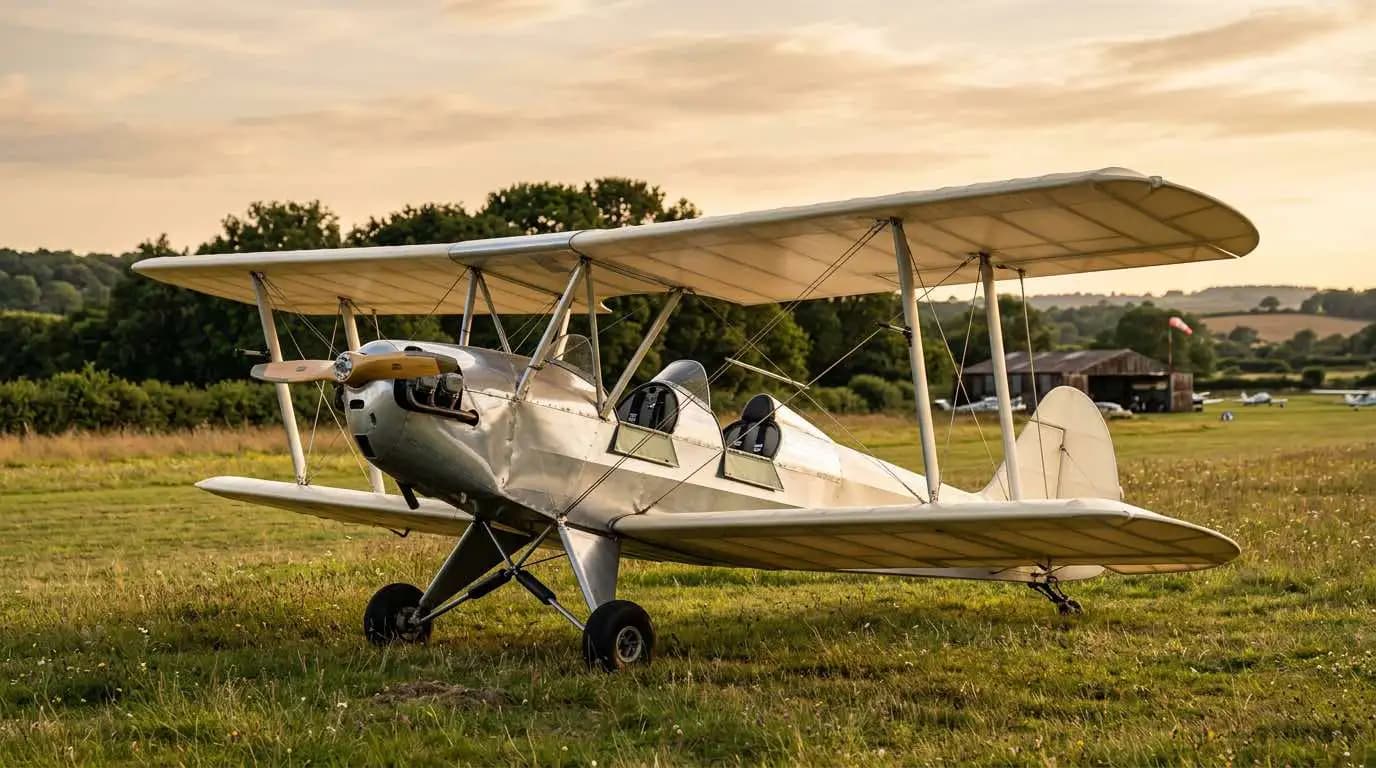
Why the Wild Thing WT-01 Has a Dedicated Following
The Wild Thing WT-01 appeals to pilots who value simplicity, affordability, and the most direct flying experience available. In an aviation market dominated by increasingly complex and expensive aircraft, the WT-01 represents a return to what flying was originally about: open air, minimal instruments, and the biplane configuration that started it all.
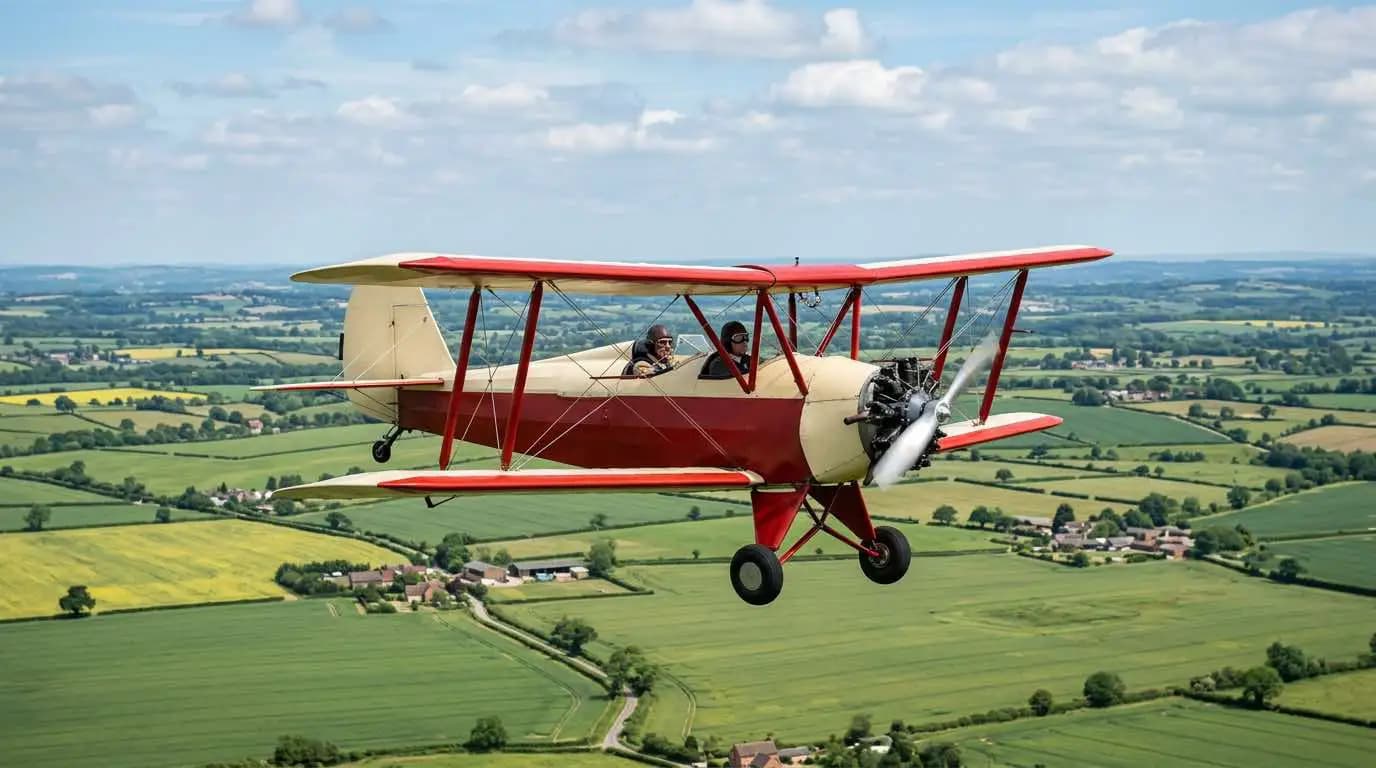
Built by ULBI (Ultra Light Biplanes Inc.), the Wild Thing WT-01 was conceived as a Part 103 ultralight that could deliver genuine biplane aesthetics and handling without the cost or complexity of certified aircraft. The tailwheel configuration, open cockpit, and fabric-over-tube construction create a flying machine that rewards stick-and-rudder skill and provides sensory feedback that enclosed aircraft cannot match.
For pilots who want to own an aircraft without the financial burden of certified maintenance and insurance, the WT-01 sits in a practical sweet spot between recreational fun and real cross-country capability.
Wild Thing WT-01 currently listed on CollectAirs
View our verified listing with full documentation, photos, and transparent auction terms.
History and Design of the Wild Thing WT-01
ULBI developed the Wild Thing WT-01 to fill a gap in the ultralight market: a biplane design that was buildable, affordable, and genuinely enjoyable to fly. The company drew on classic biplane proportions\u2014staggered wings, wire bracing, and a compact fuselage\u2014while using modern construction techniques and available powerplants to keep costs and complexity in check.
Construction Approach
The WT-01 is built on a welded 4130 chromoly steel tube fuselage, a proven construction method shared with aircraft like the Pitts Special and Starduster. Wings use aluminum ribs on tubular spars with fabric covering. The biplane wing bracing uses stainless steel or galvanized wires with turnbuckles for tension adjustment. This construction is strong, inspectable, and field-repairable\u2014but demands familiarity with fabric-and-tube techniques.
Part 103 vs. Experimental
The original WT-01 was designed to meet FAR Part 103 ultralight vehicle requirements: single-seat, under 254 pounds empty weight, 5 gallons maximum fuel, and a top speed not exceeding 55 knots. In this configuration, no pilot certificate or aircraft registration is required. However, most examples on the used market have been modified beyond Part 103 limits\u2014heavier engines, additional instruments, larger fuel tanks\u2014and fly under Experimental-category airworthiness certificates with standard pilot certificate requirements.
Certificate Type Matters
Before purchasing any Wild Thing WT-01, confirm the certificate type. True Part 103 aircraft have no registration, no airworthiness certificate, and no logbook requirements. Experimental-category aircraft require registration, an airworthiness certificate, condition inspections, and a pilot certificate. The operational rules, insurance options, and resale considerations differ significantly between the two categories.
Wild Thing WT-01 Performance and Flying Characteristics
The Wild Thing WT-01 is not about speed. It is about the quality of the flying experience at low altitude and low airspeed. The biplane configuration provides good lift at slow speeds, the tailwheel gear works naturally on grass and unimproved strips, and the open cockpit gives the pilot unobstructed visibility in every direction.
~28–35 kt Stall
Extremely low stall speeds provide safe slow-flight handling and short-field capability on grass strips.
~65–80 kt Cruise
Relaxed touring speed. The WT-01 is designed for low-and-slow flying, not cross-country racing.
Grass Strip Ready
Tailwheel configuration and light wing loading make the WT-01 ideal for unimproved fields and private strips.
With the Jabiru 3300 (120 hp), the WT-01 climbs well and has enough energy for moderate maneuvering. The biplane wing bracing contributes some drag, which keeps approach speeds manageable and helps with energy control in the pattern. The aircraft responds well to coordinated inputs and provides clear feedback through the controls\u2014there is no hydraulic boost or mechanical insulation between the pilot and the airstream.
Buyer note: Tailwheel experience is required for safe ground handling. The WT-01 has a narrow gear track and light weight, making it sensitive to crosswinds during takeoff and landing. Budget for tailwheel transition training if you do not already have tailwheel time in your logbook.
Jabiru Engines: Heart of the Wild Thing WT-01
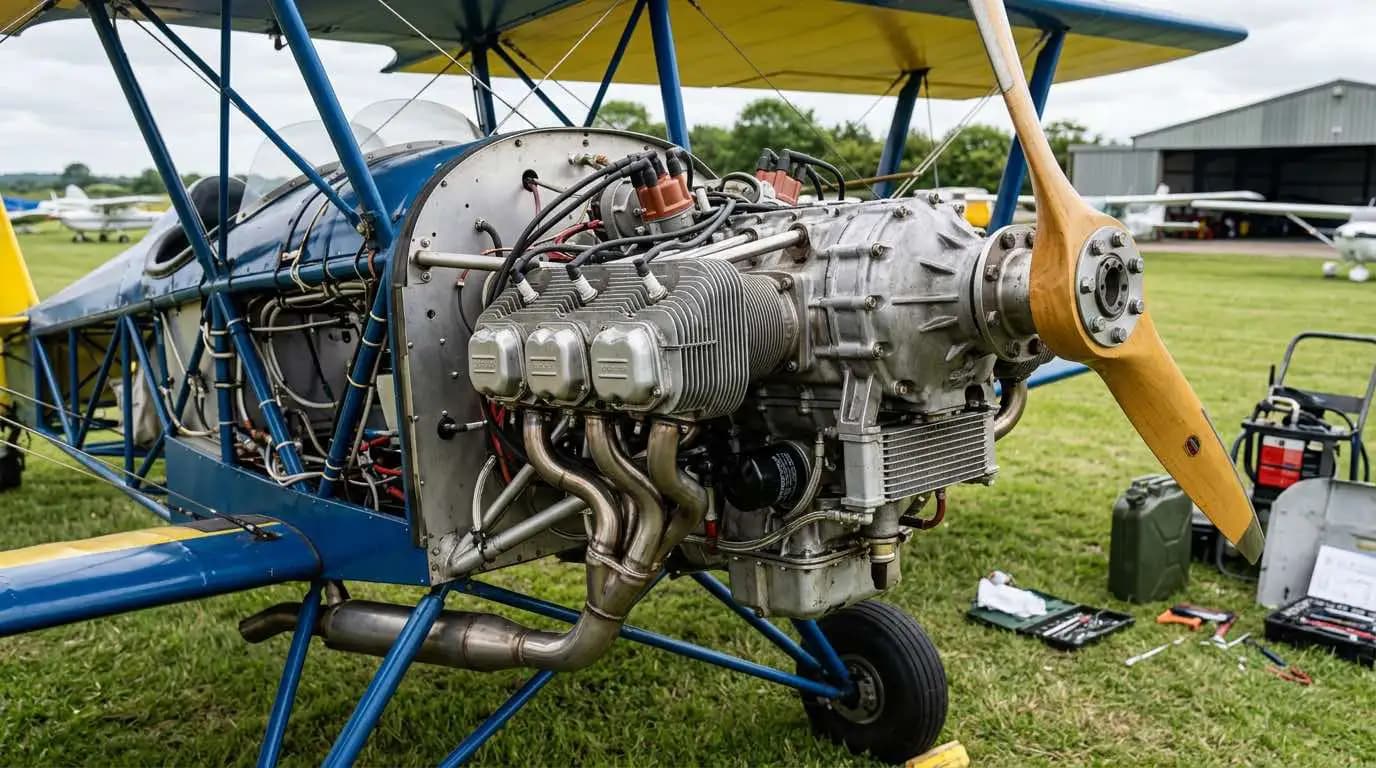
The Jabiru engine family has become the standard powerplant choice for the Wild Thing WT-01. These Australian-designed, air-cooled, horizontally-opposed engines offer a good balance of power, weight, and simplicity for the ultralight biplane platform.
Jabiru 2200 (85 hp)
- Four-cylinder, air-cooled, direct-drive
- Lighter installation keeps weight closer to Part 103 limits
- Fuel burn: ~3\u20134 GPH
- TBO: ~2,000 hours (manufacturer recommended)
Jabiru 3300 (120 hp)
- Six-cylinder, air-cooled, direct-drive
- Stronger climb and cruise performance for heavier builds
- Fuel burn: ~5\u20136 GPH
- TBO: ~2,000 hours (manufacturer recommended)
Jabiru Engine Buyer Considerations
- Monitor cylinder head temperatures carefully\u2014Jabiru engines are sensitive to cooling airflow
- Valve clearance checks are a routine and critical maintenance item
- Oil consumption patterns can indicate cylinder or valve guide condition
- Parts availability is generally good through Jabiru distributors
Cockpit and Instruments
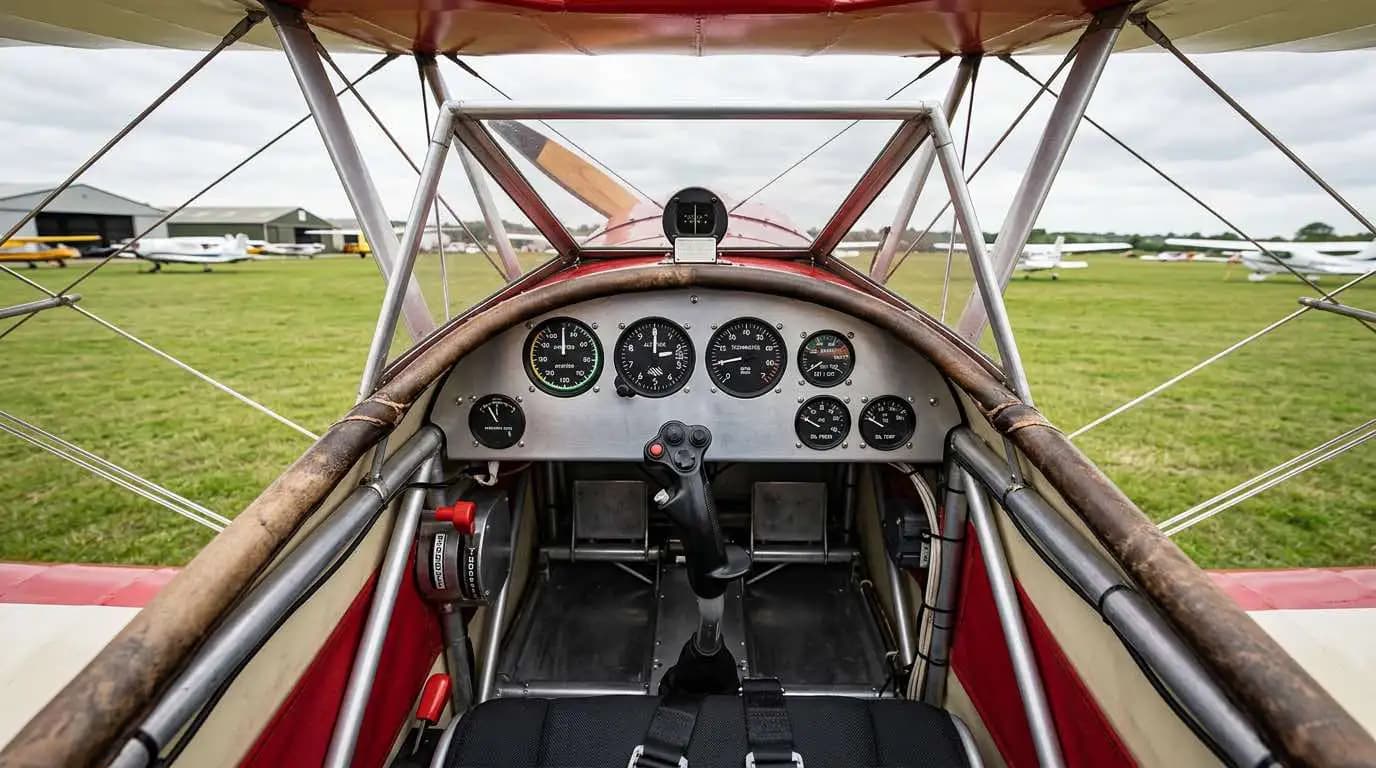
The Wild Thing WT-01 cockpit is minimalist by design. Part 103-legal versions carry the absolute minimum: airspeed indicator, altimeter, and engine instruments. Experimental-category builds may add more instrumentation, but the open cockpit and limited panel space keep things simple.
Open Cockpit Experience
The WT-01 is an open-cockpit aircraft with no canopy or windscreen in many configurations. Wind, temperature, and engine sound are all part of the flying experience. Some builders add a small windscreen for comfort, but the aircraft is designed for helmet-and-goggles flying.
Instrumentation
A typical WT-01 panel includes airspeed indicator, altimeter, tachometer, CHT/EGT gauges, oil pressure, and oil temperature. Some builders add a small GPS, radio, and transponder for airspace access. Panel space is limited, so every instrument must earn its place.
Controls and Ergonomics
Stick and rudder pedals with direct cable linkages. Throttle is typically a simple lever. The cockpit is snug by design—larger pilots should verify cockpit fit before committing to a purchase. Control feel is light and responsive, with direct mechanical feedback.
Maintenance, Compliance, and Ownership Reality
Owning a Wild Thing WT-01 is significantly less expensive than certified aircraft, but it still demands regular attention to fabric, structure, engine, and documentation. The maintenance approach depends heavily on whether the aircraft is a true Part 103 ultralight or an Experimental-category aircraft.
Fabric Condition Is the Primary Structural Concern
Fabric covering degrades with UV exposure, age, and handling. Punch testing reveals tensile strength, but visual inspection for wear, tears, loose attachment, and paint condition is equally important. Ultralight fabric is typically lighter than certified aircraft fabric, which can mean shorter service life. A full fabric re-cover on a WT-01 is less expensive than on a Pitts or Starduster, but still represents a meaningful investment.
Steel Tube Fuselage
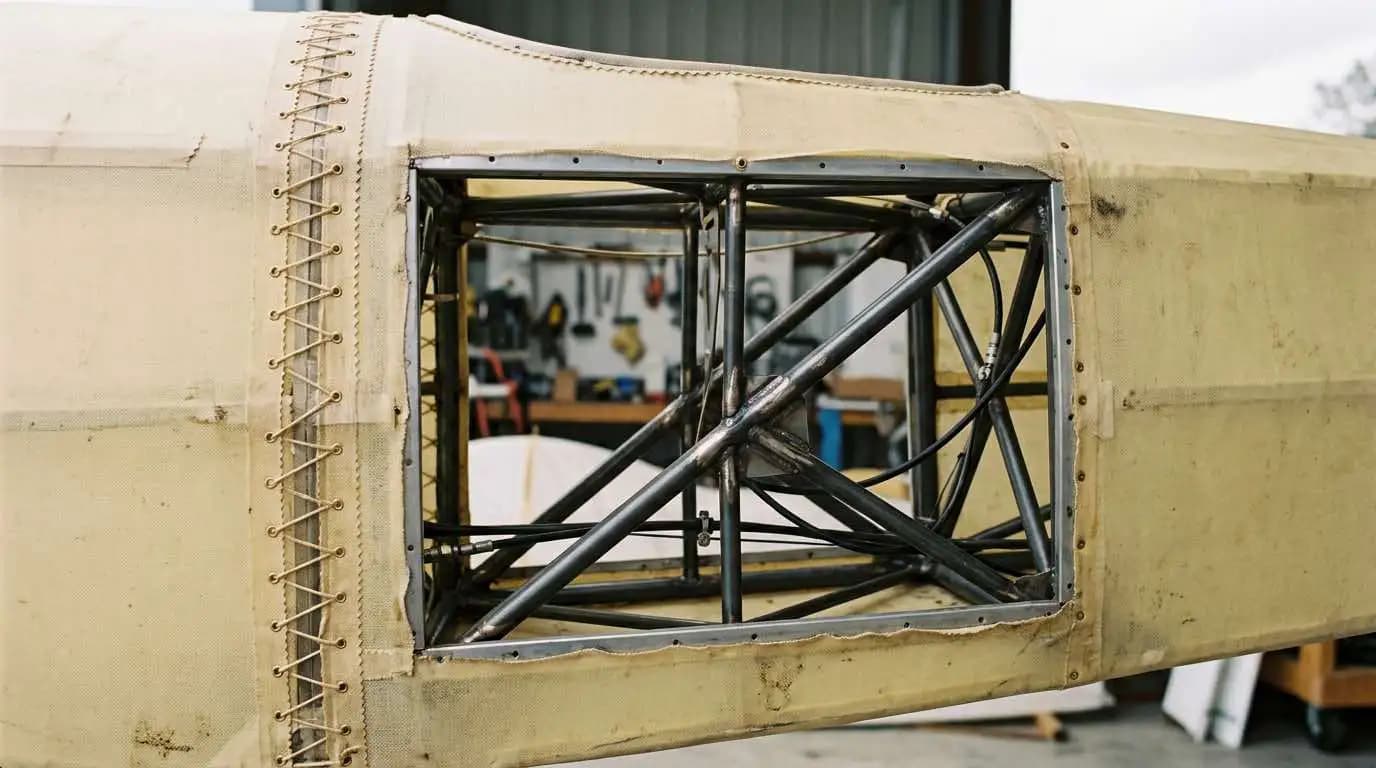
The 4130 chromoly steel tube fuselage is strong and inspectable, but corrosion can develop at welded joints, around the lower longerons, near landing gear attach points, and anywhere moisture accumulates. Because many WT-01s are stored outdoors or in open hangars, environmental exposure can accelerate corrosion. Visual and tactile inspection of all accessible tube surfaces during pre-purchase is essential.
Wing Wires and Rigging
Biplane wing bracing wires must be properly tensioned and free of corrosion, kinks, or fatigue. Wire tension affects handling, structural integrity, and wing alignment. Turnbuckle safety wiring must be intact. On amateur-built aircraft, wire quality and installation standards can vary\u2014inspect carefully.
Experimental vs. Part 103 Maintenance
Experimental-category WT-01s require annual condition inspections by the builder (if repairman certificate was issued) or a licensed A&P mechanic. Part 103 ultralights have no required inspections\u2014maintenance is entirely the owner's responsibility. Regardless of regulatory status, regular inspection of fabric, structure, engine, and controls is the difference between safe ownership and risk accumulation.
Buying a Wild Thing WT-01: Pre-Purchase Checklist
The Wild Thing WT-01 is an amateur-built aircraft, and build quality varies between examples. A thorough pre-purchase inspection is more important here than on any factory-certified aircraft.
Documentation & Records
- Verify certificate type: Part 103 ultralight (no registration) vs. Experimental (registered, airworthiness certificate).
- For Experimental: confirm complete builder’s log, condition inspection records, and any repairman certificate documentation.
- Review engine logbook for total time, oil change intervals, valve clearance checks, and any repairs.
- Check title and registration status (Experimental only). Verify the aircraft is free of liens.
- Look for build photos and documentation—quality builders typically maintain detailed construction records.
Technical Inspection Priorities
- Fabric punch test all surfaces. Assess UV condition, attachment quality, and paint/dope integrity.
- Inspect steel tube fuselage for corrosion at all accessible joints, lower longerons, and gear attach points.
- Check wing wire tension, condition, and safety wiring on all turnbuckles.
- Engine: compression check, oil consumption history, CHT/EGT trends, valve clearances, accessory condition.
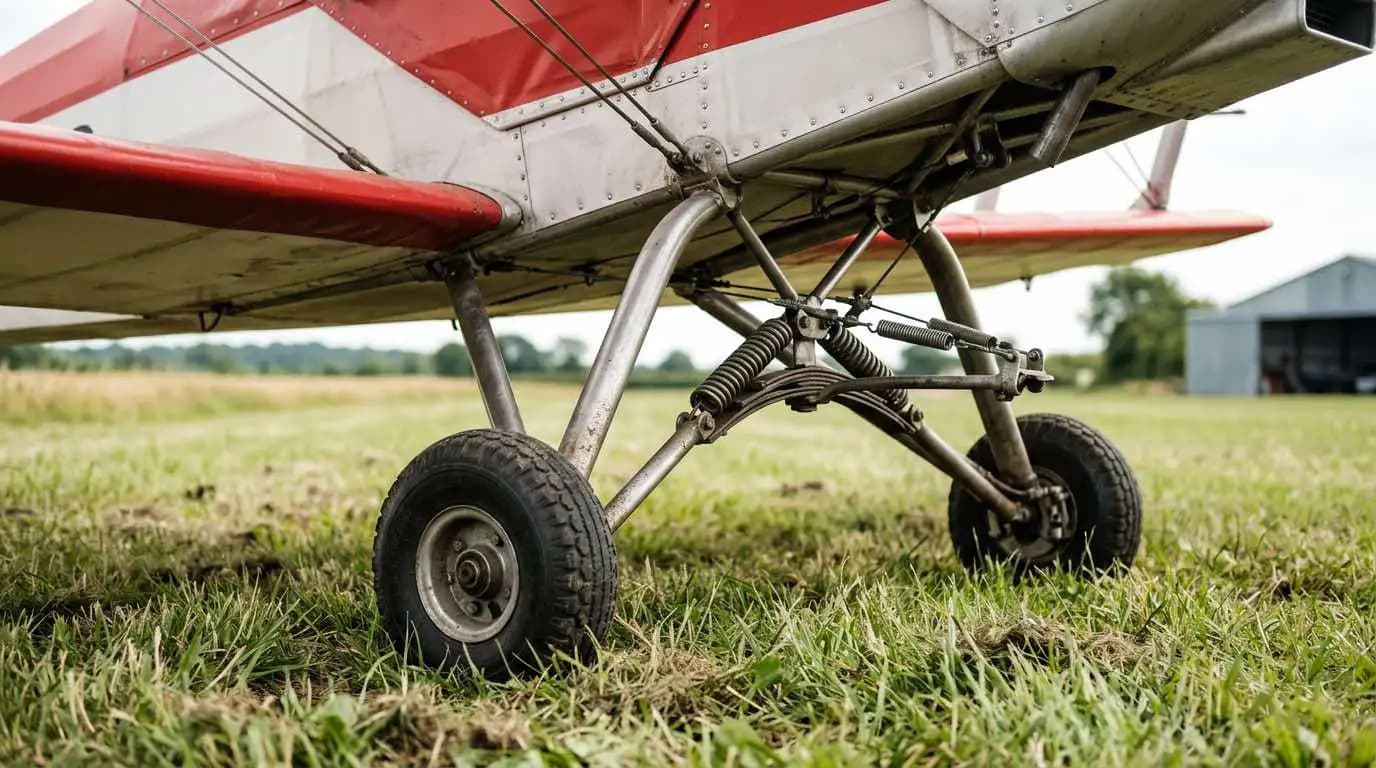
- Landing gear: spring condition, tailwheel assembly, tire and brake condition (if equipped).
- Control system: cable tension, pulley condition, control surface movement and freedom, safety wiring.
Deal Process & Risk Control
- Use escrow for funds handling and document exchange—even on lower-value ultralight transactions.
- Make the purchase conditional on inspection findings with clear walk-away thresholds.
- Confirm insurance availability. Ultralight and Experimental insurance is a specialty market with limited providers.
- Budget for tailwheel transition training if you do not have tailwheel time logged.
- Verify storage arrangements—fabric aircraft need hangared or covered storage to preserve fabric life.
Market Snapshot and Pricing Drivers
The Wild Thing WT-01 market is niche but active, with steady interest from ultralight enthusiasts, biplane fans, and pilots looking for affordable open-cockpit flying. Current asking prices typically span $15,000 to $45,000.
Engine Type and Time
A Jabiru 3300 (120 hp) commands more than a 2200 (85 hp). Fresh engine time or recent top overhaul adds meaningful value. Run-out engines represent a significant discount and a near-term cost obligation.
Fabric Condition and Age
Fresh fabric with quality materials and finish commands a premium. Aircraft needing re-covering face $3,000–$8,000+ in near-term costs that buyers will factor into any offer.
Build Quality and Documentation
Well-documented builds with construction photos, complete logbooks, and repairman certificates are worth more than poorly documented examples. Quality of workmanship—welding, fabric work, systems installation—varies widely among amateur builders.
Certificate Category
Experimental-category WT-01s with full registration and airworthiness certificates generally command higher prices than Part 103 examples, due to broader operational and insurance flexibility.
Modifications and Equipment
Radios, transponders, GPS units, upgraded instruments, and structural reinforcements add practical value. Smoke systems or cosmetic modifications have limited impact on resale.
Wild Thing WT-01 Key Facts
| Specification | Typical Range / Value | Why It Matters |
|---|---|---|
| Engine (Common) | Jabiru 3300, 120 hp (six-cylinder) | Provides strong climb and cruise for the ultralight biplane airframe |
| Alternate Engine | Jabiru 2200, 85 hp (four-cylinder) | Lighter option that keeps some builds closer to Part 103 limits |
| Max Speed | ~90–100 KTAS (varies by engine/config) | Adequate for recreational flying and grass-strip touring |
| Cruise Speed | ~65–80 KTAS | Relaxed cruise pace; this is a low-and-slow aircraft by design |
| Stall Speed | ~28–35 knots (configuration dependent) | Extremely low stall speed provides safe slow-flight handling |
| Seating | One or two seats (variant dependent) | Part 103 versions are single-seat; Experimental builds may be two-seat |
| Fuel Capacity | 5–12 gallons (variant dependent) | Part 103 limit is 5 gallons; Experimental builds carry more for range |
| Empty Weight | ~254–550 lb (variant dependent) | Part 103 requires under 254 lb; heavier builds need Experimental certificate |
| Structure | Steel tube fuselage, fabric covered | Inspectable and repairable but requires fabric and corrosion monitoring |
| Market Asking Price (Used) | $15,000–$45,000 | Driven by engine type/time, fabric condition, build quality, and documentation |
Wild Thing WT-01 on CollectAirs
We currently have a Wild Thing WT-01 listed with verified documentation, detailed photos, and transparent auction terms. Browse our aircraft auctions with escrow-protected transactions.
Frequently Asked Questions About the Wild Thing WT-01
What is the Wild Thing WT-01?
The Wild Thing WT-01 is an ultralight biplane manufactured by ULBI (Ultra Light Biplanes Inc.). It features a welded steel tube fuselage with fabric covering, a tailwheel landing gear configuration, and an open cockpit. Originally designed for Part 103 ultralight operations, most examples today fly under Experimental-category certificates with Jabiru or Rotax engines producing between 65 and 120 horsepower.
How much does a Wild Thing WT-01 cost?
Used Wild Thing WT-01 prices typically range from $15,000 to $45,000 depending on engine type (Jabiru 2200 vs. 3300), total airframe time, fabric condition, and overall build quality. Aircraft with recently overhauled engines, fresh fabric, and clean logbooks sit at the top of the range. Part 103-legal stripped-down examples tend to be at the lower end.
What engine does the Wild Thing WT-01 use?
The Wild Thing WT-01 is most commonly powered by Jabiru engines. The Jabiru 2200 (85 hp, four-cylinder) is popular for lighter builds, while the Jabiru 3300 (120 hp, six-cylinder) provides stronger climb and cruise performance for heavier configurations. Some examples use Rotax two-stroke or four-stroke engines depending on the builder’s preference and weight targets.
Is the Wild Thing WT-01 hard to fly?
The Wild Thing WT-01 is a tailwheel aircraft, which demands more ground handling skill than a nosewheel design. In the air, it is light, responsive, and forgiving at low speeds. The open cockpit provides excellent visibility and sensory feedback. Most pilots with basic tailwheel experience find the transition straightforward. Dedicated tailwheel instruction before first flight is recommended.
What are the main maintenance concerns on a Wild Thing WT-01?
Primary maintenance concerns include fabric condition (UV degradation, tears, attachment integrity), steel tube fuselage corrosion at welded joints and lower longerons, Jabiru engine health (cylinder head temperatures, valve clearances, oil consumption), and landing gear spring and tailwheel wear. Because many WT-01s are amateur-built under Experimental certificates, build quality and documentation standards can vary significantly between examples.
Can you fly a Wild Thing WT-01 as a Part 103 ultralight?
The original Wild Thing WT-01 was designed with Part 103 compliance in mind, meaning single-seat, under 254 pounds empty weight, 5 gallons fuel maximum, and a top speed of 55 knots. However, most examples on the market today exceed Part 103 limits due to heavier engines, added instruments, or structural reinforcements. These aircraft fly under Experimental-category certificates with standard pilot certificate requirements.
Sources
Used for: Part 103 weight, speed, and operational requirements that define ultralight-legal configurations.
Used for: Jabiru 2200 and 3300 engine specifications, TBO guidance, and maintenance references.
Used for: Experimental-category aircraft regulations, builder resources, and community context.
Related Resources
About the Author

Phillip Müller
CEO, CollectAirs
Long-time pilot and CEO of multiple scenic flight and aircraft sales websites. Passionate about making aircraft transactions more transparent and accessible.
Connect on LinkedIn