
 Kraków
Coming soon, not yet consigned
Own a Cessna too? List it free, you only pay when it sells.
An independent inspector checks it for you. Quote first, nothing booked until you approve.

Fatima
Here for this aircraft
OnlineThinking of bidding? I'm here to help
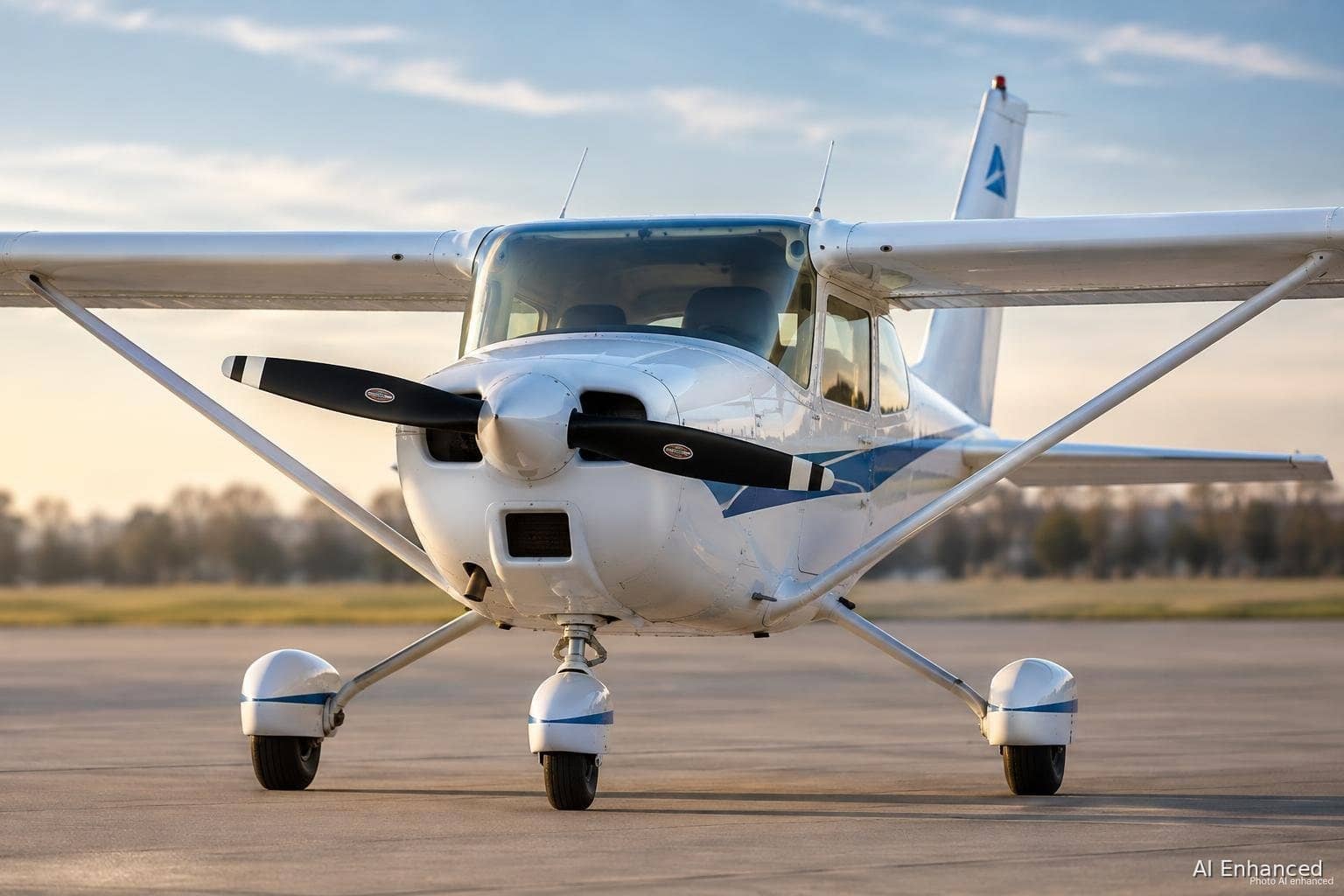
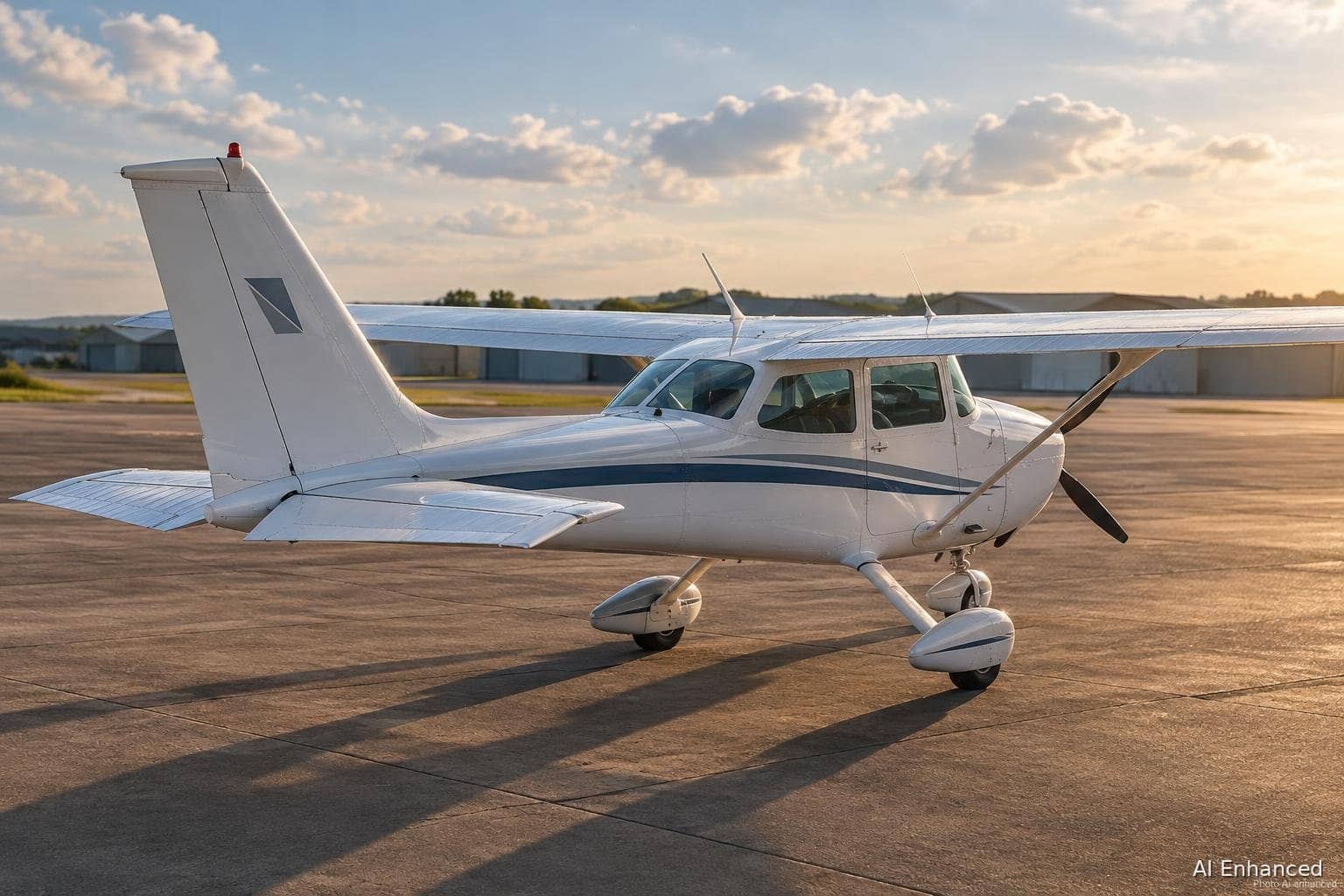
Ask me on WhatsApp (opens in a new tab)The Cessna 152 is the late-1970s answer to a very particular general-aviation question: how do you make a two-seat trainer simple enough to fly every day, forgiving enough to teach in, and practical enough that it can still be useful after the licences are earned? It became one of the defining ab-initio aeroplanes because it kept the familiar high-wing Cessna formula while adding 110 hp from a Lycoming O-235. It is not quick, and it does not pretend to be a miniature cross-country cruiser for a family of four. What it does offer is an unusually direct, sensible route into aircraft ownership.
Cessna developed the 152 as the successor to the long-running 150, at a time when flight schools needed a durable two-seater with better climb performance and a more modern engine installation. The basic brief was conservative by design: fixed gear, fixed-pitch propeller, metal construction, side-by-side seating and uncomplicated systems. The result was an aeroplane that proved its worth in the hard routine of training fleets, where repeated landings reveal engineering shortcuts rather quickly. The 152 has endured because there were few shortcuts to reveal.
| Spec | Detail |
|---|---|
| Type designation | Cessna Model 152 |
| Configuration | Single-engine, high-wing, strut-braced monoplane |
| Engine and power | Lycoming O-235 series, 110 hp |
| Cruise speed | Approx. 106 kt at 75% power |
| Seating | 2, side by side |
| Landing gear | Fixed tricycle gear with steerable nosewheel |
| Airframe construction | All-metal, semi-monocoque fuselage with metal wings and empennage |
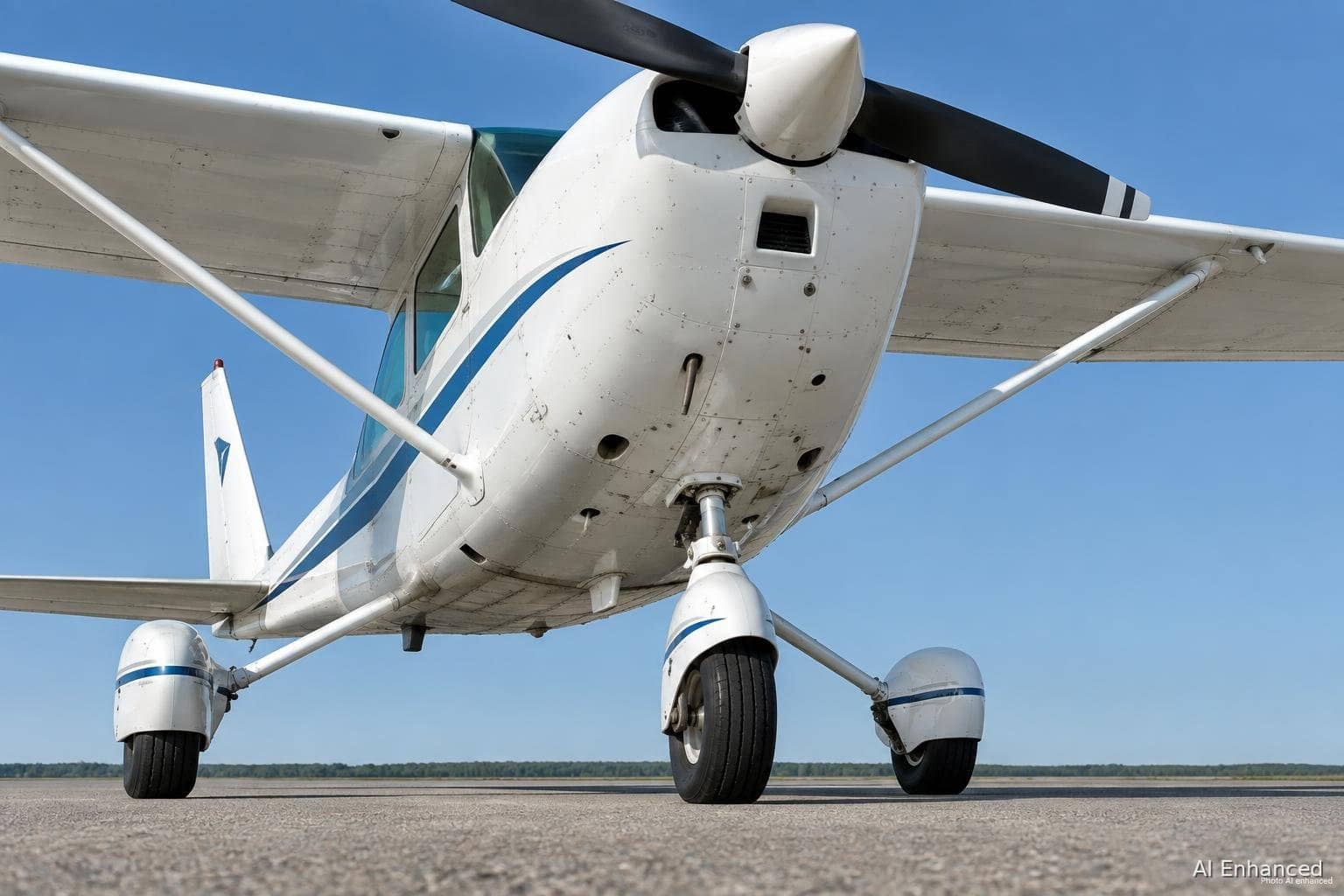
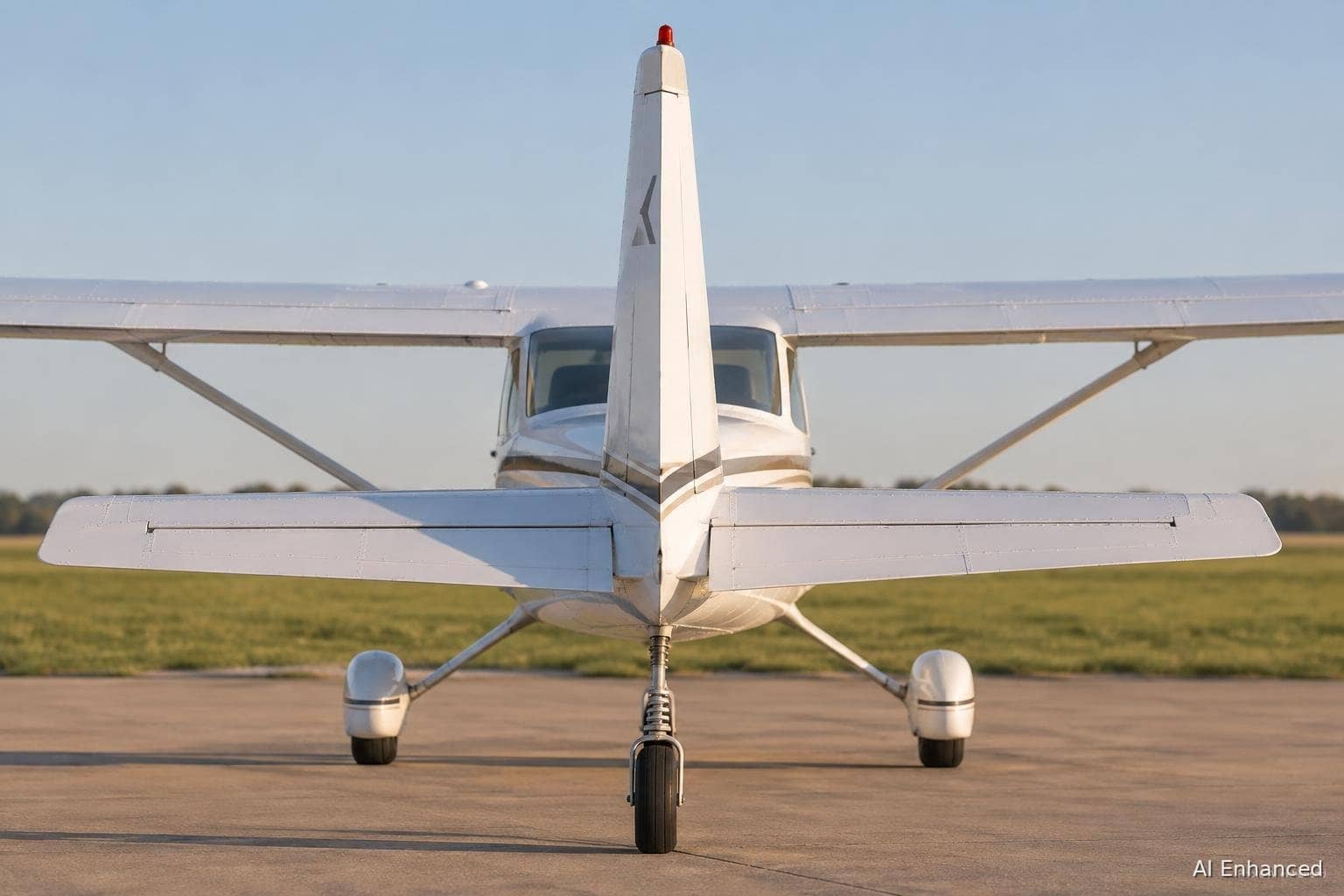
The answer begins with visibility and habitability rather than headline performance. The high wing keeps sun and rain off the cabin doors, gives a clear view downward in turns when the wing is managed properly, and makes the aeroplane feel less confined on the ground. Its conventional tricycle undercarriage and modest inertia make it an approachable machine around the circuit. The wing is supported by struts rather than cantilevered, which is not glamorous but is part of the 152’s honest, serviceable design language.
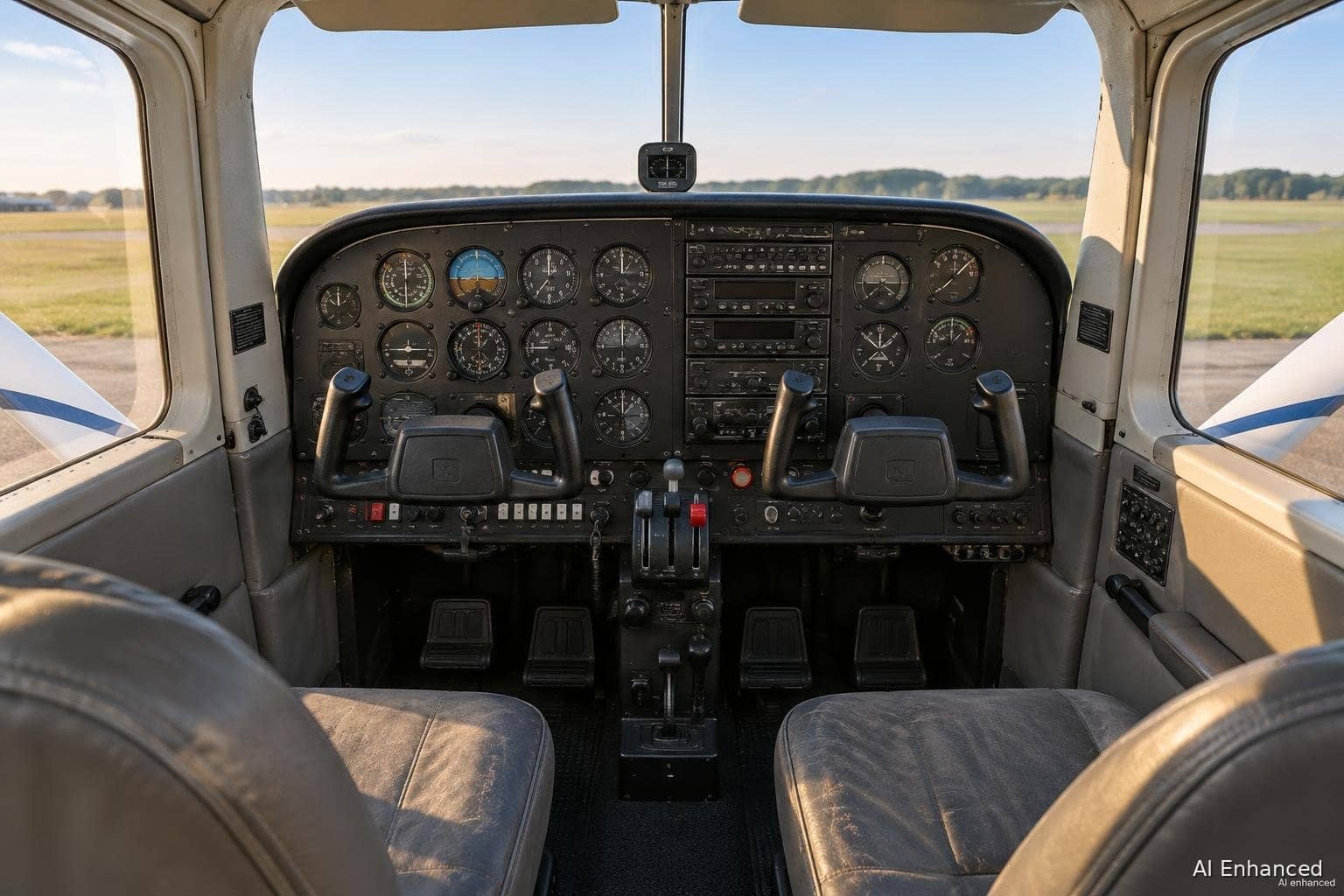
In the air, the 152 rewards tidy handling rather than force. Control forces are generally light enough for training, yet the aeroplane is not so slippery that a new pilot loses track of energy management. It is especially useful for practising the fundamentals: coordinated turns, accurate speed control, trim, flap selection and stable approaches. The fixed-pitch propeller and normally aspirated carburetted engine also keep engine management refreshingly plain. There is no need to negotiate with a constant-speed unit or retractable gear before the coffee has taken effect.
There are limits to the charm. Two adults, baggage and fuel require proper weight-and-balance discipline, especially because the useful load of an individual example can vary materially with equipment and modifications. Cruise is best thought of as local flying or unhurried touring. A 152 gets somewhere eventually; it simply declines to make an occasion of the journey.
| Feature | Cessna 152 | Piper PA-38-112 Tomahawk |
|---|---|---|
| Wing and tail layout | High wing, conventional tail, wing struts | Low wing, T-tail |
| Engine | Lycoming O-235 series, 110 hp | Lycoming O-235-L2C, 112 hp |
| Typical published cruise | Approx. 106 kt at 75% power | Approx. 109 kt at 75% power |
| Landing gear | Fixed tricycle | Fixed tricycle |
| Training character | High-wing visibility, familiar Cessna handling and simple systems | Low-wing sight picture, T-tail and a more distinct handling personality |
The comparison aircraft is the Piper PA-38-112 Tomahawk, a contemporary two-seat trainer. Figures vary by model year, approved engine, propeller, optional equipment and operating conditions.
Honest ownership note: The 152 is simple, but it is not exempt from age. A pre-purchase inspection should be conducted by a mechanic who knows legacy Cessna singles and should pay close attention to corrosion, wing and strut attachment areas, landing-gear structure, seat rails and stops, control-cable condition, exhaust and muffler integrity, fuel-system condition, engine health and the status of all applicable airworthiness directives. Parts support is generally better than for many obscure light aircraft, but availability and cost still vary, particularly for cabin trim, original instruments and specific airframe items. A careful review of records, modifications and actual empty weight is essential; the type’s simplicity is an advantage only when the underlying aeroplane has been maintained with equal simplicity and care.
| Good fit if… | Worth a second thought if… |
|---|---|
| You want a proven two-seat trainer with fixed gear, modest systems and a broad knowledge base. | You regularly need four seats, substantial baggage capacity or high cruise speed. |
| You favour high-wing access, circuit work and weekend local flying. | You operate routinely from high-density-altitude fields with heavy loads. |
| You are prepared to buy on condition, records and maintenance quality rather than paint or panel cosmetics. | You expect modern avionics, a quiet cabin or long-leg touring capability without further investment. |
The Cessna 152 remains compelling because it is honest about its mission. It is a compact, conventional aeroplane built to teach good habits and make straightforward flying accessible. Find one with sound structure, a properly documented maintenance history and equipment suited to the intended mission, and the 152 can still be exactly what it was designed to be: a practical little aeroplane that makes flying feel attainable rather than elaborate.
Common questions about bidding on CollectAirs. Learn how auctions work or visit our About page.
Create a free CollectAirs account, complete your profile, and click Place Bid while the auction is live. You can review bid history and confirm your amount before submitting.
A reserve is the minimum price the seller will accept. If bidding does not reach the reserve before the auction ends, the aircraft is not sold.
A Pre-Buy Inspection is an independent expert review of the aircraft before you commit. It helps verify condition and documentation so you can bid with more confidence.
Yes. CollectAirs supports buyer diligence through verified documentation and Pre-Buy Inspection options. Contact details and next steps are available on our About page.
CollectAirs stays with you through inspection, payment and transfer of title. For everything after, a vetted specialist.
Every provider is an independent, certified company, we make the introduction and stay involved until the aircraft is home. Terms and pricing are agreed directly with the provider you choose.
List it for free and reach qualified buyers worldwide.
Full description, specifications and every photograph. Prices and closing times are a snapshot, check this page before you bid.
KrakówComing soon, not yet consigned
Own a Cessna too? List it free, you only pay when it sells.
An independent inspector checks it for you. Quote first, nothing booked until you approve.
Fatima
Here for this aircraft
OnlineThinking of bidding? I'm here to help
Ask me on WhatsApp (opens in a new tab)
Questions
No questions yet
Be the first to ask the seller a question!