
 Barra dos Coqueiros
Coming soon, not yet consigned
Own a Grumman too? List it free, you only pay when it sells.
An independent inspector checks it for you. Quote first, nothing booked until you approve.

Fatima
Here for this aircraft
OnlineThinking of bidding? I'm here to help
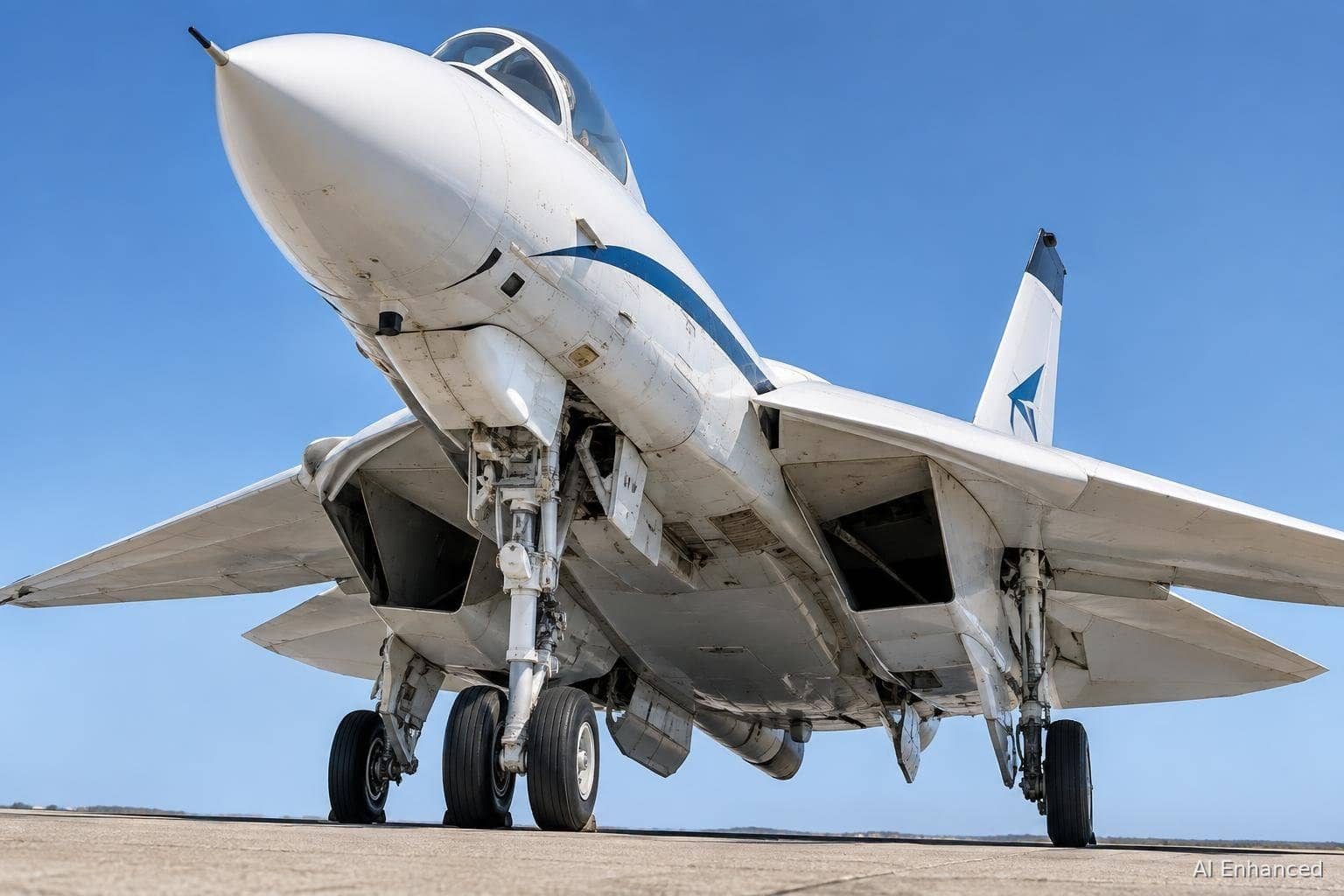
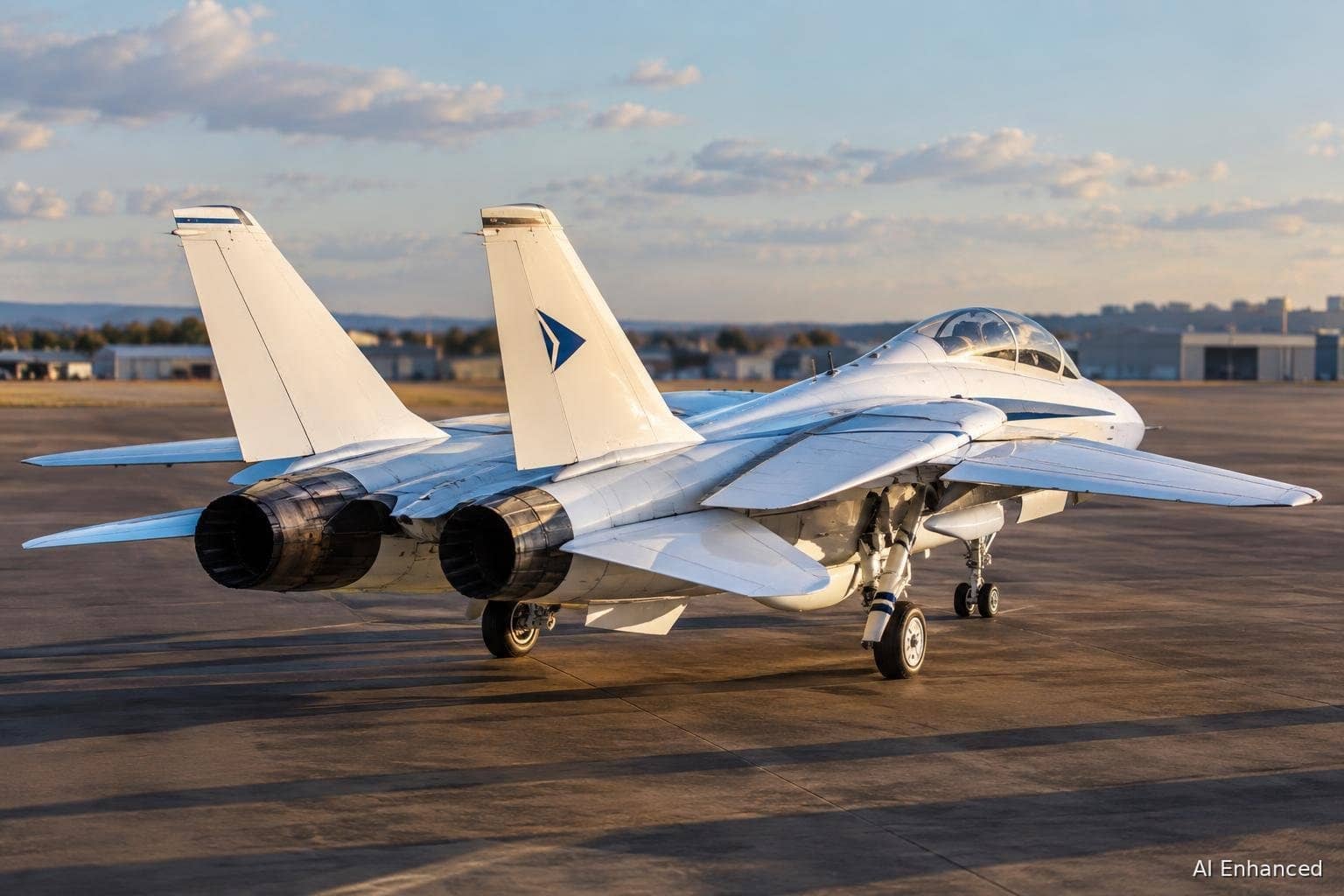
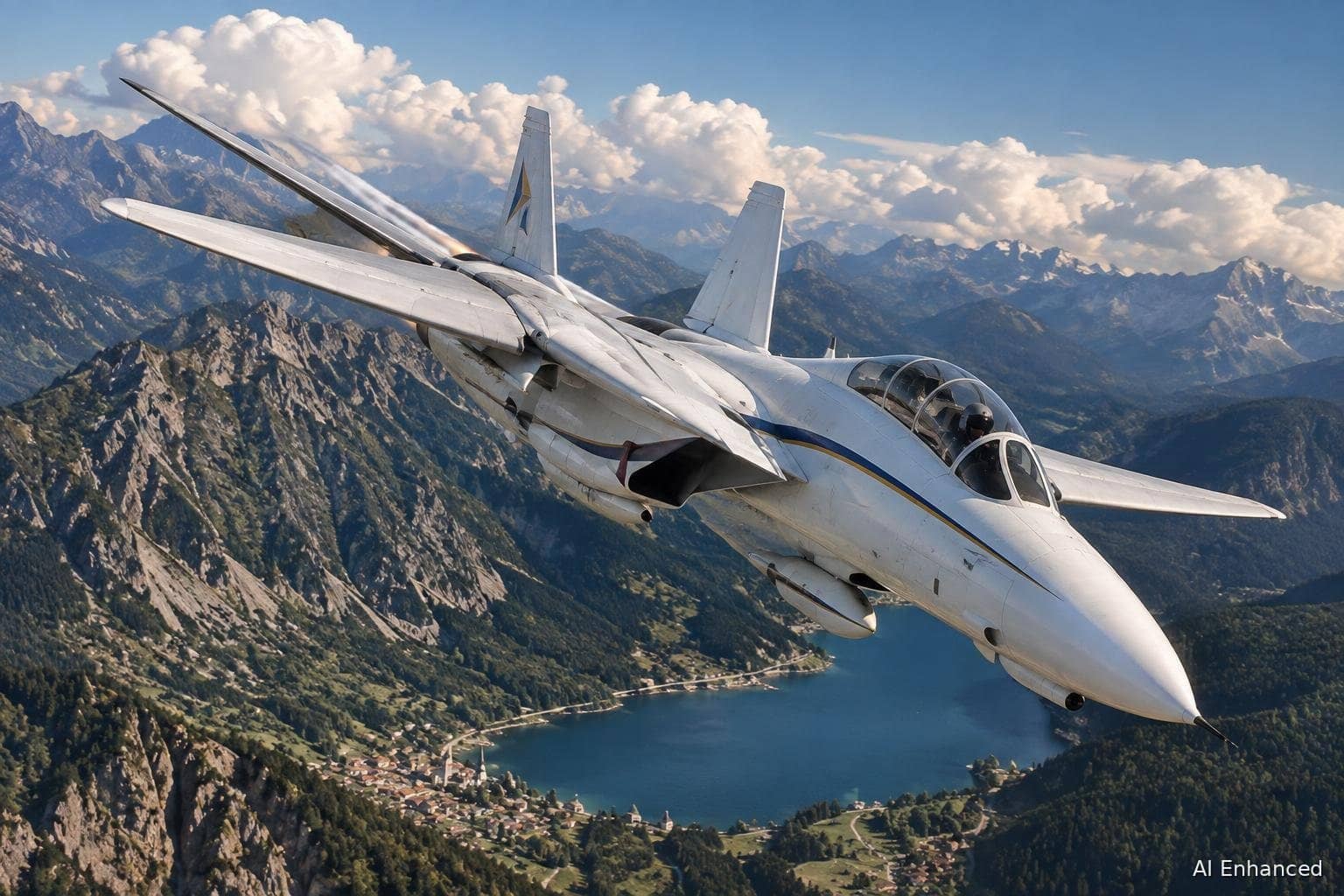
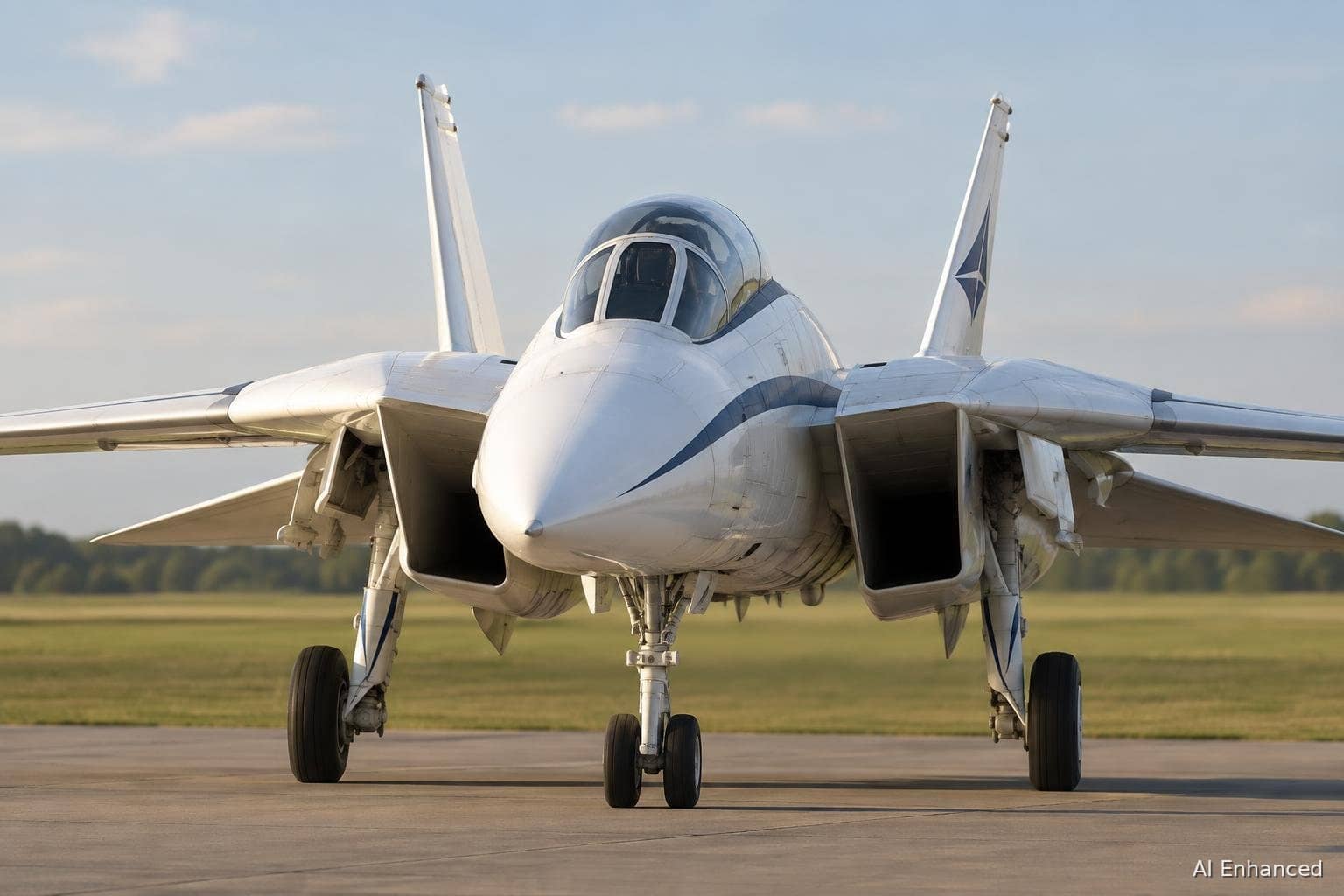
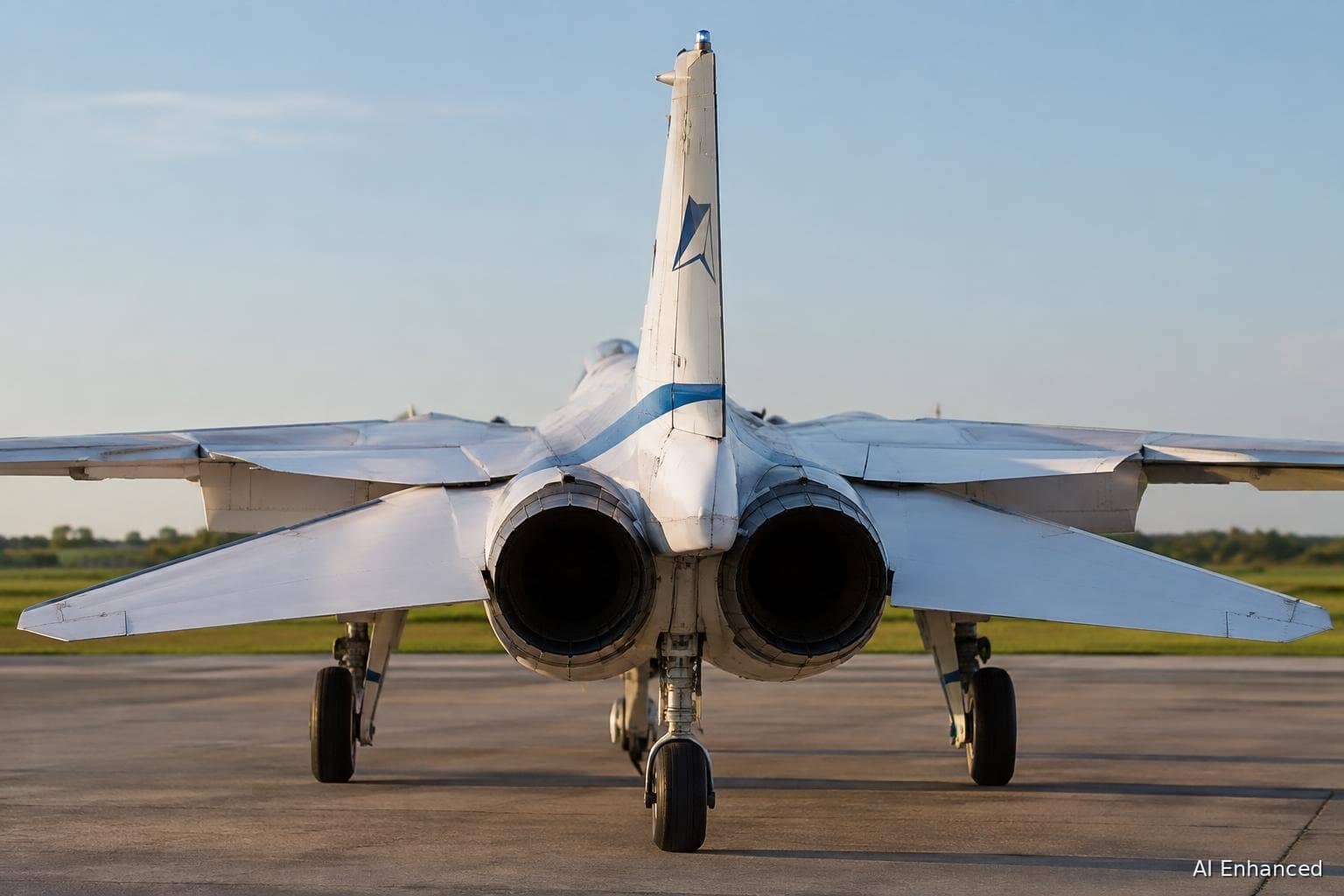
Ask me on WhatsApp (opens in a new tab)The Grumman F-14 Tomcat was the Cold War fleet-defence fighter built around a remarkably direct proposition: detect a bomber raid at long range, sort the threat, and engage before it reached the carrier battle group. It is remembered for its variable-sweep wings and unmistakable two-seat profile, but its real distinction was the marriage of the Hughes AWG-9 weapons system with the AIM-54 Phoenix missile. Few fighters of its era combined such long-range target handling with genuine carrier-deck compatibility.
The Tomcat emerged after the Navy rejected the F-111B as too heavy for carrier work. Grumman’s VFX proposal retained the valuable AWG-9/Phoenix concept, but wrapped it in a purpose-built, twin-engined naval fighter with variable geometry wings and two crew stations. The first flight took place in December 1970, deliveries began in 1972, and operational deployments followed in 1974. Later F-14B and F-14D variants addressed the original aircraft’s engine limitations and added more capable avionics, while the basic airframe evolved from fleet interceptor into a strike-capable fighter.
| Spec | Detail |
|---|---|
| Type designation | Grumman F-14A, F-14B and F-14D Tomcat |
| Configuration | Two-seat, twin-engine, variable-sweep-wing carrier fighter |
| Engine and power | F-14A: two Pratt & Whitney TF30 afterburning turbofans; F-14B/D: two General Electric F110-GE-400 afterburning turbofans |
| Maximum speed | Mach 2+; published figures vary with variant and altitude |
| Seating | Two: pilot and radar intercept officer |
| Landing gear | Retractable carrier-capable tricycle gear with arresting hook |
The central difference was not simply that the wings moved. The wing-sweep system let the Tomcat present a broad, low-speed wing for approach and carrier recovery, then sweep aft for high-speed flight. That gave Grumman a way to reconcile two demands that normally fight each other: acceptable deck handling and high-altitude interceptor speed. The mechanism was sophisticated, heavy and maintenance-intensive, but it made sense for a Navy aircraft expected to launch with substantial stores and return to a small moving runway.
The second difference was crew workload. The pilot flew and fought the aircraft; the radar intercept officer managed navigation, radar, target information and weapons employment from the aft cockpit. With the AWG-9 system, the F-14 could track 24 targets and guide Phoenix missiles against six at once. That was an unusually ambitious capability for a carrier fighter, and it explains why the Tomcat was more than a handsome airframe with a famous film career.
| Feature | F-14 Tomcat | McDonnell Douglas F-15C Eagle |
|---|---|---|
| Crew | Two: pilot and radar intercept officer | One pilot |
| Wing arrangement | Variable-sweep wing for carrier and high-speed requirements | Fixed wing |
| Primary design emphasis | Carrier-based fleet defence and long-range interception | Land-based air superiority |
| Maximum speed | Mach 2+ published | Approx. Mach 2.5 published |
| Operating environment | Catapult launch and arrested recovery | Conventional land runway operations |
The comparison is with the F-15C Eagle, a representative contemporary air-superiority fighter; figures and capabilities vary by production standard, engine fit and mission configuration.
Honest ownership note: The F-14 is not a conventional civilian ownership proposition. A prospective custodian must first establish the aircraft’s legal status, demilitarisation requirements and the status of every controlled component before considering restoration or operation. F-14-specific parts, technical data and export activity are subject to unusually strict controls, and original engines, radar equipment, ejection-seat systems, hydraulic components and wing-sweep hardware demand specialist knowledge. Any pre-purchase inspection should concentrate on provenance and permitted configuration as much as structural condition: wing-pivot structure, undercarriage, arresting-gear area, engine installation, hydraulic plumbing and removed or disabled military systems all deserve careful scrutiny. A military-aircraft specialist, experienced turbine support and legal advice on controlled hardware matter more here than optimism.
| Good fit if… | Worth a second thought if… |
|---|---|
| You value Cold War naval aviation history, understand controlled military hardware and can assemble specialist support. | You expect straightforward registration, unrestricted parts sourcing or routine recreational operation. |
| You want a display or preservation project with unusually strong public recognition. | You want a simple turbine aircraft with a practical support network and ordinary maintenance planning. |
| You appreciate why a carrier fighter needed variable geometry, two crew members and a large weapons-system architecture. | You are drawn chiefly by the silhouette but are unprepared for the regulatory and technical realities behind it. |
The F-14 Tomcat remains compelling because it was engineered around a mission few aircraft were ever asked to perform: defend a carrier force at distance, at speed, from the deck of a ship. Its swing wings and twin tails make it instantly recognisable, but the lasting fascination is the systems thinking beneath the shape. For the right preservation-minded buyer, it is a serious artefact of naval aviation rather than a simple collectible.
Common questions about bidding on CollectAirs. Learn how auctions work or visit our About page.
Create a free CollectAirs account, complete your profile, and click Place Bid while the auction is live. You can review bid history and confirm your amount before submitting.
A reserve is the minimum price the seller will accept. If bidding does not reach the reserve before the auction ends, the aircraft is not sold.
A Pre-Buy Inspection is an independent expert review of the aircraft before you commit. It helps verify condition and documentation so you can bid with more confidence.
Yes. CollectAirs supports buyer diligence through verified documentation and Pre-Buy Inspection options. Contact details and next steps are available on our About page.
CollectAirs stays with you through inspection, payment and transfer of title. For everything after, a vetted specialist.
Every provider is an independent, certified company, we make the introduction and stay involved until the aircraft is home. Terms and pricing are agreed directly with the provider you choose.
List it for free and reach qualified buyers worldwide.
Full description, specifications and every photograph. Prices and closing times are a snapshot, check this page before you bid.
Barra dos CoqueirosComing soon, not yet consigned
Own a Grumman too? List it free, you only pay when it sells.
An independent inspector checks it for you. Quote first, nothing booked until you approve.
Fatima
Here for this aircraft
OnlineThinking of bidding? I'm here to help
Ask me on WhatsApp (opens in a new tab)
Questions
No questions yet
Be the first to ask the seller a question!