






Sep 30, 2026
Time Remaining
0
Total
Low-time, glass-panel, single-owner — this Van's RV-12 checks the three boxes most buyers are actually searching for. It's a genuinely tidy example of one of the most trusted names in modern Light Sport Aircraft, and it's ready to fly home today.
The Van's RV-12 was designed from the outset as an all-metal, side-by-side two-seater built to the ASTM Light Sport Aircraft standard, and it comes from Van's Aircraft — the same Oregon-based company responsible for more amateur-built aircraft flying today than any other manufacturer on earth.
Quick Facts: This 2023 Van's RV-12
Spec | Detail |
|---|---|
Aircraft | 2023 Van's RV-12, Serial No. 120888 |
Airframe Total Time | 200 hours |
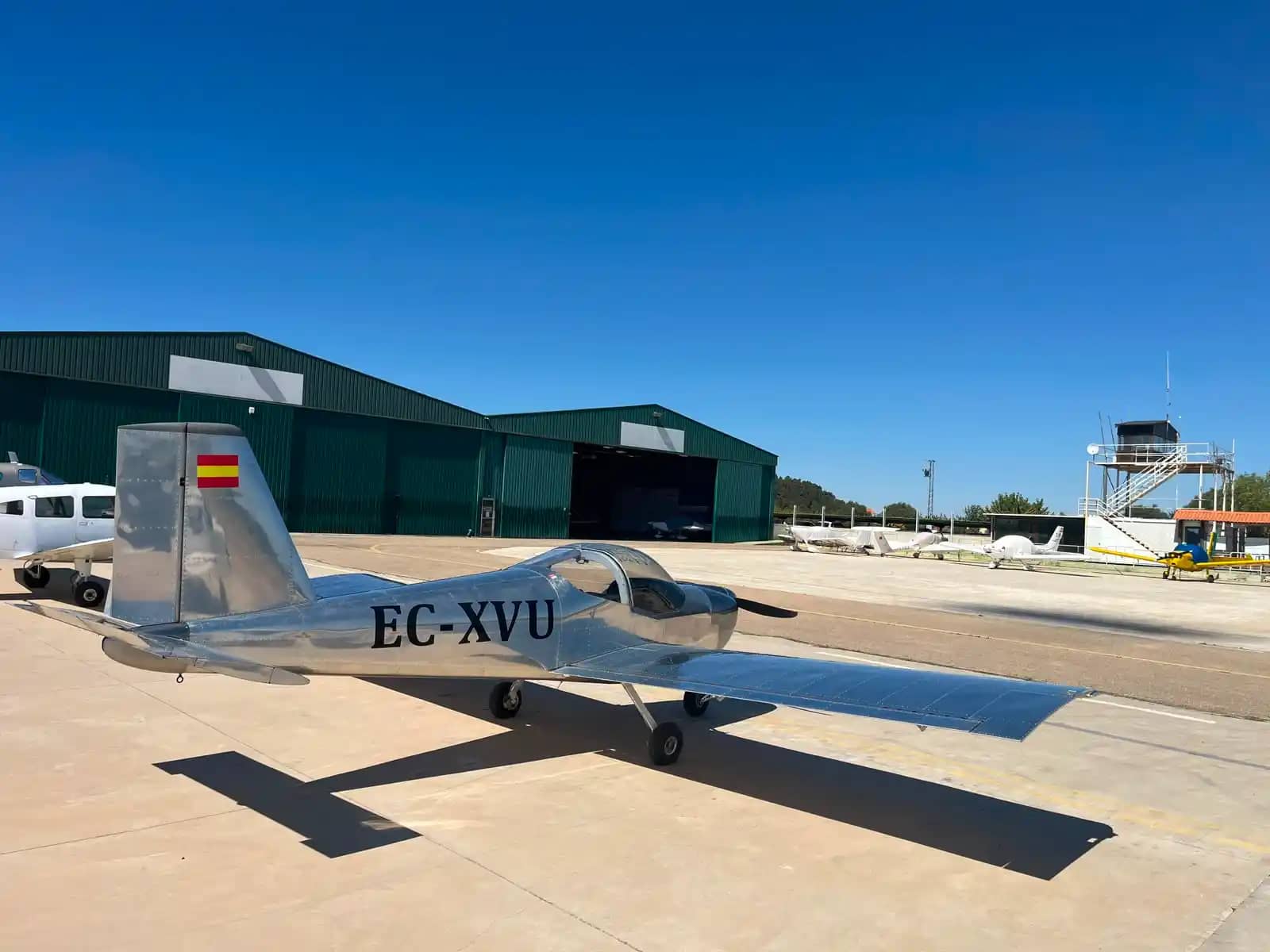
Registration | EC-XVU (Spain) |
Engine | Rotax 912 ULS — 100 hp, 200h since new, 1,800 hours remaining to TBO |
Propeller | Sensenich 2-blade, ground-adjustable composite |
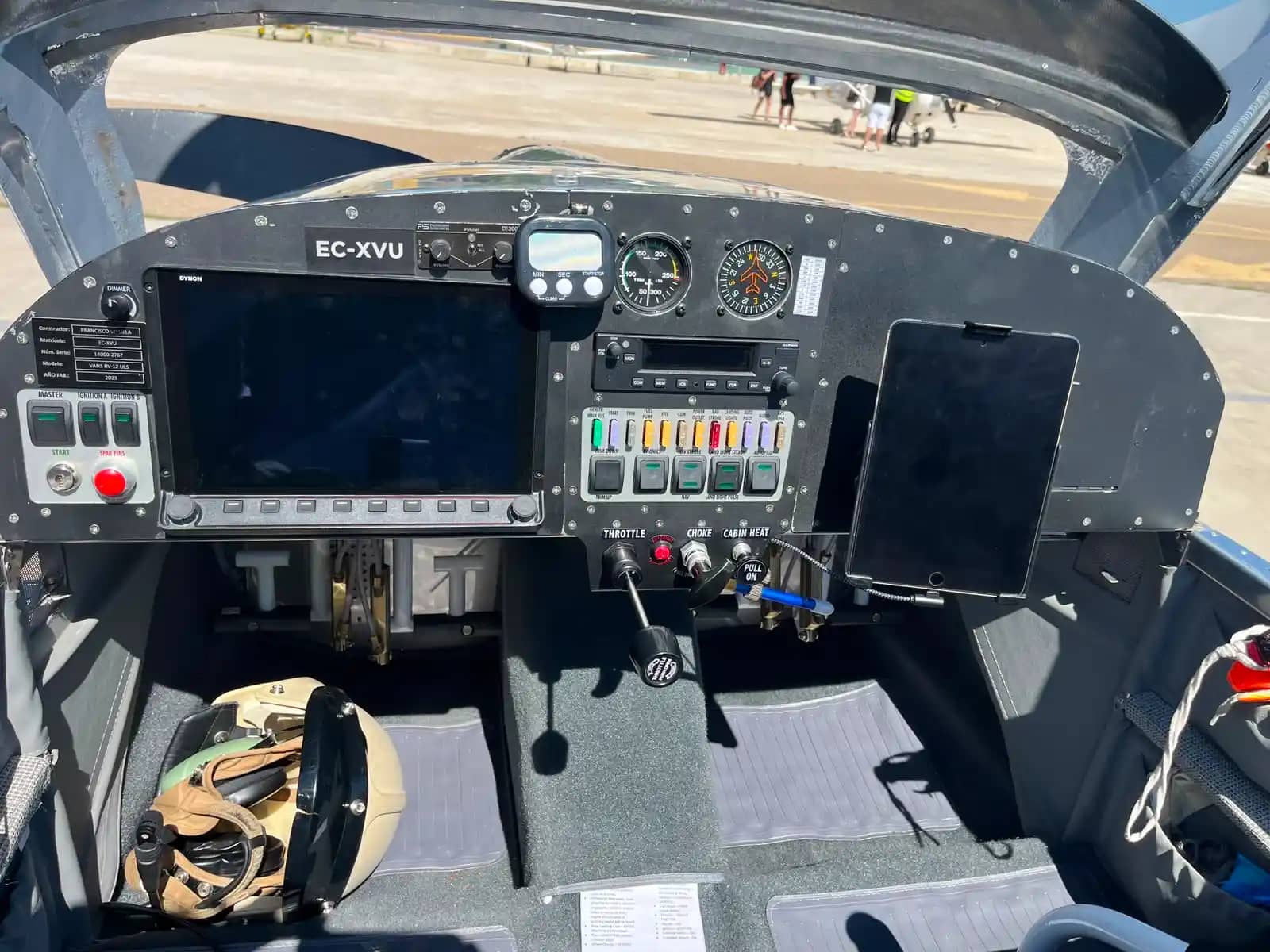
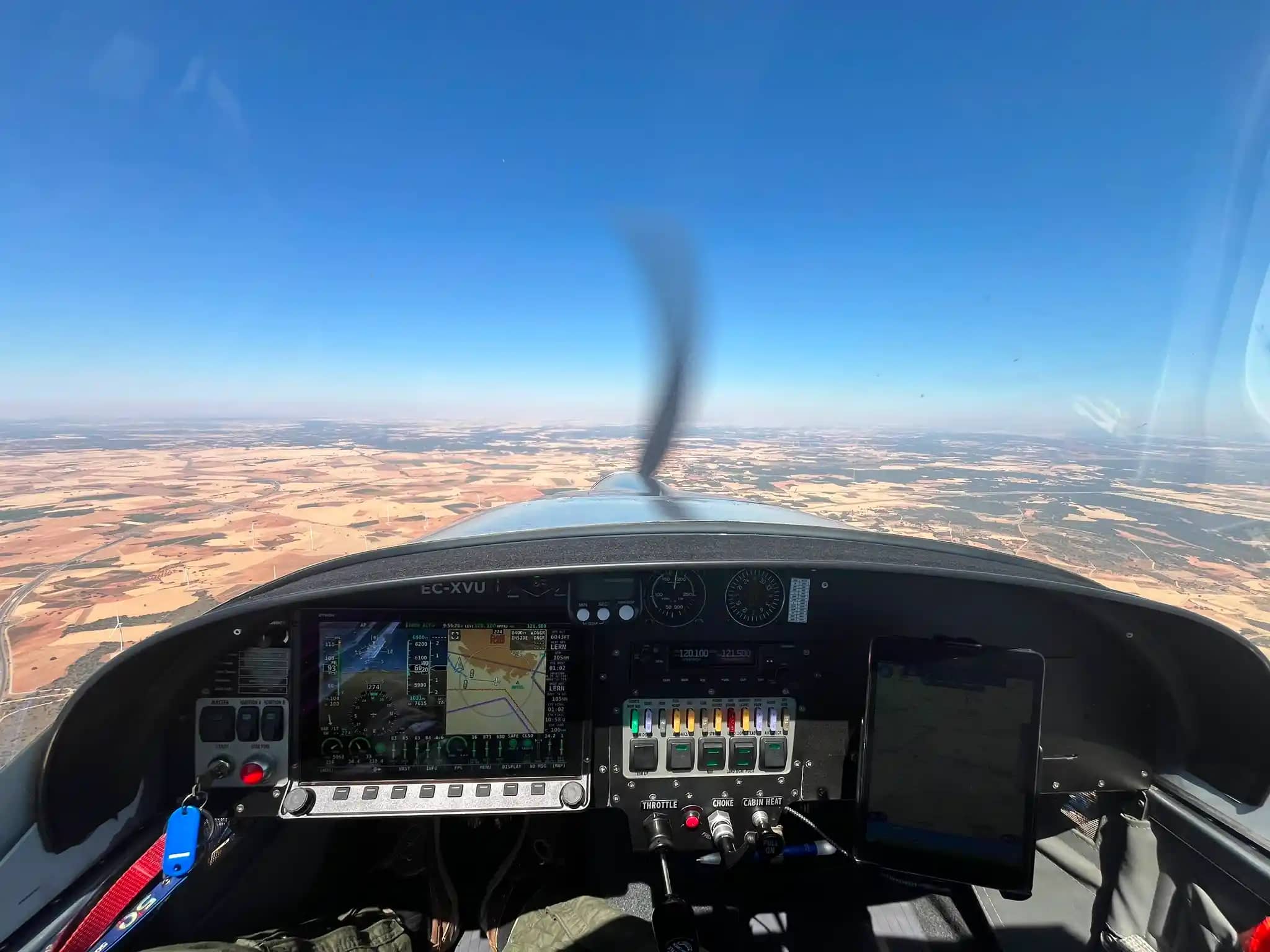
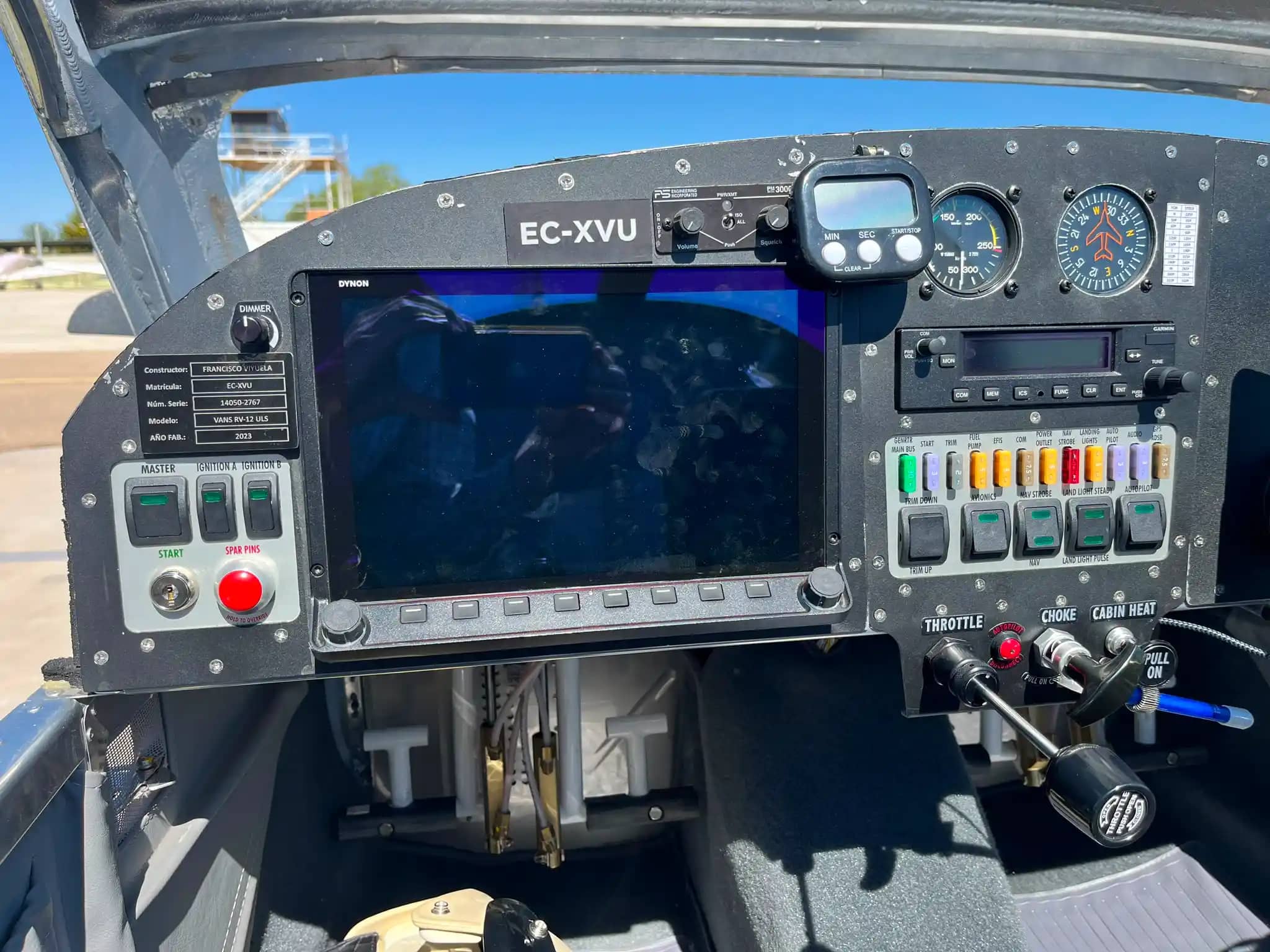
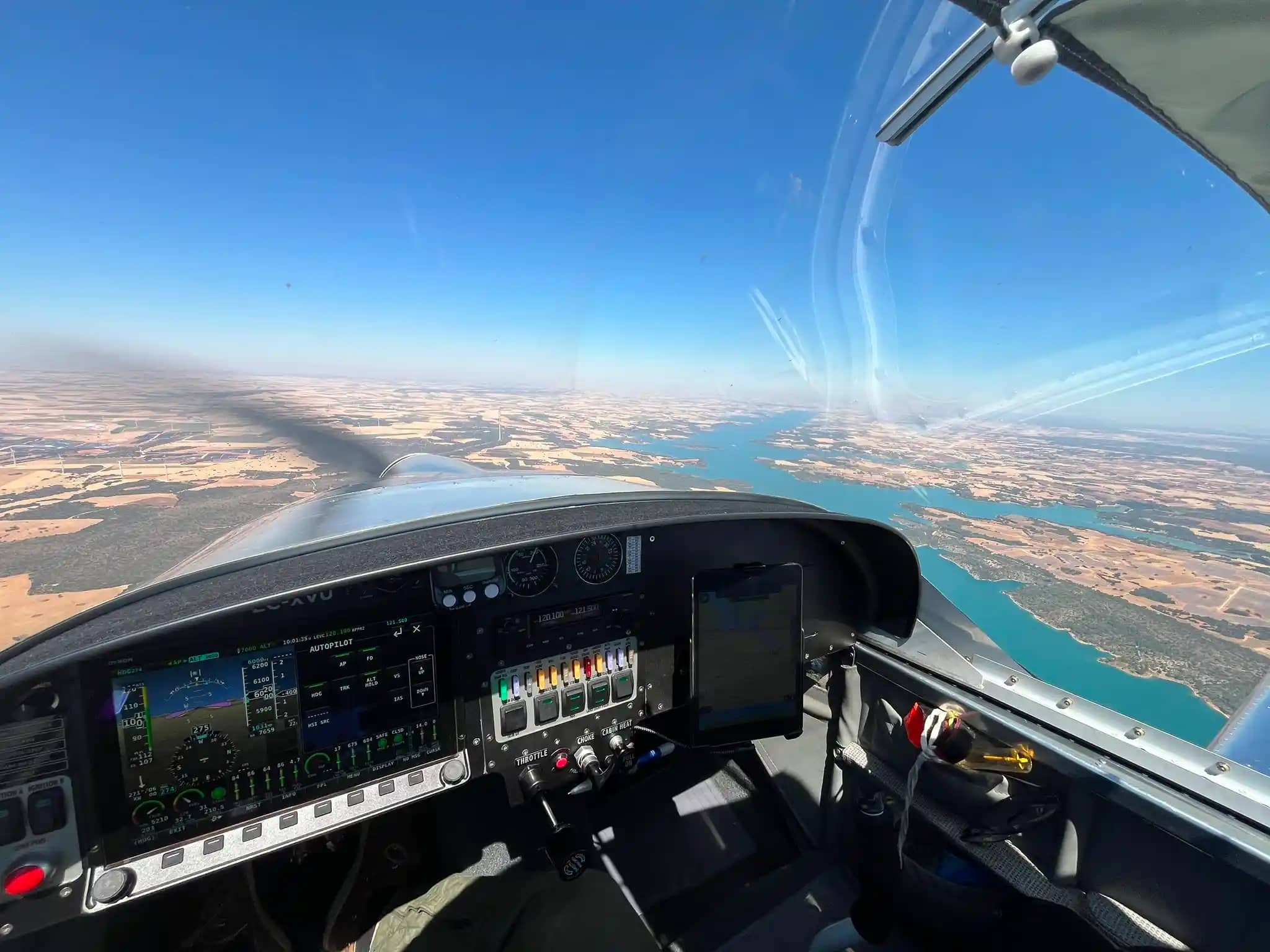
Avionics | Dynon SkyView HDX 10" glass panel, two-axis autopilot, ADS-B Out |
Ownership | One owner since new, always hangared, no damage history |
ARC | Valid to September 2027 |
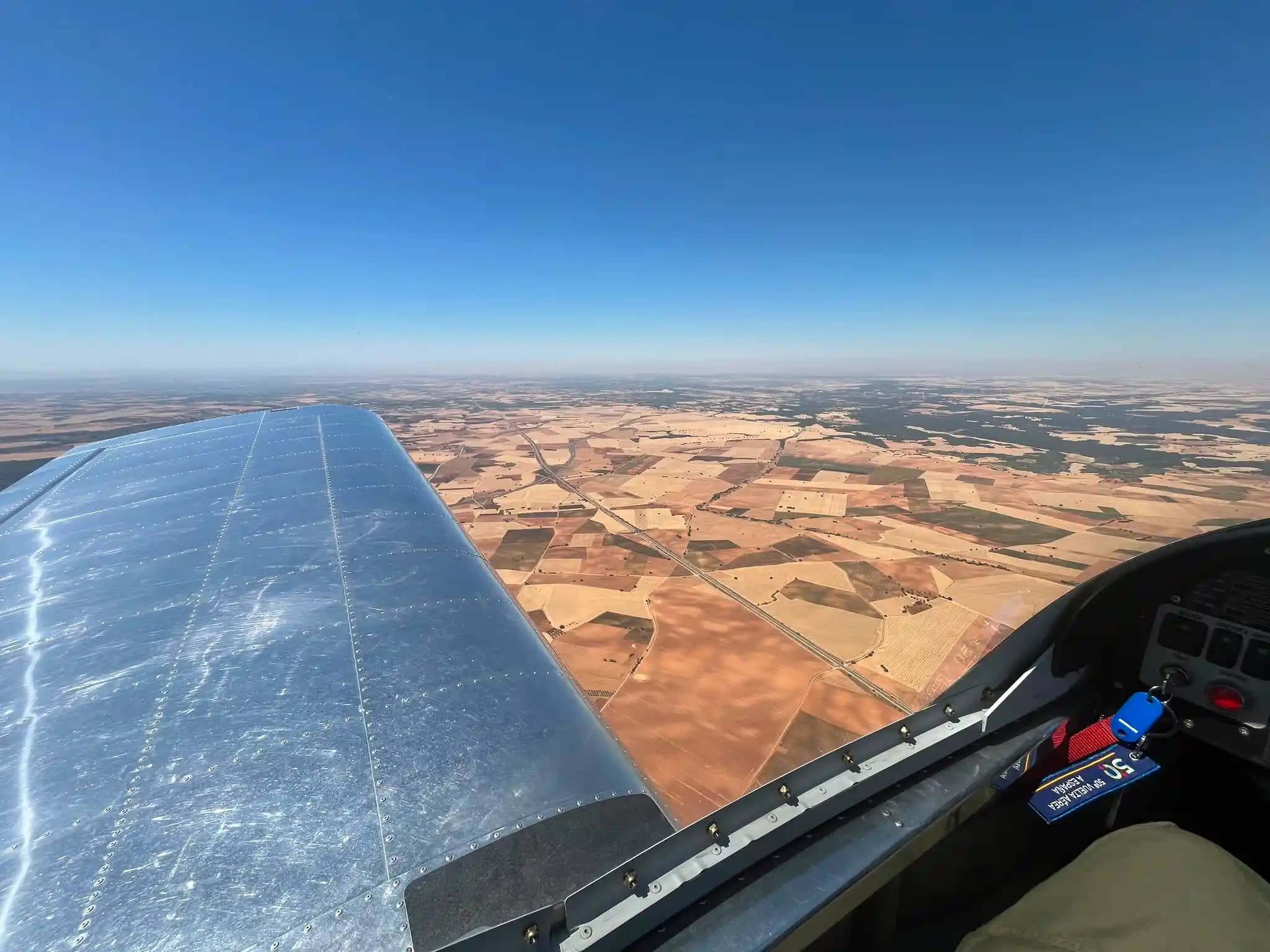
Unlike many of its tandem-seat RV siblings, the RV-12 places both occupants ahead of the wing spar, which means a genuinely roomy cabin and unobstructed visibility in every direction.
Cabin layout: Side-by-side two-seat, both occupants seated ahead of the main wing spar
Construction: All-metal, riveted aluminum airframe
Landing gear: Fixed tricycle (nosewheel) gear
Removable wings: Using quick-release methods borrowed from decades of high-performance sailplane design, two people can pull both wings in under five minutes — ideal for trailer transport or off-airport storage
Fleet size: More than 600 RV-12s are flying worldwide, backed by an active builder and owner community
Most of the answer comes down to practicality. The Van's RV-12's quick-removable wings mean an owner can trailer the airplane home, store it in a smaller hangar bay, or keep it off-airport entirely — something very few metal LSAs offer. Combined with a cabin designed around visibility and elbow room rather than shoehorned around a wing spar, it's a general aviation aircraft engineered for the way owners actually use it.
This particular airframe adds real trust factors on top of the design itself: one owner since new, always hangared, no damage history, all Airworthiness Directives complied with, and an ARC valid to September 2027. It's the kind of paper trail that matters as much as the logbook hours.
The Van's RV-12 is powered by the engine that effectively built the modern LSA category — and this example's engine has been looked after with a level of documentation that's genuinely reassuring for a buyer.
Engine: Rotax 912 ULS, 100 hp — the worldwide standard powerplant for Light Sport Aircraft
Engine serial number: 9574396
Engine time: 200 hours since new
TBO: 2,000 hours — with 1,800 hours remaining
Fuel: Mogas capable and recommended; also runs on 100LL
Reduction drive: Integrated gearbox keeps the propeller in its most efficient RPM range
Recent work: Airframe and engine just passed the 200-hour inspection and maintenance
Oil program: Cylinders regularly boroscoped and oil sent for analysis to Blackstone Labs — all reported in perfect condition
Propeller: Sensenich 2-blade, ground-adjustable composite — light, smooth, and inexpensive to maintain
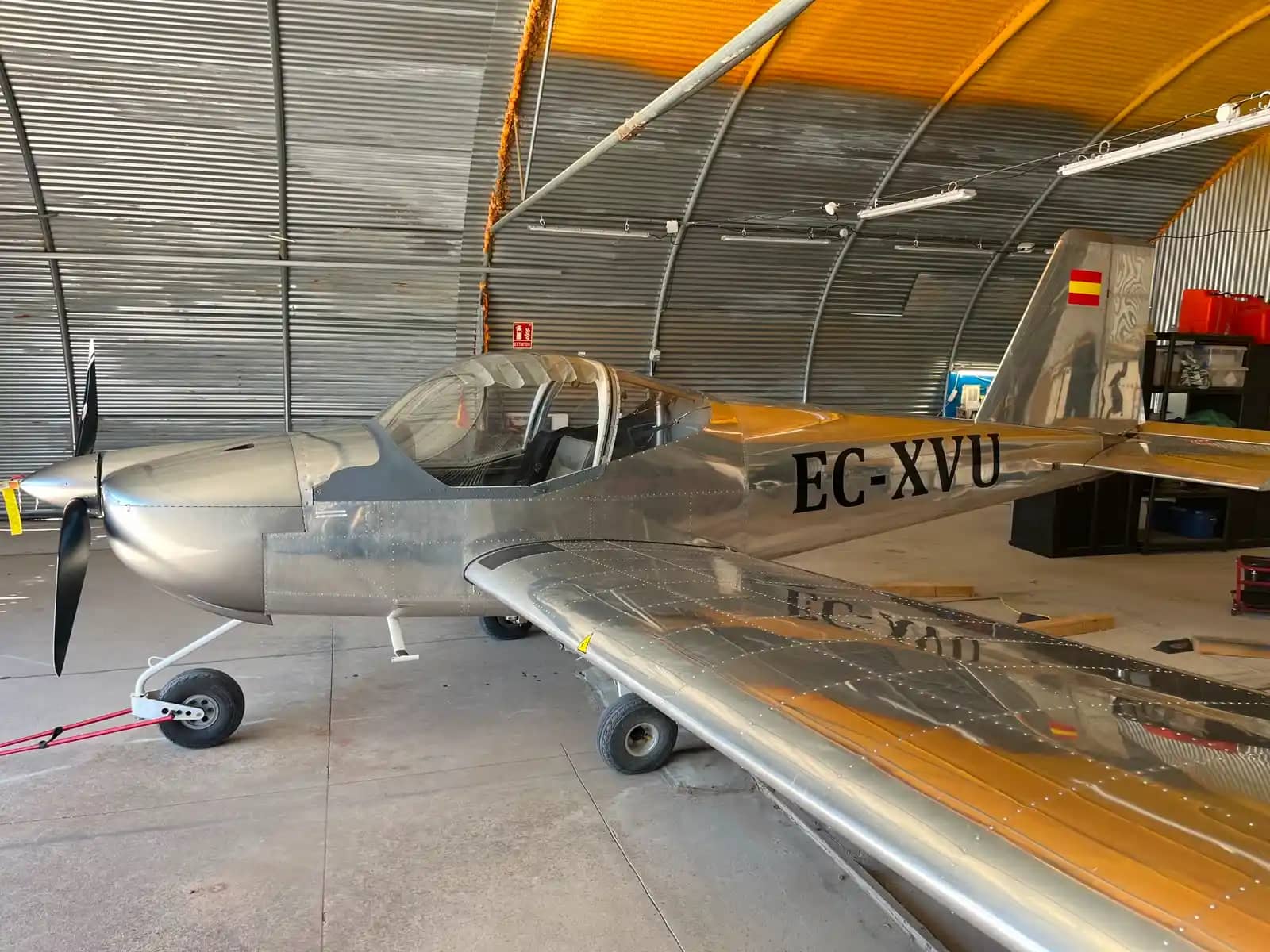
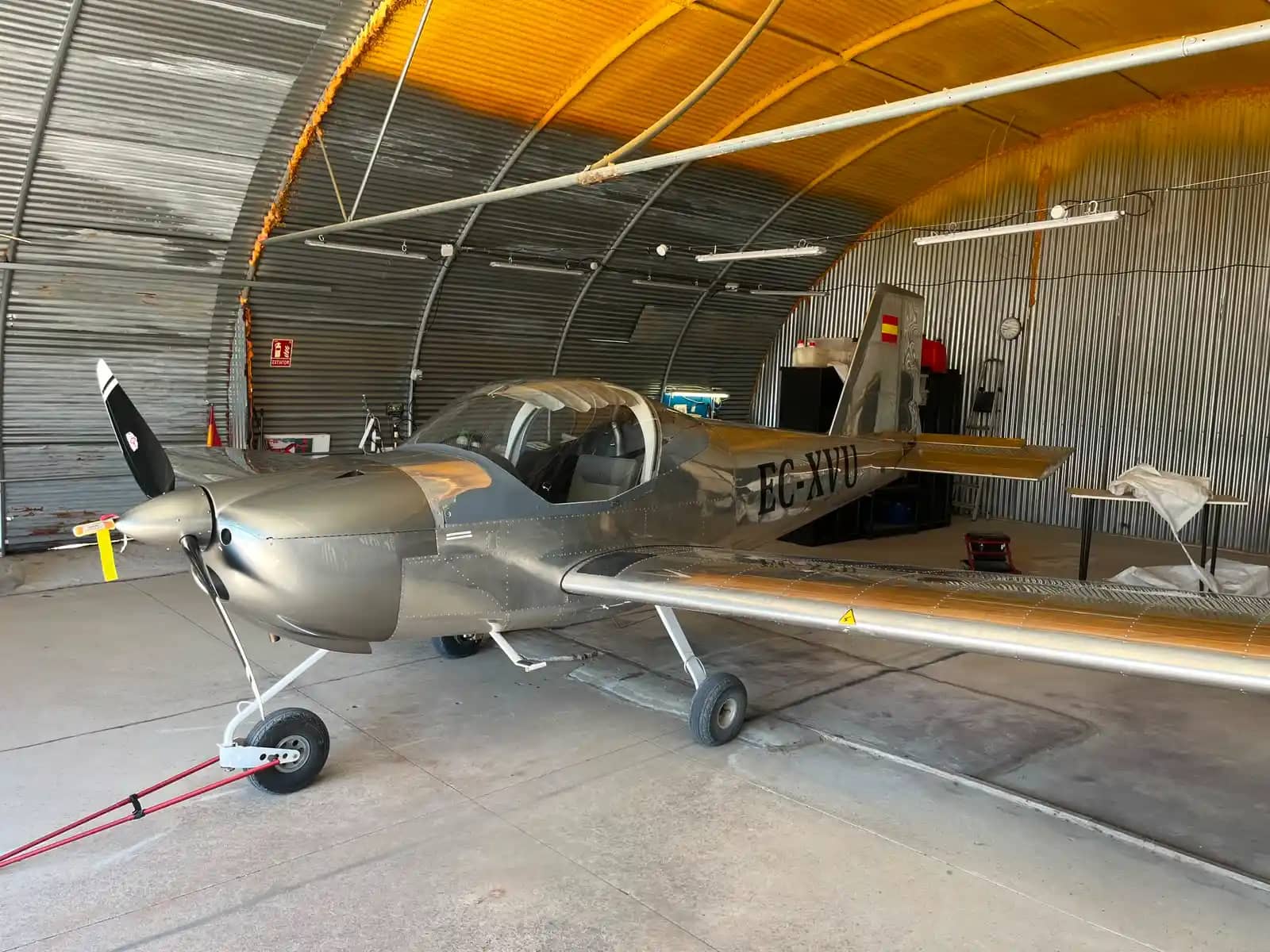
Cosmetic note: Some dents on the propeller from operation off a dirt strip (visible in photos) — a minor, honestly disclosed cosmetic item, not a performance concern
Weight and useful load are where the RV-12 design really shines for a two-seat LSA:
Empty weight: approx. 340 kg
Max gross weight: 599 kg
Typical useful load: two 85 kg occupants, a full 76-liter fuel tank, plus 22 kg of baggage
Feature | Rotax 912 ULS (this aircraft) | Typical Traditional GA Engine (e.g., Lycoming/Continental 4-cyl) |
|---|---|---|
Horsepower | 100 hp | 115–160 hp (typical) |
Weight | Lightweight, geared reduction drive | Heavier, direct-drive |
Fuel options | Mogas or 100LL | Typically 100LL only |
Typical fuel burn | Lower (approx. 4–5 gph) | Higher (approx. 8–10 gph) |
TBO | 2,000 hours | 2,000 hours (varies by model) |
This aircraft's avionics stack is thoroughly modern for a tube-and-fabric-era-descended design category built entirely in metal:
Dynon SkyView HDX 10" touch display
Dynon two-axis autopilot (SV32) with NAV capability — accepts flight plans from SkyDemon, flies horizontal and vertical navigation
SV-ADAHRS-200 attitude reference module
SV-XPNDR-261 Mode S transponder with ADS-B Out
SV-GPS-250 GPS receiver
SV-BAT-320 backup battery
SV-EMS-220 engine instrumentation module with probes
SV-SYNVIS-280 synthetic vision module
SV-MAP-270 moving map software
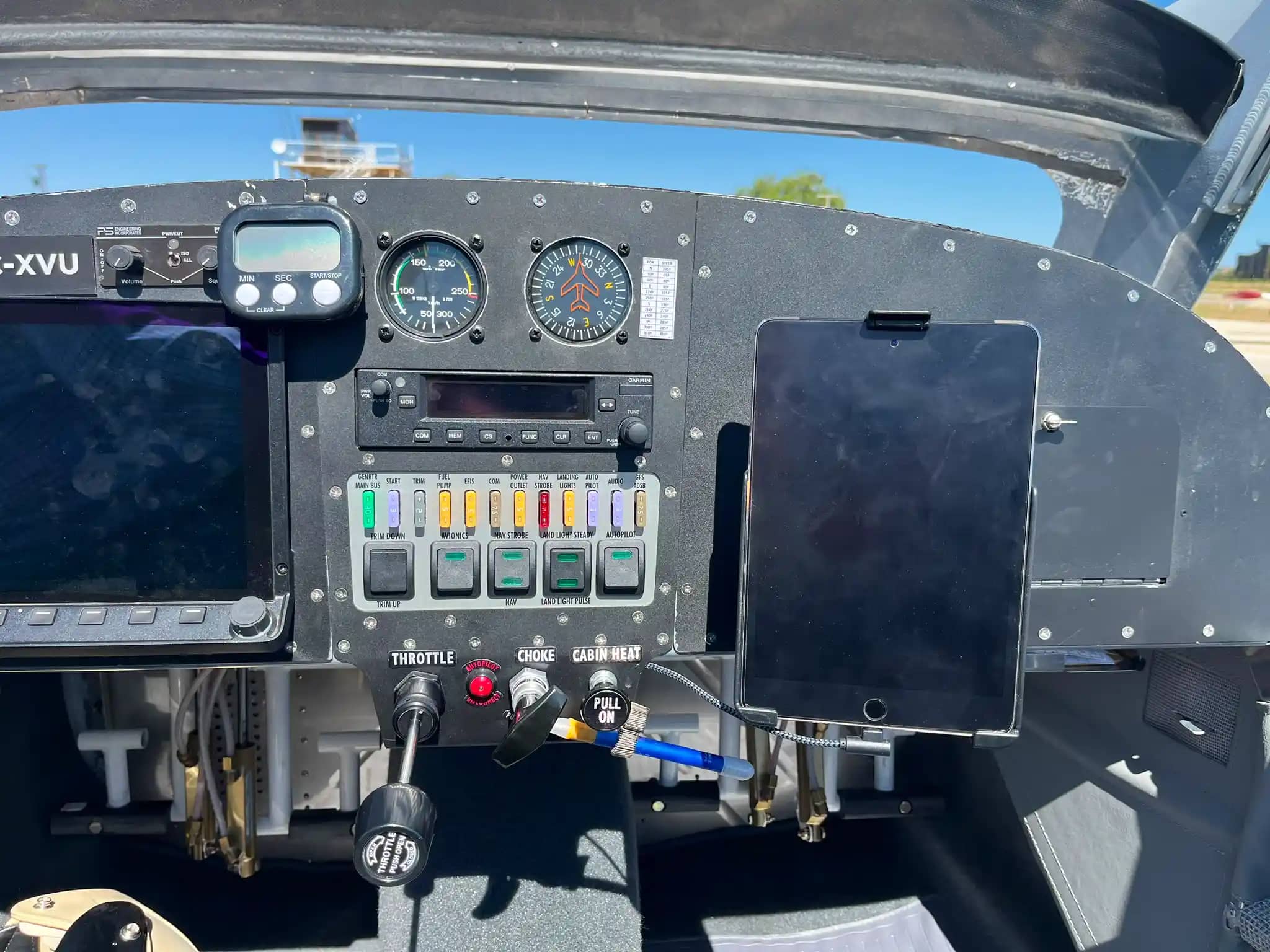
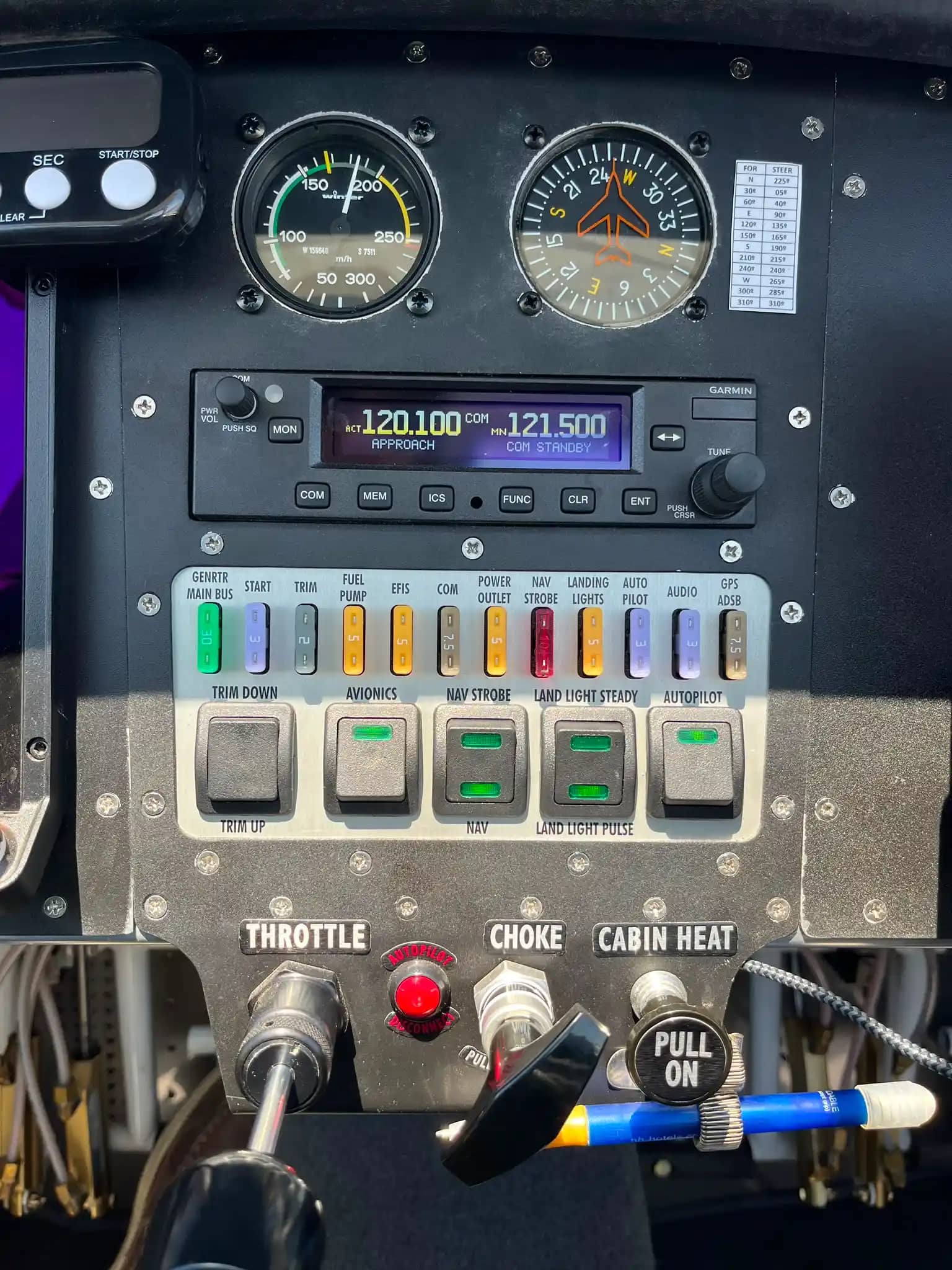
Garmin GTR-225A comm radio (8.33 kHz spacing)
PS Engineering PM3000 stereo intercom
Backup Winter airspeed indicator and vertical-reading compass
RAM mount support for iPad/tablet with USB power
Exterior:
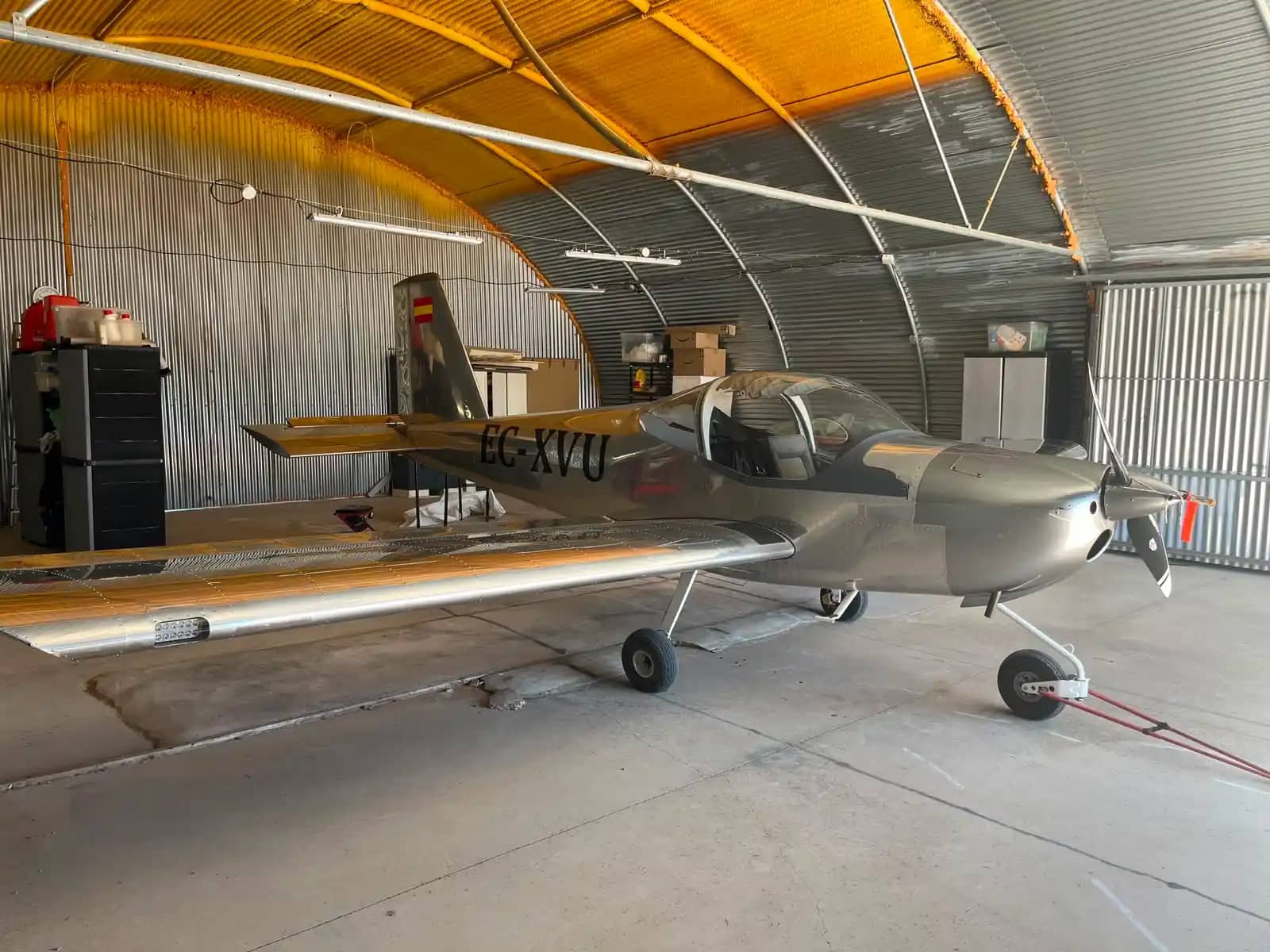
Clean, all-metal riveted airframe with the quick-removable wing panels that make the Van's RV-12 so trailer-friendly
Ground-adjustable Sensenich composite propeller — light and purposeful looking on the nose
Lightweight Bruce canopy cover included for outdoor/hangar protection
Always kept in a hangar, with no damage history on record
Van's upgraded nose fork fitted
Cockpit:
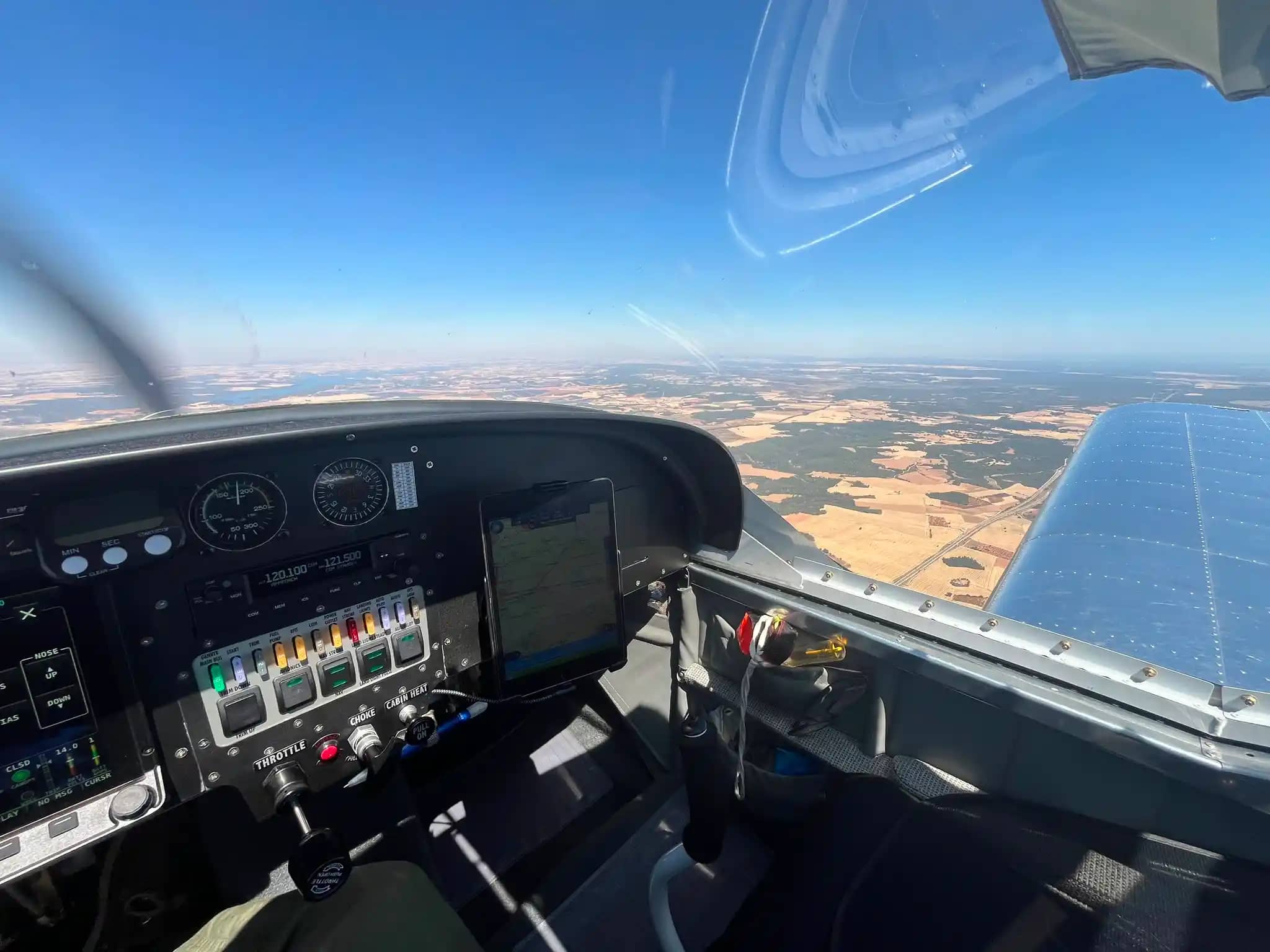
Side-by-side two-seat cabin, both seats positioned ahead of the wing spar for a genuinely open, airy feel
Full Van's-supplied upholstery: carpets, sidewalls, side pockets, and baggage-area trim
5-point harnesses
Complete lighting system: adjustable cockpit red light, LED landing, nav, and strobe lights
Cabin heat plus an adjustable fresh-air ventilation system
Hydraulic differential disc brakes on both the pilot and copilot sides
Electric elevator trim
Map box and Van's panel glareshield
Interior Koger sunshade for the canopy
Van's upgraded canopy latch design, allowing the canopy to be cracked open while taxiing — a small but well-loved comfort feature
Tow bar/gust lock included
Climb in, and the Van's RV-12 feels less like a basic trainer and more like a scaled-down touring aircraft — glass panel glowing, cabin heat within reach, and sightlines that open up the whole sky ahead of the wing.
This particular Van's RV-12 suits a buyer who wants modern capability without modern complexity — and who values a paper trail as clean as the airframe itself.
Light Sport pilots and student pilots who want a proven, all-metal LSA with a genuinely modern glass panel
Budget-conscious owners who want lower fuel burn and Rotax reliability instead of a heavier, thirstier traditional GA engine
Buyers who want flexible storage or trailer transport, thanks to the quick-removable wing system
Cross-country VFR flyers who want autopilot, synthetic vision, and ADS-B situational awareness in a light, economical airframe
First-time aircraft owners moving up from renting, looking for straightforward Rotax maintenance and worldwide parts support
Buyers who prioritize documentation — this example offers one-owner history, Blackstone Labs oil analysis, and full AD compliance
Good fit if… | Worth a second thought if… |
|---|---|
You want a modern glass-panel LSA with low running costs | You need four seats or heavy load-carrying capability |
You value a trailerable, hangar-flexible airframe | You require factory IFR certification for hard IFR flying |
You want clean, documented maintenance history | You're unfamiliar with Rotax engines vs. traditional GA powerplants |
You want to fly immediately with straightforward, no-VAT sale terms | You need long cross-country range without a fuel stop |
Pilot licensing rules for Light Sport-category aircraft vary by country and regulatory authority, so buyers should confirm requirements with their local aviation authority before purchase.
With a 200-hour airframe, a freshly completed 200-hour inspection, and a documented single-owner history, this Van's RV-12 is about as low-risk an entry into modern Light Sport flying as the market offers right now.
Common questions about bidding on CollectAirs. Learn how auctions work or visit our About page.
Create a free CollectAirs account, complete your profile, and click Place Bid while the auction is live. You can review bid history and confirm your amount before submitting.
A reserve is the minimum price the seller will accept. If bidding does not reach the reserve before the auction ends, the aircraft is not sold.
A Pre-Buy Inspection is an independent expert review of the aircraft before you commit. It helps verify condition and documentation so you can bid with more confidence.
Yes. CollectAirs supports buyer diligence through verified documentation and Pre-Buy Inspection options. Contact details and next steps are available on our About page.
A trusted auction marketplace for collectible and high-quality aircraft — headquartered in Germany and serving buyers worldwide. Here's what makes buying safe and simple.
List it for free and reach qualified buyers worldwide.
Sep 30, 2026
Time Remaining
0
Total
Join the conversation
Share your thoughts about this aircraft
Be the first to share your thoughts!