
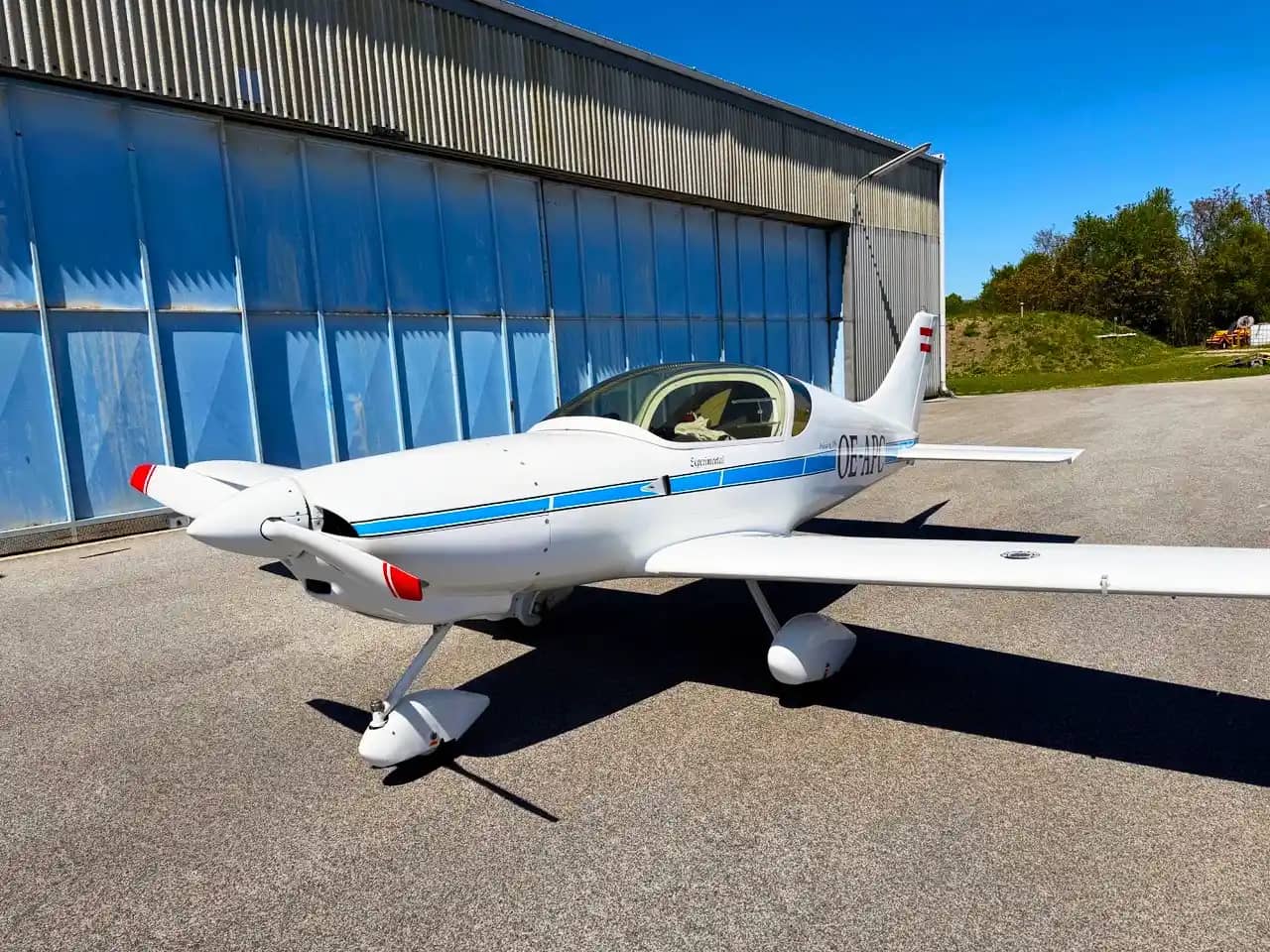
 Bad Vöslau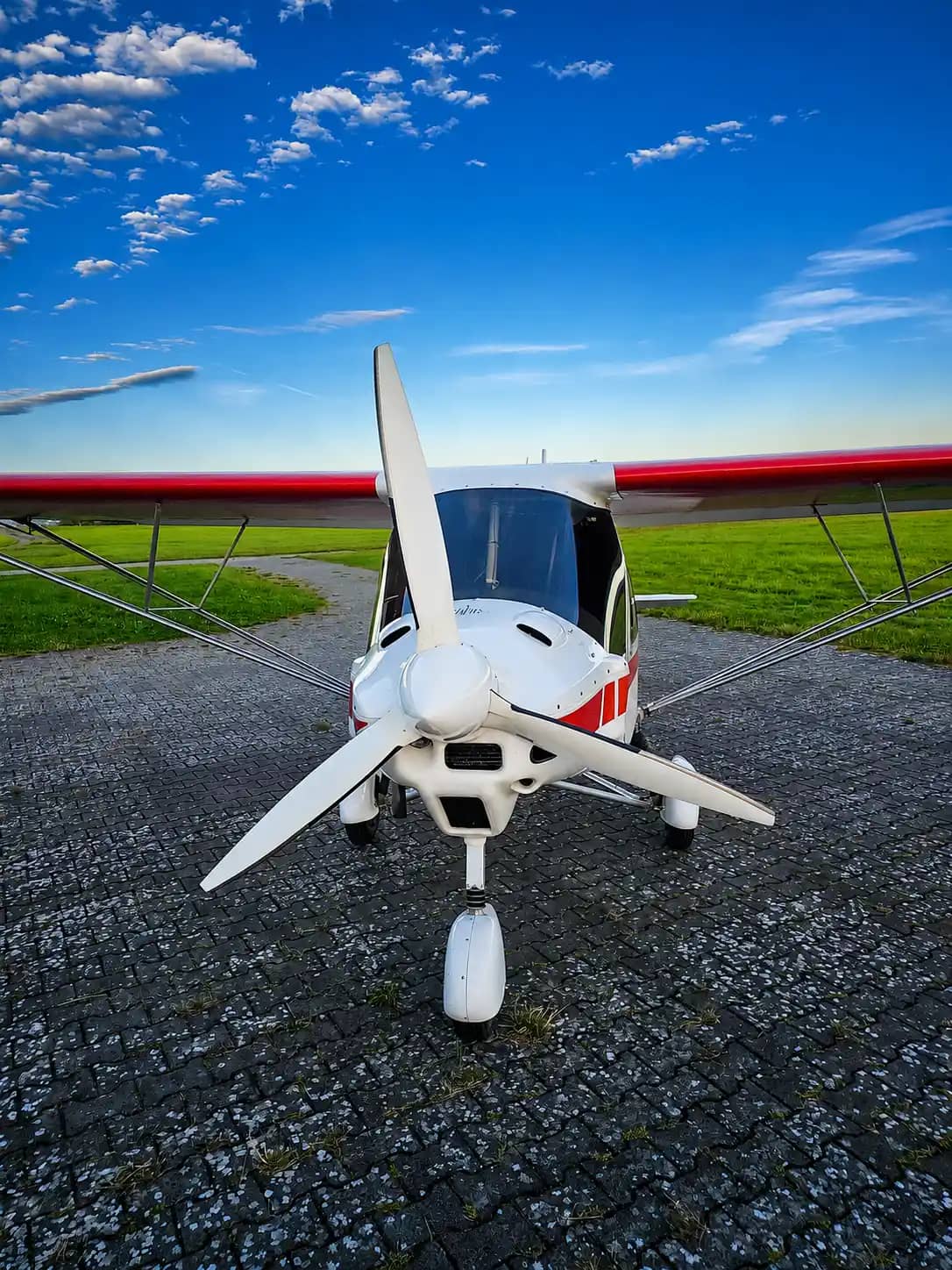
 Kirn
Kirn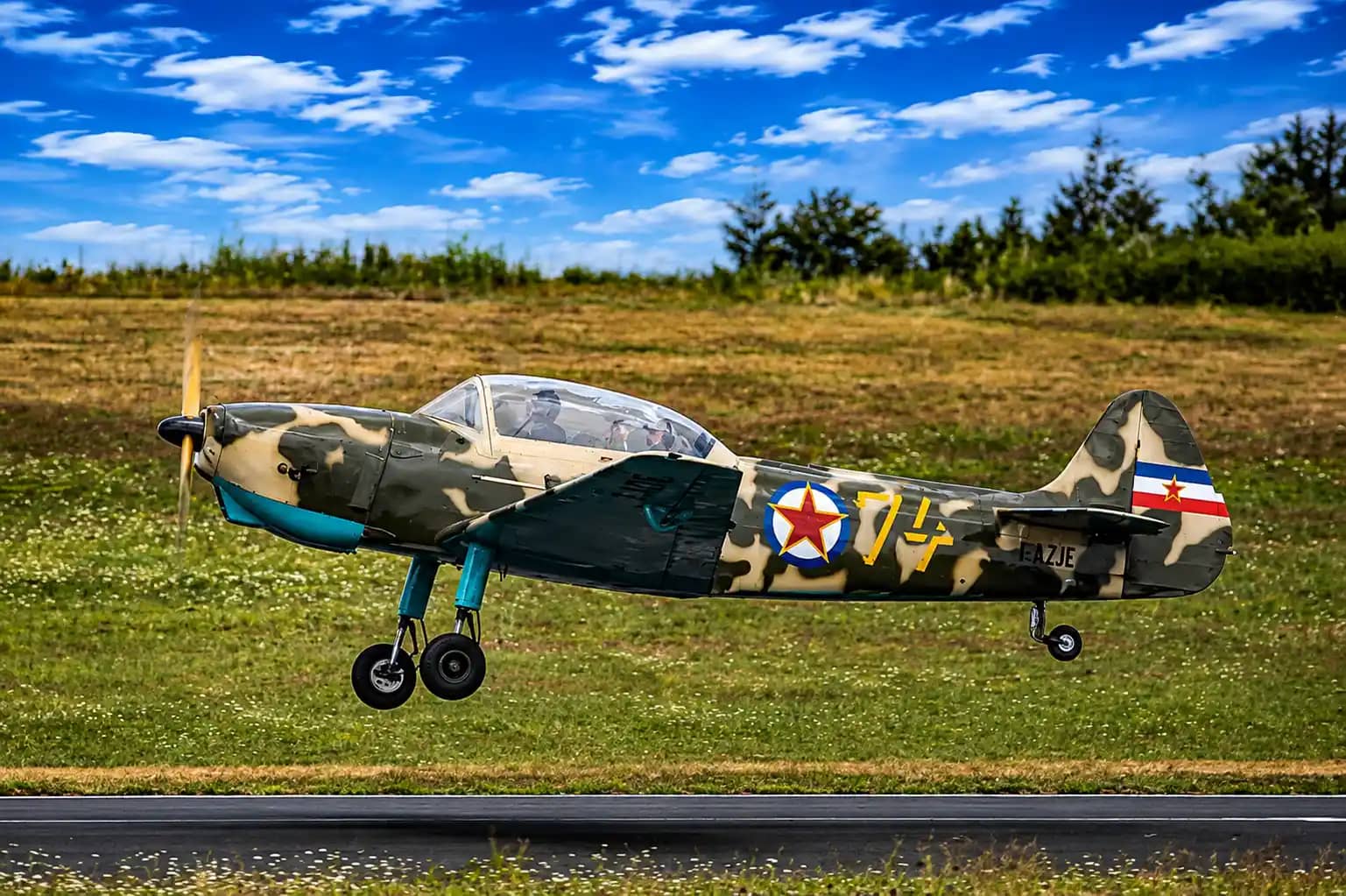
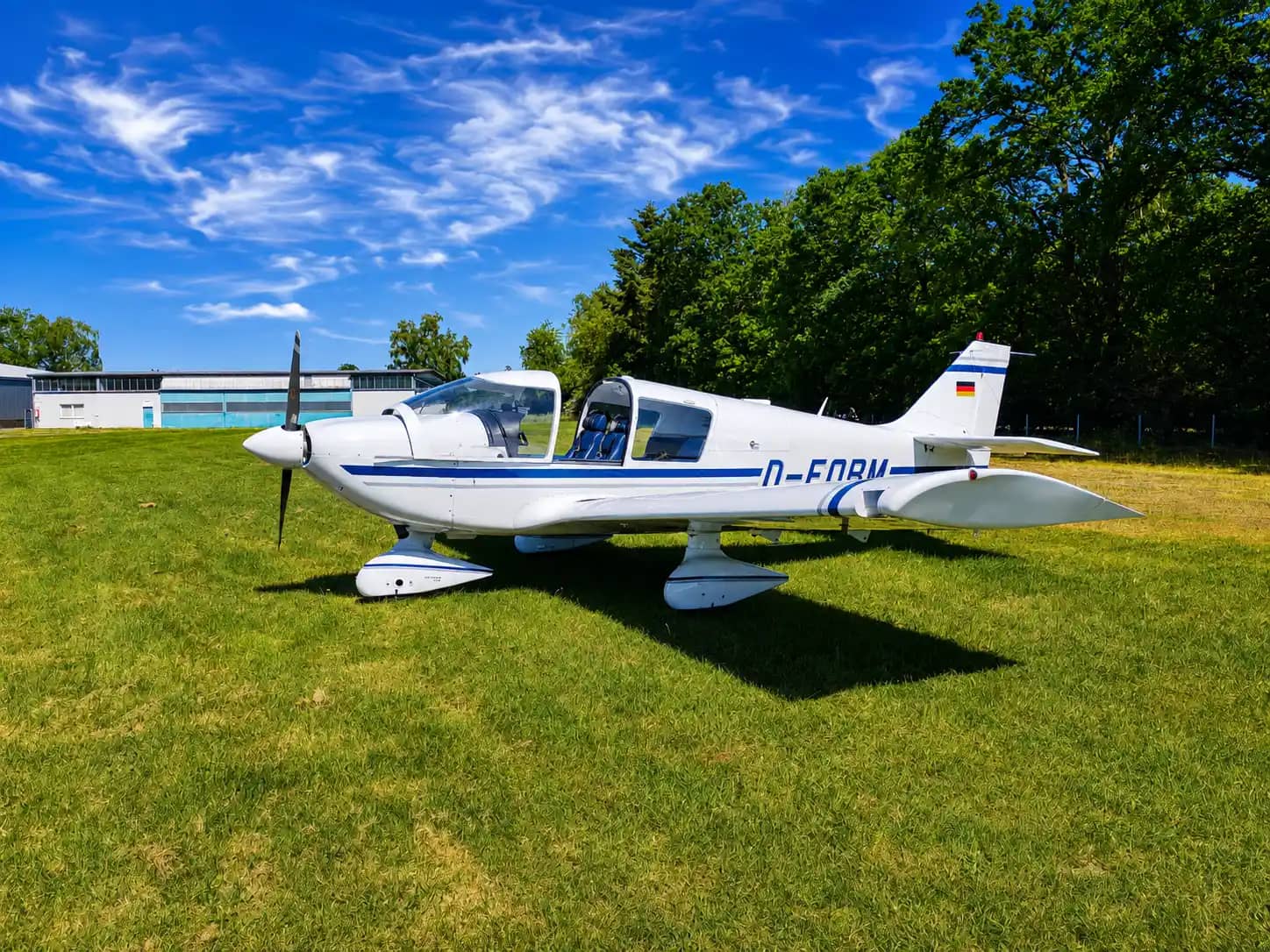
 Florida

Private Jet Cost Per Hour: Rates by Aircraft Category
The single most important variable in private jet cost per hour is aircraft category. A light jet charter costs a fraction of what an ultra-long-range jet commands, and both figures reflect very different missions, cabin experiences, and passenger capacities. Below are fully-loaded retail charter rates for 2026, inclusive of crew, fuel, handling, and standard fees. Actual quotes vary by routing, season, and operator.
Turboprop & Very Light Jet: $1,500–$3,000/hr
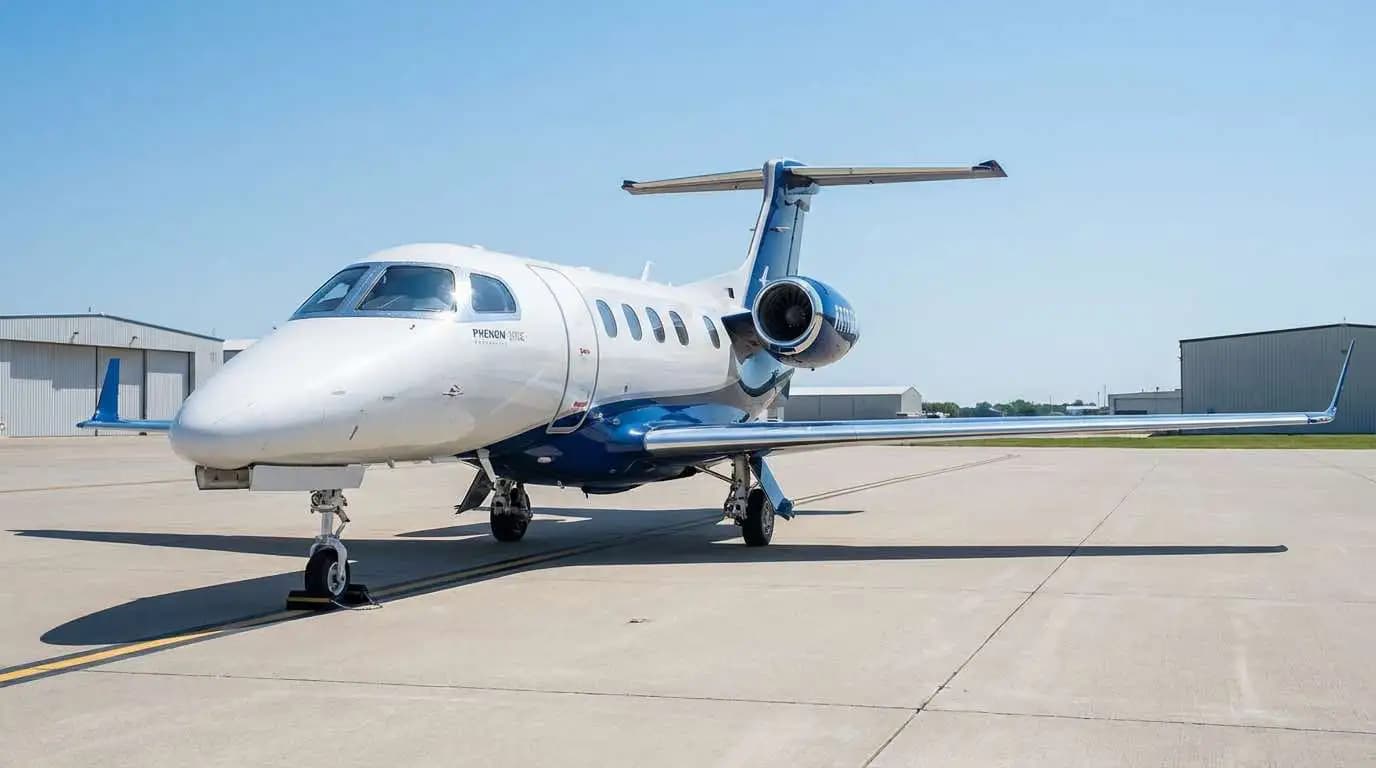
Examples: Pilatus PC-12, Cessna Citation M2, Phenom 100. Seats 4–6 passengers. Single-pilot certified. Ideal for regional missions under 1,000 NM. Limited cabin height; no private lavatory on smallest types. Most economical entry point for private aviation.
Light Jet: $3,000–$5,500/hr
Examples: Cessna Citation CJ4, Embraer Phenom 300E, HondaJet Elite II. Seats 6–9 passengers. FL450 cruise capability. Private lavatory standard on larger light jets. The most popular owner-flown category for continental US missions.
Midsize Jet: $4,500–$7,500/hr
Examples: Hawker 800XP, Cessna Citation XLS+, Learjet 75. Seats 7–9 passengers. Full stand-up cabin. Transcontinental non-stop capability. Two-pilot operation required. Strong charter revenue potential for owners placing aircraft on revenue programs.
Super-Midsize Jet: $6,000–$9,500/hr
Examples: Cessna Citation Longitude, Bombardier Challenger 350, Dassault Falcon 2000. Seats 8–10 passengers. Transatlantic with one fuel stop. Full stand-up cabin. Competitive alternative to large-cabin jets for most North America–Europe missions.
Large Cabin Jet: $8,000–$13,000/hr
Examples: Gulfstream G450, Gulfstream G550, Bombardier Global 5500. Seats 10–16 passengers. Non-stop transatlantic. Dedicated crew rest area. Premium galley. Full stand-up cabin with separate sleeping areas on larger variants.
Ultra-Long-Range Jet: $12,000–$20,000+/hr
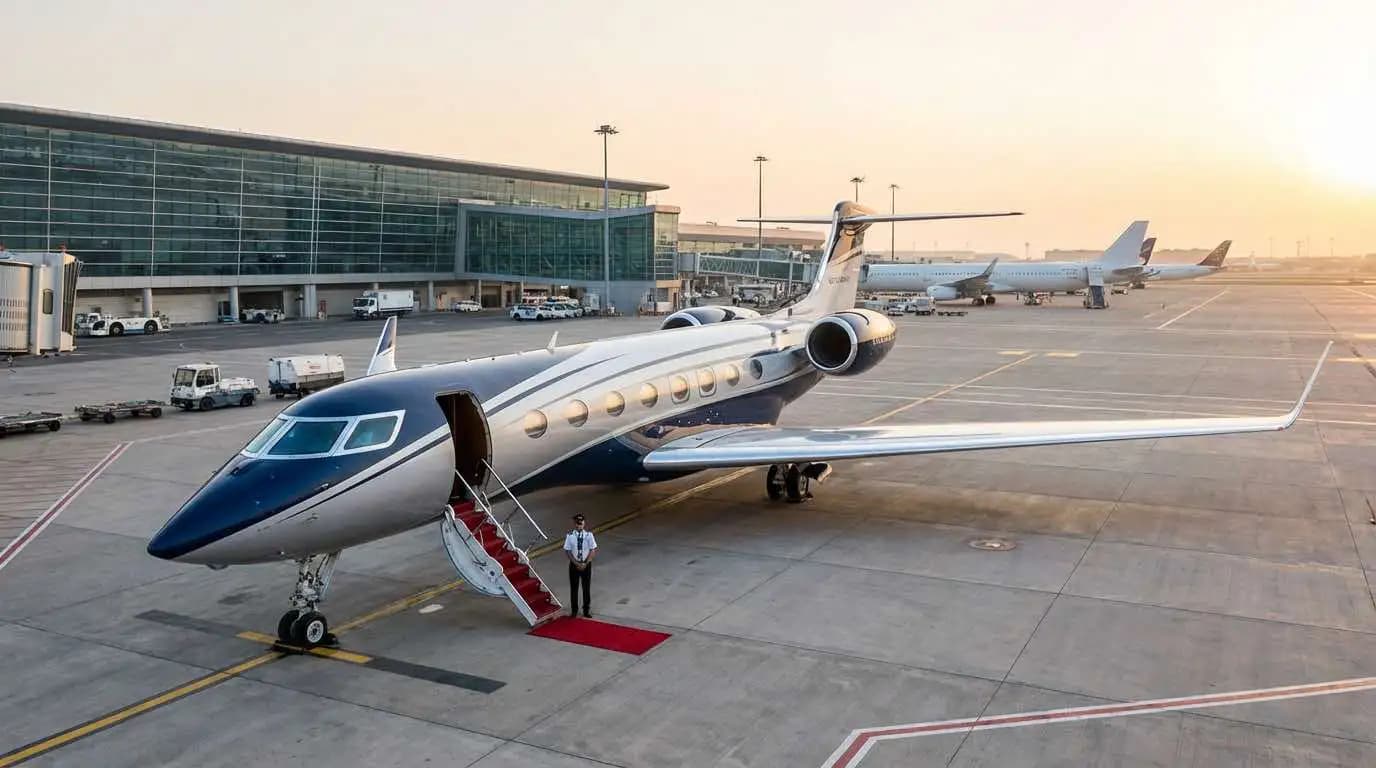
Examples: Gulfstream G700, Bombardier Global 7500, Dassault Falcon 10X. Seats 10–19 passengers. 7,500–8,000+ NM range. Enables 16-hour non-stop intercontinental flights. Highest acquisition and operating cost in the private jet market.
Considering buying instead of chartering?
Browse verified aircraft listings on CollectAirs with transparent auction terms and documentation review.
Charter vs. Ownership: True Cost Comparison
The decision between chartering and owning a private jet is fundamentally a utilization question. Charter costs more per hour than operator direct costs, but eliminates fixed annual expenses. Ownership delivers lower per-flight-hour costs at high utilization but requires absorbing substantial fixed costs regardless of hours flown. The breakeven point depends almost entirely on annual flight hours.

Charter: Best For
- Under 150–200 hours of annual utilization
- No desire to manage crew, maintenance, or scheduling
- Variable mission profiles requiring different aircraft categories
- Budget certainty: pay per-trip with no fixed cost exposure
- First-time private flyers evaluating if private aviation suits their lifestyle
Ownership: Best For
- 200–400+ hours of consistent annual utilization
- Fixed mission profiles suited to one aircraft type
- Owners who can generate charter revenue to offset fixed costs
- Pilots seeking to exercise a type rating and operational autonomy
- Buyers for whom schedule availability on peak demand days is non-negotiable
The Hidden Cost Many Buyers Miss
Calculating break-even by comparing charter hourly rates against ownership direct operating costs systematically understates ownership cost. Fixed annual costs: crew salaries, hangar fees, insurance premiums, scheduled maintenance programs, avionics database subscriptions, and training, must be amortized into the per-flight-hour total. A light jet owner flying 200 hours annually carries fixed costs of approximately $300,000– $500,000/yr, adding $1,500–$2,500/hr to the direct operating cost before a single gallon of fuel is burned.
What Drives Private Jet Cost Per Hour
Beyond aircraft category, multiple variables influence the actual private jet cost per hour you will pay, whether chartering or managing your own aircraft.
Fuel Burn and Jet-A Price
Fuel is typically the largest single variable cost component in private jet operation. Light jets burn 180–220 GPH; midsize jets 250–350 GPH; large-cabin jets 350–600+ GPH. Jet-A prices at executive FBOs in 2026 range $5.00–$8.50/gallon, heavily influencing final per-hour totals.
Repositioning (Deadhead) Fees
On one-way charter trips, the operator must reposition the aircraft to its home base or next charter assignment. This empty leg is typically charged at 50–100% of the occupied leg rate, adding significant cost to one-way itineraries. Round-trip pricing eliminates this premium.
Crew Overnight and Expenses
Extended itineraries requiring crew overnight stays add hotel, per diem, and crew transport costs, typically $300–$800 per overnight per crew member. Multi-day charters accumulate these expenses quickly on international or multi-stop itineraries.
Landing, Handling, and Overflight Fees
FBO handling fees range from $500 to $3,000+ at major executive airports. International overflight permits, customs coordination, and passenger facilitation fees add $500–$2,500 on international trips. These are typically included in quoted all-in charter rates but should be confirmed.
Engine Program and Maintenance Reserves
For owners, engine program enrollment (JSSI, MSP, or manufacturer plans) adds $150–$500+ per flight hour per aircraft in reserves. Without program coverage, unscheduled engine events represent an unquantified tail risk that can exceed $500,000–$1,000,000+ per occurrence.
Peak Period and Demand Surcharges
Charter rates surge during peak demand periods, New Year, Thanksgiving, Super Bowl weekend, major European events. Demand-driven surcharges of 20–50% above baseline rates are common during these periods, particularly in popular leisure markets.
Light Jet Cost Per Hour: The Owner-Flown Category
Light jets represent the most active buyer segment in the private aviation market and the most common category for owner-flown operations. At $3,000–$5,500/hr in charter and $1,800–$3,500/hr in direct owner operating cost, they deliver meaningful performance: FL430–FL450 cruise, 2,000–2,200 NM range, 6–9 passengers: at the lowest total ownership cost among jet aircraft categories.
Light Jet Cost Structure (Annual, 250 hours)
- Fuel (250 hrs × 190 GPH × $6.00/gal): ~$285,000
- Engine program reserves (JSSI/MSP, both engines): $55,000–$85,000
- Annual inspection and scheduled maintenance: $30,000–$60,000
- Pilot salary (employed pilot, not owner-flown): $90,000–$140,000
- Hangar (major metro FBO): $30,000–$60,000/yr
- Insurance (hull + liability): $18,000–$40,000
- Avionics support, training, misc.: $15,000–$25,000
- Total annual: ~$523,000–$695,000 at 250 hours
- Total loaded hourly cost: ~$2,090–$2,780/hr: versus charter at $3,000–$5,500/hr
Midsize and Super-Midsize Private Jet Hourly Costs
Midsize and super-midsize jets occupy the most commercially active charter segment. At $4,500–$9,500/hr in charter, they cover transcontinental and short transatlantic missions with a full stand-up cabin, 8–10 passengers, and dedicated galley: making them the preferred category for business group travel and managed charter programs.
Midsize Jet: $4,500–$7,500/hr
Two-pilot operation mandatory. Strong charter demand and revenue potential, well-managed midsize jets on Part 135 programs offset 30–50% of annual fixed costs. Transcontinental non-stop; stand-up cabin standard.
Super-Midsize: $6,000–$9,500/hr
Transatlantic with one fuel stop; competing meaningfully with large-cabin alternatives on North America–Europe routing. Acquisition costs of $8M–$26M used. Prime segment for buyers seeking large-cabin capability at a lower price point.
Large Cabin and Ultra-Long-Range Private Jet: Costs and Capabilities
Large-cabin and ultra-long-range jets represent the top of the private aviation cost structure. Charter rates of $8,000–$20,000+/hr reflect the full operating cost burden of the most capable intercontinental aircraft: burning 400–700+ GPH, requiring two-pilot crews with specialized type ratings, and demanding intensive maintenance programs.
Can a Private Jet Fly 16 Hours Non-Stop?
Yes, but only ultra-long-range jets (ULRs) have sufficient range. The Gulfstream G700, Bombardier Global 7500, and Dassault Falcon 10X are certified for 7,500–8,000+ NM non-stop, covering routes such as New York to Singapore (~9,500 NM), London to Sydney (~9,200 NM, with stop), and Los Angeles to Dubai (~8,100 NM straight-line). At maximum range configurations, payload is restricted and fuel load is maximized: affecting effective passenger capacity on the longest missions. Charter for a 16-hour ULR mission costs $192,000–$320,000+ at published hourly rates before overwater fees and crew expenses.
Charter, Fractional Ownership, and Jet Cards: Which Costs Less?
For buyers not ready to own an aircraft outright, three primary access models exist: each with a distinct cost structure and suitability profile:
On-Demand Charter: Pay Per Trip
Most flexible option: no commitment, no capital tied up. Retail charter rates are the highest per-hour cost structure. Best for under 50 hours per year or for buyers who need different aircraft categories across missions. Deadhead fees on one-way trips are the primary cost risk.
Jet Card Programs: Pre-Purchased Hours
Pre-purchase a block of flight hours (typically 25–100 hours) at a fixed per-hour rate, usually $3,500–$10,000/hr depending on aircraft category and program. Provides rate certainty, guaranteed availability, and eliminates peak-period surcharges. Best for 50–150 annual hours with consistent category preference.
Fractional Ownership: Share of an Aircraft
Purchase 1/16 to 1/2 share of a specific aircraft type at a fractional program (NetJets, Flexjet, VistaJet). Monthly management fees plus occupied hourly rates. Guaranteed availability. Effective hourly cost typically $3,500–$12,000/hr depending on share size, aircraft, and program. Best for 100–200 hours annually with consistent mission profile.
Whole Aircraft Ownership: Maximum Control, Maximum Commitment
Lowest per-hour cost at high utilization (200+ hours annually). Full scheduling control. Option to generate charter revenue. Requires managing crew, maintenance, certificates, and insurance. Best for buyers with consistent high utilization, specific aircraft preferences, and operational management capability.

How Much Does a Private Jet Cost to Buy?
Acquisition cost varies enormously across the market. The cheapest private jets to buy: used turboprops and very light jets in serviceable condition, can be acquired from $700,000; large-cabin jets exceed $30M; new ultra-long-range production aircraft exceed $75M. Used aircraft prices are primarily driven by airframe hours, engine program enrollment, avionics generation, maintenance history, and interior condition.
Cheapest Private Jet to Buy
Entry-level used turboprops and VLJs (Cessna Citation CJ1, Eclipse 550, older Phenom 100) can be acquired for $700,000–$2,000,000 used. These aircraft have lower hourly operating costs but limited range, cabin size, and performance versus larger categories.
Light Jet: $3,000,000–$9,500,000 Used
The most active used market. Citation CJ4, Phenom 300E, and HondaJet Elite II dominate buyer interest. Price is driven primarily by engine program enrollment and avionics generation within year brackets.
Midsize and Super-Midsize: $2,000,000–$26,000,000 Used
Wide range reflecting the breadth of types and ages available. Early Hawker 800XP and Citation XLS can be acquired under $3M; recent Challenger 350 and Citation Longitude examples exceed $20M. Engine program status is the dominant value driver.
Large Cabin: $8,000,000–$45,000,000 Used
Gulfstream G450 and Global 5500 used examples trade in the $8M–$25M range depending on year and condition. Later G550 and Global 6000 examples command $20M–$40M. Maximum age 10–12 years for most financing programs.
Ultra-Long-Range: $30,000,000–$75,000,000+
New Gulfstream G700 and Global 7500 list at $75M+. Used examples of G650ER and Global 6500 trade in the $35M–$55M range. Production waitlists for new aircraft extend 3–5 years at major manufacturers.
Browse aircraft for sale on CollectAirs
Verified listings across all categories with transparent pricing and full documentation review.
Private Jet Cost Per Hour: Category Comparison Table
| Category | Examples | Charter Hourly Rate | Owner Direct Cost/hr | Typical Used Acquisition |
|---|---|---|---|---|
| Turboprop / VLJ | Pilatus PC-12, Cessna Citation M2 | $1,500–$3,000/hr | $1,000–$2,000/hr | $1M–$4M used |
| Light Jet | Citation CJ4, Phenom 300E | $3,000–$5,500/hr | $1,800–$3,500/hr | $3M–$9.5M used |
| Midsize Jet | Hawker 800XP, Citation XLS+ | $4,500–$7,500/hr | $2,500–$4,500/hr | $2M–$12M used |
| Super-Midsize Jet | Citation Longitude, Challenger 350 | $6,000–$9,500/hr | $3,500–$6,000/hr | $8M–$26M used |
| Large Cabin Jet | Gulfstream G450, Falcon 2000 | $8,000–$13,000/hr | $5,000–$8,000/hr | $8M–$30M used |
| Ultra-Long-Range Jet | Gulfstream G700, Global 7500 | $12,000–$20,000+/hr | $8,000–$14,000/hr | $30M–$75M+ |
Ready to Move from Charter to Ownership?
CollectAirs connects qualified buyers with thoroughly vetted aircraft, light jets, midsize, and super-midsize, with escrow protection, pre-purchase inspection coordination, engine program verification, and title confirmation on every transaction. Transparent pricing, real documentation.
Frequently Asked Questions: Private Jet Cost Per Hour
How much does a private jet cost per hour?
Private jet cost per hour ranges from $1,500–$3,000/hr for turboprops and VLJs, $3,000–$5,500/hr for light jets, $5,000–$9,500/hr for midsize and super-midsize jets, and $8,000–$20,000+/hr for large-cabin and ultra-long-range jets. Charter rates include crew, fuel, handling, and fees. Owner direct operating costs are significantly lower but exclude fixed annual expenses.
How much is a private jet for 5 hours?
A 5-hour charter costs approximately $15,000–$27,500 for a light jet, $25,000–$47,500 for a midsize jet, and $40,000–$100,000+ for a large-cabin jet. One-way trips add repositioning (deadhead) fees if the aircraft must reposition for its next charter booking.
How much is 100 hours of private jet flying?
At charter rates, 100 hours costs $300,000–$550,000 (light jet), $500,000–$950,000 (midsize), or $800,000–$2,000,000+ (large cabin). Jet card programs offer slight discounts versus retail charter for high-frequency buyers. Aircraft ownership becomes cost-competitive at approximately 200–400 annual hours depending on aircraft size.
How much per hour to operate a private jet you own?
Direct operating costs (fuel, variable maintenance, engine reserves, handling) range from $1,000–$2,500/hr for turboprops/VLJs to $3,500–$8,000/hr for large-cabin jets. Fixed annual costs (crew, hangar, insurance, scheduled maintenance) add $300,000–$1,500,000/yr. Total loaded hourly cost is typically 30–60% above direct operating cost alone.
Can a private jet fly 16 hours non-stop?
Yes. Ultra-long-range jets (Gulfstream G700, Global 7500, Falcon 10X) have ranges of 7,500–8,000+ NM, enabling 16-hour non-stop intercontinental flights. These aircraft charter at $12,000–$20,000+/hr and are the most expensive aircraft category to own and operate.
Is flying privately cheaper than first class?
On a per-seat basis, no, first-class commercial is almost always cheaper. However, for groups of 4+ passengers valuing time, privacy, and schedule flexibility, private can approach cost parity. Owners flying 400+ hours annually may achieve per-occupied-seat costs approaching business-class equivalent when charter revenue offsets fixed costs.
Sources
Used for: business aviation utilization statistics, fleet demographics, charter market data, and operational cost benchmarks referenced throughout this guide.
Used for: per-flight-hour engine program reserve rates across aircraft categories and unscheduled engine removal cost exposure figures.
Used for: owner-reported operating cost data and maintenance cost benchmarks across light and midsize jet categories.
Used for: real-time charter rate benchmarks by aircraft category and market conditions informing 2026 hourly rate ranges.
Used for: fuel burn specifications, range data, and cruise performance figures cited for aircraft category comparisons in this guide.
Related Resources
Cessna Citation CJ4 Guide
Full deep-dive into specifications, ownership costs, avionics, and what to verify before buying the Citation CJ4 light jet.
Read GuideCheapest Private Planes to Buy
The most affordable entry points into private aircraft ownership: acquisition costs, ownership realities, and buyer considerations.
Read GuideTurboprop Plane Buyer Guide
How turboprop engines work, the best turboprop aircraft to buy, performance specs, and ownership costs.
Read GuidePlanes for Sale Guide
How to find aircraft for sale, evaluate listings, and close your deal without expensive surprises.
Read GuideAbout the Author

Phillip Müller
CEO, CollectAirs
Long-time pilot and CEO of multiple scenic flight and aircraft sales websites. Passionate about making aircraft transactions more transparent and accessible.
Connect on LinkedIn