
 Florida
 Hildesheim
What Shapes the Average Private Jet Cost
There is no single average private jet cost because the category encompasses more than a dozen aircraft types ranging from four-seat turbofans to widebody VIP airliners. Asking what a private jet costs without specifying the category is analogous to asking what a boat costs without distinguishing between a dinghy and a superyacht.
That said, meaningful averages exist within each tier. Most people asking about the average private jet cost are thinking about the midsize or super-midsize segment, the range that delivers practical intercontinental reach, a stand-up or near-stand-up cabin, and the performance profile associated with serious business travel.
Several variables determine where a specific aircraft falls within its category's price range:
Airframe Hours & Age
Total time on the airframe and how recently major structural inspections were completed affect value significantly. A younger aircraft with documented low utilization commands a meaningful premium over a high-time example of the same model.
Engine Program Enrollment
Engines enrolled on hourly cost programs (Power by the Hour, ESP, JSSI) reduce ownership uncertainty and are valued higher by buyers who want predictable maintenance budgets. Unenrolled engines carry event-risk pricing.
Avionics Suite
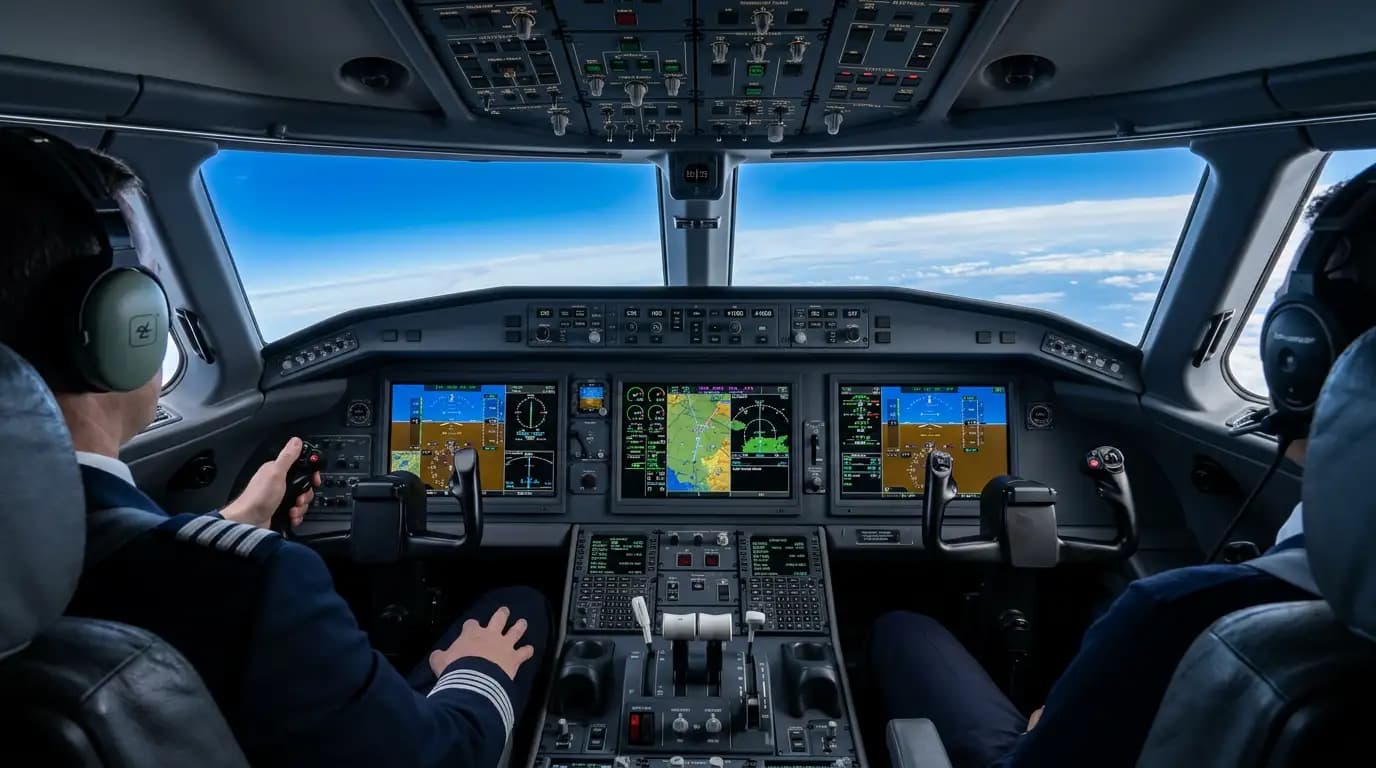
Modern integrated cockpits with current navigation databases, ADS-B Out, and capable autopilots add real value versus an aircraft requiring a full panel overhaul at acquisition. Buyers pay a premium for panel currency.
Logbook Completeness & AD Compliance
Full, unbroken logbooks with complete AD compliance documentation are non-negotiable. Missing records can reduce value by more than the cost of an extensive pre-purchase inspection, and create airworthiness uncertainty.
Average Private Jet Cost by Aircraft Category
The following ranges reflect typical asking prices observed in the used and new aircraft market. New aircraft prices are approximate manufacturer list prices; used aircraft prices reflect current market conditions for well-maintained examples with documented maintenance histories. Individual aircraft can fall above or below these ranges depending on configuration, hours, and market timing.
Very Light Jets (VLJ)
$1.5M – $5MThe entry point to the jet market. VLJs offer turbine-level reliability at the lowest acquisition cost in the category. Cabin volume and range are limited, but fixed costs are meaningfully lower than in larger categories. Well-suited to high-frequency short-segment missions where range is not the primary constraint.
Light Jets
$4M – $10MLight jets represent the most active segment of the used business jet market. Aircraft in this class offer meaningful range improvements over VLJs, a more usable cabin, and strong charter demand, relevant if you plan to place the aircraft on a management program when not using it personally. The Phenom 300 and Citation CJ4 are representative examples at the upper end of this tier.
Midsize Jets
$8M – $20MThe midsize tier is where many buyers who travel regularly for business land. These jets handle transcontinental routes in the United States or intra-European travel with a passenger load that covers most business travel needs. Cabins are typically near stand-up height, and lavatory arrangements improve over the light jet class. Annual operating costs are meaningfully higher than light jets.
Super-Midsize Jets
$15M – $35MSuper-midsize jets offer full stand-up cabins, flat-floor configurations on many models, and the range to cover most North Atlantic routes with favorable winds. The Cessna Citation Longitude, Challenger 350, and Gulfstream G280 sit in this category. They are the preferred choice for high-frequency transatlantic travelers who want more than a midsize aircraft without the acquisition and operating cost of a heavy jet.
Large-Cabin Jets
$30M – $75MLarge-cabin aircraft provide full transatlantic range, larger seating capacities, and cabin configurations that can include sleeping arrangements, dedicated crew rest areas, and fully equipped galleys. Crew requirements increase to two pilots plus a cabin attendant in most operations. Engine program costs reflect significantly larger powerplants, and hangar footprint requirements grow accordingly.
Ultra-Long-Range Jets
$60M – $120M+Ultra-long-range aircraft represent the top of the market. They are designed for non-stop intercontinental operations with certified ranges exceeding 7,000 nautical miles on leading models. New examples approach or exceed $100 million, and total annual operating costs routinely exceed $3 million per year. These aircraft are a practical choice only for the most intensive international travel schedules or for operators who need genuine non-stop ultra-long-haul capability.
Looking for a private jet?
Browse verified aircraft on CollectAirs with documented maintenance, complete logbooks, and escrow-protected transactions.
Annual Private Jet Ownership Costs Breakdown
The purchase price is one-time. Ownership costs are annual and non-negotiable. Understanding the recurring cost structure before buying is as important as understanding the acquisition price, in many cases, first-time buyers underestimate the annual operating burden by a factor of two or more.
Flight Crew
$200,000 – $600,000/yearTwo qualified pilots are required for turbine business jets under most operating rules. Crew compensation, simulator training, scheduling, and benefits typically represent the single largest fixed cost outside of capital. Pilot salaries vary significantly by location, type rating, and whether crew is employed directly or sourced through a management company.
Hangar
$30,000 – $200,000/yearHangar costs vary enormously by airport and geography. A spot at a busy metropolitan-area FBO typically costs substantially more than a hangar at a regional airport. Outdoor tie-down is an option but accelerates wear, increases maintenance requirements, and is generally inadvisable for unprotected turbine aircraft.
Engine Maintenance & Programs
$80,000 – $500,000/yearTurbine engines carry high time-between-overhaul (TBO) costs. Enrolling in a manufacturer-approved engine program (Power by the Hour, ESP, JSSI) converts unscheduled engine events into a predictable per-hour expense. Aircraft not enrolled in programs carry higher unscheduled maintenance risk. The annual cost of program enrollment depends on engine type, aircraft size, and hours flown.
Airframe Maintenance & Scheduled Inspections
$50,000 – $300,000/yearTurbine aircraft follow manufacturer maintenance programs with phased or calendar-based inspection intervals. Phase checks, avionics maintenance, ADS-B database subscriptions, and unscheduled airframe items combine into a meaningful annual figure. Older aircraft with higher total time typically carry higher annual airframe maintenance costs.
Fuel
$100,000 – $800,000+/yearFuel cost is the most variable operating expense and is directly tied to hours flown, aircraft fuel burn, and fuel prices. A light jet burning 150–180 gallons per hour at $6–$8 per gallon for 250 hours generates roughly $250,000–$350,000 in annual fuel costs. Larger aircraft with higher burn rates scale proportionally.
Insurance
$30,000 – $250,000/yearAviation hull and liability insurance premiums depend on aircraft value, hull amount, owner and pilot experience, and usage type (charter, personal, or combined). New aircraft and high-value examples carry higher premiums. Liability coverage limits required by airports, FBOs, and financing institutions can further affect premium levels.
Aircraft Management
$50,000 – $200,000/yearProfessional management companies handle crew scheduling, dispatch, maintenance coordination, insurance, and charter revenue management if the aircraft is placed on a certificate. Management fees are often the most cost-effective way for first-time aircraft owners to access professional operations infrastructure without building it internally.

Private Jet Cost Per Year: Total Ownership Math
Combining fixed and variable cost categories produces the average private jet cost per year by category. The figures below assume 200–300 hours of annual utilization, which is typical for a single-owner business travel aircraft. Charter revenue, if any, offsets variable costs but rarely eliminates the fixed cost base.
| Category | Annual Fixed Costs | Annual Variable Costs | Typical Annual Total |
|---|---|---|---|
| Very Light Jet | $200K–$350K | $150K–$300K | $350K–$650K |
| Light Jet | $280K–$450K | $200K–$450K | $500K–$900K |
| Midsize Jet | $350K–$600K | $300K–$700K | $800K–$1.5M |
| Super-Midsize Jet | $450K–$750K | $400K–$900K | $1M–$2M |
| Large-Cabin Jet | $600K–$1M | $600K–$1.2M | $1.5M–$3M |
| Ultra-Long-Range Jet | $800K–$1.5M | $800K–$2M+ | $2M–$4M+ |
Depreciation Is a Real Cost
The table above excludes depreciation, which is a meaningful non-cash cost, particularly in the first three to five years of ownership. Business jets depreciate at rates that vary by market cycle, aircraft age, and model desirability. In softer markets, a $15 million acquisition can lose $1–$2 million in market value in the first 12–18 months. Buyers planning a short hold period should model depreciation explicitly in their acquisition cost analysis.
Charter vs. Ownership: When the Cost Math Changes
For buyers evaluating whether to charter or own, the central question is utilization. Below roughly 200 hours per year, chartering a comparable aircraft or using a jet card will typically produce a lower all-in cost than full ownership. Above that threshold, and particularly above 300 hours per year, ownership can offer better economics, especially if the aircraft is managed on a charter certificate and generating revenue during owner downtime.
Charter / Jet Card
No fixed costs, maximum flexibility, no depreciation exposure. Best for fewer than 150–200 hours per year of use. Charter market rates have increased since 2020 and vary significantly with route and aircraft availability.
See hourly charter ratesFractional / Shared Ownership
Fractional programs offer a middle path: guaranteed availability, reduced fixed cost exposure versus full ownership, and no individual aircraft depreciation risk. Programs vary in structure and are priced between charter and full ownership.
Full Ownership
Full aircraft ownership makes economic sense above 200–250 hours per year, particularly when the aircraft generates charter revenue. It offers the highest schedule flexibility and the ability to configure the aircraft to specific requirements.
How CollectAirs works
Charter Revenue Is Not a Guaranteed Offset
Many buyers are told that placing their aircraft on a charter certificate will "pay for itself." Charter revenue can meaningfully offset variable costs, but it does not eliminate fixed costs, requires the aircraft to be available and airworthy, creates scheduling constraints for the owner, and is sensitive to market conditions. Build a conservative charter revenue assumption into your ownership model, and treat any revenue above that baseline as upside.
What Does a $10 Million Private Jet Get You?
The $10 million price point is one of the most commonly asked-about thresholds in the business jet market, and it represents genuine capability. At this level, you are generally accessing the light jet to entry-midsize segment for newer aircraft, or purchasing a well-maintained midsize jet from the mid-2000s onward.
Embraer Phenom 300 / 300E Series
One of the most-delivered light jets of the past decade. The Phenom 300E offers approximately 2,010 nm range with 5 passengers, a near-stand-up cabin with flat floor, and a modern integrated avionics suite. Well-maintained examples with documented engine programs are available in this price range depending on model year and total hours.
Cessna Citation CJ4
The top of the Citation CJ family. The CJ4 offers approximately 2,165 nm range with 4 passengers, known for low direct operating costs relative to light jet competitors and strong pilot community support. A Garmin G3000 avionics suite is standard equipment. Market values vary significantly by serial number, total time, and maintenance history.
Entry Midsize: Pre-Owned Examples
At $10 million, late-2000s to early-2010s midsize aircraft are accessible depending on hours, maintenance status, and avionics configuration. These aircraft offer larger cabins and extended range relative to light jets, but carry higher annual operating costs. Engine program enrollment status and airframe inspection history deserve careful scrutiny before purchase.
Key Considerations Before You Buy
The average private jet cost is one figure. What you actually pay, and what it actually costs to operate, depends on the due diligence decisions made before the purchase agreement is signed.
Documentation & Airworthiness Records
- Confirm complete airframe, engine, and APU logbooks with unbroken continuity from manufacture.
- Review the AD compliance report and verify all recurring items are signed off to the correct intervals.
- Check for any major repair or alteration history, 337 forms in FAA records for US-registered aircraft.
- Verify enrollment and transferability of any engine or airframe programs before signing a purchase agreement.
Pre-Purchase Inspection
- Engage a shop with direct experience on the specific aircraft type, not a generalist reviewing a checklist for the first time.
- Request borescope inspection of the engines and review compression and oil analysis history for trend data.
- Verify avionics installation approvals, database currency, and autopilot functional test results.
- Include a test flight in the pre-purchase scope; system behavior in the air reveals what ground inspection misses.
Transaction Structure & Escrow
- Use a qualified escrow agent for funds and document handling. Never wire funds directly to a seller before title transfer is confirmed.
- Make the purchase agreement conditional on pre-purchase inspection, with clear written terms defining acceptable outcomes.
- Work with an aviation attorney familiar with the jurisdiction of registration for title search and lien confirmation.
Documentation verification on CollectAirs
Aircraft listings on CollectAirs are reviewed for logbook completeness and documentation before appearing on our platform. Learn how the process works.
Private Jet Cost Summary
| Category / Metric | Typical Range / Value | Why It Matters |
|---|---|---|
| Very Light Jet (VLJ), typical purchase price | $1.5M–$5M (used/new) | Lowest acquisition cost; limited range and cabin size |
| Light Jet, typical purchase price | $4M–$10M | Best balance of cost and utility for shorter missions |
| Midsize Jet, typical purchase price | $8M–$20M | Most common reference point; transcontinental capable |
| Super-Midsize Jet, typical purchase price | $15M–$35M | Stand-up cabin; transatlantic-capable on some models |
| Large-Cabin Jet, typical purchase price | $30M–$75M | Full transatlantic/intercontinental range, 10–16 passengers |
| Ultra-Long-Range Jet, typical purchase price | $60M–$120M+ | Non-stop ultra-long-haul; highest acquisition and operating costs |
| Annual ownership cost: light jet (200–300 hrs/yr) | $500K–$900K/year | Includes crew, hangar, fuel, maintenance, insurance, management |
| Annual ownership cost: midsize jet (200–300 hrs/yr) | $800K–$1.5M/year | Scales with fuel burn, crew requirements, engine program costs |
| Charter break-even utilization (light/midsize) | Approximately 200–250 hrs/year | Below this, charter is typically more cost-effective than ownership |
| 2-hour charter flight: light jet | $8,000–$15,000 | Baseline for occasional users; no fixed ownership costs |
Explore Private Jets on CollectAirs
Browse verified business jet listings with complete documentation, transparent pricing, and escrow-protected transactions.
Browse Available AircraftFrequently Asked Questions About Average Private Jet Cost
How much does a private jet cost?
The average private jet cost depends heavily on category. Very light jets start around $2 million used; large-cabin and ultra-long-range jets reach $75 million to over $120 million new. A midsize jet, often considered the practical middle ground, typically runs $8 million to $20 million for a used aircraft in good condition. Purchase price is only part of the equation: annual ownership costs add $500,000 to $2 million or more depending on aircraft size and utilization.
How much is a 2 hour flight on a private jet?
A two-hour charter flight on a light jet typically runs $8,000 to $15,000 all-in, while a midsize jet for the same leg will cost roughly $12,000 to $25,000. Large-cabin jets on a two-hour segment are commonly priced between $20,000 and $40,000. These figures reflect one-way charter rates and vary with repositioning fees, landing fees, and peak-period surcharges. For an owned aircraft, a two-hour trip's direct operating cost is substantially lower per hour, but ownership fixed costs must be spread across total annual hours flown.
What is the $10 million dollar private jet?
At the $10 million price point you are generally in the light jet to entry-midsize category for newer aircraft, or purchasing a well-maintained midsize jet from the mid-2000s onward. Representative aircraft at this price point include the Embraer Phenom 300 series and the Cessna Citation CJ4. These aircraft typically offer 4 to 8 passenger seats, transcontinental range with a fuel stop, and modern avionics. The specific aircraft available at $10 million depends on year of manufacture, total airframe hours, engine program enrollment, and avionics configuration.
What is the average private jet cost per year to own?
Annual private jet ownership costs vary widely by aircraft size and utilization. For a light jet flown 200 to 300 hours per year, expect $500,000 to $900,000 annually including crew, hangar, insurance, maintenance, fuel, and management fees. A midsize jet at similar utilization typically runs $800,000 to $1.5 million per year. Large-cabin and ultra-long-range jets regularly exceed $2 million per year in fixed and variable operating costs. These figures exclude the acquisition cost and depreciation.
Is it cheaper to charter or own a private jet?
Charter is generally more cost-effective below roughly 200 to 250 flight hours per year for light and midsize jets. Above that threshold, ownership economics can improve, particularly if the aircraft is placed on a charter certificate to offset fixed costs. Fractional ownership and jet card programs sit between full charter and full ownership in both flexibility and cost. The break-even calculation depends on the specific aircraft, management structure, charter revenue potential, and how the owner values schedule flexibility.
Sources
Used for: Phenom 300E range, performance specifications, seating configuration, and avionics suite reference.
Used for: Citation CJ4 range, performance, operating cost characteristics, and avionics specifications.
Used for: business aviation utilization statistics and charter vs. ownership economic framework references.
Used for: aircraft category definitions and general business jet classification framework.
Used for: crew training and operational requirements context for turbine aircraft operations.
Related Resources
Private Jet Cost Per Hour
Hourly charter and operating rates across all private jet categories for 2026, with a complete breakdown by aircraft type.
Read GuideMost Expensive Private Jets
Rankings, specifications, and ownership costs for the world's most expensive private aircraft, from the Gulfstream G700 to the 747-8 VIP.
Read GuideCheapest Private Plane to Buy
The lowest acquisition cost entry points into private aviation ownership, from light sport aircraft to used piston singles.
Read GuideCessna Citation CJ4 Guide
Complete buyer guide to the Citation CJ4, specifications, performance, ownership costs, and pre-purchase checklist.
Read GuideGulfstream G280 Specifications
Complete specifications, performance data, and buyer considerations for the Gulfstream G280 super-midsize jet.
Read GuideAircraft Leasing & Financing
Financing and leasing options for private jet acquisition, structuring the purchase to match your capital allocation and tax strategy.
Learn MoreAbout the Author

Phillip Müller
CEO, CollectAirs
Long-time pilot and CEO of multiple scenic flight and aircraft sales websites. Passionate about making aircraft transactions more transparent and accessible.
Connect on LinkedIn