
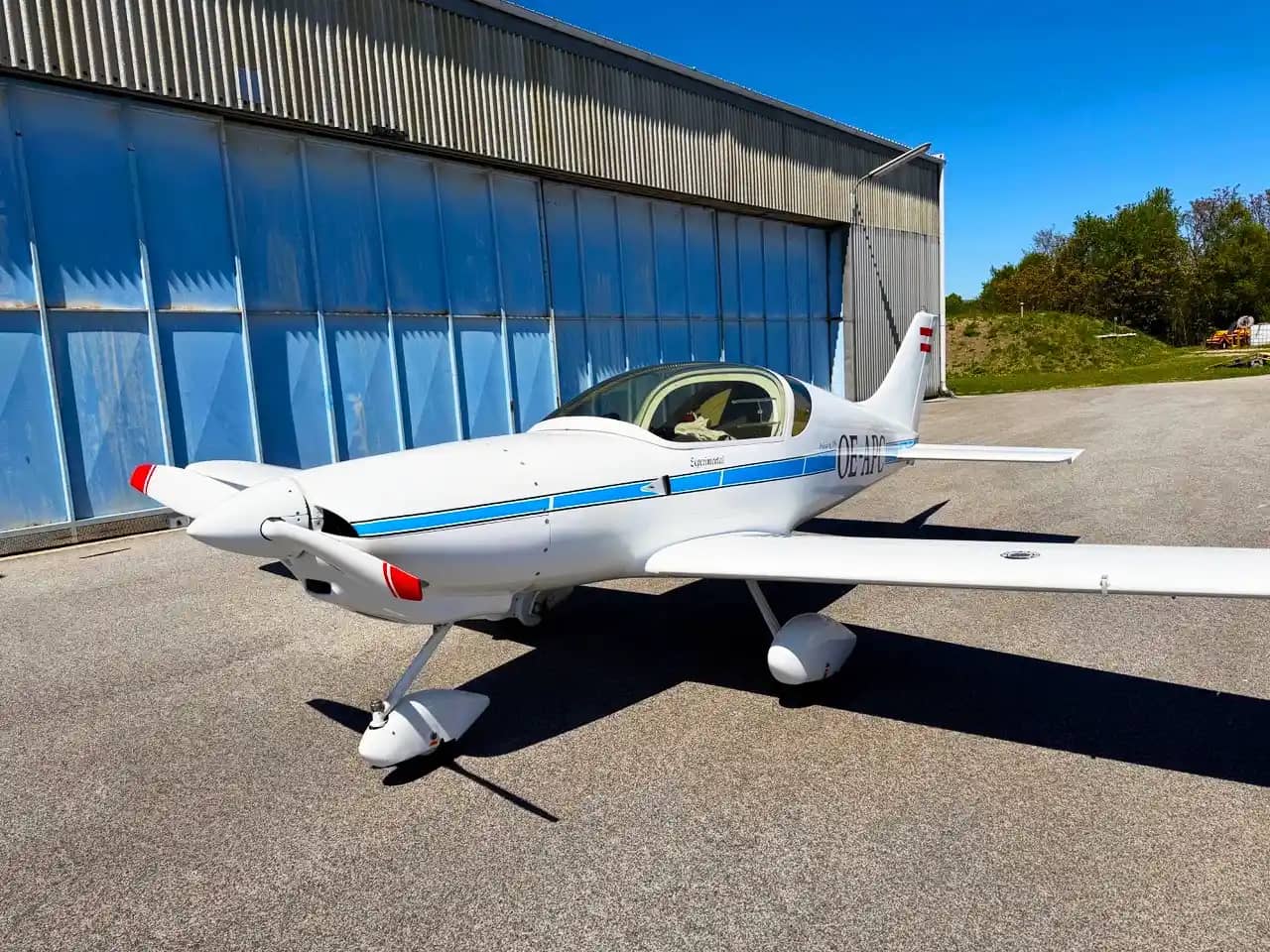
 Bad Vöslau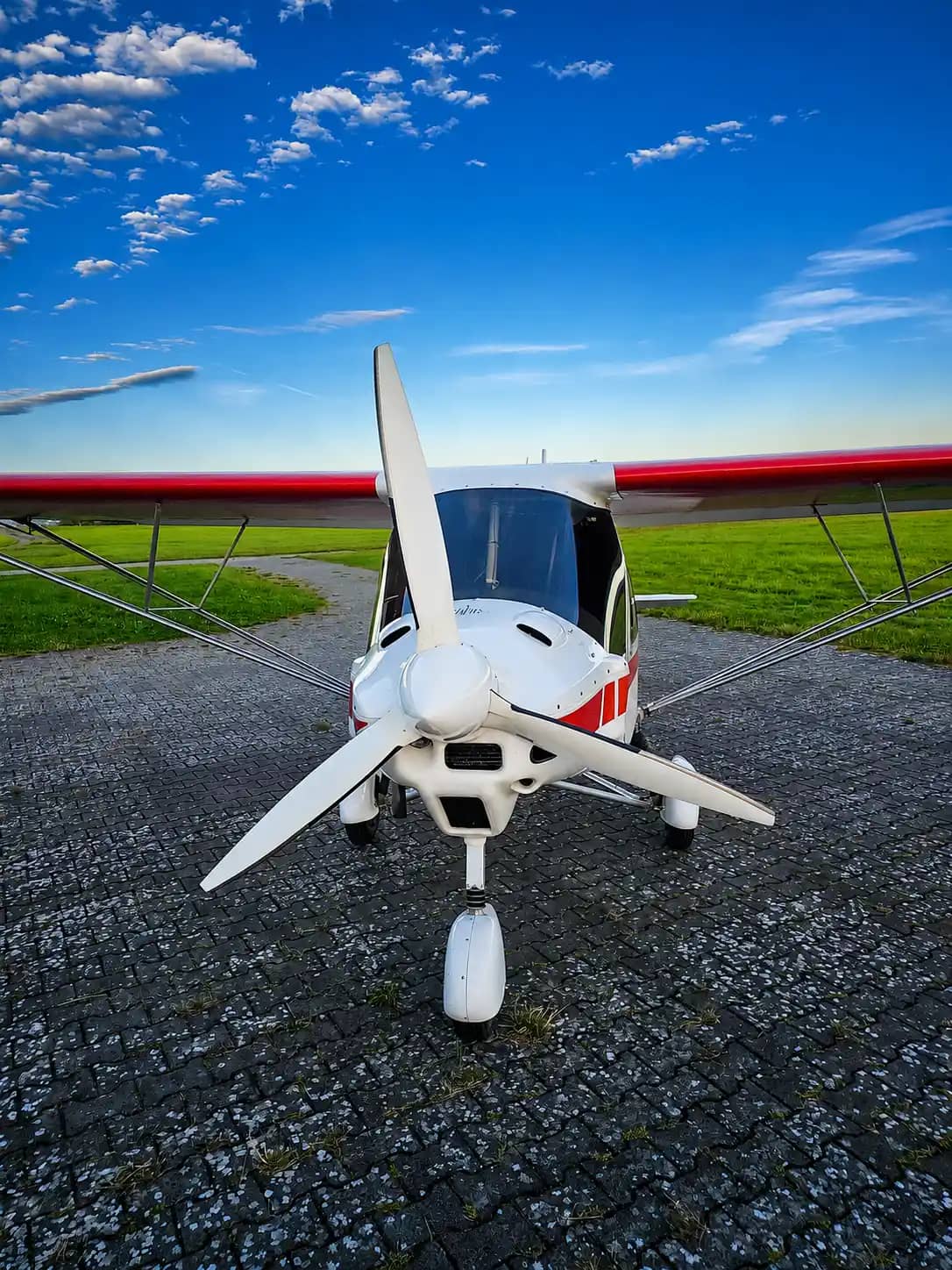
 Kirn
Kirn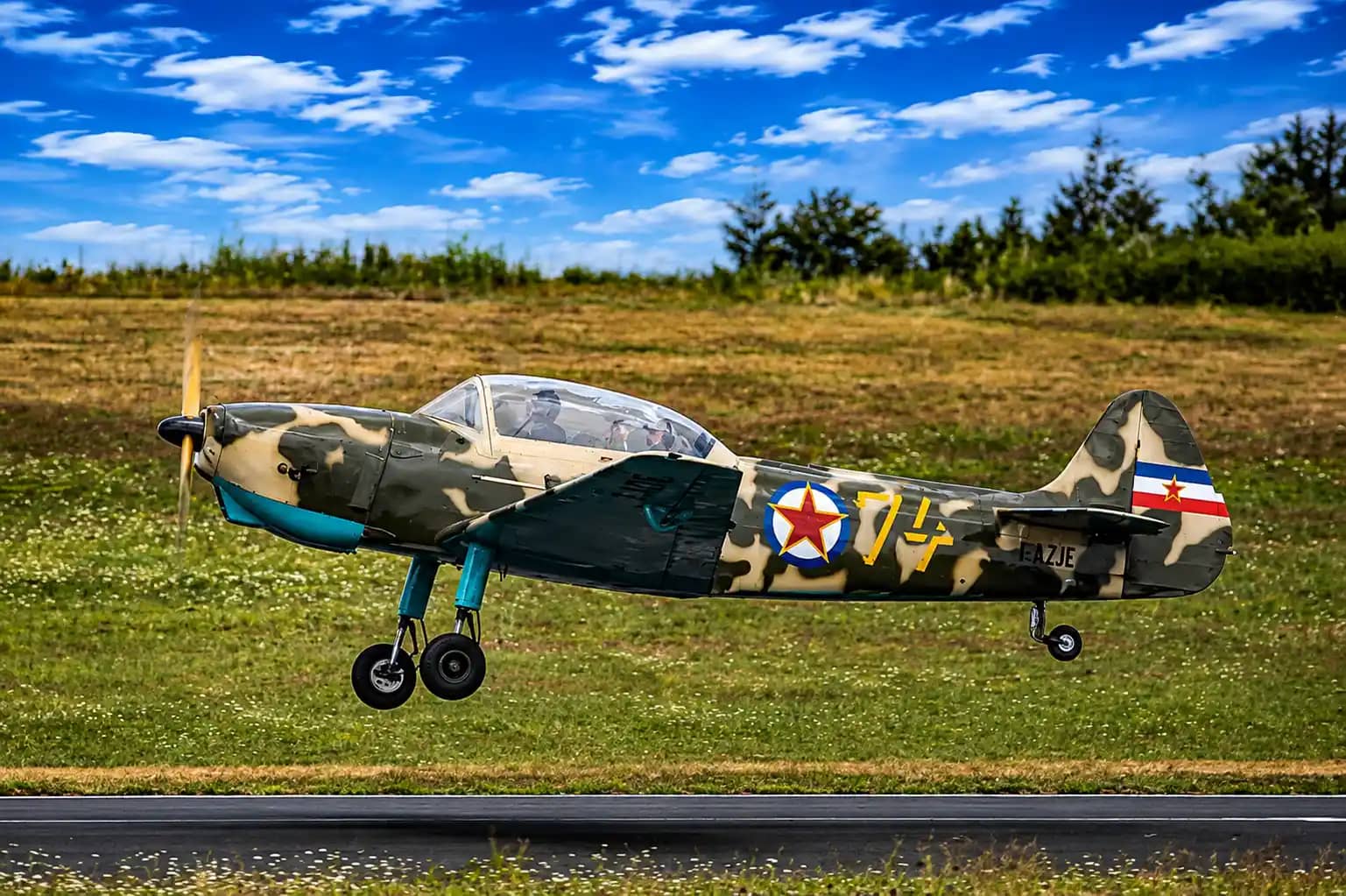
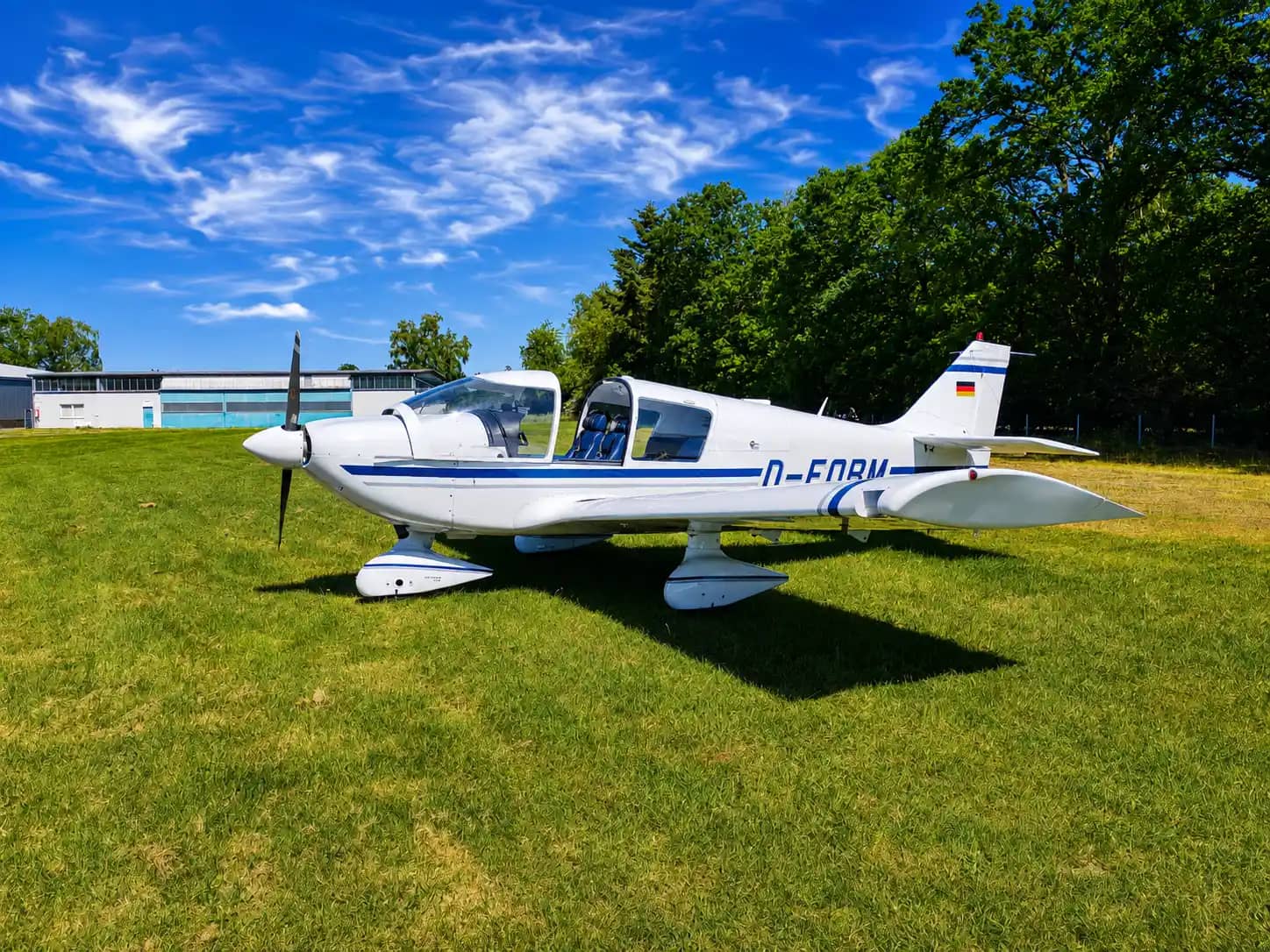
 Florida
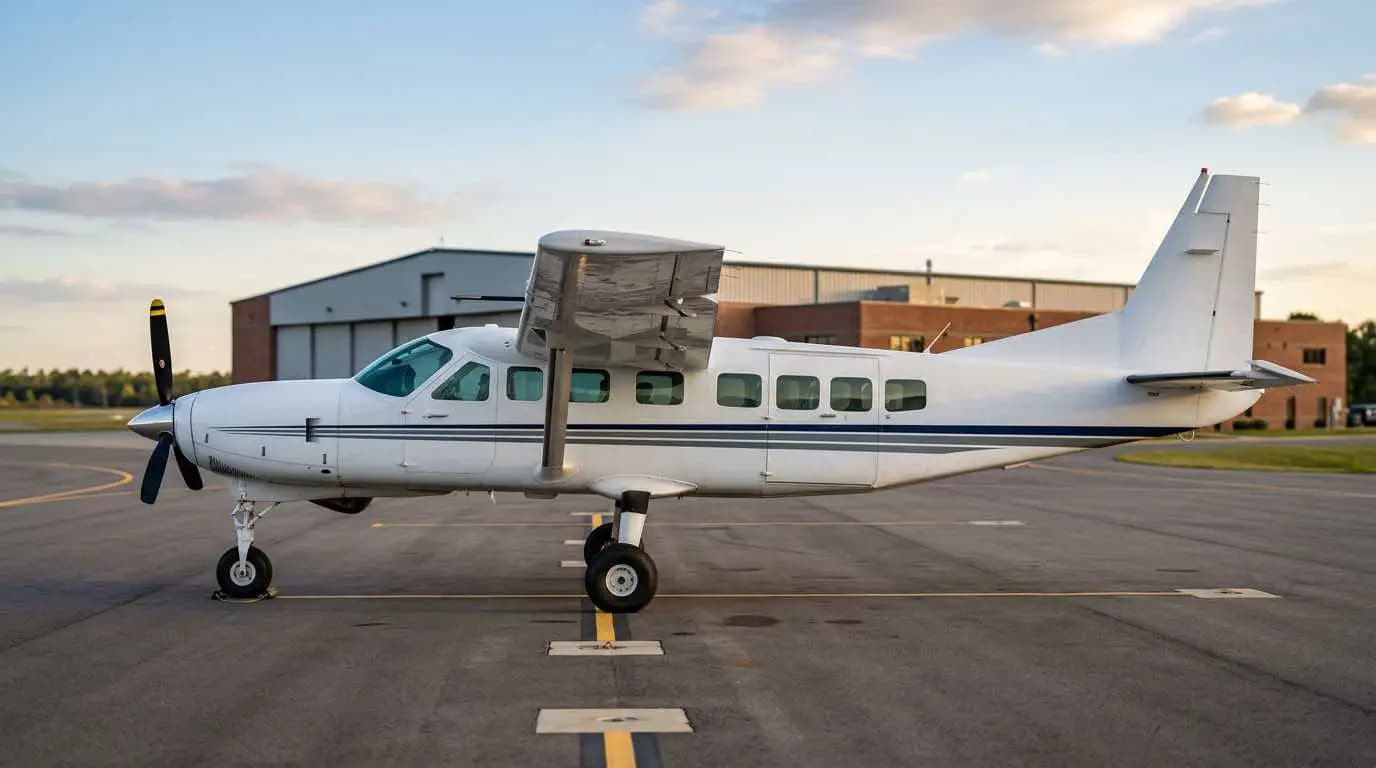
Cessna 208 Caravan: Aircraft Overview
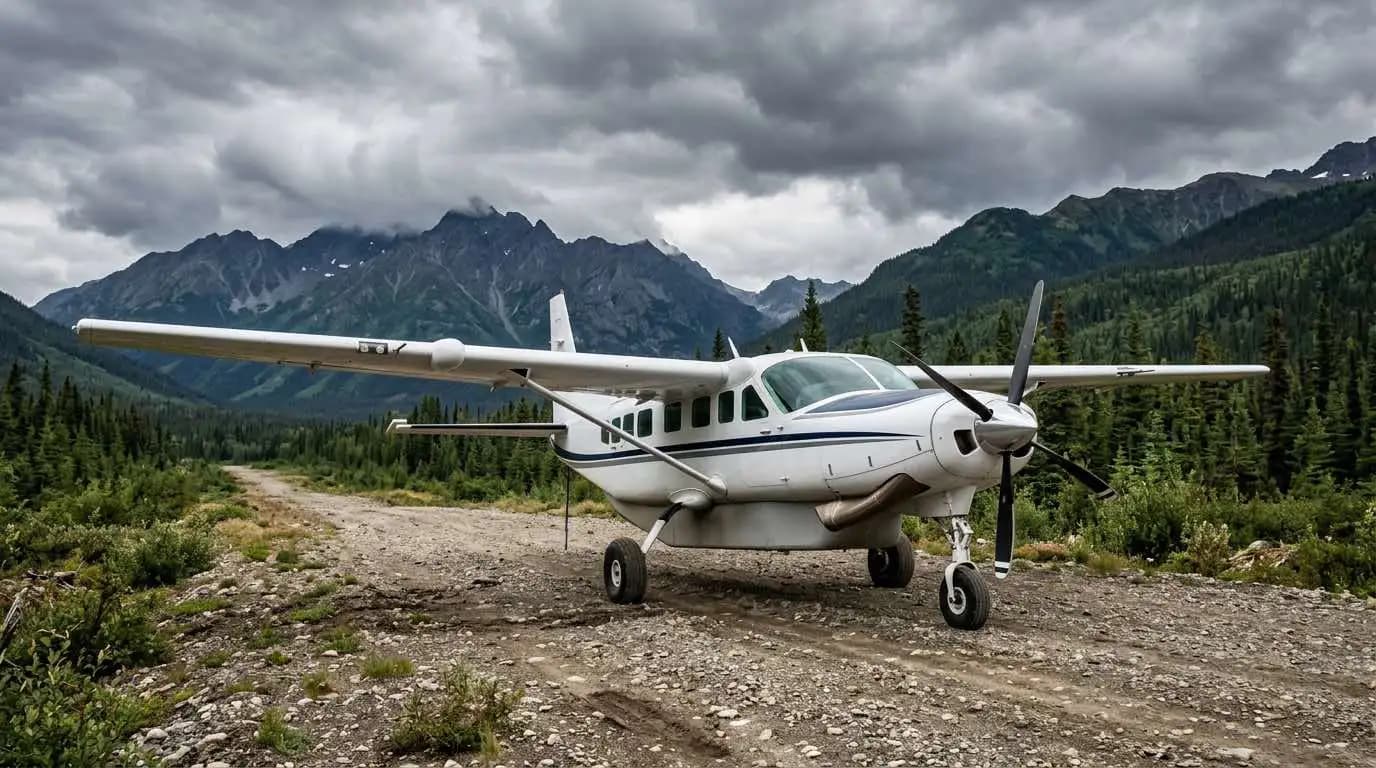
The Cessna 208 Caravan first flew in 1982 and entered production in 1984 as a rugged, single-engine turboprop utility aircraft. It was designed from the outset for versatility, capable of operating from paved runways, grass strips, gravel surfaces, and water (with amphibious float installation). The Caravan quickly became the workhorse of choice for FedEx (which operates the largest fleet), regional commuter airlines, bush operators, skydive centers, and private owners worldwide.
With over 3,000 aircraft delivered, the Cessna 208 Caravan is one of the best-selling turboprop aircraft in aviation history. Its combination of PT6A reliability, single-pilot certification, high useful load, and low operating costs per seat-mile makes it uniquely positioned in the utility turboprop market, with no direct competitor offering the same breadth of capability at this price point.
Production: 1984–Present (3,000+ Built)
Continuously in production for over 40 years with steady demand. The current model, the Grand Caravan EX, incorporates the more powerful PT6A-140 engine, Garmin G1000 NXi avionics, and aerodynamic refinements. Textron Aviation's Wichita, Kansas facility delivers approximately 60–80 Caravans annually.
Design Philosophy: Utility First
Fixed tricycle gear (no retractable components to fail), high-wing design for ground clearance and cargo loading, flat cabin floor, large rear cargo door, and rugged trailing-link landing gear. Every design choice prioritizes reliability, accessibility, and operational flexibility over speed or aesthetics.
Market Position
The Cessna 208 Caravan occupies a unique niche, larger and more capable than single-engine piston aircraft, but simpler and less expensive to operate than twin-engine turboprops like the King Air. It competes most directly with the Pilatus PC-6 (smaller) and Quest Kodiak (comparable) in the utility turboprop segment.
Looking for a Cessna 208 Caravan for sale?
Browse verified aircraft listings on CollectAirs with transparent auction terms and documentation review.
Cessna 208 Caravan Model Variants
The Caravan family includes three primary airframe variants and multiple engine and configuration options. Understanding which model you are evaluating is essential for setting performance expectations and accurate pricing.
Cessna 208 Caravan (Original, 1984–present)
The standard-length Caravan with PT6A-114A engine (675 SHP). Seats up to 9 passengers. Fuselage length 37 ft 7 in. MTOW 8,000 lbs. Range approximately 910 NM. This is the most common variant for cargo operations (FedEx) and skydive centers. Used pricing: $800,000–$1,500,000.
Cessna 208B Grand Caravan (1990–present)
A 4-foot fuselage stretch of the standard 208 with increased MTOW (8,785 lbs) and payload. Seats up to 14 passengers. PT6A-114A engine. Range approximately 1,070 NM. The most popular variant for commuter airline and passenger charter operations. Used pricing: $1,000,000–$2,200,000.
Cessna 208B Grand Caravan EX (2013–present)
The current production model with the more powerful PT6A-140 engine (867 SHP). Garmin G1000 NXi avionics standard. Improved hot-and-high performance, faster climb rate, and better takeoff performance at heavy weights. Same 208B airframe dimensions. New price: ~$2.7–$2.9M. Used pricing: $1,800,000–$2,500,000.
Caravan Amphibian (Wipaire Floats)
Any 208 or 208B variant can be equipped with Wipaire 8750 amphibious floats for water operations. The float installation adds approximately 700 lbs to empty weight and reduces useful load and cruise speed by approximately 15 KTAS. Amphibian Caravans command a $200,000–$400,000 premium and are in high demand for bush, island, and resort operations.
Cessna 208 Caravan Performance: Speed, Range and Runway
The Caravan is not a fast aircraft. It is an efficient, capable, and versatile one. Its performance is optimized for payload capacity, short-field access, and low operating cost per seat-mile rather than outright speed.
Cruise Speed: 185 KTAS at FL100
Maximum cruise at 10,000 ft. Economy cruise at 160 KTAS reduces fuel burn to 45–50 GPH. The Caravan is not competing on speed. It competes on payload, flexibility, and operating cost per seat-mile.
Range: 1,070 NM (208B, Max Fuel, Light Load)
With 332 gallons of Jet-A and IFR reserves. Practical range with full passenger load (14 pax): 600–750 NM. The range-payload tradeoff is the most important operational consideration for Caravan operators. You can carry full fuel or full passengers, but rarely both simultaneously.
Takeoff: 2,055 ft Ground Roll at MTOW
Excellent short-field capability for a turboprop of this payload class. The EX model with PT6A-140 improves takeoff performance by approximately 10% over the PT6A-114A at equivalent weights. Landing distance of 1,395 ft with full reverse thrust available.
Fuel Burn: 55 GPH Jet-A at Max Cruise
The Caravan burns Jet-A: widely available, less expensive than Avgas, and more stable in storage. At $6.00–$7.50/gallon, fuel cost is $330–$412/hr at max cruise. The PT6A-140 (EX model) burns approximately the same fuel as the PT6A-114A at equivalent cruise speeds despite producing 28% more power.
Cabin Layout, Payload and Cargo Configuration
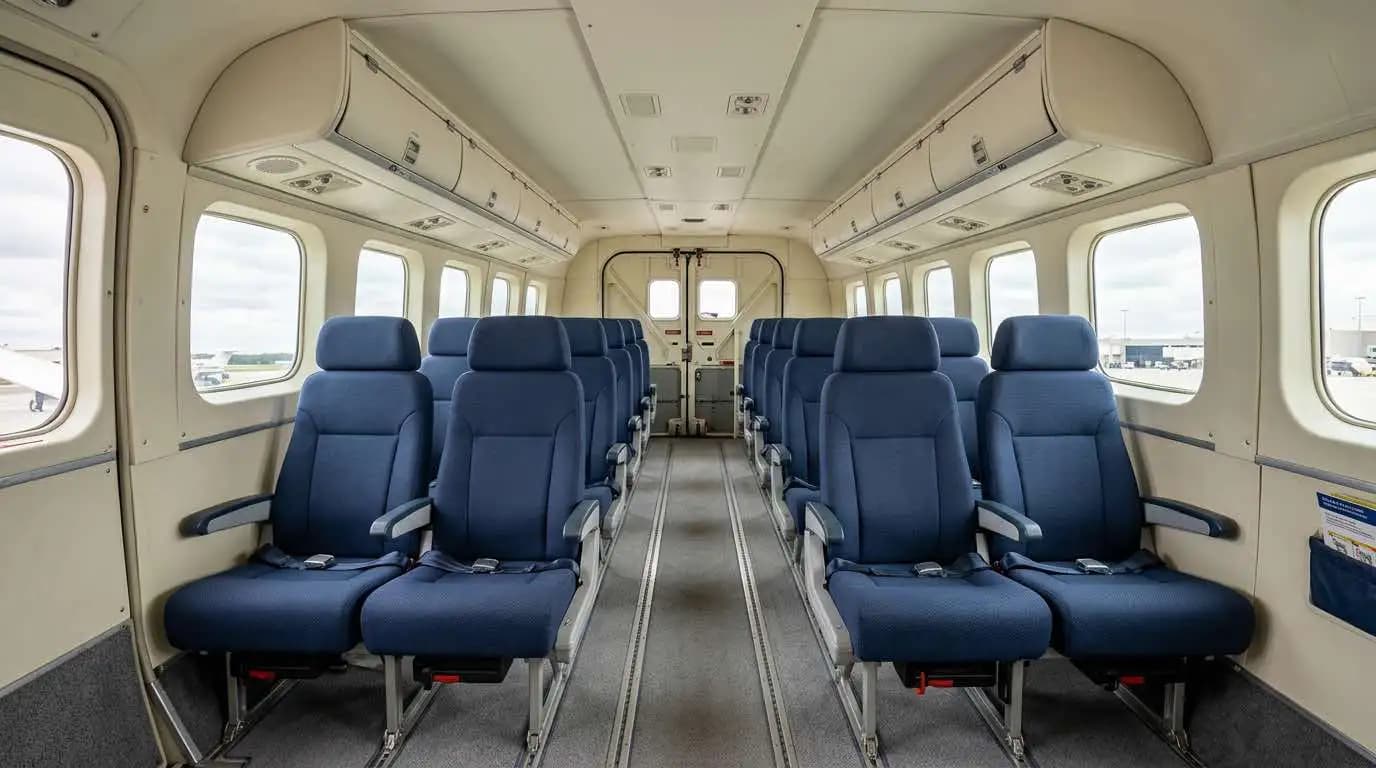
The Caravan cabin is designed for maximum flexibility. The flat floor, wide cabin, and large rear cargo door enable rapid reconfiguration between passenger, cargo, and combi operations, often within hours.
Passenger Configuration
- 208: Up to 9 passengers
- 208B: Up to 14 passengers (commuter)
- Executive: 9–10 seats with forward cargo
- Cabin: 15 ft 7 in × 64 in × 54 in (208B)
- Flat floor: no center aisle step
- Overhead storage bins available
- Optional enclosed lavatory (aftermarket)
Cargo Configuration
- Rear cargo door: 53 × 48 in (208B)
- Cargo pod (belly): 300 lbs additional
- Full freighter: seats removed, cargo net
- Combi: forward cargo + rear passengers
- Useful load: 3,505 lbs (208B)
- Payload with full fuel: ~2,100 lbs
- FedEx operates 250+ Caravan freighters
Ownership Costs and Operating Economics
The Cessna 208 Caravan delivers the lowest cost per seat-mile of any turboprop aircraft, a direct result of the efficient PT6A engine, single-pilot certification, and high useful load. Below is a realistic cost structure for a 208B Grand Caravan operated 500 hours annually.
208B Grand Caravan Annual Cost Structure (500 hours)
- Fuel (500 hrs × 55 GPH × $6.25/gal): ~$171,875
- Engine program reserves (P&W ESP or JSSI): $50,000–$90,000
- Scheduled maintenance and inspections: $40,000–$75,000
- Pilot salary (single pilot): $80,000–$130,000
- Hangar (regional turboprop space): $12,000–$30,000/yr
- Insurance (hull $1.5M + liability): $15,000–$35,000
- Avionics subscriptions, training, recurrent: $8,000–$15,000
- Management fee (if applicable): $15,000–$36,000
- Total annual: ~$391,875–$586,875 at 500 hours
- Total loaded hourly cost: ~$784–$1,174/hr
PT6A Hot Section: The Key Maintenance Event
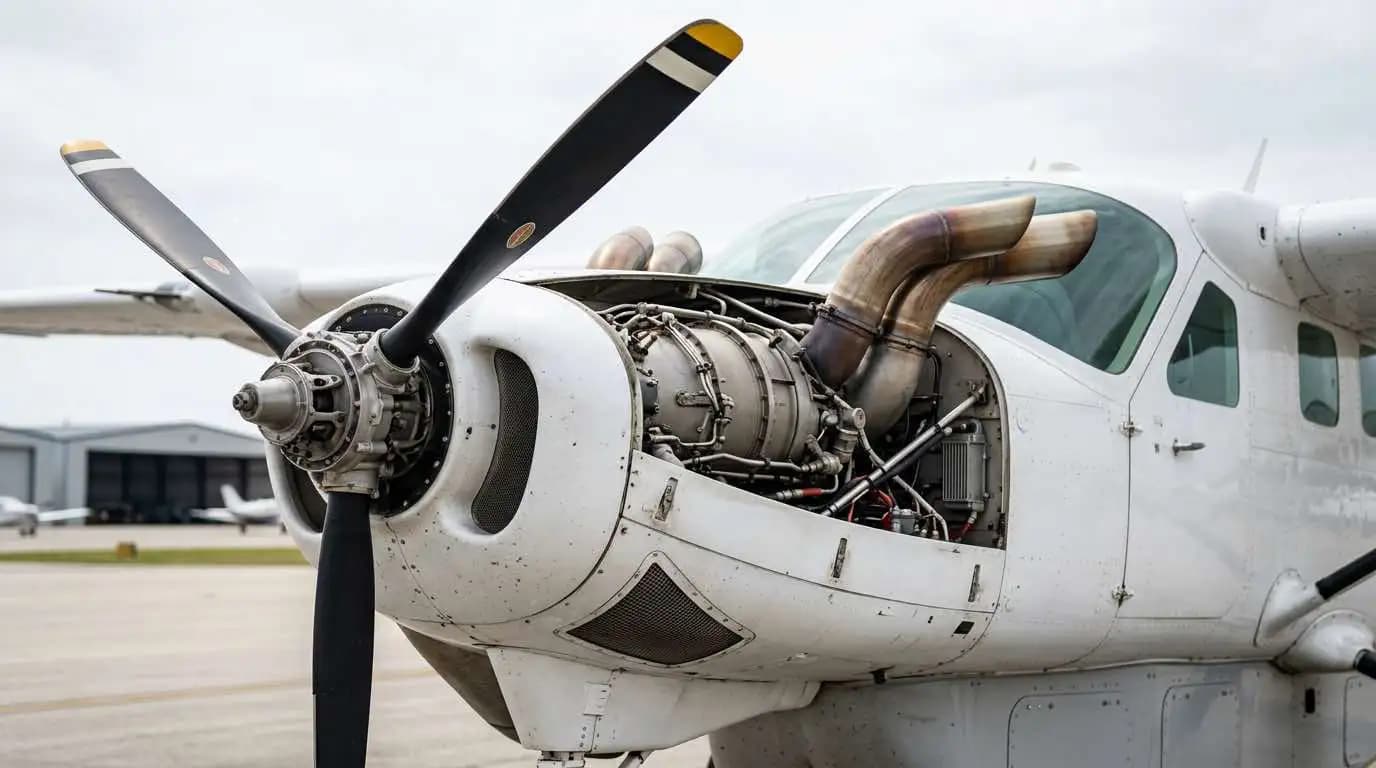
The PT6A engine requires a hot-section inspection (HSI) at approximately 1,800 hours, costing $120,000–$180,000. Full overhaul at 3,600 hours TBO costs $300,000–$450,000. Engine program enrollment (P&W ESP, JSSI, or Honeywell MSP) spreads these costs into predictable per-hour reserves and is critical for resale value. A Caravan with active engine program coverage commands a $150,000–$300,000 premium over one without.
Maintenance Considerations and Common Issues
The Caravan benefits from a mature support network, Textron Aviation service centers worldwide, strong parts availability, and thousands of experienced mechanics. However, several known maintenance areas require attention.
Landing Gear: The Caravan's Known Weakness
The fixed trailing-link landing gear is robust but accumulates wear on bushings, trunnion pins, and axle assemblies, especially on aircraft operating from rough or unpaved surfaces. Gear-related maintenance is the most common unscheduled cost item. Inspect gear components carefully during pre-purchase, particularly on former cargo and bush-operation aircraft.
Corrosion: Float and Coastal Operations
Caravans operating on amphibious floats or in coastal saltwater environments are at elevated corrosion risk. Wing spar and strut attach points, belly skins, and landing gear components are the primary areas of concern. A thorough corrosion inspection is mandatory on any amphibian-configured or coastal-operated Caravan.
AD Compliance: Recurring Directives
Key ADs address wing strut attach fittings, fuel system components, propeller hub inspection (Hartzell or McCauley), and PT6A engine accessories. The Caravan AD history is well-documented and manageable, but compliance must be verified against the complete AD list for the specific serial number.
Cargo Door and Floor: Wear Items
The large rear cargo door hinges, seals, and locking mechanism are high-wear items on cargo-configured Caravans. Cabin floor panels and cargo tie-down fittings also accumulate wear. Former FedEx and cargo-service Caravans may need floor and door rehabilitation during passenger conversion.
Buying a Cessna 208 Caravan: Verification Checklist
Acquiring a pre-owned Caravan requires structured due diligence, particularly regarding engine program status, operational history, and structural condition. CollectAirs coordinates the following verification steps.
Logbook Verification
Complete logbook continuity from delivery to present. High-utilization Caravans (cargo, commuter) may have 15,000–25,000+ total hours. Verify all maintenance events, component replacements, and STC installations are documented. Gaps in documentation reduce value by 10–20%.
PT6A Engine Program Status
Confirm active enrollment in P&W Eagle Service Plan (ESP), JSSI, or equivalent. Verify escrow balance, typically $80,000–$250,000 depending on time since last HSI/overhaul. Program transferability to the new owner must be confirmed in writing before closing.
Pre-Purchase Inspection
A Caravan pre-purchase inspection at a Textron-authorized service center costs $8,000–$15,000 and takes 5–8 business days. Must include PT6A borescope, propeller inspection, landing gear evaluation, corrosion assessment, and avionics functional test.
Operational History Assessment
Determine how the aircraft was used, cargo, passenger, skydive, float, or private. Former cargo aircraft may have higher cycles and more gear wear. Former float aircraft need thorough corrosion inspection. Former skydive aircraft may have high-cycle engines and door modifications.
Avionics Generation
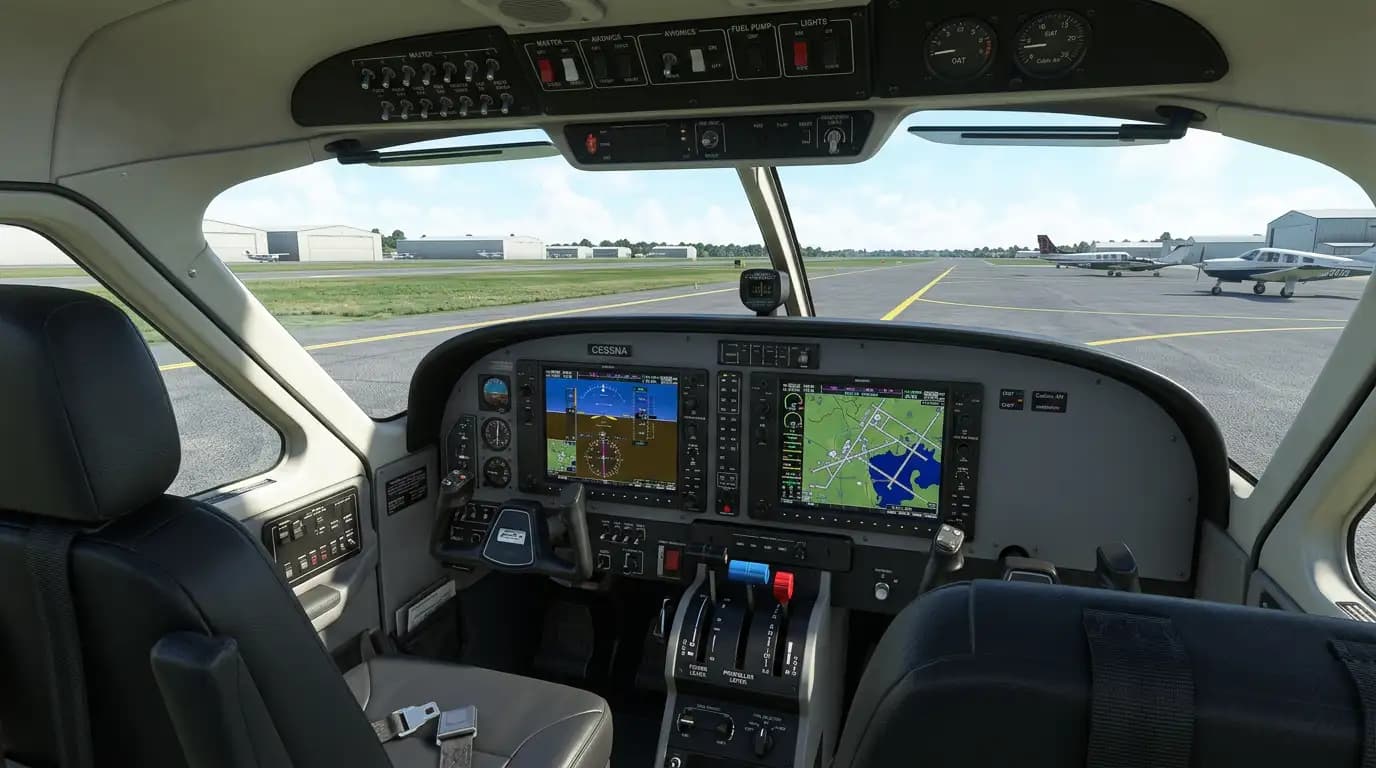
Caravans range from original Bendix/King analog avionics to full Garmin G1000 NXi glass panels. A G1000 NXi retrofit costs $150,000–$250,000, making factory-equipped examples significantly more valuable. Verify ADS-B Out compliance and database subscription currency.
Cessna 208 Caravan Specifications: Complete Data Table
| Specification | Value | Why It Matters |
|---|---|---|
| Engine (208/208B) | P&W PT6A-114A (675 SHP) | Single turboprop; reverse-flow design; 3,600-hour TBO; hot-section inspection at 1,800 hrs |
| Engine (EX) | P&W PT6A-140 (867 SHP) | 28% more power than PT6A-114A; improved hot-and-high performance; same 3,600-hour TBO |
| Max Cruise Speed | 185 KTAS (208B) | At FL100; economy cruise 160 KTAS; EX model: 185 KTAS with better climb rate |
| Range (208B, max fuel) | 1,070 NM | At max cruise with NBAA IFR reserves; with full pax: 600–750 NM; economy cruise extends range 10–15% |
| Service Ceiling | 25,000 ft | Capable of operating above most weather; cabin is unpressurized, supplemental oxygen required above FL120 |
| Fuel Burn | 55 GPH (Jet-A) at max cruise | Economy cruise: 45–50 GPH; Jet-A cost at $6.00–$7.50/gal: $330–$412/hr at max cruise |
| Takeoff Distance | 2,055 ft (ground roll, SL ISA MTOW) | Over 50 ft obstacle: 2,510 ft; excellent short-field for a turboprop; unpaved strip capable |
| Landing Distance | 1,395 ft (ground roll) | Reversible propeller for ground operations; trailing-link gear for smooth arrivals on rough strips |
| Passengers (208B) | Up to 14 (commuter) / 9–10 (exec) | Configurable passenger, cargo, combi, or special mission; rear cargo door: 53 × 48 in |
| Cabin Length (208B) | 15 ft 7 in (4.75 m) | Width 64 in, height 54 in; flat floor throughout; no center aisle step |
| MTOW (208B) | 8,785 lbs (3,985 kg) | Useful load approximately 3,505 lbs; payload with full fuel: approximately 2,100 lbs |
| Fuel Capacity | 332 gal (2,224 lbs) | Integral wing tanks; single-point refueling available; Jet-A or Jet-A1 |
| Wingspan | 52 ft 1 in (15.87 m) | High-wing, strut-braced design; fixed tricycle gear; optional Wipaire amphibious floats |
| Length | 41 ft 7 in (12.67 m): 208B | Standard 208: 37 ft 7 in; the 208B Grand Caravan added a 4 ft fuselage stretch |
| Production | 1984–present (3,000+ built) | One of the best-selling turboprops in history; current model: Grand Caravan EX |
| Used Price Range | $800,000–$2,500,000 | Early 208: $800K–$1.2M; mid-life 208B: $1.2M–$2M; late-model/low-time: $2M–$2.5M |
Looking for a Cessna 208 Caravan for Sale?
CollectAirs connects buyers with verified aircraft listings, complete documentation review, escrow protection, pre-purchase inspection coordination, engine program verification, and transparent auction terms on every transaction.
Frequently Asked Questions: Cessna 208 Caravan
How much does a Cessna 208 Caravan cost?
New Grand Caravan EX: ~$2.7–$2.9M. Pre-owned: $800,000–$2,500,000 depending on model, total time, engine status, and configuration. Early 208s (1985–1995): $800K–$1.2M. Mid-life 208B Grand Caravans (2000–2015): $1.2M–$2M. Late-model with low time: $2M–$2.5M. Amphibian variants command $200K–$400K premiums.
How many passengers does a Cessna 208 Caravan carry?
Up to 9 passengers in the standard 208 and up to 14 in the 208B Grand Caravan. Executive configurations typically seat 9–10 with forward cargo. The large rear cargo door (53 × 48 in on 208B) enables rapid reconfiguration between passenger, cargo, and combi layouts.
How far can a Cessna 208 Caravan fly?
The 208B Grand Caravan achieves approximately 1,070 NM range at max cruise with IFR reserves and light load. With a full 14-passenger load, practical range is 600–750 NM depending on winds and altitude. The standard 208 achieves approximately 910 NM at max cruise.
Does a Cessna 208 Caravan require two pilots?
No, the Caravan is certified for single-pilot operation under Part 91 and Part 135. This saves $80,000–$150,000 annually in crew costs. Pilots need a Caravan type rating (7–10 day initial course at FlightSafety or CAE). Some operators voluntarily use two-pilot crews on demanding routes.
How much does a Cessna 208 Caravan cost per hour?
Variable operating cost: $700–$1,100/hr (fuel at $330–$412/hr, engine reserves $100–$180/hr, maintenance $80–$150/hr). Annual fixed costs add $180,000–$350,000/yr. Total loaded cost at 500 annual hours: approximately $1,060–$1,800/hr including all fixed and variable expenses.
Does a Cessna 208 Caravan have a toilet?
Not standard. A portable chemical toilet behind a curtain is a common option. Some executive configurations include an enclosed lavatory with flushing toilet and privacy door. Lavatory availability depends on the specific aircraft's interior configuration, confirm during pre-purchase evaluation.
Sources
Used for: official performance data, weight limits, cabin dimensions, engine specifications, and production data for the Cessna 208 Caravan family.
Used for: PT6A-114A and PT6A-140 engine specifications, TBO intervals, HSI scheduling, and Eagle Service Plan program data.
Used for: per-flight-hour engine reserve rates, Caravan maintenance cost benchmarks, and unscheduled event cost data.
Used for: type-certificated performance limitations, weight data, fuel capacity, and model-specific specifications for all 208 variants.
Related Resources
Cessna Grand Caravan EX Guide
Deep-dive into the current-production Grand Caravan EX, PT6A-140 engine, G1000 NXi avionics, and buyer considerations.
Read GuidePilatus PC-12 Buyer Guide
The pressurized single-engine turboprop alternative, higher speed and range but at a significantly higher price point.
Read GuideTurboprop Plane Buyer Guide
How the PT6 engine works, the best turboprop aircraft to buy, and what to verify before purchasing.
Read GuideBeechcraft King Air Guide
The twin-engine turboprop step-up, pressurized cabin, greater speed, and the PT6A in twin configuration.
Read GuideAbout the Author

Phillip Müller
CEO, CollectAirs
Long-time pilot and CEO of multiple scenic flight and aircraft sales websites. Passionate about making aircraft transactions more transparent and accessible.
Connect on LinkedIn