
 Bad Vöslau
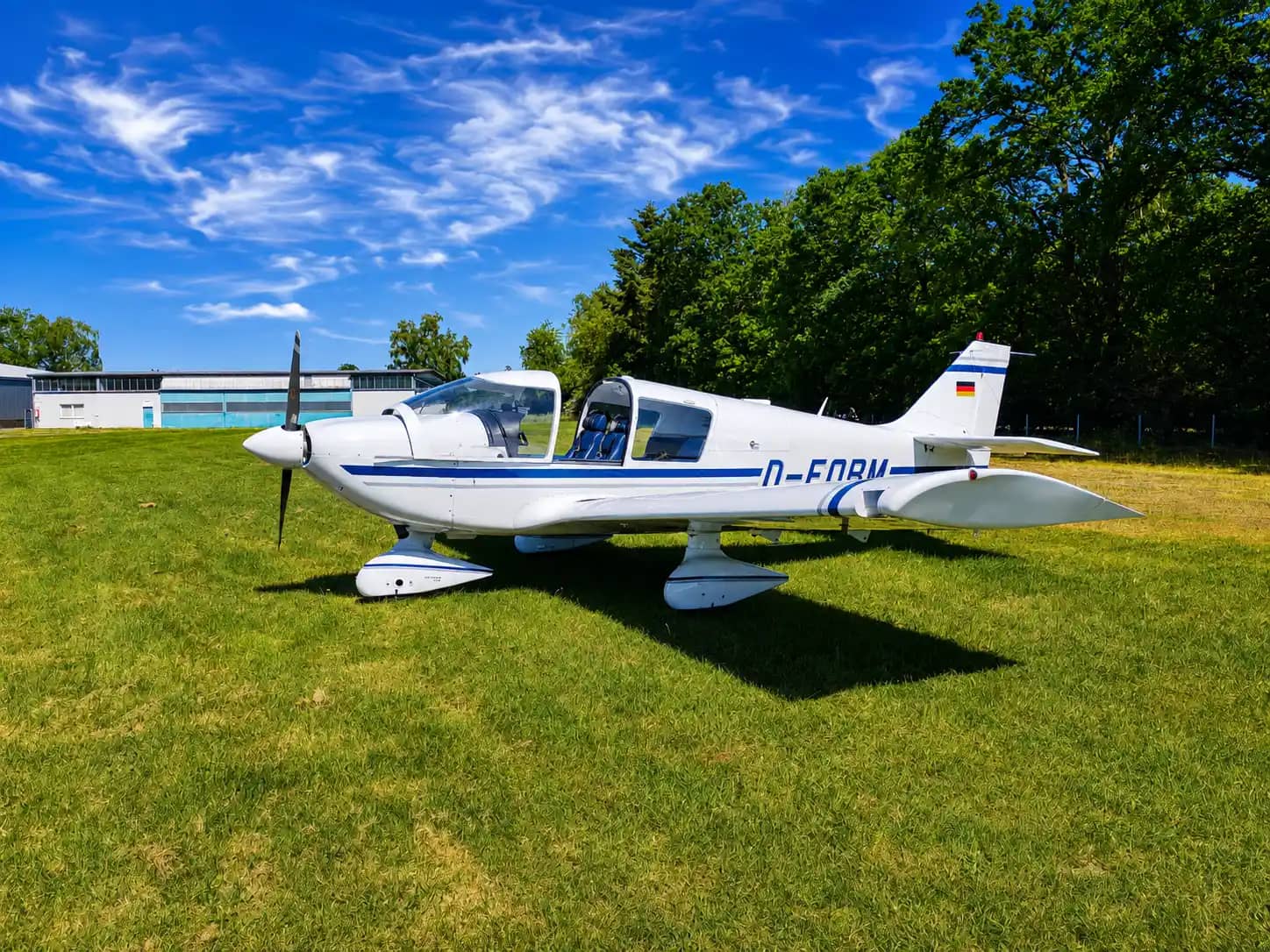
 Kirn
Kirn
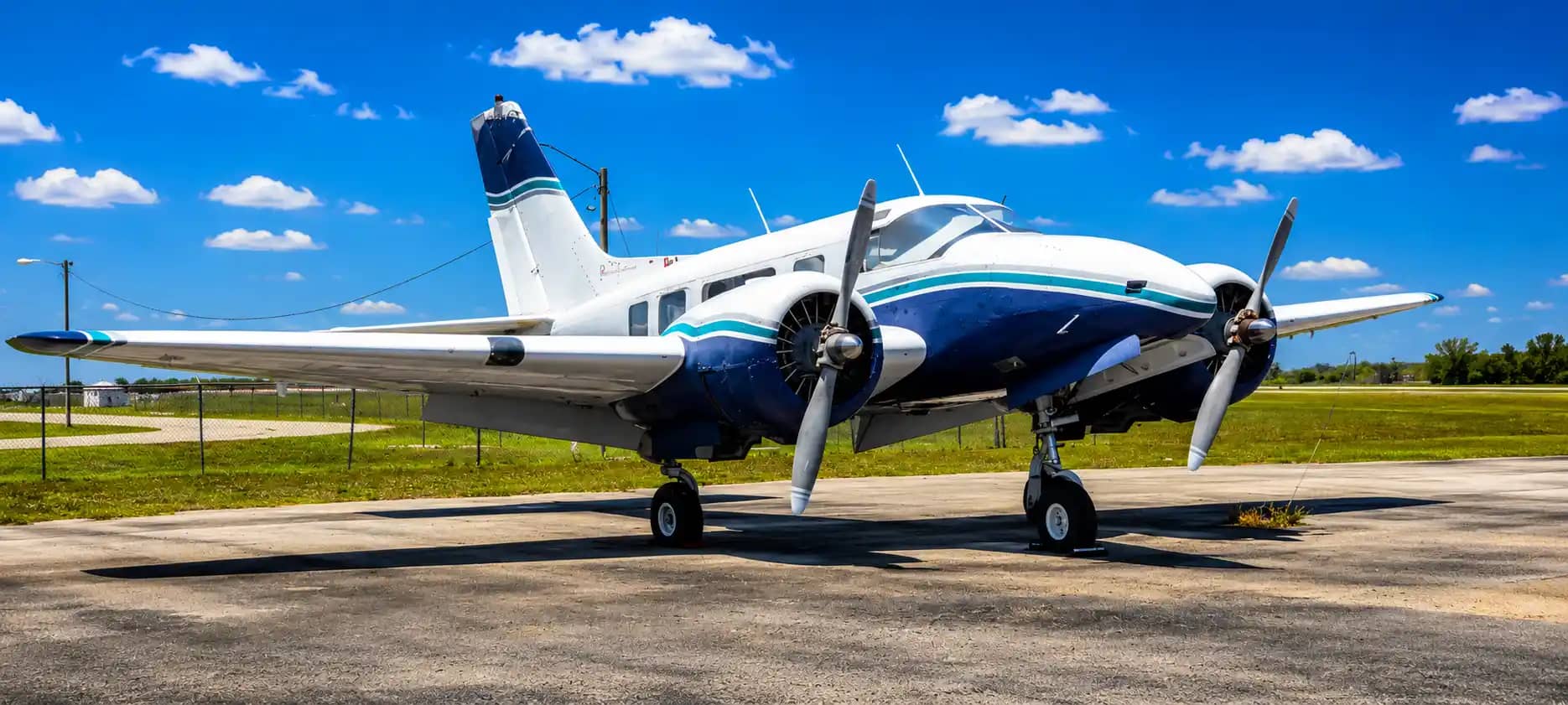
 Florida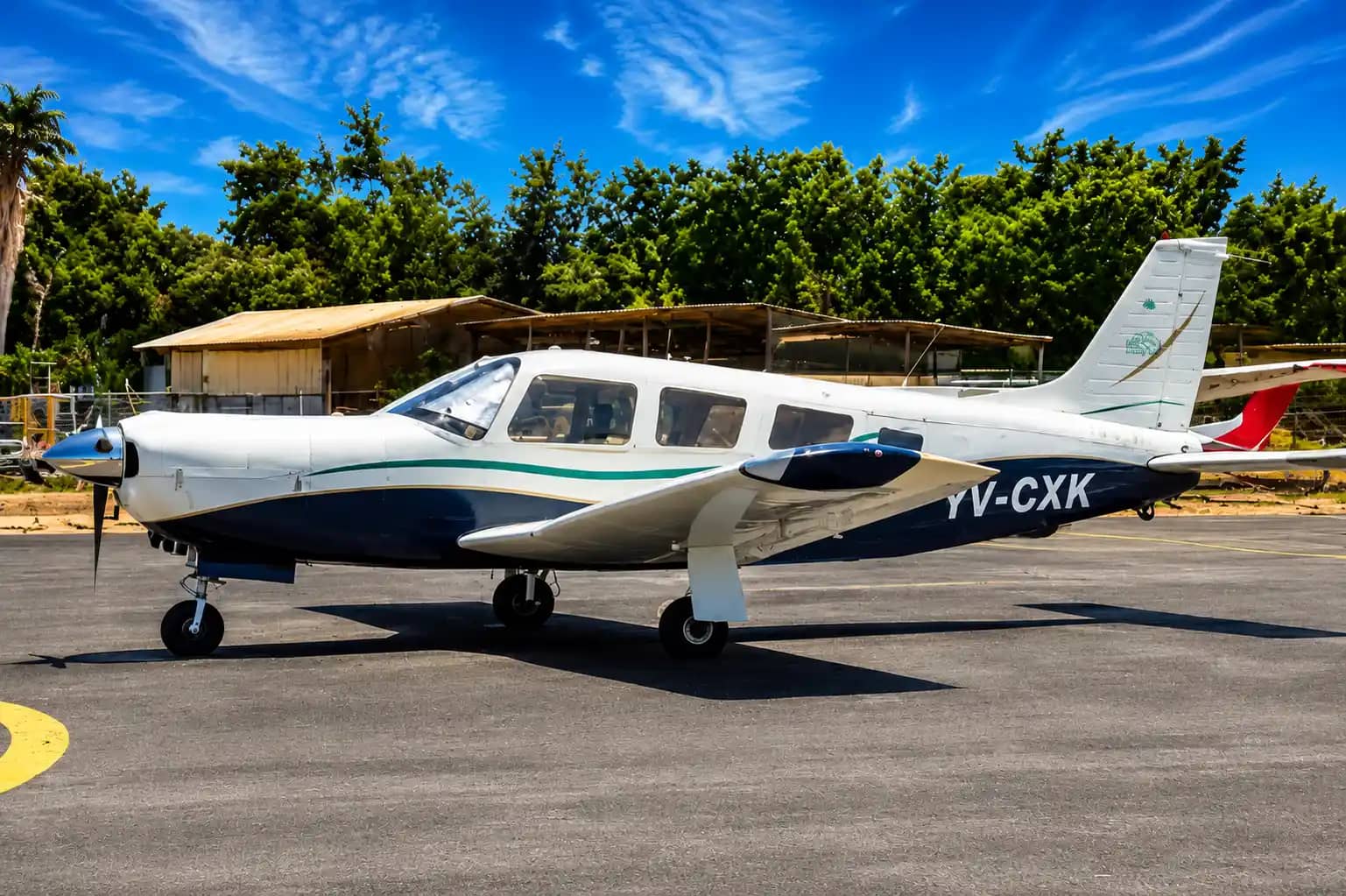
 Haifa
Haifa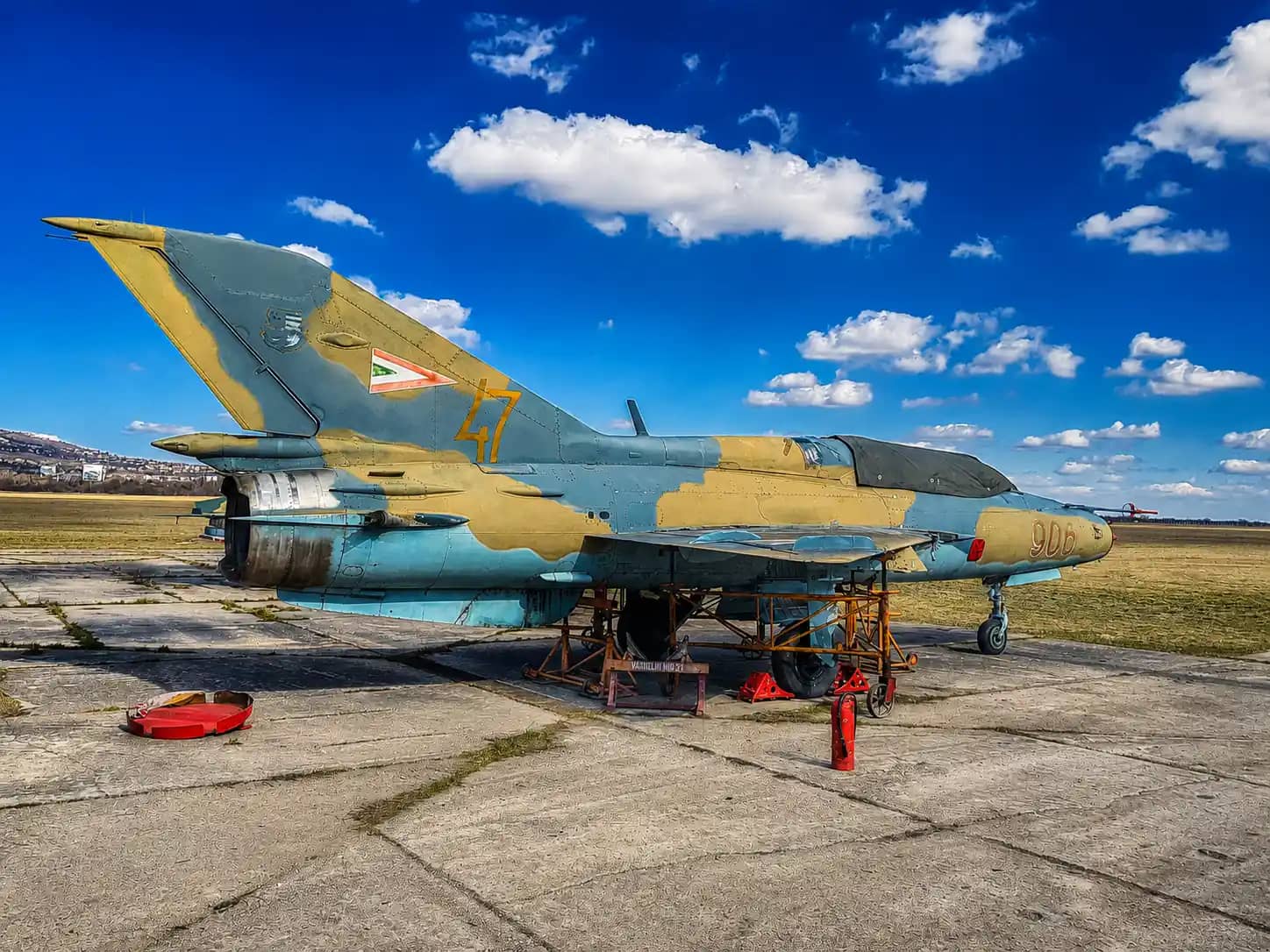
 Szeged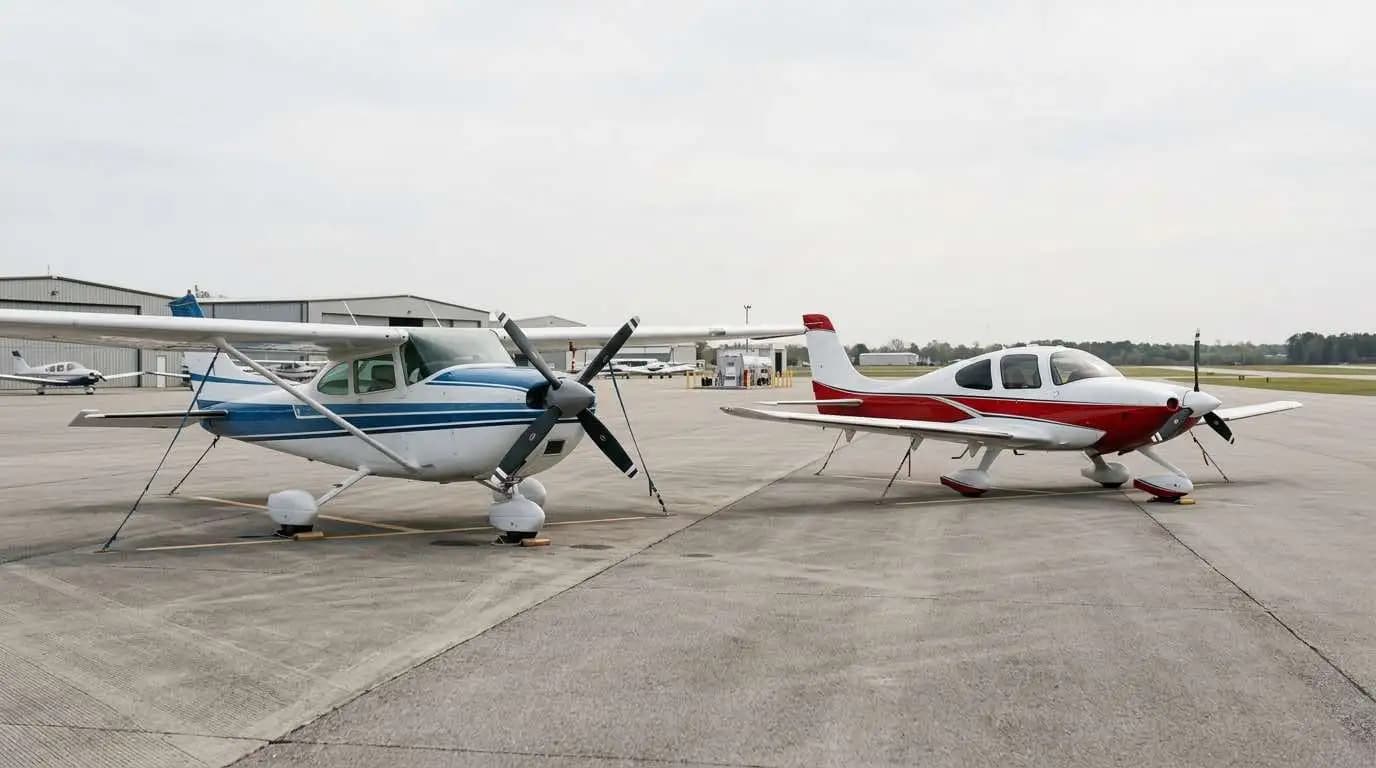
Cessna vs Cirrus: Brand Overview and Design Philosophy
Cessna: now Textron Aviation, has produced piston singles since the late 1940s. The 172, 182, and 206 families are among the most widely produced aircraft in history. Cessna's philosophy is conservative engineering: aluminum construction, established Lycoming and Continental engines with decades of maintenance history, and designs optimized for simplicity, reliability, and broad support. The 172 has been the world's dominant training aircraft for over 60 years for a reason.
Cirrus Aircraft entered piston single production in 1999 with a fundamentally different vision: composite construction for a lighter and more aerodynamically efficient airframe, factory-standard glass cockpit from day one, and the CAPS (Cirrus Airframe Parachute System) whole-airframe parachute as a certified safety system. Cirrus aircraft are faster, more expensive, and require more specialized maintenance, but deliver a measurably different ownership and flight experience.
Cessna: Proven. Accessible. Broadly Supported.
- Aluminum construction: cost-effective, widely repairable at any A&P shop
- Lycoming and Continental engines: the most supported piston engines in existence
- Cessna 172 and 182 have unmatched parts availability and global service network
- Lower acquisition cost at every class level vs. equivalent Cirrus
- Lower annual inspection costs: metal airframe requires less specialized work
- Cessna 172/182 in current production; Cessna TTx discontinued 2018
- Best for: training, cost-conscious ownership, broad geographic operation
Cirrus, Faster. Modern. CAPS-Protected.
- Composite construction: lighter, more aerodynamic, unique repair requirements
- CAPS whole-airframe parachute standard on all SR20 and SR22 models
- Factory-standard Garmin glass cockpit from first delivery in 1999
- SR22 cruises ~183 KTAS; SR22T ~213 KTAS: fastest piston singles in production
- Higher acquisition cost, SR22 G7 new: ~$850,000–$950,000
- Requires Cirrus-trained A&P for composite repair and CAPS maintenance
- Best for: speed-priority cross-country, IFR, CAPS safety, modern cockpit
Cessna and Cirrus listings on CollectAirs
Browse verified listings from both brands with full documentation and transparent auction terms.
Direct Matchups: Cessna vs Cirrus at Each Class Level
The Cessna vs Cirrus comparison plays out differently at each class level. The most relevant matchups are the Cessna 172 vs Cirrus SR20, the Cessna 182 vs Cirrus SR22, and the discontinued Cessna TTx vs Cirrus SR22T. Each pair shares similar class intent but diverges sharply on performance, cost, and maintenance profile.
Cessna 172 vs Cirrus SR20: Entry-Level Singles
Cessna 172 Skyhawk
- 120 KTAS cruise; 180 hp Lycoming IO-360
- ~878 lbs useful load; 4 seats
- World's most widely trained aircraft
- New: ~$400,000–$450,000; Used: $80,000–$320,000
- No CAPS; metal construction
- Annual inspection: ~$1,500–$3,500
Cirrus SR20
- 155 KTAS cruise; 215 hp Continental IO-390
- ~1,000 lbs useful load; 4 seats
- CAPS whole-airframe parachute standard
- New: ~$600,000+; Used: $90,000–$380,000
- Composite construction; Garmin G1000
- Annual inspection: ~$2,500–$5,000
Verdict: The 172 is the right choice for training, budget ownership, and maximum service availability. The SR20 is right for pilots entering Cirrus ownership with CAPS protection and a step up in speed from the 172.
Cessna 182 vs Cirrus SR22: The Most Debated Matchup
Cessna 182 Skylane
- 138–145 KTAS cruise; 230 hp Lycoming IO-540
- ~1,040 lbs useful load; 4 seats
- Fixed gear, simpler, lower maintenance cost
- New: ~$550,000; Used: $80,000–$500,000
- No CAPS; aluminum construction; 60+ years of fleet support
- Annual inspection: ~$2,000–$4,500
Cirrus SR22
- 183 KTAS cruise; 310 hp Continental IO-550
- ~1,070 lbs useful load; 4 seats
- CAPS whole-airframe parachute standard
- New: ~$850,000–$950,000; Used: $180,000–$700,000
- Composite; Garmin Perspective+ avionics
- Annual inspection: ~$3,000–$6,500
Verdict: At comparable useful load, the 182 is meaningfully cheaper to acquire and operate. The SR22 offers 40+ KTAS speed advantage and CAPS. If budget is the constraint, the 182. If speed and CAPS protection justify the premium, the SR22.
Cessna TTx vs Cirrus SR22T: High-Performance Composite Singles
Cessna TTx (Columbia 400)
- ~235 KTAS cruise: fastest certified piston single ever
- 310 hp Continental IO-550; retractable gear
- Composite construction; G2000 avionics
- Discontinued 2018 by Textron: used market only
- No CAPS; limited fleet size reduces A&P familiarity
- Used: $300,000–$650,000
Cirrus SR22T
- ~213 KTAS cruise; turbocharged at altitude
- 315 hp Continental TSIO-550; no retractable gear
- CAPS whole-airframe parachute standard
- Currently in production: Cirrus G7 available
- Garmin Perspective+ factory standard; large fleet
- Used: $350,000–$950,000
Verdict: The TTx is faster; the SR22T has CAPS and current production support. For buyers who can accept a 20 KTAS speed trade-off, the SR22T's larger fleet, active factory support, and CAPS parachute make it the more practical choice in most scenarios.
CAPS: The Safety Differentiator That Only Cirrus Offers
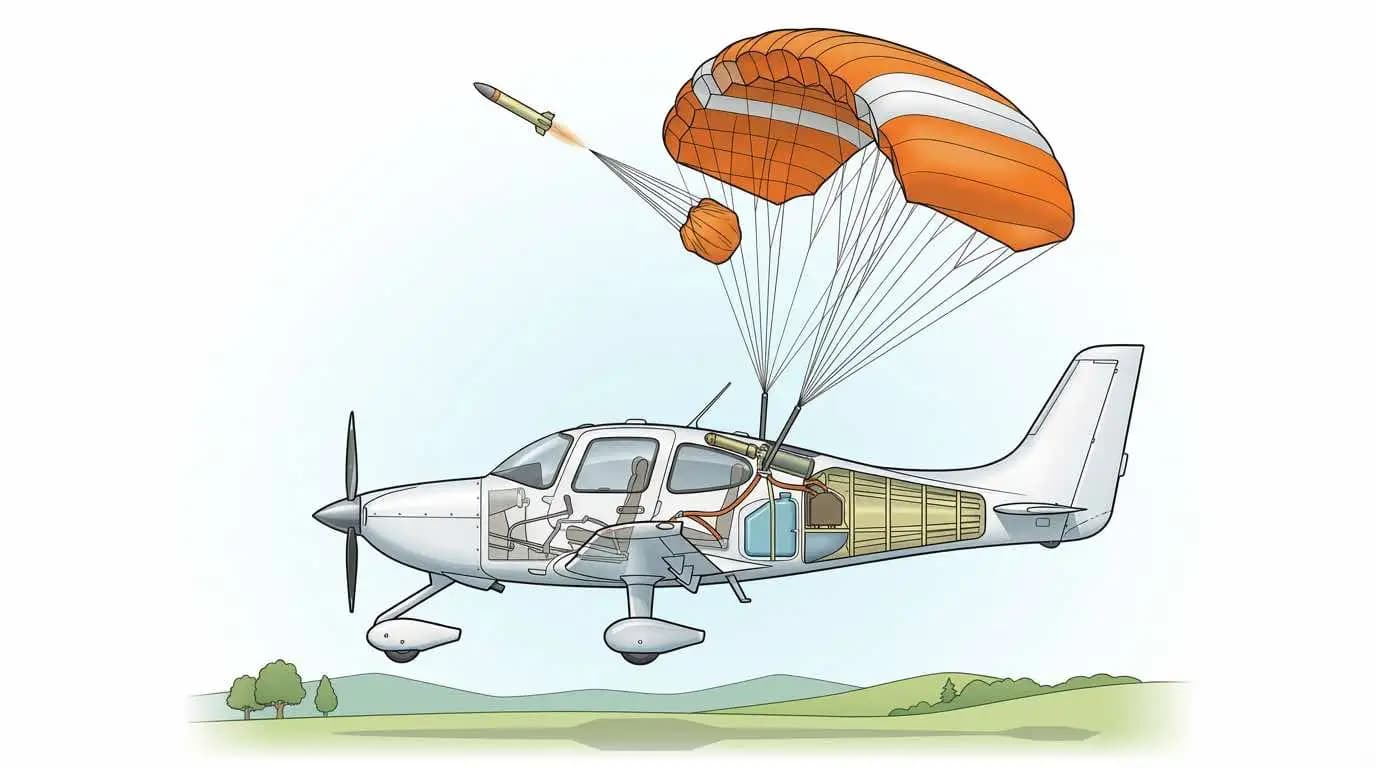
The Cirrus Airframe Parachute System (CAPS) is the single most discussed differentiator in the Cessna vs Cirrus comparison. No Cessna production aircraft, including the discontinued TTx: carries an airframe parachute system. CAPS has been deployed over 100 times with successful outcomes, making Cirrus the only certified piston single manufacturer to integrate whole-airframe parachute recovery as a standard safety system.
What CAPS Does
CAPS deploys a rocket-extracted ballistic parachute attached to the airframe that lowers the entire aircraft to the ground at approximately 1,700 ft/min, survivable in most deployments. It is certified for use from 920 feet AGL or higher, and in any attitude including inverted. Deployment is by a single red handle in the cockpit.
When CAPS Is Used
Cirrus documents CAPS deployments across scenarios including controlled flight into terrain (CFIT), structural failure, hypoxia, inadvertent IMC, spatial disorientation, and pilot incapacitation. It is not a substitute for training, but it provides a recovery option in scenarios where conventional recovery is no longer possible.
CAPS Maintenance Requirements
CAPS requires mandatory repack every 10 years and inspection at each annual. Repack cost: approximately $3,500–$6,000 at a Cirrus Service Center. The solid-fuel rocket motor is replaced at each repack. CAPS maintenance must be performed by a Cirrus-authorized technician, it cannot be serviced by a general A&P shop.
What CAPS Does Not Replace
CAPS does not replace proper training, instrument currency, fuel management, or aeronautical decision-making. Cirrus pilots who have relied on CAPS when better decisions were available earlier in the flight sequence represent a significant portion of the deployment database. CAPS is a last resort, not a safety margin to be spent.
Performance: Cessna vs Cirrus at Cruise, Range, and Altitude
Cruise speed is where the Cirrus vs Cessna gap is most immediately visible. The Cirrus SR22's composite airframe, Continental IO-550 (310 hp), and aerodynamic optimization produce ~183 KTAS, nearly 40 KTAS faster than the Cessna 182 with 230 hp and an older metal design. For a 3-hour cross-country flight, 40 KTAS represents approximately 30–45 minutes of saved block time: a meaningful real-world difference.
Cessna 172: ~120 KTAS
The 172's fixed gear, Lycoming IO-360 (180 hp), and metal airframe produce reliable 120 KTAS cruise. Not optimized for speed, optimized for training utility and simplicity.
Cessna 182: ~140 KTAS
The 182's 230 hp Lycoming IO-540 adds 20 KTAS over the 172 while significantly increasing useful load. Cross-country capable but meaningfully slower than the SR22.
Cirrus SR22: ~183 KTAS
The SR22's composite airframe, 310 hp Continental IO-550, and aerodynamic optimization produce ~183 KTAS, the fastest naturally-aspirated non-retractable piston single in production.
The Cessna TTx Performance Anomaly
The Cessna TTx (Columbia 400) was an outlier in the Cessna line: a composite retractable-gear single producing ~235 KTAS, faster than both the Cirrus SR22 (~183 KTAS) and SR22T (~213 KTAS). However, Textron discontinued the TTx in 2018 after the Lancair acquisition never reached commercial scale. The TTx is now exclusively a used-market aircraft with a small fleet and limited A&P familiarity. For buyers who need the TTx's speed, the used TTx market offers access to this performance level, but parts, composite repair expertise, and insurance support are more constrained than for comparable SR22 or SR22T examples.
Avionics: Glass Cockpit Strategy Across Both Brands
Cirrus led the industry to glass cockpits in production piston singles when it shipped the SR22 with the Avidyne Entegra in 1999: years before Cessna introduced the Garmin G1000 on the 172 and 182. Both brands now ship with Garmin glass as standard on current production aircraft, but the generation and integration level differ meaningfully.
Cessna 172/182 (Current): Garmin G1000 NXi
Current Cessna 172 and 182 production uses Garmin G1000 NXi with synthetic vision (SVT), WAAS/LPV approach capability, GFC 700 autopilot, and ADS-B In/Out. Fully capable IFR glass cockpit at a standardized platform used broadly across general aviation.
Cirrus SR22 G6/G7 (Current): Garmin Perspective+ / Cirrus Perspective Touch+
Current Cirrus SR22 G6 and G7 production uses Garmin Perspective Touch+, a customized Garmin G3000 derivative with dual touchscreen displays, built-in synthetic vision, WAAS/LPV approaches, GFC 700 autopilot, ESP (Electronic Stability and Protection), and deep CAPS integration. The Perspective+ platform is more integrated and feature-rich than the standard G1000 NXi.
Used Aircraft Avionics Variation
Cessna 172 and 182 examples pre-2004 commonly have legacy Garmin GPS (GNS 430/530) in analog panels. Early Cirrus SR22 examples (2001–2007) may retain original Avidyne Entegra panels, a capable but now-dated system. Garmin G5/G3X and GTN 750 retrofits have been widely applied to both fleets. Verify ADS-B Out compliance (required since 2020) and autopilot capability on any used acquisition.
Electronic Stability and Protection (ESP): Cirrus Only
Cirrus SR22 G3 and later aircraft include ESP, an active system that provides tactile resistance on the controls when the aircraft approaches critical pitch or bank angles. It does not override pilot inputs but provides intervention feedback. No standard Cessna production aircraft carries an equivalent system.

Ownership Costs: Cessna vs Cirrus Total Cost Comparison
The total cost of ownership gap between Cessna and Cirrus is substantial, and often underestimated by first-time Cirrus buyers. Composite airframe maintenance requires specialized training that most general A&P shops lack. CAPS repack adds a mandatory 10-year maintenance event. And Cirrus's higher acquisition price creates larger insurance and financing costs on an annual basis.
Acquisition Cost Differential
Cessna 182T (current production): ~$550,000–$600,000. Cirrus SR22 G7 (current production): ~$850,000–$950,000. That $300,000–$400,000 gap represents an approximately 60% premium for the Cirrus. In the used market, the gap narrows but remains consistent: comparable year and hours 182T vs SR22 G3 shows $150,000–$200,000 premium for the SR22.
Annual Inspection
Cessna 172/182: $1,500–$4,500 annually. Cirrus SR22: $3,000–$6,500 annually. The Cirrus premium reflects composite inspection requirements, CAPS system check, and higher avionics complexity. CAPS repack (mandatory every 10 years): $3,500–$6,000 per event at a Cirrus Service Center.
Engine Overhaul Reserve
Cessna 182 (Lycoming IO-540): $18,000–$28,000 overhaul; ~$12–$16/hr reserve. Cirrus SR22 (Continental IO-550): $28,000–$40,000 overhaul; ~$16–$22/hr reserve. At 150 annual hours, the Cessna 182 saves approximately $2,000–$4,000 per year in engine reserve alone. Turbocharged TSIO-550 (SR22T) overhaul: $35,000–$50,000.
Fuel Cost
Cessna 172: ~8–9 GPH at cruise. Cessna 182: ~12–13 GPH. Cirrus SR22: ~15–17 GPH. At 150 annual hours and $7.00/gallon 100LL: 172 ≈ $9,450/year, 182 ≈ $13,650/year, SR22 ≈ $17,850/year. The SR22's speed advantage partially offsets higher fuel burn on long sectors by reducing total flight time.
Insurance
Cessna 172/182: $1,500–$3,500 annually. Cirrus SR22: $2,500–$6,000+ annually. Higher hull value, high-performance endorsement requirement, and turbine-transition-like training requirements for Cirrus insurance approval drive higher premiums. Minimum flight time requirements from underwriters for the SR22 are typically stricter than for the 182.
Composite vs Metal Repair
Aluminum repair (Cessna 172/182): virtually any A&P shop, at any airport, worldwide. Composite repair (Cirrus SR22): requires a Cirrus Authorized Service Center with composite-trained technicians. For pilots operating remotely or internationally, the Cessna's metal airframe offers a meaningful practical service advantage.
Pre-Purchase Checklist: Cessna and Cirrus Acquisitions
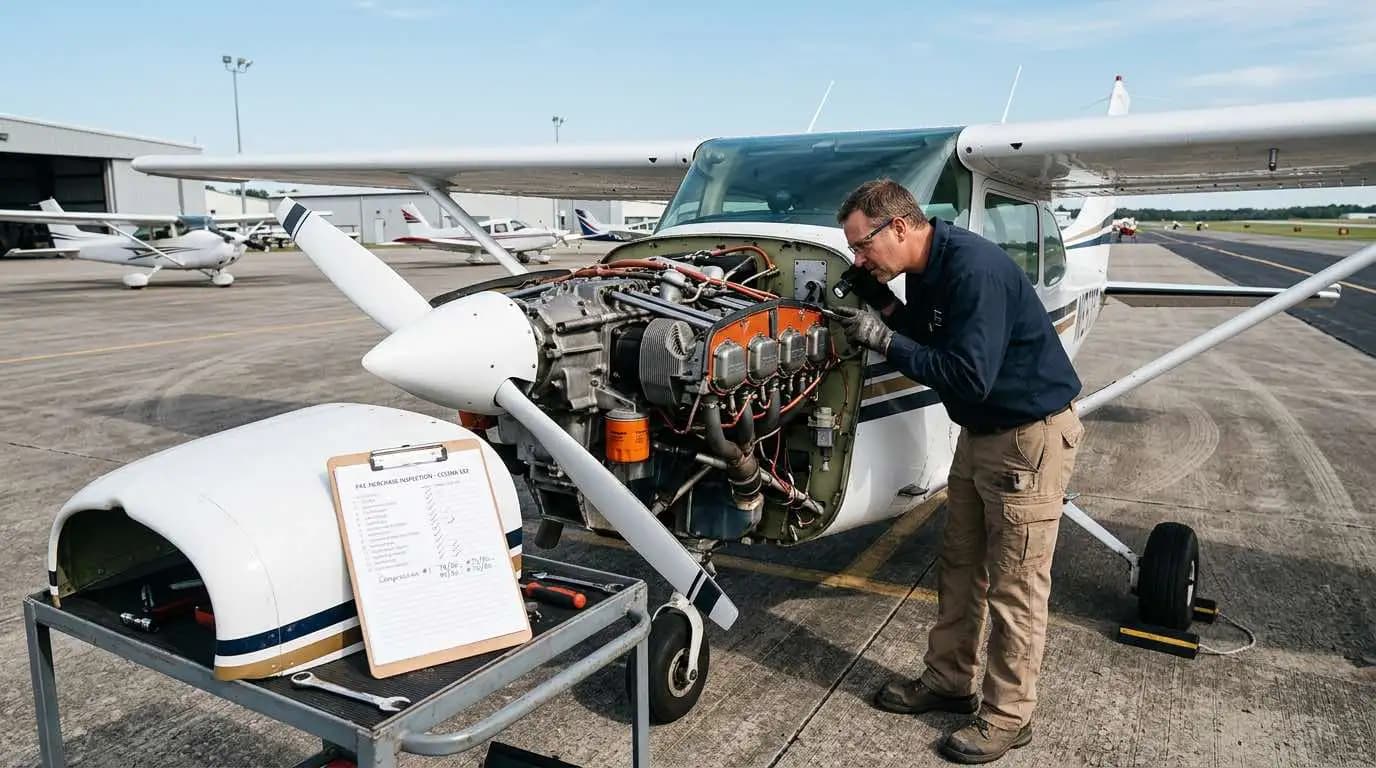
Due diligence on both Cessna and Cirrus acquisitions follows the same core structure, but Cirrus adds composite-specific inspection scope and CAPS system verification as mandatory additional items. Both aircraft warrant pre-purchase inspection by an IA or A&P with specific model experience.
Documentation and Records (Both Aircraft)
- Complete airframe and engine logbooks from first flight, gaps in maintenance history are a disqualifying condition or must be priced to reflect the documentation loss
- Engine TSN/TSOH documentation with shop work order confirmation, major vs. field overhaul distinction is material to valuation on both Lycoming and Continental engines
- Full AD compliance documentation for airframe, engine, and avionics, both Cessna and Cirrus type certificates have accumulated significant AD histories
- ADS-B Out compliance confirmation: required since January 2020 for Class B/C/E above 10,000 ft
- For Cirrus: CAPS repack history and current CAPS serviceability certification, expired CAPS is a grounding condition; confirm last repack date and expiry
- FAA Registry title search for clean title, no liens, and no NTSB accident entries, check NTSB database independently from registry
Technical Inspection Priorities
- Engine compression test (all cylinders, 72/80 minimum), oil analysis, and borescope inspection, critical on both Continental IO-550 (SR22) and Lycoming IO-540 (Cessna 182)
- For Cessna: airframe corrosion inspection at known problem areas, wing spar attach fittings, control surface hinges, rudder cables, and flap actuator attachment points
- For Cirrus: composite skin inspection for impact damage, delamination, gelcoat cracks, and prior repair evidence, check against Cirrus Structural Repair Manual for approved repair methods
- CAPS system inspection by Cirrus-authorized technician, verify rocket motor serviceability, canopy condition, and harness integrity; this must not be skipped or abbreviated
- Avionics autopilot coupled approach test: WAAS/LPV approach function, GPS database currency, ADS-B Out test confirmation, transponder Mode C accuracy
- Fuel system: tank inspection for water contamination, cap seal condition, gascolator element condition, and fuel quantity system accuracy at known fuel loads
Transaction Risk Management
- Use an aviation escrow service for all funds, protects both parties during inspection and closing regardless of aircraft type
- Engage an IA with documented experience in the specific aircraft type, Cessna 172/182 mechanics are widely available; Cirrus-experienced IAs are concentrated at Cirrus Service Centers
- Obtain insurance quotes before closing, Cirrus underwriters may require specific Cirrus transition training hours, affecting post-purchase access
- For Cirrus: budget immediately for Cirrus Initial Pilot Training (CIPT) if not already completed, most insurers require it and it significantly improves safety outcomes
Cessna vs Cirrus: Which Brand Is Right for Your Mission
Choose Cessna if:
- Budget is a primary constraint, Cessna 172/182 are the most affordable way into capable IFR piston single ownership
- You operate from airports with limited maintenance infrastructure, every A&P shop supports Cessna
- You operate internationally where Cirrus Service Centers may not be accessible
- Lower total annual operating cost is a priority over speed
- You need the maximum availability of training resources and standardized procedures
- The Cessna 182's 1,040 lb useful load is sufficient for your payload requirements
- Training, first aircraft, or school use is the primary mission
Choose Cirrus if:
- Speed is a priority, SR22's 183 KTAS is meaningfully faster than any comparable Cessna production aircraft
- CAPS whole-airframe parachute protection is a priority for you or your family
- You want the most modern factory-standard glass cockpit in a production piston single
- You regularly fly IFR cross-country missions where block time savings translate to real value
- Budget supports a $280,000+ used acquisition or $850,000+ new purchase
- You have access to Cirrus Service Center maintenance infrastructure
- You are prepared to complete Cirrus Initial Pilot Training for insurance and safety
Cessna vs Cirrus: Full Comparison Table
| Aircraft | Cruise Speed | Useful Load | CAPS | Engine | Approx Used Price | Best For |
|---|---|---|---|---|---|---|
| Cessna 172 Skyhawk | ~120 KTAS | ~878 lbs | No | Lycoming IO-360, 180 hp | $80,000–$450,000 | Training, first-aircraft ownership, low-cost operation |
| Cessna 182 Skylane | ~138–145 KTAS | ~1,040 lbs | No | Lycoming IO-540, 230 hp | $80,000–$600,000 | Four-seat cross-country, IFR, family flying, step-up from 172 |
| Cessna TTx (Columbia 400) | ~235 KTAS | ~1,000 lbs | No | Continental IO-550, 310 hp | $300,000–$650,000 | Speed-priority cross-country; discontinued 2018, limited fleet |
| Cirrus SR20 | ~155 KTAS | ~1,000 lbs | Yes | Continental IO-390, 215 hp | $90,000–$400,000 | Entry Cirrus ownership; CAPS safety, training, step-up from Cessna |
| Cirrus SR22 | ~183 KTAS | ~1,070 lbs | Yes | Continental IO-550, 310 hp | $180,000–$750,000 | High-performance cross-country, IFR, four-seat family, CAPS safety |
| Cirrus SR22T | ~210–215 KTAS | ~1,100 lbs | Yes | Continental TSIO-550, 315 hp | $350,000–$950,000 | High-altitude speed with CAPS; direct TTx competitor; turbocharged |
Cessna and Cirrus on CollectAirs
CollectAirs connects qualified buyers with thoroughly verified Cessna and Cirrus listings, with escrow protection, pre-purchase inspection coordination, engine condition verification, CAPS service history review, and title confirmation on every transaction.
Frequently Asked Questions: Cessna vs Cirrus
Is Cirrus better than Cessna?
Neither brand is objectively better, they serve different priorities. Cirrus excels in speed (SR22 at 183 KTAS), composite construction, CAPS parachute protection, and factory glass cockpits. Cessna excels in lower acquisition cost, lower maintenance cost (simpler metal airframe repair), broader A&P familiarity at all airports, and proven training lineage. Mission profile and budget determine the better fit.
Is Cirrus safer than Cessna?
Statistically, Cessna 172 and 182 models have lower fatal accident rates per 100,000 flight hours than the Cirrus SR22 in FAA data. The Cirrus CAPS parachute has saved over 100 lives, but Cirrus pilots tend to fly more demanding IMC profiles. Safety is primarily a function of pilot training and decision-making, not aircraft brand. The Cessna 172 is considered one of the most forgiving aircraft ever designed.
Is Cirrus owned by Cessna?
No. Cirrus Aircraft is owned by CAIGA (China Aviation Industry General Aircraft). Cessna is owned by Textron Aviation, which also owns Beechcraft. Cirrus and Cessna are independent competing manufacturers with no ownership relationship. Cirrus is headquartered in Duluth, Minnesota; Cessna in Wichita, Kansas.
What is the most forgiving aircraft, Cessna or Cirrus?
The Cessna 172 is widely considered the most forgiving general aviation aircraft in history, stable stall characteristics, wide speed envelope, and tolerant control forces make it the world's dominant primary trainer. The Cirrus SR22 is less forgiving in stall handling but adds CAPS as a last-resort safety measure. For handling forgiveness, Cessna leads. For last-resort backup, CAPS is unique to Cirrus.
What is the Cessna TTx and how does it compare to the Cirrus SR22?
The Cessna TTx (formerly Columbia 400, then Lancair) was a composite retractable-gear single reaching ~235 KTAS, the fastest certified piston single. Discontinued in 2018 by Textron. The Cirrus SR22T produces ~213 KTAS and adds CAPS. The TTx was faster; the SR22T has CAPS. In the used market, TTx trades at similar or slight discount to SR22T with lower fleet size and maintenance familiarity.
How much does a Cessna 182 cost compared to a Cirrus SR22?
A 2005–2010 Cessna 182T with G1000 typically trades at $250,000–$380,000. A comparable 2005–2010 Cirrus SR22 G3 trades at $280,000–$420,000. New: Cessna 182T retails ~$550,000; Cirrus SR22 G7 retails ~$850,000–$950,000. Cirrus commands a meaningful premium for composite construction, factory glass cockpit, CAPS, and stronger resale value in the high-performance piston segment.
Sources
Used for: current production Cessna 172, 182, and 206 performance specifications, G1000 NXi avionics integration, and factory pricing reference.
Used for: current production SR22 G7 and SR22T performance specifications, Garmin Perspective Touch+ avionics, CAPS documentation, and factory pricing reference.
Used for: Cirrus CAPS certification status, mandatory maintenance intervals, and type certificate performance reference for Cessna and Cirrus aircraft families.
Used for: historical CAPS deployment data, incident context, and Cirrus fleet accident rate analysis referenced in the safety section.
Used for: Continental IO-550-N (SR22) and TSIO-550-K (SR22T) engine specifications, TBO standards, and overhaul cost reference data.
Related Resources
Cirrus SR22 Buyer Guide
Continental IO-550 engine, CAPS parachute system, Garmin Perspective+, GTS and G7 trims, performance specs, and what to verify before buying.
Read GuideCessna 182 Skylane Guide
Performance, useful load, avionics upgrades, AD compliance, maintenance costs, and what to check before buying the Cessna 182.
Read GuideCessna 172 Skyhawk Guide
Performance specs, useful load, avionics upgrades, AD compliance, maintenance costs, and what to check before buying.
Read GuideCessna 206 vs Cessna 210
Fixed vs retractable gear, useful load, cruise speed, Continental engine options, and which Cessna fits your mission.
Read GuideAbout the Author

Phillip Müller
CEO, CollectAirs
Long-time pilot and CEO of multiple scenic flight and aircraft sales websites. Passionate about making aircraft transactions more transparent and accessible.
Connect on LinkedIn