

Introduction to Aircraft Transactions
Acquiring or selling an aircraft is a monumental transaction that involves complex regulatory, financial, and logistical hurdles. Whether you are dealing with a classic piston single from brands like Cessna and Piper, or navigating the acquisition of a high-performance turboprop like a Pilatus or Beechcraft, the method you choose to execute the transaction will significantly impact your experience, timeline, and final financial outcome.
Historically, the vast majority of aircraft transactions were conducted through specialized aircraft brokers. However, in recent years, the rise of specialized digital and physical aircraft auctions has introduced a compelling alternative. Both pathways offer distinct advantages and drawbacks. This guide provides an in-depth comparison of aircraft auctions versus aircraft brokers, helping buyers and sellers make informed decisions tailored to their unique circumstances.
Understanding the Aircraft Brokerage Model

An aircraft broker acts as an intermediary between the buyer and the seller. Much like a real estate agent, a professional aviation broker brings market expertise, regulatory knowledge, and negotiation skills to the table. In most traditional transactions, a seller retains an exclusive listing broker, while a buyer might hire an acquisition broker to source and vet potential aircraft.
The Role of an Aircraft Broker
Brokers manage the transaction from end to end. For sellers, this includes conducting a detailed market analysis to determine the optimal listing price, preparing marketing materials, listing the aircraft on global marketplaces, and fielding inquiries from prospective buyers. They also play an essential role in coordinating the pre-purchase inspection, draft contracts, escrow services, and final closing processes.
For buyers, an acquisition broker helps define operational requirements, searches both on-market and off-market inventory, assists in assessing maintenance history, and negotiates the final purchase price to ensure the buyer does not overpay or inherit unforeseen airworthiness issues.
Advantages of Working with a Broker
- Personalized Representation: A broker works exclusively in your best interest, advocating for your financial and legal protection throughout the process.
- Access to Off-Market Inventory: Many premium aircraft—including highly sought-after models from Cirrus, Daher, and Diamond Aircraft—are bought and sold quietly off-market. Experienced brokers leverage their personal networks to access these unlisted opportunities.
- Structured Due Diligence: Brokers understand the critical importance of a thorough pre-purchase inspection. They help structure contracts that allow buyers to walk away or negotiate price drops if unexpected maintenance discrepancies are uncovered.
- Hands-Off Management: The transactional process is time-consuming. Having a broker handle phone calls, logbook reviews, and title searches saves valuable time for busy aircraft owners.
Disadvantages of the Broker Route
- Higher Transaction Costs: Brokers typically charge a commission fee, which is often a percentage of the final sale price (ranging from 1.5% to 5%) or a flat fee for lower-value aircraft.
- Variable Timelines: Selling through a broker can take months or even over a year, depending on market conditions, pricing accuracy, and the uniqueness of the aircraft.
Demystifying the Aircraft Auction Process
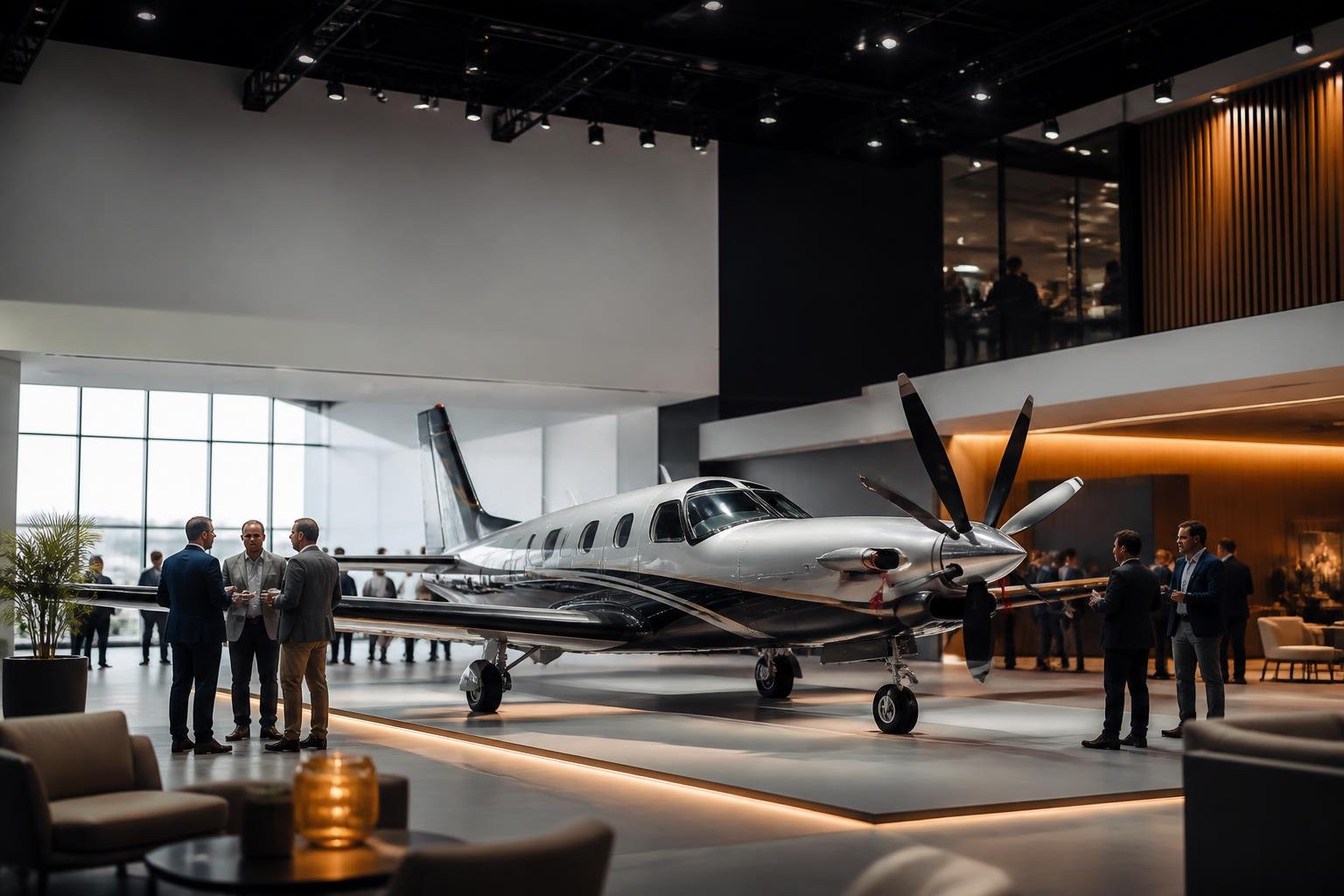
Aircraft auctions operate on a completely different model. Rather than engaging in long, drawn-out negotiations, an auction brings multiple pre-qualified buyers together to bid on an aircraft within a highly structured, time-limited window. Auctions can take place live in physical hangars or, increasingly, via dedicated online bidding platforms.
How Aircraft Auctions Work
In an auction scenario, the seller contracts with an auction house to list the aircraft. The aircraft is marketed aggressively for a set period, during which potential buyers can review digital logbooks and, in some cases, arrange brief visual inspections. The auction house sets a specific date and time for bidding.
Auctions can be run as "reserve" (where the aircraft will not be sold unless a minimum price set by the seller is met) or "no-reserve" (where the aircraft sells to the highest bidder, regardless of price). Once the hammer falls, the winning bidder is legally obligated to complete the purchase under strict, pre-defined terms.
Advantages of the Auction Method
- Speed and Efficiency: Auctions are famous for accelerating the sales cycle. The entire process, from listing to closing, can often be completed in a matter of weeks rather than months.
- Market-Driven Pricing: An auction creates urgent competition. If multiple buyers are interested in a rare or highly desirable aircraft, bidding wars can drive the final price beyond what a traditional broker might have estimated.
- Certainty of Sale: For sellers utilizing a no-reserve structure, a sale is guaranteed on the day of the auction. This eliminates the holding costs of storing, insuring, and maintaining an unwanted aircraft.
- Simplified Negotiations: The terms of an auction are set in stone beforehand. There are no post-bid negotiations regarding maintenance items or minor cosmetic defects.
Disadvantages of the Auction Method
- Limited Due Diligence for Buyers: Buyers at auctions often purchase aircraft "as-is, where-is." While logbooks are usually made available, there is rarely an opportunity for a comprehensive, multi-day pre-purchase inspection at an independent maintenance facility before the bidding concludes.
- Buyer's Premium: Most auction houses charge a buyer's premium (often 5% to 10% of the high bid), which the winning bidder must pay on top of the purchase price.
- Risk of Underpricing: For sellers, a poorly attended auction or a low turnout for a reserve-less auction can result in the aircraft selling far below its true market value.
Direct Comparison: Auction vs. Broker
To help visualize the fundamental differences between these two transactional avenues, review the comparison table below:
| Feature / Parameter | Aircraft Broker | Aircraft Auction |
|---|---|---|
| Transaction Timeline | Typically 2 to 9 months; highly variable. | Fast; often completed in 30 to 45 days total. |
| Pricing Mechanism | Negotiated based on appraisal and comps. | Competitive bidding; determined live by market demand. |
| Pre-Purchase Inspection | Standard; heavily negotiated based on findings. | Limited; usually "as-is" based on historical records. |
| Transaction Fees | Seller pays commission (typically 1.5% - 5%). | Buyer's premium (5% - 10%) and/or seller entry fees. |
| Contract Flexibility | Highly customizable with contingencies. | Non-negotiable, standardized contracts. |
| Privacy level | High; listings can be kept entirely private. | Low; public bidding and highly visible marketing. |
How to Choose: A Guide for Sellers and Buyers
Deciding which route to take depends heavily on your risk tolerance, urgency, and the specific type of aircraft involved. Let us break down when each option shines brightest.
When to Choose an Aircraft Broker
A broker is almost always the superior choice if you are dealing with complex, high-value turbine aircraft (such as corporate jets or late-model turboprops) where maintenance history, complex avionics packages, and engine programs (like MSP or TAP) drastically alter the aircraft's value. In these tiers, skipping a comprehensive pre-purchase inspection is a massive financial risk that buyers should rarely accept.
Additionally, if you are a seller who is not in a rush and wants to maximize your net return by waiting for the perfect buyer who appreciates your aircraft’s unique upgrades (such as custom Garmin glass cockpits or newly overhauled engines), a broker is your best advocate.
When to Choose an Aircraft Auction
Auctions are highly effective for liquidating estates, fleet turn-overs, or selling vintage and utility aircraft (such as classic tailwheel models from American Champion, Aviat, or Stearman) where the buyer pool is highly enthusiastic and the mechanical complexity is relatively low. For buyers who are mechanically inclined, capable of reading and verifying logbooks independently, and willing to accept some level of risk in exchange for a potentially great deal, auctions can yield fantastic purchases.
Sellers who face looming storage costs, partnership dissolutions, or tax deadlines will find that the speed and structural finality of an auction process far outweigh the benefits of waiting for a traditional buyer through a brokerage.
Conclusion: Navigating Your Transaction Safely
Ultimately, both brokers and auctions serve critical functions in the global aviation marketplace. If your priority is maximum financial protection, comprehensive due diligence, and tailored guidance, partnering with an experienced aircraft broker remains the gold standard. If your priority is transactional speed, transparency, and a guaranteed exit timeline, an aircraft auction offers an incredibly efficient modern solution.

Comments
Join the conversation
Share your thoughts about this article
No comments yet
Be the first to share your thoughts!