
 Bad Vöslau
 Kirn
Kirn
 Florida
Stearman PT-17 vs Tiger Moth: Which Classic Trainer Is Better to Own?
The Boeing-Stearman PT-17 vs de Havilland Tiger Moth decision is not simply American radial power versus British lightweight engineering. Both are tandem-seat, open-cockpit biplane trainers with fabric-covered structures, conventional landing gear and substantial wooden wing components. Both also require specialist knowledge that goes well beyond ordinary modern light-aircraft maintenance.
The larger ownership difference lies in their engines, size, operating character, historical ecosystems and the specialist support available near the buyer. The PT-17 brings Continental radial-engine character and the substantial feel of an American military trainer. The Tiger Moth uses the narrower de Havilland Gipsy Major inverted inline engine and represents the classic British and Commonwealth training tradition.
For either aircraft, condition and documentation should outrank model preference. A well-restored Tiger Moth with strong records and nearby support can be a better purchase than a superficially attractive Stearman with uncertain structure, and the reverse is equally true.
Stearman vs Tiger Moth: Quick Comparison
| Comparison | Boeing-Stearman PT-17 | de Havilland Tiger Moth |
|---|---|---|
| Primary role | Two-seat military primary trainer | Two-seat primary trainer |
| Fuselage structure | Welded steel tube with fabric covering | Steel-tube structure with fabric and thin-plywood covering/forming |
| Wing structure | Wooden wings with fabric covering | Timber/wooden wings with fabric covering |
| Engine character | Continental radial on the historical PT-17 specification | de Havilland Gipsy Major inverted inline engine |
| Historical engine power | 220 hp Continental R-670-5 | Approx. 130 hp Gipsy Major I |
| Published gross/max weight reference | 2,717 lb / approx. 1,232 kg | 803 kg on the RAAF DH.82A reference |
| Published wingspan | 32 ft 2 in / approx. 9.8 m | 8.94 m / 29 ft 4 in |
| Key support requirement | Radial-engine + wood/fabric/steel-tube biplane expertise | Gipsy Major + wood/fabric/steel-tube biplane expertise |
| Best purchase filter | Condition, restoration quality and records | Condition, restoration quality and records |
These are historical/model-level reference specifications. Surviving aircraft may have different engines, equipment, weights, modifications and certification status. Always verify the individual aircraft.
Construction: Both Aircraft Use Steel, Wood and Fabric
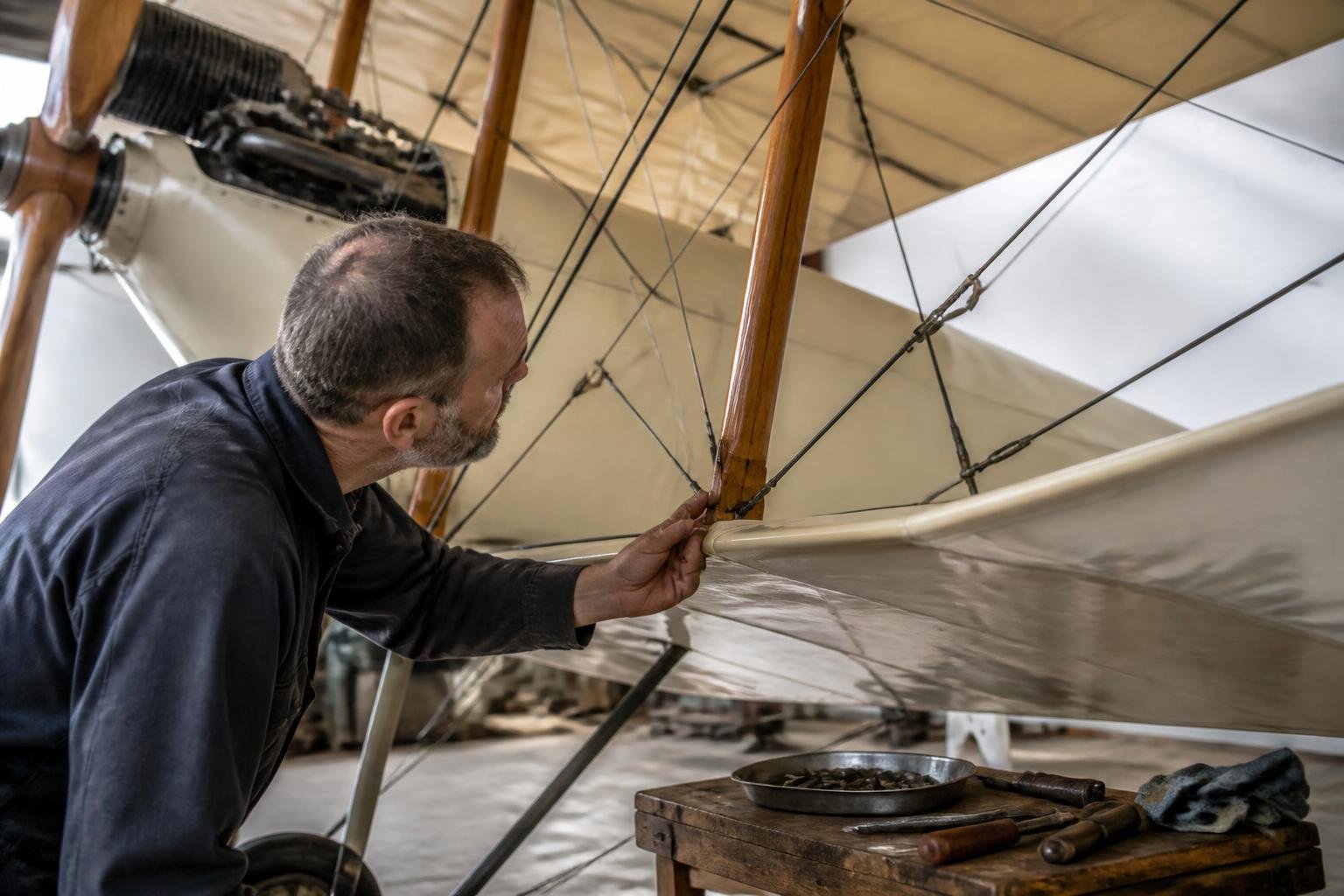
The construction comparison is more nuanced than describing the Stearman as a steel aircraft and the Tiger Moth as a wooden aircraft.
Boeing-Stearman PT-17
Boeing's historical documentation describes the Kaydet with fabric-covered wooden wings and an over-built welded-steel fuselage.
A Stearman pre-buy therefore needs expertise in all three major areas:
- Steel-tube fuselage corrosion and previous welding or repairs.
- Wooden wing spars, ribs and associated fittings.
- Fabric condition and covering history.
- Flying and landing wires.
- Fittings and attachment points.
- Landing-gear structure.
Fabric can hide both steel and wooden structural concerns. Restoration photographs showing the aircraft uncovered can therefore be particularly valuable.
de Havilland Tiger Moth
The Royal Australian Air Force describes its DH.82A Tiger Moth as having a steel-tube fuselage covered in fabric and thin plywood, while the wings and tailplane are timber structures covered with fabric.
The Tiger Moth therefore also requires inspection of:
- Steel-tube fuselage condition.
- Wooden wing and tail structure.
- Glue joints and previous wood repairs where applicable.
- Fabric and finish condition.
- Bracing wires and fittings.
- Control cables, pulleys and attachments.
Structural takeaway: wood inspection is not a Tiger-Moth-only issue. Both types have important wooden wing structures. The buyer needs a technician who understands vintage mixed-construction biplanes rather than someone experienced only with modern aluminium aircraft.
Two Trainers, Different Character
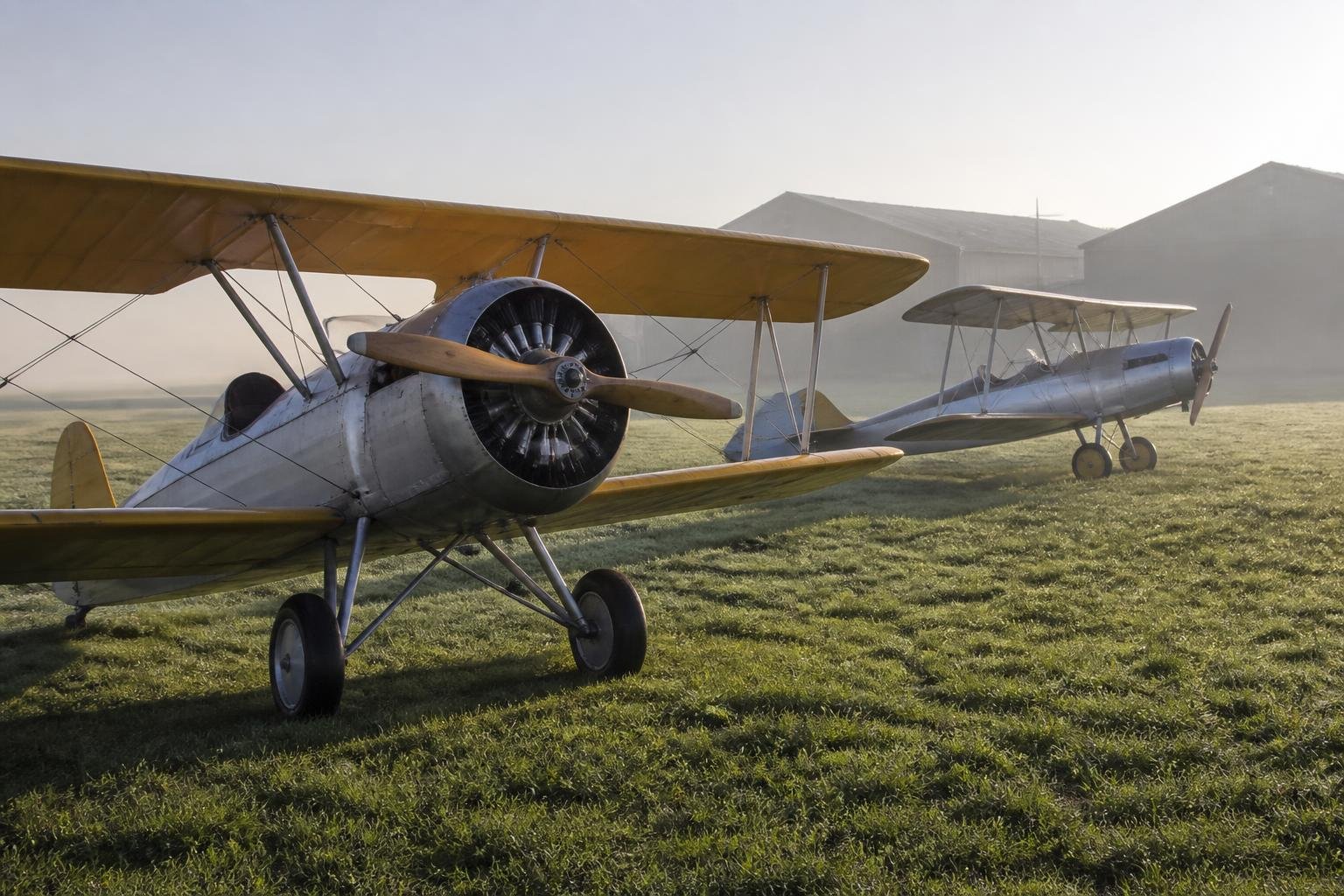
Boeing introduced the Kaydet family as a rugged primary trainer. Boeing lists the Wichita Model 75 with a gross weight of 2,717 lb, a 32 ft 2 in wingspan and, for the PT-17 specification, a 220 hp Continental R-670-5 radial engine.
The Tiger Moth was developed by de Havilland as a primary trainer and became a central part of British and Commonwealth elementary flying training. The RAAF's DH.82A reference lists a maximum weight of 803 kg, wingspan of 8.94 m and a 130 hp Gipsy Major I.
The numbers illustrate an important ownership difference: the Stearman is the larger and substantially heavier aircraft. That does not make it automatically harder or better to own, but it affects hangar requirements, ground handling, engine support and the overall physical presence of the aircraft.
Engine Ownership: Continental Radial vs Gipsy Major
Stearman PT-17
The original Boeing PT-17 reference uses Continental R-670 radial power. Surviving aircraft, however, should be evaluated by their actual installed engine.
For example, the 1941 Boeing-Stearman PT-17 Kaydet currently listed on CollectAirs uses a Continental W-670-6A rather than simply being assumed to match the original historical R-670-5 specification.
A Stearman buyer should review:
- Exact engine model and serial number.
- Time and calendar history since overhaul.
- Recent utilization.
- Cylinder condition.
- Magnetos and ignition system.
- Oil consumption and leak history.
- Carburettor and fuel-system condition.
- Exhaust condition.
- Access to a shop experienced with the installed radial.
Tiger Moth
The Tiger Moth is closely associated with the de Havilland Gipsy Major, an air-cooled inverted four-cylinder inline engine.
Its maintenance environment differs from the Stearman's radial, but the buying principles remain similar:
- Verify exact engine identity.
- Review overhaul documentation and calendar age.
- Investigate long periods of inactivity.
- Review oil and fuel-system history.
- Check magnetos, ignition and accessories.
- Confirm access to Gipsy Major parts and expertise.
Engine takeaway: the most important engine difference is not simply radial versus inline. It is whether the buyer has competent local support for the exact installed engine.
Flying Characteristics and Training
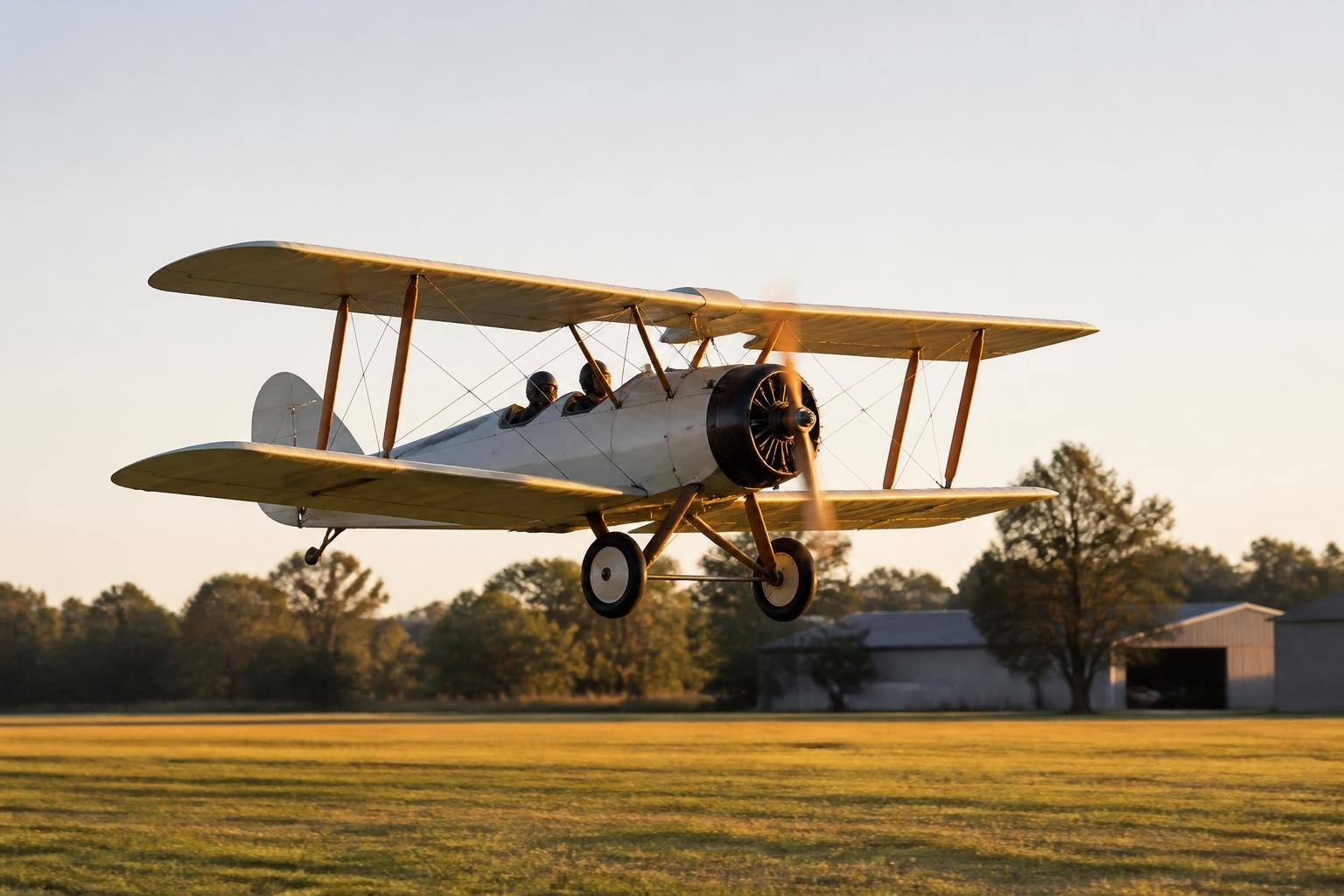
Both aircraft require disciplined conventional-gear technique. Forward visibility on the ground, crosswind control, braking technique and energy management deserve specific training.
The Stearman is larger and heavier in historical specification, which contributes to its distinctive physical presence and operating feel. The Tiger Moth is lighter and is strongly associated with traditional elementary stick-and-rudder training.
Those descriptions should not replace a type-specific flight evaluation. Rigging, control condition, tyres, brakes, CG position and individual aircraft setup can materially change how a particular example feels.
Before buying either type:
- Find an instructor familiar with the aircraft.
- Ask the insurer what checkout or experience it requires.
- Confirm access to an appropriate runway.
- Consider crosswind exposure at the home field.
- Be realistic about open-cockpit weather limitations.
Which Aircraft Fits Which Owner?
| Buyer priority | Aircraft to investigate first | Why |
|---|---|---|
| American military-trainer heritage | PT-17 | Strong association with U.S. Army Air Corps primary training. |
| British/Commonwealth training heritage | Tiger Moth | One of the defining RAF and Commonwealth elementary trainers. |
| Radial-engine experience | PT-17 | Historical PT-17 configuration uses Continental radial power. |
| Gipsy Major expertise already available locally | Tiger Moth | Existing maintenance support can outweigh broader model preference. |
| Smaller/lighter historical reference aircraft | Tiger Moth | Its published size and maximum weight are lower. |
| Large visual presence and radial sound | PT-17 | Part of the defining Stearman ownership experience. |
| Strong local specialist support for one type | Whichever type has the better support | Maintenance access is a major long-term ownership advantage. |
Pre-Buy Inspection: Structural Priorities
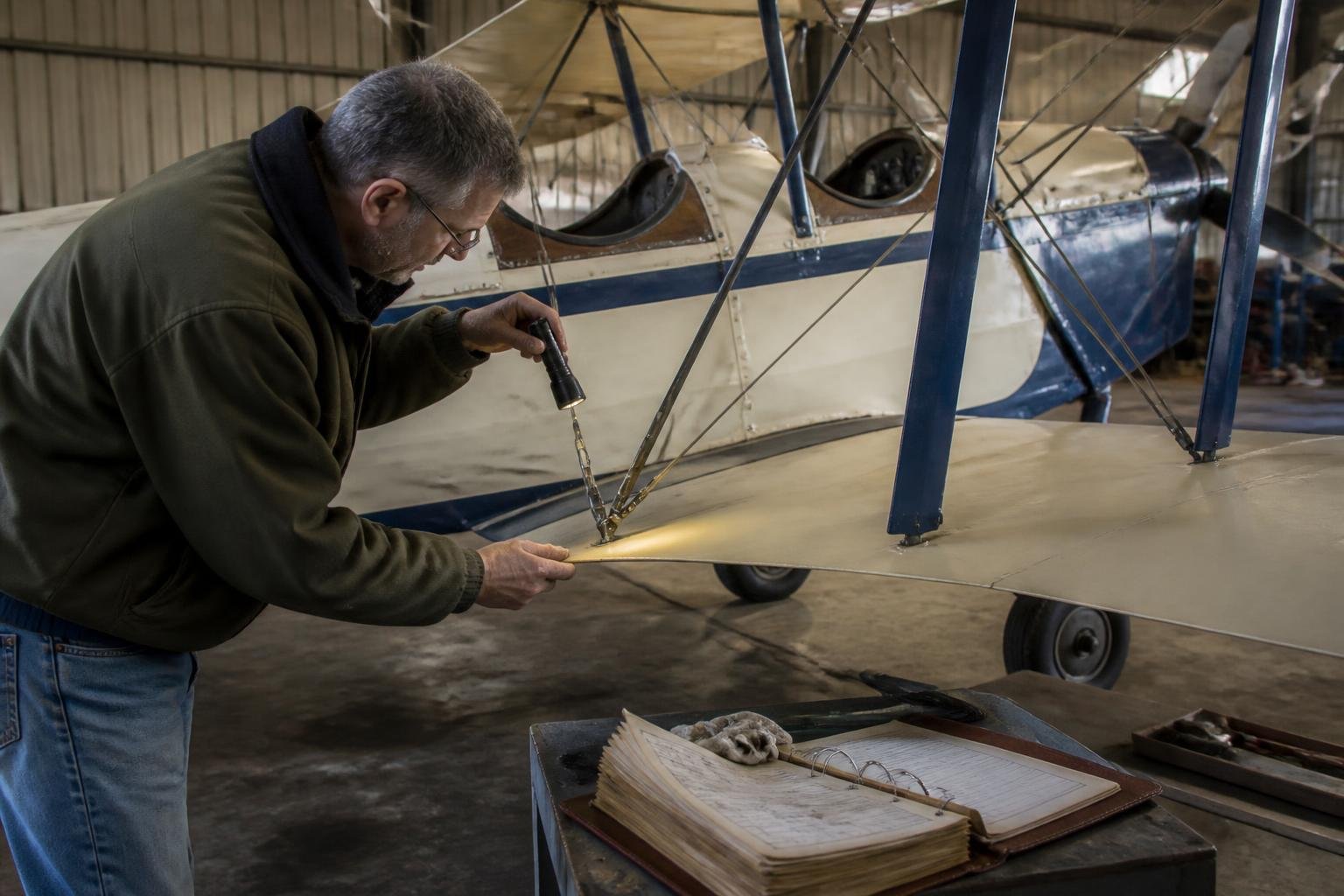
| Inspection area | PT-17 | Tiger Moth |
|---|---|---|
| Fuselage | Welded steel tube: corrosion, repairs, lower structure and fittings | Steel tube with fabric/thin-plywood covering: corrosion, repairs and attachment areas |
| Wings | Wood structure with fabric covering | Timber structure with fabric covering |
| Tail | Inspect according to aircraft-specific construction and restoration history | Timber tailplane with fabric covering on the RAAF reference configuration |
| Fabric | Age, covering system, UV exposure, repairs and documentation | Age, covering system, UV exposure, repairs and documentation |
| Bracing | Flying/landing wires, fittings and rigging | Flying/landing wires, fittings and rigging |
| Engine | Exact Continental or other installed radial configuration | Gipsy Major identity, history and support |
| Restoration | Photographs, invoices, structural work and component identity | Photographs, invoices, wood/steel work and component identity |
Use an independent technician familiar with the specific type or closely related vintage mixed-construction biplanes.
The CollectAirs Aircraft Pre-Buy Inspection Checklist provides a broader framework for records, technical inspection and buyer-directed due diligence.
Fabric, Wood and Restoration History
For both aircraft, fabric condition should be considered together with the structure hidden beneath it.
Request:
- Date and type of covering system.
- Restoration photographs showing uncovered structure.
- Wood repair documentation.
- Steel-tube inspection and repair records.
- Evidence of corrosion treatment.
- Rigging work.
- Major-component replacement records.
An attractive external finish cannot confirm spar condition, steel-tube condition or the quality of a repair hidden underneath.
Wood should be assessed for moisture exposure, deterioration, previous repairs and the quality of joints and structural work. Steel tubing should be checked for corrosion, damage and repair quality.
This applies to both the Stearman and Tiger Moth.
Records, Restoration and Provenance
Historical identity has real interest in this market, but provenance should be supported by evidence.
Review:
- Airframe identity and serial number.
- Registration history.
- Airframe, engine and propeller logbooks.
- Restoration photographs and invoices.
- Damage and repair history.
- Engine or propeller changes.
- Weight-and-balance changes.
- Military or training history documentation where claimed.
A military paint scheme is not proof of wartime history. Conversely, replacement wood, tubing or fabric does not automatically make an aircraft undesirable. High-quality documented restoration can be more valuable to an active owner than questionable originality.
Storage, Maintenance and Insurance
Both types strongly favour dry covered storage.
Wood, fabric and steel all respond poorly to unmanaged moisture. Fabric additionally suffers from ultraviolet exposure, while trapped moisture can affect hidden steel and wooden components.
Before purchase, confirm:
- Suitable hangar dimensions.
- Dry storage conditions.
- Access to a vintage-aircraft technician.
- Engine-specific support.
- Availability of type knowledge and parts.
- Insurance requirements.
- Transition-training availability.
The practical winner can therefore depend on geography. A Tiger Moth may be the easier aircraft to own in one region, while a Stearman may be much easier in another.
Compare Current Stearman and Tiger Moth Examples
CollectAirs currently provides examples of both aircraft that can be used to turn this model-level comparison into aircraft-specific due diligence.
Current Boeing-Stearman PT-17
The 1941 Boeing-Stearman PT-17 Kaydet currently live on CollectAirs is based in Hildesheim, Germany.
The listing identifies:
- Continental W-670-6A radial engine.
- Approximately 150 hours since major overhaul.
- Approximately 45 hours since its 2015 restoration.
- 4,766 hours total airframe time.
- Scanned logbooks and restoration records available for review.
It is a useful example of why buyers should evaluate the installed engine and restoration records rather than assuming the current aircraft exactly matches the original historical PT-17 specification.
Current de Havilland Tiger Moth
A de Havilland DH.82 Tiger Moth is currently listed as Coming Soon on CollectAirs.
Its listing identifies the type as a tandem-seat open-cockpit trainer associated with the 130 hp Gipsy Major and gives buyers a direct destination to follow as aircraft-specific documentation and auction information become available.
Marketplace takeaway: use the model comparison to decide which aircraft deserves deeper investigation, then switch immediately to aircraft-specific documents, condition and maintenance history.
Final Stearman vs Tiger Moth Buyer Checklist
| Question | PT-17 | Tiger Moth |
|---|---|---|
| Is the aircraft identity clear? | ☐ | ☐ |
| Is restoration history documented? | ☐ | ☐ |
| Have wooden wing structures been properly assessed? | ☐ | ☐ |
| Has the steel-tube fuselage been assessed? | ☐ | ☐ |
| Is fabric condition/documentation acceptable? | ☐ | ☐ |
| Are engine records convincing? | ☐ | ☐ |
| Is specialist engine support available locally? | ☐ | ☐ |
| Are rigging and wires satisfactory? | ☐ | ☐ |
| Can the aircraft be insured on acceptable terms? | ☐ | ☐ |
| Is qualified transition training available? | ☐ | ☐ |
| Is suitable dry hangarage available? | ☐ | ☐ |
Final Comparison: Which One Should You Buy?
Choose the Stearman PT-17 first if radial-engine character, American military-trainer heritage and the larger physical presence of the Model 75 family are central to the ownership experience you want—and you have reliable access to radial-engine and vintage-structure expertise.
Choose the Tiger Moth first if British/Commonwealth training heritage, the Gipsy Major experience and the smaller, lighter historical airframe better match your interests—and you have access to specialists familiar with the type's engine and mixed steel/wood/fabric structure.
But do not choose between them based on the false idea that one is fundamentally a steel aircraft and the other a wooden aircraft. Both require serious attention to steel-tube structure, wooden wings, fabric, rigging and restoration history.
The strongest purchase is the aircraft with better structural evidence, better records and better specialist support for your location.
Ready to compare real examples? Review the Boeing-Stearman PT-17 currently live on CollectAirs and the de Havilland DH.82 Tiger Moth currently coming to CollectAirs, then compare their actual restoration history, engine configuration, records and pre-buy findings before choosing between the two types.
Sources & Further Reading
- Boeing — Stearman Kaydet / Model 75 Historical Specifications
- Royal Australian Air Force — DH.82A Tiger Moth
- CollectAirs — Boeing-Stearman PT-17 Buyer's Guide
- CollectAirs — Aircraft Pre-Buy Inspection Checklist
- CollectAirs — Aircraft Logbook Guide
- CollectAirs — Boeing-Stearman PT-17 Kaydet
- CollectAirs — de Havilland DH.82 Tiger Moth
Technical note: historical manufacturer and military specifications describe reference configurations. Surviving vintage aircraft can differ substantially through restoration, engine changes, repairs, equipment and certification. Always evaluate the individual aircraft and its current approved documentation.
Comments
No comments yet
Be the first to share your thoughts!