
 Bad Vöslau
 Kirn
Kirn
 Florida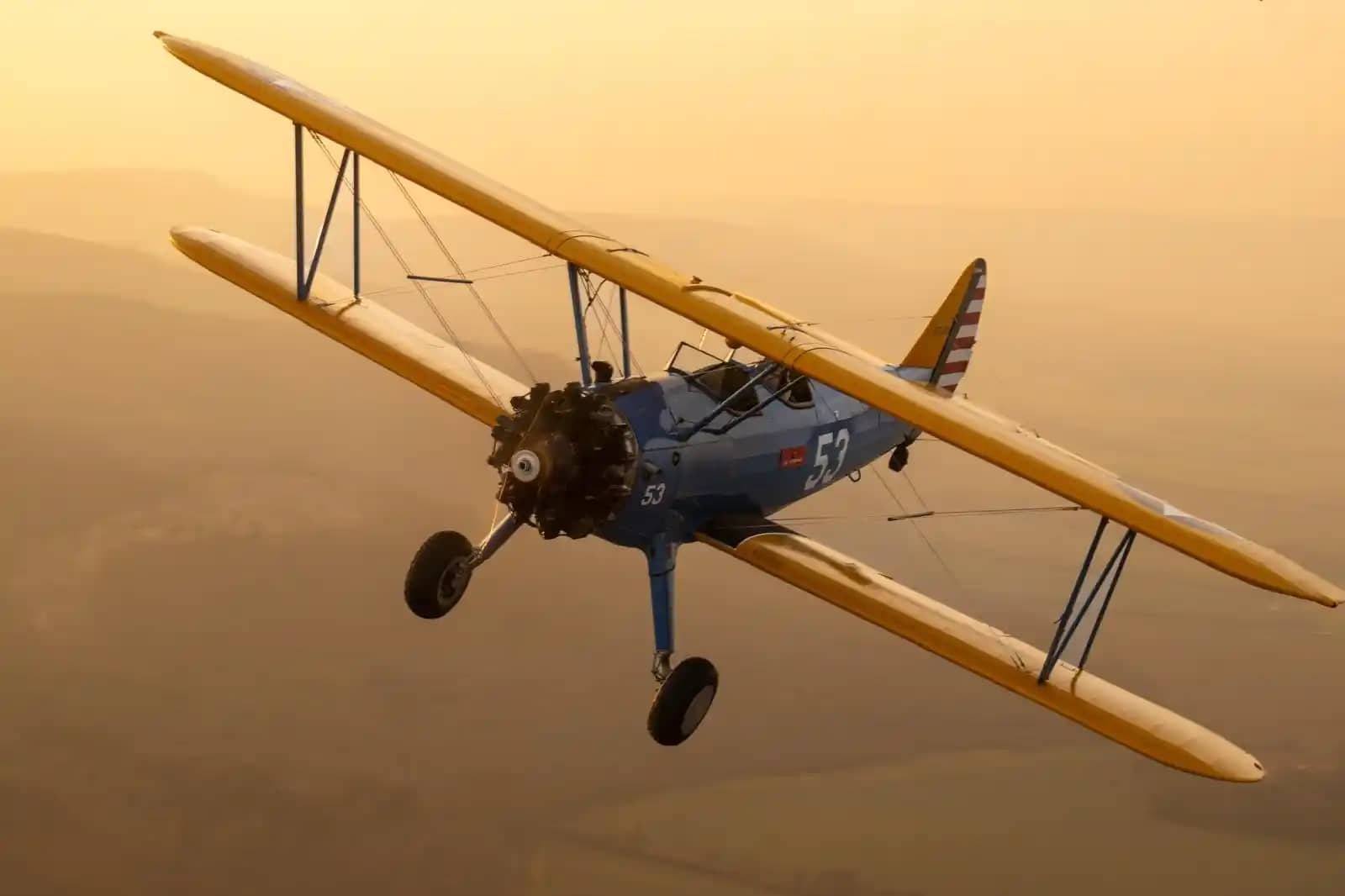
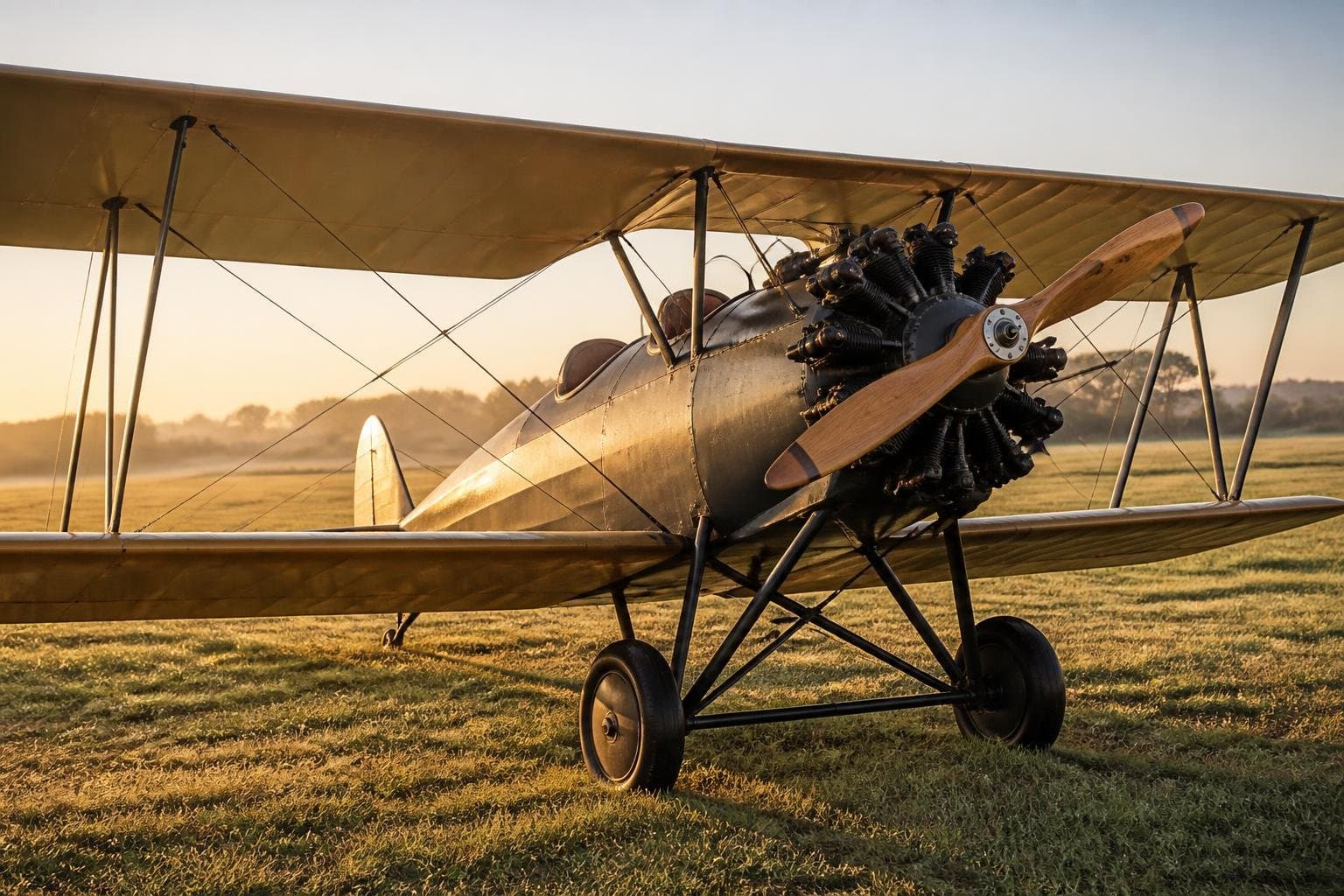
A Boeing-Stearman PT-17 can be one of the most characterful historic aircraft to own, but buying one requires a different mindset from purchasing a conventional modern light aircraft. Structure, restoration quality, aircraft identity, radial-engine history and documentation often matter more than paint quality, low recent hours or an attractive military presentation.
The PT-17 belongs to Boeing's Model 75 Kaydet family of two-seat primary trainers. Boeing's historical documentation identifies the PT-17 with a 220 hp Continental R-670-5 radial engine and describes the Kaydet with fabric-covered wooden wings and an overbuilt welded-steel fuselage. Surviving aircraft, however, have experienced decades of repairs, restorations, engine changes and civilian modifications, so the individual aircraft must always take priority over the original factory specification.
If you are evaluating a Boeing Stearman PT-17 for sale, begin with identity and records, then move to structure, fabric, engine, propeller, rigging and restoration quality. Use an independent inspector with direct Stearman or Model 75 experience before making a non-refundable commitment.
PT-17 Quick Buyer Check
| Buyer check | What matters most |
|---|---|
| Aircraft identity | Data plate, serial number, registration and historical records should describe the same aircraft. |
| Steel-tube fuselage | Corrosion, repairs, lower longerons, clusters and areas exposed to trapped moisture. |
| Wooden wings | Spar and rib condition, moisture exposure, repairs and evidence from previous restoration work. |
| Fabric covering | Age, covering system, UV exposure, stitching, finish condition and repair history. |
| Radial engine | Exact engine model, serial number, hours, overhaul records, inactivity and maintenance continuity. |
| Propeller | Identity, condition, maintenance history, repair records and compatibility with the approved configuration. |
| Restoration | Who completed it, when, what was replaced and whether photographs, invoices and signed records survive. |
| Authenticity | Military markings and presentation should be supported by documentation if historical provenance is claimed. |
| Training | Tailwheel and biplane transition training plus insurer requirements. |
| Storage | Dry, protected hangarage and evidence of responsible preservation. |
Understanding the Model 75 and PT-17 Identity
“Stearman” is often used loosely for a broad family of visually similar Boeing-Stearman trainers, but the historical Model 75 family included several military designations and engine installations.
Boeing's own historical specification identifies the Kaydet as the Wichita Model 75 and associates the PT-17 with a 220 hp Continental R-670-5 radial engine. The family also appeared in other Army and Navy variants with different radial powerplants.
That original history is useful, but it does not establish the configuration of a surviving aircraft today. FAA registration records for surviving aircraft demonstrate that Model 75/PT-17 airframes can now appear with different engine installations and categories after decades of civilian service and modification.
For that reason, begin with:
- Manufacturer or airframe data plate.
- Serial number.
- Current registration.
- Airworthiness documentation.
- Airframe logbooks.
- Engine and propeller identity.
- Restoration records.
- Historical documents supporting any claimed provenance.
Do not let a period paint scheme establish authenticity for you. Stars, military numbers, stencils and vintage-looking cockpit equipment can be historically accurate, modern reproductions or simply an owner's preferred presentation.
Buyer takeaway: buy the documented aircraft, not the paint scheme.
Is a PT-17 Right for Your Mission?
The PT-17 is best suited to owners who value historic aviation, open-cockpit flying, local recreation, display flying and the experience of operating a large conventional-gear biplane.
It is not an efficient modern travelling aircraft. The open cockpits make temperature, rain, wind, sun exposure and passenger preparation more important. Baggage capability is limited, and longer trips depend heavily on weather, fuel planning and access to suitable airports.
Tailwheel proficiency is also central to ownership. Insurance may require documented tailwheel experience or transition instruction, and the most useful training comes from an instructor familiar with large conventional-gear aircraft and, ideally, Stearmans or similar biplanes.
| Mission | PT-17 fit |
|---|---|
| Historic recreational flying | Excellent fit |
| Displays and heritage events | Strong fit |
| Local passenger experience | Potentially suitable with appropriate approvals, insurance and operating procedures |
| Long-distance touring | Possible, but weather protection, speed, baggage and logistics are limiting factors |
| Routine transport | Not its strongest mission |
Identity, Authenticity and Restoration History
A restored Stearman can contain components from different periods while still being an excellent aircraft. The key question is not whether every component left the factory together in the 1940s. It is whether the aircraft's present identity, repair history and configuration are traceable and accurately represented.
Request a restoration history answering:
- When was the restoration completed?
- Who performed the work?
- Was the fuselage stripped for inspection?
- What tubing was repaired or replaced?
- What wing work was performed?
- Which fabric system was used?
- Was the engine overhauled or replaced?
- Was the propeller replaced or overhauled?
- Were electrical or avionics systems added?
- Do photographs exist from the aircraft while uncovered?
- Are invoices, work orders and signed maintenance records available?
Photographs from an aircraft during restoration can be particularly valuable because they show structural areas that may now be hidden beneath fabric and finish.
Historical provenance should be evaluated separately from restoration quality. A beautifully restored aircraft can be an excellent flying machine without having a fully documented combat or training history. Conversely, an aircraft with valuable historical continuity can still require significant technical work.
Airframe Inspection: Steel Tube, Wood, Fabric and Rigging
Boeing describes the Kaydet with fabric-covered wooden wings and a welded-steel fuselage. That combination creates several distinct inspection disciplines.
Steel-Tube Fuselage
The fuselage can remain durable for decades when properly protected, but corrosion can develop internally or in areas exposed to moisture.
An experienced inspector should pay particular attention to:
- Lower longerons.
- Welded clusters.
- Landing-gear attachment areas.
- Drainage and low points.
- Areas previously repaired.
- Evidence of internal corrosion.
- Distortion or poor-quality welding.
Access may be limited once the aircraft is covered, which makes restoration records and photographs especially valuable.
Wooden Wings
The appearance of the fabric does not establish the condition of the wooden structure beneath it. Wing inspection should consider spars, ribs, compression members, fittings and previous repairs.
Ask about:
- Moisture exposure.
- Hangar history.
- Previous wing repairs.
- Inspection access used during restoration.
- Any replacement spars or structural components.
Fabric Covering
Fabric age alone is not a complete condition assessment, but it remains an important planning factor. Identify the covering system and installation date, then review UV exposure, finish cracking, abrasion, staining, stitching and previous repair work.
A recently painted surface should not automatically be interpreted as recently replaced fabric.
Rigging and Hardware
Inspect flying wires, landing wires, terminals, turnbuckles, struts and attachment fittings for corrosion, security and evidence of correct adjustment.
Wing alignment and rigging condition can affect both handling and the cost of bringing an aircraft to a satisfactory standard.
Continental Radial Engine and Propeller
The historical PT-17 specification used Continental R-670 power, but a buyer should identify the actual installed engine from the data plate and maintenance records rather than assuming originality.
For the engine, review:
- Model and serial number.
- Total time.
- Time since overhaul where applicable.
- Overhaul date as well as operating hours.
- Facility or mechanic responsible for major work.
- Periods of inactivity.
- Preservation history.
- Oil-pressure history.
- Compression information where available.
- Magnetos, ignition harnesses and spark plugs.
- Carburetion and fuel-system history.
- Exhaust condition.
- Recurring leaks or maintenance findings.
A low time-since-overhaul number should not be considered in isolation. A radial engine that has accumulated few hours over many years may deserve additional investigation because calendar time, storage environment and frequency of operation all matter.
Some oil seepage can occur on older radial installations, but “radials leak oil” should never be used to dismiss an unidentified or worsening leak. Establish its source and maintenance history.
Propeller
Identify the exact propeller and hub and review their maintenance history separately from the engine.
Investigate:
- Time in service.
- Repair history.
- Blade condition.
- Hub condition.
- Tracking and vibration reports.
- Any propeller strike or abrupt-stoppage history.
- Compatibility with the aircraft's current approved configuration.
Cockpits, Controls and Equipment
The front and rear cockpits should be evaluated as working operating positions rather than historical displays.
Check:
- Control movement and condition.
- Cable routing and pulleys.
- Fairleads and turnbuckles.
- Seats and floorboards.
- Windshields.
- Harnesses and restraints.
- Instrument condition.
- Radio and transponder installation.
- Electrical wiring and circuit protection.
Many surviving Stearmans have received modern radios, transponders, ELTs, brakes, starters or other upgrades. These can significantly improve usability, but every modification should be assessed for workmanship, documentation and its effect on weight and balance.
PT-17 Pre-Buy Checklist: What Matters Most
A Stearman pre-buy is most useful when findings are prioritised rather than presented as one long list.
Priority 1: Potential Deal-Breakers or Major Concerns
- Unexplained mismatch between airframe identity, serial number, registration and records.
- Significant undocumented structural repairs.
- Serious steel-tube corrosion.
- Material deterioration or questionable repairs in wooden wing structure.
- Major rigging or attachment-point concerns.
- Unresolved title, ownership or registration problems.
- Missing evidence for major engine, propeller or structural work.
Priority 2: Potential Near-Term Expenses
- Fabric approaching replacement or substantial repair.
- Radial-engine work.
- Magneto or ignition work.
- Propeller inspection, repair or replacement.
- Wing or rigging corrections.
- Brakes, tires or tailwheel work.
- Ageing avionics or electrical systems.
- Corrosion treatment.
- Hangar or preservation improvements.
Priority 3: Documentation Questions
- Restoration photographs and invoices.
- Engine overhaul records.
- Propeller records.
- Fabric system and installation date.
- Damage and repair history.
- Weight-and-balance changes.
- Historical provenance.
- Modification approvals.
- Annual inspection continuity.
Ask the inspector to separate immediate safety or regulatory findings from maintenance that can reasonably be planned later. That distinction makes the report much more useful for negotiation.
Records, Title and Regulatory Status
Maintenance records for an aircraft of this age may not be perfectly continuous, but gaps should be identified and understood rather than ignored.
FAA guidance on maintenance records requires appropriate documentation of maintenance, repairs, alterations and required inspections. For an N-registered aircraft, buyers can also request FAA aircraft records as part of ownership and historical due diligence.
Review:
- Airframe logbooks.
- Engine logbooks.
- Propeller records.
- Annual inspection entries.
- Major repairs and alterations.
- Airworthiness Directive status where applicable.
- Current registration.
- Airworthiness certificate.
- Ownership chain.
- Liens or security interests.
FAA Registry information is useful for checking registration identity and historical records, but the FAA itself cautions that registry data alone should not be used as an airworthiness determination. Technical condition still requires aircraft records and physical inspection.
If the aircraft is being purchased across borders, establish registration eligibility, export requirements, customs or VAT position and insurance before money is transferred.
Maintenance Support, Training and Storage
Before purchasing a PT-17, identify who will maintain it.
The ideal support network includes people experienced with:
- Stearman or similar vintage biplanes.
- Fabric aircraft.
- Wood structures.
- Welded steel-tube structures.
- Continental radial engines.
- Conventional landing gear.
Specialist knowledge can matter more than proximity. A shop ten minutes away with no relevant vintage-aircraft experience may be less useful than an established specialist farther away.
Protected hangarage should also be part of the purchase plan. Fabric, wooden components and steel structure all benefit from a dry and well-managed storage environment.
Before closing, obtain insurance indications and confirm any required tailwheel, biplane or type-specific transition training.
A Current Boeing-Stearman PT-17 Example on CollectAirs
A real aircraft helps illustrate how this checklist should be used.
The 1941 Boeing-Stearman PT-17 Kaydet currently listed on CollectAirs is based in Hildesheim, Germany. The listing describes it as a restored US Army trainer with registration N75010 and approximately 45 hours flown since its 2015 restoration.
The listing currently identifies:
- Airframe: 4,766 total hours.
- Engine: Continental W-670-6A radial.
- Engine time: approximately 150 hours since major overhaul.
- Propeller: MT 248 R 132-GAJ.
- Propeller time: approximately 45 hours since new.
- Equipment: Trig radio and transponder, 406 MHz ELT, navigation lights, strobe and oil pre-heater.
- Records: scanned logbooks, annual inspection report and restoration records are stated as available for review.
Those details are useful starting points—not substitutes for due diligence.
A buyer applying this guide would still want to answer:
- Do the restoration photographs show the fuselage and wings while uncovered?
- What exact structural work was performed in 2015?
- Which fabric system was installed and what is its current condition?
- What documentation supports the engine overhaul and its calendar history?
- Do the airframe, engine and propeller records reconcile with the stated times?
- What does an independent Stearman-experienced inspector find today?
This is the distinction between reading a good aircraft listing and completing a good aircraft purchase.
How to Compare Two PT-17 Aircraft for Sale
| Comparison area | Aircraft A | Aircraft B |
|---|---|---|
| Identity and records continuity | __________ | __________ |
| Restoration year and quality | __________ | __________ |
| Structural inspection confidence | __________ | __________ |
| Fabric age and condition | __________ | __________ |
| Engine model | __________ | __________ |
| Engine hours / overhaul date | __________ | __________ |
| Propeller status | __________ | __________ |
| Recent flight activity | __________ | __________ |
| Hangar/storage history | __________ | __________ |
| Historical provenance | __________ | __________ |
| Immediate maintenance budget | __________ | __________ |
| Local specialist support | __________ | __________ |
A better-documented aircraft with credible restoration evidence and a clear maintenance history may justify a higher acquisition cost than a visually similar aircraft carrying more uncertainty.
Final Buying Decision
A good PT-17 purchase starts with five questions:
- Can I verify what aircraft this is?
- Can a qualified specialist assess the hidden steel, wood and fabric structure with reasonable confidence?
- Can I understand the radial-engine and propeller history?
- Do the restoration and maintenance records support the seller's description?
- Do I have the training, hangarage, insurance and specialist maintenance support needed to own it responsibly?
If those answers are strong, cosmetic appearance and historical presentation become meaningful additional benefits. If those answers are weak, attractive paint and low recent hours should not drive the purchase.
Evaluating a Stearman now? Review the 1941 Boeing-Stearman PT-17 Kaydet currently available on CollectAirs, examine its restoration records, engine and propeller history, and arrange an independent Model 75 pre-buy inspection before bidding.
Sources & Further Reading
- Boeing — Stearman Kaydet Trainer / Model 75 Historical Specifications
- FAA — Aircraft Registry
- FAA — Request Aircraft Records
- FAA AC 43-9D — Maintenance Records
- CollectAirs — Aircraft Pre-Buy Inspection Checklist
- CollectAirs — Aircraft Logbook Guide
- CollectAirs — Aircraft Damage History Guide
- CollectAirs — 1941 Boeing-Stearman PT-17 Kaydet
Historical specifications describe the original Model 75/PT-17 family and do not establish the current configuration or airworthiness of an individual surviving aircraft. Use the individual aircraft's records, approved documentation and an independent inspection for purchase decisions.

Comments
No comments yet
Be the first to share your thoughts!