
 Bad Vöslau
 Kirn
Kirn
 Florida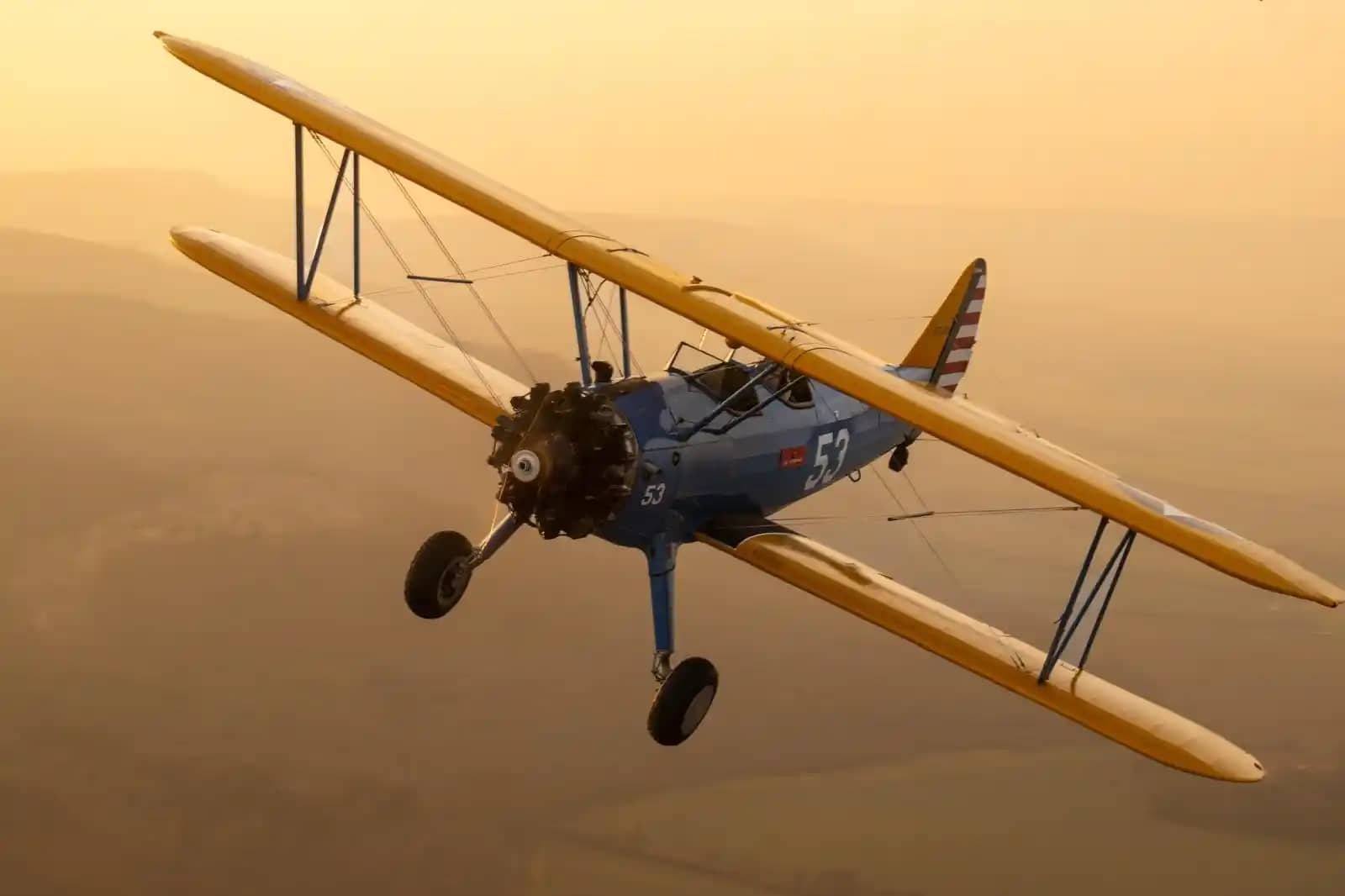
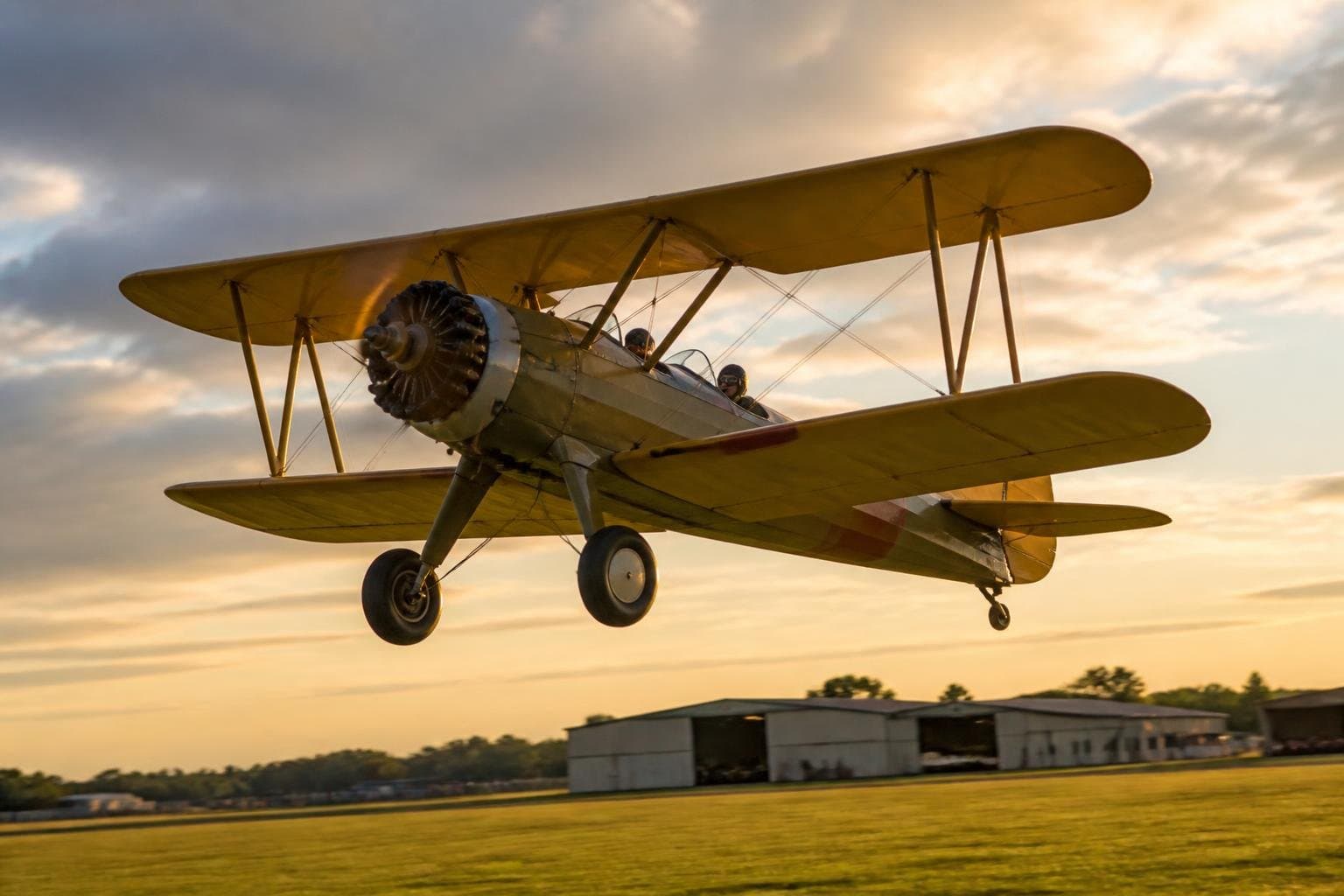
Boeing-Stearman Kaydet History: PT-13, PT-17, PT-18 & N2S Explained
The Boeing-Stearman Model 75 became one of the defining American primary trainers of the Second World War. Its familiar military designations—PT-13, PT-17, PT-18 and the U.S. Navy N2S series—refer mainly to service procurement versions and engine installations built around the same basic trainer family.
That distinction still matters today. A surviving aircraft may look like a PT-17 while carrying a different engine, postwar modifications or restoration choices accumulated during decades of civilian service. Accurate identification therefore begins with the airframe data plate, serial history, military records and engine documentation, not paint, cowling shape or the name used in an advertisement.
Stearman Kaydet Variants at a Glance
| Designation | Service | Historical engine family | Buyer / historian takeaway |
|---|---|---|---|
| PT-13 | U.S. Army | Lycoming R-680 | Lycoming-powered Model 75 branch |
| PT-17 | U.S. Army | Continental R-670 | Best-known Continental-powered Army version |
| PT-18 | U.S. Army | Jacobs R-755 | Smaller Jacobs-powered Army production branch |
| N2S-1 | U.S. Navy | Continental R-670 | Verify exact Navy subvariant and records |
| N2S-2 | U.S. Navy | Lycoming R-680 | Lycoming-powered Navy version |
| N2S-3 | U.S. Navy | Continental R-670 | Major Continental-powered Navy production version |
| N2S-4 | U.S. Navy | Continental R-670 | Closely related to Continental-powered Army production |
| N2S-5 | U.S. Navy | Lycoming R-680 | Standardized with the Army PT-13D/E75 production configuration |
Important: the Jacobs R-755 belongs to the Army PT-18 branch. It should not be treated as one of the standard N2S engine families.
What Was the Stearman Kaydet?
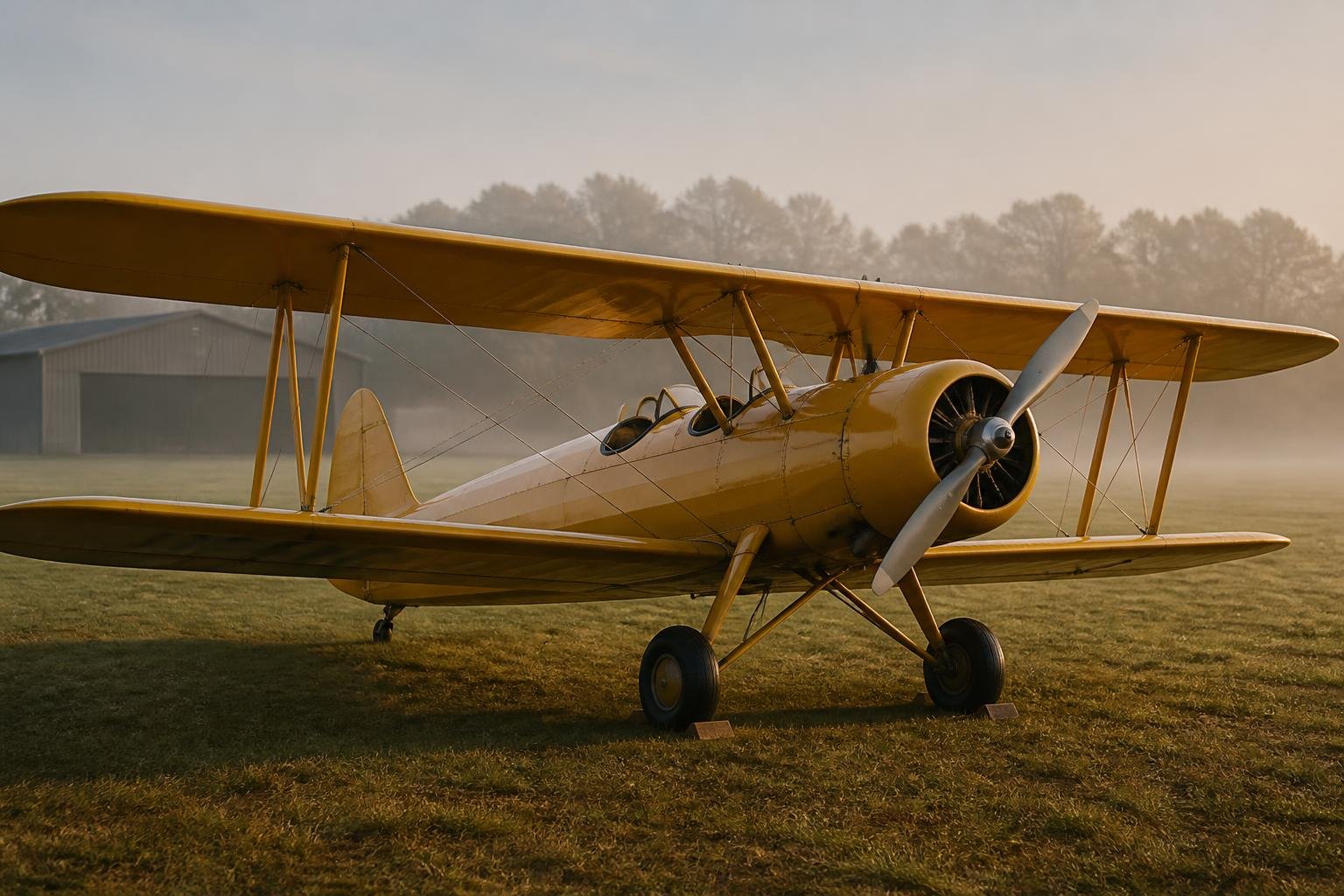
Boeing describes the Kaydet as a two-seat biplane trainer built by its Stearman Aircraft Division in Wichita. The production Model 75 combined fabric-covered wooden wings with an overbuilt welded-steel fuselage and radial-engine power.
Boeing lists 8,584 Kaydets built in all versions between 1936 and 1944, plus the equivalent of approximately 2,000 additional aircraft produced as spare parts. The aircraft served the U.S. Army Air Corps and later Army Air Forces as PT-series trainers and the U.S. Navy as N2S variants.
The design was deliberately straightforward. Fixed conventional landing gear, tandem open cockpits, simple systems and robust construction made it suitable for introducing large numbers of inexperienced students to military flying.
From Stearman to Boeing
The Stearman name predates the famous military trainer. Lloyd Stearman was one of the important figures in Wichita's early aviation industry, and Stearman Aircraft produced several civil and commercial aircraft before becoming part of Boeing.
By the time the Model 75 reached wartime production, the Wichita organization operated within Boeing, which explains why surviving aircraft and historical references may use several overlapping names:
- Stearman
- Boeing-Stearman
- Boeing Model 75
- Kaydet
- PT-13 / PT-17 / PT-18
- N2S
These names are related, but the military designation still matters when researching an aircraft's original engine and procurement history.
Model 75 Construction
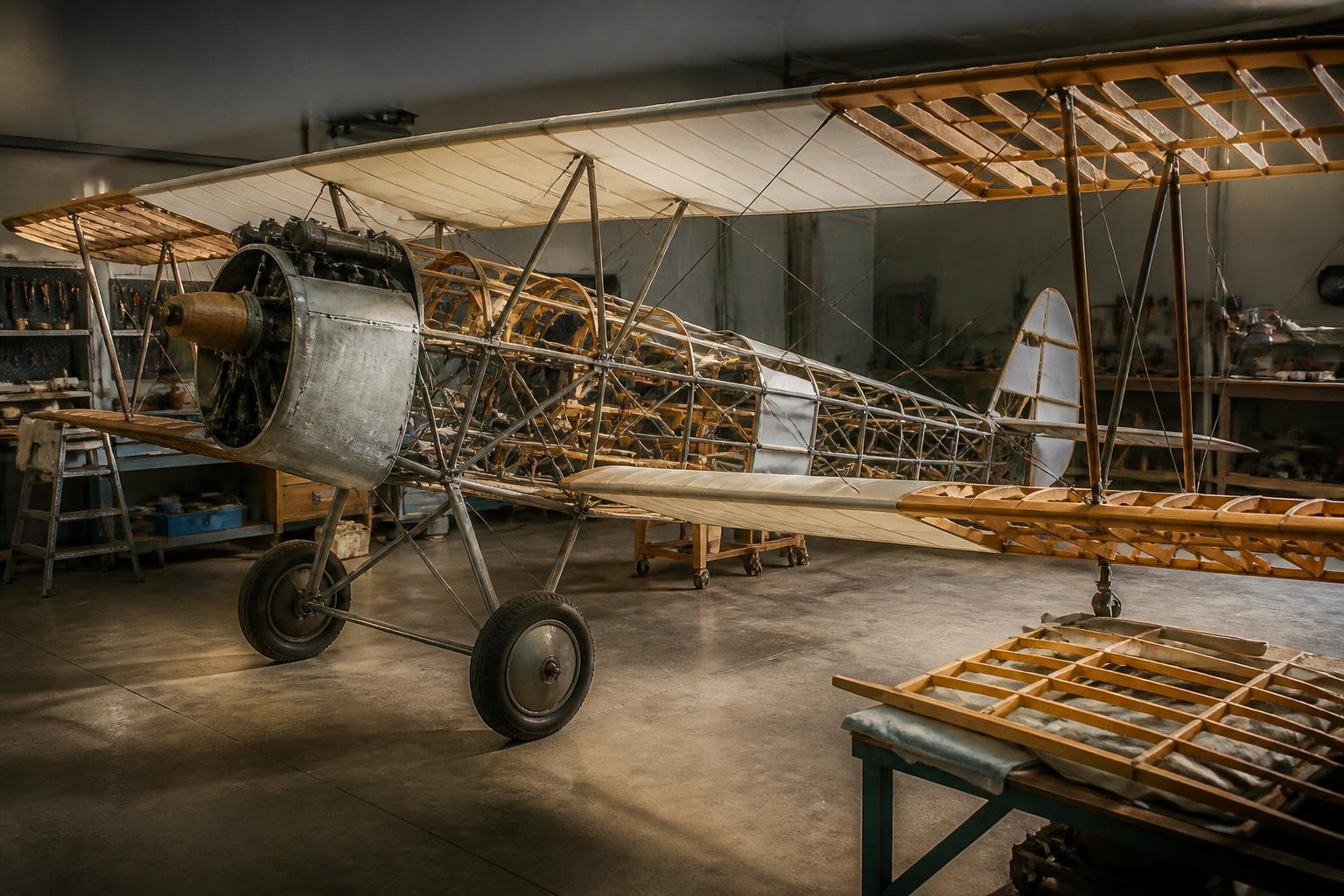
The Model 75's construction is important for both history and modern ownership.
Boeing's historical description identifies:
- Fabric-covered wooden wings.
- A heavily built welded-steel fuselage.
- Fixed conventional landing gear.
- Two tandem open cockpits.
- Radial-engine power across the military Kaydet family.
For today's buyer, this means Stearman inspection requires competence in steel tube, wood, fabric and wire-braced biplane construction. It should not be approached merely as a radial-engine aircraft with fabric covering.
Where Did the Student and Instructor Sit?
This detail is often described inconsistently, so it deserves careful wording.
The Smithsonian National Air and Space Museum describes its Stearman operation with the pilot/instructor in the rear cockpit and the passenger or trainee in the front cockpit.
Solo operation is a separate question. FAA Aircraft Specification A-743 shows that permitted solo seating depends on the aircraft's empty-weight centre-of-gravity range. For some configurations the specification permits solo operation from either seat; for another CG range it requires a placard stating “Solo from rear seat only.”
Historical and modern operating practice should therefore not be reduced to a universal statement such as “the Stearman must always be flown from one cockpit.” For a surviving aircraft, use its current approved weight-and-balance information, placards and operating documentation.
Army PT vs Navy N2S Designations
The Army and Navy used different designation systems for closely related members of the Model 75 family.
For the Army, PT meant Primary Trainer. Engine family became one of the most useful distinctions:
- PT-13 — Lycoming R-680.
- PT-17 — Continental R-670.
- PT-18 — Jacobs R-755.
The Navy used the N2S designation. N2S subvariants used Continental or Lycoming radial engines depending on version.
The National Air and Space Museum notes that wartime standardization eventually produced the Boeing-Stearman E-75 configuration used by the Army as the PT-13D and by the Navy as the N2S-5.
PT-13: The Lycoming-Powered Kaydet
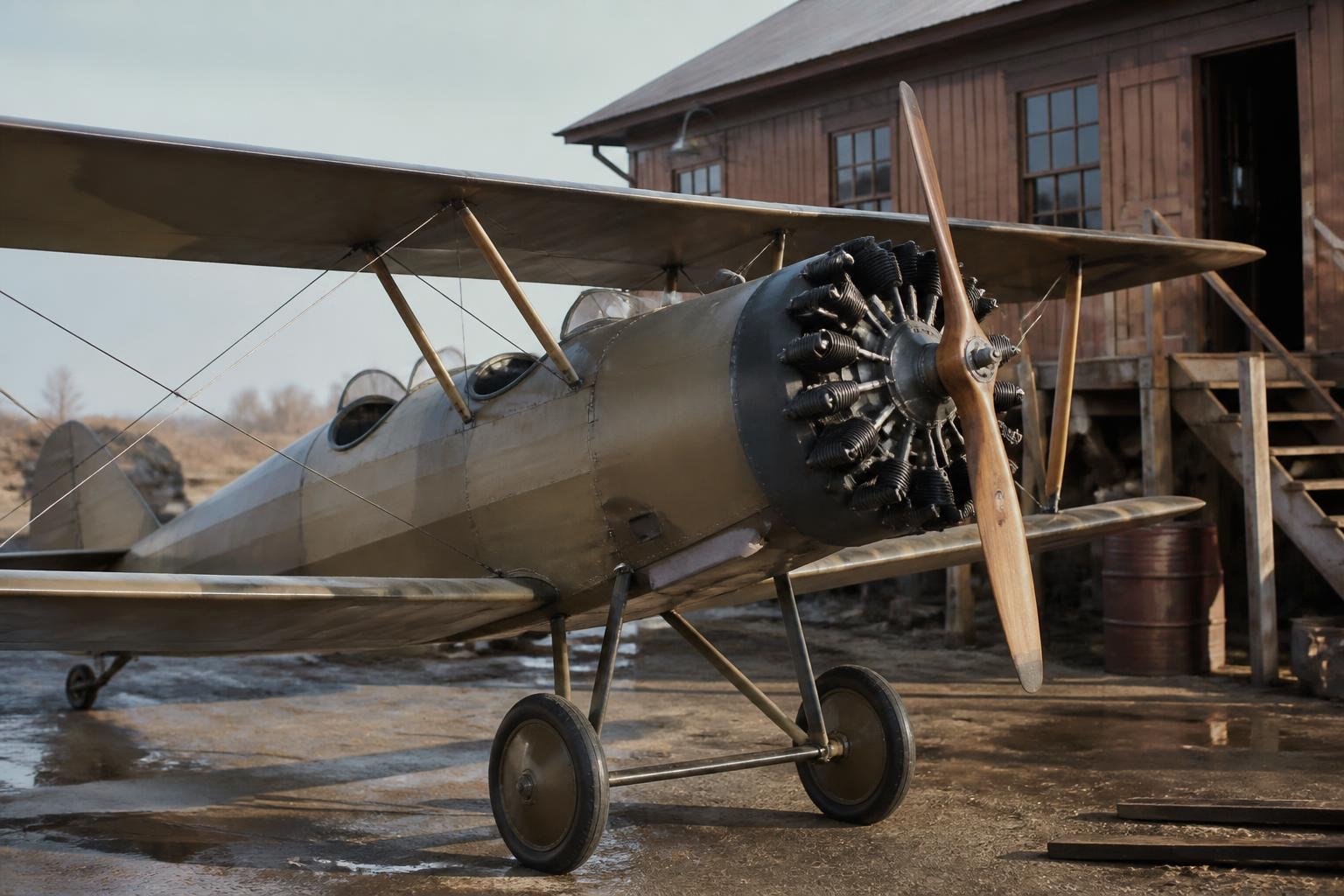
The PT-13 represented the Lycoming-powered Army branch of the Model 75 family.
The Smithsonian identifies the original Army Kaydet as the PT-13 powered by a 220 hp Lycoming R-680. Subsequent PT-13 subvariants used different R-680 versions as production and Army requirements evolved.
For a surviving PT-13, the buyer or historian should establish:
- Exact airframe model and serial number.
- Original military designation.
- Current engine model and serial number.
- Whether the current engine matches the documented historic configuration.
- Any later engine or propeller conversion.
PT-17: The Continental-Powered Kaydet
The PT-17 is the best-known Continental-powered Army Model 75.
Boeing's historical specifications list the PT-17 with a 220 hp Continental R-670-5. The designation became so familiar that “PT-17” and “Stearman” are sometimes used almost interchangeably today, but they are not technically equivalent.
Not every Model 75 is a PT-17, and not every surviving aircraft marketed as a PT-17 necessarily retains its original wartime engine or equipment.
The FAA's A-743 specification identifies civilian-certified A75N1 aircraft—including Army PT-17/-17A and Navy N2S-1/-4 examples—with Continental W-670-6A or W-670-6N engines under the later civilian certification configuration.
PT-17 vs PT-13: What Actually Changed?
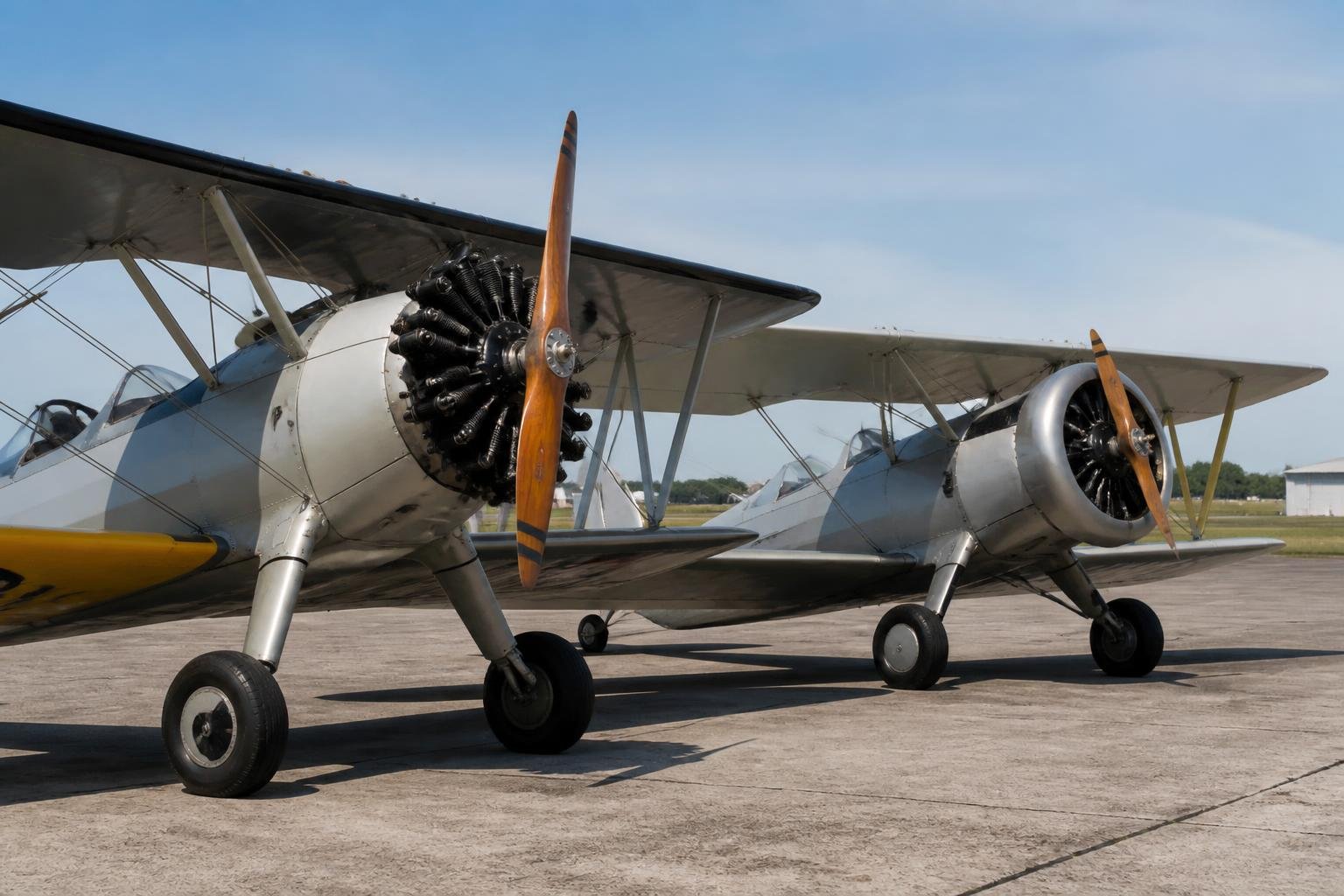
The simplest historically useful distinction is the engine family:
| Comparison | PT-13 | PT-17 |
|---|---|---|
| Basic family | Stearman Model 75 | Stearman Model 75 |
| Historical engine family | Lycoming R-680 | Continental R-670 |
| Primary role | Army primary trainer | Army primary trainer |
| Airframe concept | Closely related Model 75 structure | Closely related Model 75 structure |
| Modern buyer focus | Verify Lycoming lineage and later changes | Verify Continental lineage and later changes |
The different engines affected powerplant installation, maintenance documentation, parts sourcing and some visible details around the engine area. They did not create two unrelated trainer designs.
PT-18: The Jacobs-Powered Army Variant
The PT-18 was the Jacobs-powered Army branch of the Kaydet family.
FAA Aircraft Specification A-743 identifies the A75J1 / Army PT-18 with a Jacobs R-755-7 rated at 225 hp in the certification data.
This is an important distinction because the Jacobs engine should not be carried over into a generic description of Navy N2S variants.
For a claimed PT-18, verify:
- A75J1 / PT-18 identity.
- Engine model and serial number.
- Original and current configuration.
- Later conversions.
- Engine-support availability.
N2S: The Navy's Stearman Trainers
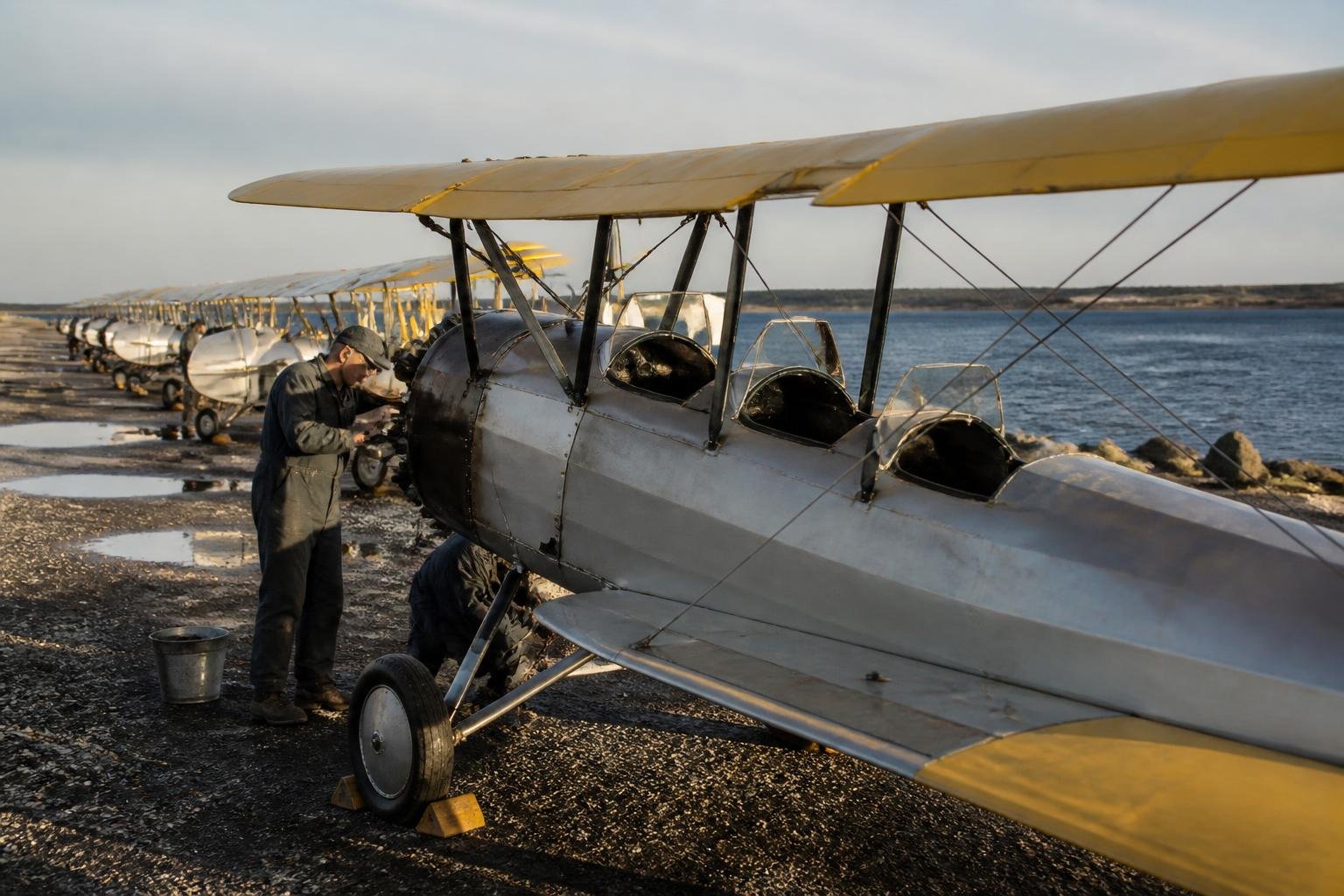
The U.S. Navy used the Stearman as the N2S primary trainer. The National Naval Aviation Museum describes the N2S as a simple, reliable and forgiving aircraft that gave generations of Naval Aviators their introduction to flying.
The major N2S variants should be understood as Continental- or Lycoming-powered Model 75 branches:
| Variant | Historical engine family |
|---|---|
| N2S-1 | Continental R-670 |
| N2S-2 | Lycoming R-680 |
| N2S-3 | Continental R-670 |
| N2S-4 | Continental R-670 |
| N2S-5 | Lycoming R-680 |
The Smithsonian's preserved N2S-5 is particularly useful historically because it represents the standardized E-75 configuration shared with the Army PT-13D.
There was no standard Jacobs-powered N2S branch corresponding to the Army PT-18.
How the Kaydet Trained Military Pilots
The Kaydet served at the primary stage of military pilot training.
Students learned fundamentals including:
- Taxi and directional control.
- Normal and crosswind takeoffs and landings.
- Climbs, descents and turns.
- Stall recognition and recovery.
- Spin training according to the applicable syllabus.
- Forced-landing practice.
- Basic navigation.
- Elementary aerobatic manoeuvres.
The open cockpit and conventional landing gear made the experience direct. Students were exposed to wind, noise and weather while also learning the directional discipline required by a tailwheel aircraft.
The Kaydet's importance came from scale as much as design. Boeing records 8,584 aircraft built in all Kaydet versions, with additional spare assemblies equivalent to approximately 2,000 more aircraft.
Postwar Civilian Life
After military service, large numbers of Model 75 aircraft entered civilian use.
They became:
- Private recreational aircraft.
- Agricultural aircraft.
- Airshow performers.
- Wing-walking platforms.
- Museum aircraft.
- Restoration projects.
Postwar use is why present-day identification can be complicated. Engines may have been changed, agricultural equipment fitted and later removed, cockpits modernised, electrical systems added and aircraft restored to military schemes that do not necessarily reproduce their exact original service configuration.
A historically inspired paint scheme is therefore evidence of presentation—not provenance.
Historic Stearman Buyer Verification Checklist
If you are evaluating a surviving Kaydet, separate the investigation into four groups.
| Area | What to verify |
|---|---|
| Identity | Data plate, manufacturer serial number, military designation, registration history and ownership chain |
| Structure | Steel-tube fuselage, wooden wings, fabric, rigging, landing gear and documented structural repairs |
| Powerplant | Exact engine and propeller identity, overhaul records, hours, calendar history and configuration approval |
| Alterations & provenance | Engine changes, agricultural modifications, avionics/electrical changes, restoration work and evidence supporting historic claims |
For deeper acquisition due diligence, use the CollectAirs Boeing-Stearman PT-17 Buyer's Guide and the Aircraft Pre-Buy Inspection Checklist.
A Real-World PT-17 Example
The 1941 Boeing-Stearman PT-17 Kaydet currently live on CollectAirs illustrates why current aircraft configuration should be separated from original historical specification.
The listing identifies:
- Army serial 41-8741.
- Registration N75010.
- Continental W-670-6A radial engine.
- Approximately 150 hours since major overhaul.
- Approximately 45 hours since its 2015 restoration.
- 4,766 hours total airframe time.
- Restoration records and scanned logbooks available for review.
The original Boeing PT-17 specification lists the military Continental R-670-5, while this surviving civilian aircraft carries the related civilian W-670-6A configuration. That is exactly why buyers should trace the aircraft's actual documentation rather than infer current configuration solely from the PT-17 name.
Why PT-13, PT-17, PT-18 and N2S Still Matter
The designations remain useful because they point toward an aircraft's original service and powerplant lineage:
- PT-13 → Lycoming.
- PT-17 → Continental.
- PT-18 → Jacobs.
- N2S → Continental or Lycoming depending on subvariant.
But they are starting points, not complete descriptions of surviving aircraft.
The correct research sequence is:
- Identify the airframe and serial number.
- Establish the original service designation.
- Verify original and current engine configuration.
- Trace documented changes.
- Evaluate present structural and mechanical condition independently.
Researching a Stearman purchase? Review the Boeing-Stearman PT-17 currently live on CollectAirs, compare its actual engine and restoration records with the historical Model 75 references above, and use an independent Stearman-experienced inspector before bidding.
Sources & Further Reading
- Boeing — Stearman Kaydet Trainer / Model 75 History and Specifications
- Smithsonian National Air and Space Museum — Boeing-Stearman N2S-5 Kaydet
- Smithsonian National Air and Space Museum — Stearman Cockpit Seating Example
- National Naval Aviation Museum — N2S-3 Kaydet
- FAA Aircraft Specification A-743 — Boeing Model 75 family, including PT-13, PT-17, PT-18 and N2S variants.
- National Stearman Fly-In — Model 75 Variant and Engine Reference
- CollectAirs — Boeing-Stearman PT-17 Buyer's Guide
- CollectAirs — 1941 Boeing-Stearman PT-17 Kaydet
Historical note: military designation identifies an original procurement/configuration family, not necessarily the current mechanical configuration of an individual surviving aircraft. Engine changes, civilian conversions and restoration work must be established from aircraft-specific documentation.
Comments
No comments yet
Be the first to share your thoughts!