
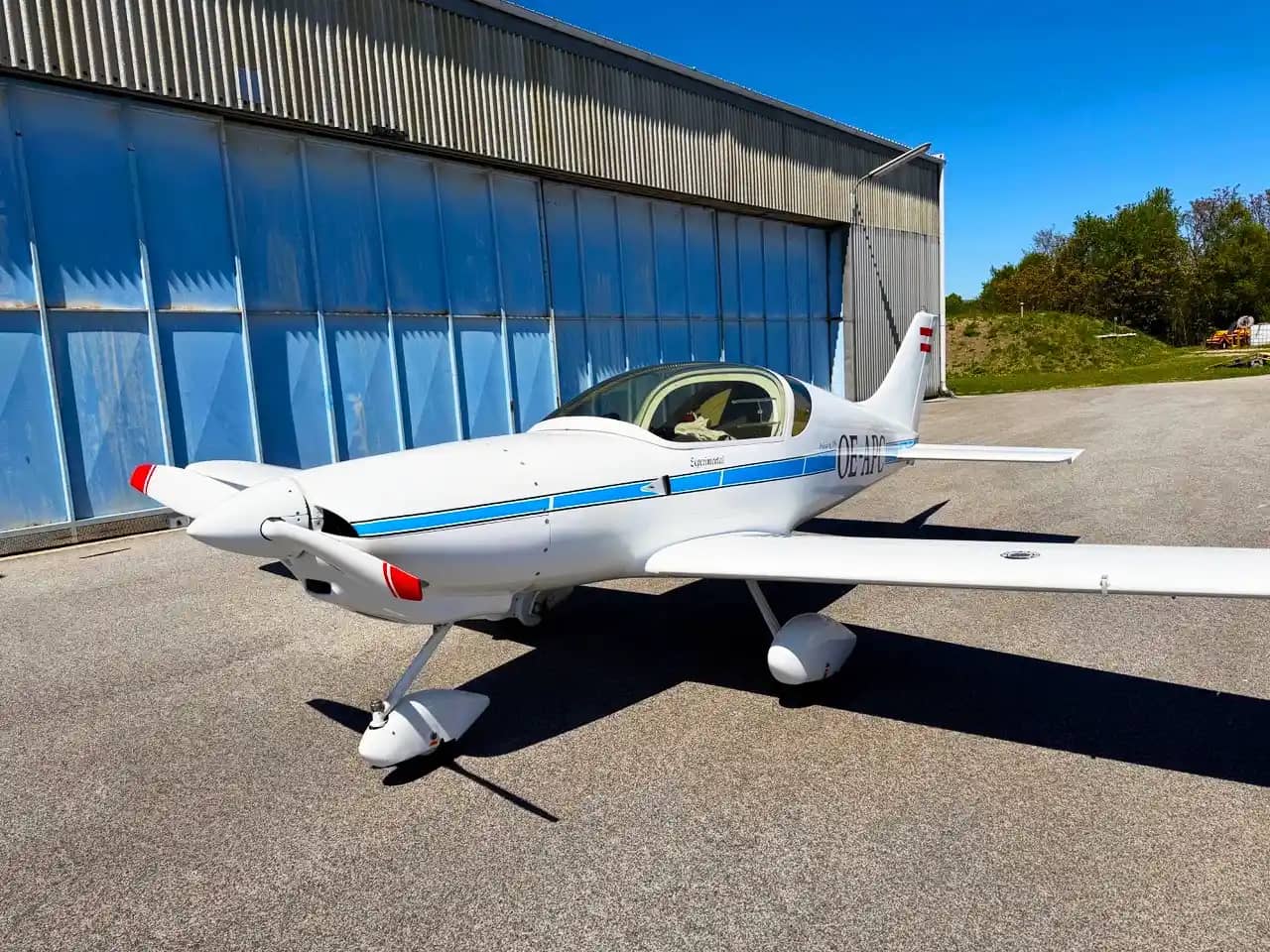
 Bad Vöslau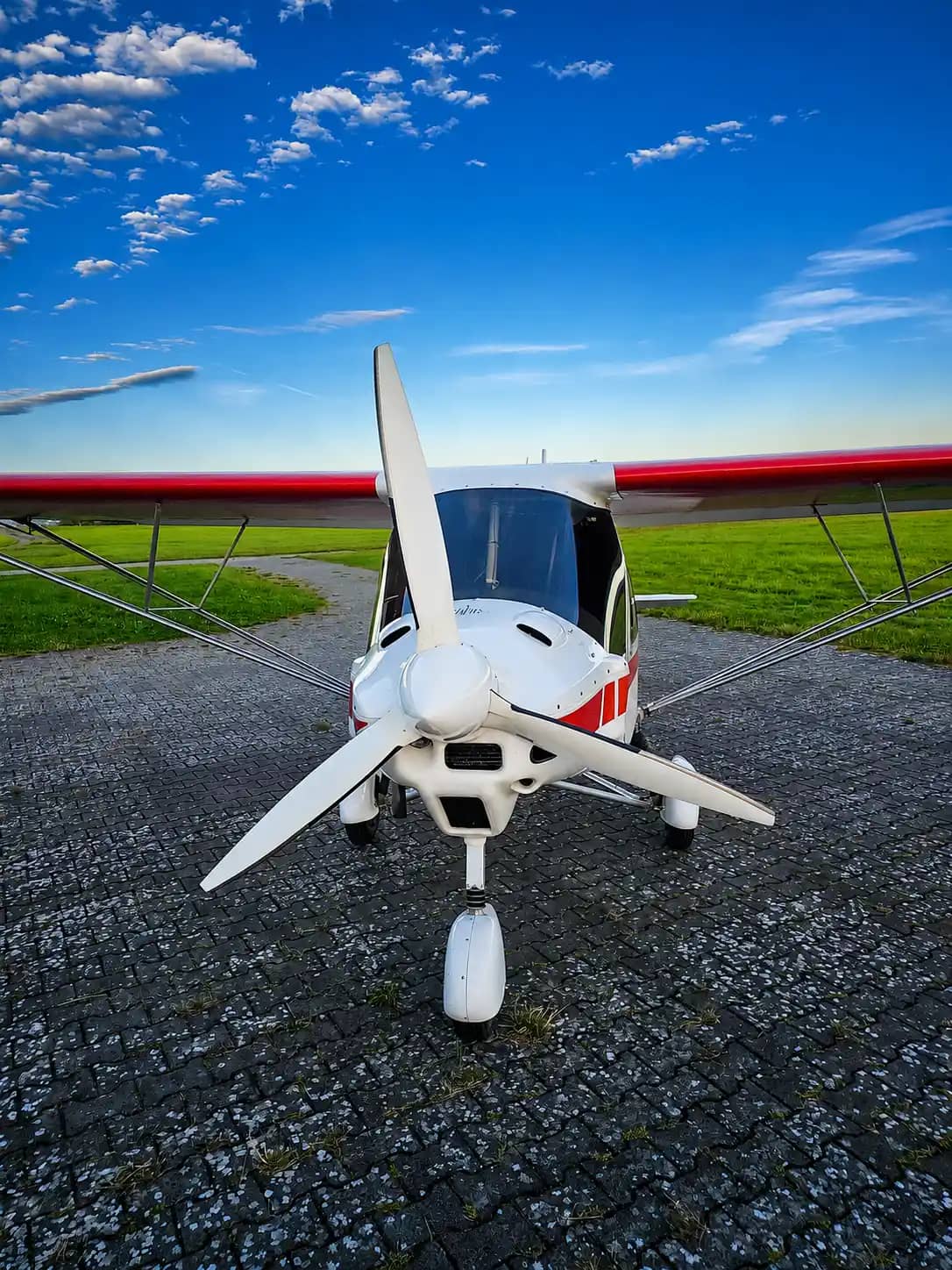
 Kirn
Kirn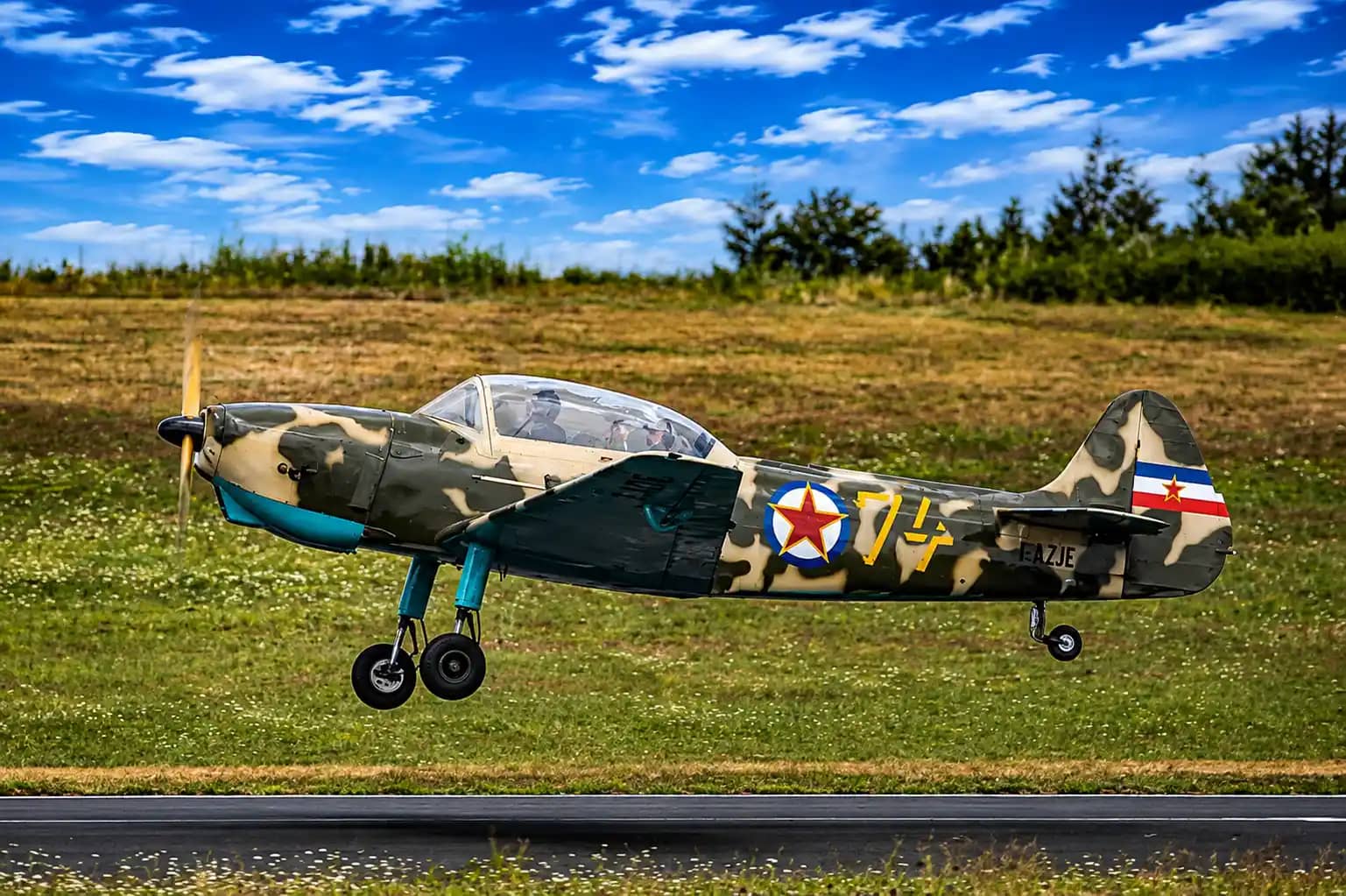
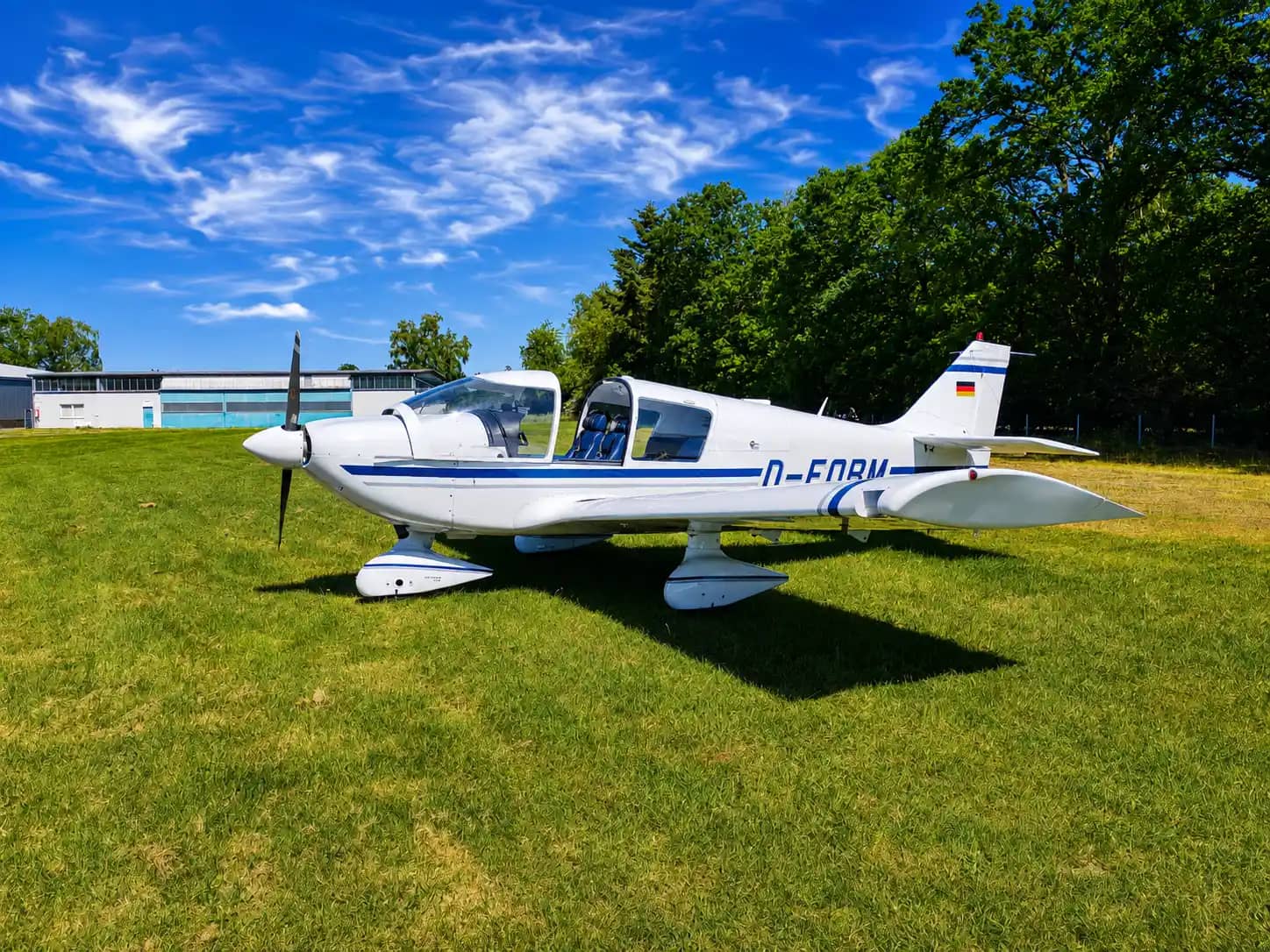
 Florida
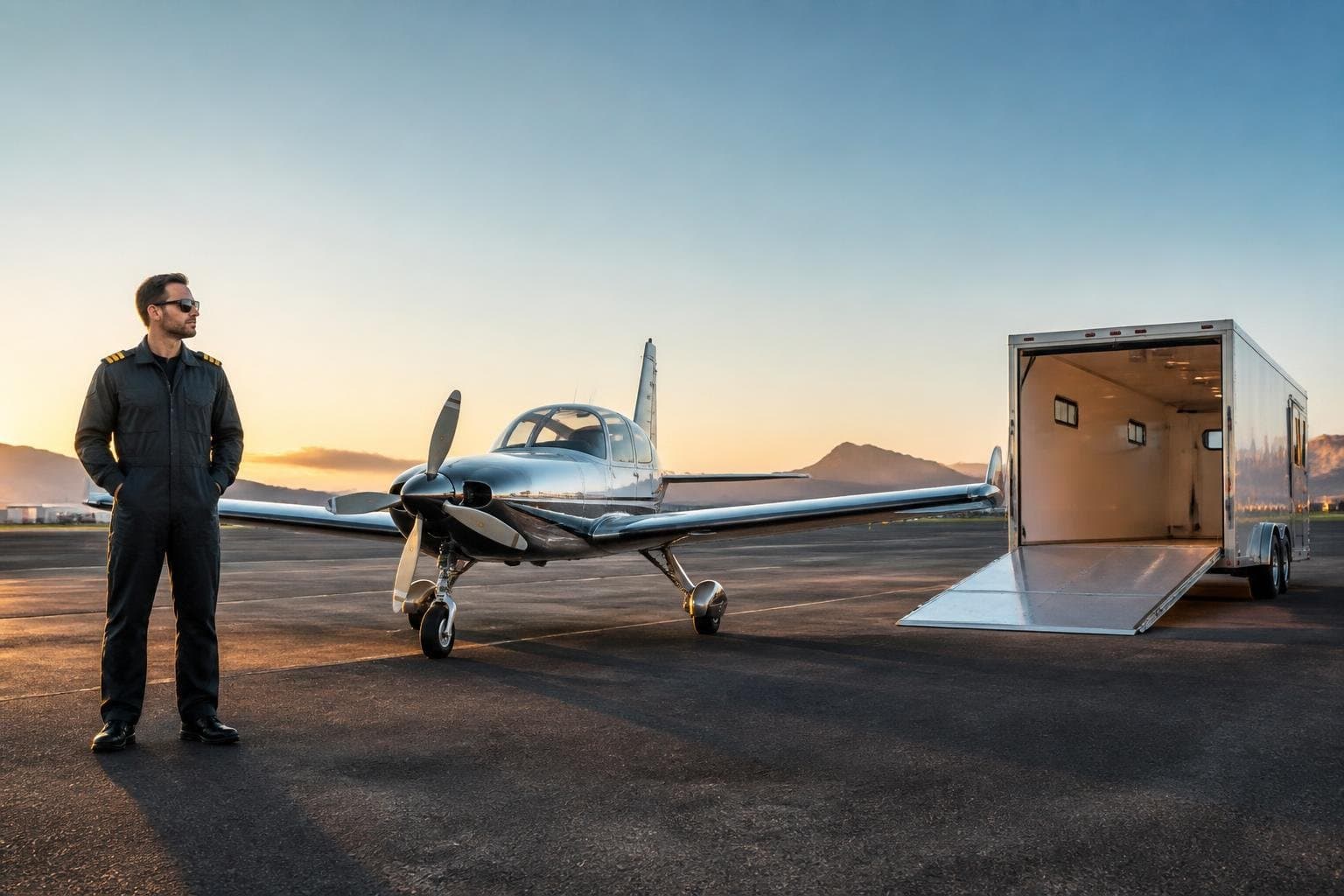
Choosing Between an Aircraft Ferry Service and Ground Transport
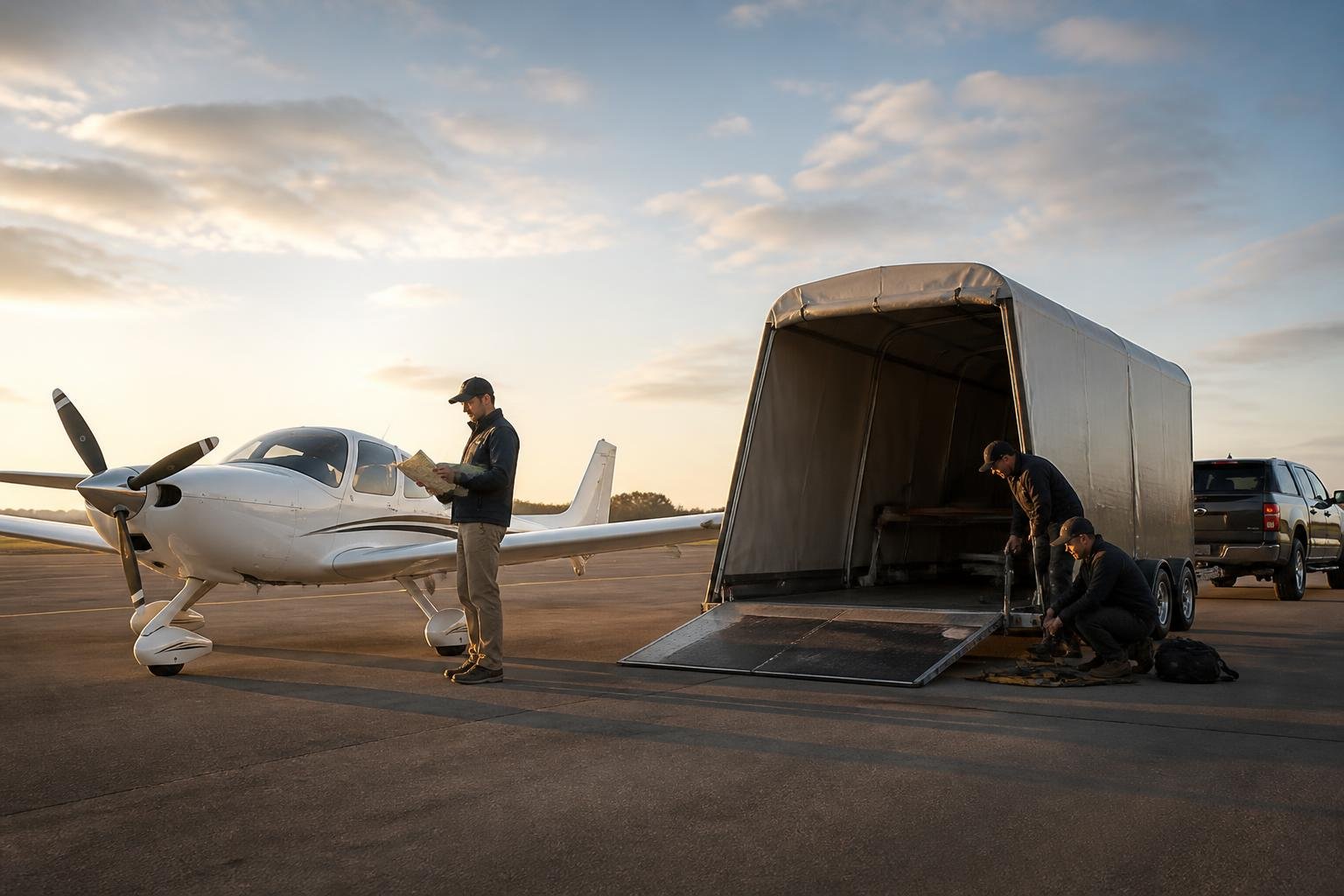
Getting a newly acquired aircraft home is not a routine afterthought. The delivery method can affect cost, insurance, the closing timetable, the aircraft’s condition on arrival and the evidence available if a problem emerges. The practical choice is usually between flying it with an aircraft ferry service, moving it by specialist road carrier, shipping it by sea or air freight, or using a combination of those methods. The right answer depends on the individual aircraft, not simply the distance.
Start with five questions: Is the aircraft adequately documented and suitable for the intended flight? Does the route present manageable operational risk? Is the required timing realistic? What does each fully scoped option cost? And are there registration, customs, insurance or permit restrictions that prevent a particular method? A short domestic repositioning of a recently maintained touring aircraft is very different from moving an incomplete project, a vintage aircraft with unknown maintenance history, or an aircraft across an ocean.
Delivery planning belongs in pre-purchase due diligence. A pre-buy inspection may reveal defects that turn a planned ferry flight into a road move, while an oversized trailer route may require wing removal and permits that materially affect the budget. Make the preliminary decision before funds change hands, then confirm it once records, inspection findings and handover arrangements are known.
| Decision factor | Often favours ferry flight | Often favours ground or sea transport |
|---|---|---|
| Condition | Documented, operational aircraft with acceptable discrepancies | Unproven, incomplete, preserved or non-flyable aircraft |
| Route | Airport-to-airport route with fuel, alternates and suitable weather | Long overwater sectors, difficult terrain or limited support |
| Objective | Prompt delivery and operational familiarisation | Maximum preservation or controlled handling |
| Logistics | Normal operating permissions and insured pilot available | Aircraft can be dismantled and carrier permits are practical |
When Flying the Aircraft Home Makes Sense
An aircraft ferry service can be a sensible solution when the aircraft has appropriate documentation, its condition has been independently assessed, and the planned route is within its demonstrated operating capability. It is particularly practical for an airport-to-airport delivery where suitable fuel, maintenance support, weather alternates and overnight stops are available. It may also avoid the disassembly, loading and reassembly work associated with road transport.
A delivery flight gives the new owner early exposure to the aircraft’s real operating characteristics. It can reveal cockpit ergonomics, avionics workflow, engine temperatures, fuel-burn patterns and handling qualities in normal use. That familiarity has value, but it is not a substitute for a proper transition programme, type-specific instruction or an independent inspection. A successful ferry flight does not establish that the aircraft is free of defects or ready for every future mission.
Ferrying provides route flexibility: a pilot can alter departure time, add a fuel stop, wait for weather, or select a more favourable airport within the constraints of permissions, fuel endurance and operating limitations. That flexibility also creates exposure. Headwinds, convective weather, icing risk, limited visibility, airport closures and unavailable fuel can lengthen a trip. Each overnight stop introduces parking, security and weather exposure, while extended routes increase the opportunity for a maintenance issue to emerge away from the seller’s base.
The owner may accompany the delivery pilot where the aircraft, seating, insurance and operating considerations allow. This can be useful for handover and familiarisation, but the owner should not pressure a pilot into a marginal decision. A professional ferry pilot should have the appropriate certificates, recent experience, insurance approval and meaningful familiarity with the aircraft category and systems. For complex, turbine-powered, vintage or unusual aircraft, type experience and operational support deserve close scrutiny.
When Ground Transport Is the Better Option
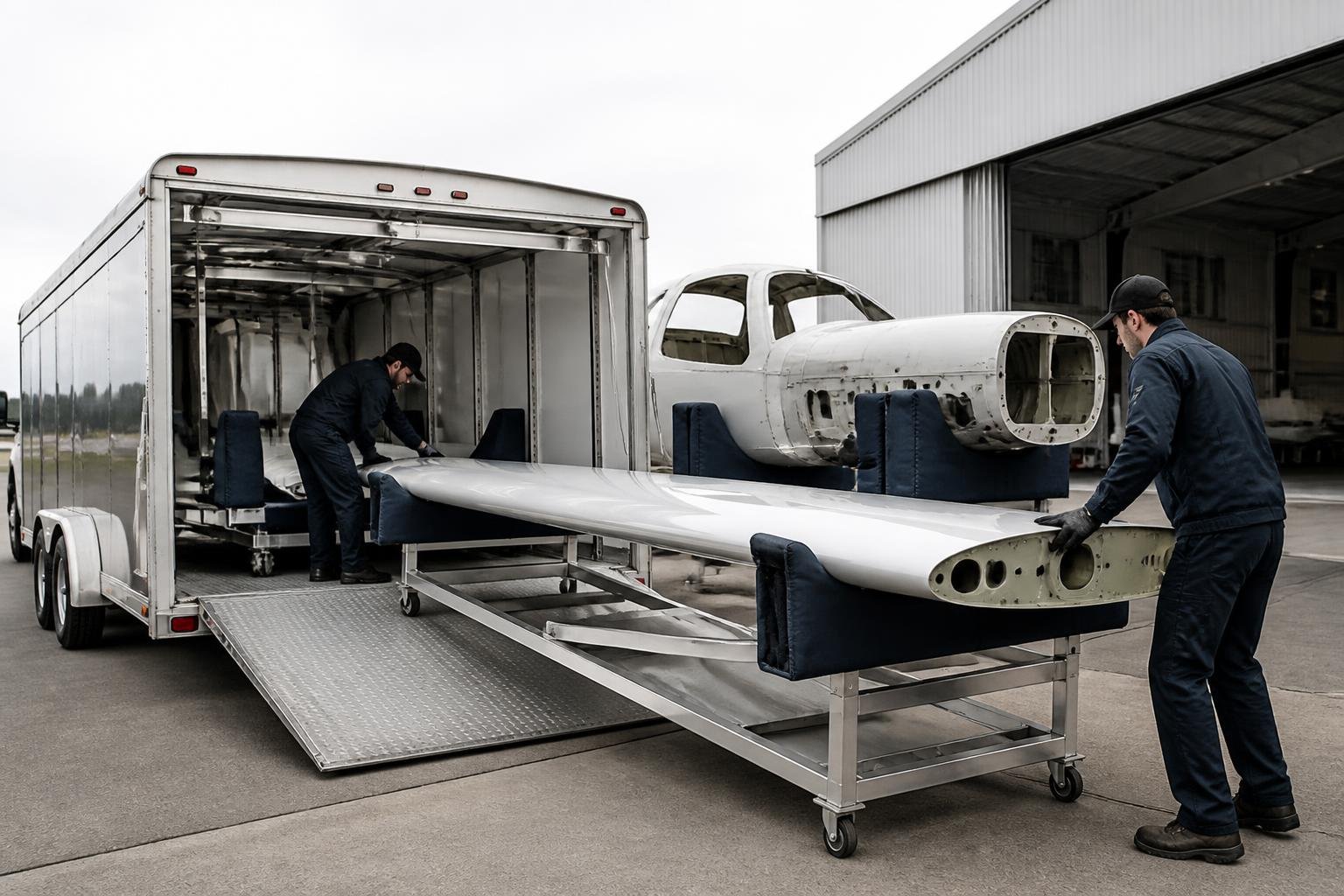
Ground transport is usually the more conservative choice for an aircraft that is non-flyable, incomplete, unregistered, overdue for material maintenance, or insufficiently proven after inspection. It is also appropriate when the buyer’s priority is preservation rather than immediate operation. A restoration project, static-display aircraft, historic type with fragile systems, or aircraft with an uncertain engine and fuel system should not be flown merely because it can physically start and taxi.
Route risk can make transport preferable even for an otherwise operational aircraft. Long overwater legs, mountainous crossings, remote areas with sparse fuel and maintenance facilities, or seasonal weather patterns may add risk and contingency cost to an aircraft ferry service. Shipping or road transport may deliver a more predictable process, although it has its own handling, access and permit challenges.
Road movement generally requires disassembly appropriate to the aircraft: wings may be removed, control surfaces secured, the propeller protected or removed, and loose equipment inventoried. The carrier should describe its loading method, restraint points, weather protection, storage arrangements and reassembly scope. Transporting an aircraft is not equivalent to moving a conventional vehicle; incorrect lifting, chafing, vibration or poorly supported components can cause expensive damage.
- Open transport can be suitable for robust, short-distance moves in favourable conditions, but exposes the aircraft to weather, road debris and public visibility.
- Enclosed transport provides better weather and contamination protection and is often preferred for valuable, light or delicate aircraft.
- Specialist low-clearance equipment may be needed for large dimensions, unusual landing gear geometry or routes with height limitations.
Sea shipment can be part of an international plan. Crating, container suitability, moisture control, corrosion prevention, port handling and destination customs procedures then become central considerations. Obtain a clear handoff map: who is responsible from seller’s hangar to carrier, at each terminal, during storage, and at the receiving airport.
Aircraft Condition: The First Delivery Question to Answer
Never infer airworthiness, maintenance currency or fitness for a ferry flight from a sale listing. A listing may accurately describe what the seller knows, but it is not a replacement for records review and an inspection appropriate to the transaction. The pre-buy findings should directly inform the delivery decision. A defect that is acceptable for a ground move may make a flight imprudent or impermissible until corrected.
Review the annual or other required inspection status applicable to the aircraft’s jurisdiction, maintenance releases, recurring discrepancies, deferred items, airworthiness directives where relevant, and any known damage or corrosion history. Clarify what has actually been inspected rather than relying on broad phrases such as “recently flown.” An aircraft may have been inactive for a period, have incomplete records, or have a discrepancy that needs specialist evaluation.
Before a ferry flight, the technical review commonly considers engine run-up results, oil and fuel leaks, fuel quality and quantity indications, brake condition, tyre age and pressure, battery condition, charging performance and avionics needed for the route. It should also consider whether required equipment is functioning for the anticipated airspace, weather and operation. The decision remains with the appropriately qualified pilot and maintenance professionals; a buyer should expect discrepancies to be escalated rather than rationalised away.
For road or sea movement, preservation is equally important. Drainage or fuel-management steps must follow approved guidance and the carrier’s safe-handling requirements. Sensitive openings may need protection, control locks may be required, batteries may need isolation, and exposed metal may need corrosion protection. Photograph the aircraft, cabin, loose items and major components before loading, then repeat the process at delivery.
What an Aircraft Ferry Service Typically Includes
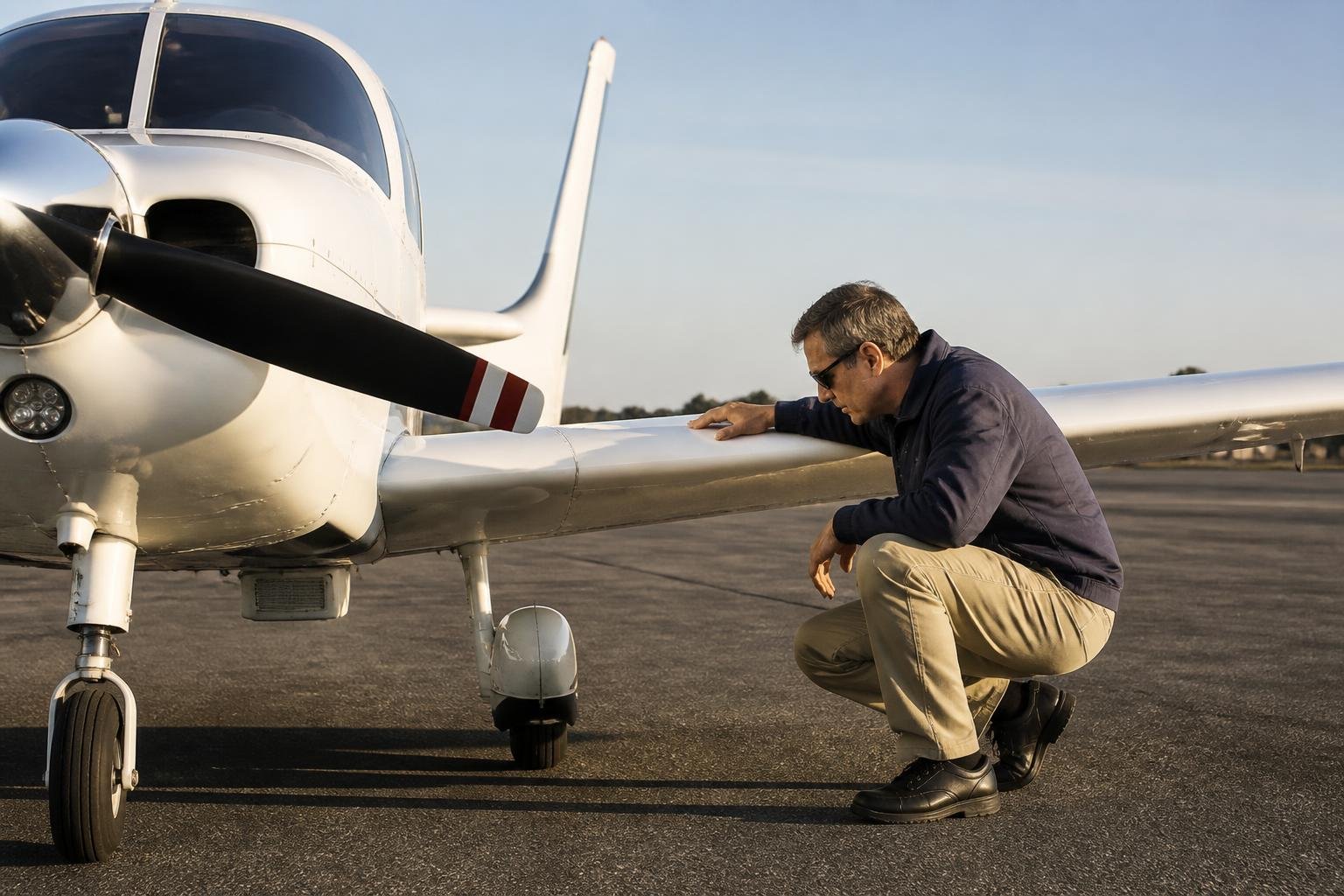
A professional aircraft ferry service normally begins with a feasibility review. The ferry pilot or operator assesses the aircraft type, likely route, required operating permissions, aircraft documentation, insurance requirements and practical timeline. The pilot’s licence and ratings matter, but relevant type experience, recent operational experience and familiarity with the aircraft’s systems may be equally important. A complex piston aircraft, turbine aircraft or historic type can demand a more specialised profile than a simple daytime VFR delivery.
The operational scope commonly includes route planning, weather monitoring, fuel-stop selection, airport coordination and a pre-departure condition review. On a multi-day trip, the pilot must make ordinary command decisions about weather, fuel, alternates and diversions. The owner should understand in advance how those decisions are communicated and what happens if conditions prevent progress.
The owner usually needs to supply usable aircraft records, registration and airworthiness documentation where applicable, insurance details, keys, operating manuals, weight-and-balance information if available, and contact details for the seller or maintenance facility. A ferry provider may identify missing or unsuitable documentation, but the provider does not necessarily assume responsibility for curing title, registration or maintenance defects.
At delivery, request a concise handover package. It may include flight times and route flown, fuel and oil records, expense receipts, observed discrepancies, photographs and a statement of where and how the aircraft was secured. The ferry agreement should state the limits of responsibility. A ferry pilot is not automatically acting as an appraiser, pre-buy inspector, mechanic, customs broker or insurer. Define the work in writing, including authority to divert, pause, obtain maintenance or decline departure.
Cost Comparison: Ferry Flight Versus Ground Transport
Headline quotes are rarely comparable unless their scope is identical. A ferry-flight estimate may include the pilot’s fee, positioning travel, accommodation, daily allowances, fuel, oil, landing fees, handling, navigation charges, parking and reasonable weather delays. It may exclude unexpected maintenance, de-icing, hangarage, additional pilot time caused by an aircraft issue, or repositioning after a diversion. Ask for each item to be identified.
A ground-transport quote may include distance, driver time, loading, unloading, basic tie-down materials and standard transit insurance. It may not include wing removal, disassembly labour, specialised cradles, escort vehicles, oversize permits, storage, customs handling, reassembly, inspection after reassembly or destination access constraints. A lower quote can be less economical if it assumes the aircraft will arrive dismantled and ready to load when it is not.
Weather delay is a real contingency in both methods. A ferry flight may wait for safe weather or suitable winds. Road movement may be held by storms, high winds, roadworks, permit windows, bridge restrictions or loading conditions. Build schedule margin rather than treating the collection date as an immovable deadline.
| Cost area | Ferry flight | Ground transport |
|---|---|---|
| Direct movement | Pilot time, fuel, airport charges | Truck mileage, crew, carrier equipment |
| Setup | Route and aircraft review | Disassembly, loading and permits |
| Contingency | Weather, diversion, maintenance delay | Weather, access, storage, permit delay |
| Completion | Flight records and handover | Unloading, reassembly and receiving inspection |
Keep delivery costs separate from the purchase price and from post-purchase repairs. If an inspection identifies a fault, the repair cost should be evaluated as a transaction issue, not hidden inside a transport budget. Compare written quotes on equivalent assumptions and retain a contingency reserve.
Insurance, Liability, and Contractual Responsibilities
Speak with the aircraft insurer before authorising a ferry flight. Policies may require named pilots, minimum experience, type-specific qualifications, training, geographic limits or prior approval. Do not assume a professional pilot is automatically covered simply because that pilot is experienced. Confirm who is the named insured, when coverage transfers, what hull and liability limits apply, and whether a deductible changes during delivery.
For transport, distinguish aircraft hull coverage from cargo or transit coverage and from a carrier’s general liability policy. Ask what damage is covered during loading, road movement, storage, unloading and reassembly. Ground-handling damage, hangar damage and damage while in the custody of subcontractors can fall into gaps unless responsibilities are clearly defined.
Condition reporting matters. Agree a handover record with dated photographs, an inventory of loose equipment and spare parts, known defects, fuel state where relevant, and signatures or written confirmation from the parties involved. Repeat that record on delivery. This does not eliminate disputes, but it creates a useful baseline.
The written agreement should allocate responsibility for delays, diversions, mechanical failures, cancellation, weather holds and third-party costs. It should state approval limits for unplanned expenses and who can authorise maintenance. Insurance and contract terms vary by jurisdiction and policy wording, so seek advice from qualified insurance, legal and aviation professionals where the risk justifies it.
Permits, Registration, and Cross-Border Delivery Planning

Registration status is central to any delivery flight. The aircraft must have the documentation and operating permissions required for the jurisdictions and route involved. Airworthiness documentation, operating limitations, radio licensing where applicable, insurance evidence and pilot documentation may all need review. An aircraft in the middle of deregistration, export or ownership transfer can have restrictions that materially change the plan.
International deliveries add customs, import, export, VAT or sales-tax and temporary-entry questions. The sequence of payment release, export documentation, collection and import can matter as much as the physical move. A road carrier may need oversize-load permits, while a ferry route may require overflight and landing permissions. These are not generic administrative details; a missing approval can stop a delivery after costs have begun to accrue.
Do not assume that rules transfer neatly between FAA, EASA and other regulatory systems. Experimental aircraft, former military aircraft, vintage aircraft and aircraft under special operating limitations can require particularly careful treatment. Qualified aviation counsel, customs professionals, insurers and local handling agents should be involved where appropriate.
Create a document checklist early and assign responsibility for each item. Confirm who obtains permits, who pays fees, who communicates with border authorities, and where the aircraft can be held if clearance is delayed. This approach is more reliable than trying to resolve regulatory issues on the day of collection.
Route and Seasonal Risks That Can Change the Best Option
A route that appears straightforward on a map may be unsuitable at a particular time of year. Icing, thunderstorms, strong winds, heat and poor visibility can alter the safety margin and cost of a ferry flight. Mountain crossings require terrain awareness, performance assessment, suitable alternates and conservative weather judgement. Remote routes may have limited fuel availability, maintenance support or accommodation if an unscheduled stop becomes necessary.
Ferry tanks deserve particular care. Additional fuel capacity, if used, must be properly approved or installed under the applicable rules, compatible with the aircraft’s fuel system and managed by a pilot familiar with the configuration. Do not treat extra fuel as a simple remedy for a difficult overwater or remote route; it can affect weight, balance, systems and operational planning.
Road routes have their own physical constraints. Road width, bridge clearance, low branches, construction zones, sharp turns and escort requirements can determine trailer choice and timing. An enclosed trailer protects the aircraft but may create a height issue; a low trailer may solve one clearance concern while creating others. The carrier should survey the practical route, not only calculate distance.
Hurricane seasons, winter storms, wildfire smoke and road closures can disrupt both modes. Agree a realistic delivery window with contingency days and a clear communication plan. Fixed assumptions are especially risky when the aircraft needs a weather-dependent ferry flight or cross-border permit coordination.
Special Considerations by Aircraft Type
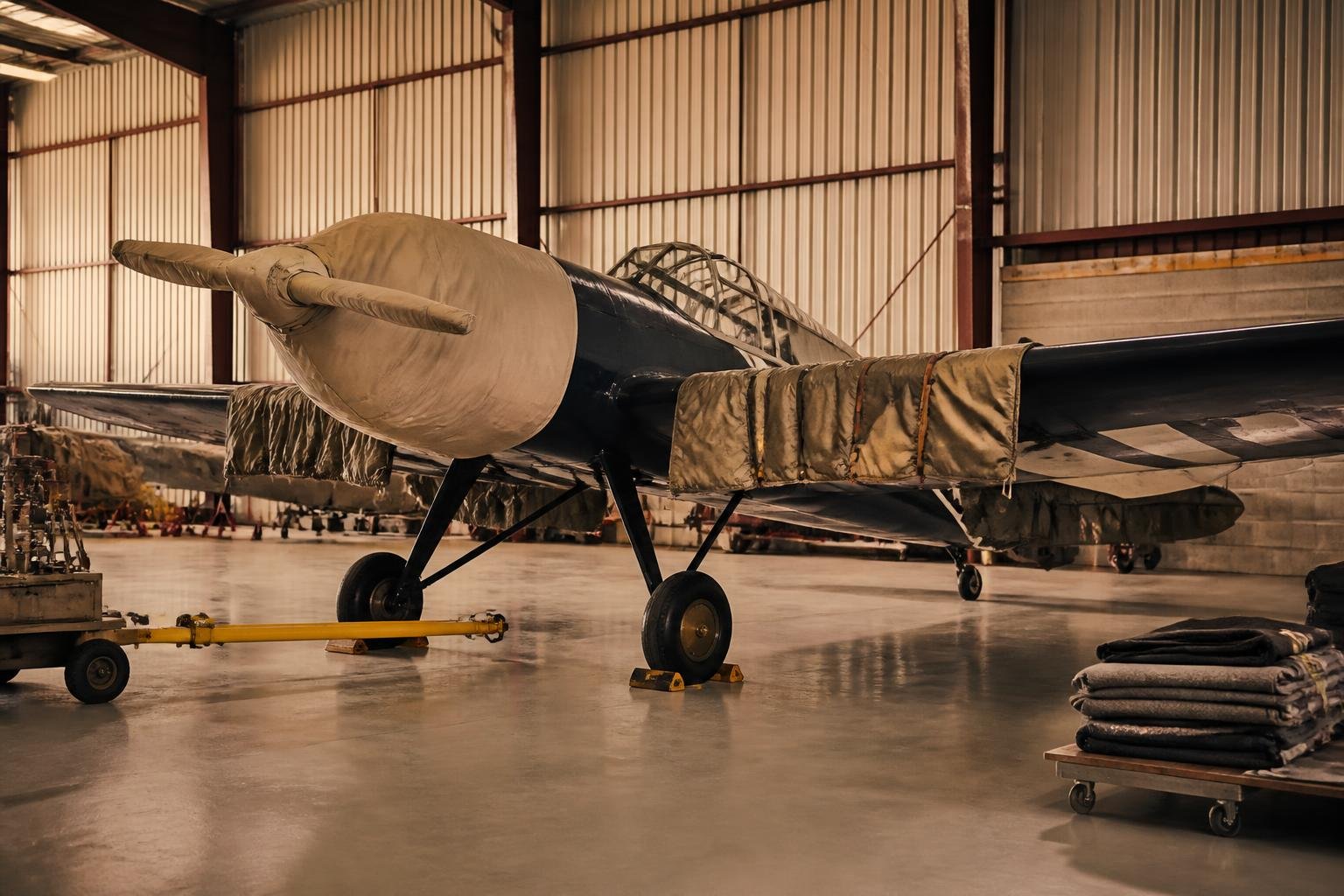
Aircraft type changes the transport calculation. Light-sport and ultralight aircraft may have light structures, composite skins, removable wings or exposed components that need carefully designed supports. Their low weight does not make them easy to transport; vibration, point loading and wind exposure can be damaging. The carrier should understand the manufacturer’s lifting and securement guidance where it is available.
Tailwheel aircraft require attention to ground attitude, tail support and propeller clearance. Fabric-covered aircraft may need particular protection from abrasion, moisture and poorly placed straps. A propeller should be protected against accidental impact, but covers and restraints must not trap moisture or create rubbing damage during a long move.
Complex piston aircraft may be capable ferry candidates, yet their retractable gear, turbocharging, pressurisation systems or ageing avionics can increase the consequence of an unresolved discrepancy. A detailed records review and a pilot who understands the type are more valuable than a simplistic assumption that a cross-country capable aircraft is automatically ready for delivery.
Turboprops and business aircraft can require coordinated fuel, handling, parking, crew qualifications and maintenance support. Their delivery may involve operational-control questions that do not arise with smaller private aircraft. Experimental aircraft require close attention to their operating limitations, registration status and the experience of both pilot and receiving owner. Warbirds and historic aircraft demand specialist handling that respects preservation, certification status and the distinction between static ownership and legal flight operation.
A Practical Delivery Checklist Before Funds Change Hands
Select the likely delivery method before closing and treat it as a closing condition where appropriate. Waiting until payment has been released can leave the buyer with limited access, limited negotiating leverage and an aircraft that cannot immediately be moved.
- Obtain itemised written quotes from qualified ferry providers or specialist carriers.
- Verify pilot approvals, carrier credentials, insurance limits and policy conditions.
- Complete pre-delivery photographs, a defect record and an inventory of loose equipment.
- Confirm aircraft records, keys, covers, tools, spare parts and removed components.
- Set collection timing with the seller, airport operator and any maintenance facility.
- Arrange destination hangarage, towing, ground support and a receiving inspection.
- Reserve budget and schedule margin for defects, weather, permits and storage.
Also decide who has authority to stop the delivery. If the ferry pilot finds an unacceptable discrepancy, or the carrier finds the aircraft cannot be safely loaded as planned, the contract should allow the work to pause while the buyer receives a clear report and chooses the next step.
Using Auction Documentation to Plan Collection and Delivery
Auction documentation can help a buyer plan collection before bidding or finalising a purchase. Review the stated location, access arrangements, aircraft condition, maintenance information, loose equipment and any known logistical constraints. Those facts may establish whether an airport pickup is possible, whether the aircraft is likely to need disassembly, and how much time is available for collection after payment release.
Keep seller-provided information separate from independent verification. A listing can be a valuable starting point, but a buyer should arrange records review, inspection and transport feasibility work suitable for the aircraft’s value and complexity. If delivery depends on a ferry flight, discuss the plan with the proposed pilot before committing, subject to the pilot’s own review of the aircraft and documents.
Coordinate collection timing with seller access, payment release, airport rules and the availability of loading or maintenance support. Confirm whether the aircraft can remain where it is for a short period if weather, permits or a carrier schedule changes. Avoid assuming that a hangar, tow vehicle, lifting equipment or staff will be available without a specific arrangement.
When comparing current aircraft listings, approach each one with a delivery plan already defined: preferred method, fallback method, indicative costs, inspection trigger points and receiving location. This makes bidding and post-purchase coordination more disciplined and helps prevent a promising acquisition from becoming an avoidable logistics problem.
Making the Right Delivery Decision for Your Aircraft
An aircraft ferry service is often the efficient choice for an appropriately documented, operational aircraft on a manageable route with suitable insurance and pilot support. Ground transport is often the better choice where condition is uncertain, preservation is paramount, the aircraft is incomplete, or the route creates disproportionate operational exposure. Sea or combined transport may be the practical answer for international movements.
The sound decision is based on total risk, scope and accountability rather than the cheapest initial quote. Establish the condition baseline, compare fully itemised options, confirm insurance and permissions, and allocate responsibilities in writing. For higher-value, unusual, international or technically uncertain transactions, independent technical and legal advice is a sensible part of the acquisition process.
Delivery is the first stage of responsible ownership. A well-planned handover protects the aircraft, preserves evidence of its condition and gives the buyer a controlled start to maintenance, hangarage, training and future operation.

Comments
No comments yet
Be the first to share your thoughts!