
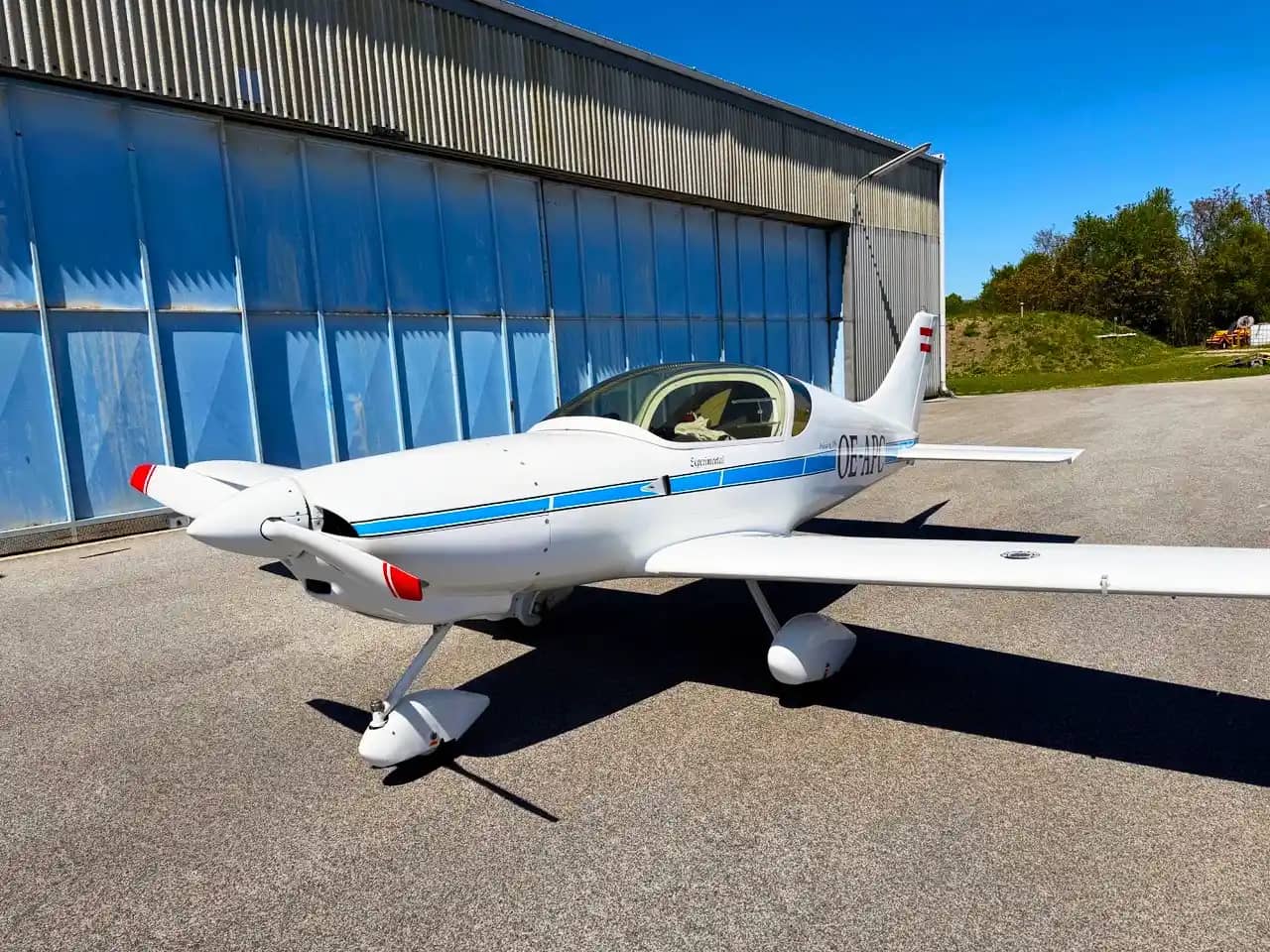
 Bad Vöslau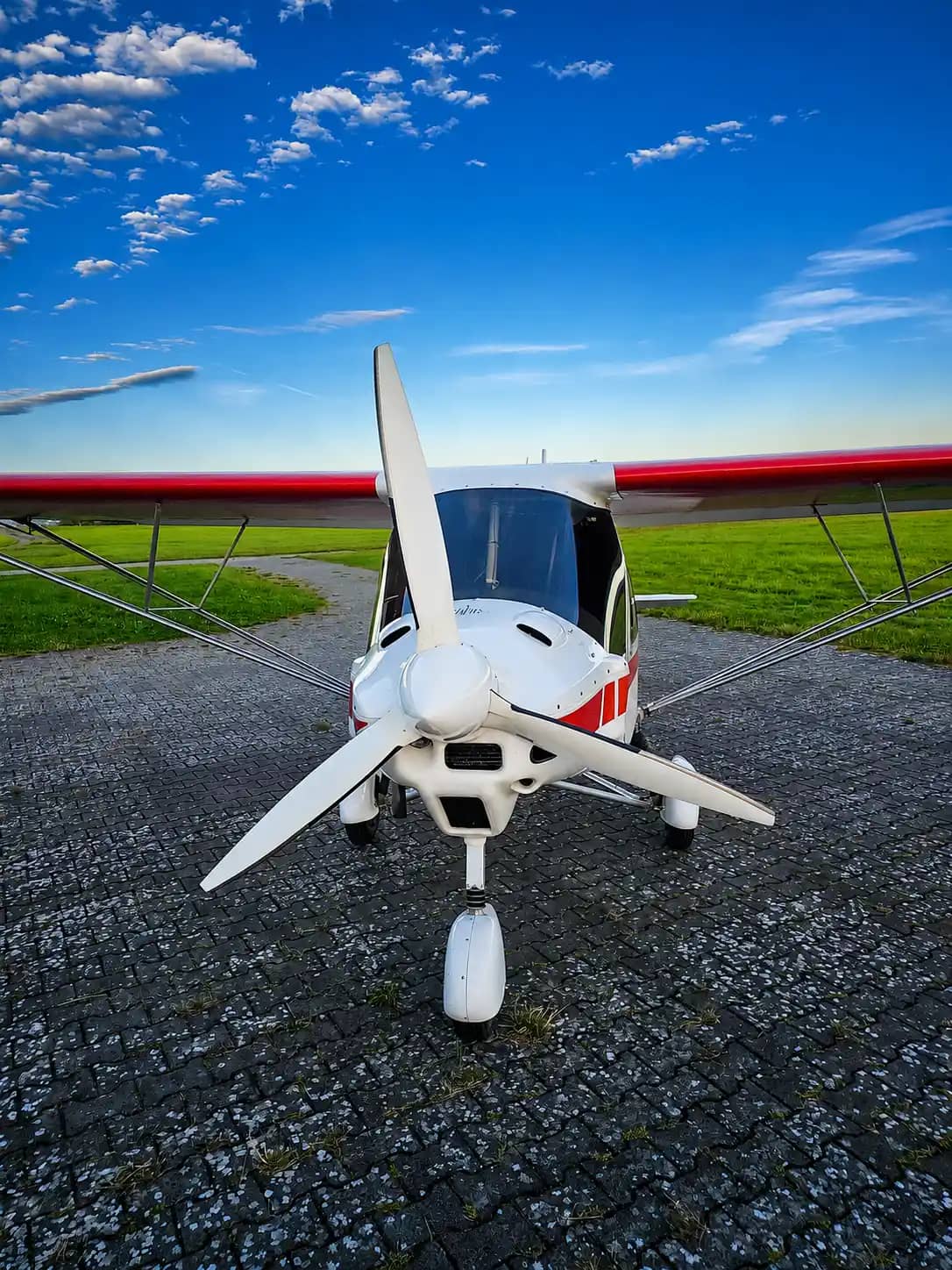
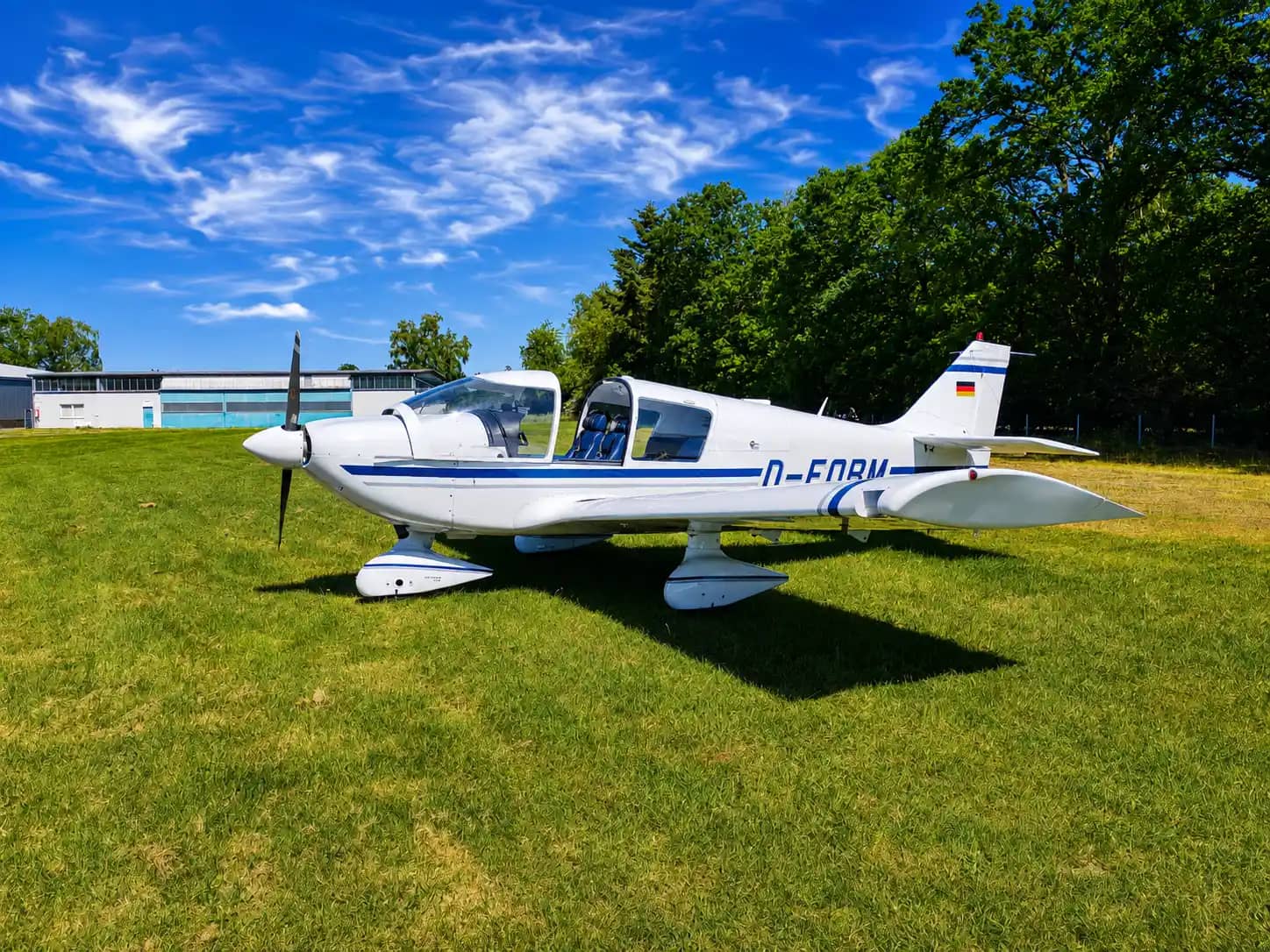
 Kirn
Kirn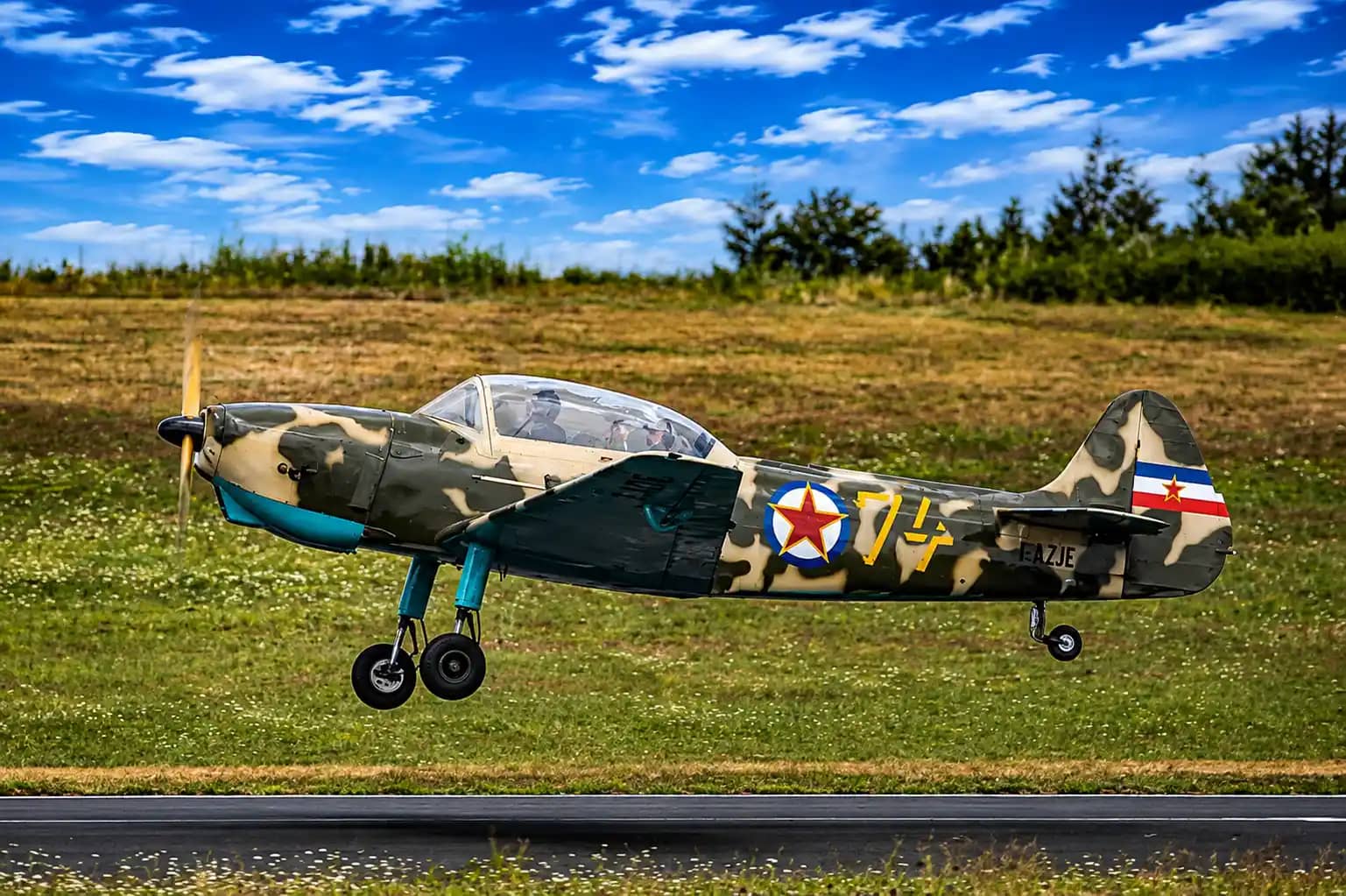
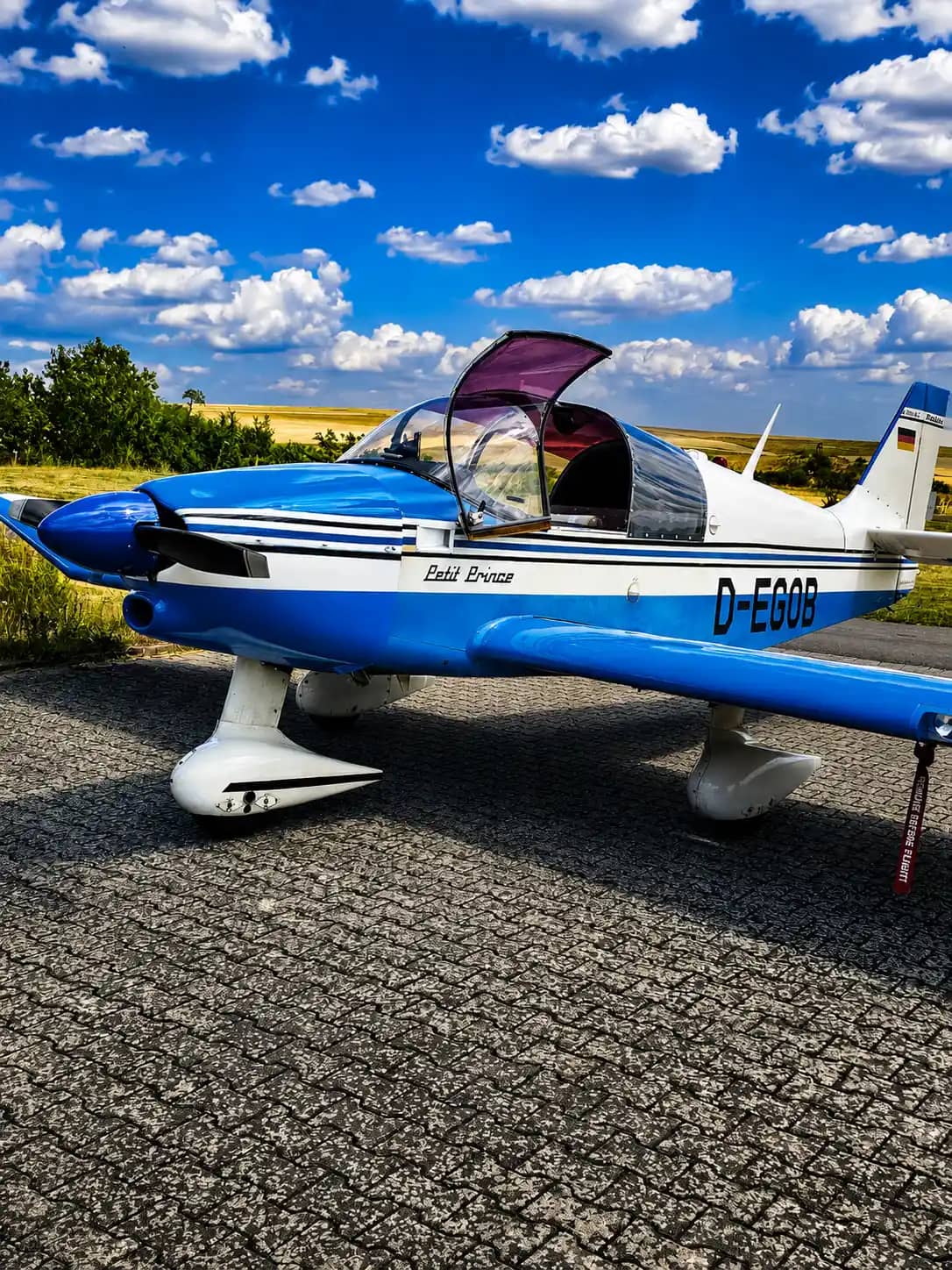
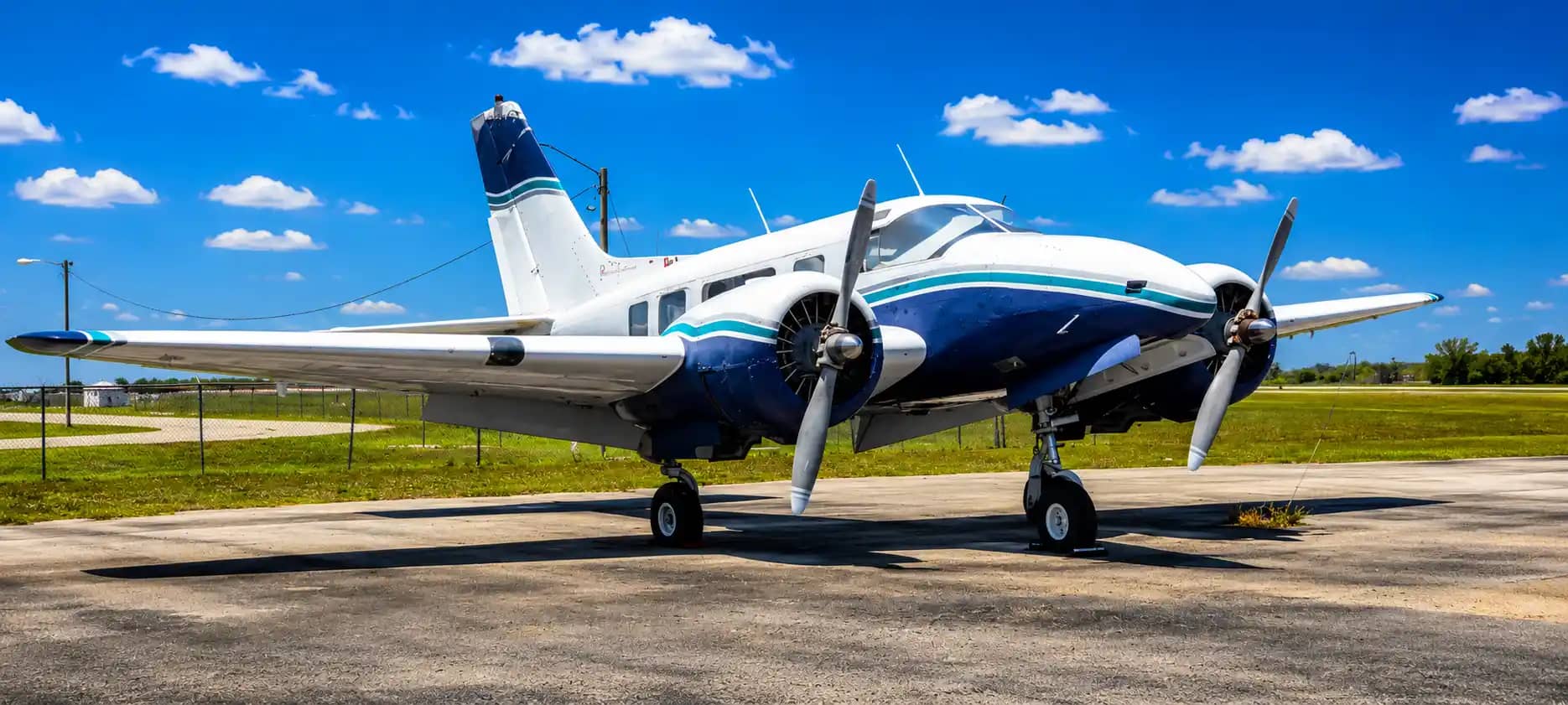
 Florida
 Szeged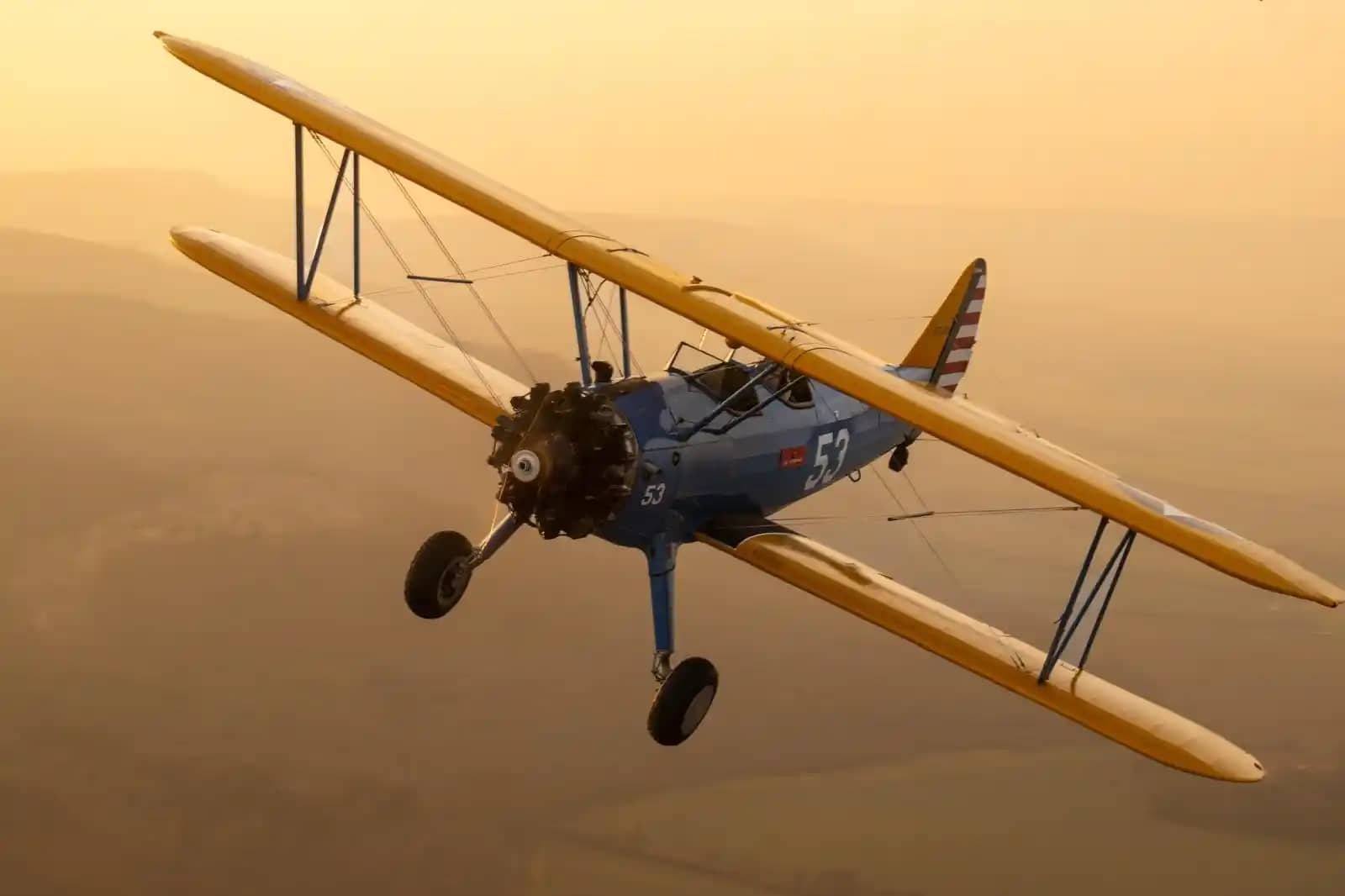

Beechcraft at a Glance
Beechcraft is one of general aviation’s most recognizable names, with roots in Wichita, Kansas, a city long associated with American aircraft manufacturing. The brand has built its reputation around capable personal aircraft, piston twins, turboprops, utility platforms and military trainers. Its products have served owner-pilots, businesses, charter operators, governments, military organizations and specialist mission providers.
Today, Beechcraft sits within Textron Aviation alongside other established aviation brands. The name remains especially influential because several product families have achieved unusually long service lives. Bonanzas and Barons continue to be active in private and commercial flying, while the King Air family has become a global turboprop reference point. This installed base gives the brand a deep network of pilots, technicians, parts suppliers and type-focused maintenance organizations.
- Piston singles for personal transportation and owner-pilot travel
- Twin-engine piston aircraft for training, business and utility work
- Turboprops for executive, charter, medical and special-mission operations
- Military trainers and mission-adapted aircraft derived from civil platforms
For prospective owners, the Beechcraft name is useful shorthand, but it is not a substitute for model-by-model analysis. Age, equipment, maintenance history, mission configuration and support needs vary substantially across the range.
The Beechcraft Story: From Beech Aircraft to Textron Aviation

Beechcraft began with Walter Beech and Olive Ann Beech, two influential figures in American aviation. Walter Beech was a skilled salesman and aviation entrepreneur, while Olive Ann Beech became a highly respected business leader whose stewardship helped shape the company over decades. Their early work in Wichita established a foundation for aircraft designed to combine performance, refinement and practical commercial appeal.
Beech Aircraft Company was formed in the 1930s and developed aircraft in Wichita during a formative period for the industry. Early cabin aircraft helped establish a premium identity, and wartime production expanded the company’s manufacturing experience and workforce. Wichita’s labor base, supplier community and aviation culture remained closely connected to the company’s subsequent growth.
After the Second World War, Beechcraft expanded through product families that would become enduring fixtures of general aviation. The Bonanza created a strong presence in high-performance piston singles. The Baron brought a recognizable Beechcraft approach to light twins. Later, the King Air combined turbine reliability, cabin utility and regional-airport flexibility in a way that appealed to a broad international market.
Corporate ownership evolved over time. Beech became part of Raytheon, later operated under Hawker Beechcraft, and then became part of Textron Aviation following Textron’s acquisition of the business. Each era involved changes in product strategy, support structures and market conditions, but the core Beechcraft legacy has remained visible in both current production and the large active fleet.
Within Textron Aviation, Beechcraft is positioned as a major aircraft brand with a portfolio spanning piston aircraft, turboprops, military trainers and special-mission solutions. For owners, the important practical point is to distinguish brand heritage from the current support reality of the exact aircraft under consideration.
What Defines a Beechcraft Aircraft
Many Beechcraft aircraft are valued for a long-service design philosophy. Their structures, systems and interiors were often aimed at owners who expected a serious travelling machine rather than a minimal recreational aircraft. That approach can produce a strong sense of cabin quality and useful load-carrying capability, but it also means that aging systems and deferred maintenance deserve careful attention.
Cabin comfort is a recurring strength across much of the range. Bonanzas are often appreciated for their passenger-friendly cabin design, Barons for practical twin-engine transport, and King Airs for business-class utility. Yet comfort varies by variant, interior condition and mission equipment. A well-refurbished older aircraft can feel more current than a newer but neglected example.
The piston heritage emphasizes efficient cross-country performance, while the turboprop families are known for durable, adaptable operations. Beechcraft aircraft are used in varied climates and runway environments, but no model should be judged solely by reputation. A buyer should review published limitations, actual loading practice, dispatch needs and the availability of qualified maintenance near expected bases.
- Inspect the specific airframe, not just the model’s reputation.
- Match cabin, payload and runway needs to realistic trips.
- Evaluate systems condition, upgrades and maintenance documentation together.
- Budget for type-appropriate training and specialist support.
The Bonanza: Beechcraft’s Signature Piston Single
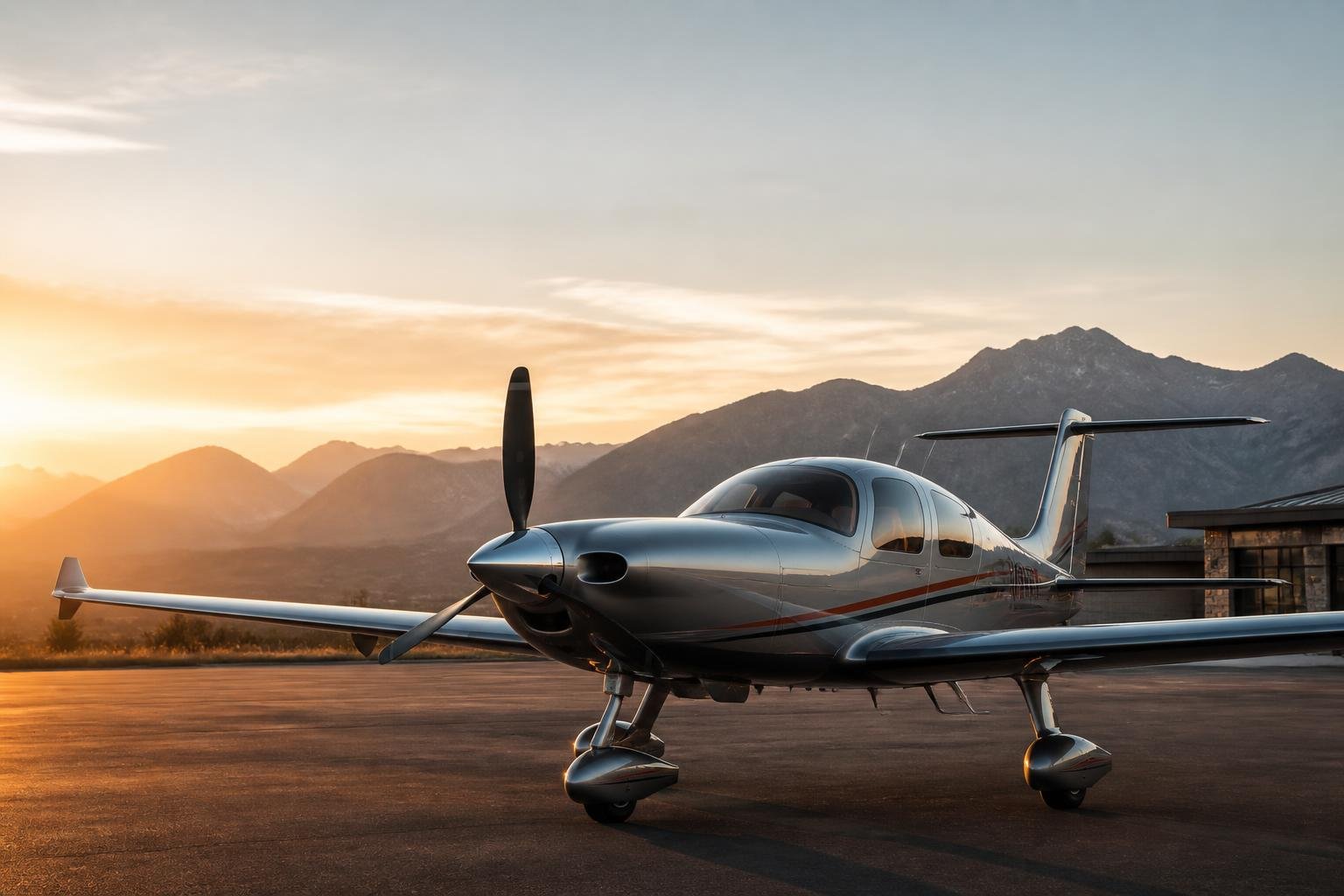
The Bonanza is Beechcraft’s best-known piston single and one of the longest-running aircraft families in general aviation. Its enduring appeal comes from a blend of speed, cabin comfort, build quality and cross-country utility. It has attracted generations of owner-pilots seeking a capable personal aircraft that can also carry family members, colleagues or clients in relative comfort.
Early Bonanzas are closely associated with the distinctive V-tail configuration, while conventional-tail versions broadened the family and gave buyers additional choices. These configurations have different maintenance, inspection and market considerations. Buyers should identify the exact model and serial range rather than treating every Bonanza as operationally identical.
A Bonanza can be a compelling aircraft for frequent regional travel, especially when passenger count and baggage are planned realistically. However, a fast piston single still requires disciplined loading. Useful load, fuel quantity, density altitude, runway length and passenger expectations all interact. A cabin that appears generous on the ramp may be less accommodating when full fuel and several adults are required.
On older examples, a detailed pre-purchase inspection should assess airframe condition, control systems, fuel systems, landing gear, engine installation, avionics wiring and evidence of corrosion or repairs. Maintenance planning should also account for engine and propeller time, calendar limits, recurring inspections and the quality of prior logbook entries. An attractive paint scheme or upgraded panel does not replace a sound maintenance foundation.
| Bonanza consideration | Buyer question |
|---|---|
| Tail configuration | Which inspection and market factors apply to this exact variant? |
| Mission loading | Can it carry planned people, bags and fuel without compromise? |
| Panel condition | Are the avionics integrated, supported and appropriate for intended operations? |
| Maintenance history | Do logs show consistent care and resolution of recurring issues? |
The Baron: Twin-Engine Versatility
The Baron family occupies an important place in private, business and training operations. It offers twin-engine capability in a relatively compact aircraft and has been used for owner-flown transportation, commercial work and multi-engine training. Its appeal is not simply the presence of two engines; it is the combination of cabin utility, established handling characteristics and a long history of operational familiarity.
Major family variants differ in engine installation, cabin arrangement, fuel capacity, gross weight and performance. Some models favor simpler ownership and training roles, while others provide stronger cross-country performance and more elaborate equipment. Cabin layout, payload and range are always a compromise. A buyer should calculate a representative trip rather than relying on a maximum range or brochure-style payload figure.
Twin ownership brings obligations beyond purchase price. Initial and recurrent training, insurance requirements, engine reserves, propeller maintenance and landing-gear upkeep can materially affect annual cost. The condition of both engines matters, but matching maintenance status and documentation across the pair matters as well. An apparently lower-priced twin may require substantial near-term spending if engines, props, landing gear or avionics are approaching major work.
Compared with a capable single, a Baron may offer added mission flexibility and redundancy, but it demands greater operational proficiency and often higher fixed and variable costs. It is best suited to buyers whose travel patterns, passenger requirements and training commitment genuinely justify the twin-engine platform.
The King Air: The Turboprop Benchmark
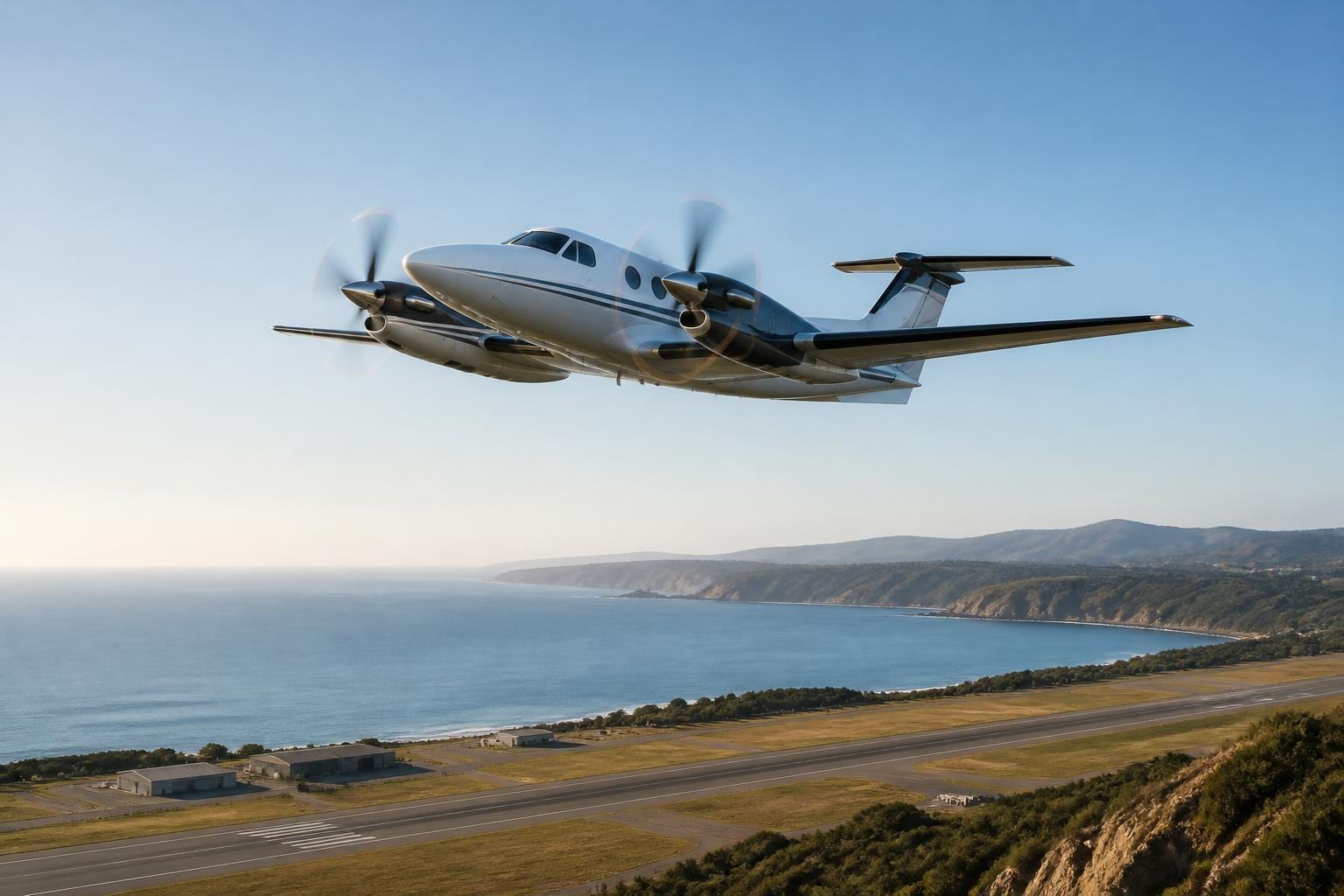
The King Air family is widely regarded as a benchmark in turboprop aviation. Its evolution has produced aircraft across light, medium and larger-cabin categories, with meaningful variation in performance, cabin space, systems and acquisition cost. The shared family name can obscure those distinctions, so serious buyers should compare individual models on their own capabilities rather than assume a single King Air operating profile.
King Air aircraft are used for corporate transportation, on-demand charter, medical transport, aerial survey, government work and other specialized missions. Their broad appeal comes from turbine reliability, multi-passenger cabins, useful baggage capacity and access to many regional airports. They can be practical where a jet’s cost, runway needs or mission profile is not ideal.
Payload, speed, range and cabin comfort must be assessed together. A model with a more spacious cabin may carry a different economic profile than a smaller aircraft optimized for shorter sectors. High-frequency operations may prioritize dispatch reliability, engine support and interior durability, while owner-flown or company-owned aircraft may place more weight on avionics, passenger presentation and familiar home-base maintenance.
Engine maintenance programs can be an important factor in value and budgeting. Buyers should understand whether coverage is transferable, what events are included, how utilization affects costs and whether the aircraft has followed recommended maintenance practices. Modern avionics and thoughtful refurbishment can improve mission utility, but work quality, documentation and compatibility matter more than a long equipment list.
- Light-cabin King Airs can suit shorter regional business and utility missions.
- Medium and larger models may offer greater cabin, payload and range flexibility.
- Special-mission equipment can add capability while reducing standard cabin utility.
- Engine, propeller, landing-gear and avionics status should be reviewed as a package.
Utility, Trainer and Special-Mission Beechcraft Aircraft
Beechcraft’s footprint extends beyond the Bonanza, Baron and King Air. The Musketeer and Sundowner families have a recognizable place in training and personal flying, with straightforward missions that can appeal to pilots building experience or seeking accessible four-seat transportation. As with any older trainer or recreational aircraft, actual condition and maintenance discipline have more importance than a broad family reputation.
The Duke is admired for performance and distinctive presence, but ownership can be more complex than that of simpler piston models. Prospective buyers should approach it with realistic expectations about systems, engines, parts planning and specialist maintenance. It may suit an informed enthusiast or operator with a clear support strategy rather than a buyer seeking the lowest-complexity entry into twin ownership.
Military and government history includes the T-34 Mentor, a notable trainer, and the T-6 Texan II, a modern military training platform. King Air-derived aircraft also support military and government roles, including C-12 variants and other mission-configured platforms. These aircraft can be highly capable, but mission modifications may affect weight, cabin layout, certification basis, records, maintenance requirements and resale audience.
When evaluating a special-mission aircraft, determine whether installed equipment remains useful, supportable and legal for the buyer’s intended operation. Equipment that is valuable to one operator can narrow the market for another.
Beechcraft Model Families and Mission Matching
A sound aircraft search begins with the mission. For personal travel, an owner-pilot may prioritize efficiency, comfort, baggage access and manageable training requirements. A Bonanza or another piston single may fit well when passenger numbers are modest and trips are regional. Flight training and time-building needs may instead favor a simpler Musketeer-family aircraft or a Baron where multi-engine training is the central purpose.
Business transport introduces different priorities: dispatch reliability, cabin presentation, schedule flexibility, runway access and the ability to carry several passengers with bags. King Air models are common candidates where these factors matter. Cargo, survey, medical and government missions require still more scrutiny of door dimensions, electrical capacity, mission equipment, operating approvals and maintenance support.
Runway environment should be considered early. Surface type, length, obstacle profile, seasonal weather, elevation and hangar access may eliminate otherwise attractive aircraft. So can airport infrastructure: turbine fueling, qualified maintenance, de-icing arrangements and suitable parking may be more relevant to an operator than a headline cruise figure.
| Primary mission | Potential Beechcraft starting point |
|---|---|
| Fast personal travel | Bonanza or comparable piston single |
| Multi-engine training and transport | Baron family |
| Executive regional transport | King Air family |
| Specialized government or utility work | Mission-configured King Air-derived platform |
The right shortlist is therefore mission-first, not brand-first. Define typical and worst-case trips, then test each candidate against them.
Pre-Owned Beechcraft Buying Checklist
A pre-owned Beechcraft purchase should begin with complete airframe, engine, propeller and component records. Review continuity of logs, damage history, repair documentation, title status and ownership trail before committing significant time or money. Missing records do not automatically make an aircraft unacceptable, but they increase uncertainty and can affect financing, insurance and resale.
Use a pre-purchase inspection team with direct experience in the exact type. The scope should be agreed in writing and should cover the airframe, engines, props, landing gear, systems, avionics and a review of scheduled maintenance status. Corrosion assessment is particularly important on aging aircraft, especially where moisture, coastal exposure, storage practices or prior repairs create concern.
- Confirm engine, propeller and component times against records.
- Check calendar-driven overhaul or inspection requirements.
- Review airworthiness directives, service bulletins and recurring discrepancies.
- Assess avionics for present operations and foreseeable compliance needs.
- Budget separately for paint, interior and cosmetic refurbishment.
- Conduct a disciplined test flight and delivery acceptance process.
A test flight should not replace a physical inspection, but it can reveal operational issues involving engine indications, pressurization where fitted, autopilot behavior, gear operation, cabin systems and general handling. Define acceptance conditions and delivery responsibilities before the transaction progresses.
Ownership Costs and Operational Planning
The acquisition price is only one part of Beechcraft ownership. Fixed expenses can include hangarage, insurance, training, subscriptions, inspections and administrative costs. Variable expenses include fuel, oil, maintenance labor, parts, engine reserves, propeller reserves and landing or handling charges. The balance changes sharply between a piston single, a piston twin and a turboprop.
Piston aircraft can offer lower entry and fuel costs, but they still require disciplined reserves for engines, avionics and aging systems. Twin pistons add another engine and propeller along with more complex systems. Turboprops generally involve larger budgets, but may deliver greater passenger capacity, schedule utility and professional operational capability. High utilization can improve the practical value of a turboprop, while low utilization can make fixed costs more prominent.
Scheduled inspections should be planned as operating events, not treated as surprises. Equally important is an allowance for unscheduled findings, particularly on older aircraft. An owner with limited time or technical interest may benefit from professional management. Shared ownership can reduce utilization-related waste and fixed-cost exposure, but it requires clear agreements on scheduling, reserves, maintenance decisions and aircraft condition standards.
Maintenance, Parts and Support Considerations
Beechcraft owners can use authorized support channels and independent maintenance providers. The best choice depends on aircraft age, location, mission complexity and required expertise. A modern King Air with sophisticated avionics may benefit from a different support relationship than an older Bonanza maintained by a respected type-specialist shop.
Technician familiarity matters. A mechanic may be highly capable in general terms but less efficient when diagnosing type-specific systems, recurring inspection items or unusual legacy modifications. Before buying, identify realistic maintenance options near the intended base and along common operating routes.
Parts planning may involve genuine new parts, overhauled components and approved replacement options, depending on the item and applicable requirements. Buyers should avoid assuming that an older aircraft is unsupported simply because it is out of production. Instead, investigate known supply constraints, lead times, repair options and the condition of installed components.
Airworthiness directives, service bulletins and maintenance records are central to both safety and value. A well-organized record set demonstrates care, makes future maintenance easier to plan and gives a buyer confidence in the aircraft’s history. Conversely, vague entries and unresolved discrepancies can complicate a sale even when the aircraft presents well cosmetically.
How to Compare Beechcraft Listings
Comparing listings starts with correct identification. Confirm the precise model, serial range, engine variant, seating arrangement, fuel system, gross-weight configuration and installed equipment. Listings can use broad family names, but material differences may exist between variants that appear similar in photographs.
Total time should be read in context with calendar age, utilization pattern and maintenance quality. A low-time aircraft is not automatically superior if it has spent long periods inactive or has aging hoses, seals, avionics and interior materials. Likewise, a higher-time aircraft with orderly records and recent major maintenance may offer a clearer near-term ownership picture.
Review engine program participation, remaining life, recent hot-section or overhaul work where relevant, and propeller status. Evaluate the avionics suite for integration, installation quality and future utility. Recent paint, interior refurbishment and major maintenance can affect value, but they should not distract from fundamental airworthiness, records and mission suitability.
| Listing factor | How to assess it |
|---|---|
| Configuration | Verify against records and installed equipment, not description alone. |
| Times and cycles | Compare with maintenance status and calendar exposure. |
| Avionics | Assess capability, supportability and installation documentation. |
| Recent work | Request invoices, scope details and remaining follow-up items. |
| Asking price | Compare condition and configuration with genuine alternatives. |
Selling a Beechcraft Aircraft Effectively
An effective sale begins with an accurate specification. Prepare a complete equipment inventory covering airframe, engines, propellers, avionics, interior, exterior, mission equipment and recent maintenance. State the exact model and configuration clearly. Accuracy attracts qualified buyers and prevents time-consuming misunderstandings later in the process.
Organize logbooks, maintenance summaries, invoices and compliance records before marketing. Transparency around damage history, repairs, upcoming inspections and known discrepancies is usually more productive than trying to present an aircraft as flawless. Serious buyers will conduct diligence, and a well-documented history supports confidence and value.
Professional photography should show the aircraft clean, properly staged and honestly represented. Include cabin, cockpit, baggage areas and relevant equipment in the available sales material. Price against comparable aircraft with attention to condition, engine status, panel quality, paint, interior and maintenance timing. Upgrades should be highlighted precisely, without assuming that every dollar spent will translate directly to sale price.
Finally, prepare for buyer qualification, inspection access, escrow-style transaction procedures where appropriate, insurance timing and delivery arrangements. A smooth process is often the result of preparation: clear records, realistic pricing, defined inspection terms and responsive communication.

Comments
No comments yet
Be the first to share your thoughts!