
 Bad Vöslau
 Kirn
Kirn
 Florida

To buy classic aircraft well, treat the purchase as a technical, legal and documentation project rather than a simple search for an attractive airframe. A rare aircraft may be affordable to acquire yet difficult to register, insure, repair, transport or return to service. The central question is not only whether the aircraft is desirable, but whether its identity, condition, records, support network and future costs fit the mission you intend to fly or preserve.
Why Classic and Rare Aircraft Need a Different Buying Process
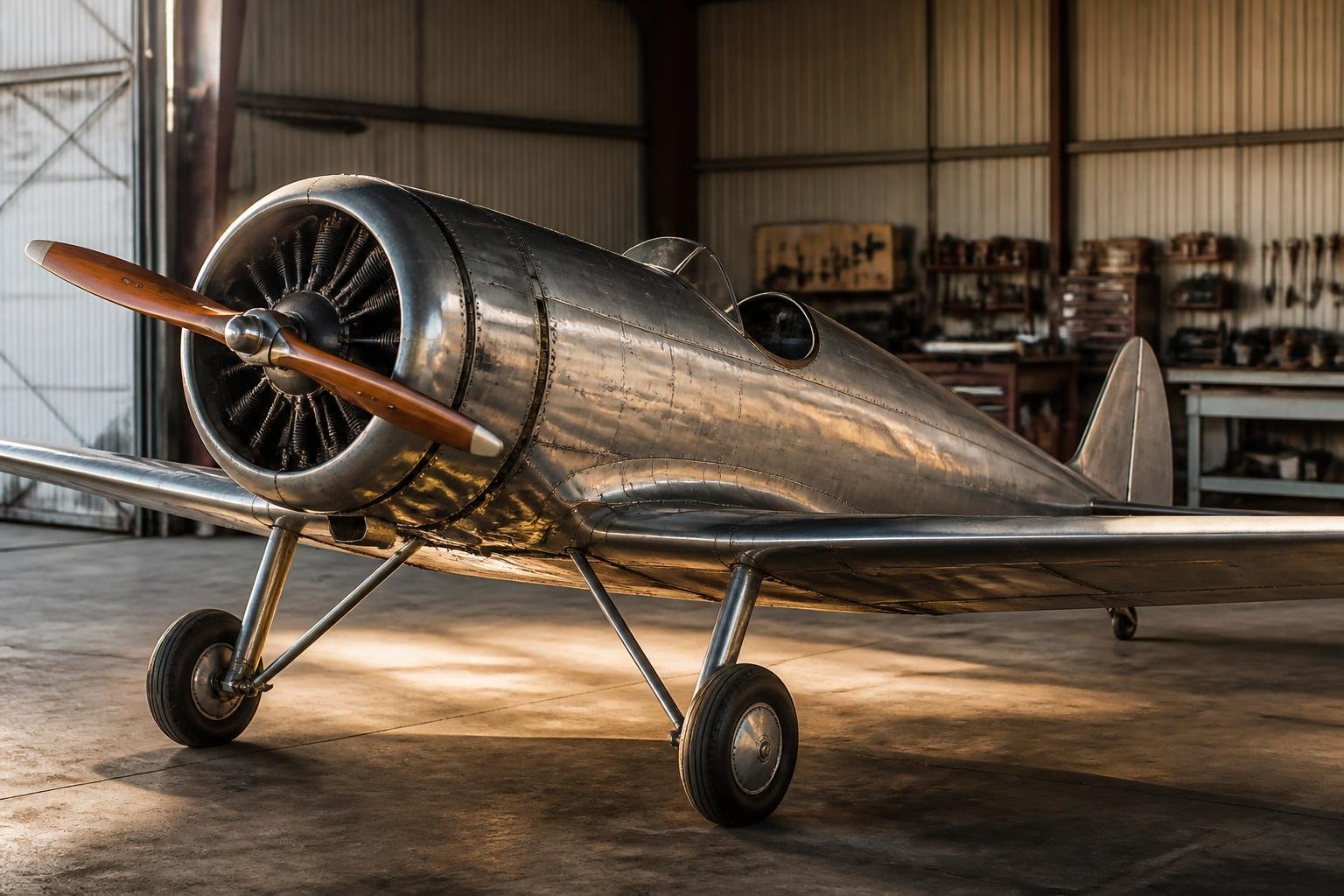
Classic and rare aircraft bring risks that are often less visible than the purchase price. A modern production aircraft may have an active parts pipeline, established maintenance shops and a well-understood market. An older, low-production or historically significant type may instead depend on specialist knowledge, scarce components, aging technical data and a small pool of qualified support.
Collectibility and practical operability are separate considerations. A highly original aircraft with important provenance may be more valuable as a carefully conserved display piece than as a frequent touring aircraft. Conversely, an aircraft restored for regular operation may contain approved modern replacements that improve utility while reducing historic originality. Neither position is inherently better; the buyer must decide which matters most before assessing a particular example.
The legal category also changes the buying process. A type-certificated civil aircraft generally follows an established approval and maintenance framework, although that does not guarantee parts availability. Experimental aircraft can have different maintenance privileges and operating limitations depending on their registration basis and jurisdiction. Former military aircraft may introduce further questions about civilian certification, demilitarisation, restricted operation, export controls and specialist insurance. Never assume that an aircraft offered for sale can be flown under the rules that apply in your home country.
Define the intended mission early. Is the aircraft intended for museum display, occasional local flying, vintage rallies, airshow participation, cross-country travel, training, or a private collection? The answer determines acceptable downtime, payload, runway requirements, weather exposure, maintenance budget and the importance of original components.
Finally, separate condition, completeness and provenance. An aircraft can be structurally sound but incomplete, cosmetically impressive but poorly documented, or historically important but not economically practical to operate. A disciplined buyer evaluates each question independently.
Define the Aircraft’s Legal Identity and Certification Basis
Before concentrating on paint, equipment or engine condition, establish exactly what the aircraft is in legal terms. Confirm the civil registration status, serial number, manufacturer’s data plate information and documented chain of title. The identity on the aircraft, its records and the applicable registry should agree. Discrepancies should be resolved before money changes hands.
For type-certificated aircraft, identify the applicable type certificate and determine whether the aircraft remains consistent with its approved configuration. Review supplemental type certificates, approved alterations and field approvals where applicable. A modification may be useful, but its approval basis and continuing maintenance requirements matter as much as the installation itself.
Standard-category, limited-category, experimental and restricted-category aircraft can have materially different operating and maintenance implications. Experimental status does not automatically mean an aircraft is easier to maintain or export; operating limitations, inspection requirements and eligibility depend on the specific certification history. A former military aircraft may be eligible for civilian registration in one jurisdiction but face very different requirements elsewhere.
National aviation authorities apply their own rules for registration, airworthiness review, maintenance release, modification approval and pilot operation. Cross-border purchases deserve early attention to import approval, export certificates, customs declarations, value-added tax or other taxes, and conformity work. These matters can take longer than a buyer expects, particularly when records are incomplete or technical data must be translated and assessed.
Ask about operating limitations, local noise restrictions and insurance eligibility before committing. Some aircraft may have access constraints at particular airfields, while insurers may require named pilot experience, recurrent training, hangarage or a specialist inspection. Legal identity is not paperwork at the edge of the deal; it is the framework that determines what ownership can realistically look like.
Parts Availability: Identify What Can Actually Be Replaced
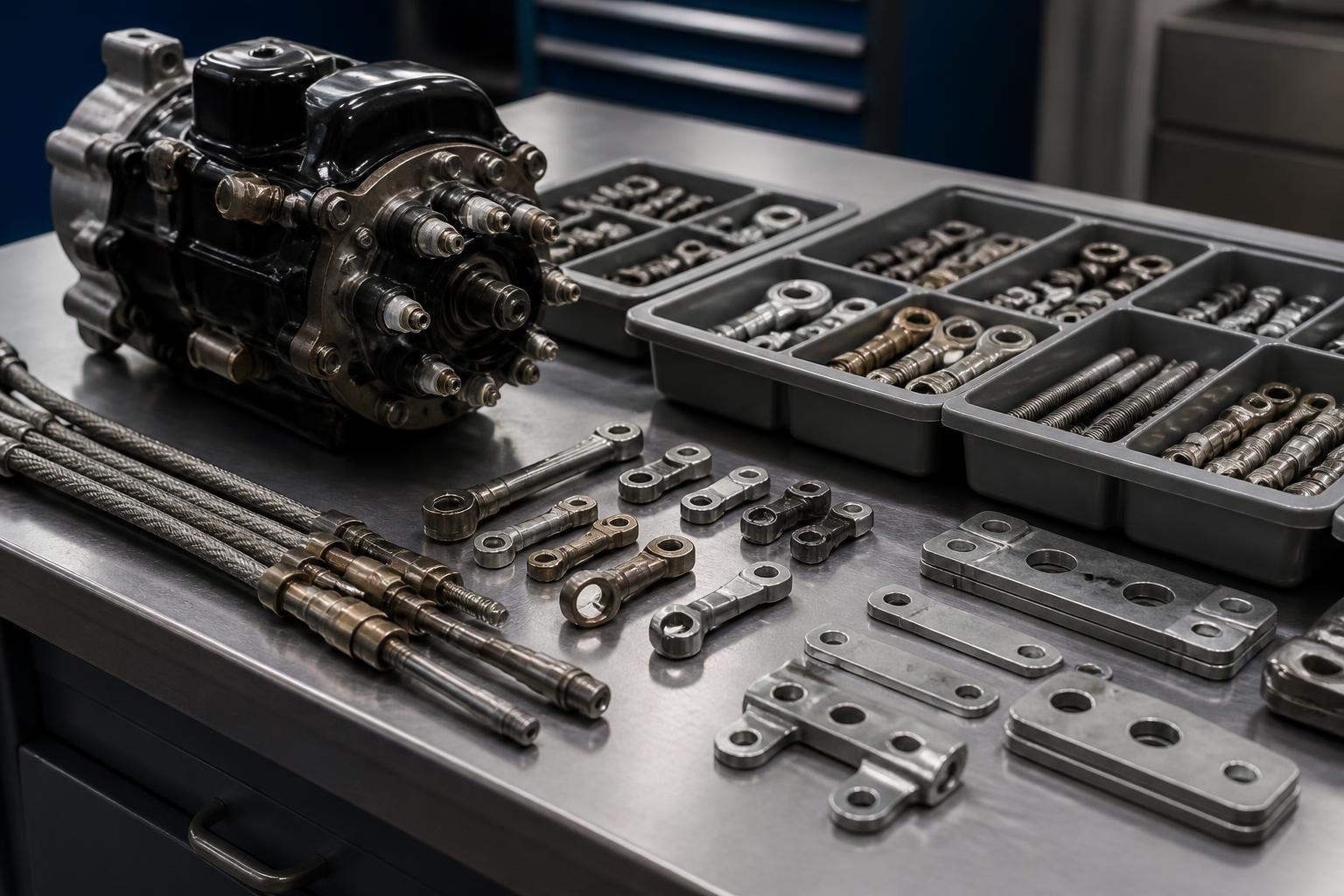
Parts availability should be investigated by component category, not answered with a general assurance that “parts can be found.” Start with predictable wear items: ignition components, seals, hoses, brakes, bearings, filters, tyres, control cables and consumables. Then move to expensive or grounding-critical items such as cylinders, crankcases, propeller parts, landing gear hardware, canopy assemblies, fuel-system components and structural fittings.
Rare types often rely on a mix of new old stock, serviceable used parts, owner-club supply networks and approved reproductions. Each route has a different risk profile. New old stock can be authentic but may have shelf-life or storage concerns. Used parts need traceability and inspection appropriate to their role. Reproduced parts may be viable only when made and approved through an acceptable pathway for the aircraft’s certification basis.
Manufacturer support is valuable, but active factory support is not the only workable solution. Some older types are sustained by knowledgeable type clubs, specialist restorers and small engineering businesses. The key is to learn whether that support is durable and whether the people involved can supply documentation as well as physical parts. Informal knowledge is helpful; approved repair data and traceable components are more important when the aircraft must remain legally operable.
Be cautious with components taken from cannibalised aircraft. Salvage can be an appropriate source, but only if part numbers, serial numbers, condition, release documentation and eligibility can be established. An untraceable part may be of little use regardless of its apparent condition.
Lead times matter. A part sourced internationally may involve specialist packing, hazardous-material rules, customs clearance and freight delays. Build a critical spares plan before purchase, especially for components that can ground the aircraft for an extended period. A sensible package can include consumables, ignition items, hardware, seals and hard-to-source proprietary parts, but should be inventoried and assessed rather than accepted as an unverified bonus.
Maintenance Capability and Specialist Support
A classic aircraft is only as maintainable as its technical data and support network allow. Review the quality and completeness of maintenance manuals, overhaul instructions, illustrated parts catalogues, service bulletins and repair information. Some types have excellent surviving documentation; others require careful work with historical manuals, approved data and specialist interpretation.
Identify mechanics, inspectors and maintenance organisations with meaningful experience of the specific type or construction method. General piston-aircraft experience may not be enough for a wood-and-fabric design, a complex radial engine, an early constant-speed propeller or a rare fuel system. Ask who currently supports similar aircraft, how far they are from the aircraft’s intended base and whether they can take on new work.
Different structures need different skill sets. Fabric work depends on approved materials, established processes and good inspection access. Wooden aircraft demand expertise in moisture management, glue joints, species identification and repair techniques. Tubular steel structures require competent corrosion assessment and welding decisions. Radial engines and older propellers can need specialist overhaul capability well beyond the resources of a routine maintenance shop.
Structural repairs are especially sensitive. A maintenance facility may recognise a problem but still need approved repair data before undertaking work. Establish who can develop, locate or approve that data where it is required. Do not treat a confident verbal opinion as a substitute for a supportable maintenance path.
Hangar access is part of maintenance capability. Aircraft with fabric, wood, exposed systems or scarce interior materials can deteriorate quickly when stored outside. Consider whether a local hangar has sufficient door height, wing clearance, electrical supply, fire precautions and space for disassembly. Budget for specialist travel too: a remote expert, shipping a component for overhaul or moving the aircraft to a suitable facility can materially change annual ownership costs.
Owner-performed maintenance privileges vary by jurisdiction and certification category. Understand the limits that apply to this aircraft and your location rather than assuming that experience on another aircraft transfers directly.
Airframe Risks: Corrosion, Wood, Fabric and Aging Repairs
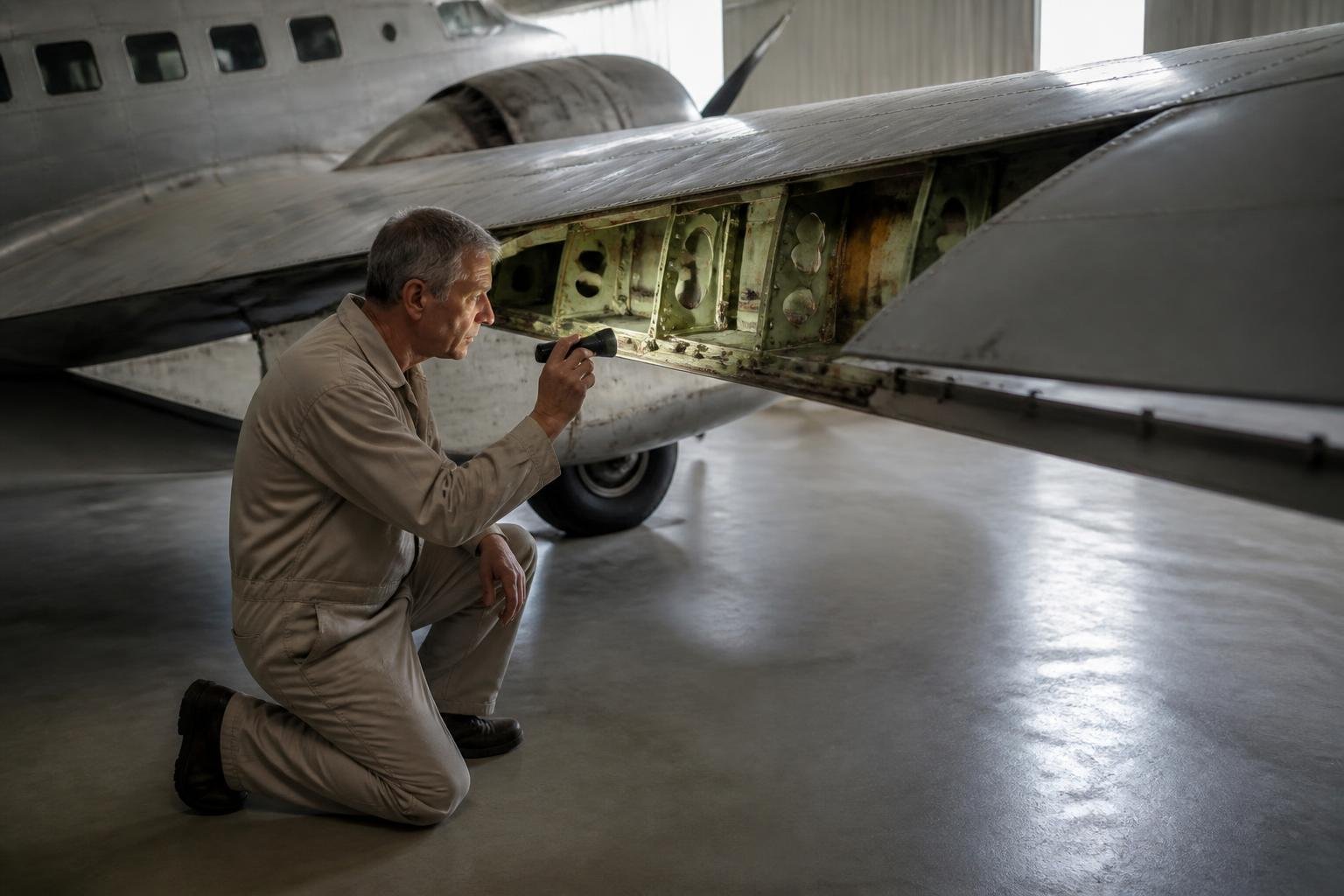
Age alone does not condemn a classic airframe, but it changes where a buyer must look. Corrosion can hide inside tubular steel frames, lap joints, control surfaces, lower fuselage areas, landing-gear attach points and locations exposed to trapped moisture. Aluminum structures deserve close attention around seams, fasteners, battery areas, bilges and areas affected by dissimilar-metal contact. Magnesium components require particular care because corrosion can be difficult to assess and repairs may be specialised.
Wood structures should be examined for rot, moisture exposure, delamination, glue-joint condition, crushed fibres and prior repairs. An attractive exterior finish cannot prove the integrity of a spar, rib, longeron or internal joint. Inspection access, known storage history and the assessment of a qualified wood-aircraft specialist are important when the structure is not fully visible.
Fabric covering requires more than a visual check for tears or fading. Determine the covering system, its age, the workmanship standard, the condition of underlying structure and whether inspection openings provide meaningful access. Fabric may conceal corrosion, poor repairs or moisture-related problems underneath. Records of the covering work, materials and process can be highly valuable.
Previous repairs need careful scrutiny. Look for non-standard materials, poorly executed patches, undocumented welding, unexplained fastener patterns and repairs that lack supporting evidence. Damage history is not automatically disqualifying; a properly documented, correctly engineered repair can be acceptable. The risk arises when the repair history is unclear or structural alignment cannot be established.
Storage conditions often explain more than calendar age. Long-term inactivity, blocked drainage, damp hangars, coastal exposure and outdoor storage can create defects that only emerge during disassembly. Plan non-destructive inspection methods appropriate to the type, such as borescope access, moisture assessment, dye penetrant inspection or other specialist techniques. The inspection plan should be based on known vulnerabilities, not merely a generic checklist.
Documentation Risks That Can Change the Value of the Aircraft

Documentation can materially affect an aircraft’s usability, credibility and resale prospects. Begin with airframe, engine and propeller logbooks. Continuous records are valuable because they establish maintenance history, time in service, installed components and periods of inactivity. They also help an inspector understand what has been done rather than infer it from appearance.
Review maintenance-release records, annual or periodic inspection history, overhaul documentation and any applicable airworthiness review paperwork. Times in service should be internally consistent across the logs, component records and maintenance entries. Where components have life limits, recurring inspection requirements or overhaul intervals, confirm that tracking is clear and current for the aircraft’s legal category and location.
Major repairs, alterations and modifications deserve their own file review. The buyer should be able to connect the physical aircraft with evidence showing what was changed, why it was changed and on what approval basis. This is particularly relevant where avionics, engines, propellers, fuel systems, restraint systems or structural repairs differ from the original configuration.
Ownership history is also practical due diligence. Review bills of sale, registration documents and available title information, then arrange appropriate lien checks for the transaction jurisdiction. Provenance records, restoration photographs and invoices can support historical claims and explain the scope of previous work, but they do not replace technical inspection.
Missing records do not always make a purchase impossible. They do, however, create uncertainty that should be understood in legal, operational and financial terms. Reconstructed logbooks may be legitimate records of later work, but they cannot recreate missing history. Unexplained gaps should lead to focused questions about damage, storage, component times and certification status.
Keep seller statements distinct from independently verified evidence. A seller may accurately report what they were told, but a serious buyer should seek records, inspections and traceable documents for claims that affect price or operability.
Build a Pre-Purchase Inspection Around the Specific Type
A pre-purchase inspection for a vintage aircraft should be designed around that aircraft’s construction, certification basis and intended use. Engage an independent inspector with relevant type experience where possible. Independence matters because the inspector’s role is to identify risk for the buyer, not to support a sale, complete an annual inspection or validate a restoration narrative.
Agree the scope before travel, deposit or bidding. A records review should usually happen first, allowing the physical inspection to focus on the areas that documents identify as uncertain or high risk. Define access expectations, who will remove inspection panels, whether the engine can be run, which records will be available and what limitations may prevent a conclusive assessment.
Separate the workstreams: airframe, engine, propeller, avionics and documentation. Depending on the type and condition, the inspection may include borescope examination, compression testing, oil-filter inspection, oil analysis, corrosion checks and verification of serial-numbered components. These checks are useful evidence, not guarantees against hidden defects.
Verify that critical serial numbers correspond with records and approvals. This can include engines, propellers, major accessories and components with defined lives or maintenance histories. For rare aircraft, an apparently minor mismatch may create a significant research and approval problem later.
A flight evaluation may be useful only when it is legal, safe and appropriate for the aircraft’s known status. It should never be treated as a substitute for ground inspection, and an aircraft with uncertain maintenance or certification should not be flown merely to satisfy a buyer’s curiosity.
Request written findings, likely repair pathways and realistic cost ranges where the inspector can support them. Set walk-away criteria in advance: unresolved title issues, untraceable major components, structural deterioration beyond the budget, or no viable maintenance route are examples that may justify withdrawal or renegotiation.
Estimate Ownership Costs Beyond the Acquisition Price
The acquisition price is only the entry point. Older aircraft commonly require initial catch-up maintenance after purchase, even when presented as regularly maintained. Deferred defects may be minor, or they may involve engine work, braking systems, fuel tanks, corrosion treatment, fabric renewal or extensive documentation research.
Build an ownership budget that includes hangarage, specialist labour, insurance, fuel, oil and consumables. Older powerplants may have different fuel, oil, starting and servicing requirements from newer engines. A low annual utilisation rate does not necessarily mean low costs; preservation, inspections and calendar-driven maintenance still continue.
Maintain reserves for overhaul and component replacement. For rare types, the exposure is not only the cost of an overhaul but also the time needed to locate a shop, transport a component and obtain parts. If the aircraft must be disassembled for transport, include crating, lifting equipment, specialist labour, reassembly and post-assembly inspection.
International buyers should account for import taxes, customs brokerage, registration fees, conformity assessment and any changes needed to satisfy local requirements. Restoration budgets need contingency because hidden defects often appear only after fabric, panels, floors or inspection covers are removed.
Liquidity is another ownership cost. The market for a rare aircraft may be narrow, especially if documentation is weak, the restoration is unfinished or operational support has declined. Buy with a realistic view of future resale time and the possibility that the next buyer will ask the same hard questions you should ask now.
Evaluate Restoration Claims, Originality and Provenance
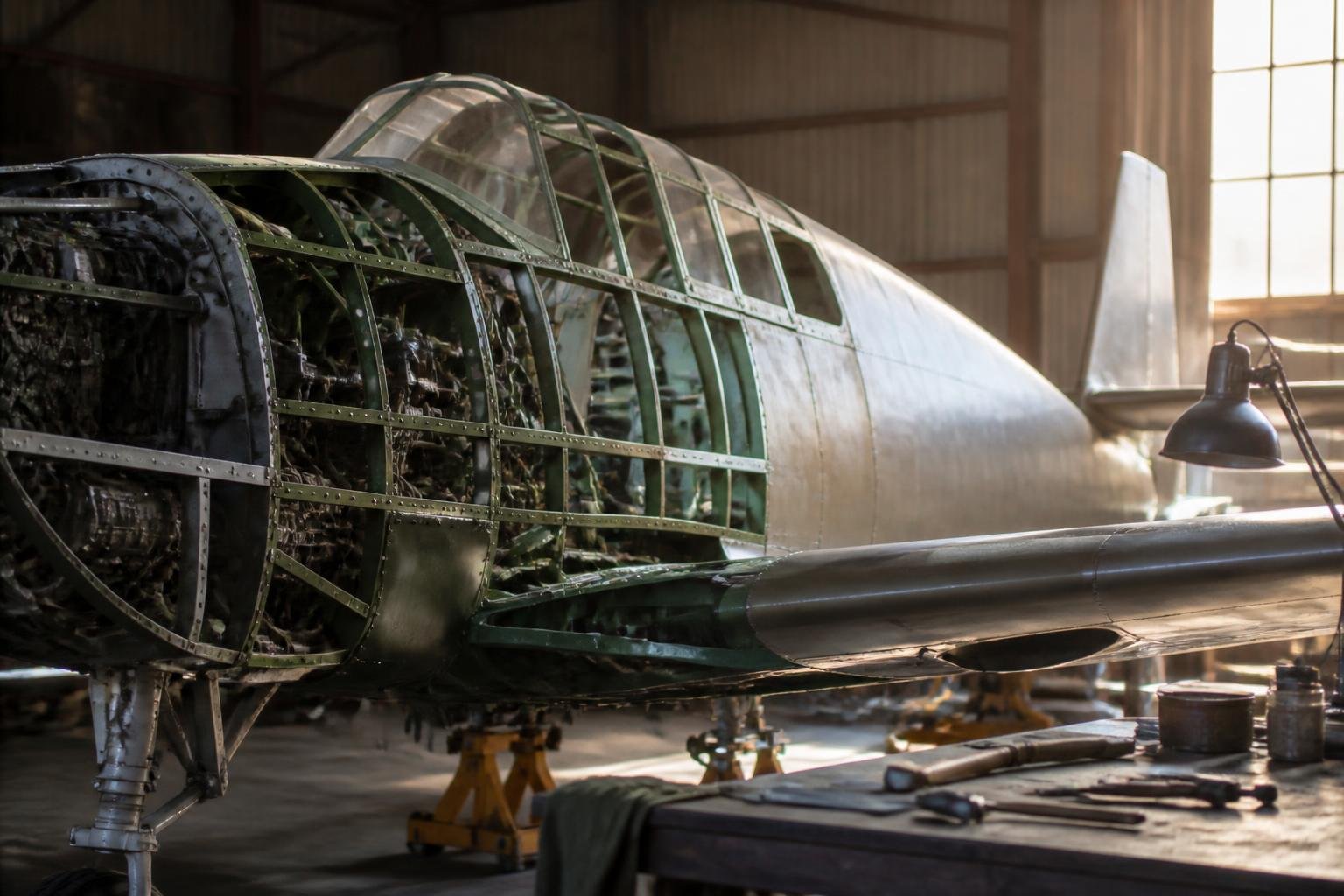
The word “restored” is not a technical condition report. Clarify whether the work was cosmetic, structural, mechanical or comprehensive. Fresh paint, polished metal and renewed upholstery may improve presentation while leaving major structural, engine or documentation work unresolved. Conversely, a less polished aircraft may have an exceptionally thorough structural restoration supported by records.
Originality also needs definition. Some buyers value original components, while others prefer period-correct replacements or carefully engineered modern substitutions that improve reliability and serviceability. A replica component is not automatically inferior, but it should be accurately represented and suitable for the aircraft’s approved configuration.
Ask for restoration photographs, invoices, work orders and a clear account of who performed the work. Images should show progression, not only a finished exterior. Supporting records can help identify replaced structure, materials used, engine and propeller work, and decisions made during the restoration.
Historical claims should be supported by credible records. A claimed military, racing, training or ownership history may influence collector interest, but paint schemes, anecdotes and presentation boards are not proof. Trace the claim through serial number, registration history, archival documents or other reliable evidence where available.
Modifications can affect authenticity and usability in different ways. Updated brakes, radios, restraint systems or electrical systems may be sensible for operation, while non-period modifications may reduce appeal to some collectors. Museum-quality presentation should not be confused with operational condition, and an operational aircraft should not be assumed structurally sound because it looks authentic.
Use Listing Information Without Treating It as Due Diligence
A detailed listing can efficiently narrow the field, but it is a starting point for verification rather than a replacement for it. Treat photographs, equipment lists, logbook summaries, restoration descriptions and seller-provided history as useful leads for your document request and inspection scope.
Keep a clear division between seller-reported condition and independently inspected findings. Ask the seller, restorer and maintenance facility focused questions: when was the aircraft last flown; what work is currently deferred; which components are due for overhaul; where has it been stored; what records are missing; and which defects are known but not repaired?
Request additional photographs of high-risk areas where practical, including lower fuselage sections, wing roots, inspection openings, engine bay details, landing gear attachments, interior structure and data plates. Images cannot establish condition conclusively, but they can reveal where further review is needed.
Obtain documentation before bidding or contract commitment where terms permit. This may include logbook scans, component lists, maintenance releases, restoration invoices, title documents and export-related information. Read auction or sale terms carefully, especially buyer responsibilities, payment requirements, collection deadlines, storage charges and the extent to which inspection is allowed.
Even a transparent listing cannot assess hidden corrosion, validate every historical claim or decide whether a repair pathway is viable in your jurisdiction. Independent legal, technical and maintenance review remains appropriate for a purchase of this complexity.
A Practical Go-or-No-Go Framework Before You Buy Classic Aircraft
A sound buying decision combines mission fit, legal status, maintenance capability and financial resilience. Start by confirming that the aircraft can be registered, insured, based and operated for the use you have in mind. Then establish that support exists for its engine, propeller, structure and critical systems.
Create a documented parts strategy for assemblies that can ground the aircraft or consume a disproportionate budget. Identify the source, condition and approval pathway for critical spares. This exercise often exposes whether a rare aircraft is a manageable ownership proposition or a restoration project that needs a different budget and timeline.
Compare pre-purchase findings with a realistic repair reserve, not with the optimistic cost of a cosmetic refresh. Specialist advice is particularly valuable for unusual materials, obsolete engines, rare propellers and types with limited technical documentation. If the evidence does not support the seller’s claims, revise the price expectation or walk away.
Conditions that justify renegotiation or withdrawal include unresolved title issues, a certification path that cannot be confirmed, major record gaps, serious structural uncertainty, unsupported component times, no suitable maintenance resource, or restoration work that cannot be substantiated. These are not minor negotiating points; they can define the future cost and legal usability of the aircraft.
Before completing the purchase, prepare the post-purchase plan: secure storage, transport, initial maintenance, records digitisation and preservation, parts inventory, insurance arrangements and a schedule for outstanding work. Buyers who make this plan before acquisition are better placed to protect both the aircraft and the value of their investment in it.

Comments
No comments yet
Be the first to share your thoughts!