
 Bad Vöslau
 Kirn
Kirn
 Florida

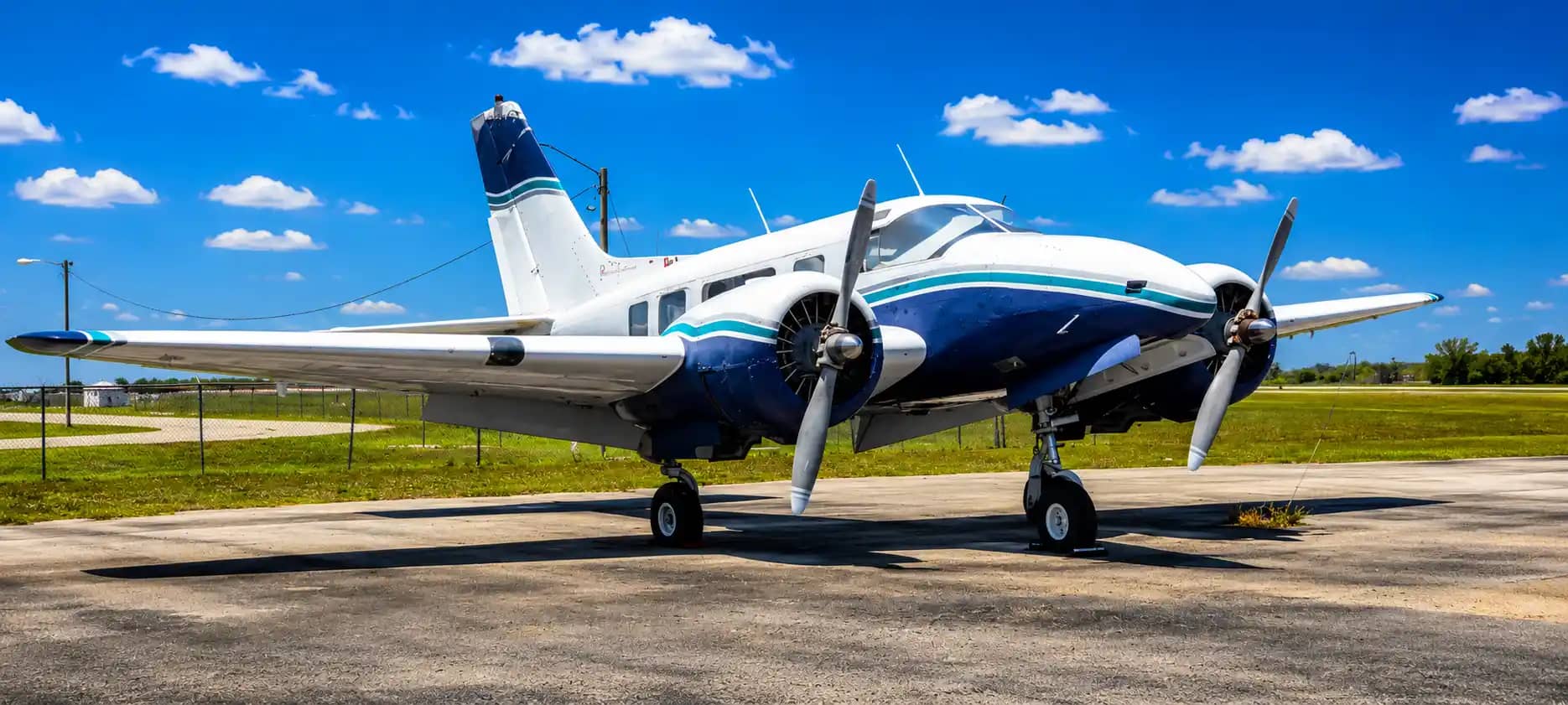
A Cessna 337 Skymaster can be a capable and distinctive owner-flown twin, but a good purchase depends far more on the individual aircraft than on the appeal of its centreline-thrust design. Buyers should approach every Cessna 337 for sale with a type-experienced mechanic, a disciplined review of complete records, and a realistic reserve for discrepancies found during due diligence. The front and rear engines, cooling arrangements, corrosion condition, landing gear, fuel system and documentation deserve particular attention.
What a Cessna 337 Buyer Needs to Know First
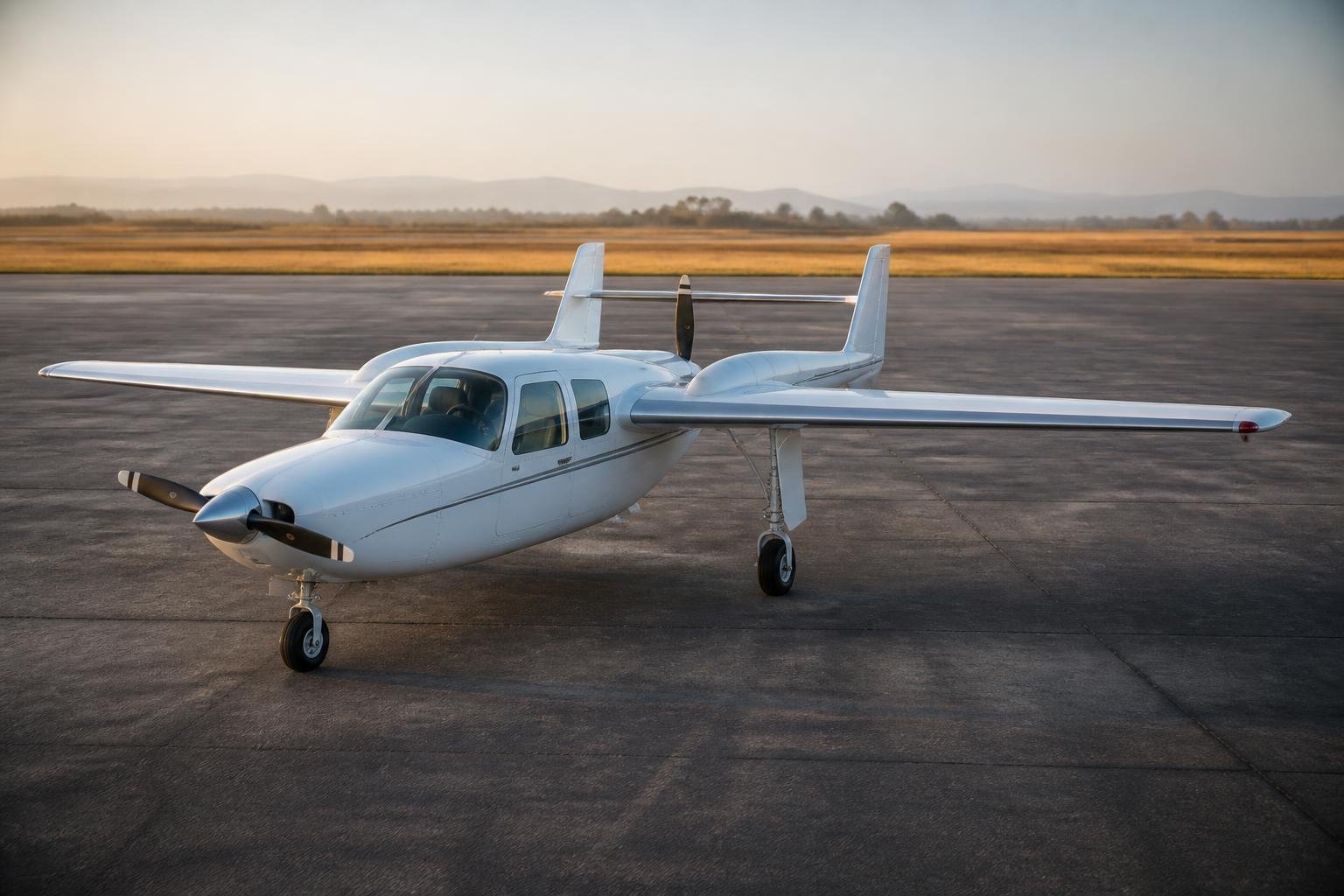
The Skymaster is defined by its push-pull engine arrangement: one piston engine is installed in the nose and another behind the cabin, driving a pusher propeller. Both propellers operate on the aircraft’s centreline. This configuration avoids the pronounced yaw associated with the failure of one wing-mounted engine in a conventional light twin, but it does not eliminate the operational, maintenance or decision-making demands of multi-engine ownership.
For the right owner, the 337 combines six-seat potential, a useful cross-country cabin and twin-engine redundancy in an airframe that does not require the same asymmetric-thrust response as a conventional twin. It has appealed to owner-pilots who carry family, business colleagues or equipment; to operators needing an observation or aerial-work platform; and to buyers who value the Skymaster’s unusual configuration. The cabin and useful-load reality of an individual aircraft, however, may not support six adults, full fuel and substantial baggage simultaneously.
A prospective owner should not buy a Skymaster solely because it appears easier to manage after an engine failure. Centreline thrust reduces the directional-control issue associated with a failed wing engine, but single-engine climb performance still depends on model, altitude, temperature, aircraft weight, configuration, engine condition and pilot technique. A rear-engine failure may also present different cues in noise, vibration and performance from a front-engine failure. Proper transition training remains a sensible part of the acquisition plan.
The principal advantage over many conventional light twins is therefore operational character, not freedom from complexity. A 337 still has two engines, two propellers, retractable landing gear, a more involved fuel system than a basic single and type-specific maintenance needs. The strongest candidates are usually aircraft whose owners have consistently addressed inspection findings rather than deferring them.
Separate the Skymaster concept from the condition of a particular example. A well-documented aircraft with healthy engines, sound corrosion control and serviceable systems can justify close consideration. A visually attractive example with incomplete logs, vague engine history or unverified compliance may be a much less economical proposition even if its asking price is lower.
Cessna 337 Skymaster Variants and Mission Fit
The Cessna 337 family developed over a long production run, and buyers should identify the exact model before comparing specifications, equipment or operating expectations. Early 337 aircraft, later Super Skymaster versions and subsequent normally aspirated models differ in details that can affect performance, useful load, cabin configuration, systems and market appeal. A model year alone is not enough; review the aircraft data plate, current weight-and-balance information, equipment list and maintenance records.
Turbocharged T337 variants add altitude capability and can offer useful cruise flexibility for missions over terrain or weather when operated within their approved limitations. They also introduce the additional condition questions that accompany turbocharging: exhaust integrity, induction plumbing, wastegate and controller condition, temperature management and maintenance history. Turbocharging can be valuable, but it is not a substitute for honest loading and weather planning.
The pressurized P337 is a more specialised acquisition. Pressurization can broaden mission comfort and operating capability, but the pressure vessel, seals, outflow components, controls and associated documentation require informed review. A buyer should confirm the status of required inspections and determine whether the available maintenance provider is comfortable supporting the installed system. A P337 should be evaluated as a pressurized aircraft first and a Skymaster second; deferred pressurization work can materially change the ownership budget.
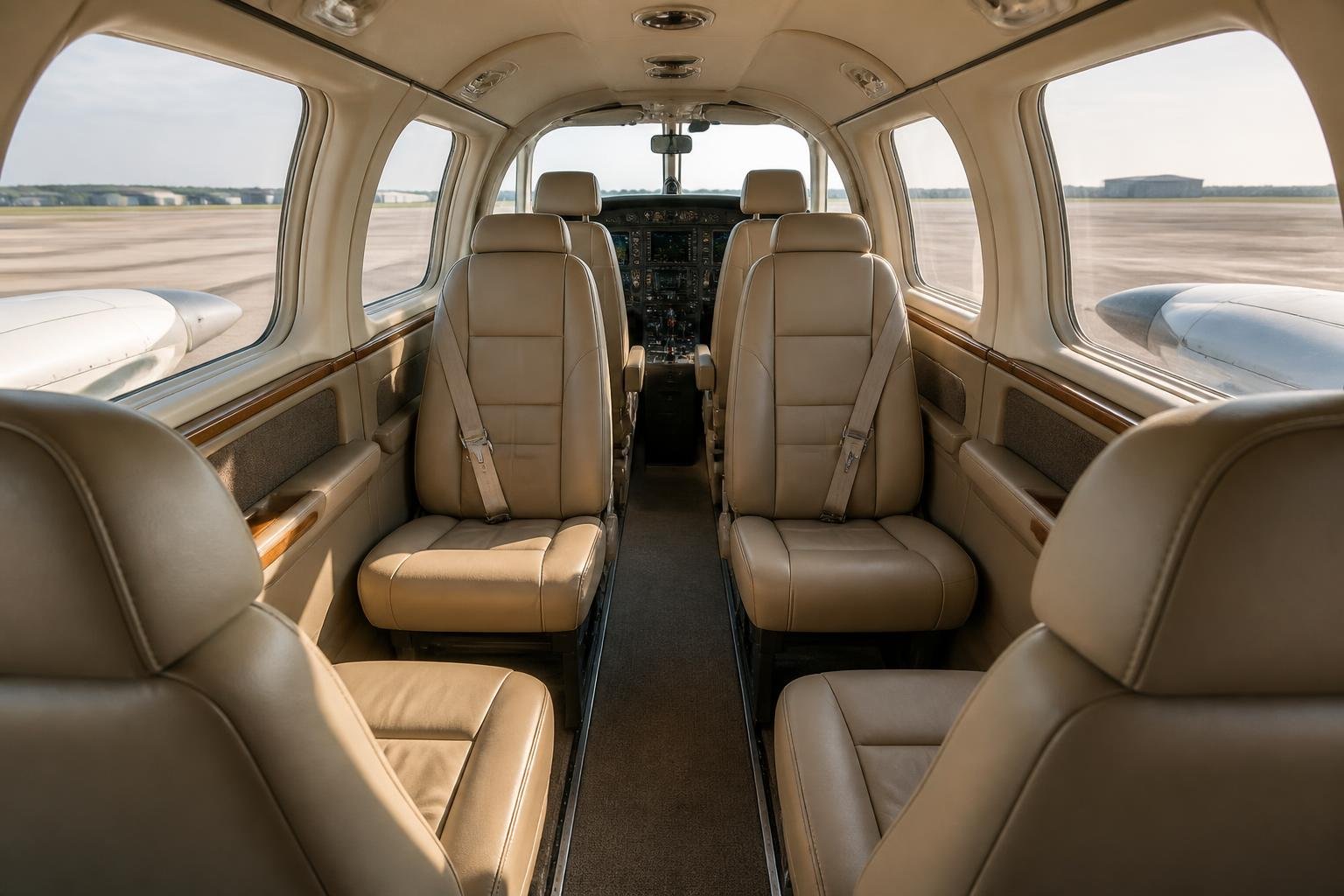
The six-seat cabin is practical for many trips, especially when occupants, bags and fuel are planned conservatively. Actual payload is governed by the specific aircraft’s empty weight, installed avionics, interior, accessories and approved weight-and-balance data. Modern equipment upgrades can improve utility but may also reduce useful load. Treat brochure seating as a capacity statement, not a promise that every seat can be occupied on every mission.
| Mission consideration | Buyer question |
|---|---|
| Family cross-country travel | Can the aircraft carry the usual occupants, baggage and required fuel within its approved weight and centre-of-gravity limits? |
| High-altitude operation | Does a turbocharged or pressurized variant add genuine utility for the planned routes, and can its systems be maintained locally? |
| Aerial work or observation | Are mission equipment, approvals and useful-load requirements compatible with the aircraft’s current configuration? |
| Short or hot-and-high runways | What do the applicable flight manual figures indicate at planned weight, density altitude and obstacle conditions? |
Runway performance and density altitude deserve conservative planning. The Skymaster’s actual take-off and climb margins can narrow quickly when the aircraft is heavily loaded or operating in high temperatures. Buyers whose normal mission involves short strips, mountain airports or frequent full-fuel departures should compare the approved performance data for the exact variant with realistic operating weights.
A conventional twin may better suit an operator who needs a particular payload, cruise speed or support network. A high-performance single may be more economical for buyers who rarely need more than four seats or twin-engine capability. The Skymaster makes most sense when its centreline-thrust handling, cabin arrangement and mission profile solve a genuine ownership requirement rather than merely satisfying an interest in an unusual configuration.
Performance, Handling and Push-Pull Operating Characteristics
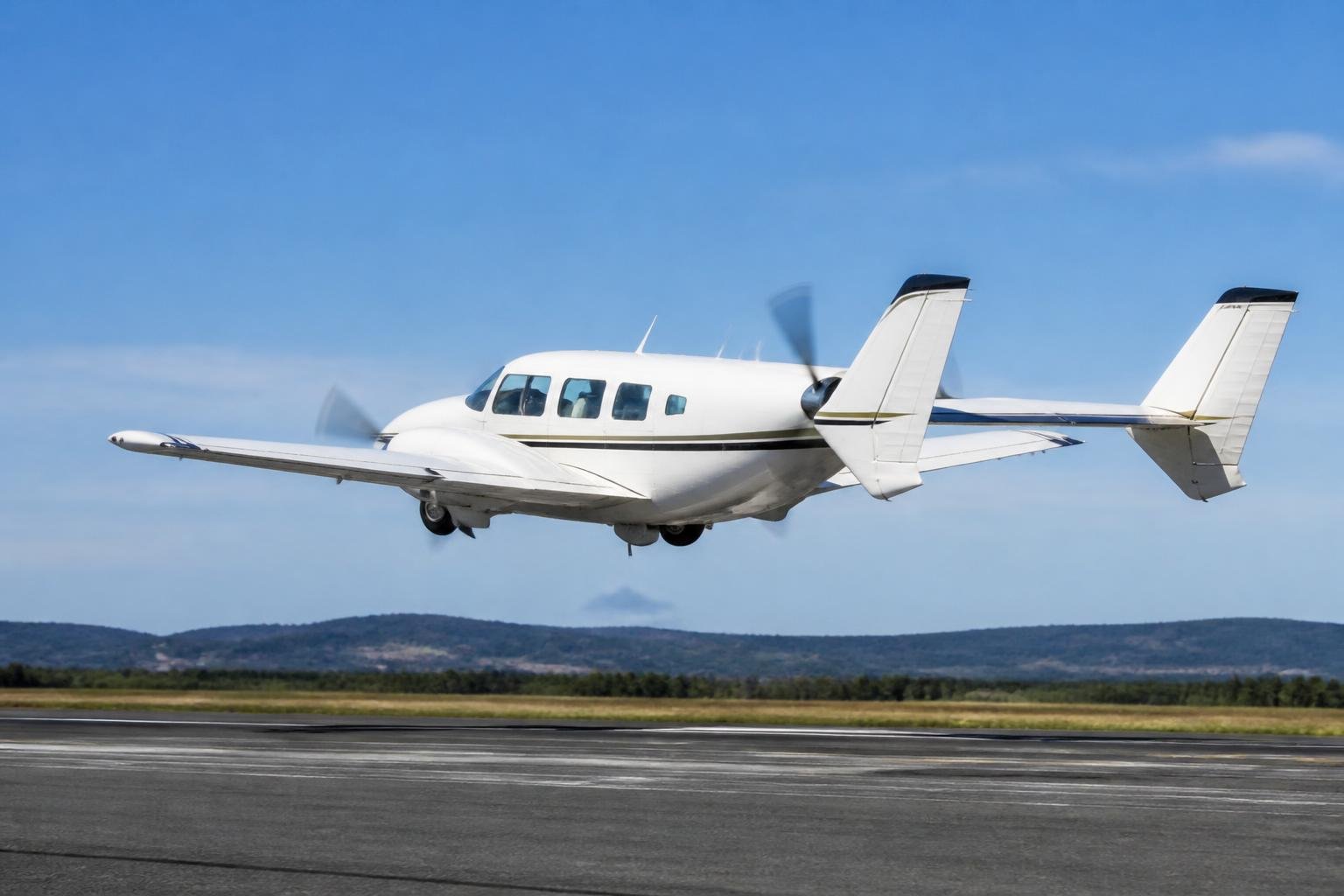
Centreline thrust changes the handling picture but does not remove the need to understand engine-out performance. With both engines on the fuselage centreline, losing either engine does not create the strong rolling and yawing moment associated with losing a wing-mounted engine. This can reduce the directional-control workload at a critical time. It does not mean the aircraft will climb well on one engine under all conditions, or that a pilot can disregard speed, configuration, weight and terrain.
Published single-engine figures are obtained under stated conditions and should be read alongside the applicable flight manual, not used as a blanket prediction. A real departure may involve a different pressure altitude, outside-air temperature, runway slope, aircraft mass and engine condition. Before purchase, review the performance material for the precise model and make a personal loading worksheet for likely trips. The exercise often reveals more about mission fit than a generic cruise-speed comparison.
Rear-engine cooling is central to Skymaster operation and maintenance. The aft engine works in a different airflow environment from the front engine, and the condition of baffles, seals, cowling, induction components and cooling-system details matters. A buyer should look for records showing that recurring temperature concerns, if any, were investigated rather than normalised. Engine-monitor data, when available and interpretable, can be useful context, but it does not replace physical inspection or maintenance records.
Take-off and climb planning should be variant-specific. Turbocharged aircraft may retain more power at altitude than normally aspirated examples, while their engine-management demands and heat exposure can be greater. Cruise planning should include fuel reserves, mixture technique, altitude selection and the actual capability of the installed avionics. Do not assume that an upgraded panel makes an aircraft suitable for a particular IFR mission without confirming the equipment approvals, database status and pilot proficiency.
Noise and vibration are useful operating cues, but they require type familiarity. The rear propeller and engine may sound different from the front installation, and changes in noise, vibration, oil pressure, cylinder temperatures or exhaust-gas temperatures merit methodical investigation. A transition instructor familiar with the 337 can help a new owner develop normal and abnormal procedures that fit the aircraft’s configuration.
- Arrange dual instruction that includes normal, engine-out and emergency procedures appropriate to the aircraft’s approved manual.
- Discuss insurance requirements before committing to purchase; insurers may require dual time, a multi-engine qualification or a specified transition course.
- Plan recurrent proficiency rather than treating type checkout as a one-time event.
- Verify that the installed equipment, engine instrumentation and checklist material are suitable for the intended operation.
Airframe Condition, Corrosion and Structural Inspection

Airframe records establish the framework for every Skymaster evaluation. Request complete logbooks for the airframe, both engines and both propellers, then check for continuity from the earliest available entries. Missing records are not proof of a defect, but they make it harder to establish times, repairs, alteration history, recurring inspections and damage history. The buyer and inspector should reconcile recorded times with the aircraft’s current documentation and installed components where practical.
Corrosion inspection should be systematic, not limited to an exterior walk-around. Areas worth close attention include the cabin, belly, wheel wells, tailcone, control surfaces, lower fuselage structure and locations where moisture can collect. Aircraft operated in coastal climates, stored outdoors for long periods or exposed to repeated water ingress deserve particular scrutiny. A clean exterior finish does not reveal every condition issue beneath inspection panels, interior trim or sealant.
Review available documentation relating to wing attachment areas, spar-related inspections and applicable service history. The exact inspection requirements and records to examine depend on the serial number, model, modifications and regulatory jurisdiction. A type-experienced mechanic should identify the applicable instructions and confirm compliance through records and physical examination where required. Avoid accepting a general statement that “all ADs are complied with” without supporting status documentation.
The firewalls, engine mounts, nacelle-related structure and surrounding attachment points deserve careful examination because they support the aircraft’s defining propulsion arrangement. Look for evidence of repairs, corrosion treatment, cracks, distorted structure, fluid leaks and hardware condition. Inspection of mounts and surrounding structure is especially relevant if the logs show hard landings, propeller events, overheating, engine changes or accident repairs.
Doors, windows, seals and cabin drainage also matter. Water entering through aged seals or poorly maintained openings can damage interior materials and create hidden corrosion concerns. Inspect the cabin floor, baggage areas, trim edges and lower fuselage for staining, trapped moisture, corrosion residue or evidence that water has been repeatedly managed cosmetically rather than corrected at the source.
Paint can protect an airframe when properly applied, but recent paint should prompt questions, not assumptions. Ask when and why the aircraft was repainted, whether corrosion was found and treated, which panels were removed, and whether photographs or invoices document the work. Overspray, uneven panel edges, blocked drains, concealed fasteners or unusually thick finish around repairs deserve further examination.
An independent pre-buy inspection by a mechanic with meaningful Skymaster experience is a high-value safeguard. The inspector should work for the buyer, have access to the logs before travel if possible, and be authorised to expand the scope when documented concerns or physical findings justify it.
Front and Rear Engines: The Central Due-Diligence Task

The two engines are the central financial and technical issue in a Cessna 337 purchase. Confirm the exact engine models installed, their serial numbers, overhaul or replacement history, time since major overhaul, time since top overhaul where relevant, and time since installation. These facts should be supported by engine logbooks, maintenance releases and traceable component records. Do not rely on a listing summary or verbal description when the logbooks tell a different story.
Engine times alone do not establish condition. An engine with low time since overhaul can still have issues arising from poor preservation, extended inactivity, improper operation, installation problems or workmanship. Conversely, an engine with higher time may have good records and healthy operating evidence. The value of a recent overhaul depends on who performed it, what was included, whether break-in and follow-up maintenance were documented, and what condition evidence exists today.
A serious inspection normally includes review of cylinder condition, compression results, oil-filter findings, oil consumption history and borescope observations when appropriate. Compression values require interpretation; a single number without test conditions, leakage path or comparative context is limited evidence. Borescope findings should likewise be assessed by someone who understands piston-engine cylinder condition rather than treated as an automatic pass-or-fail result.
Rear-engine cooling history warrants special attention. Ask for past reports of elevated cylinder-head temperatures, baffle repairs, cooling-air seal replacement, cylinder work, exhaust repairs or operational restrictions. Inspect baffles, seals, hoses and cowlings for condition and correct fit. A buyer should also seek evidence of how engine temperatures were monitored and whether recurring anomalies were investigated.
The exhaust system merits a close inspection because of its heat exposure and its relationship to cabin carbon-monoxide risk. Inspectors should assess exhaust components, joints, shrouds and related heat-exchanger arrangements in accordance with applicable maintenance data. A functional carbon-monoxide detector is prudent equipment, but it does not replace an airworthy exhaust and heating system inspection.
Engine mounts, accessories, hoses, wiring, alternators, starters, magnetos or electronic ignition installations, governors and propeller controls all need model-specific review. The front and rear propeller installations should be considered separate component histories, with their own overhaul status, service records and condition findings. An apparent bargain can become expensive if both engines, both propellers and multiple accessories approach major maintenance at the same time.
- Match each engine serial number to the airframe records and engine logbook.
- Confirm the basis for every claimed overhaul, repair or replacement.
- Review recurring cylinder, temperature, oil-leak and exhaust entries.
- Inspect the rear-engine cooling path and related baffle condition.
- Assess propeller, governor and engine-accessory records independently.
Fuel, Propellers, Landing Gear and Other High-Consequence Systems
Fuel-system knowledge is essential before operating any Skymaster. The buyer should understand tank configuration, selector positions, venting, crossfeed arrangements where installed, unusable fuel and the approved procedures for the exact aircraft. During inspection, verify selector operation, placards, detents, drains, visible lines and evidence of leakage or contamination. The aircraft flight manual and current equipment configuration, rather than memory from another 337, should govern operating procedures.
Fuel quantity indication is a common due-diligence topic in older aircraft because gauges, senders, wiring and calibration can age differently. A buyer should establish what the gauges indicate, how the system has been maintained and how usable fuel is determined under the approved limitations. Functional checks should be conducted carefully and lawfully; no cockpit indication alone should be treated as a substitute for measured fuel planning and physical verification procedures.
Review front and rear propeller records independently. Confirm overhaul status, calendar limitations where applicable, blade condition, damage history, corrosion evidence, governor service and any vibration reports. A propeller may look presentable while still approaching scheduled work or carrying a maintenance history that affects budget planning.
Retractable landing gear requires a thorough operational and records review. The pre-buy should examine extension and retraction, rigging, squat switches or other control logic, actuators, uplocks, downlocks, emergency-extension procedures, warning systems, doors, hardware and evidence of prior gear-related events. The inspector should use approved procedures and avoid unnecessary cycling if the system condition is uncertain. A buyer should personally learn the emergency procedure during proper transition training, not merely read it after closing.
Brake, tire, hydraulic and electrical condition can affect the first-year ownership budget. Check tire dates and wear, brake condition, wheel and bearing service history, hydraulic leaks, battery age, charging-system performance and electrical load behaviour. Installed modifications, including alternator conversions or upgraded electrical equipment, should be supported by appropriate paperwork and reflected in the equipment list.
Heater, ventilation and defrost systems deserve functional evaluation because they affect comfort, visibility and safety. Their condition should be assessed alongside exhaust-system integrity and carbon-monoxide precautions. A planned pre-buy inspection should allocate enough time for functional testing rather than limiting the process to logbook review and a brief visual examination.
Avionics, Equipment and Regulatory Documentation
Panel appearance can be misleading. A mixed analog-and-glass cockpit may be highly capable, while a newer-looking installation may have limited approval status, incomplete documentation or unsupported components. Evaluate IFR capability by the installed equipment, approved configuration, current inspections, navigation database arrangements and the intended operating rules. A GPS navigator, for example, should not be assumed suitable for every procedure simply because it is installed.
Autopilot condition is particularly important in an aircraft intended for regular cross-country use. Identify the make and model, determine whether all modes function as intended, review recent repair history and ask about parts support. Some legacy systems can be maintained successfully, but support, troubleshooting expertise and replacement options should be understood before purchase. A flight test can reveal issues, but it should be planned with suitable personnel, insurance coverage and a clear agreement on responsibility.
Confirm ADS-B, transponder, radio and navigation compliance for the region in which the aircraft will operate. Requirements differ by airspace and jurisdiction. The buyer should verify the installed equipment against the anticipated operating environment rather than rely on a generic statement that the aircraft is “fully compliant.”
Weight-and-balance records must match the aircraft as presented. Compare the current equipment list with the panel, cabin, exterior and installed accessories. Unrecorded avionics, interior changes, antennas, oxygen equipment, air-conditioning components or other modifications can undermine the accuracy of useful-load and centre-of-gravity planning. A current calculation may be needed after purchase if the record is incomplete or equipment has changed.
Review supplemental type certificates, field approvals where applicable, major repair documentation and alteration entries. Confirm that airworthiness directives have a status list with recurring requirements clearly identified and supported by logbook entries. It is wise to distinguish an inspection that was completed once from an inspection that must be repeated at defined intervals.
P337 buyers should additionally review pressurization-specific documentation, maintenance history and any required checks associated with the pressure vessel and system. The absence of obvious faults during a short viewing does not establish the condition of a pressurization system. Specialist inspection is particularly valuable when the seller’s records do not clearly explain recent maintenance.
How to Evaluate a Cessna 337 for Sale
When evaluating a Cessna 337 for sale, keep asking price, auction activity and verified market value separate. An asking price reflects a seller’s position; an auction bid reflects bidding at a particular point in time; neither automatically establishes the aircraft’s final value or the cost of ownership. The buyer’s decision should incorporate the exact aircraft’s records, engine and propeller status, avionics, corrosion condition, maintenance findings, location and expected rectification work.
Total condition generally outweighs cosmetic presentation. Fresh paint, a new interior or modern displays can improve appeal and utility, but they do not offset questionable logbook continuity, neglected structural inspection, weak engine evidence or unresolved system defects. Conversely, an older interior may be a manageable future project if the airframe and maintenance records are unusually strong. Normalize the condition factors before comparing candidates.
Documentation quality has direct value because it reduces uncertainty. Complete logs help establish component times, compliance, repairs, operating history and maintenance patterns. They also make an aircraft easier to insure, finance where relevant and resell. Incomplete records should be evaluated as a risk factor, not merely an administrative inconvenience.
Budget for immediate discrepancies and deferred maintenance before making an offer. The reserve should reflect the inspection scope and likely near-term work, including engine accessories, propeller service, tires, batteries, avionics repairs, corrosion treatment, seal replacement and overdue recurring tasks. A pre-buy finding is not necessarily a reason to reject an aircraft; it is information that should shape price, purchase terms and the buyer’s first-year plan.
Questions to ask before travelling or commissioning an inspection
- Are complete airframe, front-engine, rear-engine and propeller logbooks available for review?
- What are the engine and propeller serial numbers, installed times and overhaul records?
- Are there known defects, deferred maintenance items, damage events or corrosion repairs?
- What is the current weight-and-balance report, and what equipment is actually installed?
- Which airworthiness directives and recurring inspections apply, and when were they last completed?
- Can the seller provide invoices, photographs or work orders for significant repairs, repainting or major upgrades?
- Will the aircraft be made available for an independent, type-informed pre-buy inspection?
Compare candidates only after aligning their factual condition. An aircraft with mid-time engines, current propellers, thorough records and a modest panel may be a more rational purchase than a cosmetically impressive example with uncertain engine work and unsupported modifications. The goal is not to find the cheapest Skymaster; it is to understand the total commitment represented by the specific aircraft.
Pre-Buy Inspection Scope and Purchase Decision
A well-documented Skymaster suits an owner who values centreline-thrust twin-engine operation, practical cross-country capability and a cabin that can support realistic passenger-and-baggage missions. It is less suitable for a buyer who wants the simplicity and lower maintenance exposure of a basic single, or who cannot accommodate the cost of maintaining two engines, two propellers, retractable gear and ageing-aircraft systems.
The pre-buy scope should be agreed in writing and tailored to the aircraft. At minimum, it should include logbook and compliance review, a thorough airframe inspection for corrosion and prior repair evidence, independent assessment of both engines and propellers, inspection of the rear-engine cooling arrangement, landing-gear and fuel-system evaluation, avionics and equipment review, and functional checks that can be safely performed. A flight evaluation may be useful when appropriately planned, but it does not replace a maintenance inspection.
Use the findings to make a measured purchase decision. Condition, records and specialist knowledge should carry more weight than cosmetic upgrades or an attractive headline price. If the aircraft meets the mission requirement and the inspection evidence supports its history, a Skymaster can be a distinctive and capable ownership choice. If the records leave major questions unanswered or the inspection reveals multiple high-consequence discrepancies, the sensible decision may be to negotiate carefully or continue comparing documented Cessna 337 listings before arranging independent due diligence.

Comments
No comments yet
Be the first to share your thoughts!