
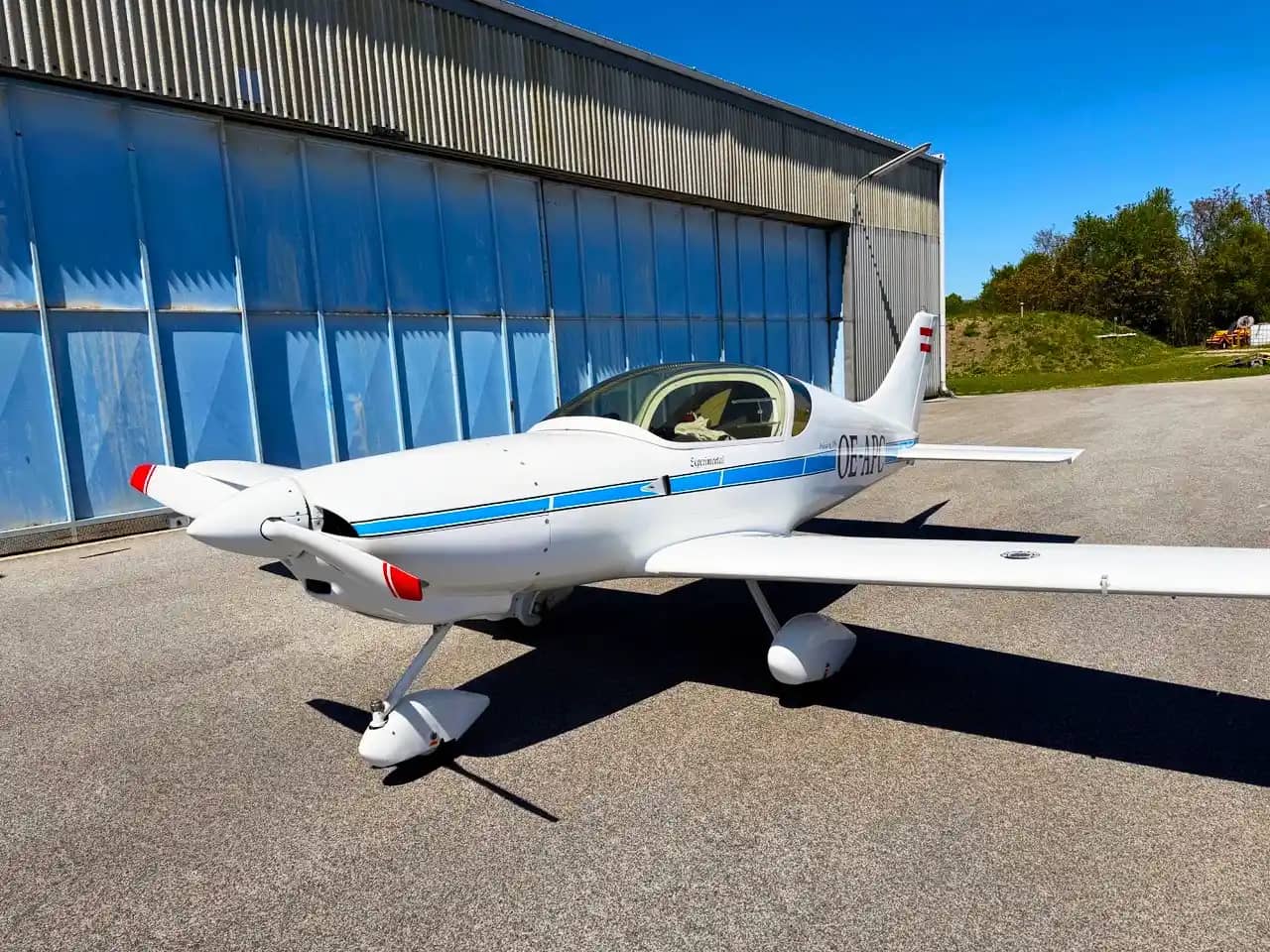
 Bad Vöslau
 Kirn
Kirn
 Florida
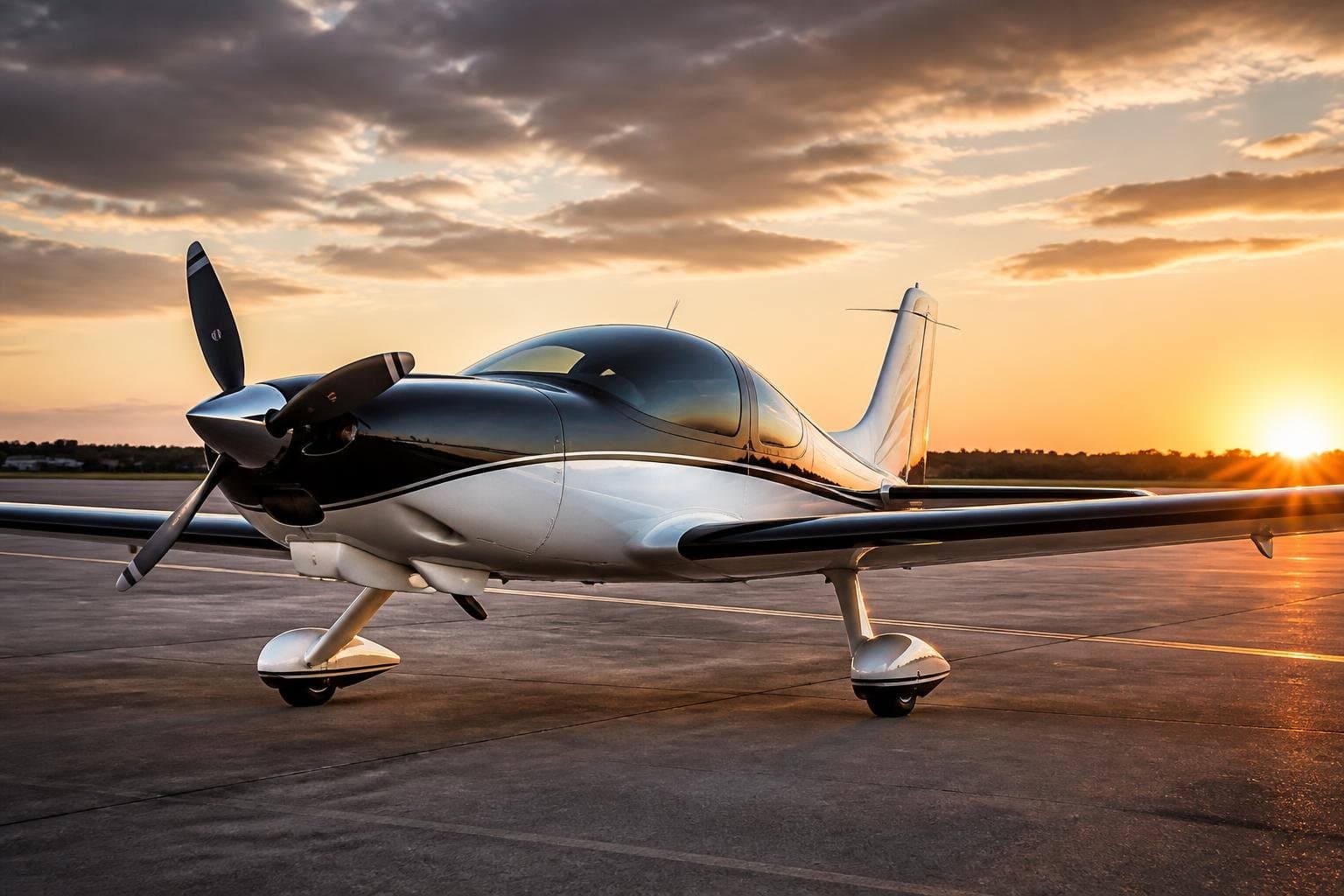
The Columbia 400 and Cessna TTx are closely related aircraft, not competing clean-sheet designs. Cessna’s acquisition brought a change in branding, avionics, interior presentation and support context while preserving the fast, fixed-gear composite touring concept. For a used-aircraft buyer, the most consequential distinction is usually the individual aircraft’s installed avionics, maintenance history, configuration and condition—not simply the name on its documents.
Columbia 400 vs Cessna TTx at a Glance

At executive-summary level, the Columbia 400 versus Cessna TTx decision is a choice among stages of the same basic product lineage. Both are four-seat, low-wing, carbon-fiber composite singles designed for owner-flown cross-country transportation. Both use fixed landing gear and a turbocharged Continental six-cylinder engine to produce strong cruise performance, particularly at altitude.
The Columbia 400 represents the original high-performance expression of the design under Columbia Aircraft. Cessna subsequently marketed the aircraft as the Cessna 400 and later as the TTx. The later aircraft generally presents a more modern integrated flight deck and a more refined Cessna-era cabin and exterior package, but it is not a structurally unrelated replacement.
| Buyer consideration | Columbia 400 | Cessna 400 / TTx |
|---|---|---|
| Basic mission | Fast personal travel | Fast personal travel |
| Airframe concept | Composite, low-wing, fixed gear | Composite, low-wing, fixed gear |
| Typical avionics context | Earlier Avidyne Entegra installations | Garmin G1000 in Cessna 400s; Garmin G2000 in TTx aircraft |
| Cabin and finish | Earlier production presentation | Later styling and equipment evolution |
| Key used-market test | Records, condition and avionics support | Records, condition and avionics support |
These aircraft suit pilots whose regular missions reward speed: longer domestic legs, routes where turbocharged performance is useful, and trips for one or two people with baggage. They can also carry more occupants, but four-person travel requires disciplined weight-and-balance and fuel planning. The core conclusion is simple: assess this family as an evolution, then compare exact serial-number-level equipment and records.
The Timeline: From Columbia 400 to Cessna 400 and TTx
Columbia Aircraft developed the composite single-engine family that included the Columbia 400. Its position was distinctive: a modern composite airframe, fixed gear, a turbocharged 310 hp engine and a cockpit aimed at pilots seeking piston-single speed without the systems complexity of a retractable-gear aircraft.
Cessna acquired Columbia Aircraft in 2007. The acquisition placed the design within a major general-aviation manufacturer’s product portfolio and began a product transition rather than an immediate re-engineering of the aircraft. The aircraft was marketed as the Cessna 400 during the transition period, with changes in branding, options, avionics and presentation appearing across production.
The TTx name arrived later as the final branded expression of the line. TTx aircraft are commonly associated with the Garmin G2000 integrated flight deck and an updated cabin presentation. Production eventually ended, which means every prospective owner is now shopping a finite used fleet rather than ordering a new aircraft from an active production line.
That history makes model-year shorthand unreliable. A listing described only as a “Cessna 400” does not tell a buyer enough about panel architecture, autopilot, software level, optional equipment, interior condition or modification status. Request the equipment list, logbooks, avionics records and aircraft-specific maintenance documentation before treating one example as comparable with another.
What Stayed the Same: Airframe, Engine and Mission
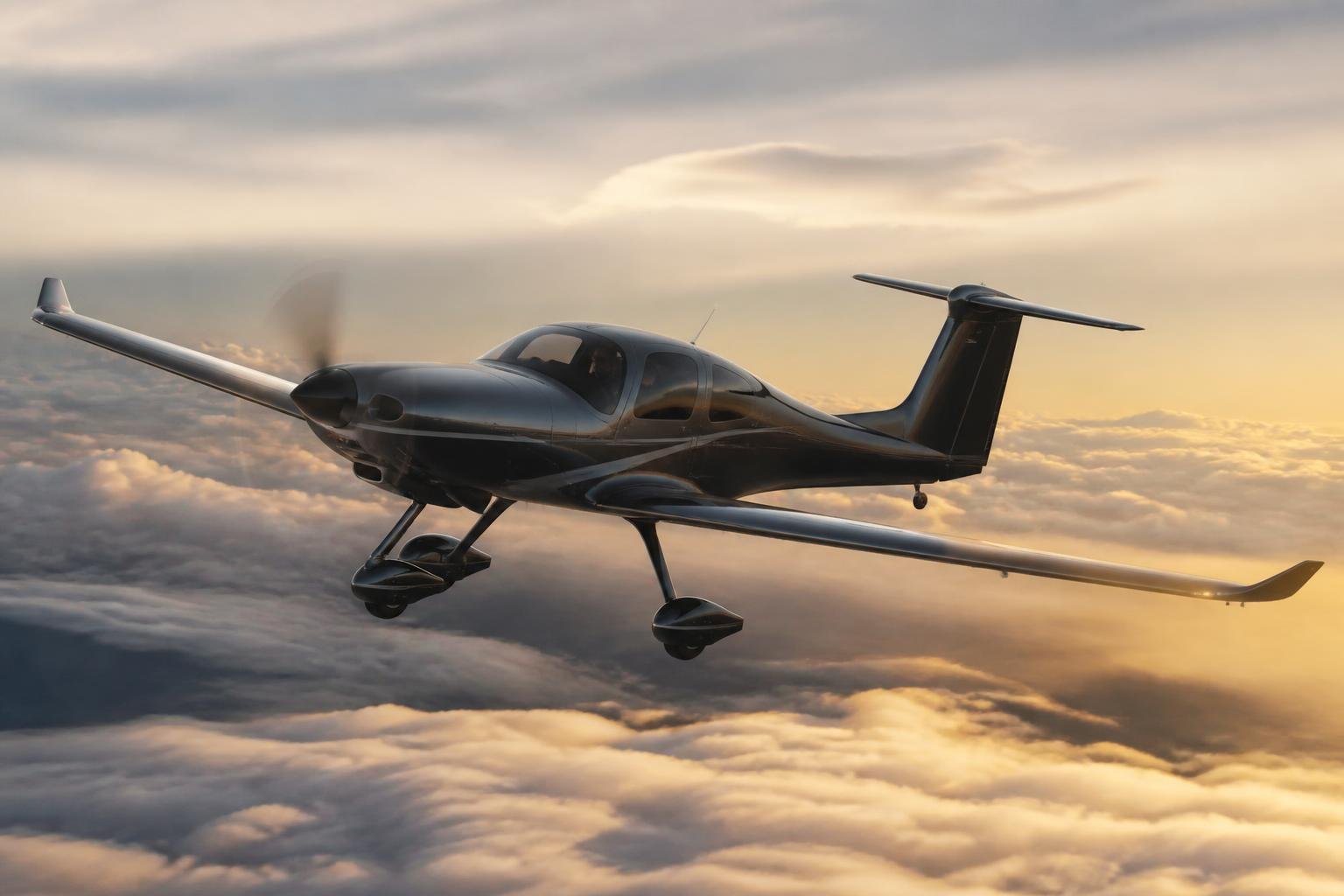
The enduring feature across the Columbia 400, Cessna 400 and TTx is the basic carbon-fiber composite airframe lineage. The aircraft retains a low-wing layout with fixed landing gear, a choice that avoids retractable-gear actuation and inspection demands while accepting the aerodynamic compromise of exposed gear. It is a purposeful configuration for buyers who value speed, cross-country utility and a relatively direct operating concept.
Power comes from the Continental TSIO-550-C family, a turbocharged, fuel-injected, six-cylinder engine rated at a nominal 310 hp in this application. Turbocharging helps the aircraft retain power as altitude increases, which is central to its mission. It does not remove the need to manage temperatures, mixture, power settings and engine-monitor indications carefully. A capable pilot and a well-maintained engine installation matter as much as the headline rating.
The family remains a four-seat personal transportation aircraft rather than a high-payload cabin-class machine. Its real strengths are efficient time use on longer trips, high cruise potential at suitable altitudes, and an airframe that can pair well with modern weather, navigation and autopilot capability. Its limitations are equally familiar: full-fuel payload can constrain passenger or baggage choices, and the cabin is not equivalent to a larger retractable single.
- Composite construction requires aircraft-specific structural knowledge during inspection and repair review.
- Fixed gear can simplify some ownership considerations, but tire, brake and gear-leg maintenance still deserve attention.
- Turbocharged cruise performance rewards careful flight planning and conservative engine operation.
- Weather capability depends on the installed avionics, equipment approvals, pilot training and the particular flight—not the badge alone.
Airframe and Exterior Changes Under Cessna
Cessna did not turn the aircraft into a new airframe. The fundamental fuselage, wing and fixed-gear design remained recognizably continuous through the lineage. Buyers should therefore resist assuming that a later TTx automatically has a materially different structural foundation from an earlier Columbia 400.
The meaningful changes were generally refinements. Cessna-era aircraft may show different exterior paint treatments, cabin styling, standard equipment and option packages. Fit-and-finish can differ with production period, individual care and later refurbishment. These are relevant factors in buyer satisfaction and resale presentation, but they should not outweigh documented structural condition and maintenance quality.
Configuration records matter more than a broad model badge. An early aircraft may have received a substantial avionics or interior upgrade. A later aircraft may retain original equipment, have deferred cosmetic needs or carry a repair history that requires closer review. Ask for records of supplemental equipment, approved modifications, repainting and any composite work.
A composite pre-buy should establish what is known about prior repairs, the repair method and the paperwork supporting it. Inspectors should look for evidence of impact damage, poorly documented refinishing, moisture-related concerns where applicable, lightning-strike events and repairs around high-stress or attachment areas. A repair is not automatically disqualifying; undocumented or poorly understood repair history is the larger concern.
Avionics: The Most Meaningful Difference for Many Buyers
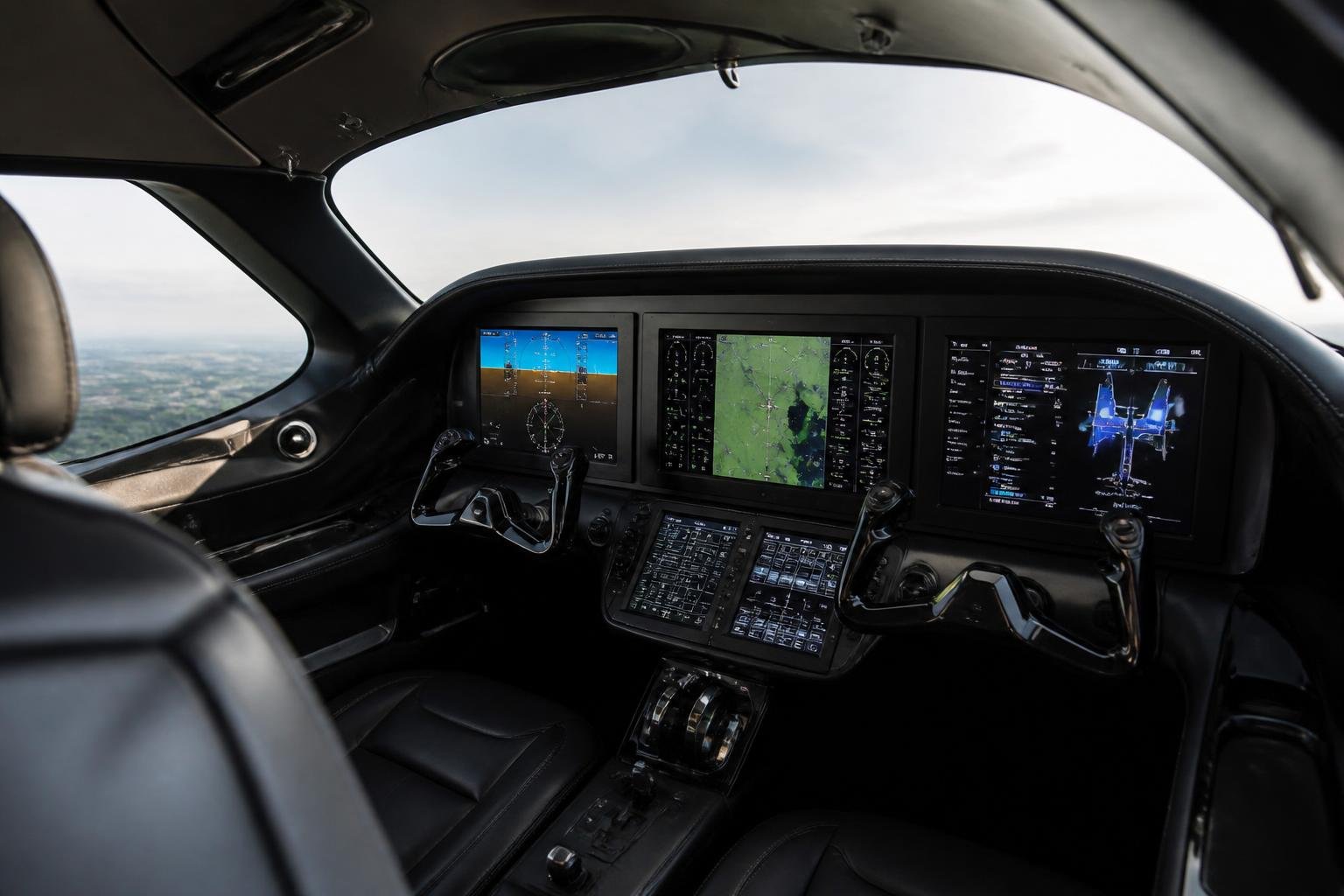
For many buyers, avionics create the clearest practical dividing line in the Columbia 400 versus Cessna TTx comparison. Early Columbia 400 aircraft are commonly associated with Avidyne Entegra glass-panel installations. Those systems can remain capable and familiar to pilots who already operate Avidyne-equipped aircraft, but the buyer should assess display condition, installed options, software status, database availability and the local service pathway.
Cessna 400 aircraft transitioned toward Garmin G1000 avionics. The G1000 architecture has a different display, navigator, autopilot and flight-planning workflow from the earlier Avidyne installation. A pilot moving from another Garmin-equipped aircraft may find the logic familiar, while a buyer who values a particular Avidyne feature set may prefer an earlier configuration. Neither conclusion should be made from branding alone.
The TTx is associated with Garmin G2000, an integrated flight deck with touchscreen controllers and a later-generation user interface. Its display architecture and touchscreen-led workflow can make route entry and system interaction feel notably different from earlier panels. It can be an attractive feature for a buyer who wants the later cockpit environment, provided the aircraft’s installed equipment and maintenance history support that preference.
Autopilot details require particular care. Identify the exact autopilot fitted, its operating status, installed options, interface with the avionics suite, maintenance history and approvals applicable to the aircraft. Do not assume that all aircraft with a given panel have identical capability. Features such as synthetic vision, traffic, weather, engine monitoring, datalink equipment and approach capability may depend on original options, later upgrades, subscriptions and equipment condition.
- Photograph and inventory every installed display, navigator, controller, autopilot component and standby instrument.
- Review recent fault reports, avionics shop invoices and software-update records.
- Confirm that database and navigation-data update processes meet the buyer’s planned operating needs.
- During evaluation flights, test display readability, controller response, audio panels, annunciations and autopilot modes methodically.
Installed equipment, not model year, is the correct buying reference. A fully documented older panel may be a better ownership proposition than a newer aircraft with uncertain avionics history.
Cabin, Ergonomics and Passenger Experience
Cessna-era aircraft introduced changes in materials, color schemes and cabin presentation that can make later examples feel more contemporary. The TTx cabin and control layout are often a major part of its appeal, particularly for pilots who value a modern integrated cockpit rather than a conventional panel workflow. Still, cabin quality is heavily affected by use, climate, storage and refurbishment history.
Ergonomically, this remains a compact, performance-oriented four-seat single. Front-seat occupants receive the primary benefit of the aircraft’s cockpit design, while rear-seat access and comfort should be assessed in person by the people who will actually travel in the aircraft. Baggage practicality also depends on the mission: soft bags and careful loading usually suit the aircraft better than bulky freight.
Workload deserves an honest assessment. A high-performance turbocharged piston aircraft can cover ground quickly, but it also asks the pilot to manage power, temperature, fuel, weather, traffic and arrival planning. The later G2000 interface may reduce friction for some tasks, while pilots comfortable with earlier systems may see less value in changing. Transition training should focus on the installed panel, not only the airframe type.
Cabin heat, ventilation and noise should be evaluated as operating expectations rather than brochure promises. Check system function during a pre-buy flight where practical, especially if cold-weather, high-altitude or long-distance operation is planned. Buyers considering frequent four-adult missions should also compare the cabin and payload compromises against larger retractable singles before committing.
Performance Comparison: Where the Numbers Need Context
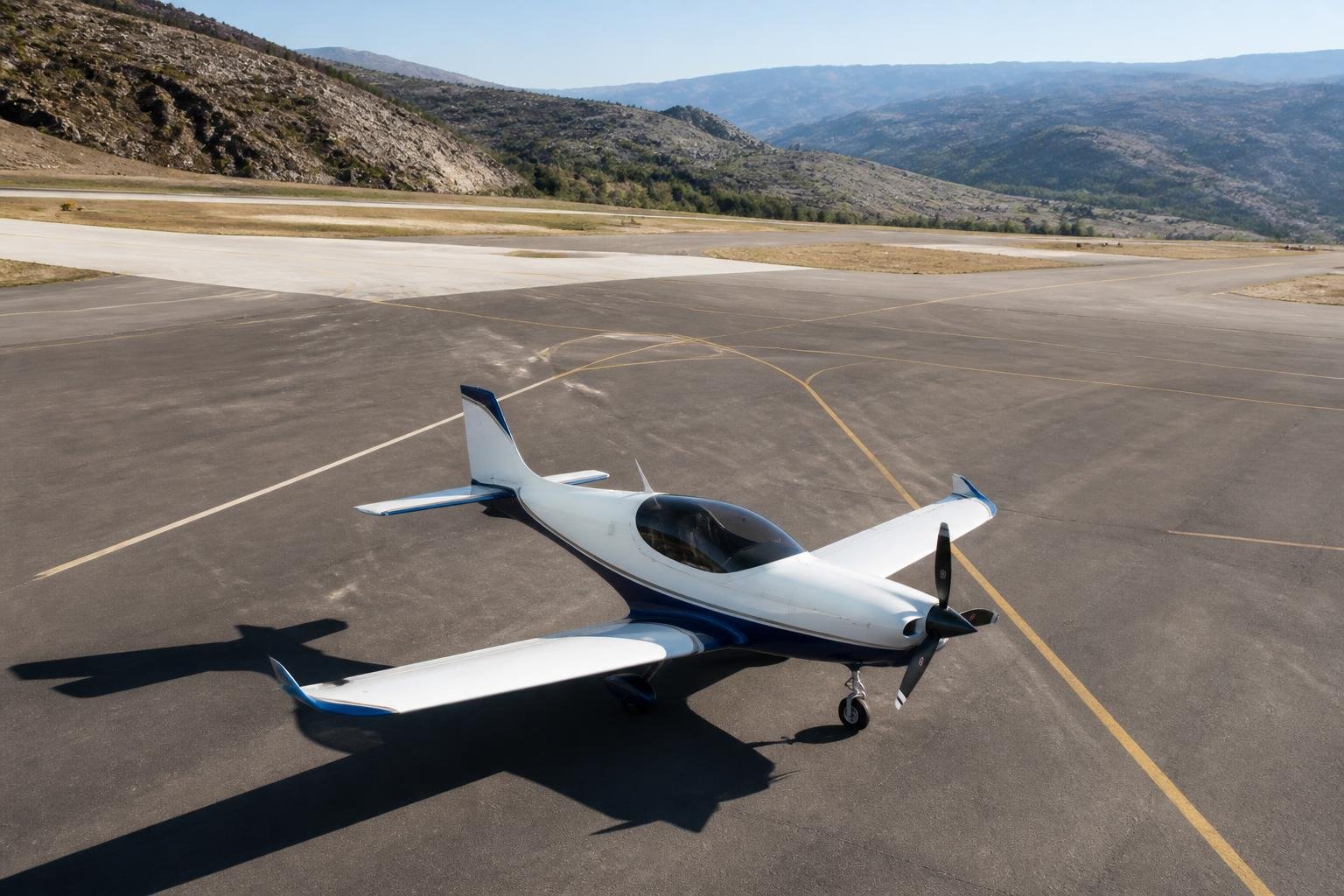
Published cruise figures can make this aircraft family look straightforward to compare, but actual performance is shaped by altitude, temperature, weight, mixture strategy, power setting, engine condition and the individual aircraft’s configuration. A turbocharged engine offers useful high-altitude capability, yet it does not produce one fixed cruise number across every mission.
High-speed cruise generally comes with correspondingly meaningful fuel flow. A sensible purchase analysis starts with the power settings the buyer expects to use most often, then estimates trip fuel with appropriate reserves. The fastest possible setting is not necessarily the most economical, quietest or most engine-conservative setting. Review the applicable pilot’s operating handbook for the precise aircraft and engine installation rather than relying on generalized online figures.
Payload planning is the other essential context. Full fuel, four occupants and baggage may not coexist at the desired weights. Before shopping, prepare realistic loading scenarios for regular missions: solo travel with fuel, two adults and baggage, family travel, and a short sector with additional passengers. Confirm each scenario using the aircraft’s current weight-and-balance data, not generic brochure values.
| Planning variable | Why it matters |
|---|---|
| Altitude | Turbocharged performance can be especially useful higher up, subject to weather, oxygen considerations and pilot capability. |
| Power setting | Changes cruise speed, fuel flow, engine temperatures and trip economics. |
| Density altitude | Affects takeoff, climb and landing margins, especially at hot or elevated airports. |
| Loading | Influences takeoff performance, climb, range and centre-of-gravity limits. |
| Runway environment | Surface, slope, obstacles and wind must be considered alongside published performance data. |
Use the POH or AFM applicable to the exact variant as the decision reference. A knowledgeable instructor or type-experienced pilot can help translate those charts into a realistic personal operating envelope.
Ownership, Parts and Service Support After Production Ended
End of production changes the ownership conversation but does not make the fleet unsupported. The practical question is not whether the aircraft is newly manufactured; it is whether the specific aircraft can be maintained competently, with a predictable pathway for parts, avionics support and specialist knowledge.
Cessna and Textron Aviation form an important part of the support context for the Cessna-era aircraft, while proprietary components, supplier availability and maintenance planning remain relevant across the entire lineage. Before purchase, a buyer should ask a type-experienced maintenance facility how it sources routine and specialized parts, what lead times it has recently encountered, and which items merit condition-based planning.
Avionics service follows the installed suite. Avidyne, Garmin G1000 and Garmin G2000 aircraft do not share an identical support workflow, technician experience base or upgrade path. Local avionics capability can be as consequential as a panel’s original sophistication, particularly for an owner based far from a specialist shop.
Insurance and transition training are also ownership realities. Insurers may set minimum experience, mentor-pilot or formal training expectations based on pilot background, aircraft performance and recent experience. Obtain preliminary insurance guidance before closing, and budget for type-appropriate transition training rather than treating it as an optional final step.
Active owner communities can be useful sources of operational perspective and parts knowledge, but they do not replace approved data or a qualified maintenance decision. Continuous records, an established maintenance relationship and an owner who can clearly explain the aircraft’s history usually reduce uncertainty significantly.
Maintenance Watchpoints for Columbia 400 and TTx Buyers
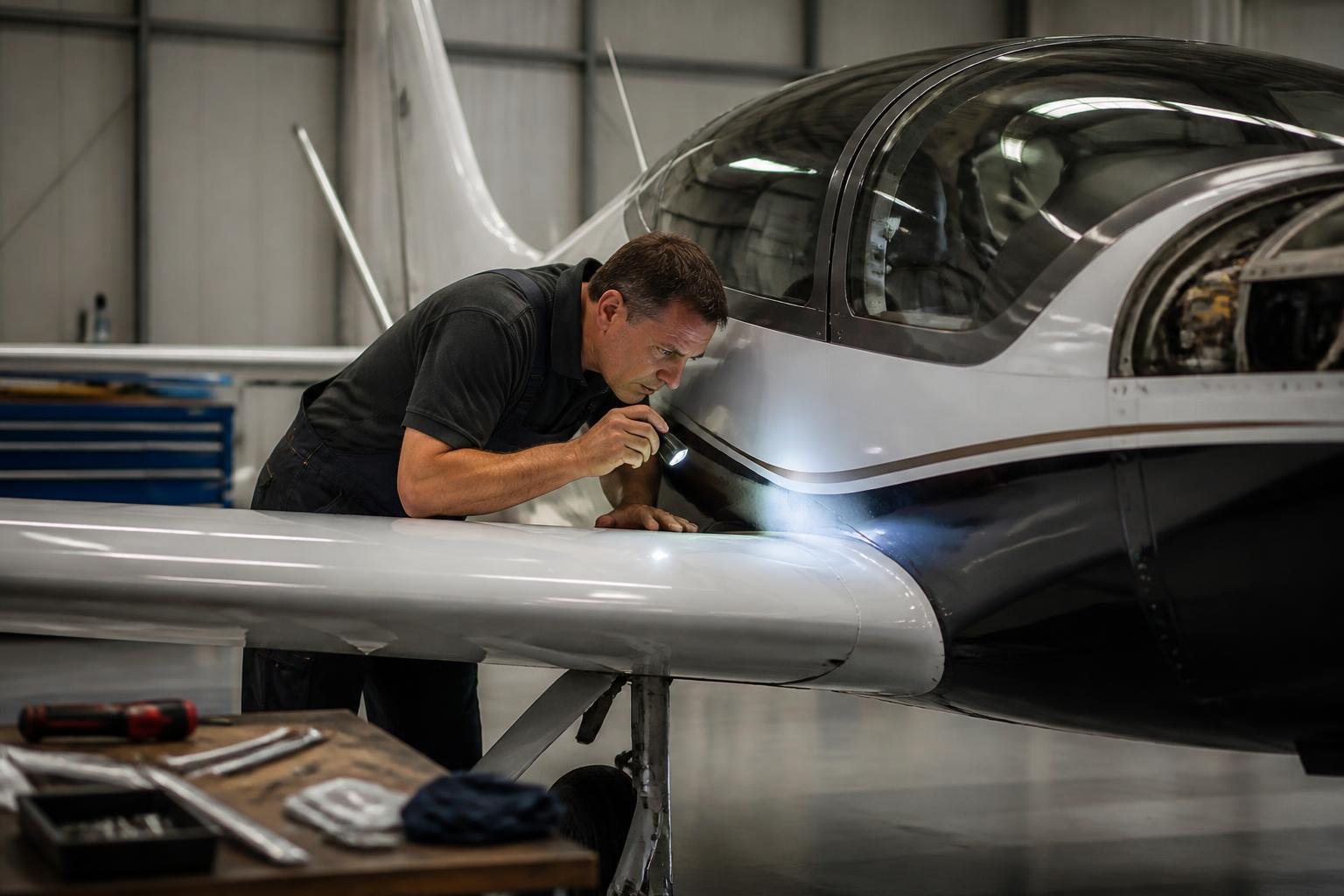
A serious pre-buy begins with complete airframe, engine, propeller and avionics records. Missing logbooks, unexplained gaps or vague statements about maintenance should prompt further investigation before a deposit or travel commitment. Review applicable service bulletins, mandatory actions, recurring inspection requirements and evidence of compliance with an independent facility familiar with the type.
Composite condition deserves specialized attention. Request documentation for every known structural repair and ask whether the aircraft has experienced lightning damage, hangar incidents, hard surface impacts or significant paint work. The goal is not to exclude all repaired aircraft; it is to understand the location, scope, method, inspection record and long-term implications of each repair.
The Continental turbocharged engine installation should be evaluated with more than a single compression reading. Review cylinder history, engine-monitor data where available, oil-analysis trends, borescope findings, oil consumption, exhaust-system condition and evidence of thoughtful temperature management. Inspect induction, cooling and turbo-system components for condition, leaks, security and maintenance history.
- Verify propeller records, overhaul status and any recurring propeller or governor concerns.
- Inspect tires, brakes, gear legs and wheel assemblies; fixed gear still accumulates wear and landing-related stress.
- Review battery, alternator, electrical-system and avionics fault history for recurring defects.
- Confirm operational checks of pitot-static, transponder, lighting, environmental and oxygen-related equipment where fitted.
- Compare installed equipment against the weight-and-balance report and equipment list.
An independent pre-buy inspection is not an annual inspection, an appraisal or a substitute for the buyer’s broader due diligence. It should be scoped to the buyer’s mission and performed by a facility with credible familiarity with this airframe, turbocharged Continental installations and the specific avionics suite.
Used-Market Evaluation: Comparing Like for Like
Do not draw a Columbia 400 or Cessna TTx value conclusion from a single listing, auction result or asking price. An advertised amount may reflect seller expectations, while a bid reflects the state of one transaction at one moment. Neither alone establishes market value or the cost of making an aircraft suitable for the buyer’s use.
Condition, engine time, engine health evidence, avionics configuration, interior and paint quality, maintenance status and documentation depth can move the practical value of two superficially similar aircraft far apart. A later TTx with a well-supported panel but weak records may be a riskier purchase than an earlier Columbia 400 with complete logs, transparent repairs and recent quality maintenance.
Damage history requires a separate review from cosmetic appearance. Ask for complete disclosures and repair records, then have the work assessed by a qualified inspector. Equipment upgrades should also be separated from deferred maintenance. An attractive panel does not offset an approaching engine, propeller, structural or system expense.
International buyers should account for location, import history, registration status, taxes, export documentation and local regulatory requirements. Compare asking prices, completed-sale evidence when available and independent appraisal input as separate evidence categories. The aim is a defensible aircraft-specific decision, not a simplified badge-based ranking.
Which Aircraft Fits Your Mission Better?
An early Columbia 400 can appeal to a buyer seeking acquisition value, an established Avidyne environment or an aircraft with a particularly strong maintenance history. The Cessna 400 can suit a buyer who prefers an intermediate configuration, especially where Garmin equipment and the individual aircraft’s records align with the mission. The TTx is compelling for pilots who place substantial value on the later G2000 architecture and updated cabin presentation.
All three can fit frequent high-altitude cross-country flying when loading, weather, oxygen use, pilot proficiency and operating margins are managed appropriately. The best choice is often the aircraft with the cleanest condition story and most suitable configuration, not the newest nameplate.
Other aircraft may serve certain missions better. A Cirrus SR22 may appeal to buyers seeking a different cabin, systems philosophy and equipment ecosystem. A Mooney Acclaim may attract pilots focused on an alternative high-performance retractable configuration. Larger or more payload-oriented travel needs may point beyond this class entirely. Each comparison should include training demands, support access, insurance conditions and the owner’s realistic dispatch expectations.
A useful decision sequence is airframe condition first, configuration second and badge third. That order protects a buyer from paying for a later label while inheriting maintenance uncertainty.
A Practical Shortlist and Pre-Buy Decision Process
Start by defining the mission in numbers: usual passenger count, baggage, target range, expected cruise altitude, airport elevation, runway environment and preferred avionics workflow. Then build a variant-by-variant comparison sheet. Include serial number, total time, engine and propeller status, panel components, autopilot, installed options, weight-and-balance data, repair history, maintenance events and missing records.
Request complete records before committing to travel or a deposit decision. An early review can identify gaps in logbooks, unclear component times, major repairs, overdue requirements or avionics questions that change the value of an on-site inspection. Have an independent expert review maintenance status before treating the aircraft as a straightforward purchase.
- Define non-negotiable payload, range, altitude and avionics requirements.
- Compare aircraft using documented configuration rather than seller summaries alone.
- Arrange a type-appropriate pre-buy inspection with a facility selected by the buyer.
- Plan transition training around the actual panel and autopilot installation.
- Confirm insurance terms, pilot qualifications and mentor requirements before closing.
- Browse current Cessna listings when a documented example matches the mission and due-diligence standard.
The right Columbia 400, Cessna 400 or TTx is a fast, capable owner-flown traveler with an aircraft-specific record package that supports confident ownership. The sensible next step is to shortlist examples by condition and equipment, then let a disciplined document review and independent inspection decide between them.

Comments
No comments yet
Be the first to share your thoughts!