

 Bad Vöslau
 Kirn
Kirn
 Florida

A composite aircraft pre-buy inspection should be built around evidence, access and specialist judgement rather than surface appearance alone. Composite airframes can be durable and readily repairable when work follows approved data, but impact damage, disbonding, moisture and poor prior repairs may be difficult to identify without records and targeted inspection. A buyer should commission an independent, type-experienced inspector, review the aircraft’s history before travelling, define inspection limits in writing and treat unresolved structural questions as commercial risk.
Why Composite Aircraft Need a Different Pre-Buy Approach

Aluminium and steel airframes often reveal their condition through corrosion, cracking, distortion, loose fasteners or obvious repair work. Composite aircraft use fibres, resin matrices, bonded joints and, in many designs, sandwich panels with a lightweight core. Their inspection logic is therefore different. A paint finish may look excellent while a local impact has damaged fibres, crushed core material or weakened a bond beneath the surface.
Load paths can also be less visually intuitive. A seemingly minor mark near a landing-gear attachment, wing root, spar carry-through or seat-belt anchor may warrant closer review because the surrounding structure transfers significant loads. Conversely, a documented cosmetic repair in a non-structural fairing may have limited operational significance. The inspector’s task is to establish which is which using the manufacturer’s maintenance information, the aircraft’s repair history and direct access to relevant areas.
Visual inspection remains essential, but it is only one layer of evidence. The right inspector has meaningful experience with the specific type or at least its construction method, repair manuals and common failure locations. An engineer who is highly capable with metal aircraft may not automatically be the best person to assess a bonded carbon-fibre or glass-fibre structure.
A pre-buy inspection is also not an annual inspection, an appraisal or a formal airworthiness determination. It is a buyer-directed due-diligence exercise with a scope agreed in advance. It may identify discrepancies that require correction before an annual, but it does not replace the regulatory inspections, maintenance releases or certification actions required in the aircraft’s operating jurisdiction.
Start With the Aircraft’s History and Mission
The desktop review should begin before the physical inspection is booked. Confirm the aircraft identity, serial number, registration history where available and continuity of ownership records. Inconsistent serial-number references, unexplained registration changes or gaps in the ownership trail do not prove a structural problem, but they justify careful questions before a buyer commits to travel, deposits or specialist inspection costs.
Operating history gives structural observations useful context. A privately operated touring aircraft that has been hangared in a temperate climate presents a different research profile from an aircraft used for primary training, rental activity, aerobatics, utility work or frequent rough-field operation. None of those missions automatically disqualifies an aircraft. They do, however, change the likely wear points and the questions to ask about landings, control use, towing, loading and maintenance.
Ask where the aircraft has lived. Long-term outdoor storage can expose finishes, sealants, transparencies, drains and access covers to ultraviolet light and water ingress. Coastal, tropical, very hot and freeze-thaw environments can also affect coatings, bonded interfaces and the likelihood of moisture being trapped in susceptible areas. Hangarage records are helpful, but should be considered alongside the actual condition observed.
Request disclosure of known incidents, hard landings, propeller strikes, off-airport events, hangar damage, towing mishaps and lightning events. Review modifications, equipment installations, antenna additions and repaint history as well. A fresh paint scheme is not evidence of concealment, but it can make older repairs harder to recognise and may limit certain inspection methods.
Record expectations differ among certified aircraft, experimental amateur-built aircraft and light aircraft operating under different national frameworks. The buyer and inspector should identify the applicable regulatory category early, then assess the records against that category’s maintenance, operating and approval requirements rather than applying assumptions from another system.
Documentation to Review Before the Physical Inspection
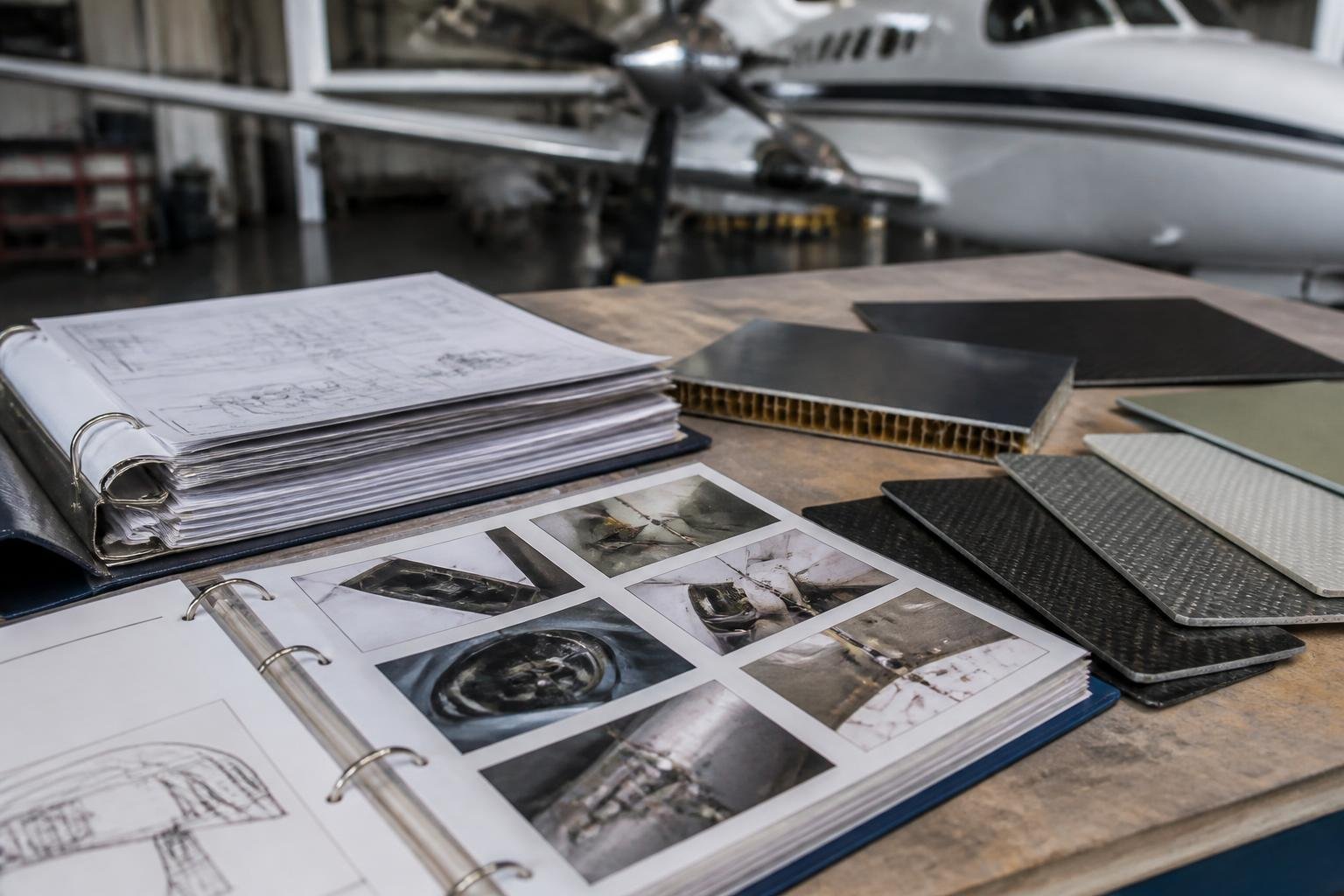
Complete records do not guarantee a sound aircraft, but incomplete records make condition harder to establish and can affect future maintenance, insurability, resale and buyer confidence. Start with airframe logbooks, maintenance releases or equivalent records, and confirm that dates, flight hours and descriptions form a credible chronological sequence. Look for recurring defects, long inactive periods and entries that refer to attachments which are no longer present.
Damage reports, repair orders and insurance-related documents deserve particular attention. Ask for the location and extent of each repair, the initiating event, the repair data used and the authority under which it was accomplished. A well-documented repair may be entirely acceptable; an undocumented structural event should not be dismissed merely because the exterior finish appears smooth.
Useful supporting evidence includes work orders, invoices, photographs taken during repair, material batch traceability when available and records of inspection or cure procedures. Manufacturer repair manuals, structural repair manuals and approved repair schemes can show what evidence should exist for a particular job. For certified aircraft, confirm applicable service bulletins and airworthiness directives, including evidence of compliance or a documented basis for non-applicability.
Check the weight-and-balance report after major equipment, interior or structural changes. A new avionics suite, oxygen installation, paint system, air-conditioning equipment or repaired structure can affect empty weight and centre of gravity. Conflicting dates, duplicated serial numbers, vague log entries and unexplained gaps should be listed as specific due-diligence items rather than treated as minor paperwork issues.
- Request a complete scan of airframe records before arranging travel.
- Match repair references in the logs to invoices, photographs and approved data.
- Confirm that modifications and equipment additions have supporting records.
- Ask the inspector to identify documents that remain unavailable or inconclusive.
Understanding Composite Structure and Common Damage Mechanisms
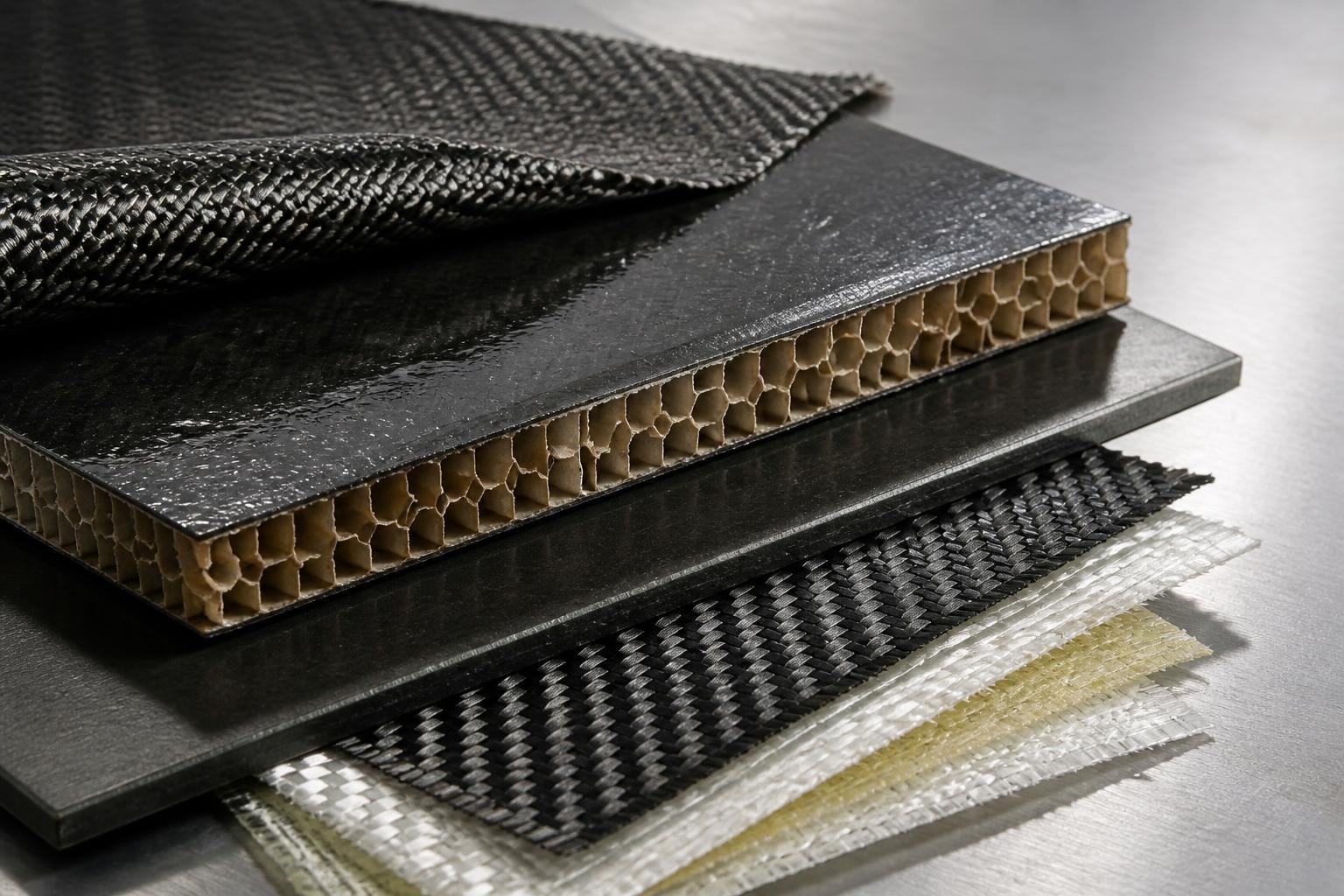
Composite construction is not one material. Carbon fibre offers high stiffness and strength characteristics but may require particular attention to electrical bonding and lightning-protection provisions. Glass fibre is widely used and can be visually forgiving, while aramid fibres may be used where impact resistance is useful but can be challenging to assess and repair. Many aircraft combine these materials in different structural zones.
Sandwich construction pairs thin, strong face sheets with a lightweight core, such as honeycomb or foam, to create a stiff panel at relatively low weight. Bonded joints join skins, frames, ribs, bulkheads or fittings. The resin system holds fibres in position and transfers load between them. Damage can therefore affect fibres, resin, adhesive, core or more than one of these elements.
Common mechanisms include sharp impact, tool drops, hail, bird strikes, ramp contact, runway debris and hard landings. These can produce cracks, delamination, crushed core and disbonding that extend beyond the visible mark. Moisture ingress through damaged paint, open edges, fastener holes, drains or poorly sealed repairs can be another concern, particularly where a core or bonded assembly is vulnerable.
Heat and chemical exposure merit review around engine compartments, exhaust systems, batteries and fluid reservoirs. Excessive heat can affect resin properties or adhesives; fuel, hydraulic fluid, cleaning products and other chemicals may affect finishes or sealants depending on material compatibility. Lightning effects range from visible surface damage to less obvious effects on conductive meshes, bonding paths and installed electrical equipment.
Fasteners, cut-outs, access openings and attachment points concentrate stress. An inspector should consider not merely the visible surface but the structural role of the area, the direction of anticipated loads and whether modifications have introduced unapproved penetrations. Surface appearance can understate damage because an intact paint film may bridge a weakened laminate or mask a repair boundary.
External Walk-Around: Areas That Deserve Close Attention

A disciplined walk-around begins with a clean aircraft in good light. The inspector should view major surfaces from several angles, using raking light where practical to reveal changes in contour, waviness, print-through, repaired areas or paint transitions. The objective is not to find cosmetic imperfections for their own sake, but to distinguish normal finish characteristics from features that need further investigation.
Review the fuselage, wings, tailplane and control surfaces systematically. Leading edges, wing tips, lower fuselage, belly panels, wheel fairings and other low-level areas are especially exposed to debris, ramp contact and water. Local colour variation, cracking, blisters, ripples or an unusually thick-looking paint edge may indicate prior refinishing or repair. They are prompts for questions, not conclusions by themselves.
Pay close attention to drain holes, access panels, inspection covers and locations where water can collect. Check that drains are open and that removable panels fit correctly without distorted fasteners or damaged edges. Landing-gear attachments, wheel wells, gear doors, hard points, engine mounts, firewall interfaces and cowling attachments deserve a more detailed look because they combine concentrated load, vibration, heat or fluid exposure.
Antennas, static ports, sensors and aftermarket penetrations deserve the same scrutiny. Each hole in a composite shell requires appropriate design, sealing and documentation. The inspector should consider signs of cracking around fittings, loose backing structure, deteriorated sealant and routing that might chafe wiring or tubing against composite edges.
| Area | What to look for | Why it matters |
|---|---|---|
| Leading edges and tips | Impact marks, paint disruption, contour changes | Damage may extend under the finish |
| Gear and wheel-well structure | Cracks, crushed material, fluid contamination | High landing and operational loads |
| Wing roots and attachments | Bond condition, fastener distress, sealant failure | Primary load-transfer zone |
| Engine and firewall area | Heat effects, vibration wear, leaks | Temperature and chemical exposure |
Detecting Hidden Damage: Inspection Methods and Their Limits

When visual findings or history justify deeper review, the inspection team may use a range of non-destructive testing methods. Tap testing can identify changes in sound that may suggest a disbond, delamination or damaged core. It is useful when performed by an experienced person who understands the baseline response of that structure, but it is not a definitive test for every material, geometry or paint condition.
Raking light, magnification, mirrors and borescopes can make a substantial difference where access openings permit internal observation. A borescope may reveal moisture, cracked secondary structure, contamination, loose hardware or previous repair evidence without extensive disassembly. Moisture measurement may be relevant for particular constructions and locations, but readings need interpretation in the context of the instrument, material, temperature and coating system.
Ultrasonic inspection, thermography and other specialist techniques can provide stronger evidence in selected situations. Ultrasonics may help map internal flaws in accessible laminates; thermography can assist with detecting anomalies over broader areas under suitable conditions. The appropriate method depends on construction, thickness, core type, access, coatings and the suspected defect. Specialist non-destructive testing is most valuable when it answers a defined question, such as assessing a known impact site, a repair boundary or an attachment zone with incomplete records.
Every method has limits. Thick paint, complex geometry, internal fittings, moisture, temperature and restricted access can reduce reliability or create ambiguous readings. A professional report should state what areas were tested, by which method, under what conditions, what results were obtained and what areas could not be assessed. An untested area is not automatically defective, but it should not be represented as cleared.
Evaluating Previous Composite Repairs
A composite repair should be evaluated as a structural event, not merely a cosmetic patch. Establish its location, dimensions, depth, relationship to primary structure and reason for repair. A repair on a removable fairing differs materially from one near a wing spar, landing-gear attachment, pressure boundary or primary bonded joint. The applicable repair data should define the permitted damage limits and repair method.
Common repair geometries include scarf repairs, stepped repairs, external patches and bonded replacement assemblies. The repair must restore appropriate fibre orientation, laminate thickness and load transfer. Where sandwich structure is involved, assess whether damaged core was properly removed or replaced, whether edges were sealed and whether the repair design excluded future moisture pathways.
Records should support the workmanship. Depending on the aircraft and repair, useful evidence may include the repair scheme, technician qualifications or authorisation, material identification, environmental controls, cure process, inspection sign-off and photographs before final finishing. The absence of every possible document is not necessarily fatal, especially for older aircraft, but missing evidence should be weighed against repair location and structural importance.
Surface finish is a poor proxy for structural quality. An invisible repair may be excellent, while a visually tidy repair may lack correct ply orientation or bond preparation. If the repair is significant, record quality is weak or inspection findings are uncertain, obtain an independent review from a composite specialist familiar with the aircraft type and the applicable repair data before setting a purchase price or removing contractual protections.
High-Risk Zones by Aircraft System
Structural risk should be considered by system rather than by surface alone. Nose gear and main gear structures transfer repeated landing loads into the fuselage, bulkheads, gear boxes or wing structure. Inspect adjacent laminates, bonds, attachment hardware and wheel wells for evidence of impact, distortion, fluid contamination and prior repairs. Any history of a hard landing or gear event deserves direct correlation with these areas.
The wing spar, carry-through structure and wing-root bonds are primary structural zones. Access may be limited, so documentation, external clues and any available inspection openings become particularly important. The same principle applies to empennage attachments, control hinges and control-surface balance areas, where movement, vibration and water ingress can expose local defects.
In the engine compartment, inspect for heat effects, oil and fuel leakage, vibration wear and compromised firewalls or mounts. Fuel tanks, filler necks and fuel-system penetrations should be examined for staining, sealant condition and repair history. Cabin floors, seat rails or belt anchors, baggage compartments and tow points can show the cumulative effect of loading or modification work.
On aircraft equipped with lightning-protection features, establish what the original design includes and whether repainting, repairs or modifications may have interrupted conductive paths, bonding provisions or protective meshes. This is a type-specific question; it should be addressed through approved maintenance information rather than general assumptions.
Maintenance, Modifications and Age-Related Concerns
Follow the manufacturer’s maintenance practices and mandatory inspection intervals for the exact model and serial range. Some composite aircraft have specific inspection tasks for bonded structure, landing gear, control systems, protective finishes or environmental sealing. A buyer should verify that these tasks were completed and that the entries identify the applicable data rather than simply stating that maintenance was performed.
Sealants, paint and protective coatings are functional as well as cosmetic. They can protect the laminate from ultraviolet exposure, exclude moisture and preserve aerodynamic surfaces. Their condition matters most at seams, access panels, leading edges, drain points, fastener holes and repaired areas. Poor finish condition may be manageable, but it can also conceal deferred maintenance or allow water into vulnerable structure.
Avionics upgrades deserve a structural review. New antennas, satellite equipment, cameras, air-conditioning systems, oxygen systems and wiring routes may require penetrations, backing plates, bonding or alterations to access panels. Interior modifications can similarly affect seats, restraints, cabin floors and baggage installations. Confirm that the change is documented, compatible with the airframe and reflected in weight-and-balance records where required.
Unauthorized repairs and undocumented field alterations create a different level of uncertainty from a known, approved repair. Ask whether factory support, approved repair stations or independent specialists remain available for the model. Age is relevant, but calendar age alone is not a reliable condition indicator. Storage, operating environment, maintenance quality and cumulative exposure often matter more.
Test Flight and Operational Evidence
A demonstration flight can provide useful operational evidence, but it cannot prove structural integrity. It should follow documentary and ground inspection, not replace them. A qualified pilot can assess flight-control feel, trim behaviour, engine operation, unusual vibration, gear operation and warning systems where fitted. Any abnormality should be recorded carefully and investigated rather than explained away as a characteristic of the type.
After the flight, inspect again for fuel, oil, hydraulic fluid or coolant leaks as applicable, and review areas affected by engine heat or vibration. Confirm that fuel indications behave plausibly and that gear cycles, doors and warning systems operate as intended when installed. A flight may reveal symptoms that justify further inspection, but an apparently normal flight does not rule out hidden delamination, moisture damage or an inadequately documented repair.
Demonstration flights also involve insurance, operational authority and risk-management considerations. The buyer should not assume they may act as pilot in command or manipulate controls. Agree responsibilities, qualifications, weather limits and aircraft access in advance. If the aircraft is not suitable for a flight demonstration, that fact should be evaluated in context and reflected in the inspection scope and purchase terms.
Building a Pre-Buy Report and Negotiation Plan
The final report should be written, specific and usable in a transaction. It should state the agreed scope, date, aircraft identity, records reviewed, areas accessed, inspection methods used, findings, photographs and exclusions. A vague statement that an aircraft was “looked over” has little value when later questions arise about what was or was not examined.
Separate findings into practical categories: safety-critical concerns, airworthiness-related discrepancies, maintenance items, documentation shortfalls and cosmetic observations. This helps a buyer avoid treating every defect as equal. A structural question near a primary attachment deserves a different response from a worn interior panel, although both may affect price and ownership planning.
Obtain repair estimates from qualified composite specialists when findings are material. Estimates should account for disassembly, access, engineering review, materials, cure requirements, refinish work, downtime and post-repair inspection, not just the visible area. Documentation shortfalls should also be treated as a value and risk factor because reconstructing history can take time and may not resolve every question.
Use appropriate contract contingencies, escrow arrangements and access-to-records provisions before committing substantial funds. Keep seller statements separate from independent findings. Sensible walk-away triggers include unresolved suspected primary-structure damage, repairs without credible supporting data in sensitive locations, refusal to allow reasonable inspection access or a mismatch between the aircraft’s documented condition and observed evidence. A second opinion is appropriate when the consequence of being wrong is significant.
Using Auction and Listing Information Responsibly
Aircraft listing information is a useful starting point for comparing equipment, stated maintenance history, photographs and seller disclosures. It is not independent verification of structural condition, legal status or airworthiness. A buyer reviewing a composite aircraft through CollectAirs should request available logbooks, damage history, repair records, service compliance evidence, weight-and-balance data and any known limitations before bidding or making an offer.
Ask practical questions early: Can the aircraft be made available for an independent inspection? Are maintenance records complete and available for review? Is there access to a suitable hangar, power, panels and aircraft keys? Can a composite specialist attend at the location? Are there restrictions on disassembly, borescope access or non-destructive testing? Location planning matters because the most suitable inspector may need to travel and some testing requires controlled conditions.
Review documentation before committing substantial funds, then arrange an independent composite-focused pre-buy inspection with a written scope. Seller-provided descriptions and records can form part of the evidence trail, but they should be checked against the aircraft, its logbooks and applicable maintenance data. The appropriate next step is not a rushed bid; it is a disciplined inspection plan that matches the aircraft’s construction, history and transaction risk.
When a Composite Aircraft Is the Right Purchase
A composite aircraft can be an excellent purchase for an owner whose mission, budget and support network fit the type. The key is not avoiding every aircraft with a repair history. Properly designed and documented repairs completed to approved data can return structure to an acceptable standard. The more important distinction is between a repair supported by credible evidence and one that cannot be evaluated with confidence.
Buyers should be realistic about inaccessible structure, incomplete history and the cost of reducing uncertainty. Budget for type-experienced inspection, targeted non-destructive testing, rectification, repainting where needed and possible record reconstruction. These costs can be modest compared with the consequence of discovering an unresolved structural issue after closing.
A practical decision framework weighs four factors together: physical condition, quality of evidence, availability of specialist support and mission fit. If those factors align, a documented composite aircraft can be a rational and rewarding ownership choice. If primary structural questions remain open, inspection access is restricted or records cannot support the aircraft’s story, retaining contractual protections, seeking a second opinion or walking away is sound purchase discipline.

Comments
No comments yet
Be the first to share your thoughts!