
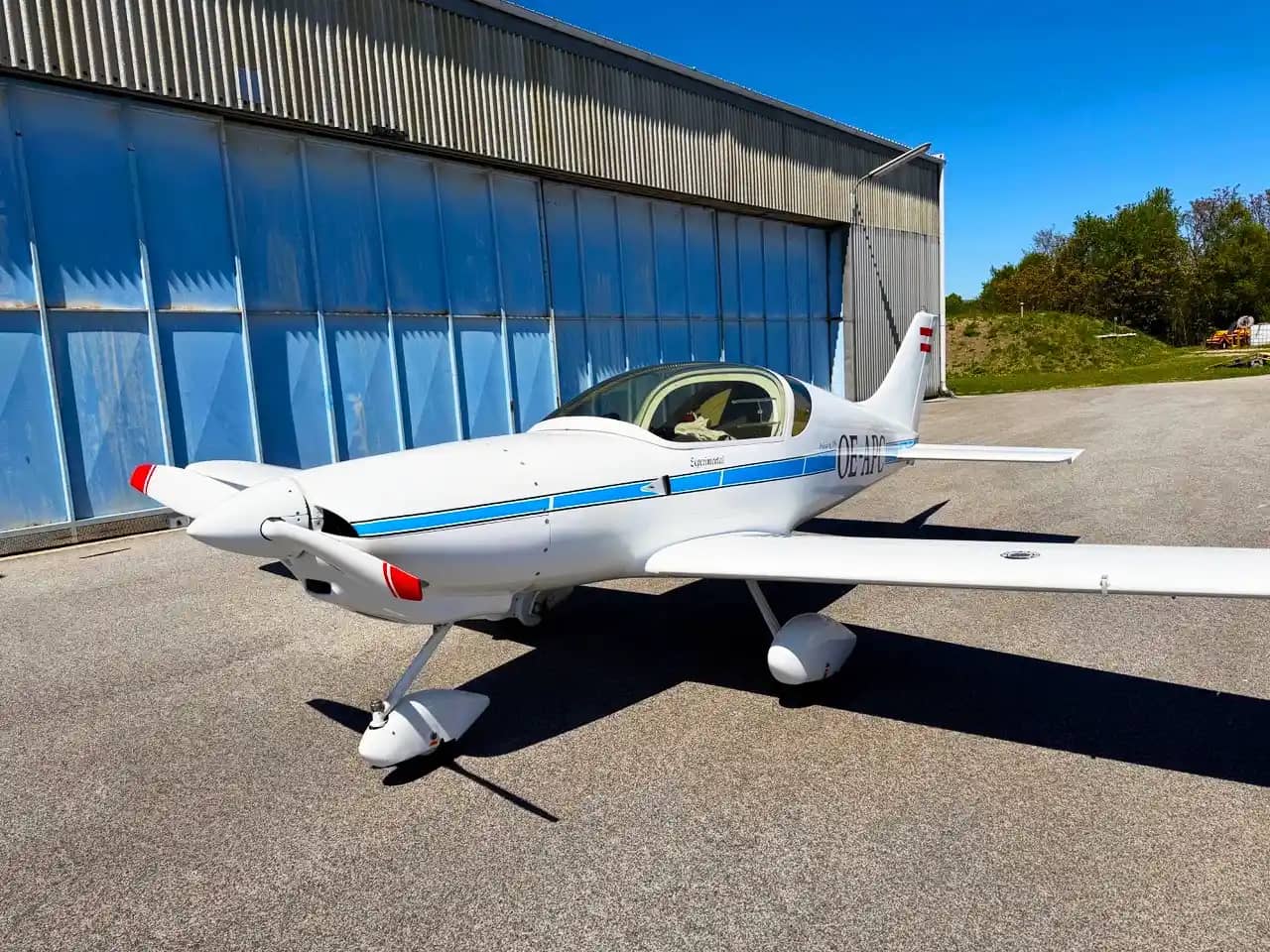
 Bad Vöslau
 Kirn
Kirn
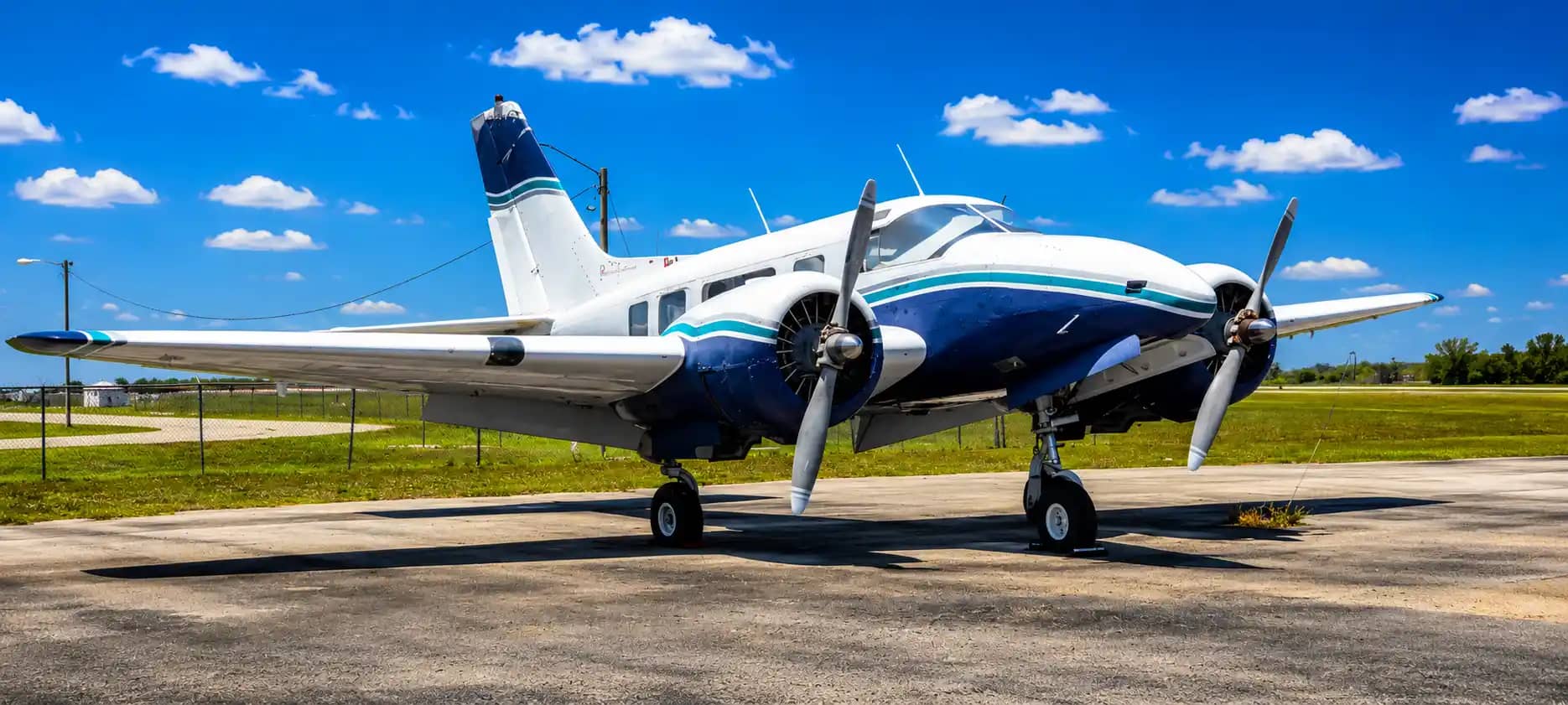
 Florida

A Diamond DA42 TDI can be a compelling four-seat diesel twin for serious touring, IFR flying and multi-engine training, but it rewards disciplined buying. The decision should rest less on paint, avionics or an advertised Diamond DA42 for sale price than on installed engine variant, component status, complete maintenance records, local support and a pre-buy inspection tailored to the aircraft. Early Twin Star and TDI examples should not be treated as interchangeable with later DA42 NG aircraft, particularly where engine architecture, maintenance programmes and modification history are concerned.
Diamond DA42 TDI at a Glance

The original Diamond DA42 Twin Star introduced a different proposition from the traditional avgas light twin: a composite airframe, modern flight deck, efficient compression-ignition engines and a cabin intended for practical four-seat travel as well as training. Its low-wing configuration, twin-engine redundancy and generally refined handling made it attractive to private owners seeking an IFR-capable touring aircraft and to schools building multi-engine programmes around contemporary systems.
For an owner-pilot, the appeal is straightforward. The aircraft combines the familiarity of a light aeroplane cabin with twin-engine capability, Jet A-family fuel compatibility and a design that can support regular cross-country use. For fleets, its common cockpit layout and diesel fuel logistics can be useful where Jet A or Jet A-1 is easier to obtain than aviation gasoline. These advantages do not remove the need for specialist maintenance planning.
Three decisions should lead an acquisition review: establish exactly which engines and approved configuration are installed; determine whether records demonstrate compliance and sensible upkeep; and test whether payload, routes, runway environment and support network suit the intended mission. A well-documented aircraft whose remaining engine and component life fits the buyer’s budget is normally a more rational prospect than a superficially attractive example with unclear history.
Terminology matters. “DA42 TDI” commonly refers to aircraft equipped with Thielert/Centurion diesel installations, while DA42 NG generally identifies later Austro AE300-powered versions. There are sub-variants, upgrades and aircraft-specific changes within those labels. Confirm the type designation, serial number, engine data plate information and approved modification status from primary aircraft records rather than relying on a sales description.
DA42 TDI Variants and Diesel Engine Evolution
Early DA42 aircraft used Thielert/Centurion compression-ignition engines. The Centurion 1.7 and later 2.0 installations share the broad concept of a turbocharged, liquid-cooled, electronically controlled diesel engine driving a propeller through reduction gearing, but they are not identical maintenance propositions. Differences in engine model, approved upgrades, software configuration, component schedules and support arrangements can materially affect both operating planning and acquisition risk.
Later DA42 NG models adopted Austro AE300 engines. That change should be viewed as an engineering and support distinction, not merely a newer badge. An NG may differ in engine installation, approved maintenance requirements, systems details and market expectations. Conversely, an older aircraft may have received approved upgrades that improve its practical position. The only dependable approach is to identify the aircraft as configured today.
Ask for engine serial numbers, installation dates, total time, operating cycles where applicable, gearbox and clutch history, and evidence of all relevant manufacturer instructions. Cross-check those records against the airframe serial number and approved equipment list. A buyer should also establish which service bulletins, airworthiness directives and supplemental modifications apply in the aircraft’s registration jurisdiction, and whether each has been closed correctly.
Do not assume that a Twin Star, a TDI and an NG have the same maintenance exposure simply because all are DA42-family aircraft. The installed powerplant, its life status and the quality of support available near the intended base deserve more weight than shorthand model names.
Mission, Cabin and Real-World Performance
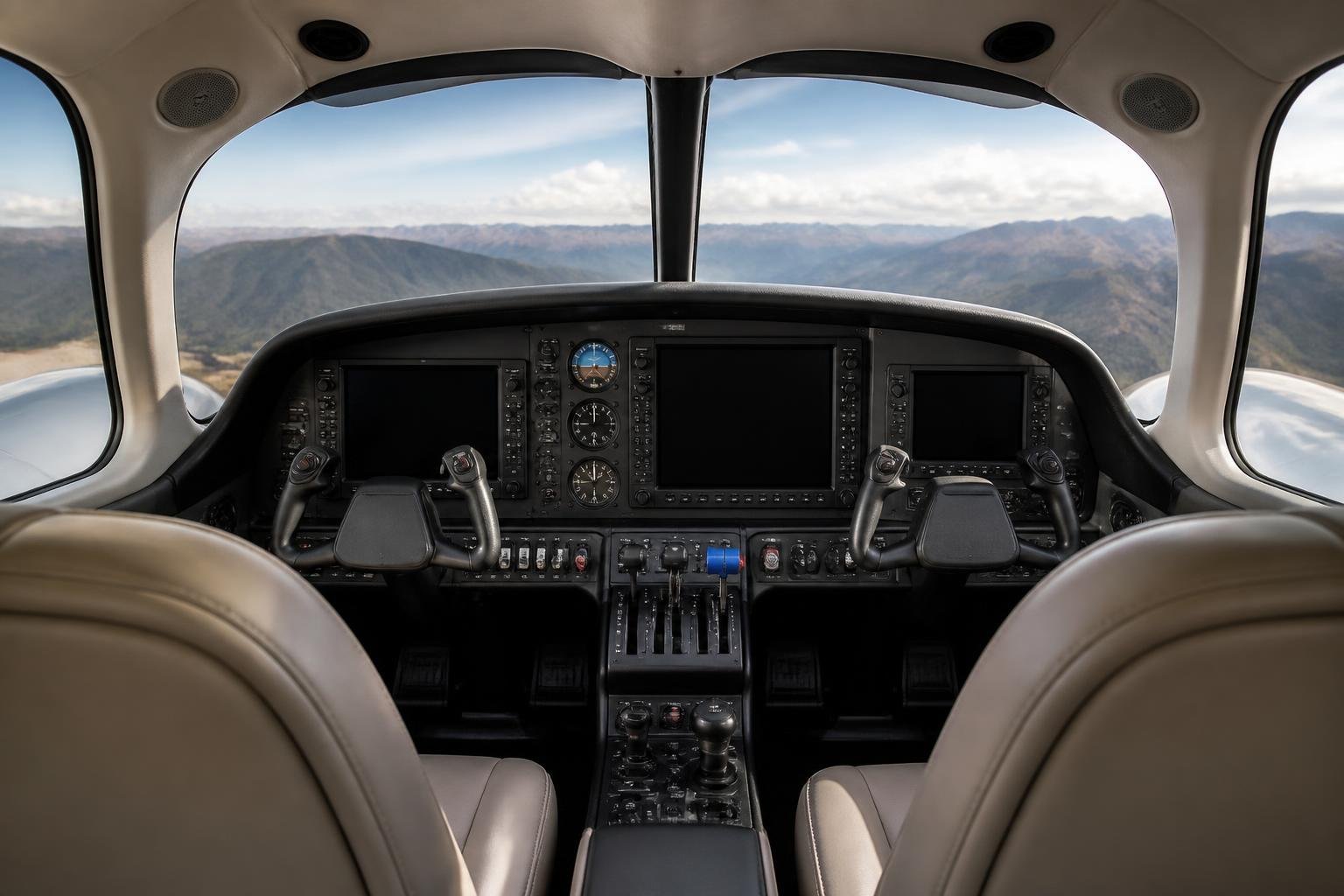
The DA42’s natural missions are cross-country travel, instrument training, multi-engine proficiency and business-oriented regional flying. It can also suit an owner who wants a structured platform for maintaining multi-engine and IFR competence. Its cabin is arranged for four occupants, but practical loading must be calculated for every significant trip. Full seats, baggage, fuel and optional equipment can compete with one another.
Published cruise, range and payload figures are useful starting points, not dispatch promises. Actual performance depends on the specific aircraft’s weight-and-balance report, engine condition, installed avionics, de-ice equipment, interior configuration, fuel planning and atmospheric conditions. A buyer should request recent real-world trip data where available, then compare it with approved performance information and their own likely routes.
Jet A and Jet A-1 availability can be a major operational advantage, particularly outside regions with dependable avgas supply. However, availability, handling procedures, fuel quality controls and pricing differ among countries and aerodromes. Confirm the approved fuel grades for the installed engines and investigate the fuel infrastructure at home base, likely alternates and routine destinations. Regional names and local supply practices do not replace the applicable flight manual and engine documentation.
Rear-seat access, baggage arrangements and cabin width should be assessed in person. A DA42 may work very well for two adults with baggage and useful fuel reserves, while a four-adult mission may require more careful compromise. High density altitude, short runways, obstacles and wet or contaminated surfaces deserve particular attention. Twin engines do not make take-off performance or single-engine climb planning automatic; use the approved data for the exact configuration and conditions.
| Mission question | Buyer focus |
|---|---|
| Regular IFR touring | Avionics currency, autopilot function, pitot-static status and useful load |
| Training operation | Cycles, landing gear history, utilisation pattern and dispatch support |
| Remote-route travel | Fuel availability, maintenance-provider access and parts lead times |
| Four-seat travel | Actual weight-and-balance calculation with baggage and reserves |
How the DA42 Diesel Powerplants Work
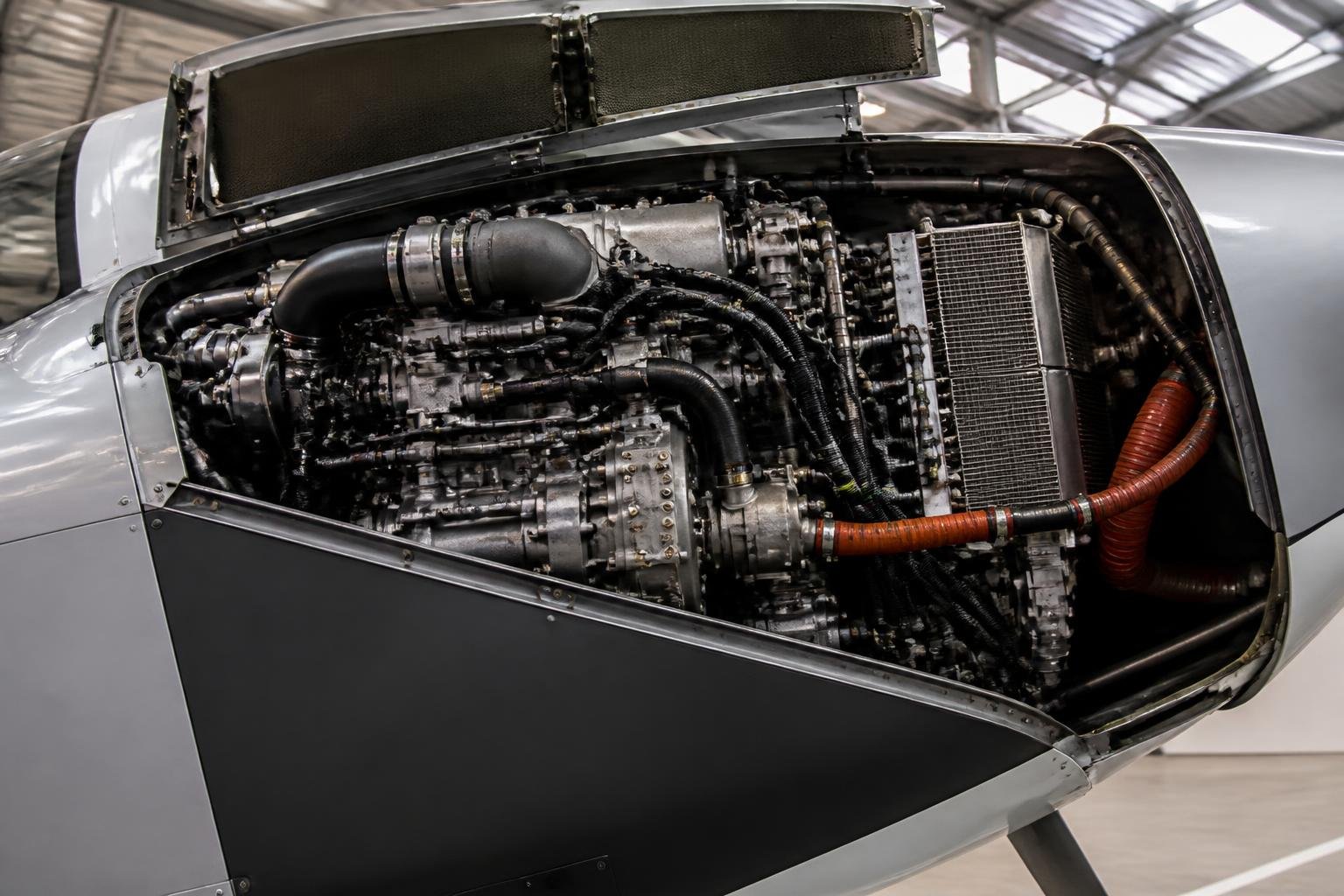
A DA42 TDI diesel powerplant uses compression ignition rather than spark ignition. Fuel is injected into compressed air, and combustion occurs without conventional magneto-driven spark plugs. The installation relies on turbocharging to support power at altitude, liquid cooling to manage thermal loads and electronic engine control to schedule fuel and other operating functions.
For the pilot, this often produces a simpler power-management interface than a conventional mixture-and-propeller-control piston twin. Single-lever power control and full-authority digital engine control, commonly called FADEC, reduce some routine manual tasks. They do not reduce the importance of understanding indications, annunciations, abnormal procedures and the consequences of an electrical fault. The pilot must operate the specific aircraft according to its approved flight manual, not general impressions of “easy” diesel operation.
Electrical architecture is central. The engines and their control systems have electrical dependencies, and the aircraft’s alternators, batteries, buses and load-shedding logic must be understood in the context of the individual serial number and equipment fit. A purchaser should review electrical-system inspections, battery history, alternator repairs or replacements, fault reports and evidence of software or ECU work.
The propeller gearbox reduces engine speed to a propeller-appropriate range. Clutch arrangements are designed to play a role in managing drive-line events and operating transitions. These components are critical planned-maintenance and inspection items, not peripheral accessories. Their serial numbers, hours, overhaul or replacement status, and associated service documentation should be part of the acquisition file.
An avgas-twin pilot should therefore approach the DA42 TDI as a different system discipline. Familiarity with manifold pressure, mixture and magneto checks does not substitute for diesel-engine transition training. Before purchase, arrange an operational briefing with a qualified DA42 diesel instructor or pilot who can explain normal starts, warm-up, synchronisation, caution messages, electrical contingency procedures and correct shutdown practices for the installed configuration.
Maintenance Planning: What Drives DA42 TDI Ownership
DA42 TDI ownership is driven by calendar limits, flight-hour limits and scheduled replacement or inspection requirements. A buyer needs a forward-looking maintenance forecast, not merely proof that the latest inspection was signed off. Engine life status, gearbox, clutch and propeller requirements can create significant near-term commitments even where an aircraft appears well maintained.
Separate scheduled requirements from condition findings. Scheduled work arises from approved maintenance documentation; condition findings arise from inspections, troubleshooting, corrosion, leaks, vibration, faults or wear identified on that aircraft. Both affect a buyer’s budget, but they should be recorded separately so that the purchaser can distinguish known programme costs from defects requiring corrective action.
Cooling circuits, hoses, coolant condition, fuel-system cleanliness, turbocharger-related items and induction integrity merit close attention. So do ECU records, approved software status, electrical wiring, connectors, batteries and charging-system history. Repeated low-voltage messages, starting concerns, overheating trends or intermittent electronic faults should be investigated to root cause rather than dismissed as routine operational quirks.
Maintenance-provider capability can be as important as the aircraft itself. Ask which approved or appropriately experienced organisations can support the installed engine nearby, who can obtain parts, what typical scheduling constraints exist, and how owners manage unscheduled events away from base. Research support in the intended operating region before making an offer. A technically suitable aircraft can become impractical if specialised labour or components are difficult to access.
- Build reserves for life-limited engine and drive-line components.
- Confirm the next calendar-driven requirements, not only hours remaining.
- Review recurrent discrepancies for patterns rather than isolated entries.
- Budget for downtime as well as invoices when specialist support is limited.
Reviewing Logbooks, Engine Records and Airworthiness History
Complete, legible and continuous records are central to DA42 due diligence. Obtain airframe, engine, propeller and component logbooks, together with worksheets, release-to-service documents, equipment lists, weight-and-balance reports and records of significant repairs. Gaps do not necessarily make an aircraft unacceptable, but they reduce certainty and should influence both inspection scope and commercial terms.
For each engine, reconcile serial number, installation date, total time, maintenance events and current status. Perform the same exercise for gearboxes, clutches, propellers, alternators and major avionics where relevant. A mismatch between an advertisement and the technical file may be innocent, but it needs explanation before any commitment.
Review evidence of mandatory inspections, applicable airworthiness directives and service bulletins. Check whether compliance is recorded with sufficient detail to identify the document revision, method and date. Approved upgrades and supplemental modifications should have supporting approvals and amended equipment or weight-and-balance documentation where necessary.
Pay particular attention to troubleshooting history. Recurring defect entries, repeated resets, deferred defects or multiple attempts to cure the same warning can reveal an unresolved systems issue. Ask for invoices and fault reports related to ECU, alternator, gearbox, clutch, cooling and fuel-system work. A clean logbook should mean a well-explained record, not simply sparse entries.
Also investigate damage, environmental exposure, corrosion and composite repairs. Composite structures require proper assessment of bonding, paint condition, moisture-related concerns and repair quality. Confirm that major repair documentation identifies the approved data or repair scheme used. Finally, verify registration history, export documentation where relevant, and jurisdiction-specific compliance needs before importing or re-registering the aircraft.
Diamond DA42 TDI Pre-Buy Inspection Checklist

A pre-buy should be independent, written and matched to the exact engine variant and aircraft configuration. Engage a facility or team with both Diamond composite-airframe familiarity and meaningful experience of the installed compression-ignition engines. A general piston-aircraft inspection may not adequately evaluate engine controls, gearbox and clutch status, electrical dependencies or type-specific composite concerns.
- Verify engine and component serial numbers, hours, calendar status and supporting documents.
- Observe cold starts, warm-up, engine synchronisation and any caution or warning indications.
- Review stored fault memory using appropriate approved diagnostic processes.
- Inspect for coolant, oil, fuel and induction-system leaks, chafing and deteriorated hoses.
- Assess gearbox, clutch and propeller condition, history and evidence of abnormal vibration.
- Inspect composite structure, bonding areas, paint, lightning-protection features and documented repairs.
- Examine landing gear, brakes, steering, retract mechanisms and associated inspection history.
- Function-check avionics, autopilot, electrical loads and relevant IFR equipment status.
- Decide on borescope examination, oil analysis and further functional testing based on records and findings.
Cold-start observations can be particularly revealing, but they must be performed in accordance with approved procedures and without creating artificial stress on the engines. The inspector should correlate indications with ambient conditions, battery condition and maintenance history. Any engine asymmetry, unusual vibration, repeated electronic message or fluid loss deserves documented investigation.
Ask the inspector to provide written findings that separate safety- or airworthiness-relevant issues, routine maintenance, forecast scheduled costs and cosmetic observations. Where practical, obtain estimates for corrective work and define clear purchase conditions. A pre-buy inspection is buyer due diligence; it is not a substitute for an annual inspection, a formal appraisal or a guarantee of future reliability.
Flight Evaluation and Operational Due Diligence
A structured demonstration flight should be conducted by a qualified DA42 diesel pilot, with the buyer observing or participating only within their qualifications and insurance requirements. The objective is not to perform aggressive manoeuvres or simulate failures casually. It is to establish whether the aircraft behaves consistently with its records, approved procedures and represented equipment status.
Start with engine start and warm-up. Confirm expected ECU indications, electrical-system behaviour and the absence of unexplained messages. During taxi, observe steering response, brake feel, directional control and normal system annunciations. Landing-gear operation should be evaluated only under approved conditions, with attention to indications and any abnormal noise or delay.
Compare take-off and climb performance with actual weight, density altitude and approved reference data. Review cruise power, fuel-flow and temperature trends rather than treating a single snapshot as decisive. Exercise the autopilot, navigation equipment and relevant electrical loads in a sensible sequence. A discrepancy that appears only when alternators, lights, de-ice equipment or cabin loads are active can be commercially significant.
Engine-out training should not be improvised during a pre-purchase evaluation. It is subject to aircraft limitations, pilot competence, operating procedures and a deliberately managed risk environment. Any evaluation should be planned conservatively with an appropriately qualified pilot and never used to exceed the aircraft’s approved operating limitations.
After landing, repeat the fluid and cowling-area inspection, review recorded data or fault messages where available, and compare findings with the pre-buy report. A flight demonstration complements technical inspection; it does not replace it.
Ownership Costs and Budget Risks
The acquisition price is only one part of the ownership budget. A sensible DA42 TDI plan includes closing costs, registration or import work, insurance, transition and recurrent training, hangarage, navigation subscriptions, regulatory compliance, routine maintenance and reserves for engines and life-managed components. The cost of specialist labour and the ability to schedule it can matter more than a modest difference in purchase price.
Jet fuel can offer an operational advantage, but its price and availability should be modelled across actual routes rather than assumed. Likewise, insurance may depend on pilot experience, training, region and intended use. Training aircraft may have a different wear profile and utilisation pattern from privately toured aircraft, with corresponding implications for cycles, landing gear, interiors and maintenance planning.
Create a component forecast before making an offer. Include known calendar events, engine and drive-line status, propeller work, avionics updates, battery replacement, inspection costs and an allowance for deferred maintenance revealed by the pre-buy. Ask an independent maintenance professional to review the forecast where the records are complex.
An advertised price, asking price or auction bid is not a market value, appraisal or prediction of total ownership cost. Compare comparable aircraft cautiously, accounting for configuration, documentation, engine status, location and immediate work scope. An independent valuation can be useful, but it does not replace a technical inspection and maintenance forecast.
Comparing a Diamond DA42 for Sale with Alternatives

When reviewing a Diamond DA42 for sale, compare individual aircraft rather than headline descriptions. Start with engine configuration, remaining component life, record continuity, recent maintenance and known defects. Then assess avionics generation, autopilot capability, de-ice equipment, cabin condition, weight-and-balance implications and whether the aircraft has been used mainly for training or private touring.
The DA42 TDI versus DA42 NG choice is principally a question of installed engine family, support, budget and mission. A later NG may suit buyers seeking the AE300 installation and its associated support ecosystem; a TDI may suit a buyer who finds a properly maintained example with transparent records and a strong local specialist network. Neither conclusion should be reached on model year alone.
Against a conventional avgas piston twin, the DA42 diesel concept offers a different fuel and engine-management profile. The comparison should include fuel access, engine support, electrical-system familiarity, performance needs, acquisition budget and realistic maintenance reserves. A buyer who has nearby expertise in one type of system may rationally favour it even when another aircraft looks attractive on paper.
Before arranging a viewing, ask sellers for current logbook scans or summaries, engine and component status, a list of open discrepancies, damage and repair history, latest inspection details, avionics inventory, weight-and-balance report, registration status and reason for sale. Confirm where the aircraft is based and whether an independent pre-buy can be conducted there. Treat the listing as an invitation to investigate, not proof of condition.
Who Should Buy a DA42 TDI?
A DA42 TDI is best suited to disciplined touring owners, training operators and technically prepared buyers who value a modern composite diesel twin and can support it properly. It is especially logical where Jet A-family fuel is readily available, qualified maintenance support is established and the intended missions benefit from four seats, IFR equipment and twin-engine capability.
It is less suitable where specialist maintenance access is uncertain, component-reserve planning is weak or the buyer expects it to behave exactly like a conventional avgas twin. The right decision framework is simple but demanding: confirm aircraft condition, verify the documentation, model the intended mission realistically and establish a support network before committing.
Shortlist aircraft that meet the mission, request comprehensive records, commission an independent pre-buy and make purchase conditions clear in writing. A Diamond DA42 for sale can be an excellent starting point for ownership research, but only a variant-specific technical review and operational assessment can show whether that individual aircraft is the right one to buy.

Comments
No comments yet
Be the first to share your thoughts!