
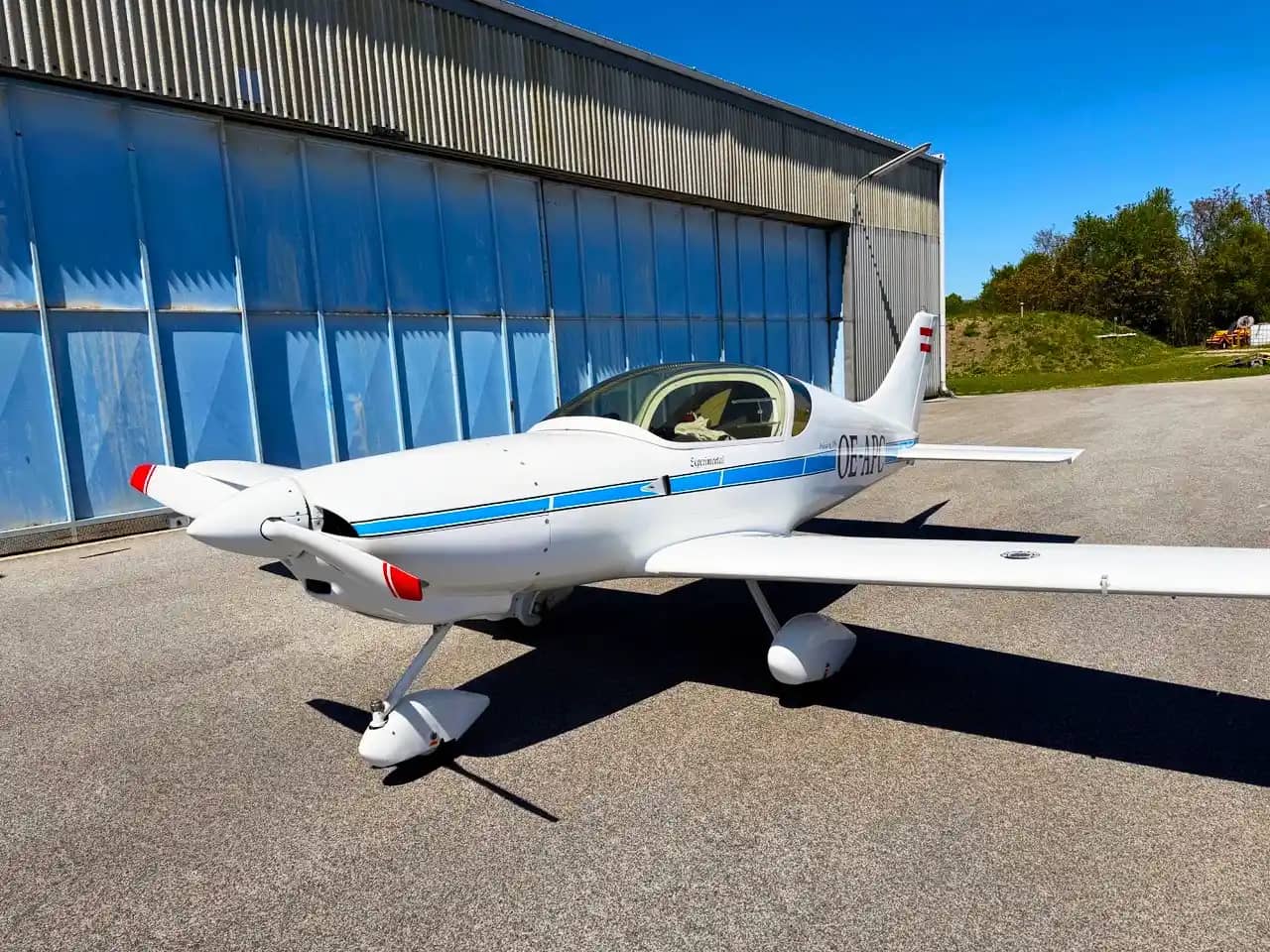
 Bad Vöslau
 Kirn
Kirn
 Florida
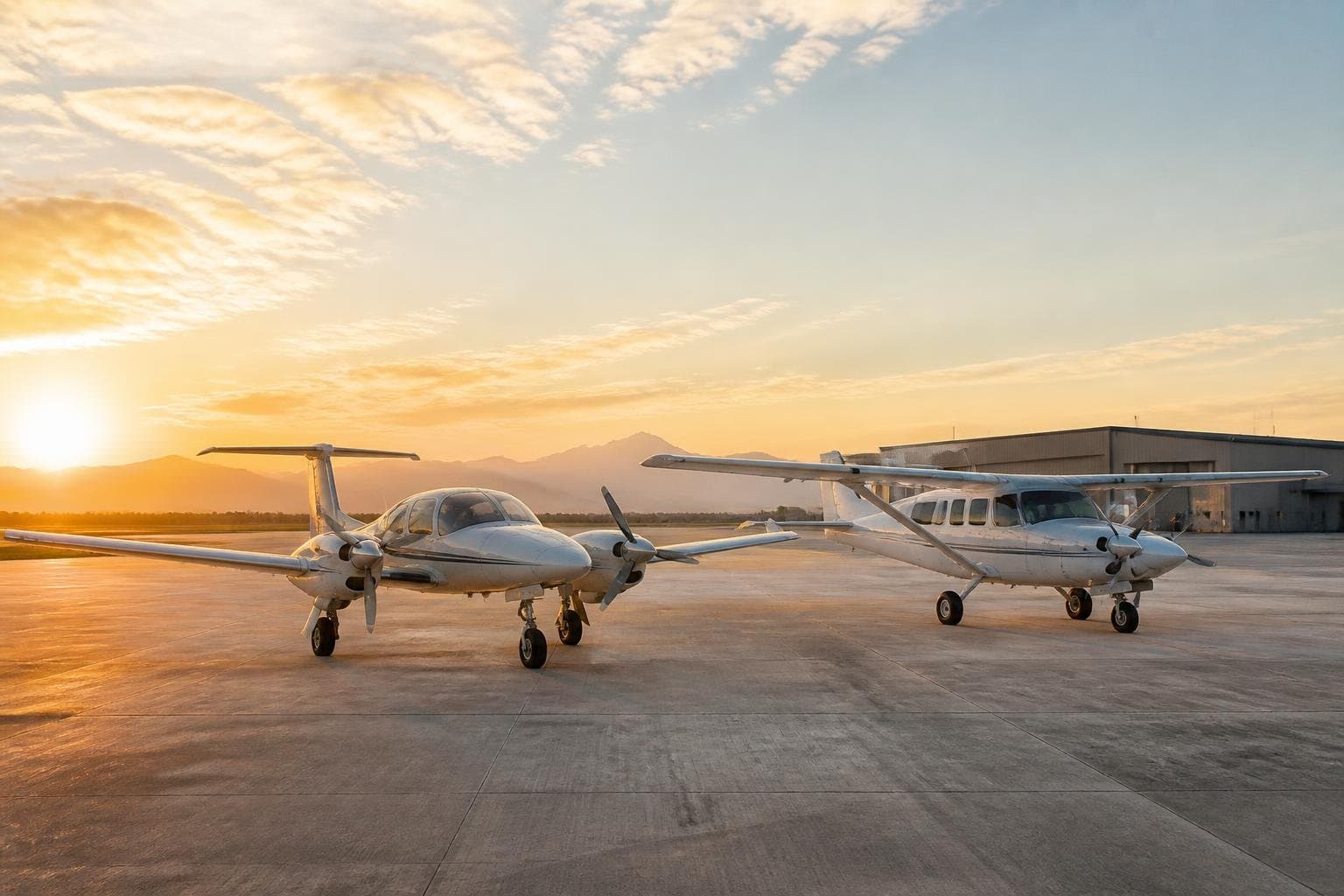
For a flight school, the DA42 vs P2006T decision should begin with the training programme rather than a single fuel-burn or purchase-price figure. Both are four-seat, retractable-gear light twins used for multi-engine and instrument training, but they approach the job differently.
The current Diamond DA42-VI combines an all-carbon composite low-wing airframe, twin Austro AE300 Jet-A engines and Garmin G1000 NXi avionics with relatively strong cruise and cross-country performance. The current Tecnam P2006T NG uses a primarily aluminium-airframe high-wing platform, twin Rotax 912 iSc3 engines and modern Garmin avionics in a package aimed particularly at economical multi-engine and complex training.
For an academy, the practical question is not which aircraft is universally better. It is which one delivers the required syllabus with reliable dispatch, manageable maintenance, suitable fuel infrastructure and a cost structure that still works at the school’s actual annual utilisation.
DA42 vs P2006T: Quick Comparison for Flight Schools
The table below uses the current-production DA42-VI and P2006T NG as the main reference. Earlier DA42 TDI, DA42 NG, P2006T and P2006T MkII aircraft can differ materially in engines, weights, avionics and maintenance requirements.
| Area | Diamond DA42-VI | Tecnam P2006T NG |
|---|---|---|
| Airframe layout | Low wing | High wing |
| Primary construction | All-carbon composite airframe | Primarily aluminium-alloy airframe |
| Seats | 4 | 4 |
| Engines | 2 × Austro AE300 | 2 × Rotax 912 iSc3 |
| Power | 168 hp per engine | 100 hp per engine |
| Primary fuel | Jet A / Jet A-1 and approved turbine fuels | Mogas and Avgas |
| Published max cruise | 190 KTAS | 148 kt |
| Useful load reference | Up to 579 kg / 1,276 lb | 410 kg / 904 lb |
| Maximum take-off mass | 1,999 kg / 4,407 lb | 1,290 kg / 2,844 lb |
| Fuel capacity | Up to 289 L including auxiliary tanks | 200 L |
| Avionics reference | Garmin G1000 NXi | Garmin G1000 NXi available/current training configuration |
| Training emphasis | Advanced IFR, cross-country and academy progression | Efficient MEP, complex and recurrent training |
| Support question | Diamond, Austro Engine and composite capability | Tecnam, Rotax and aluminium-airframe capability |
Manufacturer figures are configuration-dependent and are not necessarily measured under identical conditions. Use this table for fleet screening rather than flight planning or contractual performance assumptions.
Which Aircraft Fits Which Training Mission?
The DA42-VI is especially relevant where the twin is part of a wider professional-training progression. Its integrated glass cockpit, single-lever electronically controlled diesel engines, higher published cruise performance and cross-country capability can support IFR, commercial and longer navigation training as well as conventional multi-engine exercises.
The P2006T NG is particularly attractive where the primary objective is efficient multi-engine and complex-aircraft training. Tecnam markets the NG specifically around multi-engine, variable-pitch-propeller and retractable-gear training, and the aircraft is already used by professional academies for MEP and commercial-course work.
A school focused mostly on multi-engine rating hours may not obtain much revenue benefit from additional cruise performance. An academy flying substantial instrument and cross-country sectors may value it much more.
| Training requirement | What matters most |
|---|---|
| MEP rating throughput | Cost per lesson, turnaround time, dispatch reliability and instructor standardisation |
| CPL/IR progression | Avionics, autopilot integration, IFR capability and cross-country productivity |
| Airline-pathway academy | Standard operating procedures, glass-cockpit workflow and simulator alignment |
| High annual utilisation | Maintenance access, spare capacity, parts logistics and predictable scheduled downtime |
| Small training organisation | Acquisition exposure, local maintenance and avoiding prolonged AOG events |
Airframe Construction: Carbon DA42 vs Aluminium P2006T
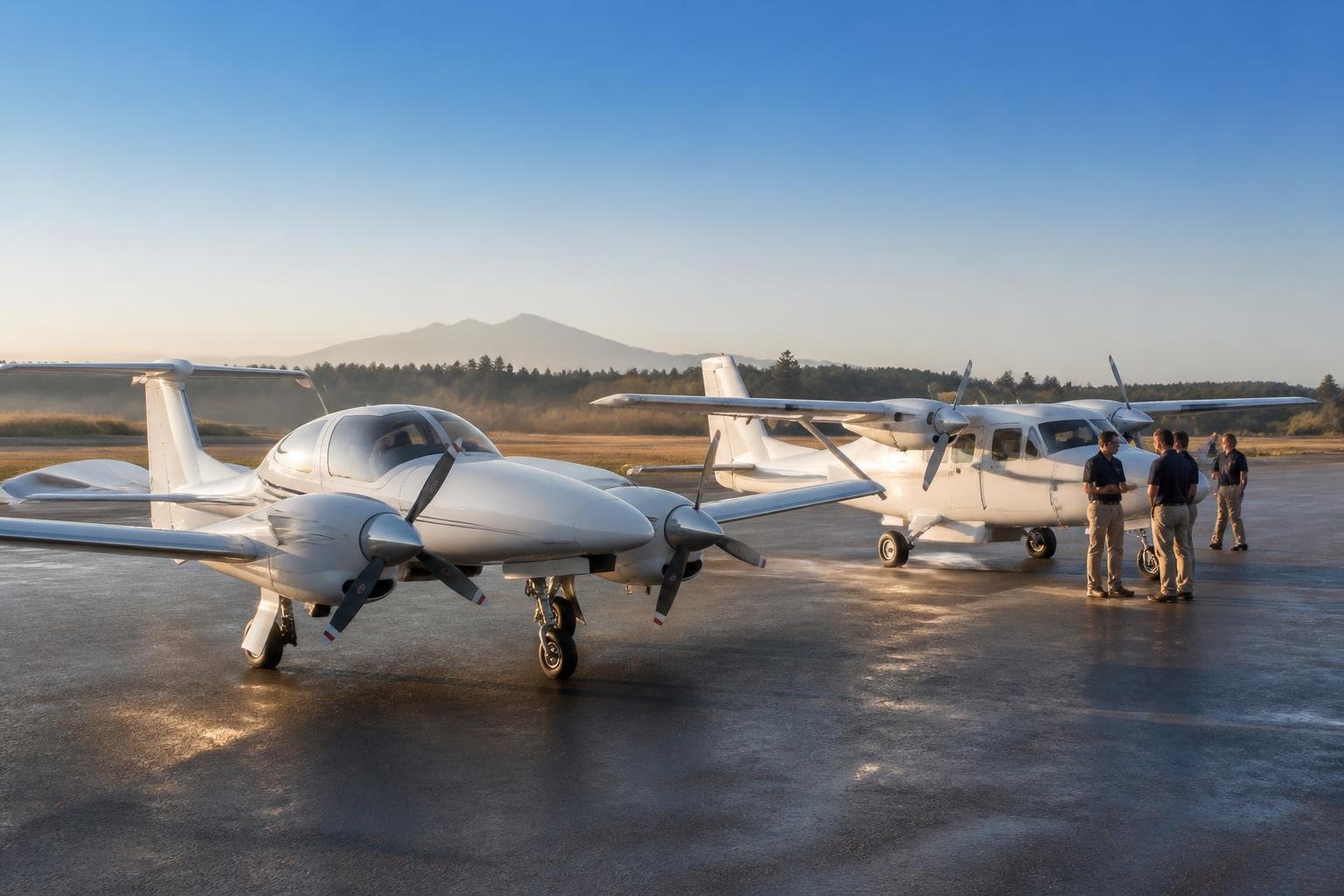
This is an important technical distinction between the two aircraft.
Diamond describes the current DA42-VI as having an all-carbon composite airframe. Structural inspection and repair therefore require access to maintenance organisations familiar with approved composite inspection and repair methods.
The Tecnam P2006T family should not be described as a composite-airframe twin. EASA type-certificate data describes the P2006T as a four-seat high-wing aircraft of aluminium construction, while Tecnam’s own technical material describes extensive use of aluminium airframe structure.
That difference has fleet-planning consequences. A school considering a DA42 should verify access to Diamond and composite expertise. A P2006T operator should evaluate Tecnam structural support, aluminium repair capability and the exact inspection programme applicable to the aircraft.
Neither construction method is inherently a fleet advantage. What matters operationally is whether damage can be identified, approved repair data obtained and the aircraft returned to service efficiently at the school’s location.
Engines and Fuel Infrastructure
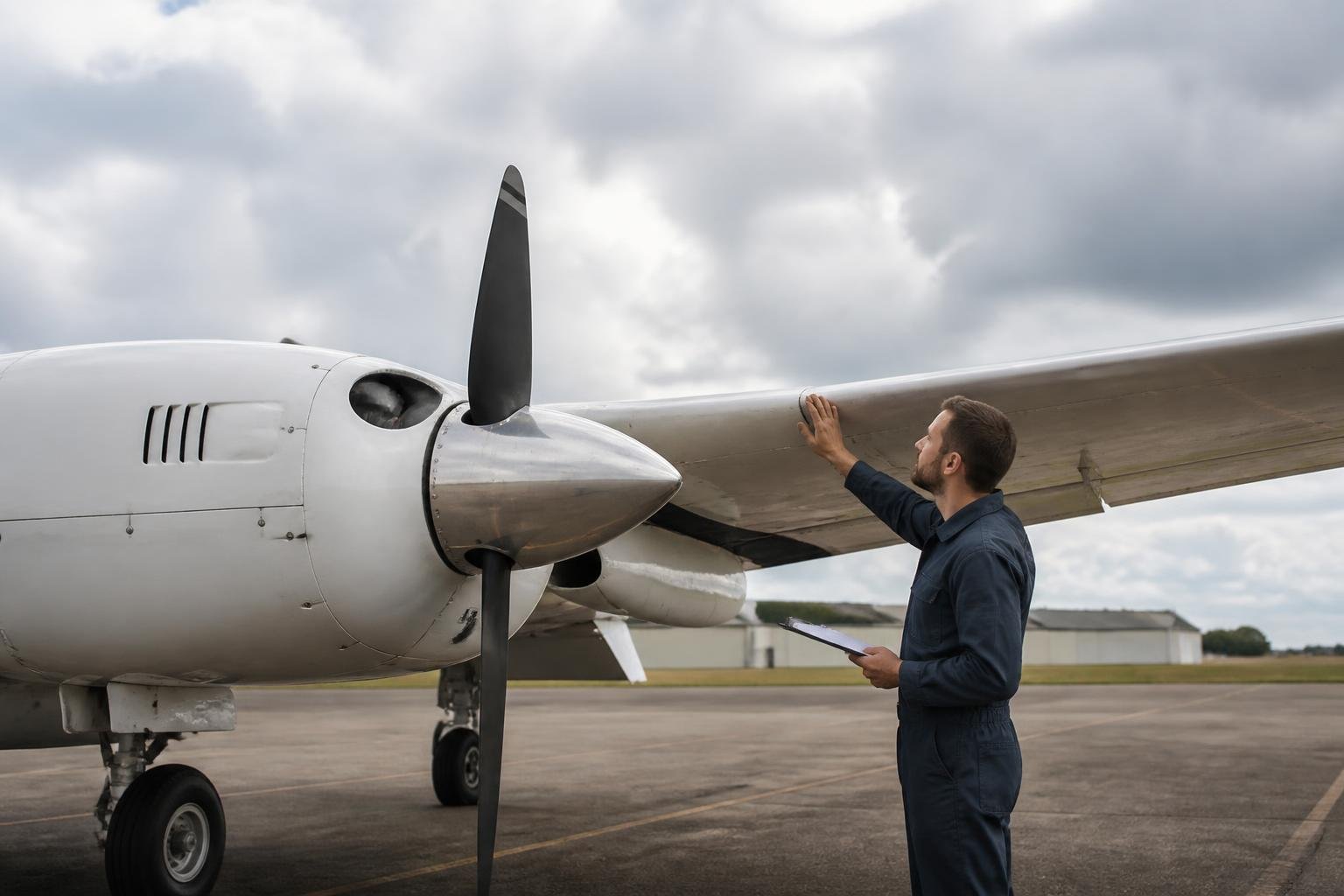
Powerplant strategy is one of the clearest differences between the current aircraft.
DA42-VI: Austro AE300 and Jet Fuel
The current DA42-VI uses two turbocharged Austro AE300 common-rail diesel engines producing 168 hp each. Diamond lists Jet A, Jet A-1 and several other approved turbine-fuel grades depending on region.
The engines use electronic engine control and a single-lever power-management concept. For an academy, this can simplify cockpit workflow while introducing a specific maintenance ecosystem around Austro engines, electronic control systems and associated diagnostics.
Diamond publishes total fuel consumption of approximately 39.4 L/h at its stated 60% cruise reference. That figure is useful for modelling only when the school’s planned mission resembles the manufacturer condition.
P2006T NG: Rotax 912 iSc3
The P2006T NG uses two fuel-injected Rotax 912 iSc3 engines rated at 100 hp each. Tecnam lists Mogas and Avgas operation for the current NG.
This can be operationally attractive for schools already familiar with Rotax-powered training aircraft because engine knowledge, procedures and parts networks may overlap with the rest of the fleet.
Tecnam publishes a fuel-consumption figure on the current NG product page, but manufacturer fuel figures for the DA42 and P2006T are not presented under the same defined power, altitude and mission conditions. A fleet-cost model should therefore use AFM/POH data for the exact aircraft and, preferably, actual operator experience rather than dividing two headline manufacturer numbers.
Fuel Choice Can Change the Fleet Decision
Jet-A availability can favour the DA42 at airports where Avgas or suitable Mogas is limited or expensive. At another training base, established Rotax support and economical Mogas access may strengthen the P2006T case.
Before ordering aircraft, obtain local fuel prices and confirm:
- Which approved fuel grades are reliably available.
- Whether fuel can be supplied during the school’s operating hours.
- How fuel logistics work during cross-country training.
- Whether local maintenance providers support the exact engine installation.
- What downtime is expected for scheduled and unscheduled engine work.
Performance That Matters to a Training Operator
The DA42-VI has a clear published cruise-performance advantage over the P2006T NG. Diamond lists 190 KTAS as maximum cruising speed and approximately 175 KTAS at a 75% cruise reference. Tecnam lists 148 kt maximum cruise for the P2006T NG.
That difference matters when aircraft spend significant time flying cross-country IFR sectors. Faster transit can allow an academy to use training areas or instrument destinations farther from base without turning every exercise into a long block-time event.
For local MEP training, however, cruise speed may have limited economic value. If the lesson consists mainly of departure, climb, asymmetric exercises, approaches and return, dispatch reliability and hourly cost can matter more.
Published single-engine, take-off and climb performance should be evaluated from the approved manual for the exact aircraft. Density altitude, loading, temperature and configuration are particularly important in a training environment where simulated engine-failure exercises are routine.
A school should build standard planning cases for:
- Local MEP training.
- Instrument approaches.
- Two-hour IFR lessons.
- Longer commercial cross-country sectors.
- Hot-day operations at typical student and instructor weights.
That gives management a more useful comparison than brochure range alone.
Avionics, Automation and Simulator Alignment
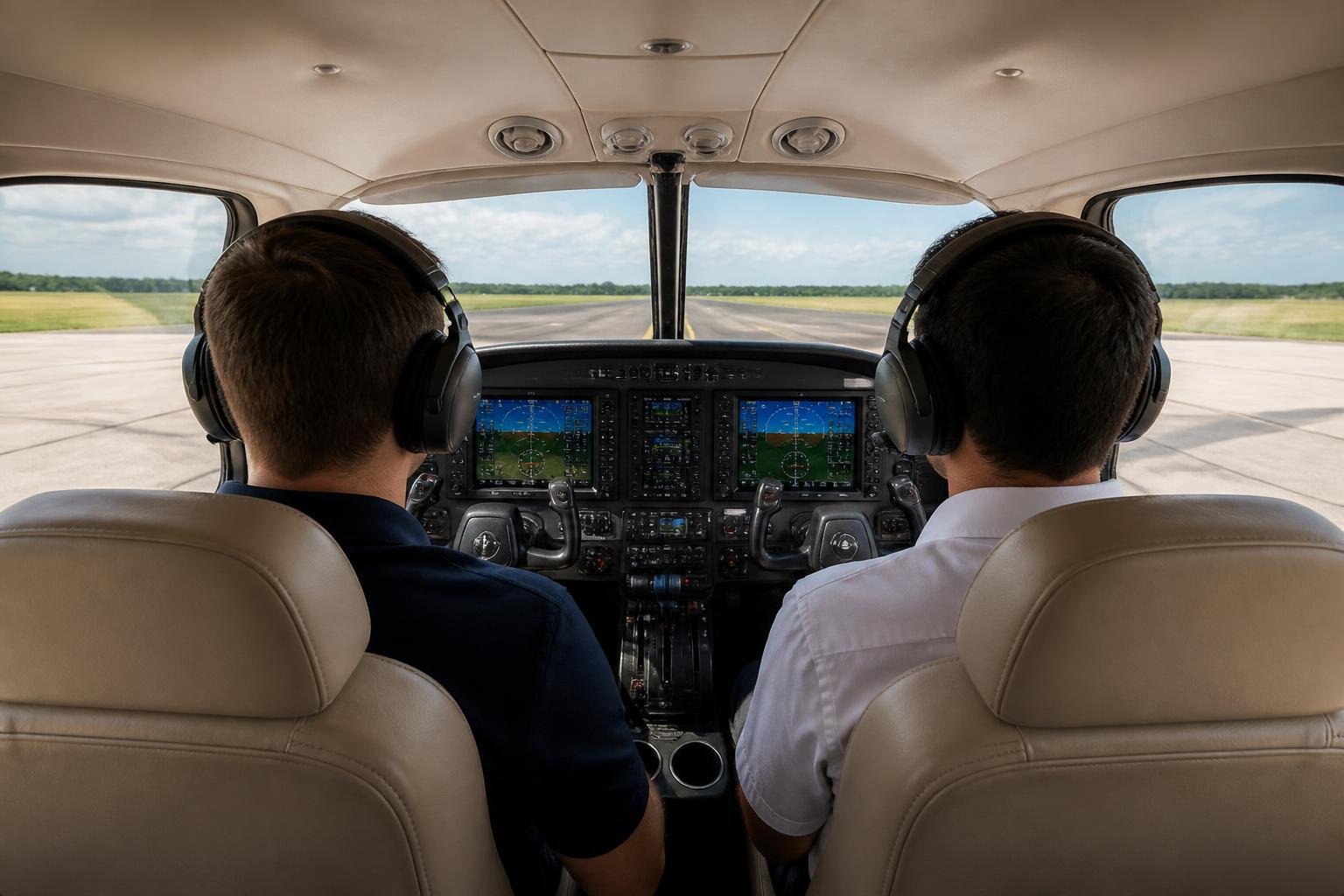
Both current aircraft can provide modern Garmin glass-cockpit environments, but fleet planners should compare exact configurations rather than brand names.
The current DA42-VI uses Garmin G1000 NXi as its integrated flight deck and can be configured with additional avionics relevant to IFR training.
The P2006T NG is likewise offered with a modern Garmin suite, including G1000 NXi configurations and integrated autopilot capability for training applications.
The key academy question is cockpit commonality. If students fly G1000-family aircraft during earlier phases and then use a compatible simulator before entering the twin, transition time can be reduced. If switch logic, autopilot modes or display generations differ substantially, those differences need to be taught deliberately.
When comparing used aircraft, record the exact:
- PFD and MFD generation.
- Navigation equipment.
- Autopilot model and modes.
- Software status.
- Database requirements.
- ADS-B and transponder configuration.
- Installed options relevant to the intended syllabus.
Cabin, Ramp Use and Student Practicality
The DA42’s low wing and the P2006T’s high wing create noticeably different training-ramp environments.
The P2006T high-wing arrangement keeps the wing and engines above much of the normal boarding area and can provide straightforward access around a busy apron. The DA42’s low-wing layout and cockpit arrangement produce a different boarding, inspection and refuelling workflow.
Neither should be chosen from external photographs alone. Ask instructors and representative students to test:
- Seat and pedal adjustment.
- Visibility during taxi and circuit work.
- Instructor access to controls and avionics.
- Entry and emergency egress.
- Cabin comfort during longer IFR sorties.
- Baggage and training-equipment storage.
- Ground-handling and towing procedures.
A fleet aircraft will experience thousands of seat adjustments, door cycles, braking events and short sectors. These practical details eventually become maintenance and dispatch issues.
Engine-Out Training and Risk Management
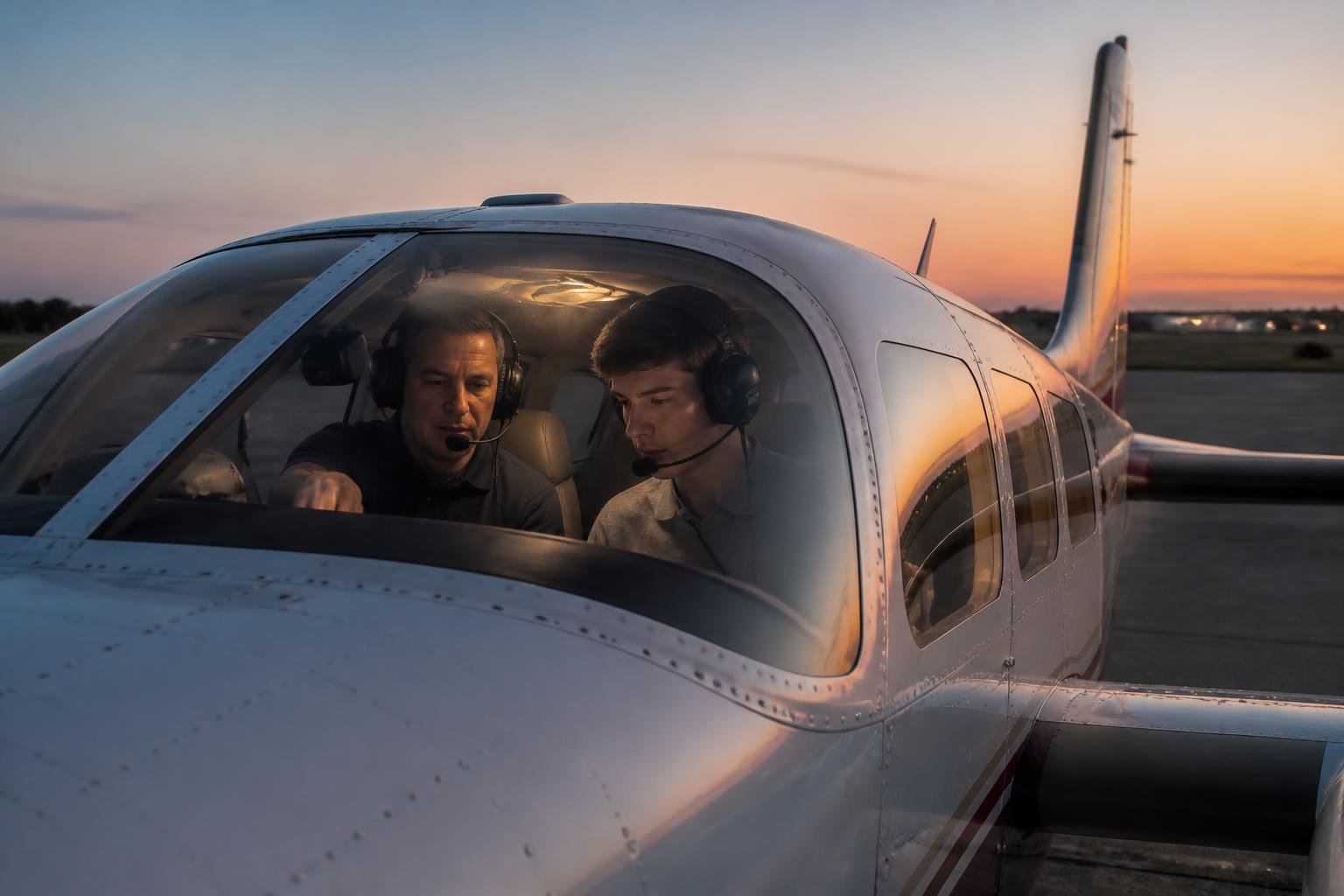
The suitability of either aircraft for multi-engine instruction depends as much on the school’s procedures as on the aircraft itself.
Normal and asymmetric exercises should follow the approved AFM or POH and the organisation’s training and operations manuals. Schools should standardise failure recognition, directional control, identification, verification and subsequent actions rather than allowing each instructor to teach a different sequence.
Simulator or training-device use is especially valuable for scenarios that would create unnecessarily narrow margins in the aircraft, including complex failures close to the ground.
For fleet planning, review:
- Single-engine performance at local density altitude.
- School-specific weather and altitude minima.
- Instructor standardisation.
- Procedures for simulated failures.
- Simulator availability and cockpit match.
- Safety-report trends from the existing fleet.
Operating Cost: Build the Model Around Your School
A meaningful DA42 vs P2006T cost comparison should not stop at fuel burn.
For a training organisation, a useful fully allocated hourly-cost model is:
Fuel + oil and consumables + hourly maintenance reserve + engine and propeller reserves + annual inspections + insurance + hangar + finance or depreciation + avionics subscriptions + administration + expected downtime cost.
| Cost input | DA42-VI question | P2006T NG question |
|---|---|---|
| Fuel | What does Jet-A cost at the base and common training destinations? | What do approved Mogas/Avgas grades cost and how reliably are they available? |
| Engine maintenance | How close is qualified Austro Engine support? | How close is qualified Rotax support? |
| Airframe repair | Is approved Diamond/composite expertise locally available? | Is Tecnam/aluminium structural capability available? |
| Avionics | What Garmin configuration and subscription costs apply? | What Garmin configuration and subscription costs apply? |
| Downtime | How quickly can Diamond/Austro parts and technical support restore dispatch? | How quickly can Tecnam/Rotax parts and technical support restore dispatch? |
| Training productivity | Does higher cruise performance create meaningful syllabus efficiency? | Does the lower-power training platform deliver enough capability at lower fleet burden? |
Run the calculation at several realistic annual utilisation levels—for example the school’s conservative, expected and high-utilisation cases. Fixed costs spread very differently across 250 annual hours than across 800 or 1,000 hours.
A slightly higher direct hourly cost can still produce the better fleet result if the aircraft completes more scheduled lessons. Conversely, an economical aircraft can become expensive if parts or specialist labour keep it grounded.
Maintenance, Dispatch Reliability and Fleet Support
This is the area where many theoretical comparisons fail.
Before purchase, contact maintenance providers rather than assuming support exists. Ask whether they routinely maintain the exact model and engine, what diagnostic equipment they hold, which work must be sent elsewhere and what recent parts lead times have been.
For a DA42-VI fleet, evaluate Diamond airframe support, Austro Engine capability, MT propeller support and composite-repair access.
For a P2006T NG fleet, evaluate Tecnam support, Rotax capability, MT propeller support and familiarity with the aircraft’s aluminium structure and systems.
Used aircraft require an additional layer of diligence. Review applicable Airworthiness Directives, manufacturer service information, modifications and recurring inspection requirements by serial number and actual configuration.
Track these metrics after acquisition:
- Dispatch rate.
- Cancelled lessons due to technical faults.
- Repeat defects.
- Average maintenance turnaround.
- Parts lead time.
- Maintenance hours per flight hour.
- Substitute-aircraft use.
Those numbers reveal more about fleet economics than fuel invoices alone.
Buying a Used DA42 or P2006T
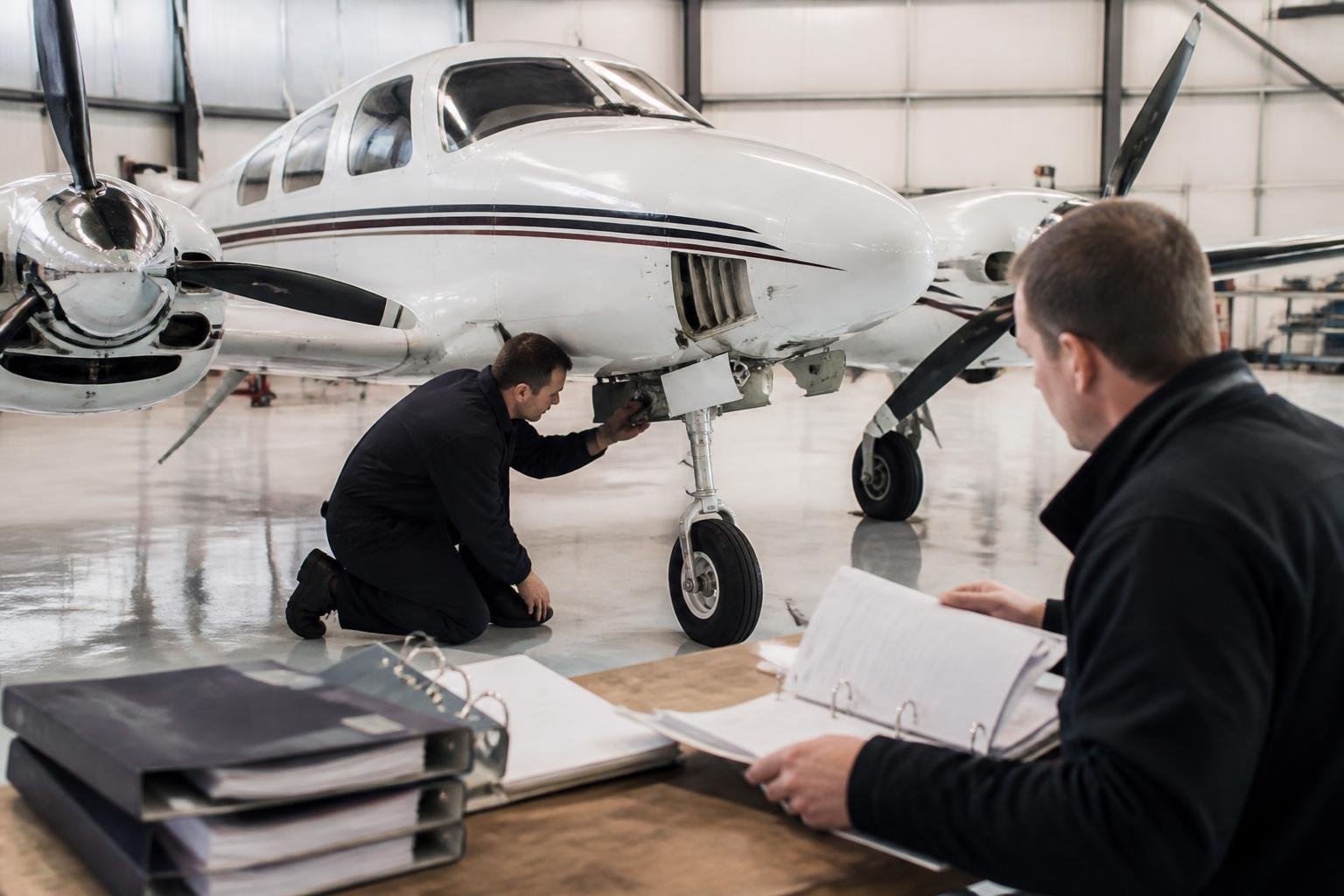
A used DA42 or P2006T should be evaluated as an individual aircraft rather than as a generic example of the model.
Start by identifying the exact variant. An early DA42 TDI should not be costed as though it were a current DA42-VI, and an earlier P2006T should not automatically be assigned P2006T NG weights, engines or avionics.
Request:
- Complete airframe, engine and propeller records.
- Exact engine and propeller serial numbers.
- Current component times and calendar status.
- Airworthiness Directive compliance.
- Service Bulletin status where relevant.
- Damage and repair history.
- Landing-gear maintenance history.
- Avionics inventory and software status.
- Current weight-and-balance report.
- Recent defects and deferred maintenance.
- Utilisation history, particularly prior training use.
Training aircraft deserve particular attention to brakes, tyres, gear, doors, seats, harnesses, controls and other high-cycle items.
Use an independent pre-buy team familiar with the exact airframe and engine installation. A low purchase price can quickly disappear if the aircraft arrives with short component life, catch-up maintenance or support problems.
A Real-World DA42 Example on CollectAirs
Buyers comparing training twins can also review the Diamond DA42 TDI currently listed on CollectAirs.
The listing is useful precisely because it illustrates why variant identification matters. This is a 2007 DA42 TDI with Garmin G1000 and Continental CD-135 / TAE125-series diesel engines—not a current DA42-VI with Austro AE300 engines.
A fleet planner should therefore analyse its actual engine remaining time, maintenance records, airframe utilisation, avionics and support network rather than applying the current-production DA42-VI specification table directly to it.
No equivalent current P2006T listing was identified on CollectAirs at the time this guide was reviewed, so a direct marketplace comparison should not be invented. Buyers can review current aircraft inventory on CollectAirs for other suitable multi-engine candidates.
A Weighted Fleet Decision Matrix
Instead of declaring a universal winner, score each candidate aircraft against the needs of the actual school. The following weighting is a starting point and should be adjusted to the organisation’s syllabus and business model.
| Criterion | Example weight | What to score |
|---|---|---|
| Dispatch reliability and maintenance access | 20% | Local expertise, parts access, turnaround and technical support |
| Fully allocated operating cost | 20% | Fuel, reserves, maintenance, fixed cost and downtime |
| Syllabus fit | 15% | MEP, CPL, IR, PBN and cross-country requirements |
| Avionics and simulator alignment | 10% | Fleet commonality, automation and training-device match |
| Performance at home base | 10% | Runway, temperature, elevation, loading and single-engine margins |
| Fuel infrastructure | 10% | Local and destination availability, price and reliability of supply |
| Student and instructor ergonomics | 5% | Access, visibility, comfort and workload |
| Insurance and regulatory fit | 5% | Operator approval, insurer terms and instructor requirements |
| Resale and fleet flexibility | 5% | Marketability, configuration and ability to redeploy the aircraft |
Score each candidate from 1 to 5 against the same evidence base, multiply by the chosen weighting and document why each score was assigned. The purpose is not to manufacture mathematical certainty; it is to prevent one attractive feature—such as purchase price or fuel consumption—from dominating the entire fleet decision.
When the DA42-VI May Fit Better
The DA42-VI may fit an operation particularly well when:
- The aircraft will fly substantial IFR and cross-country training.
- The academy wants a higher-performance glass-cockpit twin.
- Jet-A logistics are favourable.
- Diamond and Austro Engine support are already accessible.
- The fleet or simulator programme benefits from Diamond/G1000 standardisation.
- The school can use the aircraft’s additional performance productively.
When the P2006T NG May Fit Better
The P2006T NG may fit particularly well when:
- The primary mission is repeatable MEP and complex training.
- The school already operates Rotax-powered aircraft.
- Mogas or Avgas logistics are favourable.
- Local Tecnam and Rotax support are strong.
- The high-wing ramp configuration works well for the operation.
- The school does not need DA42-level cruise performance for most lessons.
DA42 vs P2006T: The Final Fleet Decision
The DA42-VI and P2006T NG solve the same broad training problem with noticeably different aircraft concepts.
The DA42-VI brings an all-carbon low-wing airframe, 168 hp Austro diesel engines, Jet-A operation and higher published cruise performance. It is particularly relevant where sophisticated IFR and cross-country work forms an important part of the academy progression.
The P2006T NG uses a lighter aluminium high-wing platform with twin 100 hp Rotax engines and is designed around efficient multi-engine, variable-pitch and retractable-gear training. Its value proposition becomes strongest when the school has appropriate fuel access and a strong Tecnam/Rotax support network.
The purchase decision should therefore follow this order: syllabus fit, regulatory eligibility, maintenance support, realistic dispatch reliability, fully allocated cost and then headline performance.
A school that models those factors using its own utilisation, fuel prices and maintenance environment will learn far more than one relying on a generic “cost per hour” number.
DA42 vs P2006T FAQ
Is the Tecnam P2006T a composite aircraft?
No. The P2006T family is primarily aluminium construction. EASA’s type-certificate data describes the P2006T as an aluminium-construction, four-seat high-wing twin. Composite materials may be used in individual fairings or other components, but the aircraft should not be described as a composite-airframe twin.
Is the Diamond DA42 composite?
Yes. Diamond describes the current DA42-VI as having an all-carbon composite airframe.
Which is faster, the DA42-VI or P2006T NG?
Current manufacturer data gives the DA42-VI the higher published cruise performance. Diamond lists 190 KTAS maximum cruising speed, while Tecnam lists 148 kt maximum cruise for the P2006T NG. Exact operational performance depends on weight, altitude, power setting and aircraft configuration.
Which has more published useful load?
Diamond currently lists up to 579 kg of useful load for the standard DA42-VI specification, while Tecnam lists 410 kg for the P2006T NG. Actual aircraft empty weight and installed equipment determine the usable figure for a particular training flight.
Which is cheaper to operate?
There is no reliable universal answer. Fuel type, local fuel price, annual utilisation, engine and airframe maintenance, insurance, financing, parts access and downtime all affect the result. Build the comparison using the school’s local data rather than applying a generic hourly figure.
Which is better for multi-engine training?
Both can support professional multi-engine training when appropriately configured and approved. The P2006T NG is strongly oriented toward economical MEP and complex training, while the DA42-VI may offer additional value where IFR, avionics integration and longer cross-country work are central to the programme.
Why does the exact variant matter?
Engine, avionics, weights and maintenance requirements have changed across both families. A DA42 TDI, DA42 NG and current DA42-VI should not be costed as though they are identical. The same applies to the original P2006T, MkII and current P2006T NG.
Sources & Further Reading
- Diamond Aircraft — DA42 Current Technical Specifications
- Diamond Aircraft — DA42 Airframe, Engines and Avionics
- Tecnam — P2006T NG Current Specifications
- EASA — Type Certificate Data Sheet EASA.A.185 for P2006T and P2006T NG
- Tecnam — P2006T Specification and Construction Description
- CollectAirs — Diamond DA42 TDI Listing
Specifications in this guide describe particular current-production reference configurations. Used DA42 and P2006T aircraft may have different engines, weights, avionics, modifications and approval status. Always use the AFM, maintenance records and approved data for the aircraft being evaluated.
Looking for a training twin? Compare available multi-engine aircraft on CollectAirs and review each candidate’s engine status, records, avionics and support requirements before committing.
Comments
No comments yet
Be the first to share your thoughts!