
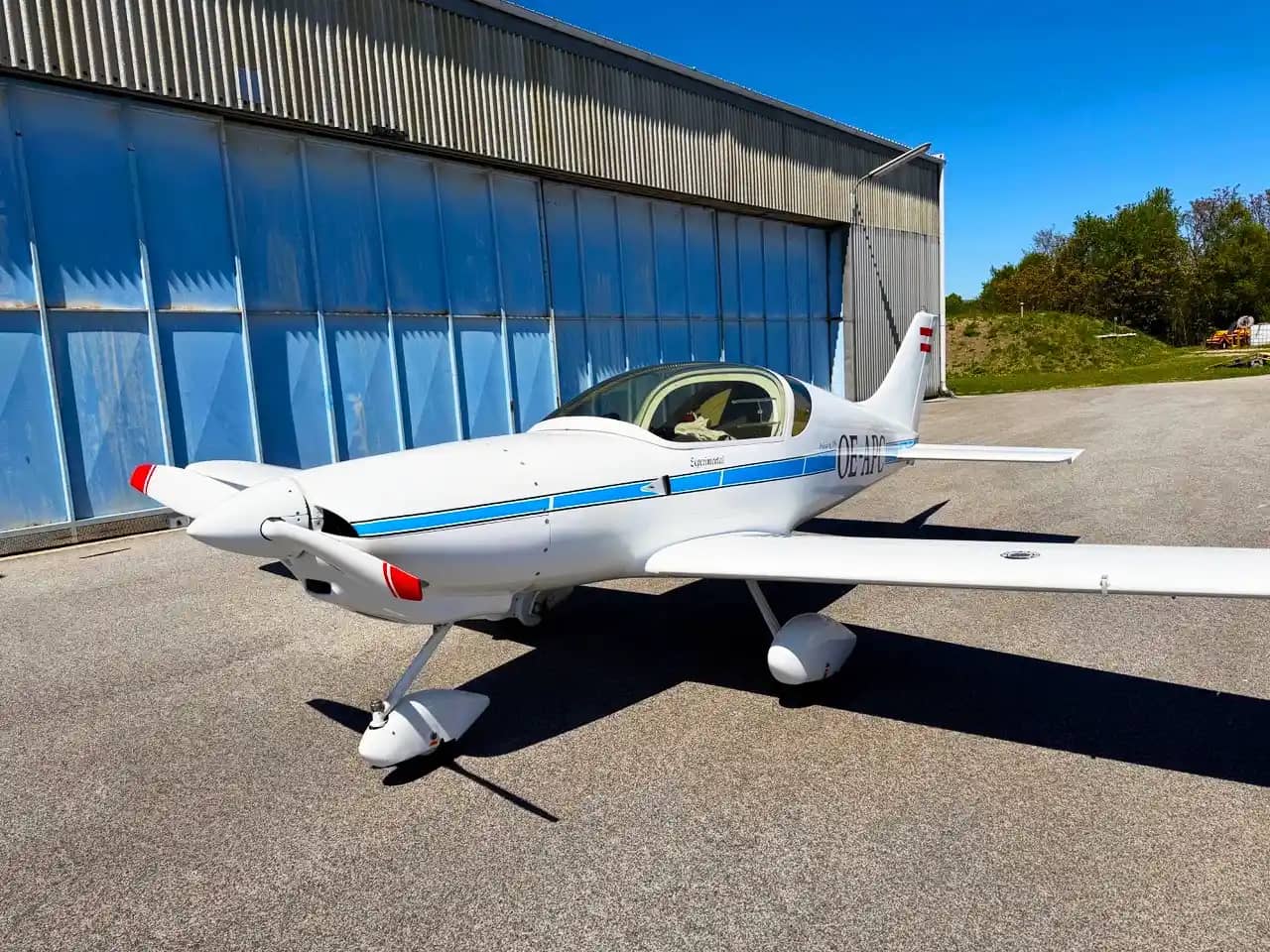
 Bad Vöslau
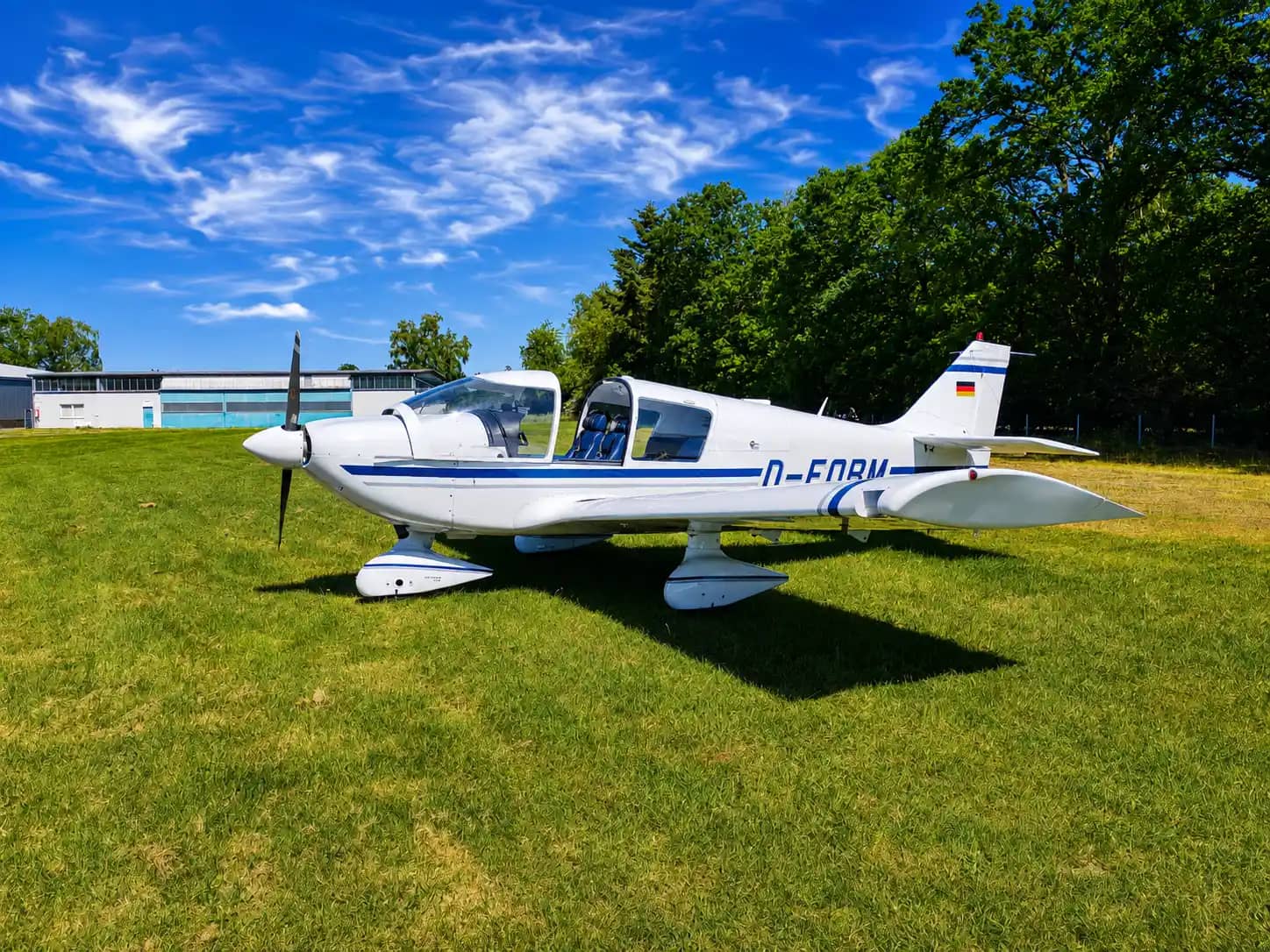
 Kirn
Kirn
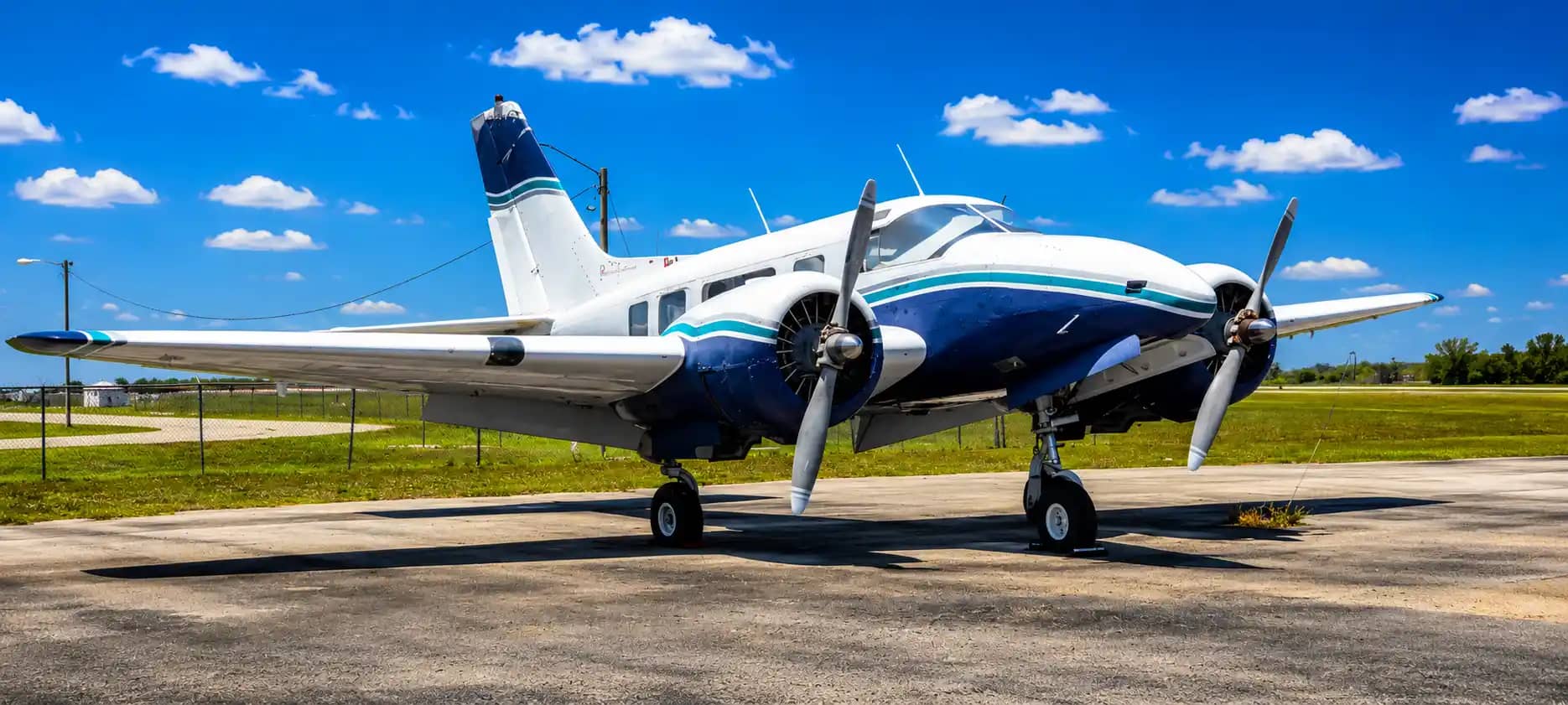
 Florida

Experimental vs Certified Aircraft: The Buyer’s Decision
The central difference in experimental vs certified aircraft is the approval basis under which the aircraft was built and operated—not an automatic measure of build quality, performance, or safety. A carefully documented amateur-built aircraft can be an excellent ownership proposition, while a neglected type-certificated aircraft can create substantial cost and risk. The buyer’s task is to understand what the certification category means for maintenance, modifications, operating privileges, insurance, records, and resale.
Certified aircraft generally follow an established type design and production approval framework. Experimental aircraft may include amateur-built, exhibition, research and development, and other nationally defined categories. Each path places different responsibilities on the owner and may impose different operating limitations. A buyer who wants predictable support, conventional financing, and broad operational acceptance may prefer a certified aircraft. A hands-on owner seeking a specific performance, avionics, engine, or mission configuration may find an experimental aircraft more suitable.
Start with the mission: local recreational flying, long cross-country touring, aerobatics, utility work, training, or display. Then assess your maintenance access, pilot experience, insurance prospects, budget for rectification, and tolerance for documentation review. Before making an offer, clarify the rules of the aircraft’s state of registry and the rules that apply where you intend to base and operate it. National aviation authority requirements can materially affect registration, maintenance sign-off, foreign travel, and permitted use.
| Buyer question | Why it matters |
|---|---|
| What is the intended mission? | It determines the value of performance, payload, IFR capability, range, and operating flexibility. |
| Who will maintain it? | Maintenance authority and specialist availability differ by category and jurisdiction. |
| Where will it operate? | Cross-border, airport, airspace, and local restrictions can be decisive. |
| How complete are the records? | Records support technical evaluation, insurance, finance, and future resale. |
What Makes an Aircraft Certified?
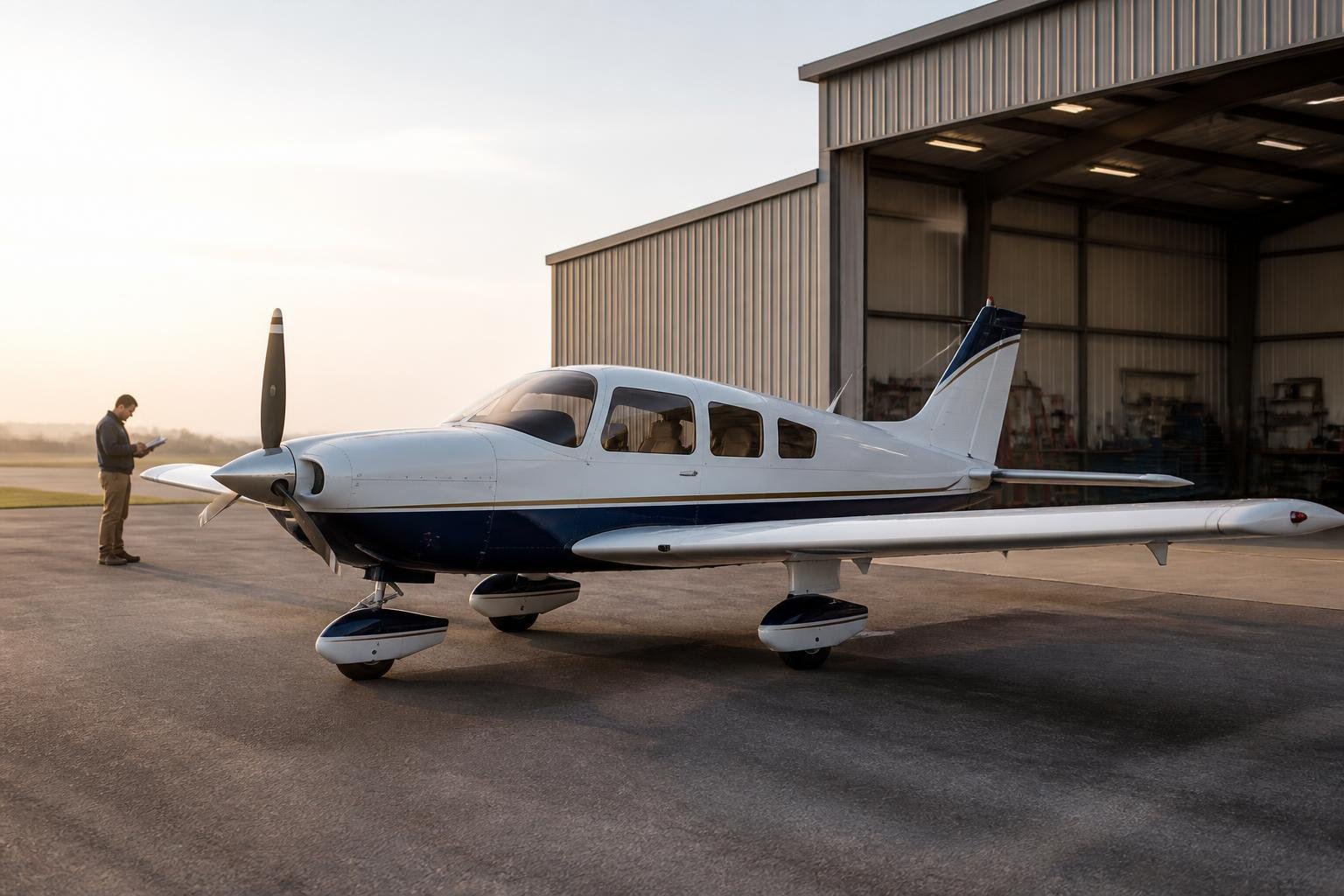
A certified aircraft is normally based on a type-certificated design. In practical terms, the design has been assessed against an applicable airworthiness standard, and the aircraft was produced under an approved system intended to conform to that design. Individual aircraft then receive an airworthiness certificate within the relevant standard-category framework, subject to continuing compliance and maintenance.
Factory-built Cessna, Piper, Beechcraft, and Cirrus aircraft are familiar examples, although the exact certification basis varies by model, era, and country. The aircraft’s approved flight manual or pilot operating handbook, limitations, maintenance data, equipment list, and weight-and-balance records form part of the operational and technical picture. Certified does not mean that every installed component is original; it means changes should be supported by approved or otherwise acceptable data under the applicable rules.
For a buyer, the Type Certificate Data Sheet is a useful starting point. It identifies the approved model, engine and propeller combinations, limitations, and sometimes equipment or configuration details. Compare the aircraft’s records, serial-numbered components, flight manual supplements, and installed equipment against that baseline. Missing documentation does not automatically make an aircraft unacceptable, but it should be understood, priced, and resolved before operation where required.
A standard airworthiness certificate is not a substitute for a technical evaluation. Condition, corrosion history, engine health, accident repairs, deferred defects, and logbook continuity remain individual-aircraft questions. The certification framework gives a buyer an established reference point; it does not eliminate the need for a rigorous pre-buy inspection.
What Does Experimental Mean in Aircraft Ownership?
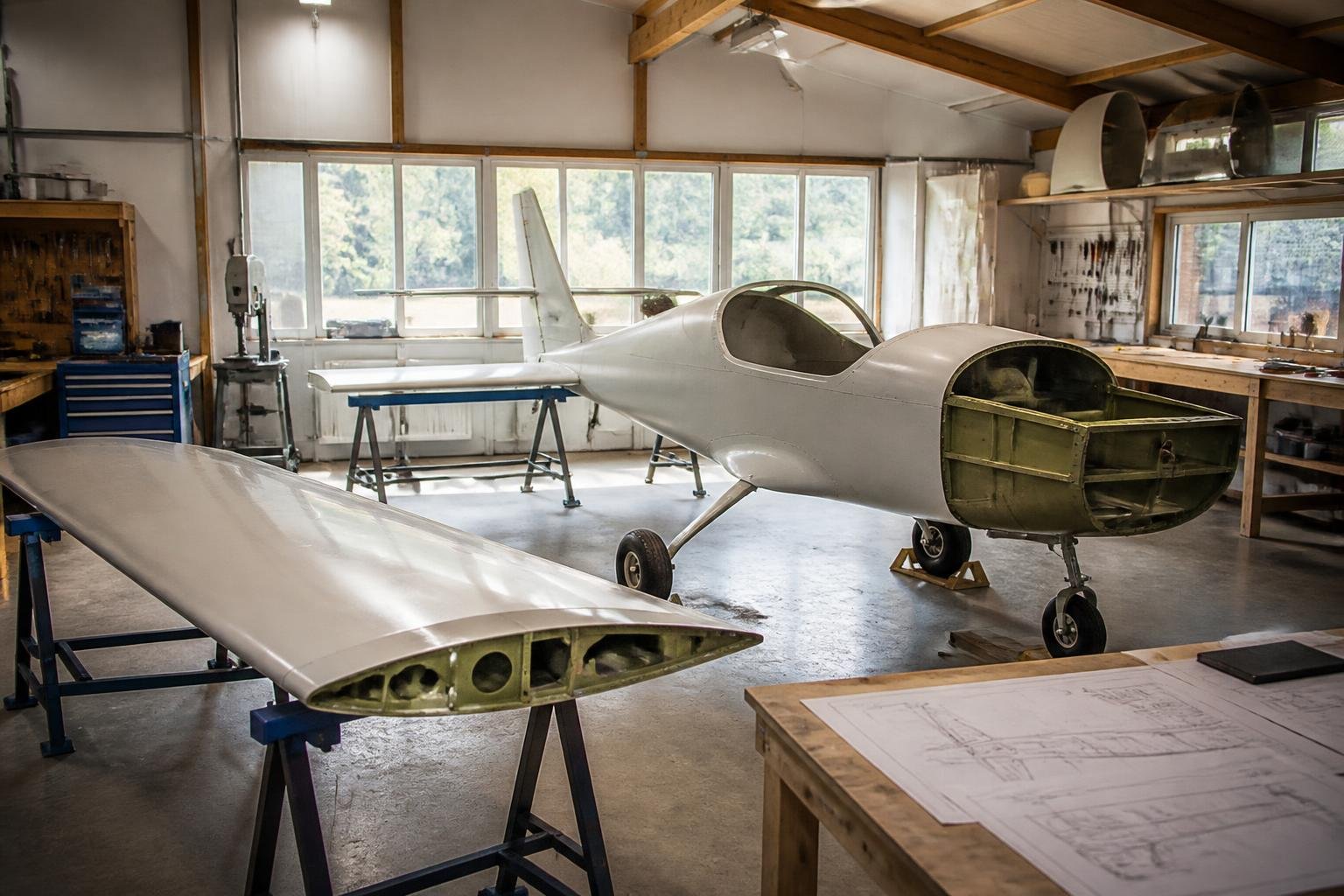
Experimental is an airworthiness category, not a shorthand for unfinished, unsafe, or low-quality aircraft. It describes an approval route with defined purposes and limitations. In the United States, experimental airworthiness certificates may be issued for purposes including amateur-built, exhibition, research and development, and others. Other countries use different terms and structures, often involving national permits, amateur-built approvals, or delegated associations.
Many buyers encounter experimental amateur-built aircraft, commonly called kit-built or homebuilt aircraft. These may range from straightforward tube-and-fabric designs to sophisticated composite or metal aircraft with modern engines and avionics. The quality of the completed aircraft depends on the design, builder skill, supervision where applicable, workmanship, materials, inspection history, modifications, and continuing maintenance—not solely on the fact that it is experimental.
Experimental light-sport terminology needs care. An aircraft may be experimental because it is amateur-built, while a light-sport aircraft may fall into a separate regulatory framework depending on the jurisdiction and how it was manufactured, approved, and registered. Do not assume that a marketing label, kit origin, or performance description determines its legal category. Review the actual airworthiness certificate, operating limitations, registration, and authority records.
An experimental aircraft may be highly standardized when it comes from a popular kit family, but it is still prudent to assess it as an individual. Two aircraft built from the same kit can differ materially in engine installation, avionics, empty weight, finish quality, maintenance history, and handling characteristics. That individuality is often the attraction, and it is also why buyer diligence must be more exacting.
Certification Categories and Rules Vary by Country
Certification language travels poorly across borders. In the United States, the Federal Aviation Administration issues experimental airworthiness certificates and sets associated operating limitations. In Europe, EASA regulations coexist with national authority systems, and many amateur-built, historic, and ex-military aircraft operate under national permit-to-fly arrangements rather than a uniform EASA certificate structure. The practical result is that an aircraft acceptable in one state may require additional review, validation, modification, or may not be readily registrable in another.
National amateur-built associations may have an important role in inspection, technical oversight, or permit renewal, depending on the country. Their involvement can be useful evidence of a structured history, but it does not replace a buyer’s independent assessment. Ask which authority governs the aircraft, which documents support its current status, and what recurring inspection or permit process applies.
Registration, importation, tax treatment, customs records, radio licensing, and equipment approvals can become significant on an international purchase. An aircraft imported from another jurisdiction may have an excellent technical history yet still require administrative work before local operation. Operating outside the state of registry can also be subject to prior permissions, limitations, insurance conditions, or national rules.
Confirm the proposed ownership and operating arrangement with the relevant authority, an appropriately qualified maintenance professional, and the intended insurer before committing funds. This is particularly important if you plan to base an aircraft in a different country from its registration, use it for flight instruction, or fly internationally.
Design Freedom, Modifications and Equipment Choices

One attraction of experimental ownership is design freedom. Subject to the applicable rules, operating limitations, sound engineering practice, and continuing inspection requirements, owners may have broader scope to select avionics, engines, propellers, interiors, lighting, and other equipment. This can produce an aircraft configured closely around a mission rather than around a factory option list.
That flexibility should not be confused with an absence of discipline. Every equipment change can affect empty weight, centre of gravity, electrical loading, cooling, vibration, performance, and pilot workload. The buyer should request current weight-and-balance data, equipment lists, wiring diagrams where available, installation records, and evidence that the aircraft was properly returned to service or inspected under the applicable rules after a major change.
Certified aircraft have a more formal modification environment. Major alterations may require approved data, such as a Supplemental Type Certificate, a manufacturer-approved change, or other accepted engineering data. Relevant maintenance forms and flight manual supplements should support the installed configuration. A well-documented modification can be valuable; an undocumented alteration can complicate airworthiness, insurance, and resale.
Do not judge an aircraft by the number of upgrades. A restrained, coherent panel and engine installation with a clear documentation trail is generally easier to operate, maintain, insure, and sell than a technically ambitious configuration with uncertain wiring, weight-and-balance effects, or unsupported alterations. Engineering quality matters more than modification quantity.
Maintenance, Inspections and Who Can Sign Off Work
Maintenance terminology is one of the most important distinctions in experimental vs certified aircraft. Certified aircraft commonly require an annual inspection and must comply with the maintenance and inspection framework applicable to their airworthiness certificate. Experimental aircraft may instead require a recurring condition inspection, often recorded as a determination that the aircraft is in a condition for safe operation under the rules that apply to it.
In the United States, the original primary builder of an eligible experimental amateur-built aircraft may obtain a repairman certificate for that specific aircraft, allowing that person to perform and sign off its annual condition inspection. That authority does not automatically transfer to a later buyer. A subsequent owner may be able to perform work within the applicable rules, but normally needs an appropriately qualified mechanic or inspector for the required condition inspection. Rules differ outside the United States, so never generalize this privilege internationally.
Certified aircraft require attention to approved maintenance data, parts eligibility, inspection programs, and required record entries. Airworthiness directives may be legally mandatory when applicable; service bulletins are not universally mandatory but can contain important safety and reliability information. Experimental aircraft may not be subject to airworthiness directives in the same way, yet a prudent owner should still track manufacturer notices, engine and propeller bulletins, component recalls, and safety information.
For either category, review maintenance record continuity and recurring findings. Repeated brake, electrical, corrosion, leak, rigging, or engine issues may reveal a pattern that deserves more scrutiny than a single isolated discrepancy. Ask who has maintained the aircraft, whether type-specific expertise was available, and whether the records allow the next maintainer to understand what has been done.
Operating Limitations and Practical Mission Use

Operating limitations are not boilerplate to be filed away. They are aircraft-specific documents that can define where, how, and for what purpose an experimental aircraft may be flown. Initial certification and certain major changes can require a Phase I flight-test period before broader operations are permitted. The scope, duration, and handling of those requirements depend on the jurisdiction and the aircraft’s approval basis.
Passenger carriage, night flight, instrument flight rules operations, cross-border travel, flight training, rental, and commercial activity should all be confirmed from the applicable documents and regulations. An experimental aircraft may be capable of night or IFR flight from an equipment and pilot-qualification perspective, but legal operation depends on the aircraft’s limitations, equipment approval or compliance standards, maintenance status, and the jurisdiction involved. Capability and legality are separate questions.
Certified aircraft can also have important operating restrictions. A standard certificate does not make every aircraft suitable for rental, instruction, international touring, mountain operations, or instrument flight. Noise rules, airport restrictions, runway surfaces, insurance conditions, and local operating practices may affect either category. Some airports or countries may apply additional requirements to certain experimental or permit aircraft.
Match the aircraft to the actual mission. A well-built experimental may excel at efficient touring, aerobatics, back-country use, or high-performance personal flying. A certified aircraft may be the more straightforward choice for conventional touring, club operation, training environments, or buyers who value established support. The right answer depends on the aircraft’s documents as much as its published performance.
Performance, Build Quality and Safety Evidence
Neither category should be treated as a proxy for safety. A buyer should assess the specific aircraft, its design maturity, configuration, maintenance quality, and intended operation. A mature certified fleet may offer extensive service history, established maintenance data, broad parts channels, and known inspection items. A mature kit design can likewise have a large owner community, plentiful practical knowledge, and a long record of real-world use.
For experimental aircraft, builder workmanship deserves close attention. Construction logbooks, dated photographs, invoices, technical counselor notes where applicable, and detailed builder records can reveal how the airframe was assembled and whether critical stages were documented. Inspect rivet quality, corrosion protection, composite layups and bonding, weld quality, control-system routing, fuel-system design, firewall-forward installation, and access for future maintenance. The appropriate emphasis depends on construction method.
Flight-test history, handling notes, and records of changes after initial testing can be useful. They do not replace an inspection, but they can identify performance claims, unresolved issues, or periods of limited operation. Research accidents and incidents carefully and in context. A single event may be unrelated to design; a pattern involving a component, operating practice, or modification may warrant targeted inspection and additional training.
An independent pre-buy inspection by a mechanic, inspector, or specialist familiar with the type and construction method is one of the strongest protections available to a buyer. Agree the scope in writing. It should be more than a casual walk-around and should remain distinct from an annual or condition inspection unless the professional explicitly offers both services under an appropriate scope.
Insurance, Financing and Resale Considerations

Insurance availability is often determined more by the specific aircraft, pilot profile, claims environment, intended use, and insurer appetite than by a simple certified-versus-experimental label. A common, well-supported kit aircraft with a sensible engine and documented training pathway may be insurable for an appropriately qualified pilot. A high-performance, one-off, turbine-powered, aerobatic, or unusual aircraft may attract stricter requirements regardless of category.
Expect insurers to consider total time, time in type, recent experience, ratings, storage, location, transition training, and intended use. Requirements may include dual instruction, a mentor pilot, recurrent training, or a minimum number of supervised hours. Obtain indicative terms before purchase rather than treating insurance as a post-sale administrative detail.
Financing can be more straightforward for established certified aircraft because lenders may be familiar with the collateral, valuation evidence, and title process. Popular experimental kits with active markets may also be financeable, but options can be narrower. One-off designs, incomplete projects, imported aircraft, and unusual engines may be harder for a lender to evaluate.
Resale depends on market depth, records, cosmetic condition, engine status, avionics relevance, useful load, and perceived build quality. Popularity can help, but no category guarantees liquidity. Keep asking prices, current bids, appraisals, and completed-sale evidence separate: each answers a different question. An asking price is a seller’s position, while an auction bid is not necessarily a final transaction value or a market appraisal.
Pre-Buy Inspection Checklist for Experimental Aircraft
A pre-buy inspection for an experimental aircraft should be tailored to the design and construction method. A specialist assessing an aluminum kit will focus on different risks than one reviewing a composite aircraft, tube-and-fabric design, or welded steel airframe. Begin with documents before arranging travel, because gaps in the paper trail can change the scope, price, and feasibility of the transaction.
- Review builder logbooks, construction photographs, invoices, and records showing critical assembly stages.
- Confirm the airworthiness certificate, operating limitations, registration, current weight-and-balance report, and equipment list.
- Examine condition-inspection records, open discrepancies, recurring findings, and the identity of persons who signed inspections.
- Request engine, propeller, and avionics installation records, including overhaul history and serial-number traceability where available.
- Identify repairs, modifications, major configuration changes, and evidence of completed required flight testing.
- Inspect for corrosion, composite defects, fabric deterioration, weld concerns, fuel-system issues, control-system interference, and wiring quality as applicable.
- Complete title, registration, import, and lien checks appropriate to the transaction jurisdiction.
Do not accept a generic inspection scope. The inspector should have practical knowledge of the aircraft type or at least its construction method, engine installation, and operating environment. If an aircraft has an unusual modification, arrange a focused review by someone competent to evaluate that system. The goal is not to demand perfection; it is to identify material unknowns before ownership transfers.
Pre-Buy Priorities for Certified Aircraft
Certified-aircraft due diligence begins with logbook continuity. Review airframe, engine, propeller, and maintenance records for gaps, major repairs, overhaul dates, repetitive defects, and periods of inactivity. A missing logbook does not by itself describe current physical condition, but it can reduce traceability and affect valuation, insurance, and future saleability.
- Establish airframe, engine, and propeller times from credible records and reconcile serial numbers where practical.
- Verify applicable airworthiness directive compliance and identify recurring inspection requirements.
- Review Supplemental Type Certificates, major-repair or alteration documentation, and flight manual supplements where applicable.
- Ask the inspector to address known corrosion-prone areas and model-specific structural or system concerns.
- Consider calendar-based overhaul exposure, life-limited components, hose age, magneto or ignition maintenance, and other time-sensitive items.
- Confirm that avionics are appropriate and legally supportable for the intended airspace and operation.
An annual inspection is not automatically an adequate pre-buy inspection. An annual may focus on whether the aircraft meets the inspection standard on that date; a pre-buy should investigate purchase-specific risk, records, deferred maintenance, expensive upcoming work, and suitability for the buyer’s mission. The same professional may perform both, but only if the scope, authority, and deliverables are clearly agreed.
How to Choose Between Experimental and Certified Aircraft
Experimental aircraft often suit owners who value hands-on involvement, a specialized mission, design flexibility, modern equipment choices, and a close understanding of their aircraft’s systems. They can be especially compelling when the model is mature, the aircraft is well documented, specialist support is available, and the buyer is prepared to engage actively with maintenance and operating requirements.
Certified aircraft often suit buyers seeking conventional ownership, established maintenance networks, a known type-certificated baseline, and potentially broader acceptance from insurers, lenders, clubs, and international operators. That does not mean every certified aircraft is simpler or cheaper. Older aircraft can carry significant corrosion, engine, parts, and compliance exposure; newer aircraft can have complex systems and costly proprietary support needs.
| Decision factor | Experimental may suit when | Certified may suit when |
|---|---|---|
| Mission | A specialized performance or equipment configuration is valuable. | Conventional touring, training, or broad operational acceptance is central. |
| Maintenance access | Type-aware experimental support is available locally. | Established maintenance shops and approved data are preferred. |
| Owner involvement | You want to understand and participate closely in technical decisions. | You prefer a more standardized maintenance pathway. |
| Insurance and finance | Early quotations confirm an acceptable route. | Conventional collateral and insurance terms are important. |
Before travel or a deposit, conduct a listing-document review: certificate and registration status, records index, equipment list, times, maintenance history, operating limitations, and ownership documents. When researching aircraft offered through an auction marketplace, use the listing documentation as the beginning of due diligence, not the end. Build a workflow that includes insurer contact, regulatory checks, an independent inspection, title review, and a realistic post-purchase budget.
A Practical Next Step Before Buying
Shortlist aircraft by mission first and certification category second. A clear mission prevents a buyer from being distracted by attractive panels, paint, or headline performance that does not serve the intended flying. Request complete records before serious pricing discussions, and give a qualified reviewer time to identify omissions and upcoming obligations.
Confirm insurance eligibility and operating privileges early, particularly for high-performance aircraft, imported aircraft, permit aircraft, and aircraft intended for cross-border use. Then arrange an independent, type-appropriate pre-buy inspection. The budget should include not only the purchase amount but also immediate discrepancy correction, transition training, hangarage, insurance, tax or import administration where relevant, and a sensible reserve for the first year of ownership.
The best choice is the aircraft whose legal status, records, condition, support network, and operating profile match your mission and capacity as an owner. Certified status can provide standardization; experimental status can provide flexibility. In either case, disciplined document review and an independent technical assessment are the foundation of a sound purchase decision.

Comments
No comments yet
Be the first to share your thoughts!