
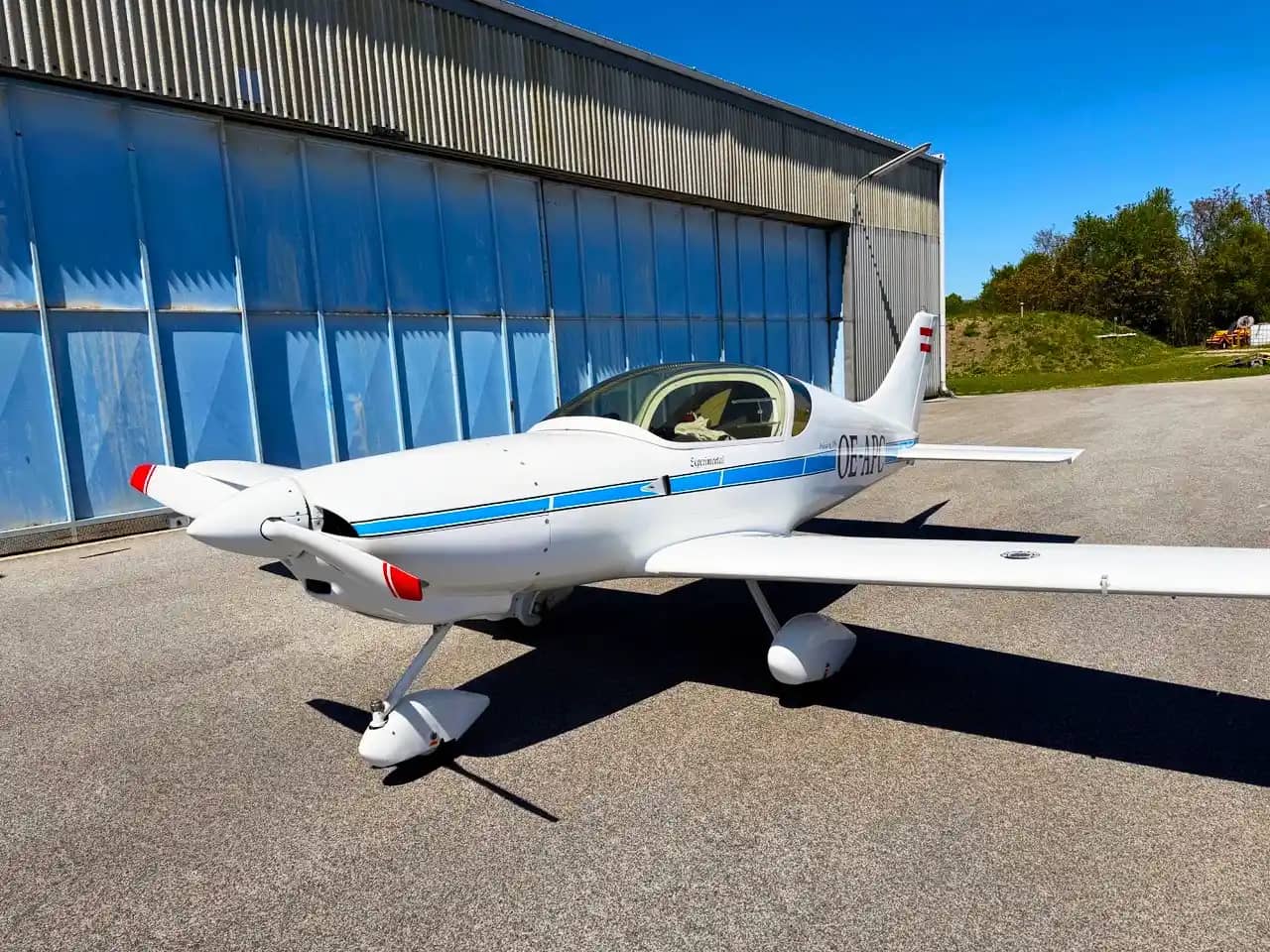
 Bad Vöslau
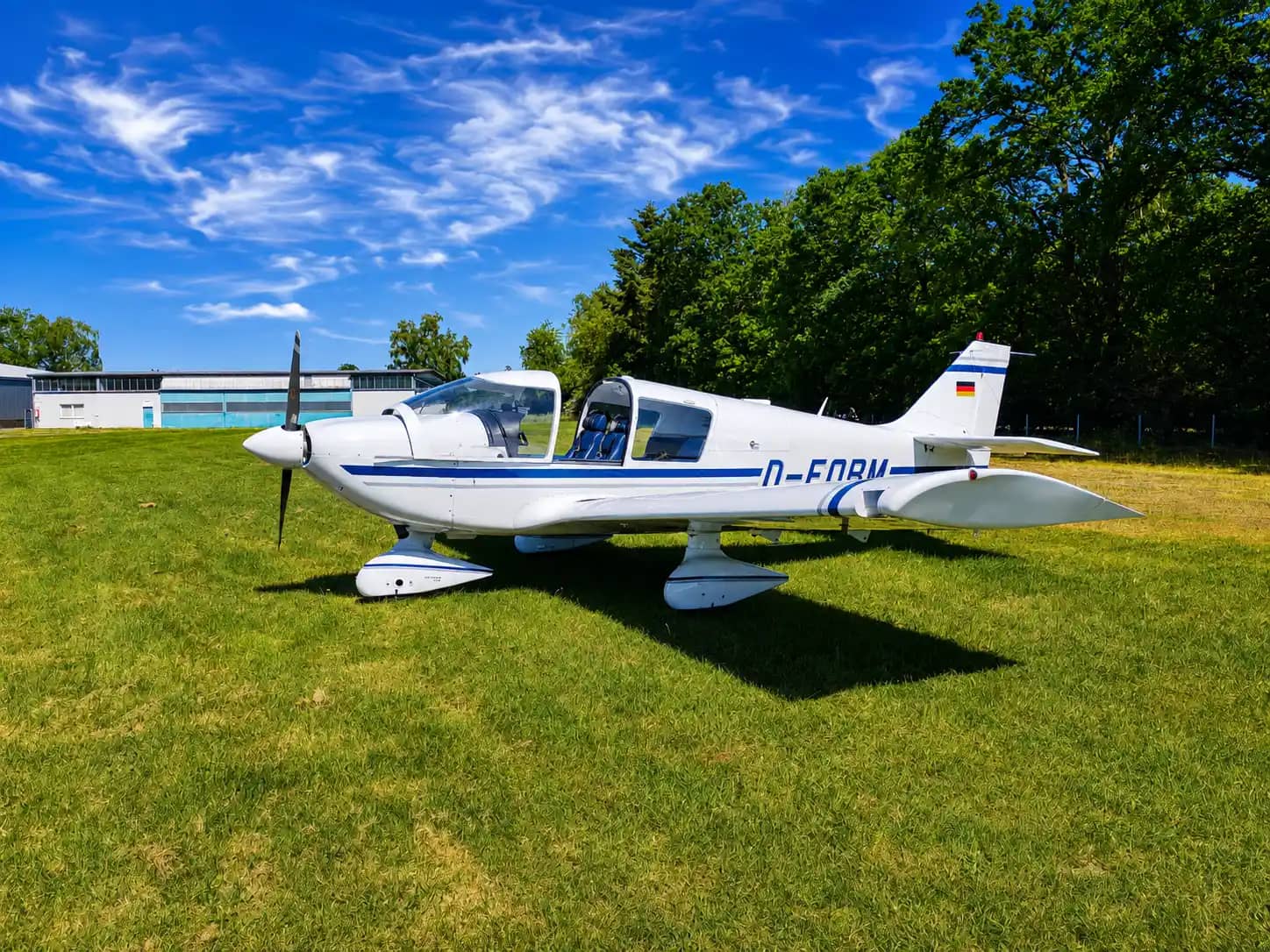
 Kirn
Kirn
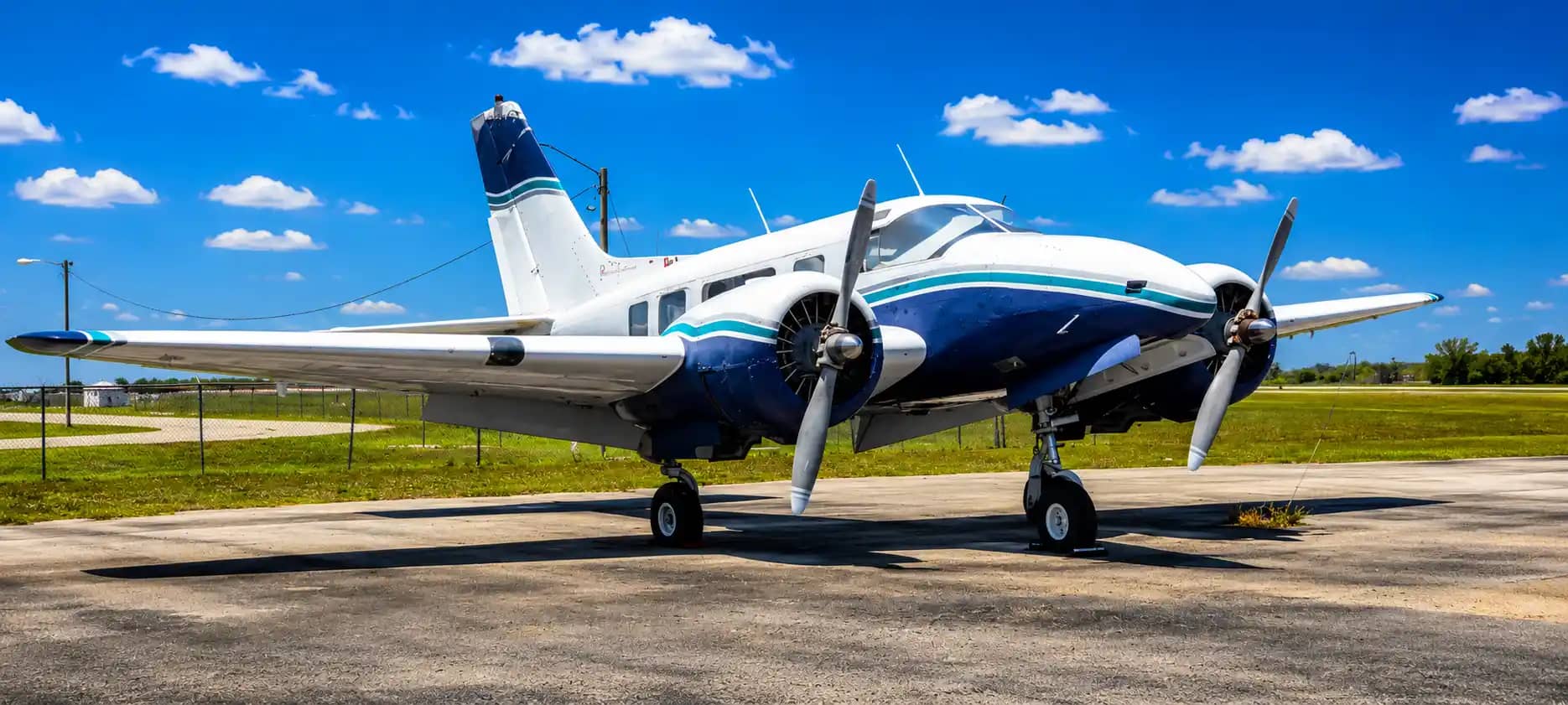
 Florida

A low time aircraft can be an excellent purchase, but very few hours do not automatically mean low risk, low cost or superior condition. Airframe, engine and propeller totals must be read alongside calendar age, storage environment, maintenance history and present condition. A carefully preserved aircraft with complete records may deserve a premium; an aircraft that simply sat unused may require substantial inspection, repair and recommissioning before it can be sensibly valued.
Why Low-Time Aircraft Attract Buyers

Buyers commonly use “low time” to describe an aircraft with comparatively few airframe hours, engine hours, or propeller hours. The term can refer to total time since new, time since major overhaul, or both, so it should always be defined precisely. A 40-year-old aeroplane with 1,200 total airframe hours tells a different story from one with a recently overhauled engine showing 1,200 hours since overhaul.
The appeal is understandable. Fewer operating hours can suggest less fatigue exposure, less wear in moving components, and a longer remaining service life before certain scheduled work becomes due. On a regularly used, properly maintained aircraft, low time can be a meaningful positive factor. It is not, however, a substitute for evidence of condition.
The crucial distinction is between an aircraft that has been genuinely preserved and one that has merely been unused. Preservation involves deliberate measures: a suitable storage environment, documented corrosion prevention, periodic inspections, engine preservation where required, and controlled return-to-service work. Unused aircraft may instead have accumulated moisture, stale fuel, perished rubber components and deferred maintenance while their hour meters remained almost unchanged.
The executive answer is simple: hours alone do not establish condition or value. A buyer should regard a low-hour figure as the beginning of due diligence, not the conclusion. The lower the annual utilisation, the more important it becomes to understand where the aircraft was kept and what was done while it was not flying.
Flight Hours Are Only One Part of an Aircraft’s Condition
Airframe time measures use, but calendar age measures exposure. Metal, composites, sealants, wiring, interior materials and protective coatings age even when an aircraft is stationary. An airframe that flew frequently in a dry, sheltered environment may present fewer concerns than a lower-time example exposed for years to coastal humidity, temperature cycles or outdoor contamination.
Engine figures require equal care. Time since new, time since major overhaul and time since a major repair are different records with different implications. A low-time engine that was overhauled many years ago may be well beyond a manufacturer’s recommended calendar period despite having accumulated few operating hours. Conversely, an engine with higher hours but documented regular use, oil changes and inspections may provide a clearer maintenance picture.
Propellers, magnetos, hoses, vacuum or pressure-system components, flexible fuel lines and other parts can have calendar recommendations, overhaul intervals or replacement requirements independent of flight hours. Some parts are life-limited by cycles, landings, starts or calendar time. The governing requirements depend on the aircraft, engine and component documentation, plus the registration jurisdiction and applicable maintenance programme.
Operating history also matters. Short flights that seldom bring oil and engine components to stable operating temperature can create a different maintenance profile from regular longer flights. Frequent starts, environmental exposure, extended idle periods, maintenance quality and storage procedures can all matter more than an attractive total-time entry.
For that reason, a competent inspection should focus on condition-based findings as well as logbook totals. Corrosion, contamination, compression results, functional defects, leaks and component dates are tangible evidence. Hours provide context; they do not overrule what an inspector finds.
The Risks of Long-Term Storage and Infrequent Flying
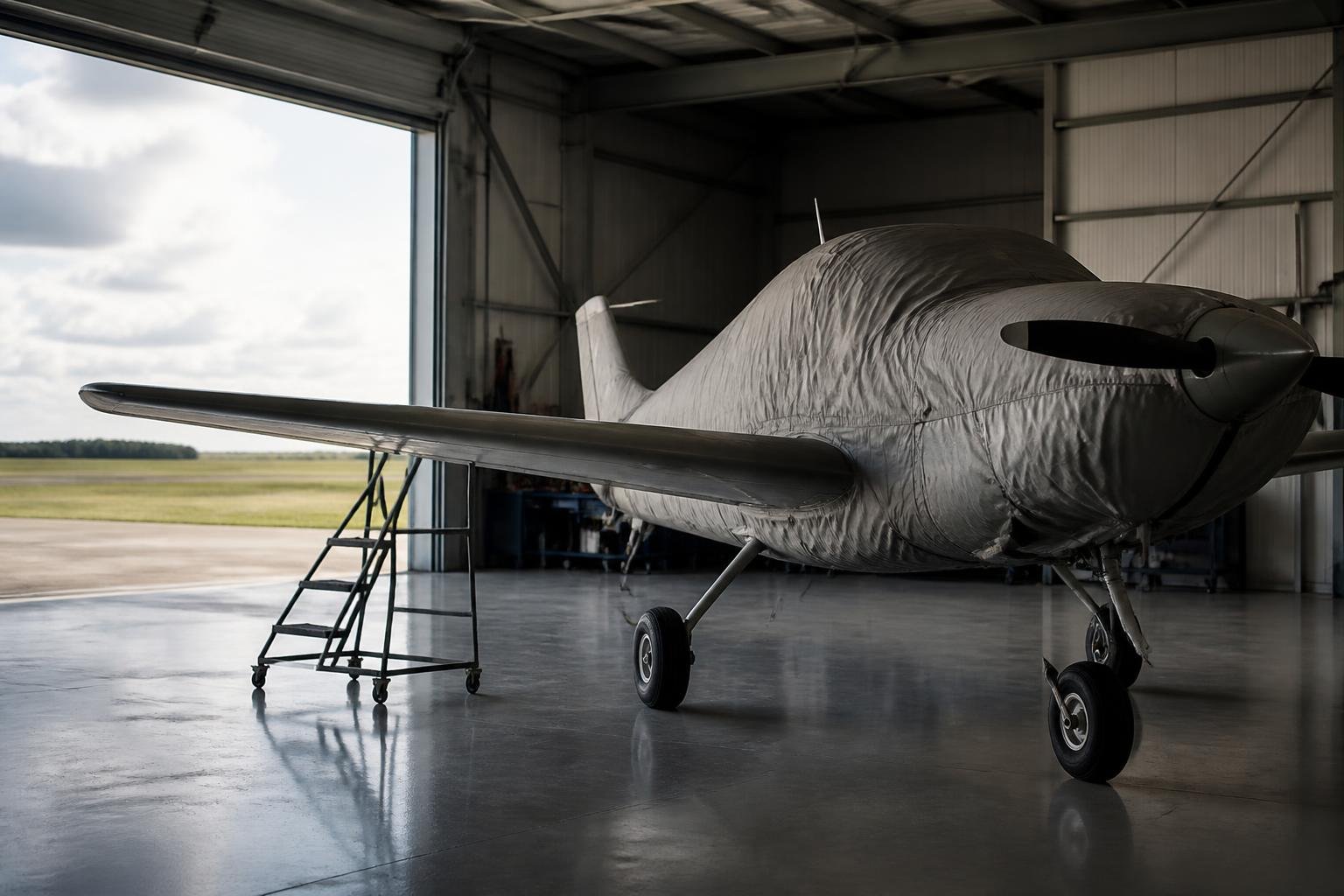
Long-term inactivity changes the inspection priorities for a low time aircraft. Moisture can condense in engine crankcases, cylinders, fuel systems and enclosed airframe areas, particularly where ventilation is poor or temperatures fluctuate. Corrosion may develop out of sight beneath floor panels, inside wings, around battery compartments, in tailcones or within control-system areas.
Elastomeric parts deserve close attention. Seals, hoses, tyres, fuel bladders, gaskets and flexible couplings can harden, crack or lose their intended properties with age. Their condition cannot be inferred from low airframe hours. Landing-gear components, brake seals and shock absorbers can similarly deteriorate while an aircraft remains parked.
Fuel left for prolonged periods may degrade, absorb water or leave deposits. Contamination risks depend on the fuel type, tank design, local climate and storage duration. In some fuel systems, microbial growth can be a concern where water is present. A proper assessment considers tank condition, drains, filters, selector operation, lines and evidence of fuel-system maintenance rather than assuming a recent ground run proves the system is satisfactory.
Batteries can sulphate or fail during inactivity, while electrical connectors, circuit protection, antenna connections and avionics may suffer from dampness, corrosion or intermittent faults. Avionics that power up briefly are not necessarily reliable in flight. Functional checks should be appropriate to the aircraft’s equipment and intended operation.
Stored aircraft can also attract rodents, birds and insects. Nesting material, chewed insulation, obstructed vents and contamination in control areas are practical risks, especially in unsealed buildings or outdoor storage. A clean exterior cannot confirm that inaccessible spaces are clear.
Hangared storage is generally preferable to uncontrolled outdoor exposure, but “hangared” is not a complete condition report. A dry, secure, ventilated hangar with stable conditions differs materially from a leaking or humid building. Ask where the aircraft was kept, not merely whether it was indoors.
Engine Concerns: Low Hours Do Not Stop Calendar Ageing
Piston engines generally benefit from regular, correct operation because it circulates oil, brings components to temperature and helps reduce the effects of moisture accumulation. This does not mean that arbitrary ground running is a preservation programme. Incomplete warm-up cycles may be unhelpful, and the appropriate procedure depends on the engine manufacturer’s guidance and the aircraft’s circumstances.
Internal corrosion is the central concern on engines that have sat for extended periods. Camshafts, lifters, cylinder walls and other steel components can be affected when protective oil films are compromised and moisture is present. Corrosion can be difficult to detect from external appearance alone, and an engine may run without immediately revealing all underlying issues.
Oil records, preservation procedures and storage documentation therefore have real value. A buyer should look for dates of oil changes, evidence of approved preservation steps where applicable, periods of inactivity, and entries showing how the engine was returned to service. A vague statement that an engine was “turned over regularly” is not equivalent to documented maintenance or manufacturer-approved preservation.
Published overhaul guidance may include an hours-in-service interval, a calendar recommendation, or both. The exact interpretation depends on the engine manufacturer, model, installation and regulatory setting. Low hours do not automatically override calendar age, nor does a calendar recommendation alone prove that an engine must be overhauled immediately. It is a factor requiring informed assessment.
Engine-monitor downloads, oil-analysis history, oil-filter inspection, compression testing and borescope examination can add useful evidence. None should be treated as a universal pass-or-fail test. Compression figures need context, borescope findings require experienced interpretation, and a normal oil sample cannot guarantee the absence of every internal concern.
Before assigning a high value to a low-hour engine, obtain an independent assessment from a suitably qualified maintenance professional. The goal is not to predict every future expense; it is to identify known condition issues, calendar exposure and uncertainty that should affect the purchase decision and budget.
Airframe, Systems and Avionics Issues Buyers May Miss

Airframe inspection should concentrate on known corrosion-prone areas for the specific model. Depending on construction, these may include wing roots, lower fuselage areas, tailcone structure, battery trays, door surrounds, landing-gear attach points, steel-tube frames and areas beneath insulation or interior trim. Surface condition alone is rarely enough to judge hidden structure.
Control cables, pulleys, rod ends, bearings and hinges require attention after a long inactive period. Lubricants can dry out, cables can corrode, pulleys can bind and bearings can develop roughness. Flight controls must be checked for correct movement, security and freedom in accordance with approved maintenance practices; low airframe hours do not eliminate those tasks.
Landing gear and braking systems deserve similarly practical scrutiny. Tyres age by date as well as tread depth. Brakes may have seized components or degraded seals, while oleo struts, retract mechanisms and associated switches may need servicing or functional testing. An aircraft that has not moved regularly can reveal problems only after it is jacked, cycled or taxied under controlled conditions.
Fuel tanks, tank sealant, vents, caps, selectors and drains should be evaluated for leaks, restriction and contamination. A tank that holds fuel during a brief viewing is not necessarily free from age-related sealant issues. Where practical, inspection should include the areas and functions relevant to that aircraft’s known maintenance history.
Low use can make avionics a mixed proposition. An older radio stack may show little physical wear yet be obsolete, unsupported or unsuitable for the buyer’s planned airspace and navigation requirements. Database availability, transponder compliance, GPS approval status and repair support can matter more than tidy-looking panels.
Inactive systems need meaningful functional checks. Cabin heat, pitot-static components, lighting, autopilot functions, electric trim, flap systems and environmental equipment should not be assumed serviceable because they have been fitted for many years. A realistic buyer separates installed equipment from tested, operational equipment.
Logbooks and Maintenance Records: What the Paper Trail Must Prove
A low time aircraft needs a strong paper trail. Review continuous airframe, engine, propeller and equipment records, together with supporting invoices where available. The records should make it possible to reconcile major component times, inspection history, modifications and periods when the aircraft was inactive.
Extended inactivity should have a clear explanation. Useful records may show storage dates, preservation actions, inspections undertaken during storage, return-to-service work and rectification of discrepancies found. This is especially important when the aircraft’s low-hour status is a principal reason for its asking price or auction interest.
Annual inspections, or the equivalent inspections applicable to the aircraft and jurisdiction, should be traceable. A signed inspection entry is important, but the buyer should also understand what work was completed, what discrepancies were noted and whether recurring defects or corrosion concerns appear in prior records.
Damage history, corrosion repair, component replacement and alterations should be documented accurately. Repairs are not automatically disqualifying; undocumented repairs and unexplained gaps create the larger due-diligence problem. Supplemental equipment, avionics installations and structural modifications should likewise have appropriate documentation.
Missing logs can materially affect valuation, insurance discussions, future resale and the ability to establish component history. They do not always make a purchase impossible, but they increase uncertainty. A buyer should price that uncertainty conservatively and obtain professional advice on what records can be reconstructed and what cannot be verified.
How to Evaluate a Low-Time Aircraft Before You Buy
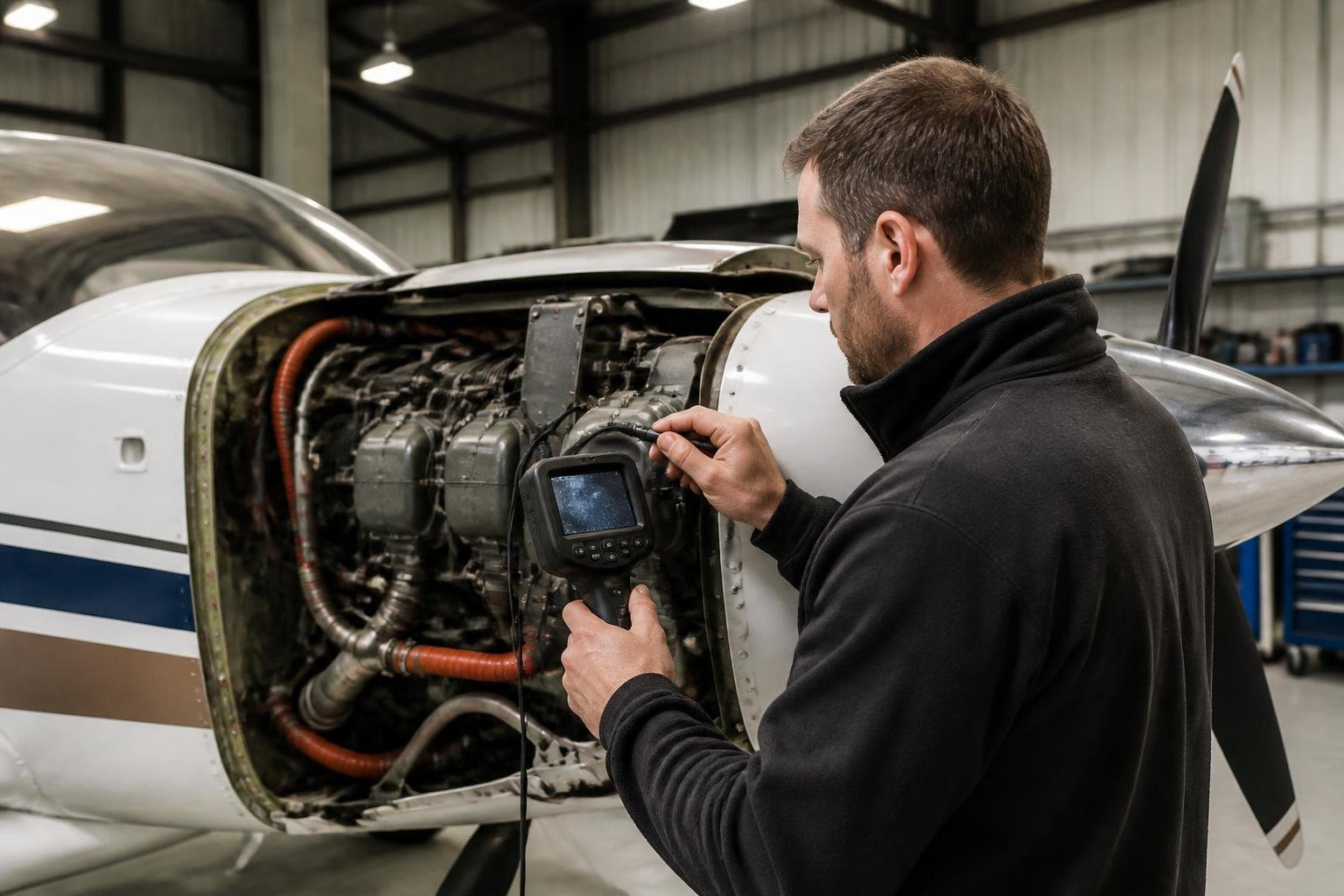
Commission a pre-buy inspection tailored to the model, age, storage history and intended mission. A generic walk-around or a recent annual inspection should not be assumed to answer every purchase question. A pre-buy inspection is buyer due diligence, not a substitute for an airworthiness determination, appraisal or future maintenance planning.
Use an independent mechanic or maintenance facility with relevant experience of the type. Independence matters because the inspection should serve the buyer’s interests, and type familiarity helps identify model-specific corrosion locations, recurring maintenance issues and reasonable access points.
Request records before travelling, placing a deposit or making an auction commitment where the process permits. Verify serial numbers, component times, major maintenance dates and periods of inactivity. A records review can reveal questions that should shape the on-site inspection scope.
For a stored piston aircraft, the scope may appropriately include borescope examination, compression testing, oil-filter inspection and careful review of oil history. The right tests depend on the engine’s condition, documentation and professional judgement. Results should be interpreted together rather than used selectively to support a desired outcome.
Functional checks should cover the avionics needed for the planned operation, fuel-system operation, flight-control movement, landing gear where applicable, brakes and relevant electrical systems. The inspector should also consider concealed corrosion areas, access limits and any evidence of water intrusion, nesting or long-standing leakage.
Agree the inspection scope, cost responsibility, access arrangements and findings process in advance. Establish what happens if material defects are found, who may perform invasive checks, and whether the aircraft can be moved or operated for testing. Clear arrangements help prevent a rushed decision after travel or auction timing has created pressure.
Low-Time Aircraft Value: When Fewer Hours Help and When They Do Not
Low time is one value factor, not a pricing formula. It can support value when it is paired with complete records, regular knowledgeable care, climate-controlled storage, current maintenance and favourable condition findings. In that situation, low use may genuinely indicate a well-preserved aircraft with limited wear.
Documented climate-controlled preservation can be particularly persuasive because it addresses the reason buyers worry about inactivity. Documentation should still be tested against inspection findings. A controlled environment reduces certain risks; it does not erase calendar ageing or guarantee that every system remains serviceable.
Against any apparent low-time premium, buyers should budget for recommissioning and deferred maintenance. Costs may arise from engine assessment, hose replacement, tyres, batteries, fuel-system work, seals, avionics repairs, inspections and correction of issues found after the aircraft is returned to regular use. The amount depends on the individual aircraft and must not be guessed from its hours alone.
An engine may also be approaching a calendar-driven decision point despite apparently attractive time since overhaul. Its value should reflect its documented history and present assessment, not simply remaining hours against an advertised overhaul interval.
Paint, interior, equipment condition, maintenance quality, model demand and location all affect value. So does the difference between an asking price, an auction bid, an independent appraisal and an eventual transaction price. An auction bid is a bid at a particular time, not a universal statement of market value.
Questions to Ask the Seller About an Aircraft That Has Not Flown Much

Start with the last flight date and the annual flying pattern over the past several years. Ask for specific dates and hours rather than broad descriptions such as “occasionally flown.” Establish whether inactivity occurred in one long period or in repeated short periods.
- Where was the aircraft stored, and what were the hangar conditions?
- What preservation methods were used for the engine, fuel system and airframe?
- Why was utilisation limited, and were there periods of outdoor storage?
- When were the most recent engine runs, ground runs and maintenance actions completed?
- What defects, deferred items or inoperative equipment are known?
- Are complete logs, invoices, inspection reports and dated photographs available?
- Will the seller permit an independent pre-buy inspection?
Answers should be supported by records where possible. A cooperative seller who provides dates, documents and access does not eliminate risk, but it enables a buyer to make a better-informed decision. If answers are vague, incomplete or inconsistent with the logs, broaden the inspection scope and reassess the value proposition.
Low-Time Aircraft at Auction: A Disciplined Due-Diligence Approach
An auction listing is a starting point for investigation. Descriptions, photographs and stated hours may be seller-provided information unless independently documented in the listing material. Treat reported airframe, engine and propeller time as information to reconcile with logbooks, maintenance entries and inspection evidence.
Review all available documentation before bidding and determine whether inspection access is available. Identify what is known, what cannot be verified and what access limitations remain. Auction terms may allocate significant responsibility to the buyer, so the practical ability to inspect, collect and transport the aircraft can be as important as the headline hour total.
Read the terms carefully for buyer responsibilities, payment requirements, collection deadlines, title or registration documentation, location logistics and any restrictions on testing. Do not assume that a post-sale discovery will be handled as it might be in a negotiated private transaction.
Build a reserve beyond the bid for transport, insurance, inspections, recommissioning, corrective maintenance and any equipment upgrades required for the intended mission. The sensible next step before bidding is to review the aircraft documentation and current auction details, then decide whether the known condition and remaining uncertainty fit a disciplined budget.
Who Should Consider a Low-Time Aircraft?
A low time aircraft can suit buyers who have inspection discipline, access to capable maintenance support and realistic financial reserves for condition findings. It can also appeal to owners seeking a preservation, restoration or recommissioning project, provided the project is understood as such rather than mistaken for a turnkey aircraft.
The strongest candidates are aircraft with complete records, professionally documented storage and a current condition assessment that supports the story told by the hours. Such aircraft may offer limited wear alongside a credible maintenance history.
In other cases, a regularly flown higher-time example is the better choice. Regular use can provide a more transparent operating record, recently exercised systems and fewer unknowns caused by long storage. Higher hours are not automatically a defect any more than low hours are automatically an advantage.
Make the decision using four tests: present condition, records quality, maintenance status and mission fit. If those align, low time can be a benefit. If they do not, the low number on the hour meter should be treated as a reason for deeper investigation rather than a reason to pay more.

Comments
No comments yet
Be the first to share your thoughts!