
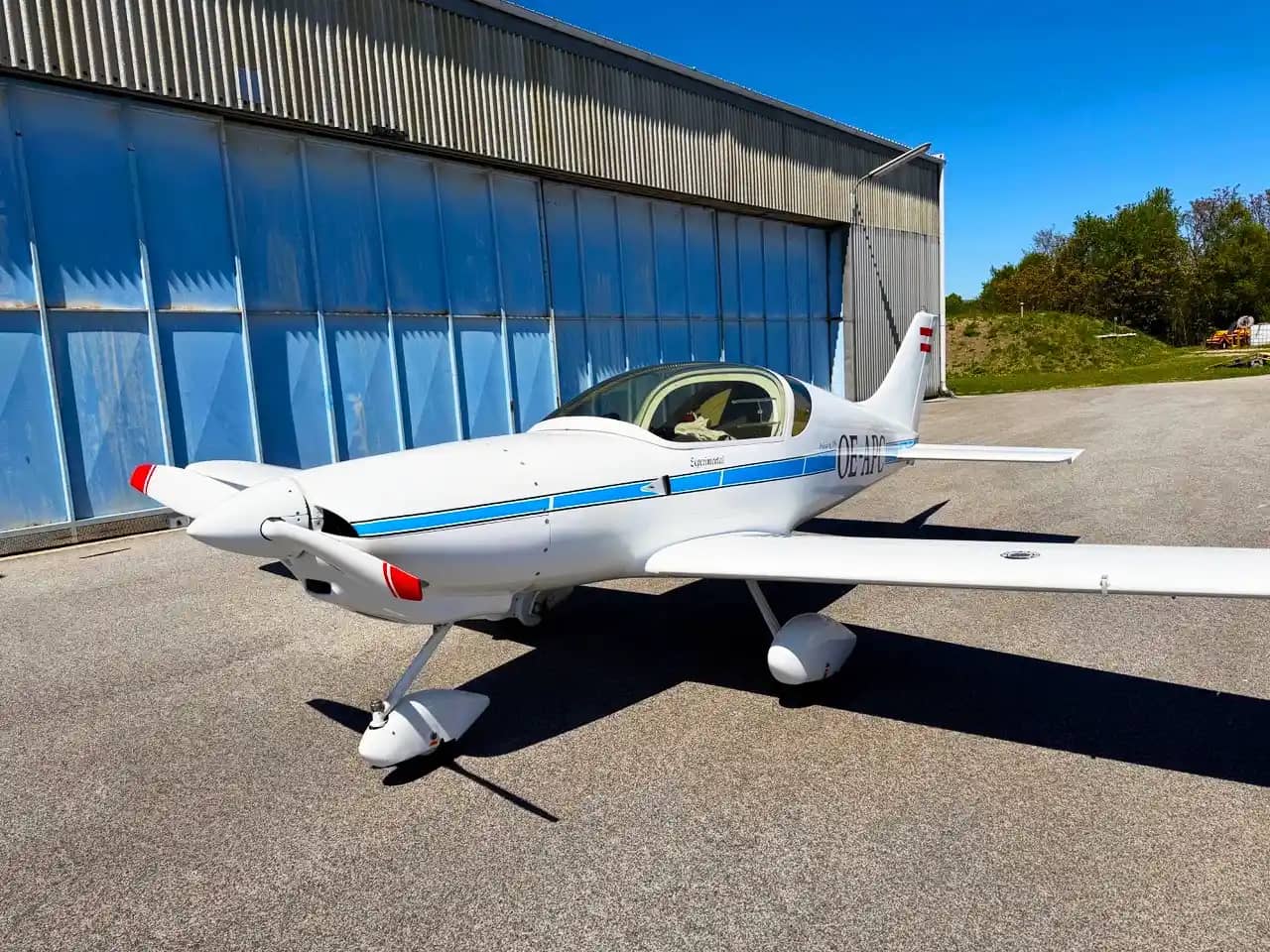
 Bad Vöslau
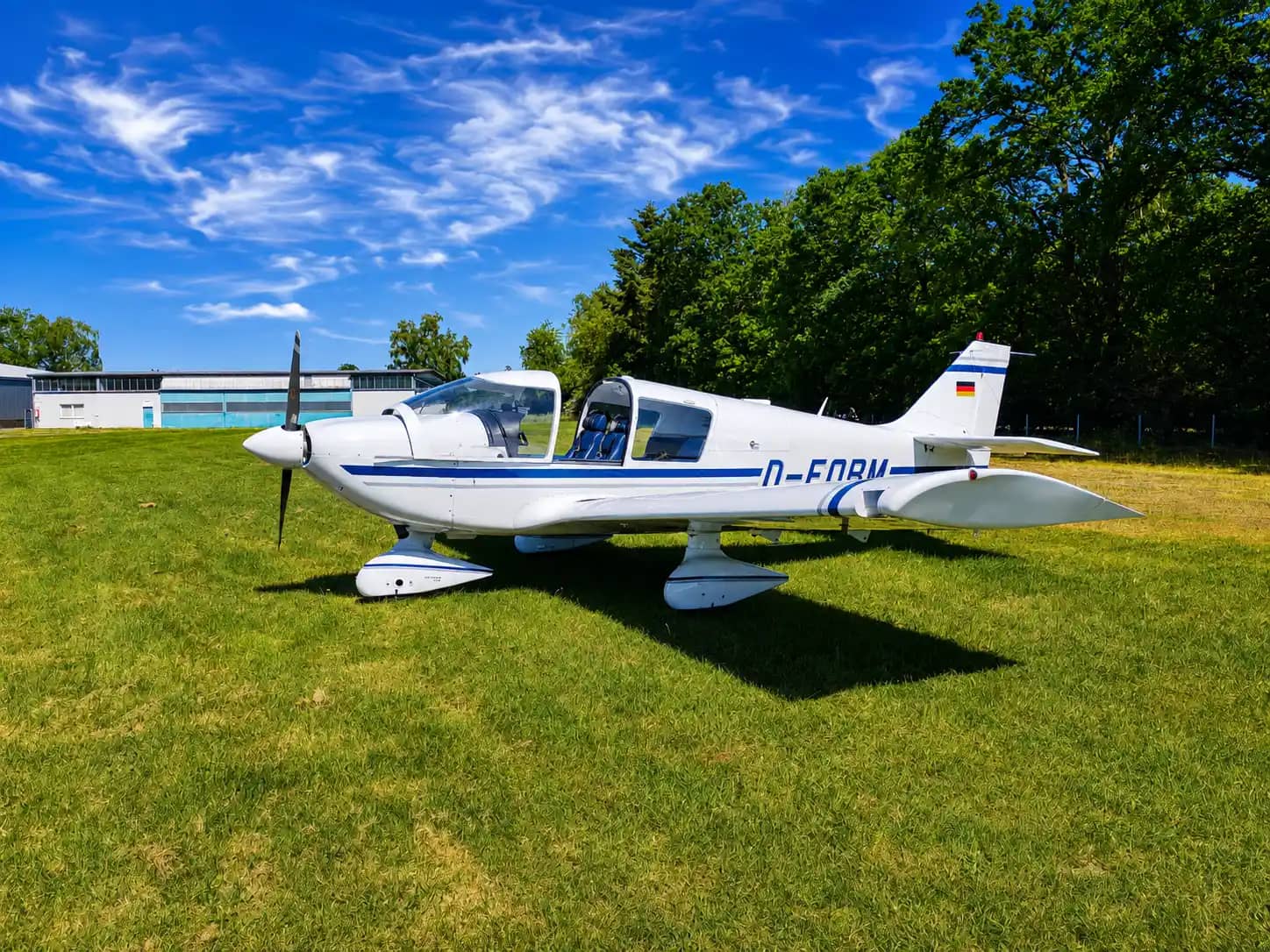
 Kirn
Kirn
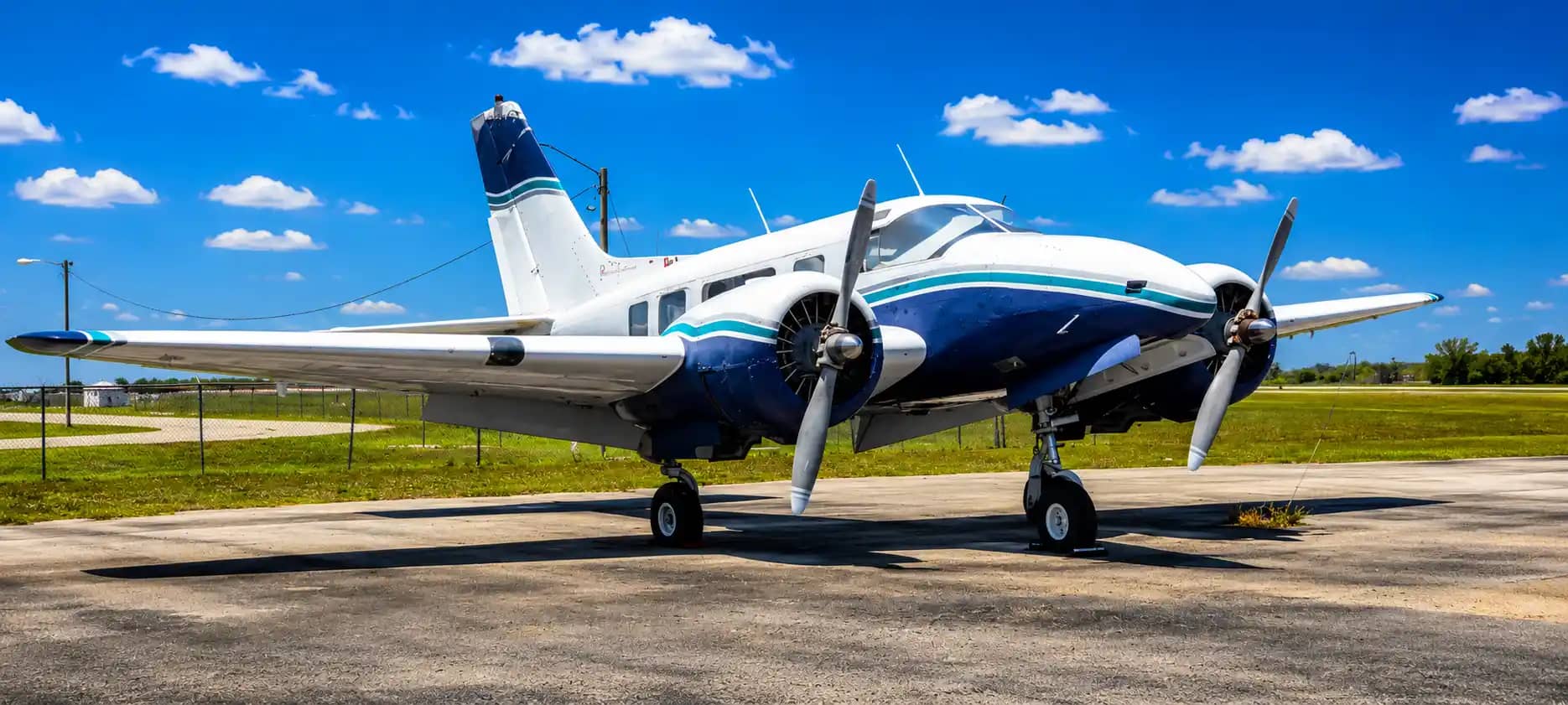
 Florida
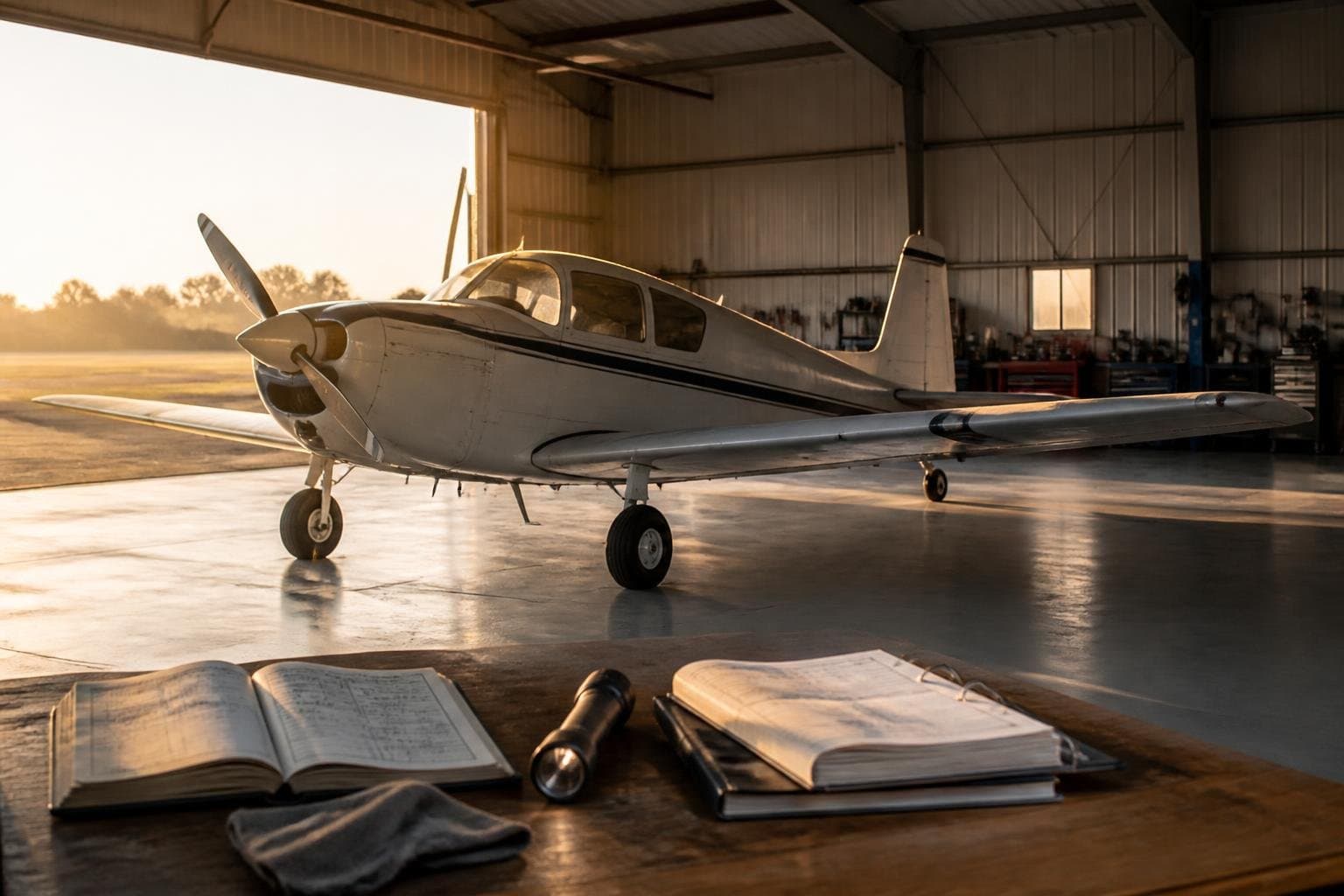
Low-time used aircraft can represent genuine value, but low airframe or engine hours do not prove that an older aircraft is economical, well preserved or ready for its intended mission. The deciding evidence is the full maintenance story: how regularly it flew, where it was stored, what calendar-based work is due, and whether complete records support the claimed condition. A disciplined pre-buy inspection and a realistic first-year budget are the practical way to separate a bargain from deferred maintenance.
Why Low-Time Used Aircraft Attract Serious Buyers

Low airframe time and low engine time are among the first details serious buyers notice in an aircraft listing. Hours are easy to compare, appear objective, and can suggest less wear on major assemblies. An older aeroplane with comparatively few flight hours may also have less fatigue exposure, fewer landing cycles and more apparent engine time remaining than a similar-age aircraft that has flown consistently for decades.
Those assumptions can be valid, but only when the low utilisation occurred alongside conscientious preservation and maintenance. A lightly used aircraft that was hangared, exercised regularly, inspected on schedule and supported by complete logbooks may be an excellent ownership candidate. Another aircraft with the same total time may have spent years inactive in a damp hangar or outdoors, accumulating corrosion, stale fuel, perished seals and overdue calendar work.
Calendar age can therefore outweigh the headline hour figure. Rubber components, hoses, seals, tyres, batteries, wiring insulation, avionics and many engine-related items age whether or not the aircraft flies. Corrosion is driven by moisture, contamination and storage environment rather than flight hours alone. For some models, manufacturer guidance, airworthiness directives or component programmes also impose calendar intervals that remain relevant at very low utilisation.
The primary buying question is not simply, “How low are the hours?” It is: “Does the purchase price reflect the aircraft’s documented condition and the cost of returning every system to a reliable operating standard?” Low time has value only after deferred cost has been identified and priced.
Flight Hours Are Only One Part of Aircraft Condition
An aircraft is not a single timed component. The airframe has total time in service; the engine has hours since new and, where applicable, hours since major overhaul; the propeller has its own maintenance history; and magnetos, hoses, vacuum systems, alternators, landing gear and avionics each have separate lives and inspection requirements. A low-time used aircraft should be assessed as a collection of systems rather than a single number on a listing.
| Area | Hours may indicate | Calendar and condition may indicate |
|---|---|---|
| Airframe | Fatigue exposure and use cycles | Corrosion, past repairs, storage damage |
| Engine | Wear since overhaul or new | Internal corrosion, seal condition, overhaul timing |
| Propeller | Operating exposure | Overhaul status, hub condition, blade corrosion |
| Avionics and electrical system | Limited relevance | Obsolescence, wiring condition and functionality |
Long storage periods and intermittent operation can be more demanding than regular, properly managed use. An engine that reaches normal operating temperature on a suitable schedule may disperse moisture and circulate oil. By contrast, brief ground runs without adequate temperature or flight activity can create condensation concerns rather than demonstrate engine health. The correct operational pattern depends on the engine manufacturer’s guidance and the aircraft’s maintenance programme.
Total time cannot establish maintenance status. Logbooks should show when the aircraft flew, when it was inspected, how it was stored, and what maintenance was performed before it returned to service. A cluster of recent flights after a long gap deserves investigation, not automatic reassurance. It may reflect responsible recommissioning, or it may simply show that the aircraft was flown before sale.
How Inactivity Affects an Older Aircraft
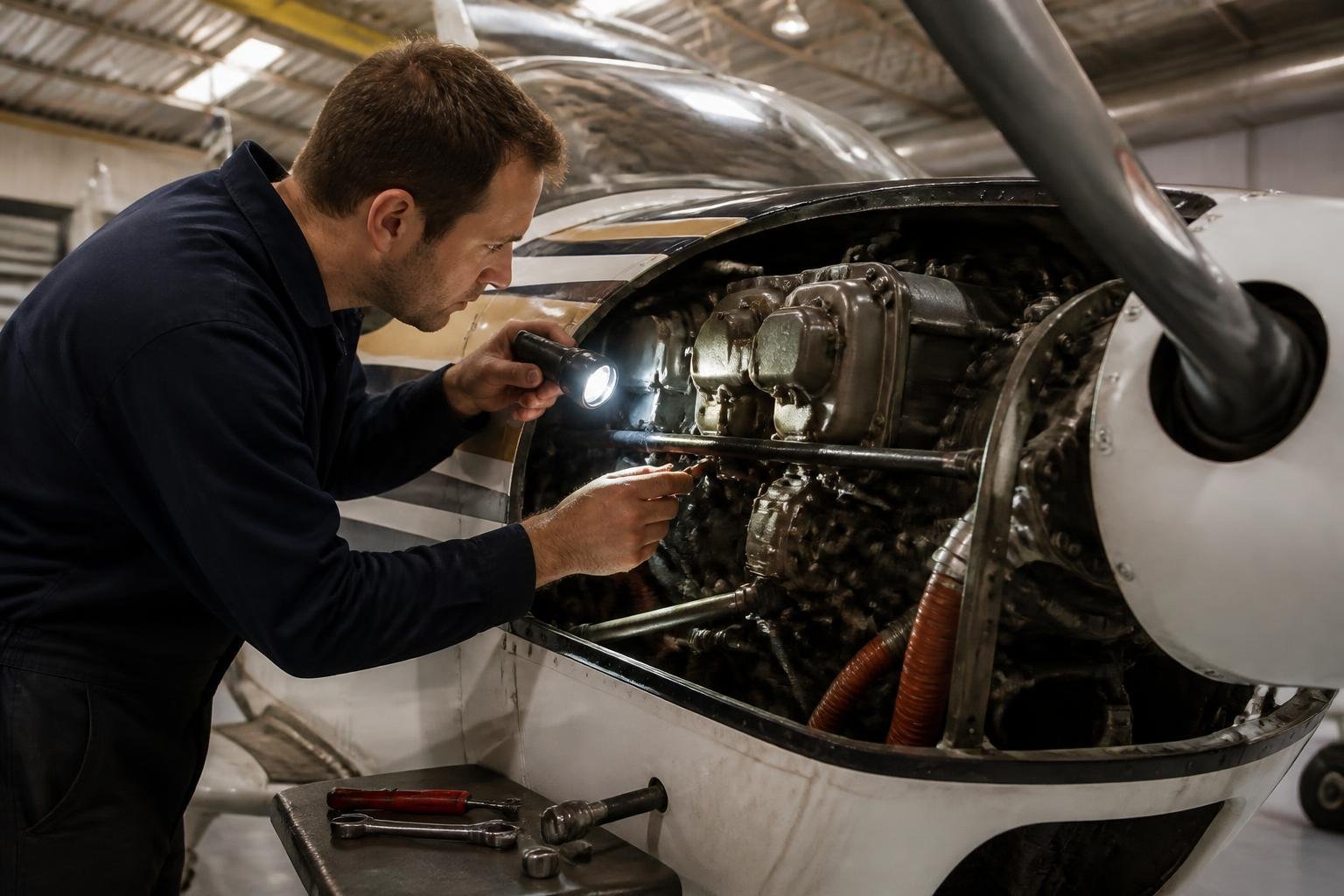
Inactivity can affect nearly every part of an older aircraft. In piston engines, moisture can contribute to corrosion on camshafts, lifters, cylinder walls and other internal steel surfaces. Airframe corrosion can develop in concealed areas, especially where moisture and debris collect. Control systems may suffer from corrosion in cables, pulleys, rod ends and bearings. Fuel systems can accumulate water, sediment or deteriorated fuel-related deposits.
Flexible components deserve particular attention. Seals, gaskets, hoses, diaphragms and O-rings can harden, crack or lose their intended function over time. An aircraft may look clean during a viewing yet develop leaks after regular operation resumes. Brake hoses, fuel hoses, induction components and landing-gear seals should be considered in the context of their documented age, approved replacement intervals and observed condition.
Storage environment matters greatly. A dry, enclosed hangar is generally preferable to prolonged outdoor exposure, but “hangared” is not a complete answer. A coastal, humid or poorly ventilated building may still create a corrosive environment. Climate-controlled storage and documented preservation are stronger evidence than a general assertion that an aircraft was kept indoors. Conversely, an aircraft operated regularly in a demanding environment may remain sound if its maintenance records show effective corrosion prevention and corrective work.
- Inspect fuel tanks, caps, vents, drains and sumps for contamination and corrosion concerns.
- Check tyres for age-related cracking, flat spotting and correct condition, not just remaining tread.
- Assess battery history, charging-system performance and evidence of acid-related corrosion.
- Examine brakes, flexible lines, wheel bearings and landing-gear components after long inactivity.
- Review recommissioning work completed before the aircraft resumed operation.
Carburettors, fuel injectors and fuel-control components should not be assumed serviceable merely because the engine starts. Their condition depends on fuel quality, internal cleanliness, seals, adjustments and appropriate functional testing. The same caution applies to retractable-gear systems, hydraulic systems and electrically operated equipment.
Engine Time, Calendar Time and Overhaul Decisions
Engine evaluation is often the largest financial issue in an older, low-hour aircraft. Buyers should distinguish total engine time, time since major overhaul, time since top overhaul where applicable, and calendar time since the relevant work. Manufacturer recommended overhaul intervals commonly include both hours and elapsed time. The legal and maintenance implications of those recommendations vary by jurisdiction, engine installation, operating category and applicable regulations, so a buyer should obtain type- and location-specific advice rather than apply a universal rule.
An engine with low hours since overhaul but many years since that overhaul is not automatically a low-risk engine. It may have been carefully preserved and operated enough to remain in good condition, or it may have spent much of that period inactive. Evidence can include regular flight and maintenance entries, preservation procedures, oil changes, filter inspections, oil-analysis trends where available, and documented work addressing storage or return-to-service needs.
Compression figures are useful but limited. A satisfactory compression test does not rule out corrosion or predict all internal problems. A borescope examination can help assess cylinder walls, valves and combustion-chamber condition, while oil-filter or screen examination may identify metal contamination. For an engine with a concerning history, the inspecting mechanic may recommend further investigation based on the engine type, records and findings.
Camshaft and lifter corrosion is a well-known concern with inactive piston engines because the affected parts are not always visible through ordinary external checks. Cylinder condition, valve health, oil leaks, accessory condition and engine mounting hardware also matter. There is no substitute for an inspection scope agreed in advance with a mechanic who understands the engine model.
Do not negotiate as though an old low-time engine has the same economic position as a recently overhauled, actively operated engine. If calendar age, storage history or inspection findings create uncertainty, establish a realistic engine reserve in the ownership budget. That reserve is not a prediction that overhaul is immediately required; it is protection against treating a foreseeable exposure as a surprise.
Airframe and Systems Checks That Matter Most

Airframe inspection should focus on both the construction method and the environment in which the aircraft lived. Aluminium aircraft can corrode beneath paint, in lap joints, under floor areas and around battery installations. Steel-tube structures can corrode internally or beneath fabric and coatings. Wood structures require model-specific scrutiny for moisture intrusion, glue-joint condition and evidence of prior repair. Composite aircraft bring different concerns, including moisture ingress, impact damage and repair quality.
Inspectors should pay attention to structural areas identified in the maintenance manual, applicable airworthiness directives and type-community experience. Depending on the design, this can include wing roots, spar carry-through structures, attachment fittings, lower fuselage areas, empennage attachments, door surrounds and areas beneath interior trim. Access limitations should be discussed before the inspection; a visual check through an open door is not equivalent to examining concealed structure.
Flight-control cables, pulleys, bearings, bellcranks and rigging can degrade with age and lack of movement. Look for fraying, corrosion, roughness, binding, inadequate lubrication and cable tension outside applicable limits. Landing gear deserves equally focused attention: inspect attachment points, shock systems, bushings, brake assemblies, tyres, wheel bearings and, on retractable aircraft, the complete extension, retraction and indication system.
Electrical and avionics condition is frequently underestimated. Brittle insulation, poor repairs, ageing switches, circuit-protection issues and intermittent connections can turn a low purchase price into an extended troubleshooting project. Older radios may function today but have limited repair support or may not meet the buyer’s intended operating needs. Verify equipment by function, documentation and installation approval where relevant, not by the presence of a panel photograph.
Fuel-system checks should include tank condition where accessible, drains, vents, selectors, lines and signs of leakage or contamination. A clean fuel sample is encouraging but does not replace broader inspection of an ageing system.
Maintenance Records: What a Complete History Should Show
Complete records turn low hours into useful evidence. At a minimum, request continuous airframe, engine and propeller logbooks, supplemented where available by maintenance invoices, work orders, weight-and-balance records, equipment lists and alteration documentation. Review them before committing to travel or spending heavily on a physical inspection.
A coherent history normally shows recurring annual or scheduled inspections, recurring oil and filter service, repairs, component replacements and entries that explain periods of storage. It should identify preservation actions and the maintenance completed to return the aircraft to service. The records should also document compliance with applicable airworthiness directives and show how relevant service bulletins were addressed or evaluated.
- Match serial numbers, registration documents where applicable, engine and propeller identities to the records.
- Identify the date and hours of major repairs, corrosion treatment, modifications and notable maintenance.
- Confirm installed avionics and equipment against logbook entries and approval paperwork where required.
- Ask for clarification on abbreviated, vague or apparently inconsistent entries.
- Treat missing books, unexplained gaps and absent supporting paperwork as valuation and due-diligence issues.
A missing invoice is not necessarily a defect, and an older aircraft will not always have a perfect paper trail. However, records gaps limit a buyer’s ability to validate times, maintenance, damage history and component status. The appropriate response is not to assume the best or worst case; it is to adjust inspection scope, price and risk tolerance accordingly.
The Pre-Buy Inspection for a Low-Hour Older Aircraft

A pre-buy inspection is the buyer’s independent condition assessment, not a replacement for an annual inspection, an appraisal or a guarantee of airworthiness. For a low-hour older aircraft, use an independent mechanic or inspection provider with experience in the specific type, engine and known age-related issues. The seller’s maintenance provider may supply useful history, but independence matters when the buyer is deciding whether to proceed.
Set the scope before negotiation reaches its final stage. It should reflect the model, storage history, construction, environment, intended mission and record quality. Begin with a logbook review. If the documentary history reveals unacceptable gaps, overdue items or a major mismatch in component status, a buyer may avoid the expense of travel and a full physical evaluation.
Physical work can include a detailed airframe examination, control-system checks, landing-gear review, fuel-system assessment and operational checks of installed equipment. Where appropriate, engine work may include compression testing, borescope examination, oil-filter or screen inspection, and assessment of recent oil and maintenance trends. The correct scope should be agreed with the inspector; tests have limits and should be interpreted in context.
Ask for written findings that distinguish safety or regulatory concerns, immediate rectification, forecast maintenance and cosmetic matters. Request practical cost ranges where the inspector can responsibly provide them, while recognising that hidden defects, parts availability and labour rates can alter the final figure. Define deal-breaker thresholds before inspection begins. This reduces the risk of rationalising serious findings after time and emotion have entered the purchase process.
Calculating the Real Cost of a Low-Time Used Aircraft
The purchase price is only one part of the transaction. Build a first-year ownership estimate that separates the negotiated price from immediate rectification, planned upgrades and prudent reserves. A lower-priced aircraft can still cost more to own than a higher-time example if it needs engine work, propeller overhaul, avionics replacement, corrosion remediation or catch-up maintenance shortly after purchase.
| Cost category | Questions to include |
|---|---|
| Immediate rectification | What inspection findings must be addressed before intended use? |
| Component reserves | What is the realistic exposure for engine, propeller and ageing avionics? |
| Recommissioning | What work follows extended storage or irregular operation? |
| Ownership overhead | What are insurance, hangarage, training, fuel and recurrent inspection costs? |
| Contingency | What allowance fits the records, type support and inspection uncertainty? |
Parts availability, specialist labour and transport can materially change the arithmetic, particularly for rare variants, older avionics or aircraft located far from suitable maintenance support. A seemingly minor repair may become expensive if access is difficult or a component requires overhaul by a limited number of approved specialists.
Compare candidates on total first-year cost and expected mission capability, not just purchase price or price per airframe hour. A regularly flown aircraft with recent engine, propeller or avionics work may be more expensive initially yet involve less uncertainty. Conversely, a low-time aircraft with strong records and modest catch-up work may remain the better choice. The point is to make the comparison explicit.
When Low Time Is a Genuine Advantage
Low time is a meaningful advantage when paperwork and physical condition independently support it. The strongest examples have a continuous history of sensible use, complete maintenance records, dry protected storage and documented preservation during any inactive periods. Recent inspections should show that calendar-limited components and known type issues received appropriate attention rather than being deferred because the aircraft did not fly many hours.
Low cycle exposure can be especially valuable for certain airframes and operating profiles, provided the aircraft has not suffered corrosion or neglect. Recent replacement of hoses, tyres, batteries, seals, consumables and ageing equipment may further improve the ownership outlook. Strong manufacturer, type-club and maintenance support also reduces the operational risk of owning an older design.
Condition should corroborate the records. Clean inspection areas, orderly maintenance, responsive systems and coherent documentation are more persuasive together than any one indicator alone. For a buyer planning regular operation, an aircraft with genuinely low hours and a sound preservation history can offer many years of useful service, provided its condition and intended mission remain aligned.
Red Flags That Can Turn a Bargain Into a Project
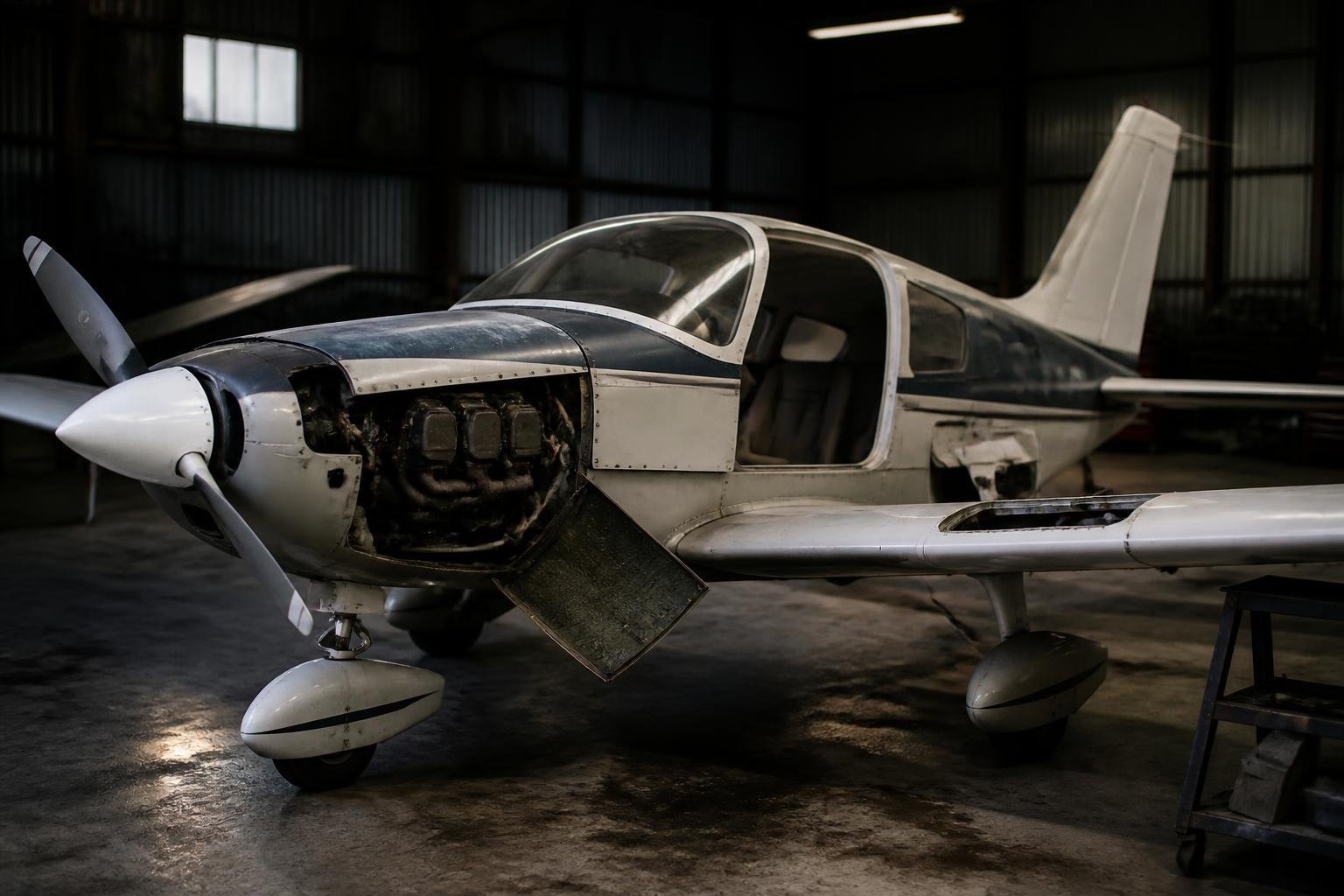
Some low-hour claims should prompt deeper inquiry rather than enthusiasm. Multi-year gaps in logbooks, unclear time-in-service history and periods of inactivity without preservation records weaken the value of the stated hours. A seller may have reasonable explanations, but documentation and inspection should verify them.
- Long storage with no evidence of preservation, recommissioning or recurrent maintenance.
- An old engine with little recent operational history, especially where calendar exposure is substantial.
- Fresh paint, interior work or cosmetic detailing that prevents normal inspection of corrosion-prone areas.
- Overdue calendar-based maintenance, propeller work or replacement of flexible components.
- Non-functioning avionics, unverified installed equipment or uncertain wiring quality.
- Modifications lacking supporting approvals or incomplete airworthiness documentation.
- Resistance to an independent, type-aware pre-buy inspection.
None of these points automatically makes an aircraft unacceptable. They do, however, affect the scope of investigation, likely cost and the buyer’s negotiating position. A seller who supports record review, provides access and accepts an appropriate independent inspection usually makes a more transparent transaction possible. A buyer should be prepared to walk away if the condition, documents and risk allocation cannot be understood.
Comparing Low-Time Older Aircraft With Higher-Time Examples
A higher-time aircraft can be the more rational purchase when it has been flown regularly, maintained by capable shops and recently received major component work. Regular operation does not eliminate wear, but it can reveal defects earlier and provide a much clearer maintenance trail. An actively used aircraft may have current avionics, recent hose and seal replacement, a newer engine overhaul or a well-documented corrosion-control history.
Make comparisons like for like. Compare engine and propeller status, avionics capability, maintenance recency, damage and repair documentation, storage conditions, installed equipment, upcoming inspections and intended mission. A basic touring aircraft, a training aircraft and a collectible weekend machine place different value on utilisation history, cosmetics, cycle exposure and modern equipment.
Avoid simplistic price-per-hour calculations. Aircraft hours are not interchangeable units of value. Hours flown in a consistent maintenance programme can be preferable to very low hours accumulated around lengthy dormancy. The better candidate is the one whose documented condition, future cost exposure and capability best fit the buyer’s planned use.
A Buyer’s Decision Framework Before Making an Offer
Start by defining annual utilisation, typical trips, passenger and baggage needs, operating environment and intended ownership horizon. A buyer planning frequent cross-country use may reasonably prioritise current avionics, dependable recent maintenance and nearby support over exceptionally low total time. A collector may place more value on originality and preservation, while still needing to understand the cost of keeping the aircraft safe and compliant in its intended role.
Request logbooks, component-status summaries and major maintenance documentation early. Set an inspection budget and scope before negotiating a final price. Price deferred maintenance explicitly, using written inspection findings and specialist advice where the type is rare, complex or known to be corrosion-prone. Do not fill evidence gaps with optimistic assumptions.
Make an offer only when the physical condition, documentation and total ownership cost align with the mission. Compare listings on their documented maintenance status, preservation and component exposure rather than low hours alone. That approach gives low-time used aircraft the careful assessment they deserve and helps buyers recognise when a seemingly inexpensive aeroplane is likely to become a maintenance project.

Comments
No comments yet
Be the first to share your thoughts!