
 Bad Vöslau
 Kirn
Kirn
 Florida

A Mudry CAP 232 for sale should be evaluated very differently from an ordinary piston single. The CAP 232 was built for high-level aerobatics, and its value depends less on cosmetic presentation or headline airframe hours than on structural history, mandatory modification status, repair documentation, engine and propeller condition, and the quality of specialist maintenance behind the aircraft.
The CAP 232 also has a construction detail that matters directly to a pre-buy inspection: it is not an all-composite aircraft. The design combines a wooden fuselage with carbon-fibre composite wings. A credible inspection therefore requires knowledge of both wooden aerobatic structures and carbon-composite wing construction, together with an understanding of CAP-specific continuing-airworthiness requirements.
For a buyer, the objective is not to find an aircraft that has never flown hard. Aerobatic use is what the CAP 232 was built for. The objective is to establish what the aircraft has done, how it has been maintained, which structural modifications and inspections apply, and whether the available evidence supports continued operation in the buyer’s intended role.
Mudry CAP 232 at a Glance

The CAP 232 is a single-seat aerobatic aircraft developed from the French CAP competition lineage. APEX’s own history describes the model as the development that followed the CAP 231EX and retained a mixed-construction concept: a wooden fuselage combined with a carbon-fibre wing developed for the CAP 232.
The aircraft was designed around competition aerobatics rather than touring. Its priorities are precise control response, strong vertical performance and the ability to operate in demanding aerobatic programmes. That makes it relevant to experienced competition pilots, display pilots and private owners who specifically want a high-performance single-seat aerobatic aircraft.
It is not a practical substitute for a general touring aircraft. There is no second seat for instruction or passenger use, baggage capability is not the ownership priority, and insurance, training and maintenance support need to be considered before acquisition.
CAP 232 Construction: Wooden Fuselage and Carbon Wing

One of the most important facts for a CAP 232 buyer is its mixed construction.
The fuselage is based on wooden structural construction, while the wing is carbon-fibre composite. That means the inspection strategy should not be borrowed wholesale from either an all-metal aerobatic aircraft or a fully composite design.
The wooden fuselage deserves attention to structural joints, bonding, moisture exposure, previous repairs, local crushing or distortion and the condition of areas carrying concentrated loads. Storage history matters because long-term moisture exposure can be particularly relevant to wooden structure and bonded joints.
The carbon wing requires a different inspection mindset. Areas around attachments, repairs and high-load zones should be evaluated for evidence of impact, cracking, local softness, delamination or other indications requiring further investigation. The appropriate inspection technique depends on the specific structure and finding; no single non-destructive inspection method should be assumed to answer every question.
A CAP 232 pre-buy is therefore strongest when the inspector understands both materials and, ideally, the type itself.
CAP 232 Structural Airworthiness History: What Buyers Must Verify
CAP 232 buyers should be aware of an important type-specific continuing-airworthiness history.
On 30 August 2005, a French Air Force CAP 232 suffered an in-flight separation of a wing from the fuselage during the French Aerobatics Championship. The following day, the affected CAP 230-series fleet was grounded while the event was investigated.
EASA subsequently issued Emergency Airworthiness Directive 2006-0211R1-E, covering CAP 230, CAP 231, CAP 231EX and all CAP 232 serial numbers. For the CAP 232, the return-to-flight actions included approved fuselage reinforcement work, associated flight-manual changes and incorporation of repetitive structural-inspection requirements.
This is not a historical footnote that should be ignored simply because an aircraft is flying today. For a buyer, the records should show the approved configuration and compliance history applicable to the individual airframe.
Ask specifically for evidence covering:
- Compliance with EASA AD 2006-0211R1-E or an approved alternative method of compliance where applicable.
- Documentation of the required structural reinforcement configuration.
- Associated approved modification or STC documentation.
- Relevant flight-manual supplements and limitations.
- Repetitive structural inspections incorporated into the maintenance programme.
- Records of findings and repairs arising from those inspections.
- Weight-and-balance documentation following structural modifications where required.
The inspection should be based on the aircraft’s actual approved configuration and current technical data rather than a simplified assumption that every surviving CAP 232 has exactly the same structural history.
Trim-Tab Control Axis: A CAP 232-Specific Records Check
The elevator trim system also has CAP-specific mandatory history worth checking.
EASA Airworthiness Directive F-2001-133R3 applies to all CAP 232 aircraft and addresses the trim-tab control axis. The AD followed reported axis failures and introduced a redesigned axis together with specified life and inspection requirements in the published revision.
For a pre-buy, do not merely function-test the trim and move on. Review the records to establish:
- Which trim-tab control axis is installed.
- Whether the applicable replacement action was completed.
- Recorded time on the installed component.
- Required inspection history.
- Any later approved technical data or maintenance instructions affecting the aircraft.
The current maintenance organisation should establish the requirements that remain applicable to the individual aircraft using the latest approved data.
Rudder Lower Support and Flight-Control Inspections
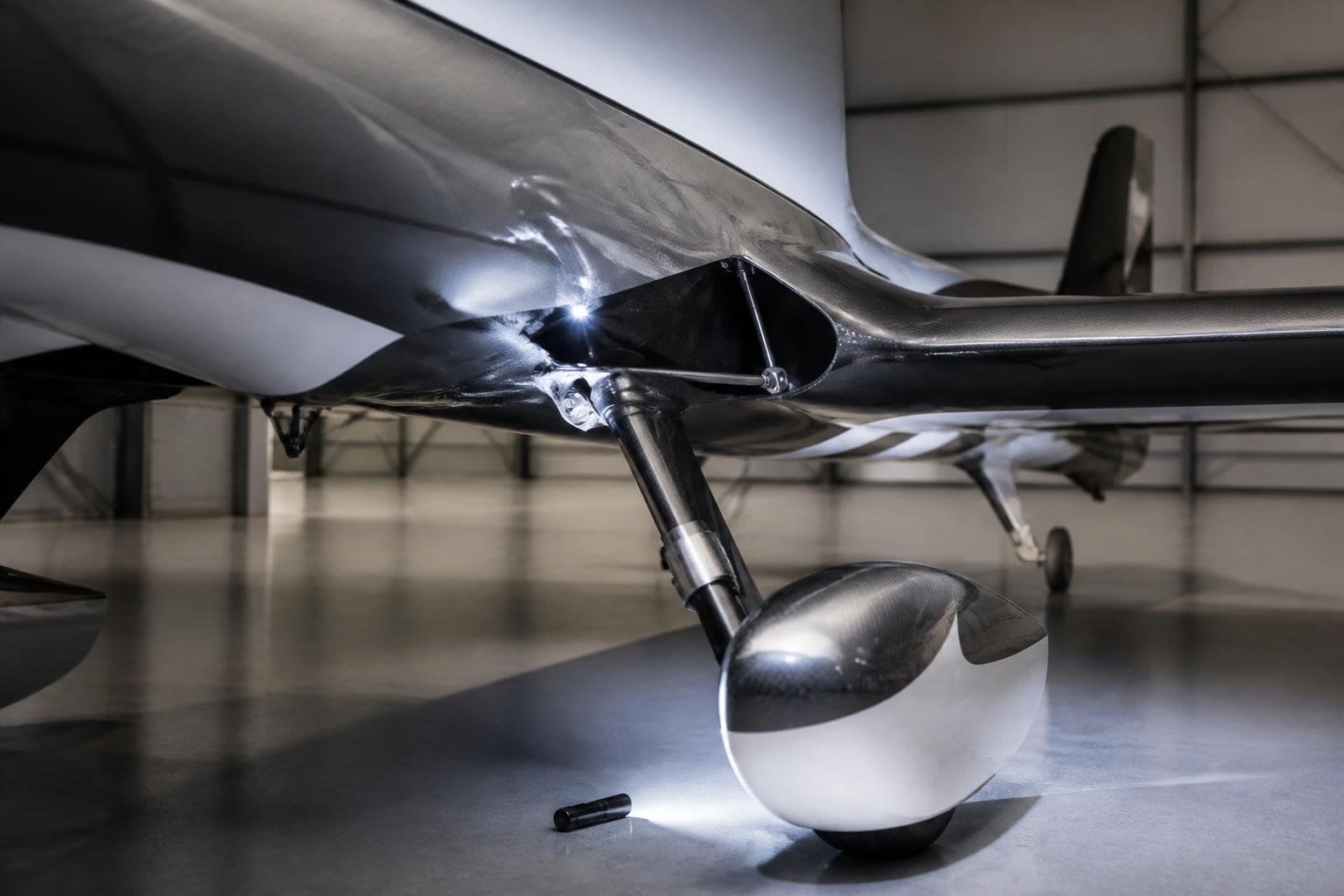
Another type-specific area involves the rudder lower support fitted to certain CAP aircraft.
An airworthiness directive was issued after cracked rudder lower supports were reported. Its applicability depends on the part installed and its production or supply history, so a buyer should establish whether the individual CAP 232 falls within the affected population and whether the required inspections or corrective actions are documented.
Beyond that specific item, the entire flight-control system deserves careful hands-on assessment. Inspect control rods, rod ends, bearings, bellcranks, stops, hinges and attachment hardware for condition, security, play and interference.
Full travel and correct rigging should be checked against applicable approved data. In an aircraft designed around rapid control response, unusual free play, asymmetry, stiffness or unexplained contact marks deserve investigation rather than reassurance.
Understand the Aircraft’s Aerobatic History
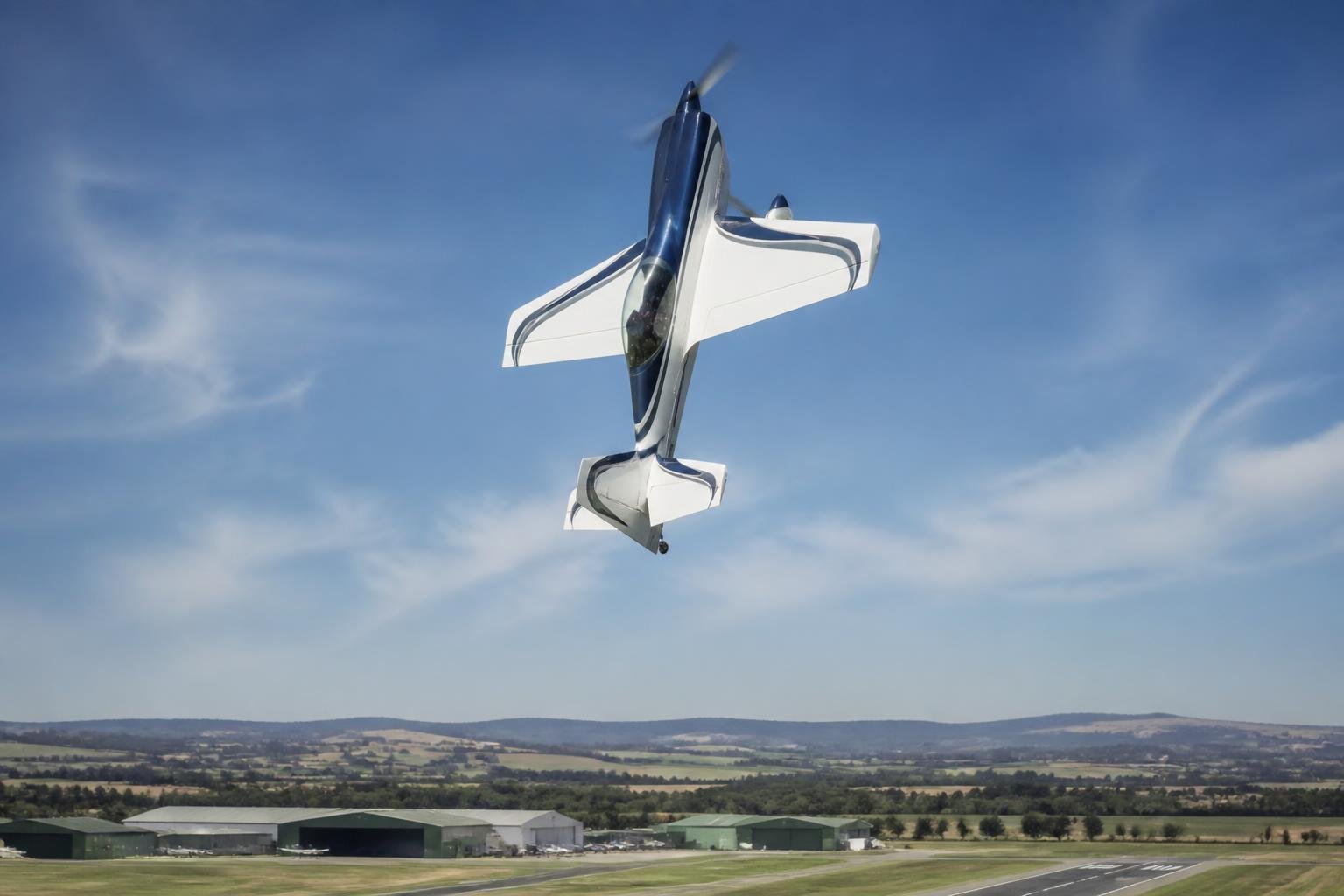
Total flight time is useful, but it does not describe the full structural life of an aerobatic aircraft.
A lower-time CAP 232 used intensively in advanced competition can have a very different operating history from an aircraft with more total hours accumulated through relatively conservative practice. Neither case is automatically better. The history simply needs to be understood.
Ask about:
- Competition use.
- Advanced or unlimited training.
- Airshow and display flying.
- Typical pilot roster.
- Known over-G or overspeed events.
- Hard landings.
- Propeller strikes or sudden stoppages.
- Periods of long inactivity.
- Transport, disassembly or unusual handling events.
Where possible, compare owner statements with logbooks, specialist reports, maintenance findings and repair records. A lack of documented incidents is useful information, but it should not be turned into a claim that the aircraft has never experienced unusual loading unless the available evidence genuinely supports that conclusion.
Inspecting the Wooden Fuselage
The fuselage should be inspected by someone familiar with wooden aircraft structures and the CAP family’s load paths and construction.
Areas of interest include structural joints, bulkheads, engine-mount interfaces, wing-attachment regions, landing-gear load paths and locations with known or suspected repair history.
Look for evidence of:
- Moisture exposure.
- Bond deterioration.
- Cracking or distortion.
- Discoloration or staining.
- Local compression or damage.
- Previous repairs with incomplete documentation.
- Changes in finish that justify closer examination.
A clean painted surface does not establish the condition of the underlying wood structure. Conversely, an older finish is not proof of structural deterioration. The finding has to be interpreted in the context of access, records and specialist inspection.
Because the post-2005 structural actions are particularly important on the CAP 232, the inspector should reconcile the physical configuration with the corresponding modification and inspection records.
Inspecting the Carbon-Fibre Wing
The carbon wing is one of the defining structural features of the CAP 232 and deserves type-specific examination.
Inspect the accessible wing structure and attachment areas for impact evidence, cracking, local deformation, surface irregularities and signs of previous repair. Where a finding or repair history justifies it, an appropriately qualified inspector may recommend a suitable non-destructive inspection method.
For any previous wing repair, obtain evidence describing:
- The location and extent of damage.
- The approved repair data used.
- Materials and process.
- Who carried out and released the repair.
- Any subsequent inspection requirement.
A properly engineered composite repair is not automatically negative. The buyer’s problem is undocumented or poorly understood structural work, particularly on an aircraft exposed to repeated aerobatic loading.
Landing Gear, Tailwheel and Ground-Handling History
The landing gear and surrounding structure can reveal how an aerobatic aircraft has been handled on the ground.
Inspect the main gear, mounting areas, wheels, brakes and adjacent structure for damage, alignment issues, previous repairs and evidence of hard landings. Wheel fairings or covers should not prevent inspection of the structure beneath them.
At the rear, review tailwheel condition, mounting, steering arrangements and the surrounding fuselage structure.
Ask directly about ground loops, runway excursions and landing events. These do not automatically make an aircraft unsuitable if the resulting damage was properly assessed and repaired, but the history and repair documentation should make sense.
Lycoming AEIO-540 Engine Due Diligence
The CAP 232 is associated with Lycoming AEIO-540-series aerobatic engines, but buyers should establish the exact approved engine model installed on the aircraft rather than assuming every airframe has an identical powerplant configuration.
Engine time since overhaul is only one part of the assessment. Review:
- Exact engine model and serial number.
- Overhaul history and documentation.
- Calendar age.
- Hours and utilisation pattern.
- Periods of inactivity and preservation.
- Cylinder and compression history.
- Borescope findings where available.
- Oil-filter or screen findings.
- Oil-analysis trends where used.
- Ignition and fuel-injection maintenance.
- Inverted oil and fuel-system maintenance.
- Exhaust condition.
- Current engine-related AD and service-information status.
Aerobatic operation adds its own context. The inspector should assess the engine installation, mounts, hoses, controls and surrounding structure with the expected operating environment in mind.
Applicable Lycoming airworthiness directives should also be checked against the exact engine model and serial applicability rather than assumed from the generic AEIO-540 family name.
Propeller and Governor
The propeller can represent both a substantial maintenance item and an important clue to previous events.
Confirm the propeller model and serial number, overhaul documentation, calendar status, governor records and blade condition. Investigate nicks, erosion, repairs, unusual tracking and any known strike or sudden-stoppage history.
If a propeller event has occurred, review the engine inspection or corrective work required by the applicable manufacturer data rather than treating the event as isolated to the propeller.
Cockpit, Restraints and Safety Equipment
The cockpit should be evaluated around actual aerobatic use rather than general comfort.
Check seat and harness condition, attachment points, adjustment range and the pilot’s ability to achieve unrestricted control travel when wearing the equipment intended for normal operation.
Inspect canopy transparency, hinges, latches and emergency-release arrangements. Evaluate parachute fit and egress practically rather than simply confirming that a parachute is included with the aircraft.
Also review:
- Brake and rudder-pedal operation.
- Throttle, mixture and propeller controls.
- Engine instrumentation.
- Radio and transponder suitability for the intended airspace.
- Electrical-system condition.
- Battery installation.
- Circuit protection and wiring quality.
Panel upgrades can be useful, but avionics should not dominate the valuation of an aircraft with unresolved structural or continuing-airworthiness questions.
CAP 232-Specific Pre-Buy Checklist
A CAP 232 inspection should go beyond a generic aerobatic-aircraft checklist. The following items deserve explicit documentary or physical evidence.
| CAP 232 buyer check | Evidence to request |
|---|---|
| Aircraft identity | Serial number, registration, type documentation and current operating status |
| Mixed construction | Inspection of wooden fuselage and carbon wing by suitably experienced personnel |
| 2006 structural AD | Compliance records for EASA AD 2006-0211R1-E and applicable approved modification data |
| Fuselage reinforcement | Records supporting the aircraft’s approved reinforced configuration |
| Repetitive structural inspections | Maintenance-program entries and inspection findings required by applicable approved data |
| Trim-tab control axis | Compliance with EASA AD F-2001-133R3 and current component status |
| Rudder lower support | Applicability determination and inspection/compliance records where required |
| Aerobatic history | Competition, training, display, over-G, overspeed and unusual-event information |
| Structural repairs | Approved repair data, release documentation and follow-up inspections |
| Engine | Exact AEIO-540 configuration, serial number, maintenance and current AD status |
| Propeller | Model, serial number, overhaul and strike history |
| Weight and balance | Current report reflecting structural changes and installed equipment |
If one of these areas cannot be established from the available records, treat it as an open technical question rather than filling the gap with assumptions.
Maintenance Support and CAP Technical Documentation
Before purchasing, identify who will support the aircraft after delivery.
CEAPR currently provides technical documentation support for CAP aircraft, including service bulletins, service letters, maintenance publications, type-certificate documentation and parts information through its publications system.
That support is particularly relevant on an aircraft where structural modifications, repetitive inspections and component-specific requirements form part of the continuing-airworthiness picture.
A maintenance provider should be comfortable working from current approved CAP documentation rather than relying only on general aerobatic-aircraft experience.
Ask prospective maintainers whether they have access to:
- Current CAP 232 maintenance documentation.
- Applicable service bulletins and service letters.
- Relevant structural repair data.
- Parts support.
- Specialist wood and composite inspection capability.
Flight Evaluation
A flight evaluation should come after satisfactory records and ground inspections, not before them.
Use a pilot with appropriate aerobatic and type-relevant experience, subject to the aircraft’s operating limitations, insurance and an agreed evaluation plan.
The objective is not to fly a competition sequence. The flight should help identify operational anomalies while remaining within a controlled scope.
Areas that may be observed include:
- Engine response and temperatures.
- Propeller operation.
- Vibration.
- Control harmony.
- Trim behaviour.
- Rigging indications.
- Brake and directional control during ground operation.
- Unusual noise or handling behaviour.
Inspect the aircraft again after flight for leaks, rubbing, loose items or other evidence that may not have been visible during a static examination.
Assessing a CAP 232 for Sale
When assessing a CAP 232 for sale, the main value drivers are not simply year and total time.
Consider:
- Structural modification and AD compliance.
- Condition of the wooden fuselage.
- Condition and repair history of the carbon wing.
- Aerobatic use history.
- Engine and propeller condition.
- Quality and continuity of records.
- Availability of specialist support.
- Current equipment and operating configuration.
For a real-world example, buyers can review the Mudry CAP 232 currently listed on CollectAirs. Use the listing to examine the aircraft-specific photographs, documentation and available technical information against the checks in this guide rather than treating listing claims as substitutes for an independent inspection.
A current bid, future auction price or seller expectation should not be treated as a universal CAP 232 market value. Condition and documented structural status can create substantial differences between apparently similar aircraft.
Other Aerobatic Aircraft Worth Comparing
A buyer considering a CAP 232 may also look at other dedicated competition or high-performance aerobatic aircraft, depending on pilot experience, budget, maintenance support and whether a second seat is required.
Common comparison candidates can include:
- Extra 300 and 330-series aircraft.
- Zivko Edge 540 variants.
- XtremeAir competition aircraft.
- Sukhoi Su-26 or Su-31 aircraft.
- Pitts competition aircraft where a different flying and ownership experience is acceptable.
The comparison should not be reduced to roll rate or engine power. Construction method, structural inspection requirements, parts support, certification, seating, engine support and the availability of experienced maintenance organisations may have greater ownership impact.
CollectAirs also lists other aerobatic aircraft, including Pitts Special and Pitts S-2A examples, which can provide useful market context even though their design and mission differ substantially from the CAP 232.
A Practical CAP 232 Buying Decision
The best CAP 232 purchase is the aircraft with the fewest important unanswered questions.
A sensible process is:
- Confirm identity, ownership and certification status.
- Obtain the full airframe, engine and propeller record set.
- Establish the post-2005 structural modification and inspection configuration.
- Review CAP-specific AD and service-information compliance.
- Commission a specialist wood-and-composite structural inspection.
- Review the engine and propeller independently.
- Investigate aerobatic and repair history.
- Complete a controlled flight evaluation where appropriate.
- Create a written discrepancy and cost list.
- Proceed, renegotiate, request further evidence or withdraw based on the findings.
The inspection cost is small compared with accepting an aerobatic aircraft whose structural status or documentation cannot be established confidently.
Mudry CAP 232 Buyer FAQ
Is the CAP 232 an all-composite aircraft?
No. The CAP 232 uses mixed construction. APEX describes the type as having a wooden fuselage combined with carbon-fibre composite wings. This is why a pre-buy should include expertise in both wooden and composite structures.
Does the CAP 232 have an important structural Airworthiness Directive?
Yes. EASA AD 2006-0211R1-E applies to all CAP 232 serial numbers and followed a 2005 in-flight wing separation event. For CAP 232 aircraft, the AD introduced approved structural corrective actions and repetitive inspection requirements that should be traceable in the aircraft records.
What should buyers check in the CAP 232 trim system?
EASA AD F-2001-133R3 addresses the trim-tab control axis on all CAP 232 aircraft. Buyers should establish which component is fitted and review the applicable replacement, life and inspection records using current approved maintenance data.
What engine does a CAP 232 use?
The CAP 232 is associated with Lycoming AEIO-540-series aerobatic engines. The exact installed and approved engine model, serial number and maintenance status should be confirmed from the individual aircraft’s records.
What matters most in a CAP 232 pre-buy?
The highest-priority areas are structural configuration and AD compliance, condition of the wooden fuselage and carbon wing, documented repairs, aerobatic history, flight controls, engine and propeller status, and access to specialist CAP maintenance support.
Sources & Further Reading
- APEX Aircraft — CAP Development History and CAP 232 Mixed Construction
- EASA — AD 2006-0211R1-E, CAP 230/231/231EX/232 Fuselage and Wing Modification/Reinforcement
- EASA — AD F-2001-133R3, CAP 231EX/CAP 232 Trim-Tab Control Axis
- Civil Aviation Safety Authority — CAP 232 Rudder Lower Support Airworthiness Directive
- CEAPR — CAP Aircraft Technical Publication and Service Information List
- CollectAirs — Mudry CAP 232 Listing
CAP 232 aircraft can differ by serial number, modification status, engine and propeller configuration, national registration and maintenance history. Airworthiness Directive applicability and continuing inspection requirements should be determined from the latest approved technical data for the individual aircraft.
Evaluating a CAP 232? Review the current Mudry CAP 232 listing and available aircraft documentation on CollectAirs.
Comments
No comments yet
Be the first to share your thoughts!