

 Bad Vöslau
 Kirn
Kirn
 Florida

Piper PA-46 models share a pressurized, six-seat, single-engine concept, but a Malibu, Mirage and Meridian can demand very different decisions from an owner. The original Malibu is an older turbocharged Continental-powered piston aircraft; the Mirage is the later Lycoming-powered piston branch; and the Meridian introduces PT6A turboprop ownership. The right choice depends less on the name on the paperwork than on mission, training, usable payload, maintenance reserves, records and the actual condition of the individual aircraft.
PA-46 at a Glance: Three Aircraft, One Pressurized Family
The PA-46 family was developed around a compelling owner-pilot proposition: a relatively compact cabin-class single capable of pressurized, high-altitude travel with seating commonly arranged for up to six occupants. That common architecture can make the range look straightforward. It is not. Piper PA-46 models span multiple engine installations, production eras, avionics generations and support requirements.
| Family branch | Defining powerplant | Broad ownership character |
|---|---|---|
| Malibu | Turbocharged Continental piston engine | Older, capable pressurized piston ownership with close attention to engine management and age-related condition |
| Mirage | Turbocharged Lycoming piston engine | Later piston PA-46 ownership, with configuration and equipment varying materially by year |
| Meridian | Pratt & Whitney Canada PT6A turboprop | Higher-performance turbine operation with substantially different maintenance planning and operating budget |
All three can serve a serious cross-country mission, but their practical economics and operating habits diverge. A buyer moving from a normally aspirated piston single may find that the pressurization, turbocharging, weather capability and systems depth change the ownership workload as much as the acquisition budget does. A pilot moving from a piston PA-46 into a Meridian must also account for turbine training, insurance expectations and a more formal approach to engine and component planning.
This is model-family guidance, not an assessment of any particular aircraft. A well-documented older Malibu may be a more rational purchase than a newer but poorly recorded Mirage, while a Meridian with an unclear engine-program position or approaching component obligations needs a different financial analysis from one with transparent records. Individual logbooks, maintenance status, modifications and inspection findings always take priority over general reputation.
Untangling the PA-46 Names and Production Timeline

The original PA-46 Malibu established the family as a pressurized, turbocharged piston single. Early aircraft used Continental powerplants, and the name Malibu is often used casually for several piston PA-46 aircraft. That shorthand can create confusion because it does not reliably identify the engine, year, equipment standard or maintenance exposure of the aircraft under discussion.
The Malibu Mirage designation marked the Lycoming-powered evolution of the piston line. In practical buying terms, the engine installation is the key distinction, but it is not the only one. Production-year changes, equipment options, upgrades and maintenance history can create larger differences between two aircraft with the same broad name than a buyer expects.
The Meridian took the PA-46 concept into turboprop territory with a PT6A engine. It retained the family’s owner-flown, pressurized travel role but changed the speed, climb and high-altitude operating picture, along with the cost structure. Later Piper M-class names add another layer: the M350 is the current-generation piston continuation of the Mirage concept, while the M500 and M600 are later turboprop models. A legacy Meridian should not be treated as mechanically or operationally identical to an M500 or M600.
For any used-aircraft review, start with the exact model designation, serial number, engine model and installation, propeller, aircraft equipment list and maintenance records. Confirm what is actually installed rather than relying on a sales description or a familiar nickname. A panel retrofit, air-conditioning installation, ice-protection equipment or engine change can significantly affect both value and future support needs.
Mission Fit: Which PA-46 Suits Your Flying?
PA-46 aircraft make most sense for owners who routinely benefit from pressurization and speed: regional business travel, family trips across weather systems, and longer cross-country flying where altitude improves ride quality or routing options. They are less compelling when the dominant mission is short local flying, frequent operation from very short strips, or carrying full seats and heavy baggage on every trip.
Start with actual trips, not aspirational ones. List typical stage length, passengers, baggage, departure-elevation and temperature conditions, runway surfaces, annual hours and the percentage of flights likely to be conducted under instrument flight rules. Then build a representative loading calculation using the approved flight manual data for the exact aircraft. Six seats do not automatically mean six adults, full baggage and long-range fuel can be carried together.
A piston Malibu or Mirage may suit an owner seeking pressurized travel while retaining piston-engine operating familiarity and a lower fuel-flow profile than a turboprop.
A Meridian may suit a buyer for whom climb, cruise speed and high-altitude turbine performance shorten enough trips to justify its greater operating commitment.
Frequent maximum-payload missions, unimproved-field use, or regular operations into constrained runways may point to a different aircraft category altogether.
Insurance underwriting commonly considers total time, retractable-gear time, high-performance experience, instrument currency and formal training. A transition course and recurrent training should be budgeted as normal ownership items rather than treated as optional extras. For a Meridian, turbine transition training and recurrent proficiency are central to safe and insurable operation. Requirements differ by insurer, pilot background and jurisdiction, so obtain realistic indications before committing to an aircraft.
Piper Malibu: What Defines the Original Piston PA-46

The original Malibu pairs a turbocharged Continental piston engine with a pressurized cabin intended to make high-altitude owner-pilot travel practical. The appeal remains clear: a relatively efficient route to a capable, fast piston single with a substantial cabin. Yet early-production aircraft are now mature assets, and their ownership proposition rests heavily on prior stewardship.
Turbocharged piston operation rewards discipline. Proper temperature management, thoughtful power changes, careful leaning in accordance with approved guidance and consistent monitoring all matter. Buyers should review available engine-monitor data and maintenance records for useful context on cylinder condition, oil consumption, turbocharger-related work and recurring findings. Trend data can inform questions; it does not replace an appropriately scoped inspection, borescope examination or maintenance professional’s judgment.
Airframe age also deserves a structured review. Corrosion risk depends on location, storage, environmental exposure and prior repairs, not merely calendar age. A knowledgeable facility should inspect areas identified by approved inspection requirements and pay particular attention to evidence of moisture intrusion, repairs and neglected seals. Pressurization integrity is equally important. Door seals, windows, outflow and environmental-control components can be expensive or time-consuming to rectify if maintenance has been deferred.
A seller may describe an aircraft as well maintained, recently updated or trouble-free. Treat those statements as useful starting points, then distinguish them from signed maintenance entries, invoices, inspection reports and objective test results. The most attractive Malibu is not necessarily the one with the newest paint or the lowest advertised hours; it is the one whose condition, maintenance planning and records withstand technical review.
Piper Mirage: How It Differs From the Malibu
The Malibu Mirage is defined principally by its Lycoming TIO-540 installation, making it a separate piston-engine ownership path from the Continental-powered Malibu. The engine difference affects maintenance familiarity, overhaul planning, troubleshooting and the specific records a buyer should want to see. It should not, however, lead to a simplistic assumption that every Mirage has the same payload, panel, air-conditioning system or cabin condition.
Across the Mirage production run, aircraft may have very different avionics suites, autopilots, navigation capability, interior refurbishments and equipment options. Some may be configured for a well-supported IFR travel mission; others may need meaningful investment before they match an owner’s intended use. Installed equipment, its approval basis, maintenance support and documentation matter more than a generic model-year expectation.
For the engine, inspect the logbook history, operating trends where available, cylinder and turbo-system work, exhaust-system condition and compliance with applicable maintenance requirements. Ask how the aircraft has been flown, but rely on records and inspection evidence. An aircraft flown regularly and maintained proactively can be a stronger candidate than one with low hours but prolonged inactivity, although neither pattern is conclusive on its own.
Useful load is a central Mirage buying variable. A sophisticated panel, air conditioning, de-ice equipment, upgraded interior and other options can improve comfort or capability while reducing available payload. Build several loading scenarios: two people with bags and practical fuel, a family trip, and the longest common trip at the desired reserve policy. This reveals whether the specific aircraft supports the intended mission without relying on broad brochure figures.
Piper Meridian: Turboprop Ownership Changes the Equation
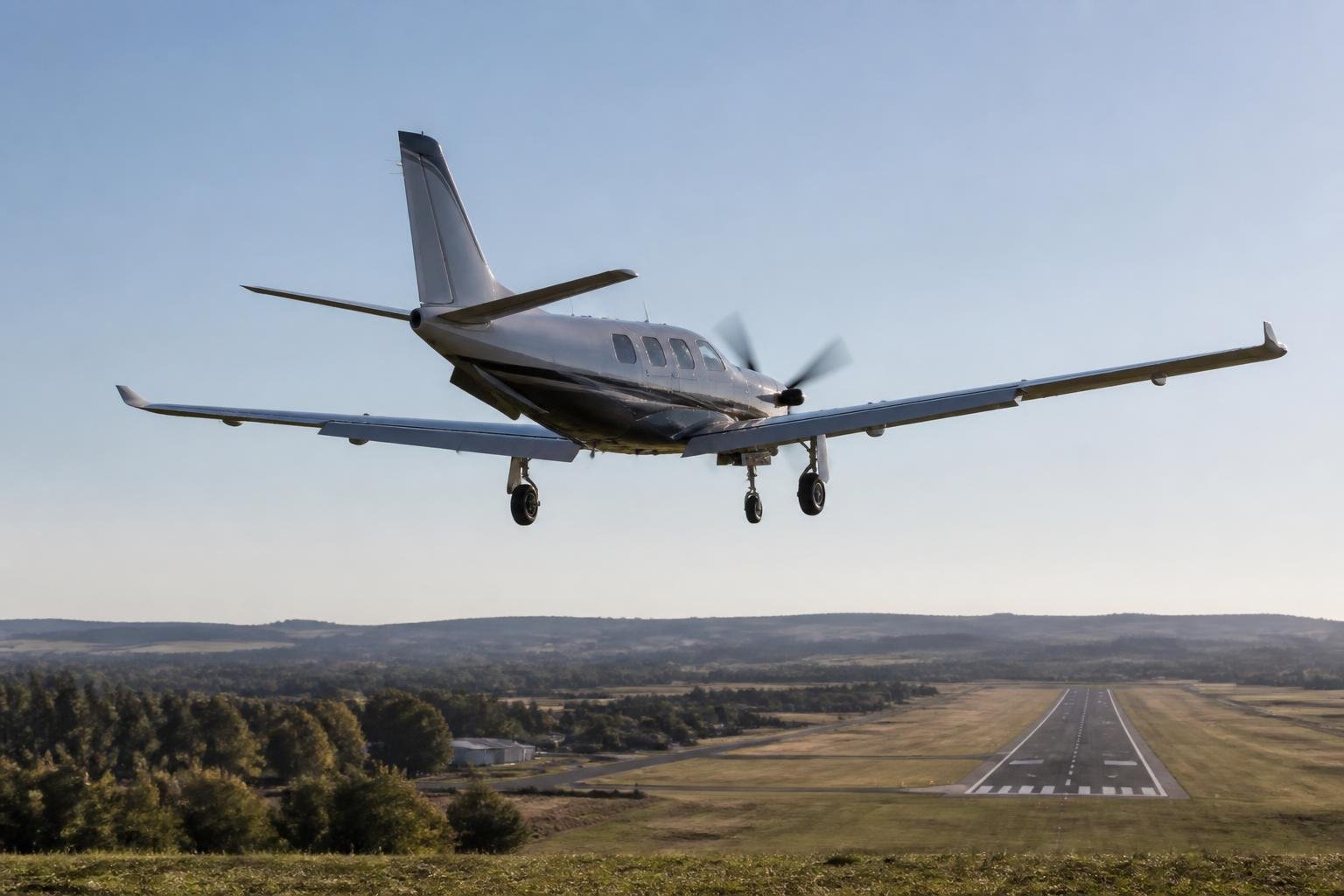
The Meridian replaces piston power with a PT6A turboprop, changing the aircraft’s practical performance and ownership discipline. The turbine’s climb capability and cruise performance can make a material difference on longer routes, particularly where operating at higher altitudes is useful. It can also provide a different experience in hot-and-high conditions, subject to the exact aircraft’s approved performance data, loading and operational limits.
Those advantages come with turbine-specific planning. The engine is supported by defined inspection, overhaul and component-life considerations. Buyers need to establish the precise engine model, time and cycles, maintenance status, hot-section history where applicable, and whether an engine program exists. If a program is involved, verify eligibility, transfer conditions, coverage, exclusions and any required payments directly from the relevant documentation. Do not assume that a reference to “on program” settles the question.
The propeller, landing gear, environmental systems and avionics also require review. A turboprop purchase budget must cover more than fuel and routine annual maintenance: component reserves, scheduled maintenance events, training, insurance, hangarage and the possibility of unscheduled work belong in the model. A Meridian may burn more fuel than a piston PA-46, but its trip economics should be evaluated through annual utilization and mission time saved rather than fuel flow alone.
Legacy Meridian aircraft should be evaluated on their own merits. The later M500 and M600 represent subsequent developments with different equipment, performance and systems. They may be relevant alternatives, but are not interchangeable comparison points. Use the approved flight manual and maintenance documentation for the exact model and serial-number configuration being considered.
Performance, Payload and Cabin: Comparing the Ownership Experience
At a high level, the piston PA-46 aircraft trade some trip speed for lower fuel use and piston-engine ownership economics, while the Meridian offers a stronger speed and climb proposition in return for turbine expense. The real comparison is trip-specific. A short journey may show little benefit after taxi, climb, descent and handling time; a longer route may reveal a meaningful Meridian advantage.
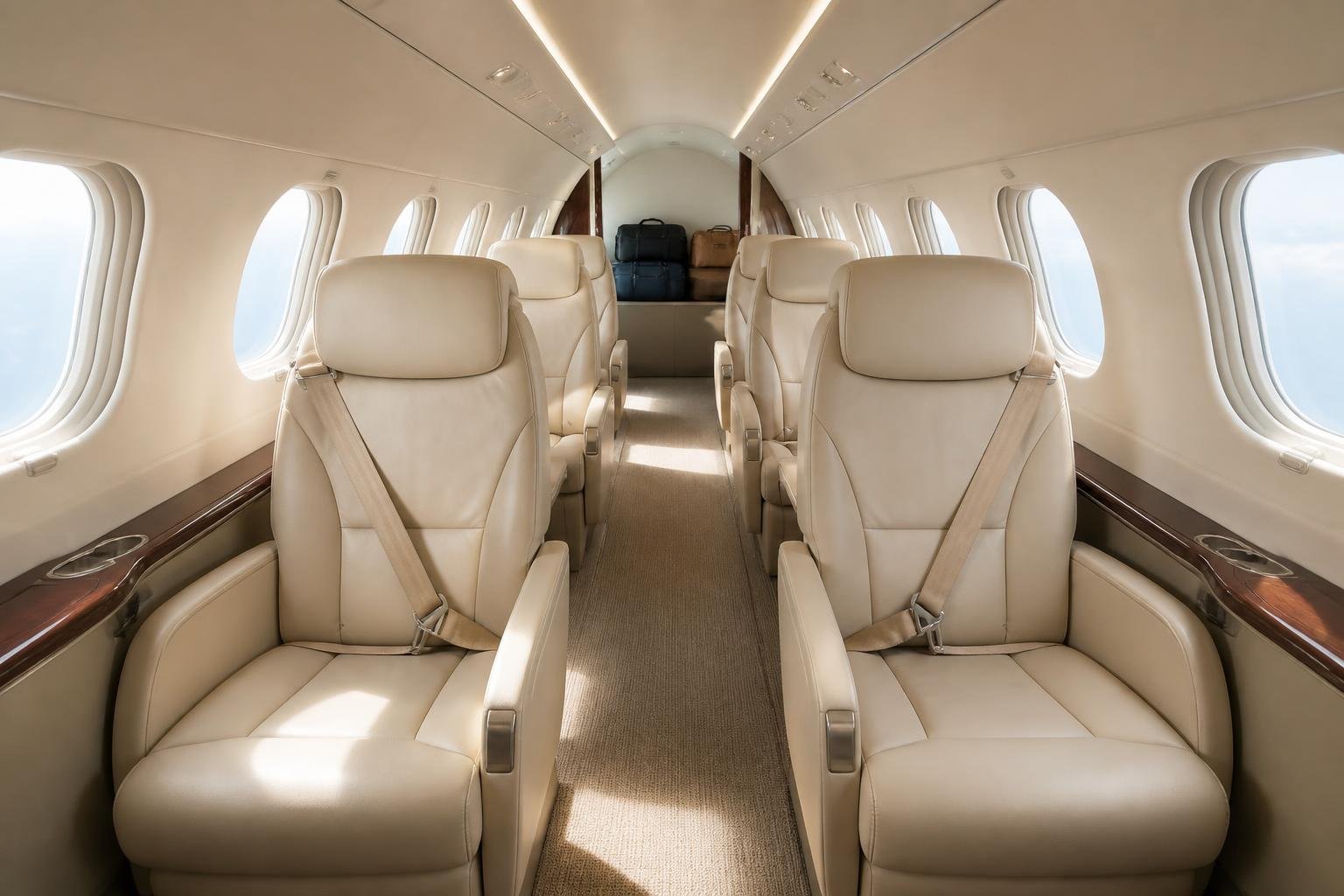
Pressurization is a shared family benefit, but cabin comfort is not only about altitude. Cabin condition, seal integrity, air-conditioning performance, oxygen equipment where fitted, noise, seating arrangement and interior refurbishment all influence how willingly passengers will use the aircraft. Access and baggage practicality should be examined in person. A six-seat arrangement should be assessed with the occupants and bags the owner truly expects to carry.
| Decision factor | Piston Malibu or Mirage | Meridian |
|---|---|---|
| Trip focus | Efficient pressurized piston travel | Faster, higher-climbing turbine travel |
| Powerplant planning | Turbocharged piston engine condition and overhaul exposure | PT6A records, component planning and program status |
| Payload question | Options and fuel choice can be decisive | Assess payload against turbine mission expectations and installed equipment |
| Operational preparation | High-performance piston and pressurization proficiency | Turbine transition, recurrent training and higher operating reserves |
Never use generic performance figures to dispatch a real trip. Cruise speed, range, runway performance, climb and payload vary with model, weight, altitude, temperature, equipment, operating procedures and approved limitations. The aircraft’s current POH or AFM, supplements and weight-and-balance report are the proper basis for evaluating the exact serial-number configuration.
Ownership Costs: Build a Budget Beyond the Purchase Price
A credible PA-46 budget separates fixed costs, variable costs and reserves. Fixed costs can include insurance, hangarage, training, subscriptions, inspections, regulatory obligations and administration. Variable costs include fuel, oil, consumables, landing fees where applicable and maintenance driven by flight hours or cycles. Reserves address predictable but uneven expenses: engine, propeller, landing gear, avionics, environmental systems and other significant components.
Annual utilization changes the analysis. An aircraft flown frequently spreads fixed costs over more trips and may benefit from regular operation, but it also advances calendar and hour-based maintenance obligations. An aircraft flown rarely may consume less fuel yet still require hangarage, insurance, recurrent training and careful preservation. Build a budget for the planned utilization, then a second, more conservative budget for an unscheduled maintenance year.
For piston aircraft, account for engine condition and a realistic path toward major work rather than assuming only routine annual expenses. For a Meridian, account for engine reserves, component limitations and the exact maintenance-program position. Propeller work, pressurization components, oxygen systems, air conditioning and ice-protection equipment can all materially affect the annual result where fitted.
Location matters. Coastal storage, remote maintenance access, local labor rates, tax treatment, fuel availability and regulatory requirements can change the ownership picture. A lower acquisition price can be quickly outweighed by incomplete records, deferred work or a lack of local support. Purchase price is an entry point, not an ownership forecast.
Maintenance Priorities and Known Due-Diligence Themes
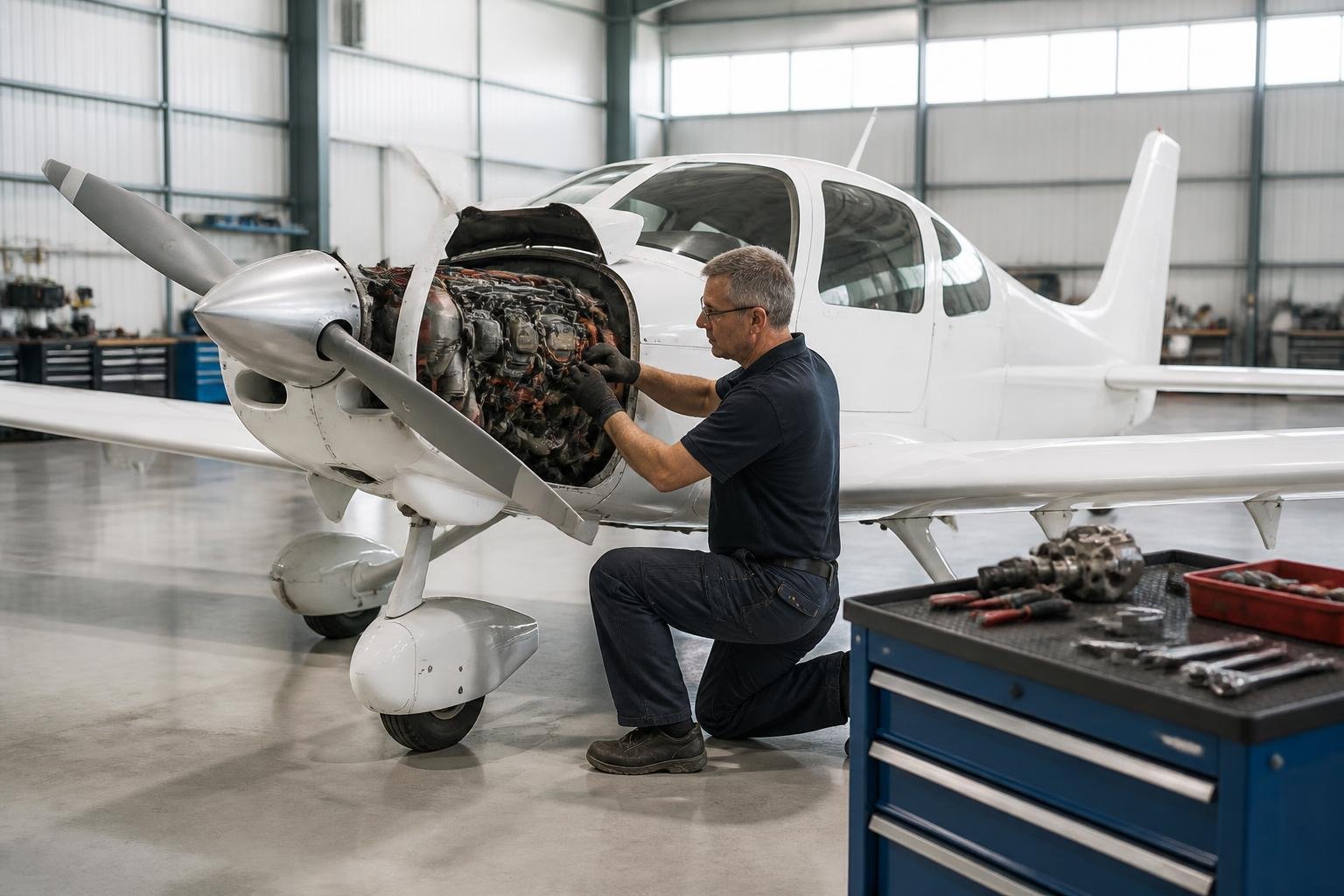
A pre-buy inspection should be independent, appropriately scoped and performed by a facility or professionals with meaningful PA-46 experience. The buyer should define the inspection scope before the transaction, including records review, physical inspection, operational checks permitted by the seller and resolution procedures for significant findings. A pre-buy inspection is not automatically equivalent to an annual inspection, an airworthiness determination or an appraisal.
Obtain complete airframe, engine, propeller and appliance logbooks, with a clear review of gaps, damage history, repairs, major alterations and recurring inspection compliance.
Review engine trend data, oil-analysis history and borescope observations in context with logbook entries, operating history and the inspector’s findings.
Assess pressurization performance, door and window seals, environmental-control system condition, oxygen equipment where installed and evidence of leaks or moisture issues.
Inspect landing gear, brakes, tires, electrical systems and ice-protection equipment with attention to maintenance history, proper operation and approaching service needs.
For a Meridian, verify engine documentation, hot-section and overhaul status where applicable, component life limits and any engine-program transfer requirements.
Damage history is not automatically disqualifying, but it requires precise documentation. Determine what occurred, who performed the repair, what approved data supported it, and whether subsequent inspections show a satisfactory outcome. The same standard applies to modifications. An attractive upgrade is less valuable if its approval, installation records or ongoing support are unclear.
Avionics, Equipment and Upgrades That Influence Value
A modern panel can substantially improve situational awareness and IFR utility, but it is only part of the aircraft’s value. Review the navigation and communication suite, autopilot capability, WAAS GPS status, ADS-B compliance, weather and traffic interfaces, display condition, database arrangements and recurring subscription costs. Confirm that the installation paperwork is complete and that the equipment remains supportable.
Autopilot capability deserves particular attention in a pressurized cross-country aircraft. A well-integrated, properly maintained autopilot can reduce workload on longer IFR flights; an obsolete or unreliable system may create a major upgrade decision. The same principle applies to onboard weather, radar, air conditioning, oxygen and de-ice equipment. These systems can be mission-critical for some owners and unnecessary complexity for others.
Cosmetic improvements matter for marketability and passenger experience, but they should follow fundamentals in the buying hierarchy. Fresh paint, new upholstery and bright displays do not compensate for incomplete logbooks, weak maintenance planning or unresolved system discrepancies. Ask for an itemized equipment list and compare it with the actual aircraft, maintenance records and approved supplements.
Buying a Used PA-46: A Structured Comparison Process
Begin by defining the mission, annual hours, acquisition budget and acceptable maintenance exposure. Then make a side-by-side comparison sheet for the Malibu, Mirage and Meridian candidates under consideration. Include actual useful load, recent maintenance, engine and propeller status, avionics, equipment, records quality, anticipated work, training needs and operating budget. This prevents a faster aircraft or newer panel from obscuring a weak fit elsewhere.
Request records before travelling to inspect an aircraft. Useful material includes logbooks, current status sheets, recent invoices, weight-and-balance documentation, equipment lists, major-repair and alteration records, engine documentation and photographs that clearly identify condition. If the seller cannot provide sufficient records for a preliminary review, that is itself a due-diligence finding.
Title, registration, import or export history and jurisdictional compliance should be reviewed as applicable to the transaction. Requirements vary by country and by aircraft history, particularly when an aircraft has moved between registries. Use appropriately qualified legal, tax, registration and technical advisers when the transaction calls for them.
Negotiate from verified condition and foreseeable work, not from a single advertised price. Current aircraft-auction listings can be useful documentation-rich market examples when they include detailed records and equipment information, but an asking figure or current bid is not a universal market value. The sensible comparison is between similarly configured aircraft with known maintenance status and a comparable documentation standard.
Who Should Choose a Malibu, Mirage or Meridian?
A Malibu can suit a buyer prepared to steward an older pressurized, turbocharged piston aircraft and to give engine management, corrosion prevention, seals and records the attention they require. It is often a decision about condition and maintenance history as much as about model preference.
A Mirage can suit the piston buyer who wants the later Lycoming-powered branch of the PA-46 line and values the potential for more recent systems or equipment. The individual aircraft still determines the result: useful load, air conditioning, de-ice capability, avionics and interior condition can all change its mission fit.
A Meridian is for an owner whose travel profile genuinely benefits from turboprop climb, speed and high-altitude capability, and who has the financial capacity for turbine support, recurrent training and disciplined component planning. The extra capability is valuable only when it aligns with regular missions.
Walk away when records are incomplete, significant system concerns remain unresolved, the inspection cannot establish a credible maintenance picture, or the likely operating budget does not match the planned use. A sound next step is to compare documented examples of each PA-46 branch, calculate realistic loading and operating scenarios, and arrange independent technical due diligence before entering a purchase commitment.

Comments
No comments yet
Be the first to share your thoughts!