
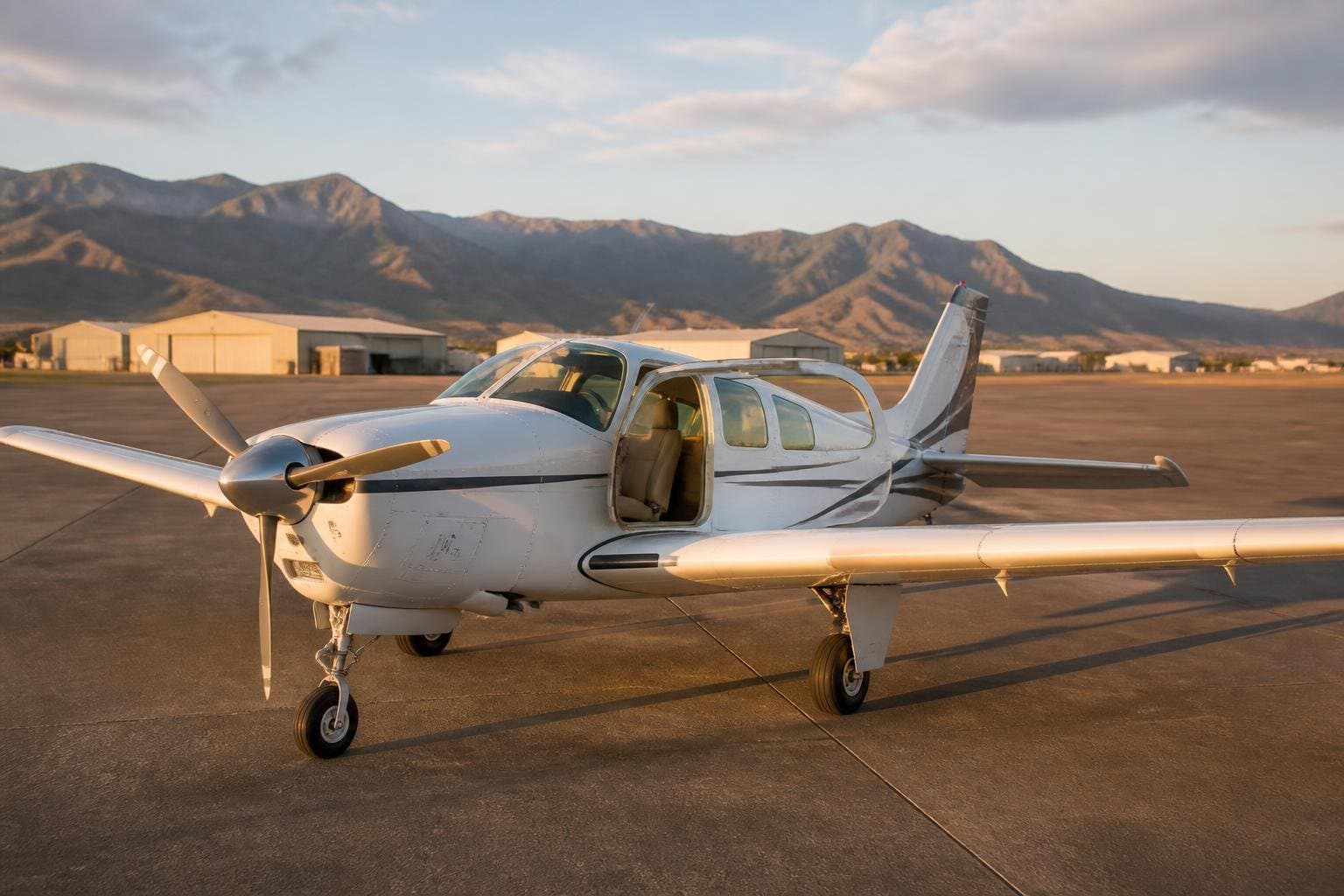
If you are looking for a Piper Lance for sale, the PA-32R-300 is worth considering when cabin space, payload flexibility and cross-country utility matter more than low operating cost or mechanical simplicity. A well-maintained Lance can be a capable family, business or partnership aircraft; a neglected one can quickly become expensive through engine, landing-gear, corrosion, avionics and documentation issues.
The purchase decision should therefore begin with the actual mission and the individual aircraft. Confirm the exact model and serial number, calculate loading from the current weight-and-balance report, review the maintenance history and arrange an independent Piper Lance pre-buy inspection with someone familiar with retractable-gear PA-32 aircraft.
Piper Lance PA-32R-300: Buyer’s Snapshot
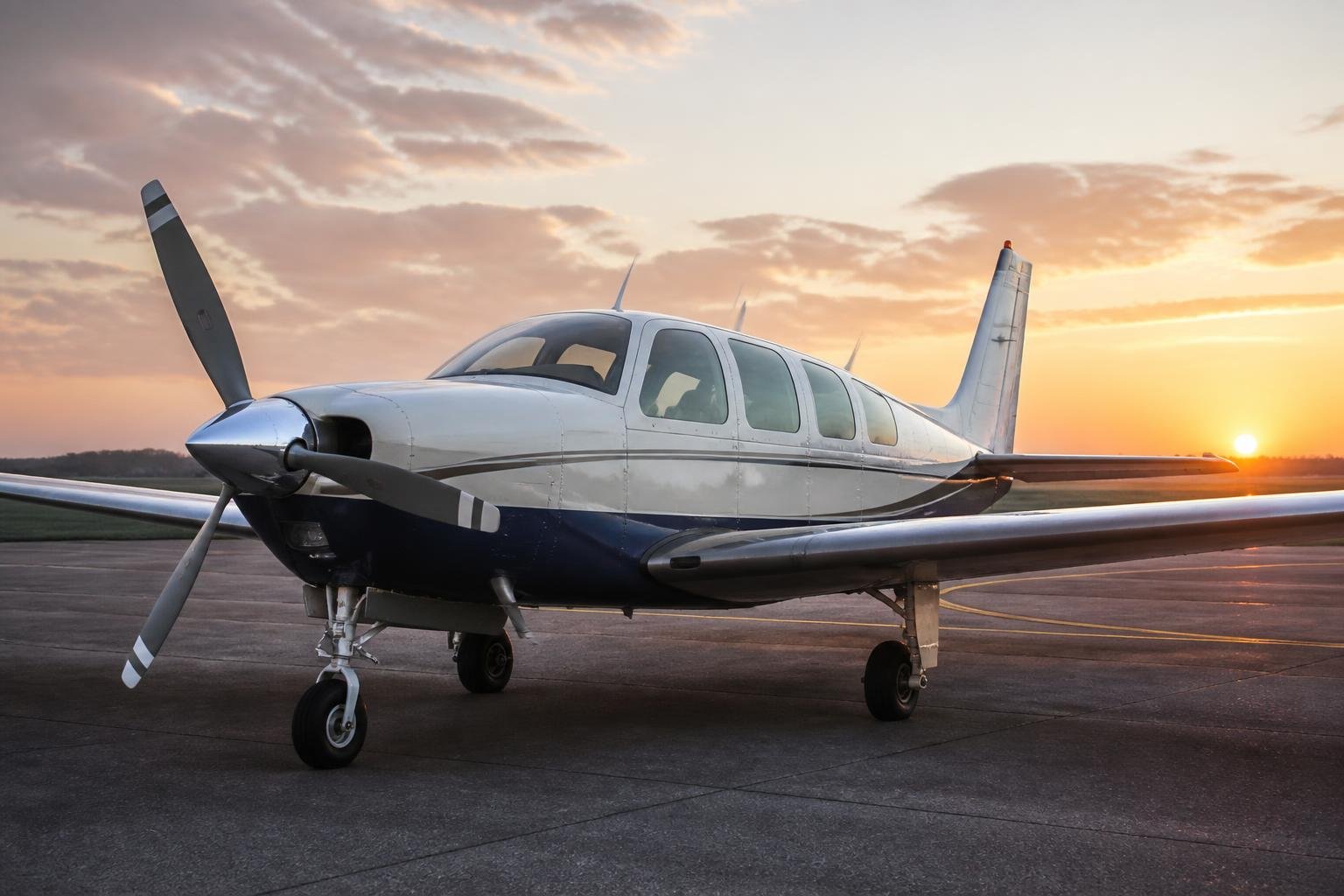
The original PA-32R-300 Lance was approved in 1975 as the retractable-gear development of Piper’s PA-32 family. FAA Type Certificate Data Sheet A3SO lists the model with a 3,600 lb maximum weight, a 300 hp Lycoming IO-540 installation and configurations accommodating up to seven seats, with six-seat club arrangements also approved for applicable aircraft.
Its attraction is straightforward: a broad cabin, generous access, substantial baggage capability and retractable landing gear in a normally aspirated single-engine platform. That makes it particularly interesting for owners moving beyond typical four-seat aircraft.
The trade-off is complexity. A Lance adds retractable landing gear, a constant-speed propeller, a large six-cylinder engine and decades of potential modifications and maintenance history. Condition and documentation matter more than fresh paint or a long avionics list.
Piper Lance, Lance II and Saratoga: Know the Difference
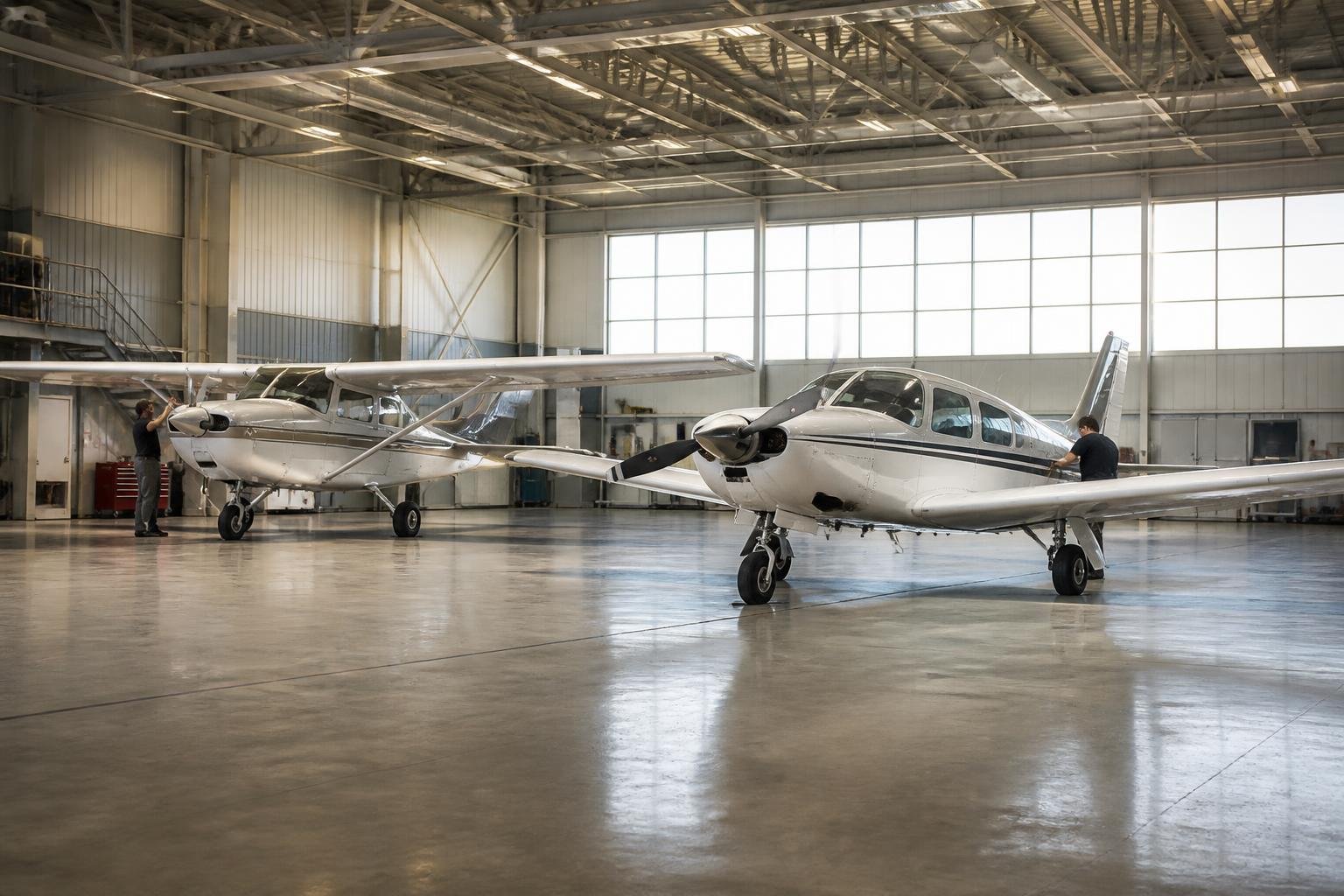
“Lance” is sometimes used loosely in advertisements, but the retractable PA-32 family contains distinct models. Getting the chronology right is important when comparing specifications, parts, performance and value.
The PA-32R-300 Lance is the original retractable model with a conventional tail. The later PA-32RT-300 Lance II, approved in 1977, introduced redesigned tail surfaces in a T-tail configuration. Importantly, the Lance II did not introduce the later tapered wing.
That wing change arrived with the PA-32R-301 Saratoga SP, approved in 1979. FAA type data describes the PA-32R-301 as based on the PA-32R-300 but with tapered wings and other changes. It also returned to the conventional-tail layout associated with the Saratoga family.
In simple terms:
- PA-32R-300 Lance: conventional tail, original Lance configuration.
- PA-32RT-300 Lance II: T-tail development of the Lance.
- PA-32R-301 Saratoga SP: tapered-wing successor with conventional tail.
- PA-32R-301T Turbo Saratoga SP: tapered-wing turbocharged version.
Do not identify the model only from photographs or a seller’s shorthand. Confirm the model, serial number, engine installation and approved configuration from the aircraft records.
Piper Lance PA-32R-300 Specifications
The FAA type-certificate data provides a useful model-level baseline for the PA-32R-300. These figures should not replace the approved flight manual, supplements or weight-and-balance documentation for the specific aircraft being evaluated.
| Specification | FAA PA-32R-300 reference |
|---|---|
| Model | PA-32R-300 Lance |
| Approval | Normal Category; approved February 25, 1975 |
| Engine | Lycoming IO-540-K1A5D; IO-540-K1G5D approved for specified later serial numbers |
| Rated power | 300 hp at 2,700 rpm |
| Maximum weight | 3,600 lb |
| Seating | Up to 7 seats; approved 6-seat club configuration also available on applicable aircraft |
| Maximum baggage | 200 lb total, subject to approved loading limits |
| Fuel capacity | 98 US gal total / 94 US gal usable |
| Propeller | Hartzell constant-speed installation in the type data |
| Maximum structural cruise speed | 149 kt CAS |
| Never-exceed speed | 188 kt CAS |
| Maximum gear-extension speed | 130 kt CAS |
| Maximum gear-retraction speed | 109 kt CAS |
These are certification data, not a prediction of everyday cruise performance. In particular, the FAA maximum structural cruise speed should not be confused with the aircraft’s normal cruise speed. For flight planning, use the applicable POH performance tables for the exact aircraft and power setting.
Useful Load, Cabin and Seven-Seat Practicality
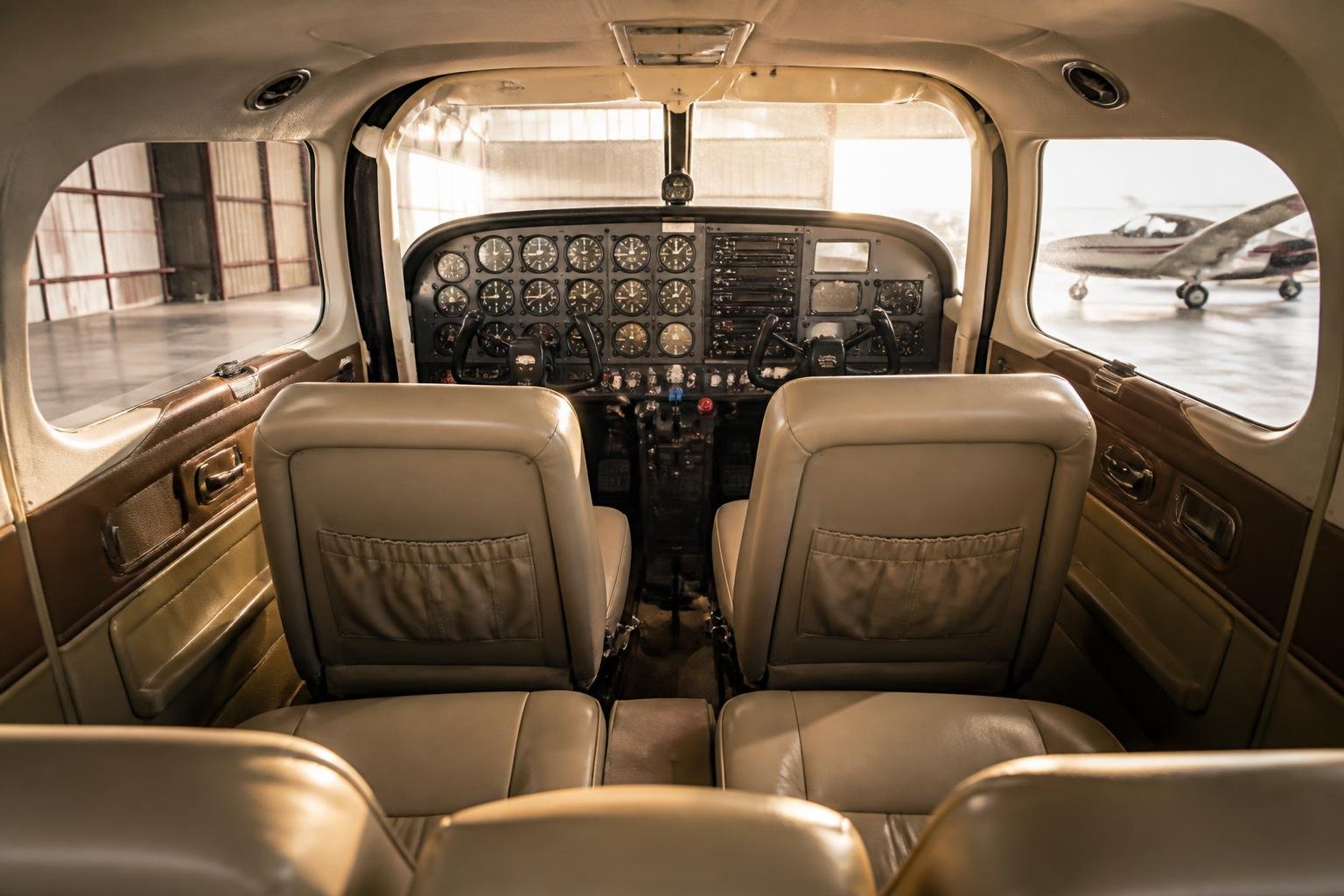
The cabin is one of the main reasons to buy a Lance. FAA certification allows configurations of up to seven seats, while some aircraft use an optional six-place club-seat arrangement. The cabin layout makes passenger access and baggage loading more practical than in many smaller high-performance singles.
But seat count and useful payload are different things. The fact that an aircraft has six or seven seats does not mean it can legally carry that many adults, their luggage and full fuel at the same time.
Start with the individual aircraft’s current empty weight and approved maximum weight. Then calculate occupants, baggage, fuel and centre of gravity for the trips you actually intend to fly. Air conditioning, modern avionics, interior upgrades and other equipment can materially change empty weight.
The current PA-32R-300 offered on CollectAirs, for example, has aircraft-specific weight and equipment information that should be assessed separately from generic Lance specifications. Those listing details describe that individual aircraft and should not be applied to another PA-32R-300.
Piper Lance Cruise Speed, Fuel Burn and Range

Piper Lance cruise speed depends on altitude, power setting, mixture, aircraft condition, rigging, loading and installed equipment. Buyers should be cautious with one-number performance claims because published data normally assumes defined atmospheric conditions and aircraft configurations.
The FAA type certificate confirms the model’s speed limitations, but normal cruise planning should come from the applicable POH. Do not treat the 149-knot maximum structural cruise limitation as an expected cruise speed.
Piper Lance fuel burn is equally dependent on how the 300 hp Lycoming IO-540 is operated. Power setting, altitude and mixture management all affect consumption. Lycoming’s operating documentation for the O-540 and IO-540 family should be used together with the aircraft POH and installed engine instrumentation.
The type certificate lists 98 US gallons total fuel capacity and 94 gallons usable for the PA-32R-300. That can support substantial cross-country endurance, but range is still a payload decision. More fuel means less capacity for occupants and baggage.
For ownership planning, build several realistic scenarios: short regional trips, a typical family trip and a long cross-country sector. Apply actual passenger weights, baggage, required reserves and conservative winds rather than simply dividing fuel capacity by an optimistic fuel-flow figure.
Engine and Propeller Considerations
The PA-32R-300 uses Lycoming IO-540-series powerplants, with the exact approved model depending on serial number and configuration. FAA type data lists the IO-540-K1A5D and, for specified later serial numbers, the IO-540-K1G5D. Both are 300 hp installations.
Engine time since overhaul matters, but it is only one part of the condition assessment. Review calendar age, overhaul documentation, periods of inactivity, cylinder work, oil-consumption history, oil and filter findings, leaks and engine-monitor data where available.
A low-time engine that has spent years inactive can present different risks from a higher-time engine that has flown regularly and received consistent maintenance.
The constant-speed propeller deserves its own record review. Confirm model and serial number, overhaul history, calendar status, blade condition, governor maintenance and any propeller-strike history. A recently polished spinner says little about the condition of the underlying assembly.
Retractable Landing Gear: What Buyers Should Inspect
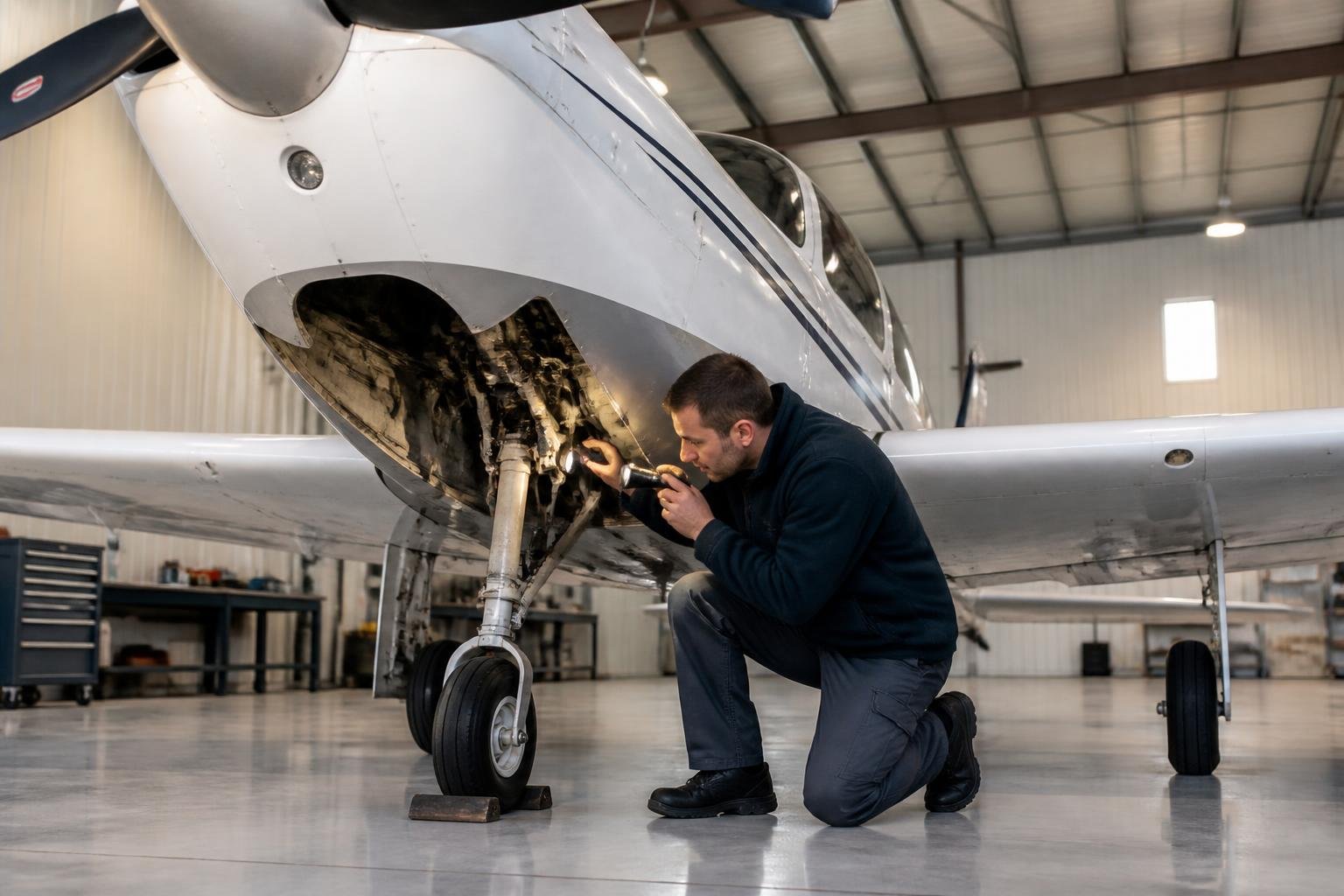
The landing gear is one of the most important Piper Lance pre-buy areas because it combines mechanical complexity with potentially expensive consequences if maintenance has been deferred.
Inspect operation, rigging, switches, indications, downlocks, hydraulic components, hoses, fittings and the emergency-extension system. The records should show consistent attention to gear-related discrepancies rather than repeated unexplained repairs.
FAA Airworthiness Directive 81-24-07 specifically addressed the nose landing gear on PA-32R-300, PA-32RT-300, PA-32RT-300T and Saratoga retractable models. For affected aircraft, buyers should confirm documented compliance with the applicable requirements and any later maintenance affecting the system.
Hard landings and gear incidents deserve careful investigation. A properly repaired event is not automatically a reason to reject an aircraft, but the damage scope, approved repair data, workmanship and follow-up inspections should be documented.
Corrosion, Airframe and Aging-Aircraft Inspection
A PA-32R-300 being purchased today is an aging aircraft, so corrosion exposure and long-term storage history deserve more weight than cosmetic appearance.
Inspection should cover accessible wing and fuselage structure, landing-gear wells, lower fuselage areas, battery areas, baggage compartments, control surfaces and places where moisture may collect. Aircraft that have spent significant time in coastal or humid environments deserve particular attention.
Fresh paint can improve presentation while making historical corrosion or repairs harder to evaluate visually. Ask when and why the aircraft was painted, what preparation work was carried out and whether photographs or records exist from before the repaint.
Any significant repair should reconcile with the logbooks and approved documentation. An unexplained physical repair or missing paperwork should be resolved before valuation is finalised.
Piper Lance Operating Cost: Build a Real Ownership Budget
There is no universal Piper Lance operating cost because utilisation, fuel price, maintenance quality, insurance, storage and pilot experience vary considerably. A useful budget separates fixed costs from flight-hour costs and then adds reserves for major components and unexpected maintenance.
Fixed costs can include:
- Hangarage or tie-down.
- Insurance.
- Annual inspection and recurring maintenance requirements.
- Recurrent training.
- Navigation-data subscriptions where applicable.
- Registration, administration and local taxes where relevant.
Variable costs can include:
- Fuel and oil.
- Landing and handling fees.
- Engine reserve.
- Propeller reserve.
- Routine consumables and hour-driven maintenance.
Then add a separate contingency for an aging complex aircraft. Gear components, hoses, alternators, avionics, vacuum equipment where still installed, seals, corrosion findings and electrical faults do not arrive neatly on an hourly schedule.
The first year can be particularly important because it often establishes the true maintenance baseline after ownership changes.
Piper Lance Pre-Buy Inspection Checklist
A Piper Lance pre-buy inspection should be performed independently and ideally by a mechanic or facility with meaningful PA-32 retractable experience. Agree the scope in writing before the inspection begins.
- Confirm the exact PA-32 model, serial number and registration identity.
- Review continuous airframe, engine and propeller records for gaps or inconsistencies.
- Verify current weight-and-balance information after equipment or interior changes.
- Confirm aircraft-specific Airworthiness Directive compliance.
- Inspect landing-gear operation, rigging, locks, indications, hydraulics and emergency extension.
- Review nose-gear compliance and maintenance history.
- Inspect accessible structure for corrosion, repairs, water intrusion and damage.
- Review engine overhaul records, cylinder history, leaks and operating trends.
- Consider borescope findings, oil-filter inspection and engine-monitor data where appropriate.
- Check propeller and governor condition and overhaul records.
- Inspect fuel tanks, caps, vents, selectors, lines, drains and indications.
- Confirm installed avionics match the equipment list and approval documentation.
- Review autopilot, electrical system and legacy vacuum equipment where fitted.
- Investigate accident, incident and major-repair history.
- Obtain written findings and realistic estimates for identified work.
A pre-buy inspection is not the same as an annual inspection, an appraisal or a declaration of airworthiness. Each serves a different purpose.
Logbooks, Documentation and Avionics
Complete records make it easier to understand how an aircraft has been operated, repaired and modified. Missing records are not always fatal to a transaction, but they increase uncertainty and may affect valuation, maintenance planning and resale.
Ask for scanned logbooks before travelling when possible. Review the latest annual inspection, engine and propeller entries, major repairs, alterations, Airworthiness Directive status and the current equipment list.
For avionics, verify more than the model names shown in an advertisement. Confirm that installed equipment is operational, appropriately documented and useful for the intended mission. Database support, installation approval and autopilot condition can be as important as the display itself.
Panel upgrades often add practical value, but they do not compensate for weak structural condition, incomplete logs or an engine with unresolved issues.
Finding a Piper Lance for Sale
When reviewing a Piper Lance for sale, compare condition-adjusted aircraft rather than headline prices. Two PA-32R-300s of similar age can have dramatically different first-year ownership exposure because of engine history, corrosion, landing-gear condition, avionics and documentation.
For a current real-world example, buyers can review the Piper Lance PA 32R-300 currently available on CollectAirs. Compare its aircraft-specific engine, propeller, useful load, avionics, maintenance history and documentation against the criteria in this guide rather than treating the auction price as generic Piper Lance market value.
The current CollectAirs aircraft is a 1976 PA-32R-300. Its listing includes aircraft-specific engine, propeller, equipment, weight and maintenance information. Those details apply only to that airframe and should not be generalised to the entire Lance fleet.
Piper Lance Price: What Determines Value?
There is no single reliable Piper Lance price. Asking prices, opening auction prices, current bids, completed transactions and professional appraisals are different things.
A current auction bid tells you what has been offered at that point in time. It is not automatically market value and may not represent a final transaction.
Important value drivers include:
- Exact PA-32 variant and year.
- Airframe and corrosion condition.
- Engine model, overhaul history and current status.
- Propeller condition and overhaul history.
- Landing-gear maintenance and repair history.
- Avionics and autopilot capability.
- Interior and paint condition.
- Damage and repair history.
- Logbook continuity.
- Actual useful load after modifications.
A lower purchase price may cease to be attractive once an engine event, gear work, avionics replacement or corrosion repair is included. Compare total acquisition exposure, not just the number in the advertisement.
Piper Lance Alternatives Worth Comparing
The fixed-gear Piper Cherokee Six is the most obvious alternative for a buyer who values the PA-32 cabin but prefers fewer landing-gear systems and a simpler ownership proposition.
The later Piper Saratoga SP continues the retractable PA-32 concept with the tapered wing introduced on the PA-32R-301. It should be compared on actual useful load, condition and acquisition cost rather than assuming the later model name automatically makes it the better aircraft.
A Beechcraft A36 Bonanza can appeal to buyers seeking cross-country performance and multi-seat capability, while the Cessna 210 offers another high-performance retractable-single option. Each has a different cabin, systems architecture and maintenance profile.
The useful comparison is mission-based: realistic occupants, baggage, trip length, runway environment, annual flying hours, insurance, local maintenance support and acquisition budget.
Who Should Buy a Piper Lance PA-32R-300?
The Lance is best suited to an owner who actually needs the PA-32 cabin and is prepared for the costs and training demands of an aging complex aircraft. It makes the strongest case for regular cross-country use, family or partnership flying, and missions where cabin flexibility matters.
It is less compelling when most flights carry only one or two people over short distances and the retractable gear and six-cylinder engine provide little practical benefit. In that mission, a simpler fixed-gear aircraft may be the more economical choice.
The final decision should answer four questions: does the aircraft fit the normal mission, is the individual airframe and powerplant condition understood, are the records coherent, and does the ownership budget include enough reserve for an aging complex airplane?
Piper Lance Buyer FAQ
How many seats does a Piper Lance have?
FAA type data allows the PA-32R-300 to be configured with up to seven seats. Applicable aircraft can also use an approved six-seat club arrangement. Always verify the seating configuration and weight-and-balance data for the individual aircraft.
What engine does the Piper Lance use?
The PA-32R-300 was approved with 300 hp Lycoming IO-540-series engines. The exact model depends on serial number and aircraft configuration, so verify the engine data plate and records.
What is the Piper Lance fuel capacity?
FAA type-certificate data lists 98 US gallons total and 94 US gallons usable for the PA-32R-300. Aircraft-specific modifications and documentation should still be checked.
What is Piper Lance cruise speed?
There is no single cruise-speed figure suitable for every operating condition. Cruise depends on altitude, power, mixture, loading and aircraft condition. Use the performance tables in the applicable POH rather than confusing normal cruise with the FAA maximum structural cruise limitation.
What should be checked before buying a Piper Lance?
Priorities include landing-gear operation and maintenance, corrosion, engine and propeller history, fuel-system condition, Airworthiness Directive compliance, avionics documentation, damage history, logbook continuity and current weight-and-balance information.
Sources & Further Reading
- FAA — Type Certificate Data Sheet A3SO, Piper PA-32 Series
- FAA — Airworthiness Directive 81-24-07, PA-32 Retractable Nose Landing Gear
- FAA — Airworthiness Directive 95-26-13, Piper Oil Cooler Hose Assemblies
- Lycoming — O-540 and IO-540 Series Operator’s Manual
- CollectAirs — Piper Lance PA 32R-300, Lot #158
Model-level specifications above are based on FAA type-certificate data. Individual aircraft can differ because of serial-number applicability, approved modifications, equipment, weighing results and maintenance history. Always use the current approved documentation for the specific aircraft before making operational or purchasing decisions.

Comments
Join the conversation
Share your thoughts about this article
No comments yet
Be the first to share your thoughts!